I almost crossed it off the list. A bird farm? On an island built for beaches and snorkeling and rum punch at sunset, the idea of spending a chunk of a precious Aruba morning watching ostriches felt like a detour I’d regret. I was wrong, and I’ll happily admit it. By the time I was standing in the dust at the Aruba ostrich farm with a nine-foot bird leaning its periscope neck down to take pellets from my flat palm, I’d completely forgotten the beach existed. My kids were shrieking with laughter, my partner was filming, and I was learning that an ostrich can outrun a racehorse over distance. This is the stop nobody plans and everybody ends up loving.
So here’s my honest take, written after the visit and updated as I keep an eye on the details that change. This guide covers what the farm actually is, where it sits, how the guided tour runs, what it costs, how long to budget, whether it’s worth it for families and rainy days, and exactly how to fold it into a day exploring Aruba’s rugged north coast.
Quick answer: The Aruba Ostrich Farm is a working farm and educational attraction near Paradera, on the road out to the Natural Bridge ruins. Guided tours run roughly hourly and let you hand-feed ostriches and emus, hold a giant egg, and tour the hatchery. Tickets run around $17 for adults and $10 for kids, and the whole visit takes about 60 to 90 minutes. Check the official site for current hours and prices before you go.
Aruba Ostrich Farm at a glance
If you only read one section, make it this one. Here’s the snapshot I wish someone had handed me before I drove out there.
| Detail | What to expect |
|---|---|
| Location | Matividiri 57, Paradera, on the road to the Natural Bridge / Bushiribana ruins (north-central Aruba) |
| What it is | Working ostrich and emu farm plus a guided educational tour, restaurant, and art shop |
| Tours | Guided, roughly hourly (around 10:00 a.m. to 3:00 p.m.), about 30 minutes each |
| Price (around) | ~$17 per adult, ~$10 per child — confirm current rates on the official site |
| Total time to budget | 60-90 minutes with the shop and a drink; longer if you eat lunch |
| Good for | Families with kids, rainy or cloudy days, animal lovers, a break from the beach |
| Getting there | Rental car (free parking) or taxi; many north-coast tours stop here |
| On site | Savanna Lodge Bar & Restaurant, souvenir art shop, monthly farmers market |
It’s an easy add-on rather than a half-day commitment, which is exactly why it works so well on a packed Aruba trip. You can knock it out on the way to or from the island’s wild northeastern coast and still be back on the sand by lunch. For the bigger picture of how it fits your week, my Aruba itinerary guide maps out where a stop like this slots in.
What exactly is the Aruba Ostrich Farm?
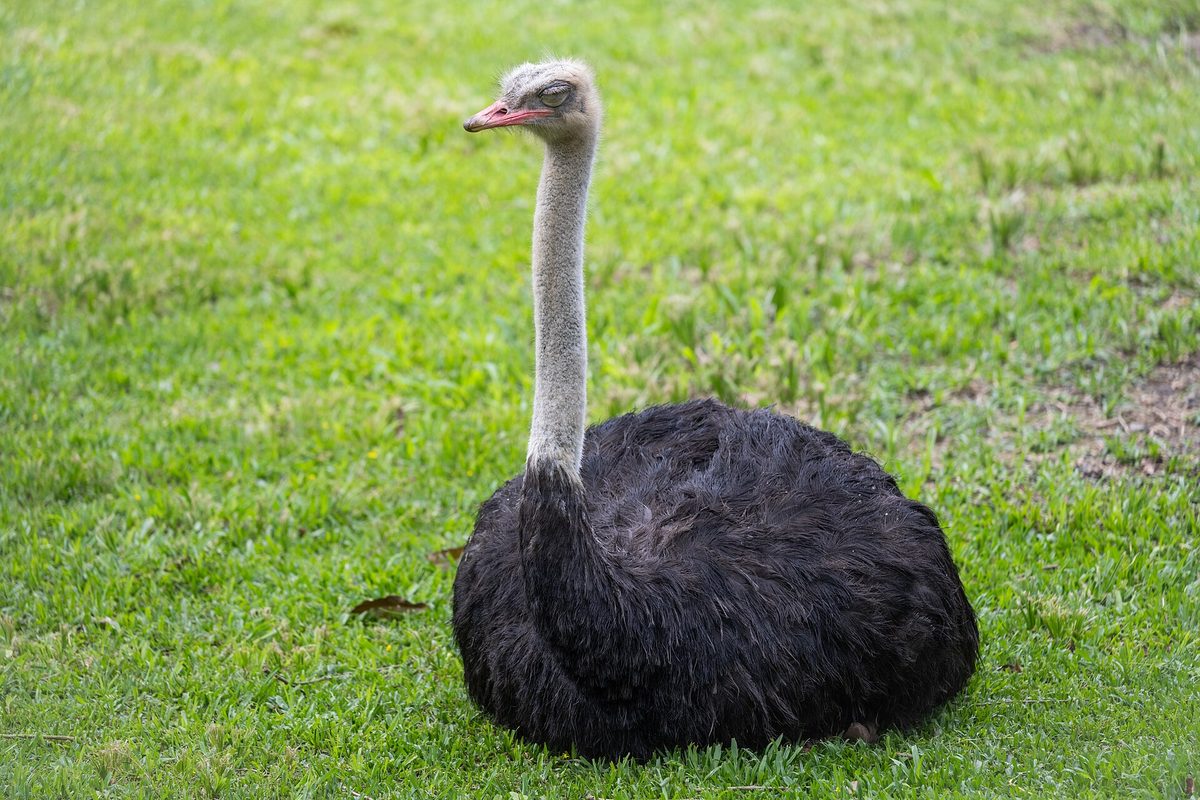
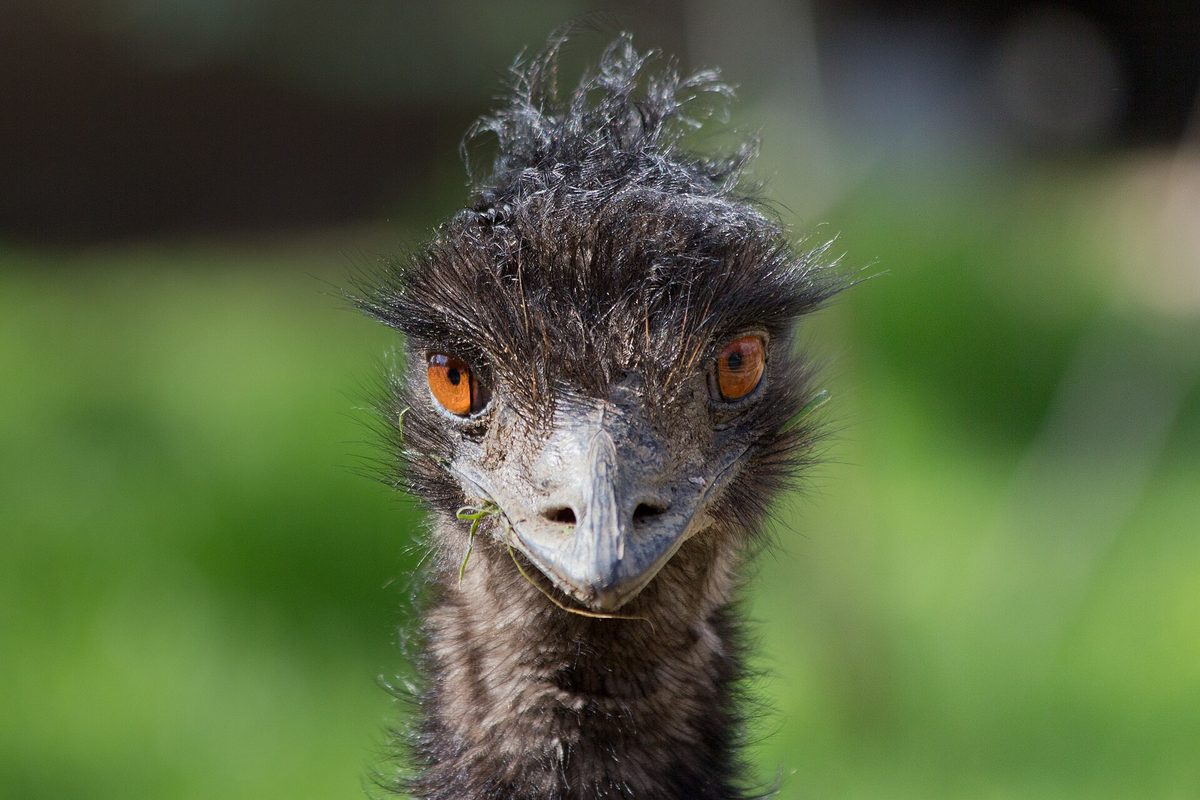
Despite the desert landscape and the cactus-studded hills, Aruba turns out to be a surprisingly good home for ostriches. The arid, breezy climate isn’t far off the African savanna these birds evolved in, and the farm has leaned into that fully. It’s a genuine working farm with a flock of ostriches and a contingent of emus — the ostrich’s flightless Australian cousins — plus an incubator and hatchery where eggs become wobbly, oversized chicks.
What makes it more than a petting zoo is the educational angle. This isn’t a place where you wander past enclosures reading faded signs. Every visit is built around a guided tour, and the guides clearly love these animals. You come away knowing things you didn’t expect to care about: how fast an ostrich runs, why it can’t fly, how it defends itself, how the males and females split incubation duties, and why those eggs are strong enough to stand on.
The site also doubles as a little cultural outpost. The open-air lodge is themed around the ostrich’s African homeland, complete with carved figurines brought in from Zimbabwe, and the art shop promotes work from local Aruban artisans alongside the imported pieces. So you get wildlife, a meal, and a souvenir stop in one breezy spot in the countryside. If you’re collecting offbeat stops, it pairs naturally with the island’s other unique things to do in Aruba.
The guided tour: what actually happens
Tours leave on a rolling schedule throughout the day, so you rarely wait long. You buy your ticket at the entrance, and a guide gathers your small group and walks you out toward the pens. From there it’s about half an hour of genuinely interactive, hands-on time with the animals — not a lecture you listen to from behind a fence.
Meeting the ostriches and emus
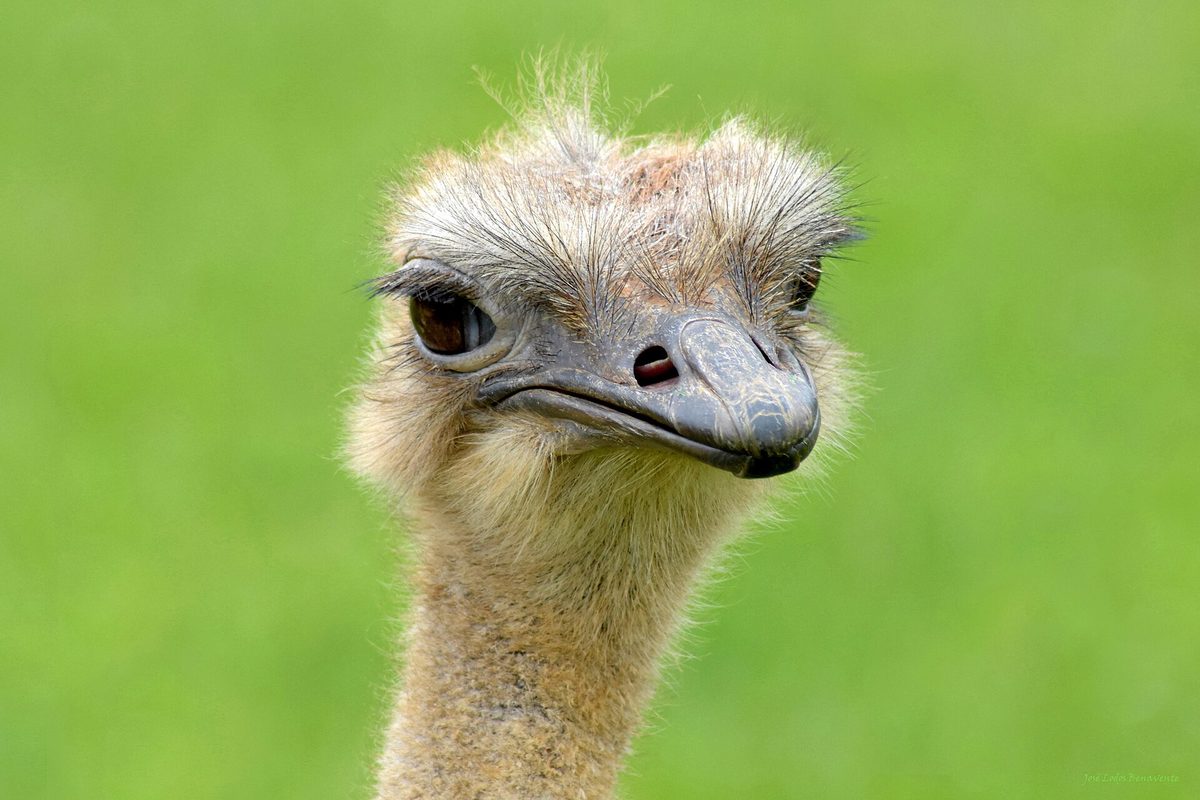
The headline moment is feeding the ostriches. The guide hands you a small container of feed, you pour some into your open palm, and you hold it up to the enclosure. The birds are not shy. Their heads come down on those long necks like cranes, and you feel the surprisingly gentle bump of a beak scooping pellets off your hand. It’s a little startling the first time and then immediately addictive — you’ll want to refill.
Up close, the scale lands differently than in photos. A grown ostrich stands taller than most adults, the largest living bird on the planet, with legs that can sprint past 40 miles an hour and deliver a kick strong enough to fend off a lion. The emus, smaller and shaggier, have a curious, almost goofy personality that kids tend to love. The guides explain the differences as you go: which is from Africa, which is from Australia, and why neither one can get off the ground.
Holding an egg and the hatchery
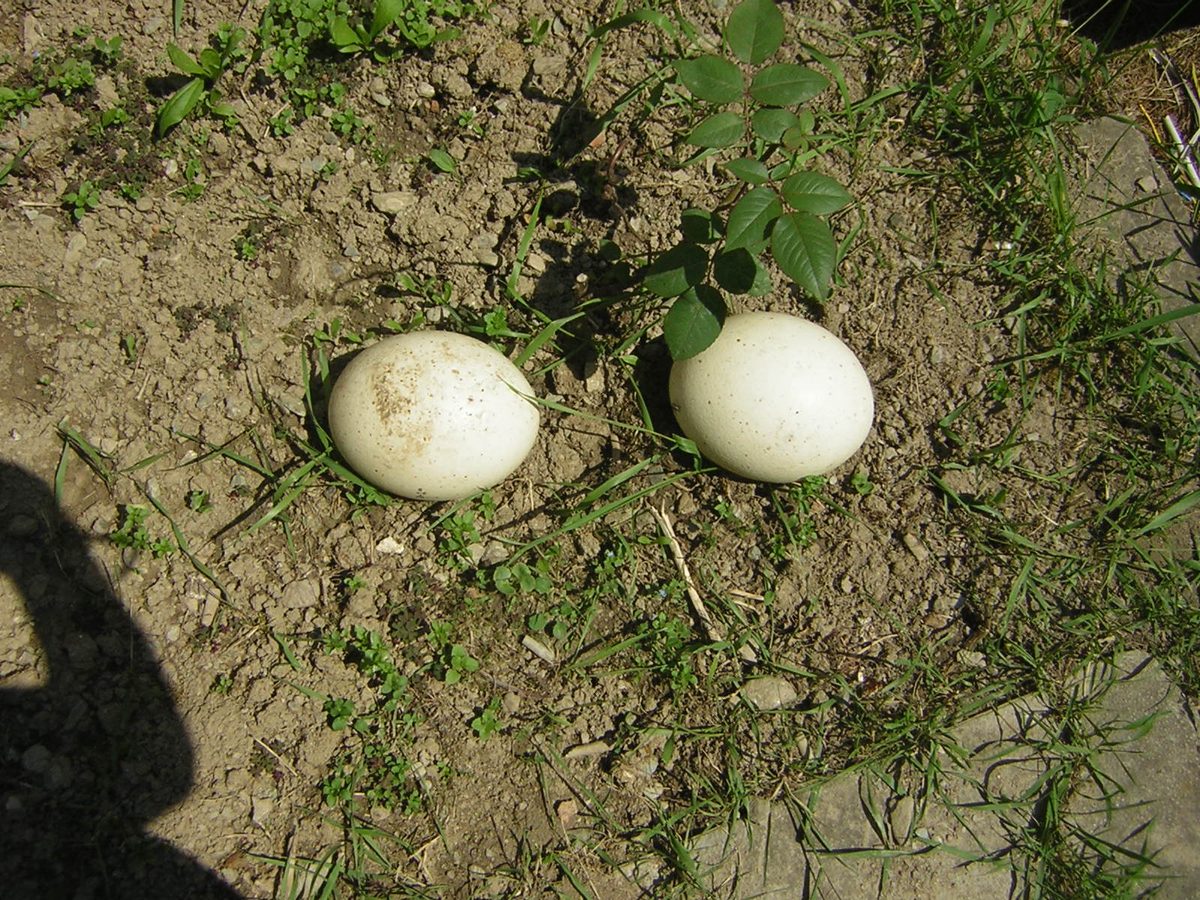
The other showstopper is the egg. An ostrich egg is the largest egg of any living bird, roughly the equivalent of two dozen chicken eggs, and the shell is remarkably tough. Guides often demonstrate just how strong it is, and depending on the day you may get to hold one or hear how a grown adult can stand on an intact egg without cracking it. It’s the kind of fact kids repeat for the rest of the trip.
The tour usually wraps at the incubator and hatchery, where eggs are kept warm and where you can see the special pens for young ostriches and emus. Watching a fuzzy, ungainly chick that will one day tower over you is a genuinely charming finish. By the end you understand the full life cycle of the flock, which is more than you can say for most quick attractions.
Can you ride an ostrich?
No — and that’s the right call. The Aruba Ostrich Farm is run as an educational and conservation-minded attraction, not a rodeo, so there’s no ostrich riding here. The experience is about getting close, feeding, learning, and respecting the animals. Frankly, once you’ve stood next to one and felt how powerful those legs are, you won’t want to climb aboard anyway.
Tickets, hours, and how long to budget
Pricing is refreshingly simple. Tickets run around $17 for adults and roughly $10 for children, paid at the entrance, and that covers the guided tour. Tours run about hourly, generally from mid-morning until mid-afternoon (think 10:00 a.m. to 3:00 p.m.), seven days a week, though the farm typically closes on January 1st. Prices and hours do drift over time, so treat these as a guide and confirm the current numbers on the official Aruba Ostrich Farm website before you set out.
For timing, the tour itself is about 30 minutes. Add a browse through the art shop and a cold drink under the lodge and you’re looking at 60 to 90 minutes total. Stay for lunch and you can stretch it past two hours. That makes it an ideal mid-morning or early-afternoon stop rather than something that swallows your whole day — which is part of why it pairs so well with a north-coast loop.
One practical tip: go earlier rather than later. The midday sun out here is intense with little shade between stops, the birds tend to be more active in the cooler part of the day, and you’ll still have the afternoon free for the beach. For help nailing the right season and time of day overall, see my notes on the best time to visit Aruba.
The Savanna Lodge restaurant and art shop
The on-site restaurant surprised me. The Savanna Lodge Bar & Restaurant sits under a huge open-sided gondola roof, decorated with African figurines from Zimbabwe and built around long handcrafted wooden tables. With three sides open to the breeze and the rugged countryside rolling away beyond, it’s a genuinely pleasant place to sit even when the sun is high. The kitchen leans into locally infused cuisine — think grilled chicken and wings, fresh salads, grouper, and a few vegetarian options — with most plates landing somewhere in the $7 to $24 range. Kitchen hours are typically late morning into early afternoon, roughly 11:00 a.m. to 2:30 p.m.
It’s not a destination restaurant you’d drive across the island for, but as a convenient, atmospheric lunch right where you already are, it does the job nicely. Kids gravitate to the shaved ice and fruit shakes; adults can take advantage of a cold local beer or a happy-hour special. If you’d rather eat elsewhere, the casual seafood spots of Savaneta and the harborside in Oranjestad aren’t far, and my Aruba restaurants guide rounds up the best of them.
The art shop is worth a few minutes too. Alongside the imported African carvings, it stocks high-quality wooden crafts in teak, mahogany, olive wood, and ebony, plus work from talented local artists — the kind of one-of-a-kind souvenir that beats another fridge magnet. If you happen to visit on the first Sunday of a month, the farm hosts a small farmers market with local produce and handmade goods, which is a lovely bonus.
Is the Aruba Ostrich Farm worth it?
For the right traveler, absolutely. It won’t be the highlight of a beach-focused honeymoon, and I’ll say plainly that if you have only two days on the island and you’re chasing sun and water, you can skip it without guilt. But for most visitors — and especially families — it punches well above its modest ticket price. Here’s how I’d break it down by who you are.
Families with kids
This is the farm’s natural audience, and it’s where it shines. The combination of feeding enormous birds, holding a giant egg, and meeting fuzzy chicks is exactly the sort of tactile, slightly thrilling experience young kids remember long after they’ve forgotten which beach they swam at. The tour is short enough to fit attention spans, the guides keep it lively, and there’s food and shade on site. It slots perfectly into a wider plan of things to do in Aruba with kids, and it ranks among the best things to do in Aruba for families specifically.
A rainy or cloudy day
Aruba is famously dry and sunny, but every trip can catch a gray or drizzly stretch, and that’s precisely when a stop like this earns its keep. The tour runs rain or shine, much of it under cover, and it’s the kind of low-stakes, weatherproof activity that rescues an otherwise washed-out afternoon. When the beach isn’t cooperating, it joins a short list of dependable things to do in Aruba that don’t hinge on perfect weather.
Couples, solo travelers, and the budget-minded
Even without kids, it’s a fun, quick, genuinely educational change of pace — and at around $17 it’s one of the better-value paid attractions on an island where activities add up fast. If you’re watching the budget, it stretches a tight day nicely, and it sits comfortably alongside the island’s roster of free things to do in Aruba and other affordable stops. For the full picture of what a trip runs, see my Aruba vacation cost breakdown.
Getting there and combining it with nearby stops
The farm sits at Matividiri 57 in Paradera, along the road that leads out to the Natural Bridge area and Bushiribana ruins on the north-central coast. It’s inland and a little off the main tourist drag, which is exactly why pairing it with other stops makes the drive worthwhile.
How to get there
A rental car is by far the easiest option. The main roads out are well paved, there’s plenty of free parking, and having your own wheels lets you string together several north-coast sights at your own pace. If you’re weighing transport options for your trip, my guide to getting to and around Aruba covers rentals, driving, and the local quirks.
No car? A taxi works but adds up — expect roughly $20-30 each way from the Palm Beach, Eagle Beach, or Oranjestad hotel zones, and you’ll want to arrange your return pickup in advance since cabs don’t idle out here. Public buses don’t run directly to the farm; the budget workaround is a bus toward Santa Cruz and a short taxi for the last leg. Honestly, if you don’t have a car, the simplest move is to book an organized north-coast tour that bundles the farm with the other ruins and viewpoints — see my overview of Aruba excursions for options.
What to combine it with
This is where the farm goes from a quick stop to a great half-day. It sits squarely on the route to some of the island’s most atmospheric scenery, and stitching them together is the smart play. Just down the road are the dramatic remains of the Natural Bridge in Aruba, where the original coral-stone arch collapsed but a smaller “Baby Bridge” and pounding surf still make a memorable photo stop. Nearby stand the haunting Bushiribana gold mill ruins, perched above the crashing waves of the wild east coast.
From there, the farm makes a perfect on-the-way pairing with a visit to Aruba’s natural crown jewel. The rugged interior, windswept coastline, and desert wildlife continue inside Arikok National Park, the protected wilderness that covers nearly a fifth of the island and anchors this whole side of Aruba. Think of the ostrich farm as a gentle, hands-on prelude to the park’s caves, dunes, and dramatic shoreline — an easy, family-friendly bookend to a day spent exploring Aruba’s natural wonders.
If you want to push north and west afterward, the photogenic California Lighthouse and the serene Alto Vista Chapel round out a classic countryside loop. Bundle three or four of these and you’ve turned a single bird farm into one of the most rewarding non-beach days on the island.
Accessibility, conservation, and practical tips
The farm grounds are largely flat and walkable, with the tour route, restaurant, and shop kept close together, which makes it more manageable than rougher attractions like the Natural Bridge approach. That said, this is a working farm in a dusty, sunny setting — wear closed or sturdy shoes, bring a hat and sunscreen, and carry water. If anyone in your group has specific mobility needs, a quick call ahead to confirm what’s possible is your best bet.
On the conservation and education front, the farm’s value is real. By breeding and raising its own flock and building every visit around teaching, it gives travelers a genuine appreciation for two remarkable bird species and a glimpse of an agricultural side of Aruba most visitors never see. It’s the kind of low-impact, learning-focused stop that fits a more thoughtful approach to travel. For more of that mindset, my tips for traveling in Aruba cover etiquette, sun safety, and getting the most out of the island responsibly.
Aruba Ostrich Farm FAQ
How much does the Aruba Ostrich Farm cost?
Tickets run around $17 per adult and roughly $10 per child, paid at the entrance, which covers the full guided tour. The restaurant and shop are separate. Prices can change over time, so confirm the current rates on the official Aruba Ostrich Farm website before you visit, especially if you’re traveling on a tight budget.
How long does the ostrich farm tour take?
The guided tour itself runs about 30 minutes. Add a browse through the art shop and a cold drink under the lodge and most visitors spend 60 to 90 minutes total. If you stay for lunch at the Savanna Lodge restaurant, you can comfortably stretch the visit past two hours, making it an easy half-morning or half-afternoon stop.
Is the Aruba Ostrich Farm good for kids?
Yes — it’s one of the most kid-friendly attractions on the island. Children get to hand-feed enormous ostriches and emus, hold a giant egg, and meet fuzzy chicks at the hatchery, all within a short, lively tour. There’s food, shade, and shaved ice on site too, which keeps younger visitors happy after the tour wraps up.
Where is the Aruba Ostrich Farm located?
It’s at Matividiri 57 in Paradera, in north-central Aruba, along the road that leads out to the Natural Bridge and Bushiribana ruins. It’s inland and a bit off the main resort strip, so plan to drive or take a taxi. There’s free parking on site, and many north-coast tours include it as a stop.
Can you feed the ostriches at the farm?
Yes, hand-feeding the ostriches is the highlight of the tour. The guide gives you a small amount of feed, you hold it in your open palm, and the birds lower their long necks to take it. They’re not shy at all. The same goes for the emus, making it a genuinely interactive, up-close experience for all ages.
Do you need a car to visit the Aruba Ostrich Farm?
A rental car is easiest and gives you free parking plus the freedom to combine nearby stops. You can also take a taxi (around $20-30 each way from the hotel zones), but arrange your return in advance. Public buses don’t reach the farm directly, so without a car, an organized north-coast excursion that includes it is the simplest option.
Final thoughts
I came in skeptical and left a convert. The Aruba Ostrich Farm isn’t trying to compete with the island’s beaches, and it doesn’t need to — it offers something completely different: a dusty, sunny, hands-on hour with two of the world’s most fascinating birds, run by people who clearly care about them. For families, for a cloudy afternoon, or simply for a curious traveler who wants to see a side of Aruba beyond the sand, it delivers far more than its modest ticket suggests.
Fold it into a north-coast day with the Natural Bridge ruins and Arikok National Park, go in the cooler part of the morning, and don’t be surprised if feeding a nine-foot ostrich turns out to be a story you tell long after the tan has faded. Just remember to check the official site for the latest hours and prices, and bring sunscreen.
By the ArubaTourism.org team — Last updated June 2026
Photo credits
- Ostrich resting on grass — Photo: Wilfredor (CC0) via Wikimedia Commons
- Ostrich head close-up — Photo: Joselodos (CC0) via Wikimedia Commons
- Ostrich eggs — Photo: Anicap / CC BY-SA 3.0 via Wikimedia Commons
- Emu portrait — Photo: Carlos Delgado / CC BY-SA 3.0 via Wikimedia Commons
Photos shown depict ostriches, emus, and ostrich eggs for illustration; they were not necessarily taken at the Aruba Ostrich Farm itself.