Here is something that still sounds made up even after you have stood in front of it: on a sun-baked desert island better known for cacti and casinos, one man has quietly assembled what is widely described as the largest private animal collection in the Caribbean. Kangaroos. Capuchin monkeys. Emus. A llama or two. Giant tortoises older than most of the hotels on Palm Beach. It started with a boy who kept rescuing animals nobody else wanted, and it grew, animal by abandoned animal, into a genuine refuge. That place is philips animal garden (Philip’s Animal Garden), and it is one of the most surprising afternoons you can have on the island.
I am partial to the spots in Aruba that don’t fit the brochure, and philips animal garden is exactly that — a non-profit rescue in Noord where the whole point is interaction, not glass-and-rope distance. You walk in with a cup of carrots and walk out having hand-fed a kangaroo. If you are traveling with kids, or you hit a rare cloudy morning, or you just like the idea that your entry fee keeps rescued animals fed, this guide is for you.
Philips Animal Garden at a glance
Philip’s Animal Garden is a non-profit animal rescue and refuge in Noord, Aruba, founded by local animal lover Philip Merryweather. It is home to hundreds of rescued and donated exotic animals across 50-plus species, and visits run as guided, interactive tours where you can feed and get close to the animals. Plan on roughly 1.5 to 2 hours; it is genuinely great for kids and for cloudy days.
| Quick facts | Details |
|---|---|
| What it is | Non-profit exotic-animal rescue & refuge (Philip’s Pet Collection Foundation) |
| Location | Alto Vista 116, Noord — about 5–7 minutes by car from the Palm Beach high-rise hotels |
| Hours | Around 9:00 a.m.–5:00/6:00 p.m. daily; tours roughly every half hour (verify current times) |
| Admission | Around $10–$15 adults, $5–$10 children (ages 2–13), under 2 free — confirm on the official site |
| How long to visit | About 1.5–2 hours |
| Good for | Families with kids, animal lovers, rainy/cloudy days, a break from the beach |
| Accessibility | Paths described as 100% wheelchair accessible; on-site parking for disability permit holders |
| Don’t miss | Hand-feeding the kangaroos; meeting the giant tortoises; the macaws and parrots |
One man, one very long rescue: the story behind Philip’s Animal Garden
The short version is romantic, and as far as I can tell it is also true. Philip Merryweather grew up taking in animals other people had given up on — the abandoned, the abused, the impulse-buy exotic pet that stopped being cute. He kept saving them, and kept needing more space, until the collection became a registered foundation: Stichting Philip’s Pet Collection. Today it presents itself, in its own words, as a “habitat for rescued animals,” and the garden you walk through is the grown-up version of that boyhood habit of never turning an animal away.
What I like about the place is that it is honest about what it is. This is not a slick, corporate zoo. It is a working rescue that funds itself almost entirely through tours, theme days, and donations — it states plainly that it does not rely on government support. Your ticket is not just an entry fee; it pays for vaccines (which differ animal to animal and aren’t cheap), specialized diets, veterinarian care, and keeping the habitats clean and safe. Spend an afternoon here and you have done a small, concrete bit of good. That framing changes how the whole visit feels.
A mission with four pillars
The foundation lays out its purpose clearly, and it is worth knowing before you go because it explains why the staff handle animals the way they do. Philip’s Animal Garden exists to combat animal mistreatment and raise awareness about neglect and abuse; to educate visitors of every age about animal care and animal rights; to give locals and tourists a genuinely enjoyable recreational space; and to help conserve species that are threatened or endangered. Education runs through everything — the rangers don’t just let you pet a creature, they tell you its story.
What you’ll actually see at Philip’s Animal Garden
People hear “animal garden on a desert island” and picture a few goats and a sad parrot. The reality is a 12-acre property described as a cool, lush oasis — a real reprieve from Aruba’s hot, dry climate — that houses hundreds of animals across more than 50 species, some indigenous to Aruba and many from far more tropical corners of the world. Here is the cast you can expect, though the line-up changes as new rescues arrive.
The marquee mammals
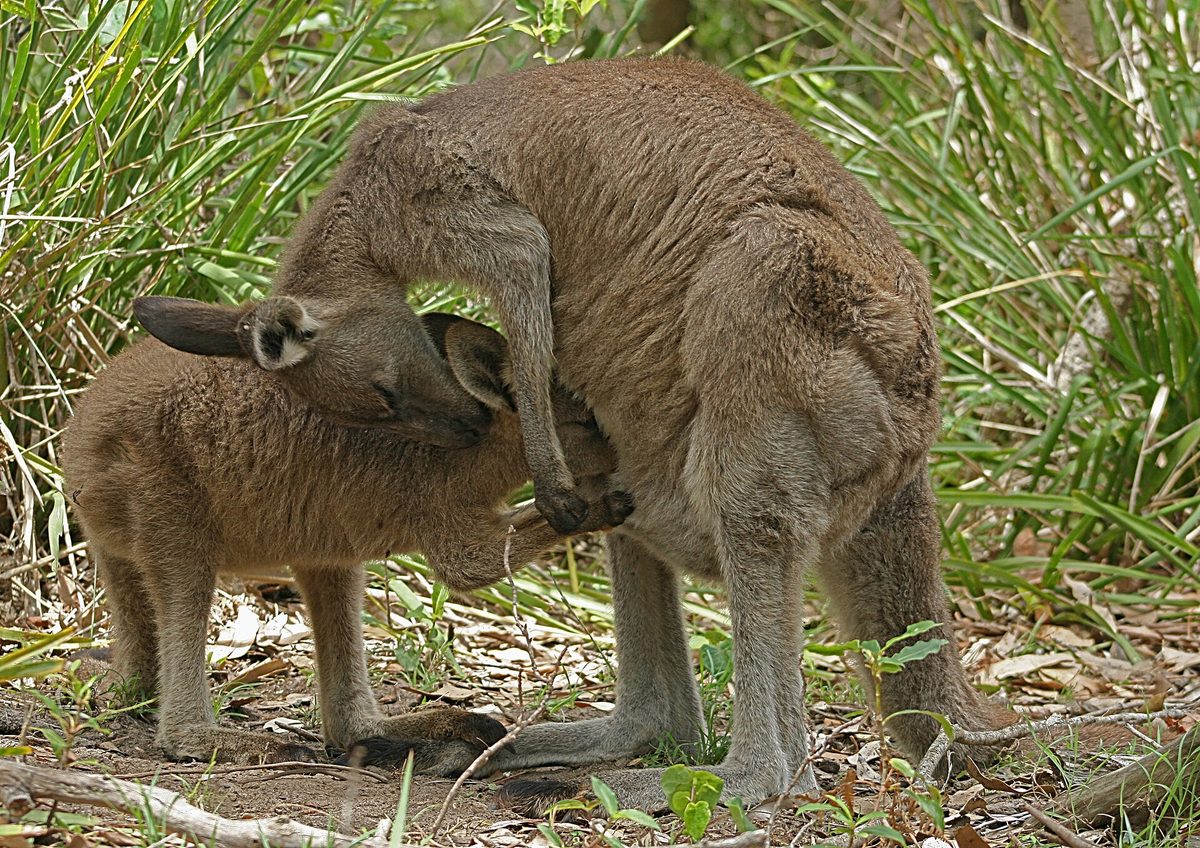
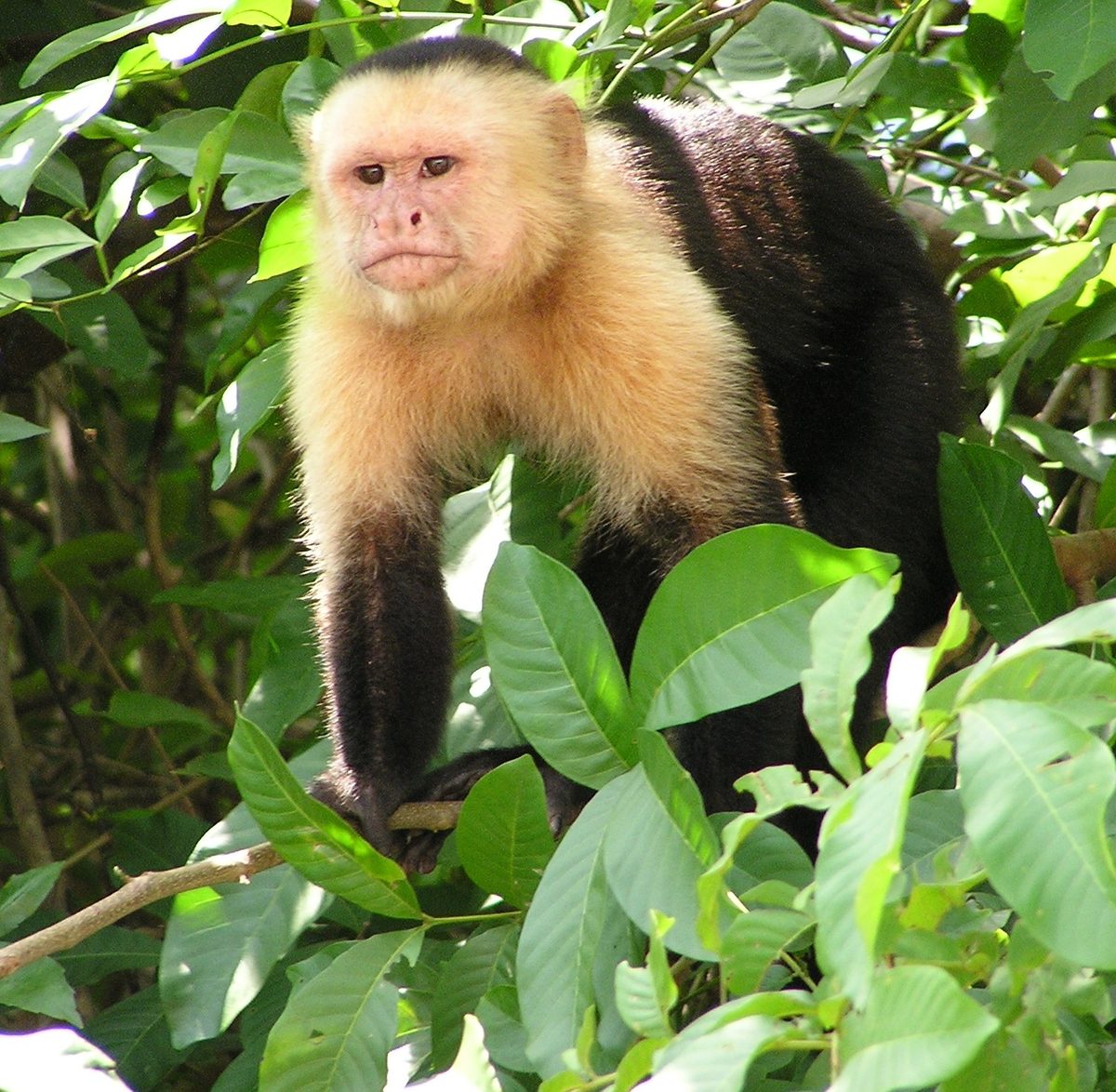
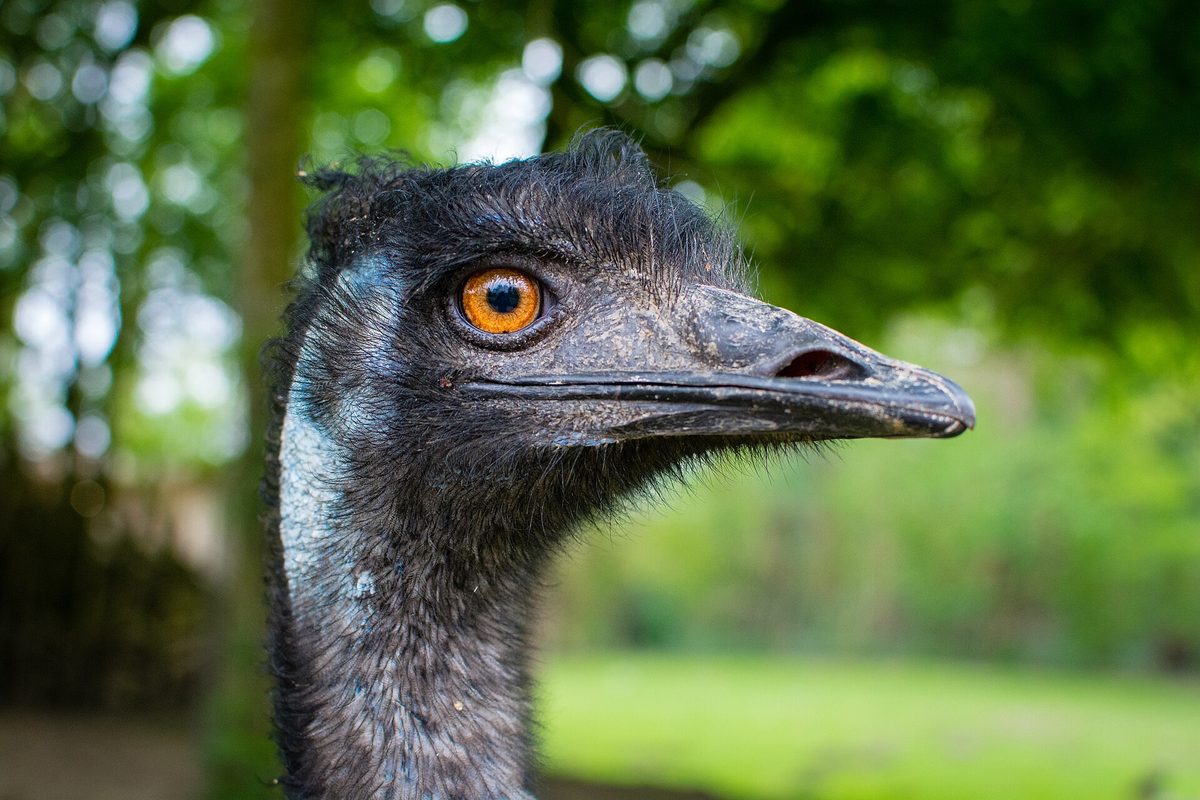
The kangaroos are the headliner, and rightly so — there is something gloriously absurd about feeding a red kangaroo a carrot fifteen minutes from a Caribbean beach. Beyond them you will find primates such as capuchin and howler monkeys, plus an ever-shifting roster that has included emus, llamas, ocelots, deer, and an assortment of smaller mammals like agoutis, armadillos, coatis, and miniature pigs. Not every animal is feedable or touchable — the monkeys, for instance, you generally admire rather than hand-feed — and the rangers will tell you which is which.
The farmyard crew
This is the part kids gravitate to. Horses, goats, pigs, donkeys, and other gentle farmyard animals make up the most hands-on section of the garden, and it is where the cup of carrots really earns its keep. Younger children who might be nervous around a big bird often relax completely once a goat is nibbling out of their palm. It is low-stakes, supervised, and genuinely sweet.
Birds, big and loud and beautiful
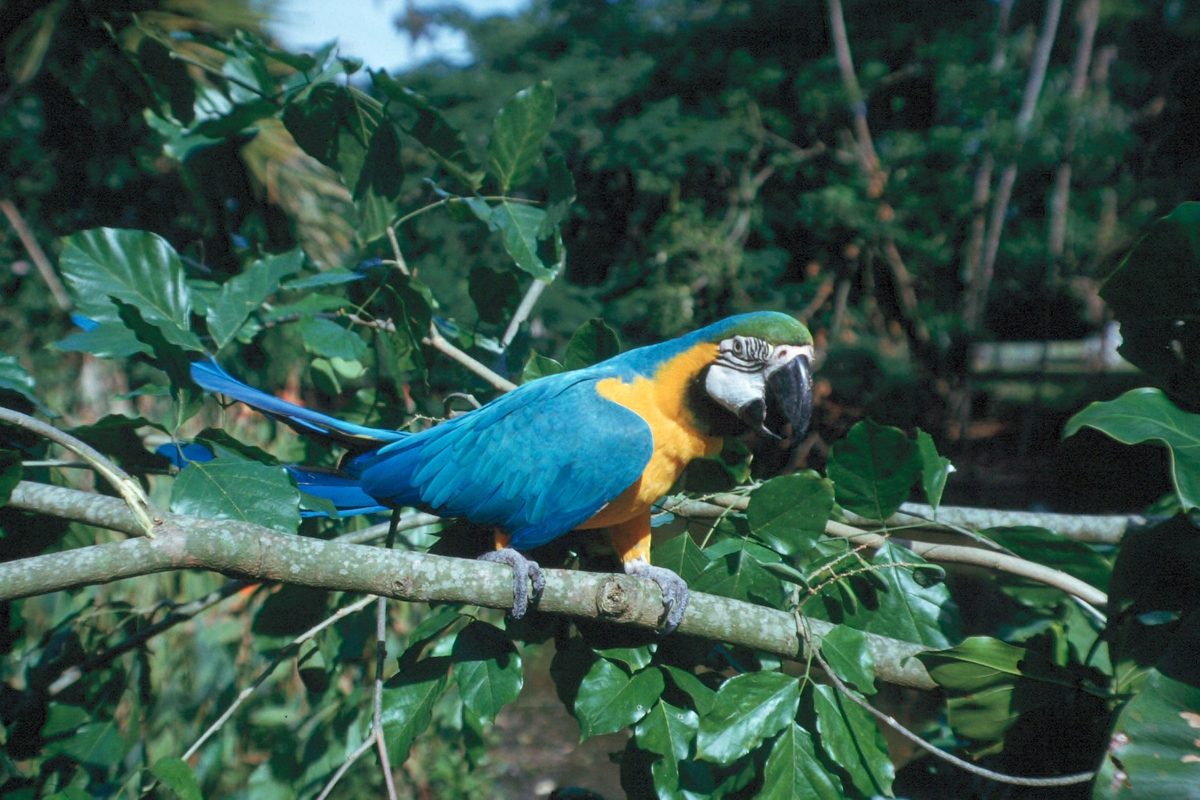
The bird collection is a highlight I did not expect to love as much as I did. Large macaws — including brilliant blue-and-gold and red-and-green ones — share the property with cockatoos, peacocks, a great curassow, conures, cockatiels, ducks, and, depending on the day, flamingos. Many of the larger birds roam fairly freely, so you get those eye-level moments that make for the best photos of the whole trip. A word on photography: it is allowed and encouraged, but skip the flash near the animals — it startles them — and follow the rangers’ cues on when it is safe to get close.
Reptiles and the unforgettable tortoises
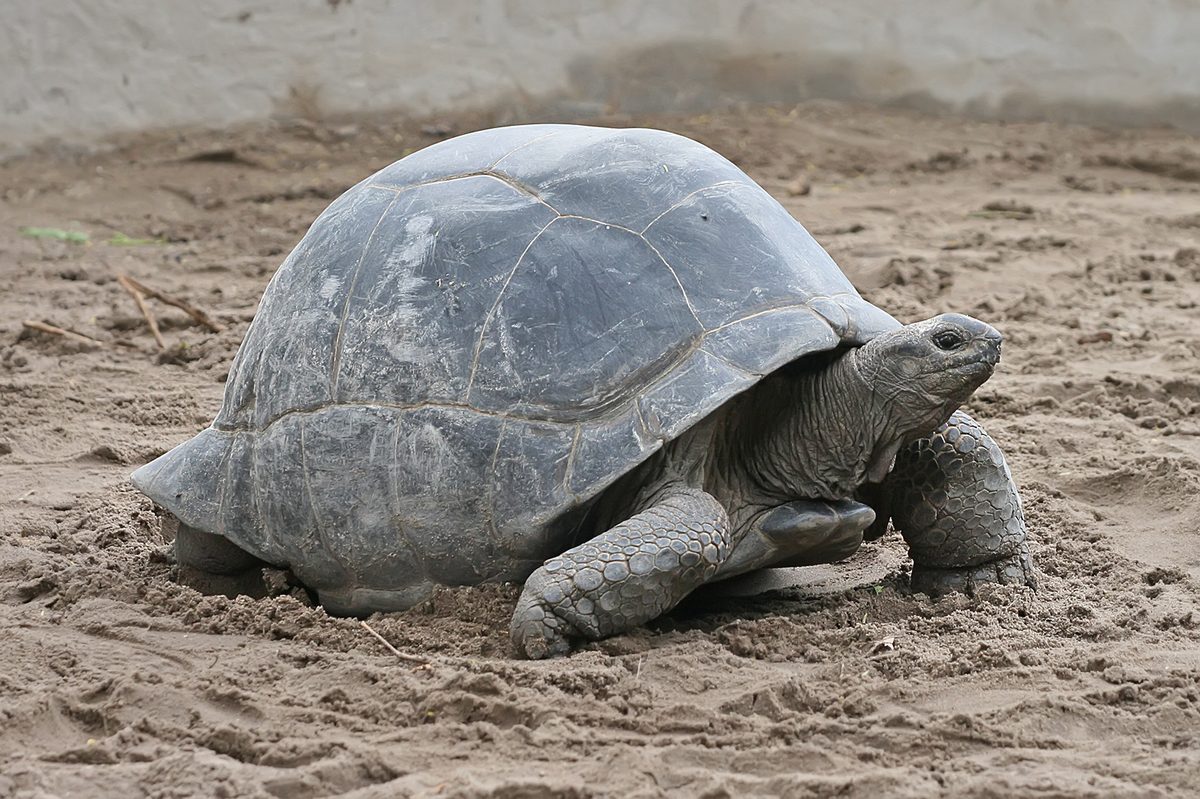
If you have a reptile fan in the family, this is their moment. Snakes, lizards, iguanas, and crocodiles live in purpose-built enclosures designed for shade, shelter, and water. But the stars of the slow-motion show are the giant tortoises — enormous, ancient-looking creatures that lumber across the lawns and let you appreciate just how big and old a tortoise can get. Kids who have only ever seen a palm-sized turtle tend to go quiet in the best way.
The “Animal Experience”: how the guided tours work
You don’t wander Philip’s Animal Garden alone — and that is a feature, not a limitation. Admission includes a guided, interactive tour led by the garden’s rangers, who walk you through the property, introduce each species, and create the moments where you actually feed or hold an animal. Tours run roughly every half hour throughout the day, so you rarely wait long, and they are designed to be both educational and genuinely fun. The guides share the kind of specifics — habitats, diet, lifespan, the individual animal’s backstory — that turn a petting session into something you remember.
What’s included, and the little extras
A small bag or cup of food typically comes with admission, which is what you’ll use to feed the friendlier residents — visitors describe getting carrots to share with horses, deer, goats, kangaroos, tortoises, and bunnies. There is a beverages corridor on site where you can grab a soft drink, juice, or a cold beer to cool off, and the foundation has mentioned packages that pair a visit with food catered by one of the island’s well-known seafood restaurants. If you want a more behind-the-scenes or VIP-style experience, ask when you book — offerings shift, so the official site or a quick call is the way to confirm what’s currently available.
How much animal interaction to expect
This is the question I get most, so let me set expectations honestly. You will get hands-on with a meaningful number of animals — the farmyard crew, the kangaroos, the tortoises, some of the birds. You will not be handling the monkeys, the big cats, or the crocodiles, and you shouldn’t want to. The rangers control the close encounters for the animals’ safety and yours, and the best moments tend to happen when you let them lead. Come ready to participate and you’ll have a blast.
Planning your visit: hours, prices, and how long to stay
A few practical notes, with the usual caveat that small, self-funded attractions change their details often — always check the official Philip’s Animal Garden website or give them a call before you go.
Hours and tour schedule
The garden is generally open daily, with hours in the neighborhood of 9:00 a.m. to 5:00 or 6:00 p.m., and tours running roughly every half hour from opening until late afternoon. Mornings tend to be cooler and the animals more active, so if you can swing an earlier slot, do — it is more comfortable for you and better for the wildlife. This is one attraction that genuinely runs seven days a week, which makes it easy to slot into almost any day of your trip.
Admission prices
Here is where I’ll be candid: published prices vary by source. The official site has listed adults at around $15 and children (ages 2–13) at around $10, while other guides cite figures closer to $10 and $5; children under 2 are free, and a bag of food for the animals is typically included. Whatever the exact number when you visit, it is inexpensive by Aruba-attraction standards — and remember it is effectively a donation to a rescue. Bring a little cash just in case, and confirm the current rate before you arrive.
How long should you budget?
Most visitors spend about 1.5 to 2 hours here, though you could do a quicker loop in around 40 minutes if you’re short on time. The honest variable is how interactive you want to be — if your kids are feeding every animal twice and you’re chasing macaw photos, you’ll happily burn two hours. I’d block out a half-morning and not rush it.
How to get to Philip’s Animal Garden
The garden sits at Alto Vista 116 in Noord, on the north end of the island, and it is refreshingly easy to reach from the main tourist zone. From the Palm Beach high-rise hotels it is only about a 5–7 minute drive. Helpfully, it sits on the same road you take to reach the famous Alto Vista Chapel, so signs along that route point the way, and the two pair beautifully into one short outing.
By car, taxi, or tour
If you’ve got a rental, it’s a simple drive — see our guide to getting to and around Aruba for the lay of the land. By taxi, just tell the driver you’re heading to Philip’s Animal Garden; most drivers on the island know it well and will get you there safely. The garden is also reachable as part of organized island tours, and you can browse the range of Aruba excursions if you’d rather have the logistics handled. Visitors with a disability permit can park right on the premises.
Accessibility
This is an area where the garden quietly excels. The habitat paths are described as 100% wheelchair accessible, with ramps, designated areas for visitors with disabilities, and shaded resting spots throughout where you can step out of the sun and catch your breath. For travelers who often have to skip rugged attractions in Aruba — and several of the island’s natural sites are genuinely rough terrain — this is a welcome exception.
Who Philip’s Animal Garden is best for
Families with kids
If I could recommend one Aruba attraction to families with young children, this would be near the top of the list. It is hands-on, it is shaded, it is bite-sized, and the supervised feeding turns shy kids into delighted ones. It consistently lands on parents’ lists of their children’s favorite vacation moments — feeding a kangaroo will do that. For more ideas in this vein, our roundup of things to do in Aruba with kids pairs naturally with a morning here.
Rainy or cloudy days
Aruba is famously sunny, but you’ll occasionally get a gray morning or a passing shower, and that is precisely when a place like this shines. It is a great rainy-day backup that doesn’t feel like a consolation prize — the animals are out regardless, and a little cloud cover actually makes the walking more pleasant. Keep it in your back pocket as a flexible option.
Animal lovers and conservation-minded travelers
If the ethics of animal attractions matter to you, the rescue framing here is a meaningful point of difference. These are animals that were abandoned, donated, or in need of a home, and your visit directly funds their care. It is a different proposition from a for-profit show, and for many travelers that makes all the difference in choosing where to spend an afternoon — and a few dollars.
Combine it with these nearby stops
One of the best things about Philip’s Animal Garden is how neatly it slots into a wider day in Noord and the island’s wild north. It belongs to that family of natural and wildlife attractions that I always point people toward in our pillar guide to Arikok National Park and Aruba’s natural wonders — the side of Aruba beyond the beach loungers, where the landscape gets rugged and the encounters get real.
Because the garden shares a road with the Alto Vista Chapel, the easiest pairing is to do both in one loop. From there it is a short hop to the California Lighthouse at the island’s northern tip, and the dramatic Natural Bridge ruins on the wind-battered north coast. If you’d rather plan a full day, our Aruba itinerary guide helps you string these together without backtracking.
Closer to the hotel zone, the garden is an easy add-on to a Palm Beach day; see where to stay in Aruba if you’re still choosing a base. And if you’re simply collecting ideas, it earns a spot in our broader guides to the best things to do in Aruba, the island’s most unique things to do, and the full menu of things to do in Aruba. Budget-minded travelers planning their spend can sanity-check the day against our Aruba vacation cost breakdown, and you’ll want to time the trip using our take on the best time to visit Aruba.
My honest take
I went in mildly skeptical — a private exotic-animal collection on a desert island sets off a few alarm bells — and I left genuinely charmed. The thing that won me over is that Philip’s Animal Garden wears its purpose on its sleeve: it is a rescue first, an attraction second, and the two goals actually reinforce each other. You get the rare kind of close encounter that’s vanishing from responsible tourism, and the money you spend keeps a couple hundred rescued animals fed and cared for. It is not a polished mega-zoo, and that is exactly the point. Bring the kids, bring some curiosity, bring a little cash, and give yourself a couple of unhurried hours. It might just be the most unexpectedly delightful stop of your trip.
Philip’s Animal Garden FAQ
Is Philip’s Animal Garden worth visiting?
For most travelers, yes — especially families and animal lovers. The hands-on feeding, the rescue mission, and the easy location near Palm Beach make it an easy recommendation. Visitors routinely call it a highlight of their trip, and kids in particular tend to rank feeding the animals among their favorite vacation moments. It’s affordable, shaded, and quick.
How long do you need at Philip’s Animal Garden?
Plan on about 1.5 to 2 hours for a relaxed visit with the guided tour and plenty of feeding time. If you’re tight on schedule, you can do a faster loop in roughly 40 minutes. The bigger factor is how interactive you want to be — families with excited kids almost always end up staying closer to two hours.
What animals can you feed at Philip’s Animal Garden?
You’ll typically get a cup of carrots or a small bag of food to share with the gentler residents — horses, deer, goats, kangaroos, giant tortoises, and bunnies are commonly mentioned. Some animals, like the monkeys and the big cats, you admire rather than feed. The rangers guide every close encounter and tell you which animals are safe to hand-feed that day.
How much does Philip’s Animal Garden cost?
It’s inexpensive, though published prices vary. Expect somewhere around $10–$15 for adults and $5–$10 for children aged 2–13, with under-2s free and a bag of animal food usually included. Because the garden is a self-funded non-profit, your admission essentially functions as a donation. Confirm the current rate on the official website before you go.
Where is Philip’s Animal Garden located?
It’s at Alto Vista 116 in Noord, on the north side of Aruba, about a 5–7 minute drive from the Palm Beach high-rise hotels. It sits on the same road that leads to the Alto Vista Chapel, so it’s well signposted. You can reach it by rental car, taxi, or as part of an organized island tour.
Is Philip’s Animal Garden good for kids?
It’s one of the most kid-friendly attractions on the island. The supervised feeding, the variety of approachable animals, and the short, shaded loop suit young children especially well. Even kids who are nervous around larger animals usually warm up quickly once a goat or tortoise is gently taking food from their hand.
Is Philip’s Animal Garden wheelchair accessible?
Yes. The garden states its habitat paths are 100% wheelchair accessible, with ramps, designated areas for visitors with disabilities, and shaded rest spots throughout. Visitors displaying a disability permit can park on the premises for immediate access. It’s a notably accessible option compared with some of Aruba’s rugged natural attractions.
Final thoughts
Few places capture Aruba’s softer, more surprising side as well as this one. A rescue built from one person’s refusal to turn an animal away, tucked into the dry hills of Noord, where you can feed a kangaroo and meet a giant tortoise before lunch — it’s the kind of stop that sneaks onto your list of trip favorites. Verify the latest hours and prices, then go give it a couple of unhurried hours.
By the ArubaTourism.org team — Last updated June 2026
Photo credits
- Kangaroo (representative): Photo by Toby Hudson, derivative work by Durova / CC BY-SA 3.0 via Wikimedia Commons.
- Capuchin monkey (representative): Photo by David M. Jensen (Storkk) / CC BY-SA 3.0 via Wikimedia Commons.
- Emu (representative): Photo by Mathias Appel / CC0 via Wikimedia Commons.
- Giant tortoise (representative): Photo by Muhammad Mahdi Karim / GFDL 1.2 via Wikimedia Commons.
- Blue-and-gold macaw (representative): Photo by Amaury Laporte / CC BY 2.0 via Wikimedia Commons.
Images above are representative photos of the kinds of animals housed at Philip’s Animal Garden, not photographs taken at the garden itself.