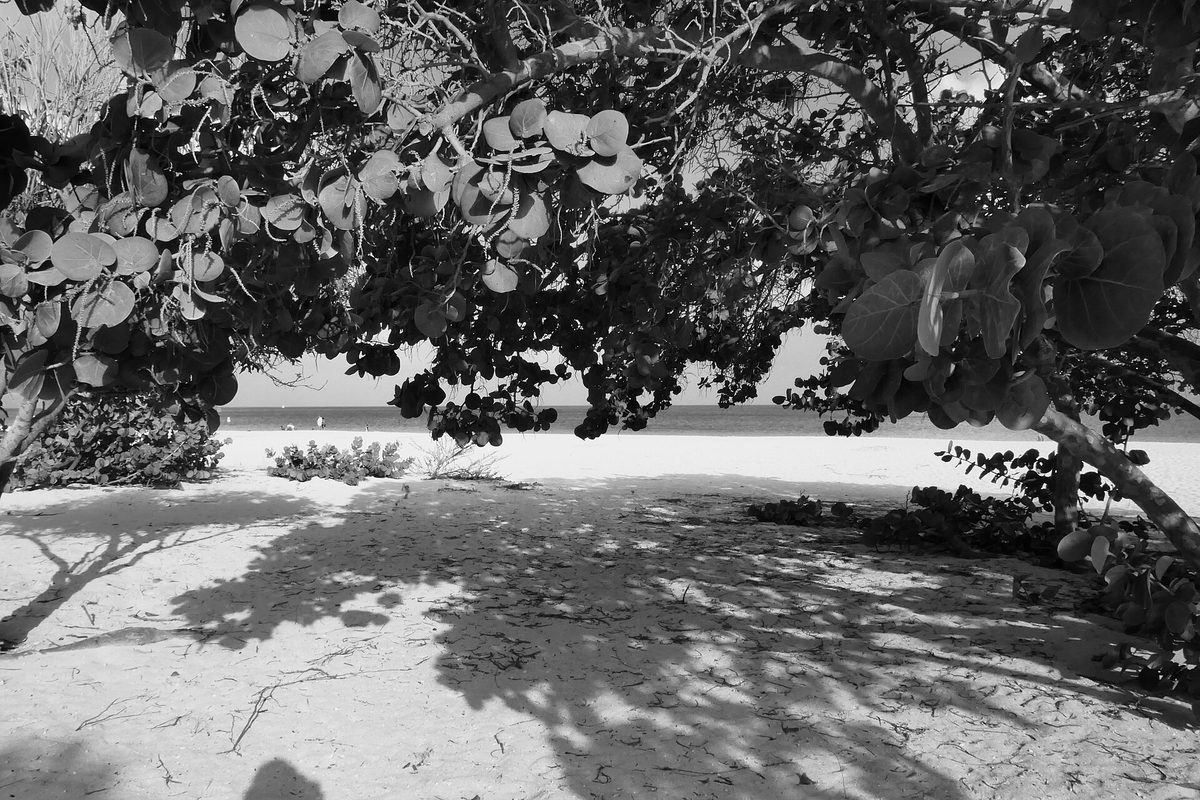
The first time I flew into Aruba, I had a plan, and the plan was nothing. Seven days, one beach chair, a stack of paperbacks, and the kind of tan you have to ease into so you don’t peel by Wednesday. I was going to do absolutely nothing, gloriously, until it was time to go home.
I lasted about a day and a half.
Here’s the thing nobody quite tells you before you go: for a island you can drive end to end in under an hour, there are a staggering number of things to do in Aruba. You’ve got a desert national park with caves and a wild, crashing coastline on one side, and bathtub-calm turquoise water on the other. You’ve got flamingos and shipwrecks and 19th-century gold-mill ruins and some of the best street art in the Caribbean, all within a 20-mile-long sandbar parked just off the coast of Venezuela. The hard part isn’t finding something to do. It’s deciding what to leave out.
This guide is the one I wish I’d had on that first trip. It’s a complete, honest run-through of the best things to do in Aruba, organized the way you’ll actually experience the island, with my own opinions baked in about what’s worth your time, what’s a little overrated, and how to fit it all together without spending your whole vacation in a rental Jeep. Whether you’re here for five days or fifteen, a honeymoon or a family trip or a single cruise-ship afternoon, you’ll find more than enough below to fill it.
Let’s get into it.
The best things to do in Aruba, at a glance
If you only skim one part of this guide, make it this. Here’s my shortlist of the experiences I’d tell any first-timer not to miss, with a rough sense of where they are and how long to set aside. I’ll go deep on every one of these (and dozens more) further down.
| Experience | Best for | Where on the island | Time to set aside |
|---|---|---|---|
| Eagle Beach & the divi-divi trees | Everyone | West coast | Half to full day |
| Snorkeling the Antilla shipwreck | Adventurers | Northwest (Malmok) | Half day |
| Arikok National Park & the Natural Pool | Nature lovers | East / southeast | Full day |
| Sunset catamaran cruise | Couples, groups | West coast | 2–3 hours |
| California Lighthouse at golden hour | Photographers | Northern tip | 1–2 hours |
| Flamingos at Renaissance Island | Families, photos | Off Oranjestad | Half to full day |
| Street art in San Nicolas | Culture seekers | South | 2–3 hours |
| Exploring colorful Oranjestad | Everyone | West-central | Half day |
| Casibari & Ayo rock formations | Easy adventure | Interior | 1–2 hours |
| A long, lazy beach day | Everyone | West coast | As long as you’ve got |
Notice the spread there: beaches, water, desert, wildlife, culture, and a couple of pure photo stops. That mix is the secret to a great Aruba trip. The travelers who come home raving are almost never the ones who did only one thing. They’re the ones who balanced the sand with a little adventure and a little local flavor.
First, get your bearings: a 60-second island orientation
Aruba is small, arid, and surprisingly easy to read once someone explains the basic geography to you, so let me save you the day or two it took me to figure it out.
The island is shaped a bit like a sweet potato, running roughly southeast to northwest, about 20 miles long and 6 miles across at its widest. The trade winds blow almost constantly from the east, and that single fact explains the whole place. The western and southwestern coast is sheltered, calm, and lined with those famous powder-white beaches and nearly all the resorts. The northern and eastern coast takes the full force of the wind and waves, so it’s rugged, raw, and beautiful, but not for swimming.
Here’s the mental map I use:
- Palm Beach & Noord (northwest): the high-rise hotel zone, the buzziest beach, water sports, casinos, restaurants, and nightlife.
- Eagle Beach & Manchebo (west): the low-rise zone, wider and calmer, with the iconic fofoti trees.
- Oranjestad (west-central): the colorful Dutch-Caribbean capital, the cruise port, shopping, and museums.
- The interior & north tip: rock formations, the California Lighthouse, the chapel at Alto Vista, gold-mill ruins.
- Arikok National Park (east/southeast): nearly a fifth of the island, all desert, caves, dunes, and wild coast.
- San Nicolas & Baby Beach (south): the “second city,” street art, Carnival energy, and a famously gentle swimming beach.
Almost everything you’ll want to do clusters into those zones, which makes planning easy: you group your days by region instead of crisscrossing the island. To actually get between them, you’ll want wheels for at least part of your trip. The bus and taxis cover the resort strip and Oranjestad just fine, but the national park, the lighthouse, and the wild north coast really call for a rental car or a guided tour. I break down all the options in my guide to getting to and around Aruba, and it’s worth a read before you book anything.
One more orientation note, because it affects everything: the wind. Aruba’s trade winds are a feature, not a bug. They keep the 82°F days from feeling oppressive and they’re why windsurfers flock here. But they also mean your hat will try to leave you at Eagle Beach and the east coast surf is no joke. Plan your beach days on the leeward west side and save the windward coast for sightseeing. If you want the full breakdown of seasons, wind, and crowds, I put it all in the best time to visit Aruba.
Hit the beaches (this is still why most people come)
Let’s not overthink it: Aruba’s beaches are the headline act, and they live up to the postcards. The sand is genuinely that white, the water genuinely that shade of blue that looks color-corrected. Even as someone who loves the island’s quirkier corners, I’d never tell you to skip a proper beach day or three. Here are the ones worth knowing.

Eagle Beach — the one you’ve seen on the postcard
If you do one beach in Aruba, do Eagle Beach. It’s a wide, soft, white-sand ribbon on the low-rise side of the coast, and it consistently lands on “best beaches in the world” lists for good reason. This is home to the two gnarled fofoti trees (often mislabeled divi-divi) that have become the unofficial symbol of the island, permanently bent southwest by the trade winds. Get there early for the cliché-but-worth-it sunrise photo before the crowds and the wind pick up. The water is calm, the vibe is relaxed, and because the hotels here are low-slung, the whole beach feels more open and less hemmed-in than Palm.
Palm Beach — where the action is
A few minutes north, Palm Beach is the livelier, glossier sibling: a long crescent backed by high-rise resorts, beach bars, water-sports kiosks, and the island’s two big piers. This is where you rent a jet ski, sign up for parasailing, grab a frozen drink without leaving your lounger, and walk to dinner and a casino afterward. It’s busier and more built-up, and some people find it too much, but if you want everything within arm’s reach, Palm is unbeatable. The snorkeling near the piers is better than you’d expect, too.
Baby Beach — the family favorite
Down at the southern tip near San Nicolas, Baby Beach is a shallow, almost fully enclosed lagoon where the water rarely gets above waist-deep for a long way out. That makes it the single best beach in Aruba for little kids and nervous swimmers, and the rocky left side has surprisingly good snorkeling. It’s a 40-minute drive from the high-rise hotels, so pair it with a San Nicolas street-art morning to make the trip worth it.
Flamingo Beach (Renaissance Island) — yes, those flamingos
That Instagram shot of pink flamingos wading up to sunbathers? That’s Renaissance Island, a private island off Oranjestad owned by the Renaissance resort. You can reach it as a hotel guest, or by buying one of the limited day passes that tend to sell out, especially in high season. The flamingos hang out on the adults-only “Flamingo Beach” side, and they are every bit as charming (and occasionally bitey) as advertised. It’s a splurge, but it’s a bucket-list one.
The quieter ones worth seeking out
If you want to escape the loungers, a few favorites: Arashi Beach near the north tip is calm and great for snorkeling; Boca Catalina is a small cove where you can wade in off the rocks and find turtles if you go early; and Mangel Halto, tucked into the mangroves on the southeast coast, is a local-favorite snorkel and paddleboard spot that most cruise-day visitors never see. I go beach-by-beach, with parking and snorkeling notes for each, in the full guide to Aruba’s beaches.
Get on (and under) the water
Aruba’s marine park has been protected for decades, the visibility is ridiculous, and the water is warm enough year-round that you’ll never need more than a rash guard. Whatever your comfort level with the ocean, there’s a way in.
Snorkeling the shipwrecks
This is my single favorite thing to do in Aruba, full stop. The island is ringed with wrecks, and the star is the Antilla, a 400-foot German freighter scuttled in World War II and now one of the largest shipwrecks in the Caribbean. It sits in shallow enough water off Malmok that you can see large sections just by snorkeling on the surface, schools of fish pouring through the rusted hull. The Pedernales, a torpedoed WWII tanker off Palm Beach, sits even shallower and is a gentle introduction for first-timers. Most boat tours hit one or both.
Catamaran and sunset cruises
If you do one organized excursion, make it a catamaran trip. A typical half-day sail strings together two or three snorkel stops (usually including the Antilla), an open bar, and lunch, all while you lounge on a trampoline deck over impossibly clear water. The sunset cruises are the romantic version: fewer stops, more rum punch, and that famous Aruban sunset over the water. It’s touristy and I’d do it again in a heartbeat. For the full rundown of operators, what’s included, and snorkel-versus-sail, see my guide to Aruba water sports and boat tours.
Diving, windsurfing, and the rest
Certified divers get the wrecks in full, plus reefs and the dramatic drop-offs around the island. Never dived? Aruba’s calm, clear water makes it a great place for a resort intro course. On the wind-sports side, Hadicurari (Fisherman’s Huts) just north of Palm Beach is a world-class windsurfing and kiteboarding spot, with steady cross-shore wind and shallow water; it even hosts an international competition each summer. And for a mellower paddle, the mangroves at Mangel Halto and Spanish Lagoon are made for kayaking and stand-up paddleboarding. Whatever you choose, book the morning slot. The wind builds through the afternoon, and so does the chop.
Explore Arikok National Park and the island’s wild side
Here’s where Aruba surprises people. Cross to the windward side of the island and the resorts vanish, replaced by a Martian landscape of cactus, boulders, blow-holes, and pounding surf. Arikok National Park protects nearly a fifth of the island, and spending a day here is the fastest way to understand that Aruba is a desert that happens to have beaches, not the other way around.

A few practical notes up front: there’s an entrance fee (around $15 for adults, with kids typically free), the park is open roughly 8 a.m. to 4 p.m., and you’ll want to start early to beat both the heat and the cruise crowds. Much of the park’s interior is rough, unpaved, and genuinely four-wheel-drive territory, which is why so many people see it on a guided UTV or Jeep tour rather than risking their economy rental car. I dig into routes, tours, and what you can reach without a 4×4 in the complete Arikok National Park guide.
The Natural Pool (Conchi)

The crown jewel is the Natural Pool, known locally as Conchi or “the wishing well,” a sheltered circle of calm water ringed by volcanic rock while the open ocean smashes against the barrier just feet away. Floating in there while waves explode over the rocks behind you is one of those genuinely memorable Caribbean moments. You can’t drive a regular car here; reach it by 4×4 tour, on horseback, or via a hot, rewarding hike. It gets busy mid-morning, so the earliest tours are worth the alarm.
Caves, dunes, and hidden beaches
Elsewhere in the park, the Quadirikiri and Fontein caves open up the limestone interior, the first with sunlit chambers and resident bats, the second with faint Arawak rock drawings on the ceiling. Dos Playa and Boca Prins are dramatic, wave-battered beaches (great for photos, dangerous for swimming) backed by surprising sand dunes. And if you’re up for it, the climb up Mount Jamanota, the island’s highest point at about 188 meters, rewards you with a view across the whole of Aruba. Bring more water than you think you need; the desert sun here is no joke.
Iconic landmarks and photo stops
Aruba’s interior and north coast are stitched together by a handful of landmarks that have anchored island road trips for generations. You can string the best of them into a single half-day loop. A word of honest warning, though: a couple of these are more about the journey and the view than the thing itself, and I’ll tell you which.

The California Lighthouse
Standing on the breezy northern tip, the California Lighthouse is named not after the U.S. state but after the California, a steamship wrecked offshore in 1891. Here’s my candid take: the lighthouse itself is fine, but you’re really coming for the 360-degree view over the dunes, the rugged coast, and the resort strip in the distance, and it’s spectacular at sunset. Time your visit for golden hour, grab a drink or a plate of pasta at the hilltop Faro Blanco restaurant next door, and watch the island go pink. Full visiting details are in the California Lighthouse guide.

Casibari and Ayo rock formations
Plopped in the middle of the otherwise flat interior, the Casibari and Ayo rock formations are giant tumbles of boulders that look like they were dropped from space. At Casibari you can scramble up a short, fun trail to a viewpoint over the island (mind your head on the low passages). At Ayo, look for the faint Arawak petroglyphs. Each is a quick 30-to-45-minute stop, perfect for stretching your legs on an island drive, and the kids will love the clambering.
The Natural Bridge (and the ruins next door)
Quick myth-buster: the famous Natural Bridge you’ll see on old postcards collapsed in 2005. What remains is the smaller “Baby Bridge” beside it, plus the dramatic wave-pounded coastline, which is honestly still worth the stop. Right next door sit the atmospheric stone ruins of the Bushiribana Gold Mill, a relic of Aruba’s 19th-century gold rush that frames the crashing surf beautifully. Together they make a great combined photo stop; I cover both in the Natural Bridge guide.
Alto Vista Chapel and the Aloe factory
For a quieter moment, the little mustard-yellow Alto Vista Chapel sits alone on a hill on the north coast, marking the site of Aruba’s first church from 1750. The winding road out, lined with white crosses, is peaceful and pretty. And if you want to understand the plant that’s stamped on Aruba’s coat of arms, the Aruba Aloe factory and museum offers a short, genuinely interesting tour of how the island has grown and processed aloe for over 130 years (the gift shop is dangerous). These two pair naturally with the lighthouse loop.
Meet the locals: wildlife and wonderfully odd attractions
For a desert island, Aruba is full of creatures, some native, some rescued, some imported purely for the joy of it. This is also where families with kids will find a lot of easy wins.

Flamingos — Renaissance Island and De Palm Island
I mentioned the Renaissance Island flamingos in the beach section, but they deserve a second nod because they’re the wildlife photo everyone wants. If you can’t snag a Renaissance day pass, De Palm Island (a private all-inclusive island reached by a short ferry) also has a small flamingo population alongside its water park, snorkeling, and unlimited food and drink, which makes it a popular, fuss-free family day out.
The farms and sanctuaries
A cluster of small animal attractions sits inland, and they’re ideal for breaking up a beach week or entertaining kids:
- The Ostrich Farm: a guided tour where you’ll feed (and maybe get nibbled by) some genuinely enormous birds.
- The Donkey Sanctuary: a free, donation-based refuge for the island’s wild donkeys; bring apples and carrots and prepare for cuteness overload. One of the best free things to do with kids.
- The Butterfly Farm: a lush enclosure near Palm Beach where, if you visit in the morning, you might catch butterflies hatching; your ticket is usually good for repeat visits all week.
- Philip’s Animal Garden: a nonprofit rescue with everything from kangaroos to monkeys, hands-on and very kid-friendly.
- Bubali Bird Sanctuary: a wetland near the high-rises where you can spot herons, cormorants, and migratory birds from a viewing tower, completely free.
None of these is a half-day commitment on its own; the trick is to pair one or two with a nearby beach or landmark. For more ideas aimed squarely at younger travelers, I’ve got a dedicated guide to visiting Aruba with kids.
Soak up the culture in Oranjestad and San Nicolas
It would be a shame to fly all the way to the southern Caribbean and never leave the resort strip, because Aruba’s two towns are where the island’s Dutch-Caribbean-Latin personality really comes through.

Colorful Oranjestad
The capital, Oranjestad, is a riot of pastel Dutch colonial buildings, gabled and shuttered and painted in sherbet colors, wrapped around a marina and a cruise port. Ride the free hop-on streetcar down the main drag, poke around Fort Zoutman (the island’s oldest building, from 1798) and the small National Archaeological Museum, and browse the local crafts at Cosecha. It’s also the island’s shopping hub, from the duty-free luxury of Renaissance Mall to the souvenir stalls along Caya G.F. Betico Croes; I get into the best of it in the things to do in Oranjestad guide and the dedicated Aruba shopping guide.
While you’re downtown, eat. Aruban food is a delicious mash-up of Dutch, Latin, and Caribbean influences: flaky pastechi for breakfast, keshi yena (a spiced, cheese-wrapped chicken bake) for dinner, fresh-caught red snapper, and a cold Balashi, the local beer, to wash it down. I round up my favorite spots, from food trucks to beachfront fine dining, in the Aruba restaurants guide.

The street art of San Nicolas
Aruba’s “second city,” San Nicolas, spent decades as an oil-refinery town and has reinvented itself as the island’s cultural and arts capital. The walls here are covered in enormous, museum-quality murals painted by international artists during the annual art festivals, and wandering the streets with a coffee is one of my favorite low-key mornings on the island. Don’t miss Charlie’s Bar, a gloriously cluttered institution serving since 1941. San Nicolas is also the beating heart of Aruba’s Carnival, the weeks-long explosion of parades, music, and costumes that takes over the island from January into March. There’s more in the San Nicolas guide.
After dark: nightlife, casinos, and the sunset ritual
Aruba’s evenings are more lively than most southern-Caribbean islands, thanks to the Palm Beach hotel strip. You’ll find buzzy casinos (the Stellaris, the Hyatt’s, and others), beach bars with live music, rooftop lounges, and a couple of proper nightclubs that get going late. But honestly, my favorite Aruban nightlife is free: claiming a spot on the west-facing sand with a drink and watching the sky catch fire. The sunsets here are absurd. If you want the full after-dark rundown, from happy hours to casino floors, see the Aruba nightlife guide.
A few more experiences worth your time
Once you’ve ticked off the headliners, Aruba has a deep bench of activities that round out a trip. These are the ones I find myself recommending again and again when people tell me what they’re into.
See the reef without getting wet
Not everyone wants to strap on a mask, and that’s exactly who the submarine and semi-submarine tours are for. A real submarine dives well below the surface to glide over reefs and a sunken wreck, while the cheaper semi-submarine boats let you sit below the waterline behind big viewing windows. It’s the most grandparent- and toddler-friendly way to meet Aruba’s underwater world, and a clever rainy-hour backup plan.
Ride a horse along the coast
Several ranches run horseback rides across the rugged countryside, with the best of them ending at the Natural Pool or trotting along a deserted stretch of the north shore. Sunset rides are especially lovely. It’s a different, slower way to experience the desert interior, and you don’t need riding experience for the gentler tours.
Cast a line
The deep water close to shore makes Aruba a solid sport-fishing base. Half-day charters chase mahi-mahi, wahoo, barracuda, and, in season, marlin and sailfish, with crews that handle everything for you. Even if you’re not a serious angler, it’s a fun morning on the water; you’ll find operators compared in the water sports guide.
Slow it down: spa days and golf
If your idea of a great day is a massage and a tee time, Aruba delivers. The resort spas along Palm and Eagle Beach are excellent, and Tierra del Sol, the island’s championship 18-hole course, serves up ocean views, desert landscaping, and a stiff trade-wind challenge on the back nine. Both are easy ways to build a restful day around your more active ones.
The best things to do in Aruba by type of traveler
Aruba flexes to fit whoever shows up. Here’s how I’d steer you depending on your trip.
Couples and honeymooners
Sunset catamaran cruise, a private beach dinner with your toes in the sand, the flamingos at Renaissance Island, and golden hour at the California Lighthouse. Aruba is one of the easiest romantic trips in the Caribbean; I lay out a full plan in the Aruba honeymoon guide.
Families with kids
Baby Beach for the little ones, the Donkey Sanctuary and Butterfly Farm for easy wins, De Palm Island for an all-in-one day, and a gentle snorkel at Boca Catalina. Calm water and short drives make Aruba a genuinely low-stress family destination.
Budget travelers
Plenty of the island’s best experiences cost nothing: every public beach, the rock formations, the chapel, the lighthouse grounds, San Nicolas street art, the Bubali bird tower, and those sunsets. I’ve collected the best of them in free things to do in Aruba, and the wider Aruba vacation cost guide will help you plan a trip that doesn’t blow the budget.
Adventure seekers
Arikok by UTV, the Natural Pool, wreck diving on the Antilla, windsurfing at Fisherman’s Huts, and cliff jumping where it’s safe. For the active crowd, the island punches way above its size, and the Aruba excursions guide compares the best organized tours.
Cruise passengers with one day
If you’re in port for the day, you can still pack it in: Oranjestad is a five-minute walk from the cruise terminal, and a half-day tour or a quick beach-and-snorkel combo is very doable. I’ve built a dedicated plan in things to do in Aruba on a cruise.
How many days do you need, and how to put it together
People always ask how long to stay, so here’s my honest answer: five to seven days is the sweet spot. That’s enough to mix three or four proper beach days with a full day in Arikok, a half-day on the water, a town-and-culture day, and the north-coast landmark loop, without ever feeling rushed. Three days is doable if you’re focused (or on a long weekend), and ten lets you truly slow down. A simple way to think about it: group your activities by region so you’re not driving back and forth, and never schedule a big adventure day for the morning after a late night out.
If you want it mapped out hour by hour, I’ve built day-by-day plans for every trip length in the Aruba itinerary guide. And before you lock anything in, it’s worth a look at where to stay in Aruba, since basing yourself near Palm or Eagle Beach changes which activities are easiest to reach.
Practical tips for actually doing it all
A few hard-won pointers to make your days run smoother:
- Rent a car for at least a couple of days. The resort strip is walkable and bus-friendly, but the lighthouse, the rock formations, the north coast, and Arikok are so much easier with your own wheels. A small SUV or Jeep handles the park’s rough roads.
- Go early. Tours, the Natural Pool, and the popular beaches are calmest and least crowded before about 10 a.m., and the wind is gentler too.
- Book the big-ticket excursions ahead. Catamaran trips, Renaissance Island passes, and UTV tours sell out in high season. Spontaneity is fine for beaches, not for boats.
- Respect the windward coast. The north and east shores look inviting but the currents are dangerous. Swim on the calm west side.
- Pack reef-safe sunscreen, water shoes, and your own snorkel gear if you have it. The desert sun is stronger than it feels in the breeze.
- Budget realistically. Aruba isn’t a cheap island; excursions and dining add up. The cost guide and a few all-inclusive options (see Aruba all-inclusive resorts) can help you control spending.
For the full pre-trip checklist, from the mandatory online ED-Card to currency, safety, and what to pack, run through my Aruba travel tips and essentials before you fly.
Frequently asked questions
What is Aruba best known for?
Aruba is best known for its calm, white-sand west-coast beaches like Eagle and Palm, near-constant sunshine and trade winds, and its position outside the hurricane belt. Beyond the beaches, it’s famous for the desert landscapes of Arikok National Park, excellent shipwreck snorkeling, and the friendly “One Happy Island” reputation.
What is the number one thing to do in Aruba?
If I had to pick one, it’s a beach day at Eagle Beach paired with a snorkel trip to the Antilla shipwreck. That combination captures what makes the island special: world-class sand and clear, life-filled water. A close runner-up is a full day exploring Arikok National Park and the Natural Pool.
Is Aruba worth visiting?
Yes. Between reliable sunshine, calm swimmable beaches, low crime, easy logistics, and a genuine variety of things to do, Aruba is one of the most reliably enjoyable Caribbean destinations. It’s especially worth it if you want beach relaxation and the option of real adventure and culture without island-hopping.
What can you do in Aruba for free?
Plenty. Every public beach is free, as are the Casibari and Ayo rock formations, Alto Vista Chapel, the California Lighthouse grounds, San Nicolas street art, the Bubali Bird Sanctuary, the Donkey Sanctuary (donation-based), and the island’s spectacular sunsets. See our free things to do in Aruba guide for more.
How many days do you need in Aruba?
Five to seven days is ideal. That gives you time for several beach days plus a day in Arikok National Park, a water excursion, a culture-and-town day, and the northern landmark loop. Three days works for a focused trip; ten lets you fully unwind.
Do you need a car to get around Aruba?
Not for the resort strip and Oranjestad, which are well served by buses and taxis. But to reach Arikok National Park, the California Lighthouse, the rock formations, and the wild north coast, a rental car (ideally a small SUV or Jeep) makes everything far easier. Many visitors rent for just a day or two.
What is there to do in Aruba besides the beach?
A lot: hike or off-road through Arikok National Park, float in the Natural Pool, snorkel shipwrecks, tour the Ostrich Farm and Donkey Sanctuary, explore colorful Oranjestad and the street art of San Nicolas, climb the rock formations, and gamble or catch live music along Palm Beach after dark.
Are activities in Aruba expensive?
It varies widely. Beaches, rock formations, the chapel, the lighthouse grounds, and street art are free, while organized excursions like catamaran cruises, UTV park tours, and Renaissance Island day passes typically run from around $50 to $150 per person. Mixing a few paid highlights with free beach and sightseeing days keeps costs reasonable; the Aruba vacation cost guide breaks down real numbers.
What is the best time of year for things to do in Aruba?
Aruba is a year-round destination thanks to its dry climate and position outside the hurricane belt. January to March is peak season with the best weather and the buzz of Carnival, while the quieter months from April to August bring lower prices and the big windsurfing events. There is a full month-by-month breakdown in the best time to visit guide.
Final thoughts: build the trip you actually want
The best advice I can give you about things to do in Aruba is to resist the urge to do everything. The island rewards a rhythm: an active morning, a slow beach afternoon, a good dinner, a sunset, repeat. Pick the experiences from this guide that make you light up, leave gaps for spontaneous beach days, and you will go home with the rare feeling that you both saw the place and actually relaxed.
That nothing-but-a-beach-chair plan I arrived with on my first trip? I still got my lazy days. I just wrapped them around shipwrecks and flamingos and a desert sunset, and that is the version of Aruba I keep flying back for. Use the linked guides above to go deeper on whatever caught your eye, and start sketching out your days. One Happy Island is waiting.
Photo credits
All images via Wikimedia Commons. Eagle Beach by Ginelly.Q (CC0); Palm Beach by Bjorn Christian Torrissen (CC BY-SA 3.0); Arikok National Park by Misty Johnson (CC BY 2.0); Natural Pool by Oogstweg (CC BY-SA 4.0); California Lighthouse by David Stanley (CC BY 2.0); Casibari Rock Formations by Rarends297 (CC0); Renaissance Island flamingos by David Stanley (CC BY 2.0); Oranjestad by Martin Falbisoner (CC BY-SA 4.0); San Nicolas street art by Ginelly.Q (CC BY 4.0).
