Most visitors see the same slice of Aruba: a lounger on Palm Beach, a catamaran, a casino at night. There is nothing wrong with that — but the island’s best stories hide just past the resort strip. The most unique things to do in Aruba are the ones that make people back home ask, “wait, you did what on a Caribbean trip?” Floating in a desert wishing-well, hunting five-storey murals, sipping wine beside an ostrich. This guide collects those: the offbeat, the local, and the genuinely surprising, with exactly how to find each one.
The unique things to do in Aruba live just past the obvious: a sanctuary full of rescued donkeys, a town turned open-air mural gallery, sea-star coves you climb down a ladder to reach, 19th-century gold-mill ruins, and caves painted by people a thousand years ago. This guide skips the crowds and walks you through the island’s genuinely offbeat side, region by region, with the prices, hours, and turn-by-turn tips I wish I’d had.
It’s written for the traveler who’s already seen the postcard beaches and wants the weird, the local, and the quietly wonderful. Rent a car, pack cash and water, and let’s get lost on purpose.
Unique things to do in Aruba at a glance
If you only have time to skim, here’s my shortlist of the island’s best offbeat experiences, what makes each one special, and roughly what you’ll pay. Most of these sit far from the resort strip, so I’ve grouped them by where they are to help you build a route.
| Experience | Where | Why it’s special | Cost (approx.) |
|---|---|---|---|
| Donkey Sanctuary Aruba | Santa Cruz (interior) | 100+ rescued donkeys you can feed and pet | Free (donation) |
| San Nicolas street art | San Nicolas (south) | 40+ giant murals, an open-air gallery | Free |
| Tres Trapi snorkel cove | Near Malmok (northwest) | Climb-down cove full of red sea stars | Free |
| Bushiribana Gold Mill ruins | North coast | Roofless 1800s gold mill on a wild shore | Free |
| Quadirikiri & Fontein caves | Arikok National Park | Sunlit caverns with 1,000-year-old art | Park entry ~$11–$15 |
| Bubali Bird Sanctuary | Noord (near Palm Beach) | Wetland with 80+ species, no crowds | Free |
| Carubbian Festival | San Nicolas (south) | Thursday-night street party & food | Around $5–$10 tastings |
| Mangel Halto | Savaneta (southeast) | Mangrove-fed snorkel reef, glassy water | Free |
| Ostrich Farm & Philip’s Animal Garden | Interior / Noord | Feed ostriches; meet rescued exotics | ~$15–$45 |
| Lourdes Grotto | Seroe Preto (south) | Shrine built into a boulder hillside | Free |
The short version: The most unique things to do in Aruba are the ones a few minutes off the resort strip—hugging rescued donkeys in Santa Cruz, wandering San Nicolas’s open-air mural gallery, snorkeling the sea-star cove at Tres Trapi, exploring 1800s gold-mill ruins and petroglyph caves, and watching birds at the free Bubali wetlands. Rent a car, bring cash, and go early.
Meet the animals: Aruba’s sanctuaries and farms
Aruba does animal encounters differently than the dolphin-show islands, and I love it for that. The best ones here are rescue-first or low-key local operations where you’re a guest, not a spectator. They’re also scattered across the dusty interior, which makes them a perfect excuse to drive the back roads.
Donkey Sanctuary Aruba
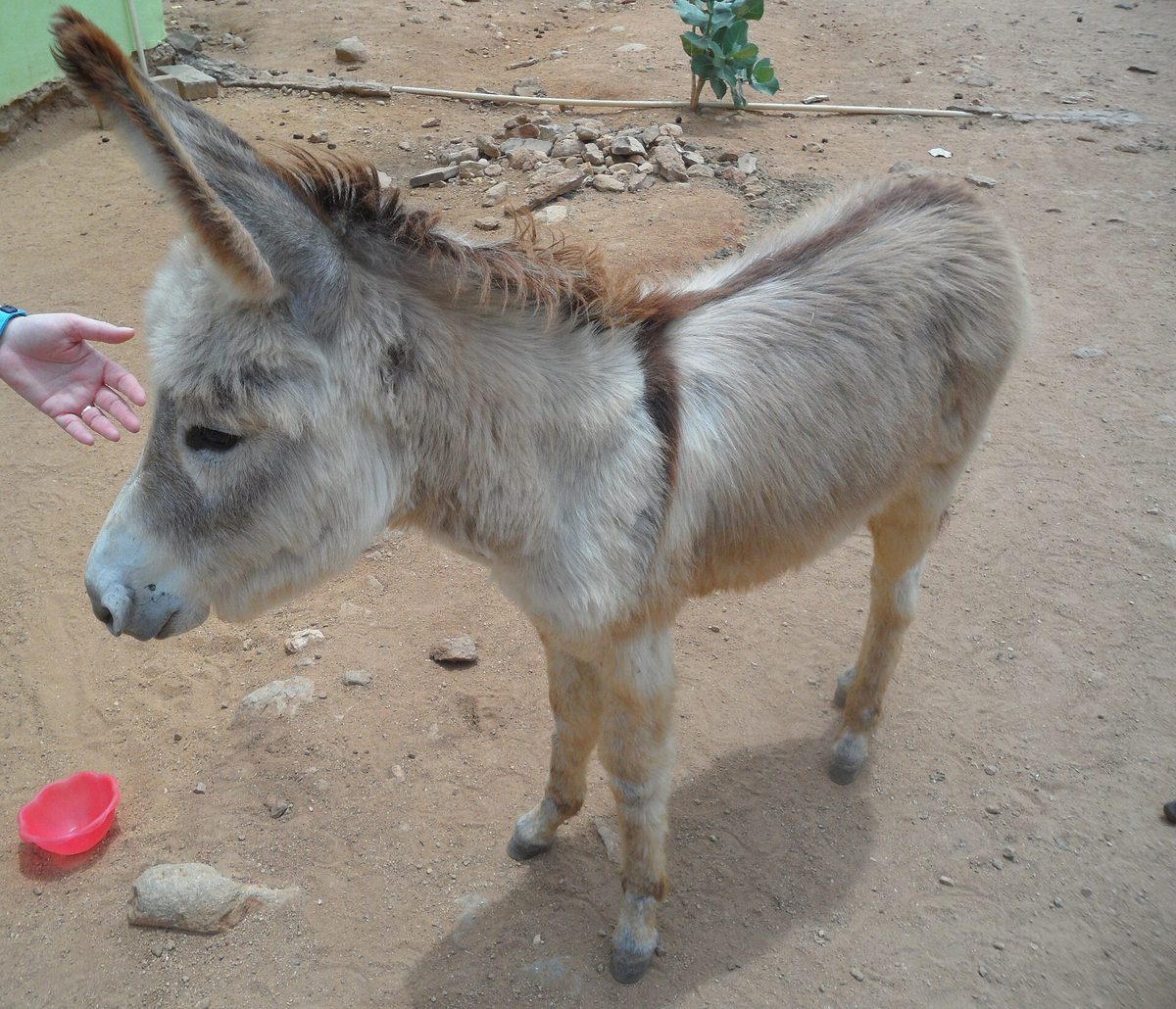
This is the one I send everybody to. Tucked into the cactus country near Santa Cruz, the Donkey Sanctuary is home to more than 100 rescued donkeys, descendants of the animals that were Aruba’s main transport before cars arrived. Admission is free (they live on donations and the little shop), and the donkeys wander right up to you looking for a carrot or a scratch behind the ears.
Go in the morning—it’s open daily from around 9am to about 4pm on weekdays and shorter hours on weekends, and the donkeys are friskiest before the midday heat. Buy a bag of carrots or apple chunks at the entrance; that’s the whole admission fee, really, and watching a sleepy donkey perk up for a snack is worth far more. Bring cash, wear closed shoes (it’s a working farm), and give yourself 45 minutes to an hour.
Bubali Bird Sanctuary
Hardly anyone staying on Palm Beach realizes that a serious birding wetland sits a five-minute drive inland. The Bubali Bird Sanctuary is a pair of former salt pans turned freshwater marsh, and more than 80 species pass through—herons, egrets, cormorants, coots, the occasional flamingo and a parade of migratory birds. There are no hours and no fee; you just show up.
There’s a small viewing tower that gives you a clear sweep over the water. Come at dawn or in the last hour before sunset, bring a zoom lens or binoculars, and slather on bug spray—the mosquitoes treat the marsh as their own resort. It’s quiet, free, and a lovely counterweight to a beach-heavy trip.
Aruba Ostrich Farm and Philip’s Animal Garden
For families especially, these two are a fun half-day. The Aruba Ostrich Farm, out in the interior on the way to the north coast, runs guided tours of the incubator and pens where you can hand-feed the world’s largest birds (around $15 or so for adults; a combined animal tour that adds the donkeys runs closer to $45). It’s a little kitschy, totally charming, and the guides are genuinely good with the birds.
Nearby, Philip’s Animal Garden is a nonprofit rescue that’s taken in everything from kangaroos and monkeys to llamas, reptiles and rescued exotics that ended up on the island one way or another. Your entry usually comes with a cup of carrots to feed the friendly residents. It’s small, hands-on, and your money goes to animal care—exactly the kind of offbeat stop I’m happy to support.
If wildlife is your thing, you’ll get even more out of the island’s protected interior—our guide to Arikok National Park covers the desert trails, caves and wild beaches that make up a full fifth of Aruba.
Offbeat culture: San Nicolas, street art and Carnival energy
The capital, Oranjestad, gets the cruise crowds, but the island’s real creative pulse beats 20 minutes south in San Nicolas. Once a sleepy oil-refinery town, it reinvented itself as Aruba’s “Sunrise City” arts district, and walking it is one of the most unique things to do in Aruba that costs absolutely nothing.
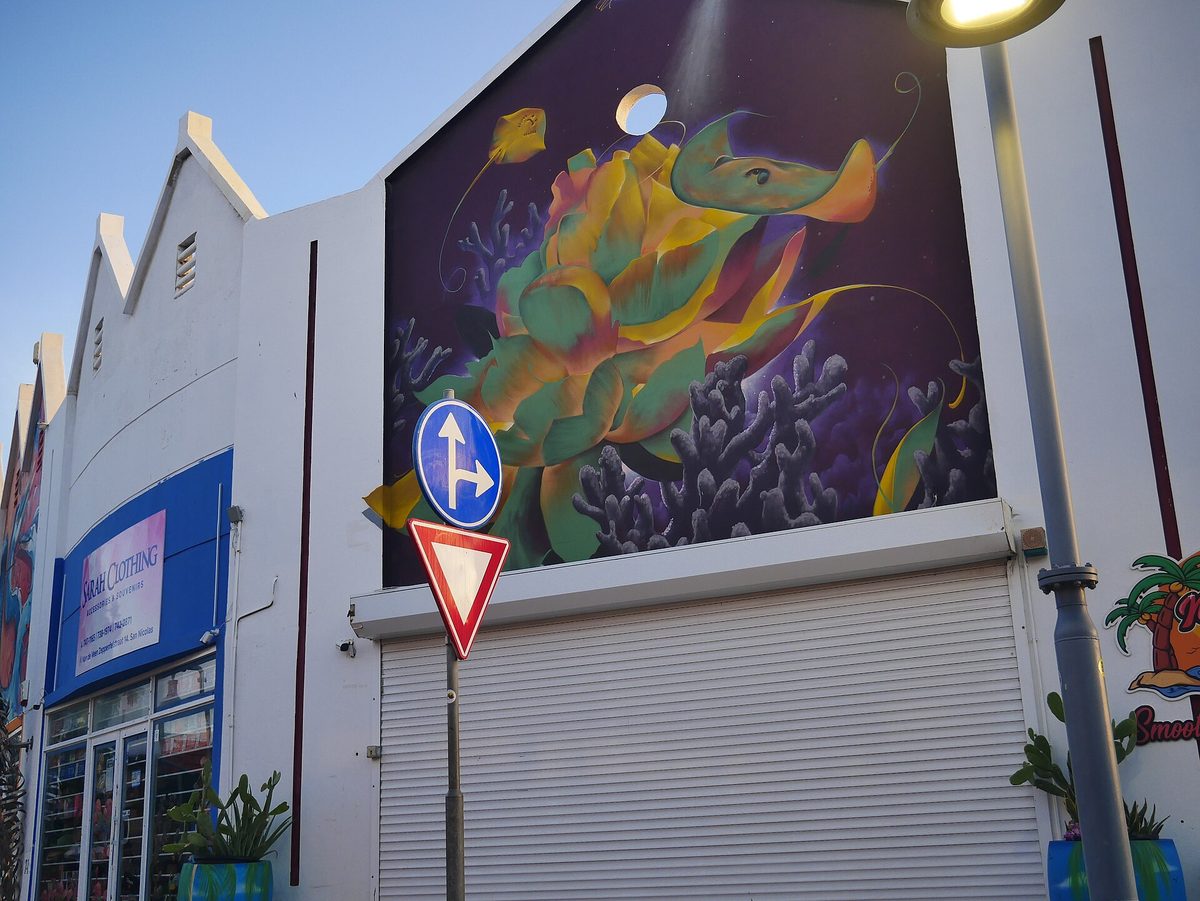
San Nicolas street art murals
Thanks to the annual Aruba Art Fair, San Nicolas now wears more than 40 large-scale murals across its downtown walls, with new pieces added every year. We’re talking three-story portraits, surreal sea creatures, and bursts of color on what used to be plain concrete. You can wander it freely with a phone and a sense of direction, or book a local walking tour to hear the stories and politics behind the work.
Park near Main Street (Caya Frans Figaroa), wear a hat, and give yourself an hour or two. Pair it with the Museum of Industry in the old water tower or a stop at a local lunch spot, and you’ve got a half-day that almost no resort guest bothers to do.
The Carubbian Festival
If you’re on the island on a Thursday, point the car south after dinner. Every Thursday evening from roughly 6pm to 10pm, San Nicolas throws the Carubbian Festival—a street party with live bands, stilt walkers, food stalls slinging Aruban and wider Caribbean dishes, and dancers in the glittering costumes saved from past Carnivals. Tastings run a few dollars each, and the whole thing has a warm, neighborhood feel that’s a world away from a resort buffet.
It’s hands-down the easiest way to feel the island’s Carnival spirit outside of the season itself. Bring small bills, come hungry, and don’t rush off—the music gets better as the night goes on.
Cunucu houses and the Carnival that runs the island
Drive the interior and you’ll keep spotting low, brightly painted cunucu houses—the traditional Aruban country home, built thick-walled from limestone and mud to beat the heat, often trimmed in candy colors with a cactus fence out front. They’re a little window into how Arubans lived before tourism, and they make the drive between attractions its own quiet pleasure.
And if your trip lands in January or February, you’ll catch Carnival—weeks of jump-ups, music competitions, the Lighting Parade, and the enormous Grand Parade through Oranjestad and San Nicolas. It is the biggest, most joyful thing that happens here all year, and locals plan their lives around it. Even if you only stumble into a small neighborhood “jump-up,” it’s unforgettable. For timing your whole trip around weather and events, our guide to the best time to visit Aruba breaks down the seasons month by month.
Hidden snorkel coves the tour boats skip
Aruba’s catamarans all hit the same three shipwrecks, and they’re great. But two of my favorite snorkel spots are free, shore-based, and gloriously uncrowded if you go early. You’ll need water shoes and a little nerve on the entries, and the payoff is some of the best marine life on the island without a single other tourist nearby.
Tres Trapi (Three Steps)
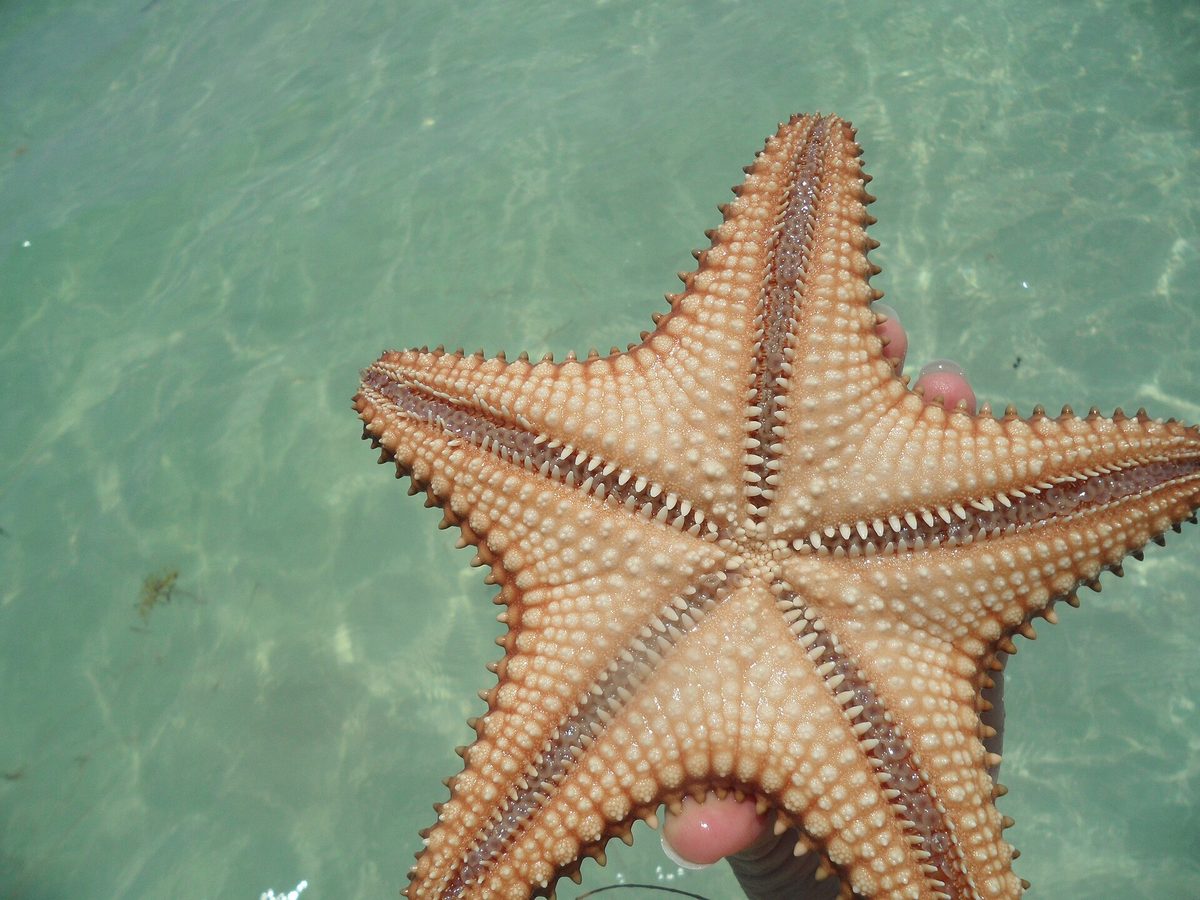
Just past the Malmok villas, a five-minute drive north of Palm Beach, a set of concrete steps drops into a calm, clear cove called Tres Trapi—literally “three steps” in Papiamento. Swim out a little and the sandy bottom is dotted with big orange-red cushion sea stars, sometimes a dozen in view at once. On a calm morning the visibility is unreal.
Two honest warnings: there’s no beach to speak of, just rock and those steps, and when the surf is up they get slick and the entry gets sketchy—skip it on windy days. Go at first light for glassy water and parking, bring water shoes, and never stand on or lift the sea stars (touching them out of water harms them). It’s one of the most unique things to do in Aruba if you love the water.
Mangel Halto
Down on the southeast coast near Savaneta, Mangel Halto hides behind a screen of mangroves, and the calm channel they shelter is a nursery for an absurd amount of sea life—parrotfish, squid, yellowtail snapper, sergeant majors, blue tangs, even the odd stingray, with the reef tumbling off to around 110 feet for the confident. There are a few shaded palapas and a gentle entry, which makes it friendlier for beginners than Tres Trapi.
Float out along the right-hand channel and follow the reef line. Mornings are calmest; afternoons can get a light chop. Bring everything you need—there are no rentals or snack bars here—and you’ll likely share the water with a handful of locals and no one else. For the full rundown of where to get in the water, see our guide to Aruba water sports.
Ruins, caves and the island’s wild history
For a place best known for beaches, Aruba has a surprisingly gritty, fascinating history—a gold rush, a smuggling past, and people who painted these caves a thousand years ago. These sites are mostly free, mostly unstaffed, and all the more atmospheric for it.
Bushiribana and Balashi Gold Mill ruins
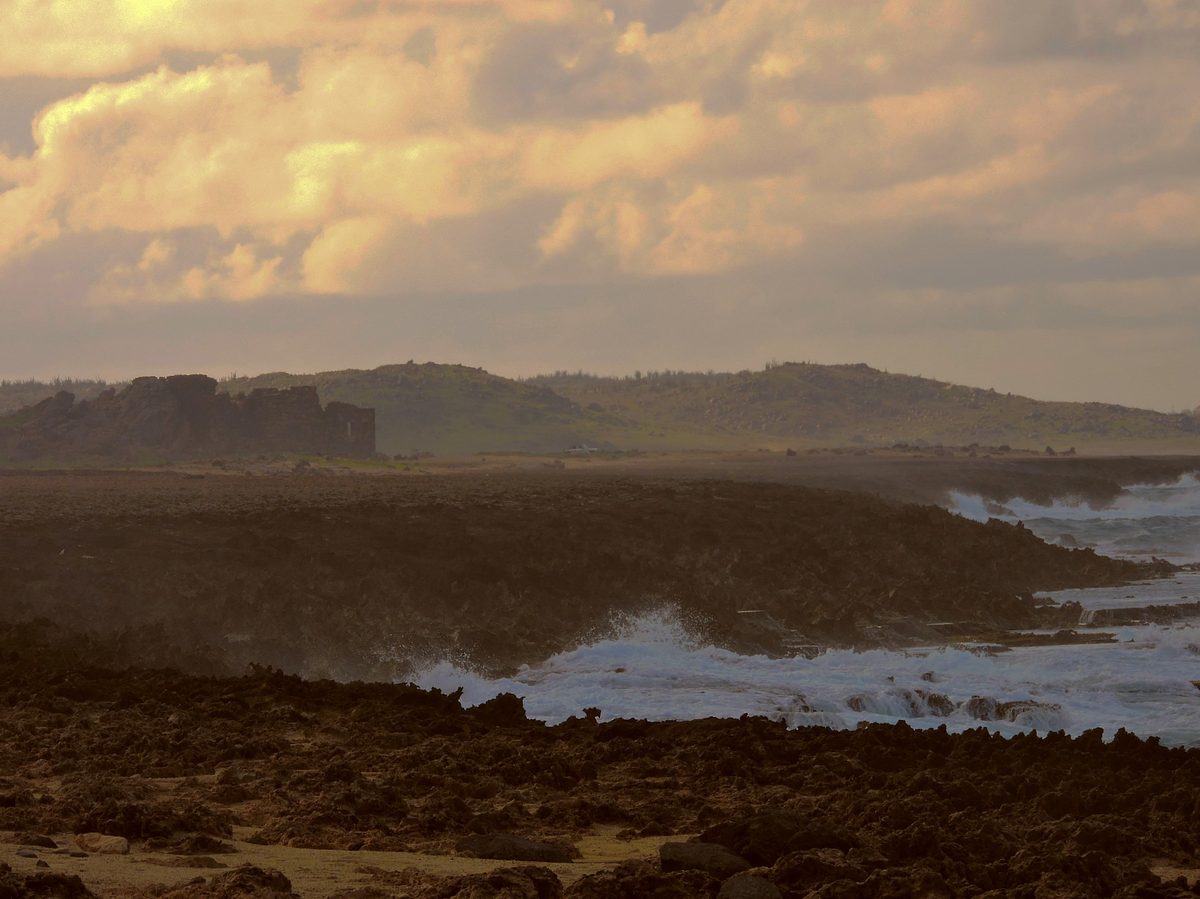
Aruba had a genuine gold rush after the metal was found here in 1824, and two ruined smelters survive from it. On the rugged north coast, the Bushiribana Gold Mill stands roofless against the crashing surf—thick stone walls, empty windows framing the sea, and steps you can climb for the view. It looks like a crumbling castle, and it’s completely free to wander.
On the calmer south side near Spanish Lagoon, the Balashi Gold Mill (built 1899, shuttered by 1916) sits in a quiet, green setting near the rocky canyon of Frenchman’s Pass. It’s less dramatic than Bushiribana but far more peaceful, and the drive in past the lagoon is gorgeous. Bring sturdy shoes for both, and at Bushiribana keep well back from the unfenced cliff edge.
Quadirikiri and Fontein caves
Inside Arikok National Park, two caves are worth the bumpy drive. Quadirikiri Cave has two big chambers lit by natural skylights where sunbeams pour through holes in the ceiling—bats wheel overhead, and there’s a local legend about a chief’s daughter whose soul escaped through those very openings. Nearby Fontein Cave is smaller but holds reddish-brown Arawak petroglyphs believed to be around 1,000 years old, painted by Aruba’s first inhabitants.
Park entry runs around $11 to $15 and covers both. Bring a flashlight (or use your phone), watch your head, and don’t touch the rock art—skin oils degrade it. A 4×4 makes the park roads much easier, though the caves are among the more accessible stops. Our full Arikok National Park guide maps out the trails, beaches and natural pool inside.
The Lourdes Grotto
Up a hillside in Seroe Preto, just outside San Nicolas, Arubans built a replica of France’s Lourdes Grotto into the natural boulders back in the 1950s. A statue of the Virgin Mary sits in a niche among the rocks, and a flight of stone steps climbs to a small viewpoint. Each February it’s the focus of a candle-lit pilgrimage, but on an ordinary day you’ll likely have the quiet, slightly surreal spot to yourself. It’s a five-minute stop that pairs naturally with San Nicolas.
Secret beaches and the deserted northeast coast
Aruba’s calm, famous beaches line the west coast. Its wild beaches—the empty, dramatic, swim-at-your-own-risk kind—line the northeast, and reaching them is half the adventure. This is where I felt most like I had the island to myself.
Drive the northeast coast in a 4×4
Rent a proper 4×4 (a regular car won’t survive these roads), point it toward the windward coast, and prepare to bounce. You’ll pass faded, abandoned beach bars reclaimed by sand and wind, tide pools you can scramble down to, and surf hammering empty cliffs. Boca Andicuri, Black Stone Beach with its shimmering dark pebbles, and the secluded coves near Dos Playa are the rewards.
The catch, and it’s a serious one: many northeast beaches have fierce currents and rocks and are not safe for swimming. Treat them as scenery and tide-pooling spots, not swim beaches. Go with a full tank, plenty of water, and never off-road on the dunes themselves—it permanently scars them.
Skip the collapsed Natural Bridge, find the small one
Aruba’s famous Natural Bridge collapsed in 2005, yet crowds still gather at the spot. Walk a couple of minutes down the coast and you’ll find the smaller “Baby Bridge” still standing—same wild backdrop, a fraction of the people. It’s a small, satisfying piece of choosing the path slightly less traveled.
Rodgers Beach and the secret mangrove coves
Down south, everyone piles onto Baby Beach—and it’s lovely—but swing around the headland to Rodgers Beach and you’ll find the same calm turquoise water with a fraction of the crowd (just turn your chair away from the refinery to the west). For true seclusion, the string of tiny mangrove-screened coves off the Spanish Lagoon road near Savaneta hides little pockets of sand you can have entirely to yourself if you arrive early. Pack a cooler, because there’s nothing out there but you and the pelicans. For the bigger picture, browse our complete guide to Aruba beaches.
Eat like a local: snack trucks and hole-in-the-wall favorites
You can absolutely have a candle-lit oceanfront dinner here—and you should, once—but the most memorable bites I’ve had in Aruba came from a fishing pier and a row of late-night food trucks. Eating where Arubans eat is one of the cheapest, most unique things to do in Aruba, and the food is fantastic.
Zeerovers
Out on a fishing pier in Savaneta, Zeerovers is the local seafood institution. You order whatever came off the boats that day—fish or shrimp—sold by weight and fried, with sides of plantain, johnnycake (pan bati) and fries. Seating is right over the water, the beer is comically large, and it’s gloriously cash-only and unpretentious. Go for a late lunch and watch the pelicans work the harbor.
Snack trucks and pastechi
After dark, look for the cluster of truk di pan (bread trucks) and snack trucks around Oranjestad and the neighborhoods—they grill burgers, sausages and overstuffed local sandwiches deep into the night for a few dollars. For breakfast, hunt down a pastechi: a fried, half-moon pastry filled with cheese, beef or chicken that’s the island’s beloved morning snack. Pika’s Corner and the Pastechi House are easy, local-approved places to start. Bring cash, order what looks busy, and you’ll eat better than at most resort restaurants. For a wider sweep of where to eat, see our Aruba restaurants guide.
Quirky stops worth a detour
A handful of smaller oddities round out the offbeat island. None needs more than 30 to 60 minutes, and they slot neatly between the bigger attractions above.
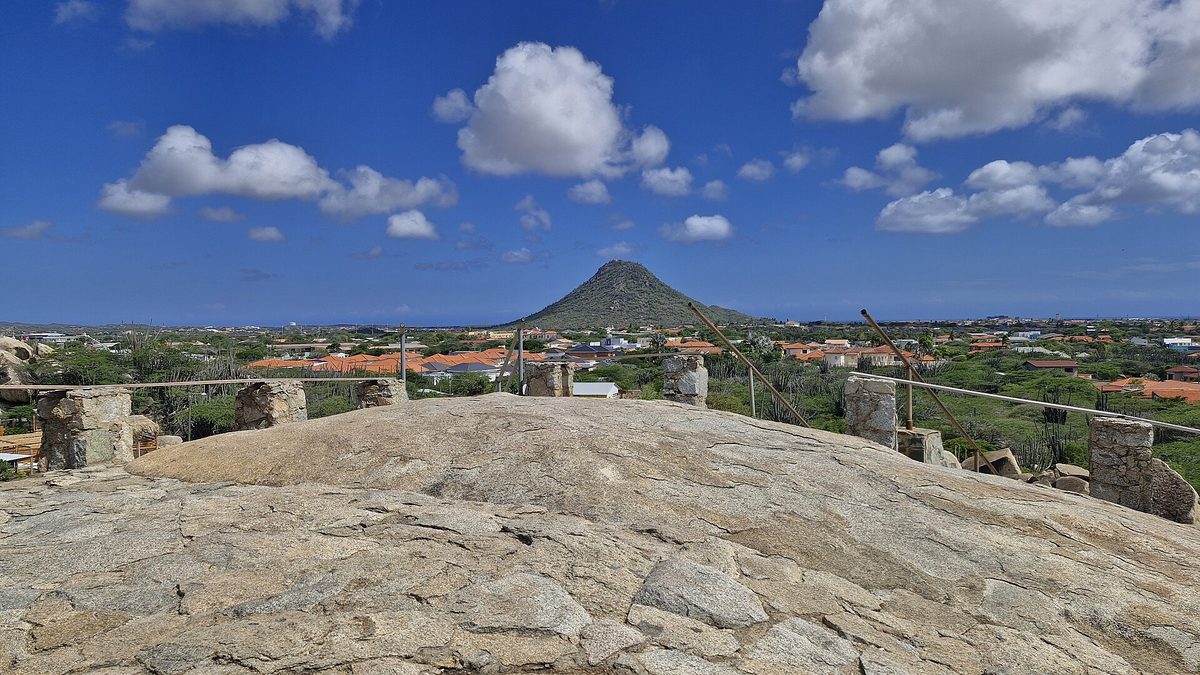
- Casibari and Ayo Rock Formations — bizarre piles of giant diorite boulders rising from the flat interior, with stairways and squeezes you can climb for 360-degree views. Ayo also hides faint rock paintings. Both are free.
- Hooiberg (“Haystack”) — the island’s distinctive 165-meter cone, with around 560 steps to the top. On a clear day you can see the coast of Venezuela. Go early before the heat.
- Alto Vista Chapel — a tiny, butter-yellow Catholic chapel from 1750 on a windswept rise above the north coast, reached by a row of white crosses. Peaceful and photogenic.
- Aruba Aloe Factory & Museum — one of the world’s oldest aloe companies, growing and bottling on site for over a century. The free-to-cheap tour is more interesting than it sounds.
- Santana di Cacho (the pet cemetery) — a sweet, slightly surreal beachfront cemetery for beloved pets near San Nicolas, and the giant Red Anchor Memorial to lost sailors nearby.
- California Lighthouse — from 1916, at the island’s northern tip amid the Sasariwichi dunes; a classic sunset perch.
Unique things to do in Aruba by traveler type
Not everyone wants to bounce down a 4×4 track. Here’s how I’d steer different travelers toward the offbeat without overreaching.
Families with kids
Lead with the animals: the Donkey Sanctuary, Ostrich Farm and Philip’s Animal Garden are all hands-on and forgiving of short attention spans, and the calm entry at Mangel Halto suits young snorkelers. Add the Aruba Aloe tour for a low-key, air-conditioned break. Our Aruba with kids guide has more family-tested ideas.
Couples and culture lovers
Build an afternoon-into-evening around San Nicolas—murals, a local lunch, then the Thursday Carubbian Festival—and chase sunsets at Alto Vista Chapel or the California Lighthouse. A planning route that ties it together is in our Aruba itinerary.
Adventure seekers and cruise-day visitors
Rent a 4×4 and string together the northeast coast, Bushiribana ruins, the caves and Arikok. Cruise passengers short on time should pick one zone—San Nicolas (south) or the north-coast ruins—rather than racing the whole island. If you’re weighing the trip’s overall budget, our Aruba vacation cost breakdown helps.
Practical tips for exploring offbeat Aruba
- Rent a car—ideally a 4×4. The best offbeat spots are spread out and the north/northeast roads are rough. Two-wheel-drive is fine for San Nicolas, the sanctuaries and the south coast. See getting to and around Aruba for rental and driving advice.
- Carry cash. Zeerovers, snack trucks, sanctuary donations and small festival stalls are often cash-only. US dollars are accepted everywhere alongside the Aruban florin.
- Go early. Mornings mean glassy snorkel water, friendly parking, cool temperatures and the animals at their most active.
- Pack water, sun protection and water shoes. Much of the interior and coast is shadeless desert, and the snorkel entries are rocky.
- Tread lightly. Don’t off-road on dunes, don’t touch sea stars or cave art, and pack out your trash. These places stay magical because visitors respect them.
- Mind the windward water. Northeast-coast beaches are for looking, not swimming—currents there are no joke.
For a broader checklist of money, safety and etiquette pointers, our Aruba travel tips and where to stay in Aruba guides cover the rest of your planning.
Frequently asked questions
What are the most unique things to do in Aruba?
The standouts are hugging rescued donkeys at the Donkey Sanctuary, exploring San Nicolas’s 40-plus street murals, snorkeling the sea-star cove at Tres Trapi, climbing the 1800s Bushiribana gold-mill ruins, and visiting the petroglyph caves in Arikok National Park. The free Bubali Bird Sanctuary and the Thursday Carubbian Festival round out the offbeat highlights.
What are the best hidden gems in Aruba away from the crowds?
For genuine hidden gems, head to the deserted northeast coast in a 4×4, the mangrove-screened coves near Spanish Lagoon, Mangel Halto for shore snorkeling, the Lourdes Grotto in Seroe Preto, and Rodgers Beach instead of busy Baby Beach. These spots stay quiet because they take a little effort to reach.
Do I need a car to see offbeat Aruba?
Yes, a rental car makes a huge difference, and a 4×4 is worth it if you want the north and northeast coasts, the gold-mill ruins and Arikok’s interior. The sanctuaries, San Nicolas and the south-coast beaches are reachable in a standard car. Public buses are limited and won’t get you to the wild spots.
Is San Nicolas worth visiting in Aruba?
Absolutely. San Nicolas is Aruba’s arts district, home to 40-plus large murals, galleries and the Thursday-night Carubbian Festival of food, music and Carnival costumes. It’s about 20 minutes south of the resorts and feels far more local than Oranjestad. Give it a half-day, ideally landing on a Thursday.
Are Aruba’s animal sanctuaries ethical?
The ones I recommend are rescue- and donation-based. The Donkey Sanctuary cares for abandoned and injured donkeys, Philip’s Animal Garden is a nonprofit rescue, and Bubali is a protected wild wetland. Skip any operation that promises forced contact with wild animals, and let the residents approach you rather than the other way around.
When is Carnival in Aruba?
Aruba’s Carnival runs for several weeks in January and February, building to the huge Grand Parade just before Lent. Expect jump-ups, music competitions, the Lighting Parade and elaborate costumes across Oranjestad and San Nicolas. If you can’t visit during the season, the weekly Carubbian Festival offers a taste of the same spirit year-round.
Final thoughts
Aruba rewards anyone willing to drive past the obvious. The beaches are world-class, no argument—but the memories that stuck with me are a donkey nuzzling my arm in the cactus country, a three-story mural glowing in the San Nicolas sun, sea stars scattered across a sandy cove, and a roofless gold mill standing alone against the surf. Rent the car, bring the cash, go early, and let the island surprise you.
Use this as your offbeat companion to our complete things to do in Aruba guide—between the two, you’ll have both the icons and the secrets covered.
Photo credits
Images sourced from Wikimedia Commons under their respective Creative Commons licenses. Full attribution for each photographer and license is listed below; see each image’s source page on Wikimedia Commons for details.
- San Nicolas street art mural — Ginelly.Q / CC0 via Wikimedia Commons (source)
- Donkey Sanctuary Aruba — EgorovaSvetlana / CC BY-SA 4.0 via Wikimedia Commons (source)
- Caribbean cushion sea star — EgorovaSvetlana / CC BY-SA 4.0 via Wikimedia Commons (source)
- Bushiribana Gold Mill ruins — Ginelly.Q / CC BY-SA 4.0 via Wikimedia Commons (source)
- Casibari rock formation — Rarends297 / CC0 via Wikimedia Commons (source)