The first time I tried to figure out the best time to visit Aruba, I did what most people do: I grabbed the week with the cheapest flights, congratulated myself, and only later realized I’d accidentally chosen the rainiest, windiest stretch of the calendar. The trip was still wonderful, because Aruba is forgiving like that. But I learned something that has shaped every visit since — on this island, when you go quietly decides how much you pay, how crowded the sand feels, and whether you spend your afternoons swimming or watching whitecaps.
The short version: the best time to visit Aruba is the shoulder months of mid-April through June and September through early December, when the weather is still gorgeous, the crowds thin out, and hotel rates fall well below the winter peak. If money is no object and you want the liveliest scene, mid-December to mid-April is prime time. Aruba sits outside the hurricane belt, so there’s no truly “bad” season — only trade-offs.
This guide is for anyone trying to time an Aruba trip around what actually matters to them: sunshine, savings, fewer people, calm water, windsurfing, Carnival, or a quiet honeymoon. I’ll walk you through Aruba’s weather month by month, break down the high, shoulder and low seasons, name the cheapest time to go, tell you the honest truth about hurricane and rainy season, and finish with a flat-out recommendation for each type of traveler. Let’s get your timing right.
Best time to visit Aruba at a glance
If you only read one thing, read this table. It’s the cheat sheet I wish I’d had before that first booking. Prices are ballpark figures for a mid-range-to-nice beachfront hotel and shift year to year, so treat them as a guide and always check current rates.
| Season | Months | Weather | Crowds & prices | Best for |
|---|---|---|---|---|
| High / peak | Mid-Dec – mid-Apr | Warm, dry, breezy; the postcard weather | Busiest; highest rates (top resorts $450–$900+/night) | Winter escape, Carnival, nightlife, families on school breaks |
| Shoulder (spring) | Mid-Apr – June | Hot, dry, very sunny, windiest months | Quieter; rates drop 20–35% | Value + sun, windsurfers, couples |
| Low / value | Sept – early Dec | Hot, a touch more humid; brief showers Oct–Nov | Quietest; cheapest (30–50% off peak) | Budget travelers, deal-hunters, calm seas |
| Summer | July – Aug | Hottest, but constant breeze; reliably dry | Moderate; a family bump, mid-range prices | Families, summer-break trips, warm-water swimming |
Notice what’s missing from that table: a genuinely bad option. Aruba averages over 300 days of sunshine a year and barely 16 to 20 inches of rain, so even the “worst” week here beats a perfect day almost anywhere up north. Once you’ve narrowed your season, our guide to the best things to do in Aruba and the island’s best beaches will help you fill the days.

Aruba’s weather, demystified: why the island barely has seasons
Here’s the thing that makes timing Aruba so different from timing, say, a trip to Florida or Cancun: the weather is almost boringly consistent. The island sits at about 12.5 degrees north of the equator, roughly 18 miles off the coast of Venezuela, in the dry, southern corner of the Caribbean. That location is the whole story.
Temperature: warm every single day
The average temperature in Aruba hovers around 82°F (28°C) and barely budges all year. Daytime highs run from the mid-80s in the cooler winter months (December through March) to around 88–91°F at the peak of summer (August and September). Overnight lows sit in the high 70s. There is no cold season, no rainy monsoon, no shoulder month where you’ll need a jacket. Pack for summer no matter when you come.
The trade winds: Aruba’s secret air conditioning
If Aruba has a defining weather feature, it’s the wind. Steady northeasterly trade winds blow across the island almost constantly, and they are the reason 88°F here feels far more pleasant than 88°F in a humid city. The winds are strongest from roughly December through July — May and June are the windiest — and ease off noticeably in September and October. You’ll see their signature everywhere in the island’s wind-sculpted divi-divi trees, which all lean to the southwest as if frozen mid-gust. For windsurfers and kitesurfers this breeze is the main event; for everyone else it’s a constant, cooling gift that keeps the bugs away and the beach umbrellas working hard.
Rain: there’s just not much of it
Aruba is arid — think cactus, aloe and rocky desert across the island’s interior, not rainforest. Total annual rainfall is only about 16 to 20 inches, and most of it falls as brief, passing showers between October and December. November is statistically the wettest month, averaging around 3.7 inches, but even then the rain tends to arrive in short bursts, often overnight or for twenty minutes in the afternoon before the sun returns. You will almost never lose a whole day to rain in Aruba. Compared to the rest of the Caribbean, this is as dependable as sunshine gets.
Aruba weather by month: a real month-by-month guide
Averages only get you so far, so here’s how each month actually feels on the ground — weather, crowd levels, roughly what you’ll pay, and who each month suits best. Use this together with the climate table below to find your sweet spot.
What follows is the summary; for the full month-by-month breakdown with temperatures, rainfall and sea conditions, see my Aruba weather by month guide.
| Month | Avg high | Sea temp | Rain | Wind | Crowds & price |
|---|---|---|---|---|---|
| January | 85°F | 79°F | Low | Breezy | Very high |
| February | 85°F | 79°F | Very low | Breezy | Very high (Carnival) |
| March | 86°F | 79°F | Very low | Breezy | High (spring break) |
| April | 88°F | 80°F | Very low | Windy | High → moderate |
| May | 89°F | 81°F | Low | Windiest | Lower; good value |
| June | 89°F | 82°F | Very low | Windy | Low; value |
| July | 90°F | 83°F | Very low | Breezy | Moderate (families) |
| August | 91°F | 84°F | Very low | Lighter | Moderate (families) |
| September | 91°F | 85°F | Low | Calmest | Lowest; cheapest |
| October | 90°F | 85°F | Showers | Calm | Low; cheap |
| November | 88°F | 84°F | Wettest | Light | Low → rising |
| December | 87°F | 82°F | Showers early | Breezy | Rising to peak |
January – cool, dry and crowded
January is peak season in full swing. The weather is about as good as it gets: highs around 85°F, low humidity, steady breeze and almost no rain. That’s exactly why everyone’s here. Expect packed beaches on Palm and Eagle, booked-out restaurants, and the year’s highest hotel rates outside of the holidays themselves. If pristine weather is your priority and budget isn’t, January delivers — just reserve dinners and tours in advance.
February – perfect weather meets Carnival
February might be the single most vibrant month to visit, because it’s the heart of Aruba’s Carnival season. Weather is essentially identical to January — warm, dry, breezy — but the island is buzzing with parades, music and color. It’s also the most expensive and crowded time alongside the holidays, and the water is at its coolest (a still-swimmable 79°F). Book months ahead if you want to be here for the Grand Parade.
March – superb weather, spring-break energy
March keeps the dry, sunny streak going with highs nudging 86°F. Crowds stay high thanks to spring-break travelers, but rates start to soften slightly as the month goes on. It’s a fantastic, low-risk month weather-wise; just know the beaches skew a little younger and livelier around mid-month.
April – the sweet spot begins
For my money, mid-April is where Aruba gets really smart. After Easter, the winter crowds thin, prices ease, and the weather is still flawless — dry, sunny and getting warmer (highs near 88°F). The trade winds pick up, which keeps things comfortable and thrills the windsurfing crowd. This is the start of the shoulder season I steer most people toward.
May – sun, wind and value
May is one of the best-value months on the calendar. The weather is hot and reliably dry, the winds are at their strongest (windsurfers and kiteboarders descend on the island), and crowds are noticeably lighter. Hotel rates and cruise fares hit some of their lowest points of the year. If you want great weather without peak-season prices or peak-season crowds, May is hard to beat.
June – quiet beaches, low prices
June continues the value streak. Visitor numbers drop, the beaches feel spacious, and you can find genuinely good deals. It’s hot — highs around 89°F — but the steady breeze and warm 82°F sea make long beach days easy. Rain is almost nonexistent. This is a quietly excellent time to come, and a personal favorite for a relaxed, uncrowded trip.
July – warm water and a family bump
July brings a modest uptick in visitors as North American and European families travel on summer break. Temperatures climb to around 90°F, but Aruba’s dryness and wind keep it from feeling oppressive. The sea is bath-warm at 83°F. Prices are mid-range — higher than spring shoulder, lower than winter peak. A solid choice for families who can only travel in summer.
August – hottest, but still dry
August is the hottest month, with highs that can touch 91°F and the warmest sea of the summer. This is technically within the Atlantic hurricane season, but — and I can’t stress this enough — Aruba sits well south of the hurricane belt, so the practical risk is tiny (more on that below). The trade winds ease a little, so it can feel hotter than the spring months. Families keep numbers moderate, and prices stay reasonable.
September – cheapest, calmest, warmest water
If you want the lowest prices of the year and the warmest, calmest water for swimming and snorkeling, September is your month. This is the bottom of the low season: the fewest visitors, the deepest hotel discounts, and the gentlest seas as the trade winds finally relax. The trade-off is heat and a slightly higher chance of a passing shower, but rain is still minimal. Deal-hunters, this is the one.
October – great deals, a few showers
October offers many of September’s perks — low prices, warm calm seas, light crowds — with a little more cloud and the start of the brief rainy stretch. Showers tend to be short and scattered rather than all-day washouts. If you don’t mind the occasional twenty-minute downpour and want excellent value, October rewards you handsomely.
November – the wettest month (which still isn’t very wet)
November is statistically Aruba’s rainiest month, averaging about 3.7 inches. Before that scares you off: that’s still a desert-level total spread across the month, usually as overnight or quick afternoon showers. Prices stay low early in the month, then begin climbing as the December holidays approach. Come in early-to-mid November for low-season value with only a small weather gamble.
December – from quiet to peak in one month
December is a month of two halves. The first couple of weeks are still calm, dry-ish and reasonably priced — one of the year’s underrated windows. Then, from roughly the third week, the holidays hit and Aruba flips to maximum: peak crowds, peak prices and a festive, celebratory buzz. If you want Christmas or New Year on the beach, book very early and budget for the year’s highest rates.
Aruba’s three seasons, broken down
Months are useful, but Aruba really runs on three rhythms: a long, glittering high season; the shoulder months on either side; and a quiet, value-packed low season. Understanding the rhythm helps you trade weather, crowds and cost on purpose instead of by accident.

High season (mid-December to mid-April)
This is when Aruba is at its most alive — and most expensive. Snowbirds escaping northern winters fill the high-rise resorts along Palm Beach, the low-rise hotels on Eagle Beach hum, and the calendar overflows with the holidays and Carnival. The weather is the year’s most comfortable: dry, breezy, with highs in the mid-80s. Expect to pay a serious premium, though — the ritziest beachfront resorts can run $500 to $900 a night, restaurants need reservations, and popular tours sell out days ahead. If you thrive on energy, want the social scene at its peak, or are chasing the perfect-weather guarantee, this is your window. Just book early and brace your wallet.
Shoulder season (mid-April to June, and again September to early December)
The shoulder months are, in my honest opinion, the smartest time to visit Aruba. You keep nearly all of the high-season weather — this is the Caribbean’s driest, sunniest corner, after all — while shedding the biggest crowds and a meaningful chunk of the cost. Spring shoulder (mid-April through June) is hot, brilliantly sunny and windy, perfect for water sports and long beach days. Fall shoulder (September into early December) is the bargain-hunter’s dream, with the lowest rates and calmest seas of the year. Rates in these windows typically fall 20 to 50% below peak. If you want the best balance of weather, value and elbow room, aim here.
Low season (September to early December)
Overlapping the fall shoulder, the true low season is roughly September through the first half of December (before the holidays). This is when Aruba is quietest and cheapest. The weather is still excellent — hot, mostly sunny, with the warmest sea of the year — offset only by slightly higher humidity and a handful of brief showers, mainly in October and November. Beaches feel uncrowded, you can often walk into restaurants, and hotels compete hard on price. The atmosphere is more laid-back than lively, which for many travelers is precisely the point.
The cheapest time to visit Aruba (and how to book it)
Let’s talk money, because timing is the single biggest lever you have over the cost of an Aruba trip. The cheapest time to visit Aruba is the low season from September through early December, when hotel rates routinely run 30 to 50% below their winter highs. A close second is the late-spring shoulder of May and June, when both hotel rates and cruise fares dip near their annual lows while the weather stays fantastic.
A few money tips I’ve learned the hard way:
- Avoid the holidays at all costs if you’re price-sensitive. Christmas, New Year and the Carnival peak in February command the steepest rates of the year. Shifting your trip just a couple of weeks — to early December or early March — can save hundreds.
- Book flights early for winter, late for fall. Winter airfare to Aruba is in heavy demand, so lock it in months ahead. For low-season travel you have more flexibility and can wait for a deal.
- Use the shoulder to upgrade. The same budget that buys a standard room in February often buys a sea-view room or a nicer resort in May or October. I’d rather have a better room in the shoulder than a basic one at peak.
- Watch for value-season packages. Hotels lean into the quiet months with resort credits, free nights and dining deals. These are easiest to find from September through November.
- Mind the midweek. Arriving and departing midweek can shave money off both flights and hotels versus the Saturday-to-Saturday default.
One more thing: cheaper season does not mean cheaper experience. The free pleasures — the beaches, the sunsets, the swimming, the long walks — are identical in September and January. You’re paying the premium for weather certainty and atmosphere, not for a better island. For a fuller breakdown of what a trip actually costs across seasons, plus all the free and low-cost things to do in Aruba, plan your budget before you book.
Aruba hurricane season and rainy season: the honest truth
This is the question that makes people nervous, so let’s settle it clearly. The Atlantic hurricane season officially runs June 1 through November 30, and yes, that overlaps Aruba’s low season. But here’s what the calendar doesn’t tell you: Aruba lies outside the hurricane belt. The island sits on the far southern edge of the Caribbean, around 12.5 degrees north, well below the latitudes where most tropical systems track. On average, a major hurricane passes over or very near Aruba only about once a century.
That doesn’t mean the island has never seen a storm or a windy, rainy spell — weather is weather, and a distant system can occasionally kick up surf or send a band of showers across the island. But the practical risk of a hurricane wrecking your Aruba vacation is genuinely low, far lower than in Florida, the Bahamas, or the eastern Caribbean. It’s one of the big reasons Aruba (along with its neighbors Bonaire and Curacao, the “ABC islands”) is marketed as a safe-bet summer and fall destination while other islands hold their breath.
The rainy season is the more realistic thing to plan around, and even that is mild. From roughly October through December, Aruba sees its modest annual rain, peaking in November at about 3.7 inches for the whole month. Showers are typically brief and often nocturnal — you’ll see puddles at breakfast and dry sand by mid-morning. I’ve spent plenty of October days in Aruba without opening an umbrella once. If you want to eliminate even that small chance, the dry months of January through August are essentially bulletproof. If you want the best prices and can shrug off a passing shower, the so-called rainy season is a bargain in disguise.
Aruba in summer: is it too hot?
Summer is the season people most often ask about, usually with a worried “isn’t it unbearably hot?” The honest answer: it’s hot, but it rarely feels brutal, and for a lot of travelers Aruba in summer is a sweet spot.
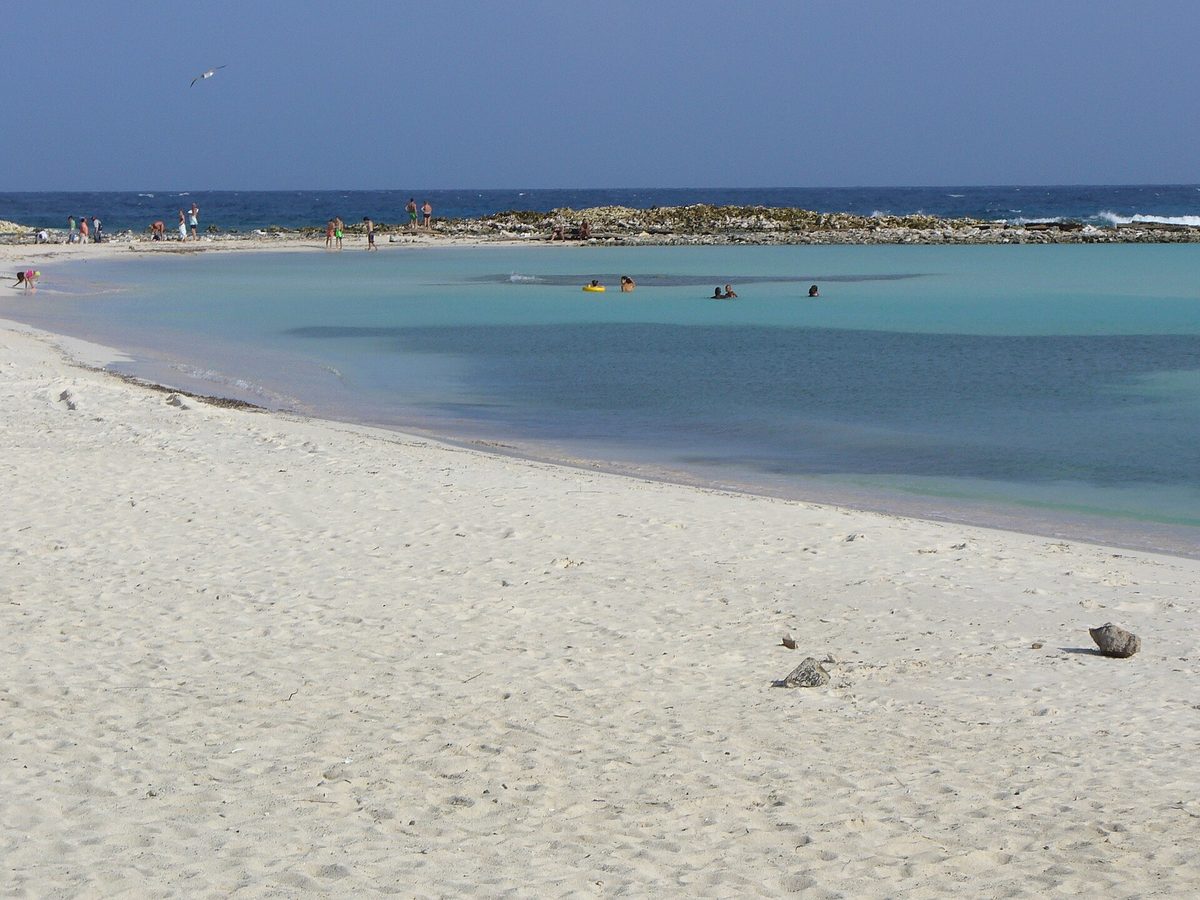
Here’s why summer works better than the thermometer suggests. Highs from June through September run 89 to 91°F, but Aruba’s humidity is low by Caribbean standards and the trade winds blow nearly all day, so the air moves and the heat doesn’t sit on you. The sea is at its warmest and most inviting — 83 to 85°F, like stepping into a warm bath — and calmer in late summer as the winds ease. Rain is almost nonexistent through August. Add school-holiday timing, mid-range prices and that very low hurricane risk, and summer becomes a legitimately great time for a family beach trip.
My summer advice is simple: lean into the rhythm of the heat. Hit the beach and the water early, retreat for a long lunch or a siesta during the hottest mid-afternoon hours, and come back out as the day cools toward Aruba’s famous sunsets. Drink more water than you think you need, wear reef-safe sunscreen (the equatorial sun is strong), and you’ll find summer in Aruba far more comfortable than a humid August back home.
Best time to visit Aruba by type of traveler
The “best” time really depends on who you are and what you want out of the trip. Here’s how I’d time it for different travelers.
Couples and honeymooners
Aim for the shoulder months — May, June, or late September through November. You get romantic, uncrowded beaches, softer prices that leave room in the budget for a splurge dinner or a sunset sail, and weather that’s still dreamy. Avoid the spring-break weeks of March if you want quiet and avoid the holiday crush unless you love a party.
Families with kids
Summer (July and August) is the natural fit for school schedules, and it works: warm calm water, low rain, low hurricane risk and mid-range prices. If you can travel off-schedule, early November or early December offers even better value with fewer crowds. Winter holidays are magical but pricey and busy.
Budget travelers
September through early December is your golden window, with May and June close behind. You’ll find the lowest hotel rates, the best package deals, and an island that’s quiet enough to feel like a local. The weather barely changes, so you’re sacrificing almost nothing but crowds.
Windsurfers and kitesurfers
Come from April through July, when the trade winds are at their muscular best — May and June especially. This is when the island hosts its big windsurfing and kitesurfing competition, and when Hadicurari (Fisherman’s Huts) near Palm Beach turns into a sail-filled spectacle. If wind is your reason for visiting, the windy shoulder is non-negotiable.
Divers and snorkelers
For the clearest, calmest water, target late summer and early fall — September and October — when the winds relax and the sea goes glassy. Visibility is excellent and the water is warmest. It’s also low season, so you get great conditions and great prices at once.
Cruise passengers and day-trippers
Cruise traffic peaks December through March, so if you want Aruba with fewer fellow ship passengers crowding the beaches, the summer and fall sailings are quieter. Whatever your date, a day in port is plenty for a beach and a quick island highlight — see our guide to things to do in Aruba on a cruise-port day for a fast, high-impact plan.
Timing your trip around Aruba’s events and festivals
Sometimes the best time to visit Aruba is simply “whenever the thing you want to see is happening.” The island’s calendar has a few standouts worth planning around — or avoiding, if crowds aren’t your thing.
Carnival (January to February/March)
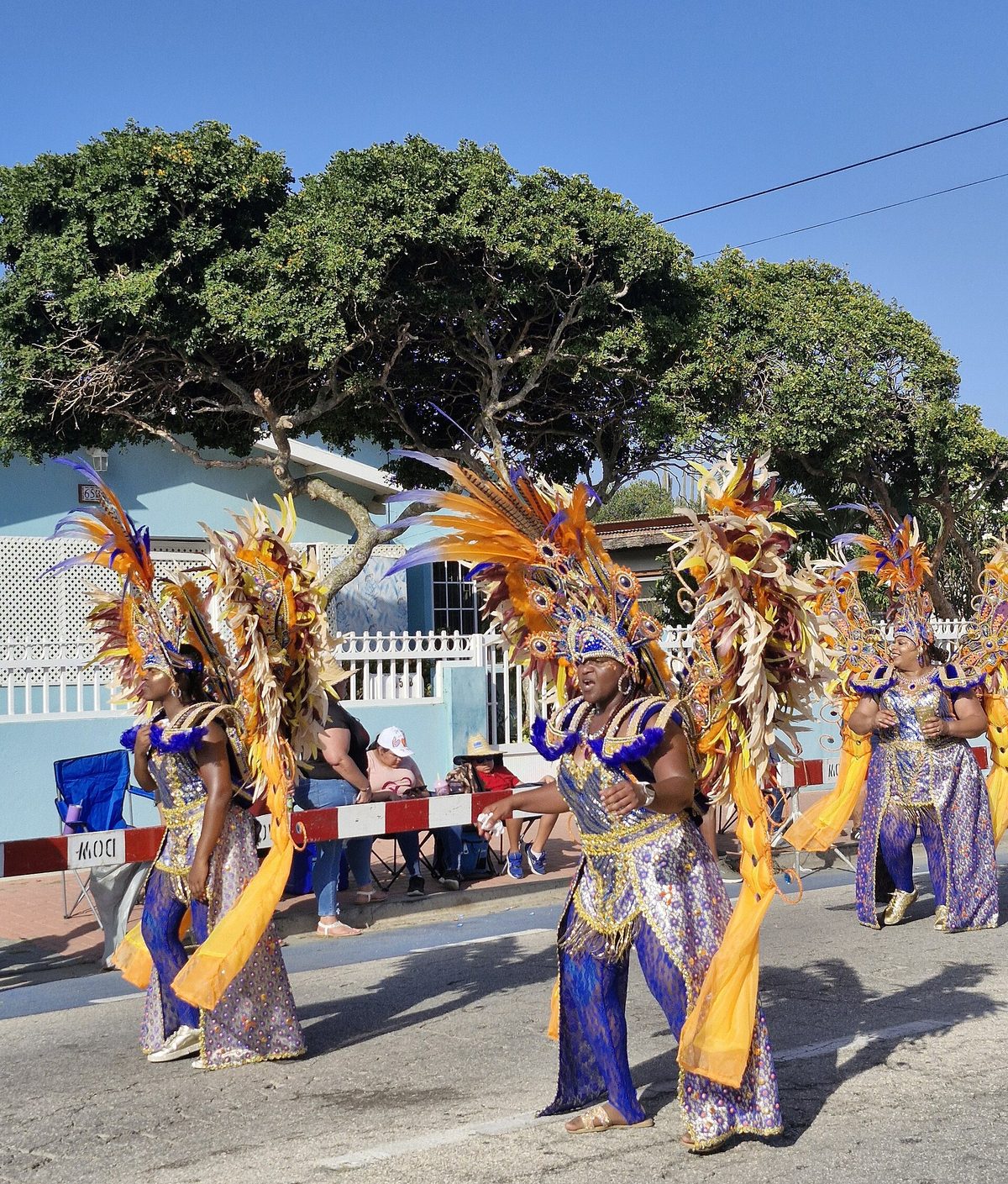
Carnival is Aruba’s crown jewel of celebration, a weeks-long explosion of music, elaborate costumes, parades and street parties that builds from early January to a climax just before Lent. The big-ticket events — the dazzling Lighting Parade in San Nicolas, the enormous Grand Parade in Oranjestad, the pre-dawn Jouvert “pajama” party, and the symbolic Burning of King Momo that closes it all — mostly land in late January and February. In 2027, Carnival Monday falls on February 8, so expect the grand parades in the days around then. If experiencing Carnival is your goal, book months ahead and accept peak-season prices; it’s worth it once.
Windsurfing and kitesurfing competition (usually May or June)
Aruba’s marquee wind-sports event turns the island into a playground for the world’s best windsurfers and kiteboarders, with racing, freestyle and a beachy festival atmosphere anyone can enjoy from the sand. It’s typically held over several days in late spring or early summer (recent editions have run in May), timed to the windiest stretch of the year. Even if you don’t compete, it’s a thrilling free spectacle.
New Year and the Dande Festival
Aruba rings in the New Year with fireworks along the coast and the traditional Dande Festival, a folk-music ritual in which roving musicians sing good-luck wishes for the year ahead. Combined with the Christmas-week buzz, late December is festive and joyful — just remember it’s also the most expensive and crowded week of the year.
San Juan / Dera Gai (June 24)
This colorful midsummer folk festival, marked by red-and-yellow costumes and traditional dance, is a window into Aruba’s cultural roots and a fun reason to be on the island in late June — conveniently, a great-value time to visit anyway.
Fall arts and food season (September to November)
The quiet fall months are when Aruba leans into culture and cuisine, with art events in the colorful streets of San Nicolas, jazz on the waterfront, and dining promotions that make the low season even more appealing for food lovers. A note for planners: festival line-ups and dates shift year to year, and at least one long-running music festival has moved off the island in recent years, so always confirm current dates with official sources before you build a trip around an event.
How many days do you need in Aruba?
Once you’ve picked your season, the next question is length. For a first visit, I’d plan five to seven days. That’s enough to settle into the beach rhythm, see the island’s natural and cultural highlights, take a boat trip or two, and still have unhurried days to do nothing at all — which, on Aruba, is a legitimate activity.
If you’re tight on time, a focused three to four days covers the essentials: a couple of the famous beaches, one big adventure (a catamaran snorkel sail, a UTV run through the rugged interior, or a flamingo-beach day), and a sunset dinner. Cruise visitors get just a single day, which is plenty for one beach and one highlight. On the other end, a week or more rewards you with side trips, quieter beaches and a genuinely relaxed pace. To map your days, pair this guide with our deep dives on the best things to do in Aruba and the island’s best beaches.
So, when should you go? My honest recommendation
After all the months and trade-offs, here’s how I’d actually decide:
- For the best weather: Mid-January through March — dry, breezy and just slightly cooler. You’ll pay and share the beach for it.
- For the best value without sacrificing weather: May, June, September and early November. This is my default recommendation for most travelers.
- For the warmest, calmest water: September and October — also the cheapest, if you can accept a brief shower.
- For events and atmosphere: February for Carnival; late December for the holidays. Book early.
- The closest thing to a “worst” time: Late October and November bring the most rain, and the winter holidays bring the highest prices — but even these are wonderful weeks by any normal standard.
If you forced me to name one window, I’d send you in late April, May, or early-to-mid November: gorgeous weather, manageable crowds, and prices that leave room in the budget for the fun stuff.
Frequently asked questions about the best time to visit Aruba
What is the best month to visit Aruba?
There’s no single perfect month, but May and November are my top picks for most travelers: excellent dry-to-mild weather, thinner crowds and prices well below the winter peak. If flawless, slightly cooler weather is your only priority and budget is no concern, aim for January through March instead.
I break the answer down priority by priority — weather, price, crowds, events — in my guide to the best month to visit Aruba.
What is the cheapest time to visit Aruba?
September through early December is the cheapest time to visit Aruba, with hotel rates often 30 to 50% lower than the December–April peak. May and June are the next-best value. To save the most, avoid the Christmas, New Year and Carnival weeks, and consider booking midweek arrivals.
What is the rainy season in Aruba, and which month is rainiest?
Aruba’s brief rainy season runs roughly October through December, and November is the rainiest month at about 3.7 inches. Even then, Aruba is arid — total annual rainfall is only 16 to 20 inches — and showers are usually short and often overnight. A full rained-out day here is rare.
Does Aruba get hurricanes? Is it in the hurricane belt?
Aruba sits outside the hurricane belt, on the far southern edge of the Caribbean near Venezuela. While the official Atlantic hurricane season is June through November, direct hits are extremely rare — on average a major storm passes near the island only about once a century — which makes Aruba one of the safest Caribbean choices in summer and fall.
What is the worst time to visit Aruba?
Aruba doesn’t really have a bad time, but if pressed: late October and November bring the most rain, and the winter holidays bring the highest prices and biggest crowds. Choose your trade-off — a small chance of showers, or a premium for perfect weather. Both still deliver a great trip.
How many days do you need in Aruba?
Five to seven days is ideal for a first visit, giving you time for the famous beaches, an island adventure or two, and unhurried relaxation. Three to four days covers the highlights if you’re short on time, while cruise visitors can enjoy a single well-planned beach day in port.
What is the hottest month in Aruba?
August and September are the hottest months, with highs around 90–91°F (32–33°C). Thanks to low humidity and Aruba’s near-constant trade winds, though, the heat feels far milder than the numbers suggest. Early-morning and late-afternoon beach time keeps even peak summer comfortable.
What is the water temperature in Aruba, and can you swim year-round?
Yes, you can swim year-round. Aruba’s sea temperature ranges from about 79°F (26°C) in February and March to 85°F (29°C) in September and October — warm and inviting in every month. Late summer and early fall offer the warmest, calmest water for swimming and snorkeling.
When is Aruba Carnival?
Aruba’s Carnival season builds from early January to a finale just before Lent, with the biggest parades and parties in late January and February. In 2027, Carnival Monday falls on February 8, so the grand parades cluster around early February. Book well ahead, as this is peak season.
Is Aruba good to visit in summer?
Very good. Summer brings hot but breezy weather, the warmest sea of the year, minimal rain, very low hurricane risk and mid-range prices. It aligns with school holidays, making it a favorite for families. Just plan beach time around the cooler morning and evening hours and use plenty of sunscreen.
Final thoughts
That first mistimed trip taught me the lesson I’ll leave you with: in Aruba, you’re not choosing between good weather and bad weather — you’re choosing between shades of good. Pick the high season for energy and certainty, the shoulder for the smart-money sweet spot, or the low season for quiet and savings. The sand will be white, the water will be warm, and the divi-divi trees will still be leaning into that endless, cooling wind no matter which week you land. The best time to visit Aruba, in the end, is the one that fits your priorities — now you know exactly how to choose it.
Photo credits
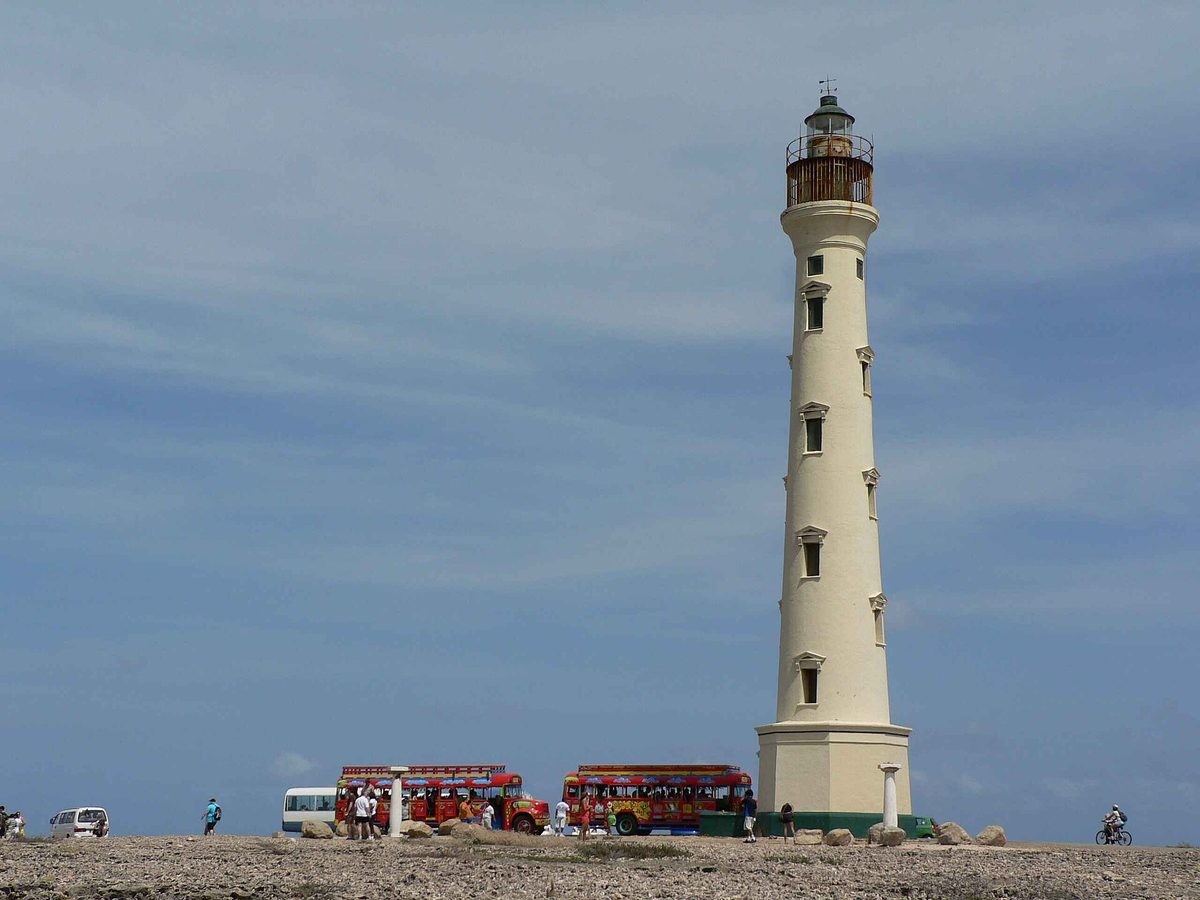
All images via Wikimedia Commons, used under their respective licenses. Divi-divi tree: Photo by sbmeaper1 (CC0). California Lighthouse: Photo by David Stanley, Nanaimo, Canada (CC BY 2.0). Palm Beach: Photo by Kwihi (CC BY 4.0). Baby Beach lagoon: Photo by Dje9537459 (Public domain). Aruba Carnival: Photo by Ginelly.Q (CC BY-SA 4.0).