If you want one answer, here it is: April is my favorite month to visit Aruba, with May a very close second. You get the tail end of the bone-dry high season, daily sunshine you can practically set a watch to, trade winds that keep the heat honest, prices and crowds finally easing off their winter peak, and zero hurricane worry. Honestly, if you asked me to name the best month to visit Aruba and walk away, I would say April and not lose any sleep over it — it is the closest thing the island has to a perfect-storm month, minus the storm.
But I have to be honest with you, because anyone who gives you a single month with a straight face is selling something. The best month to visit Aruba genuinely depends on what you are optimizing for. The cheapest month is not the least-crowded month, which is not the best-weather month, which is not the best-events month, which is not the windiest month. Aruba is unusually good year-round, so this is less “when is it good” and more “which kind of good do you want.” This guide sorts that out, month by month and priority by priority.
The short answer
For the best all-around trip, visit Aruba in April or May: superb dry weather, steady trade winds, no hurricane risk, and crowds and prices sliding down from their winter highs. Want rock-bottom prices? Aim for September or October. Want guaranteed picture-perfect weather and big-event energy? Go January through March. There is no genuinely bad month here, just trade-offs.
This is the capstone of our best time to visit Aruba guide, so think of it as the decision page: I will name a winner, then hand you the whole calendar so you can overrule me for your own trip.
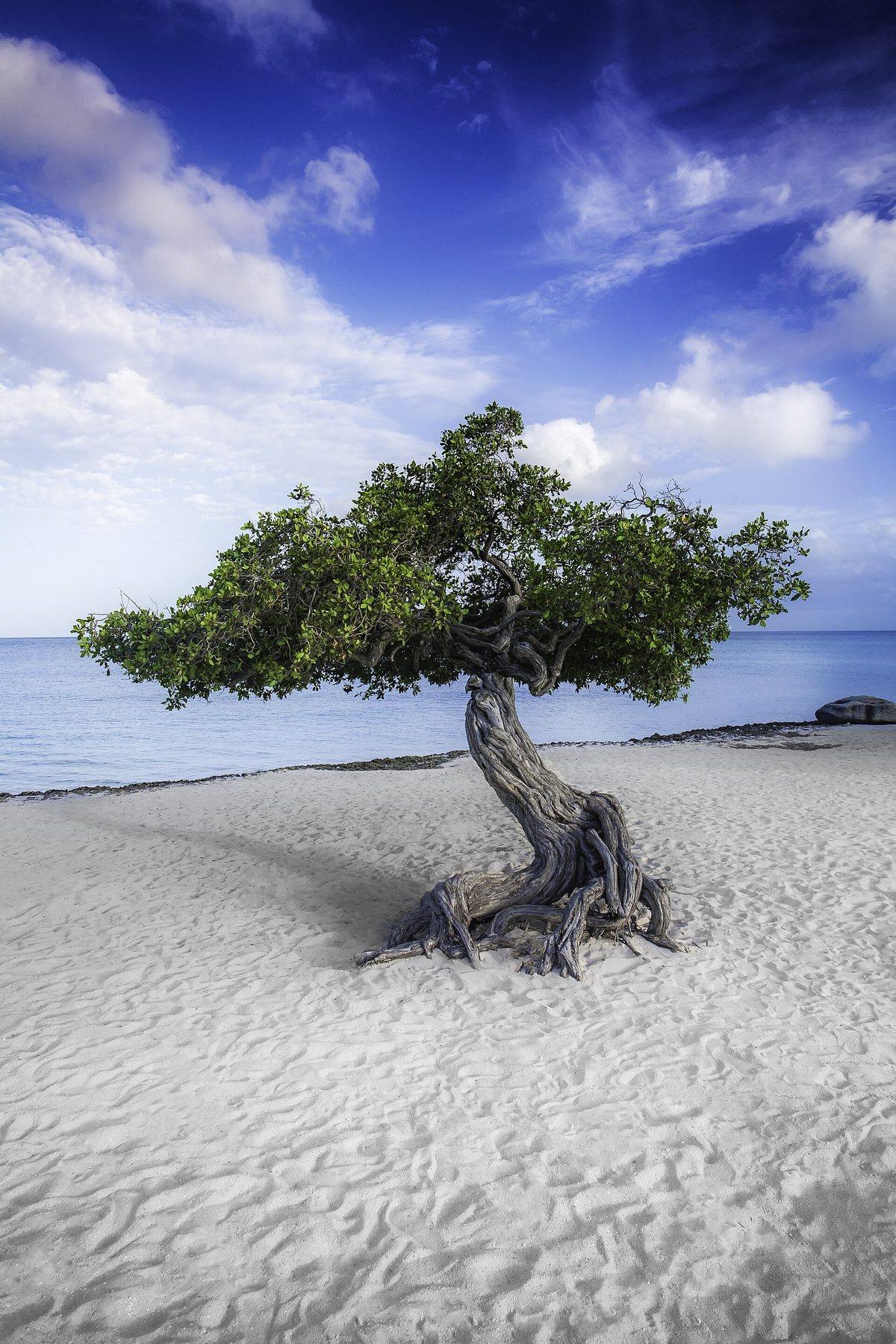
Aruba at a glance: best month by priority
If you only read one thing, read this table. Find the row that matches what matters most to you, and book the month next to it. I have hedged the price and crowd notes on purpose, because rates swing year to year and you should always verify current numbers before you book.
| Your top priority | Best month(s) | Why |
|---|---|---|
| Best all-around trip | April & May | Dry, sunny, breezy, no hurricane risk; crowds and prices easing from winter peak. |
| Best weather (driest, sunniest) | February & March | Heart of the dry season; lowest rain, lots of sun, comfortable mid-80s. |
| Cheapest prices | September & October | Deepest low season; the best flight and hotel deals of the year. |
| Fewest crowds | September & October | Quietest beaches and easiest restaurant tables; some businesses on a slower schedule. |
| Best events & festivals | February (Carnival), May (Soul Beach & Hi-Winds) | The island’s biggest cultural moments land in these months. |
| Best wind (windsurf/kite) | May, June & July | Strongest, most reliable trade winds; Hi-Winds is in mid-May for a reason. |
| Calmest water (snorkel/dive clarity) | September, October & November | Winds ease, the sea lies flat, and visibility is at its best. |
| Families on a school-break budget | Late June & early July | Reliable weather with summer-shoulder pricing before peak summer demand. |
| Honeymoon / romance | May & early June | Gorgeous weather, softer rates, and a calmer, more grown-up island vibe. |
| Christmas & New Year energy | December | Festive island, perfect weather, peak buzz (and peak prices). |
Notice that “cheapest” and “fewest crowds” point at the same months, while “best weather” and “best events” pull toward winter. That tension is the whole story of when to visit Aruba, and it is why I keep coming back to April and May as the compromise that gives up the least.
The best month to visit Aruba overall: why I pick April (and May)
Here is my reasoning, laid out so you can judge it for yourself.
Aruba’s high season runs roughly mid-December through mid-April. That is when the weather is at its most flawless and, not coincidentally, when the island is busiest and most expensive. The classic “off season” runs mid-April to mid-December, cheaper and quieter, with a slightly higher chance of a passing shower later in the year. April sits right on the seam between those two worlds, which is exactly why it works so well.
In April you are still inside the dry season, so you get the sunshine and the negligible rainfall of peak winter. But the post-holiday, post-spring-break wave has rolled through, so hotel rates start sliding and the beaches breathe a little. The trade winds are picking up toward their late-spring strength, which both cools the air and sets up superb conditions on the water. And critically, Aruba sits well south of the main hurricane belt, so even as the calendar marches toward summer, you are not gambling with tropical weather.
May keeps almost all of that and adds the island’s best back-to-back events: the Soul Beach Music Festival around Memorial Day weekend and the Aruba Hi-Winds windsurfing and kitesurfing championship in mid-May. You trade a hair more heat and the faint possibility of a brief shower for noticeably better value and a livelier cultural calendar. For most travelers, that is a great deal. If you want the deepest possible dive on that month, we wrote a whole guide to Aruba in May, the value sweet spot.
So when people ask me to commit, I commit: April for the most flawless weather-to-value ratio, May if you want events and the best wind. If your priorities are different, read on, because the “right” month really does move.
Best month for great weather
If you want to stack the deck for sunshine and as little rain as humanly possible, visit between February and April, with February and March the absolute driest, sunniest stretch of the year.
Aruba’s climate is famously stable. The average temperature hovers around 82°F (28°C) all year, with daytime highs in the mid-80s during the cooler winter months and creeping into the low 90s from May through October. Nights are pleasant, with lows in the mid-70s. The desert landscape and constant trade winds keep humidity in check, so even the warmer months rarely feel sticky the way other Caribbean islands can.
The real variable is rain, and even that is modest. The drier half of the year, roughly January through August, often sees barely an inch of rain in a month. The wetter months, September through December and into January, bring more, but Aruba’s rain tends to arrive as brief showers, frequently overnight, rather than the all-day washouts you might picture. Most days end up sunny regardless. I go deeper on every month’s numbers in our Aruba weather by month guide, and if rain is your specific worry, the Aruba rainy season breakdown shows exactly how little it really adds up to.
My honest take: February and March give you the most bulletproof weather, but you pay for it in crowds and cost. April delivers 95% of that perfection with a better price tag, which is a big part of why it is my overall pick.
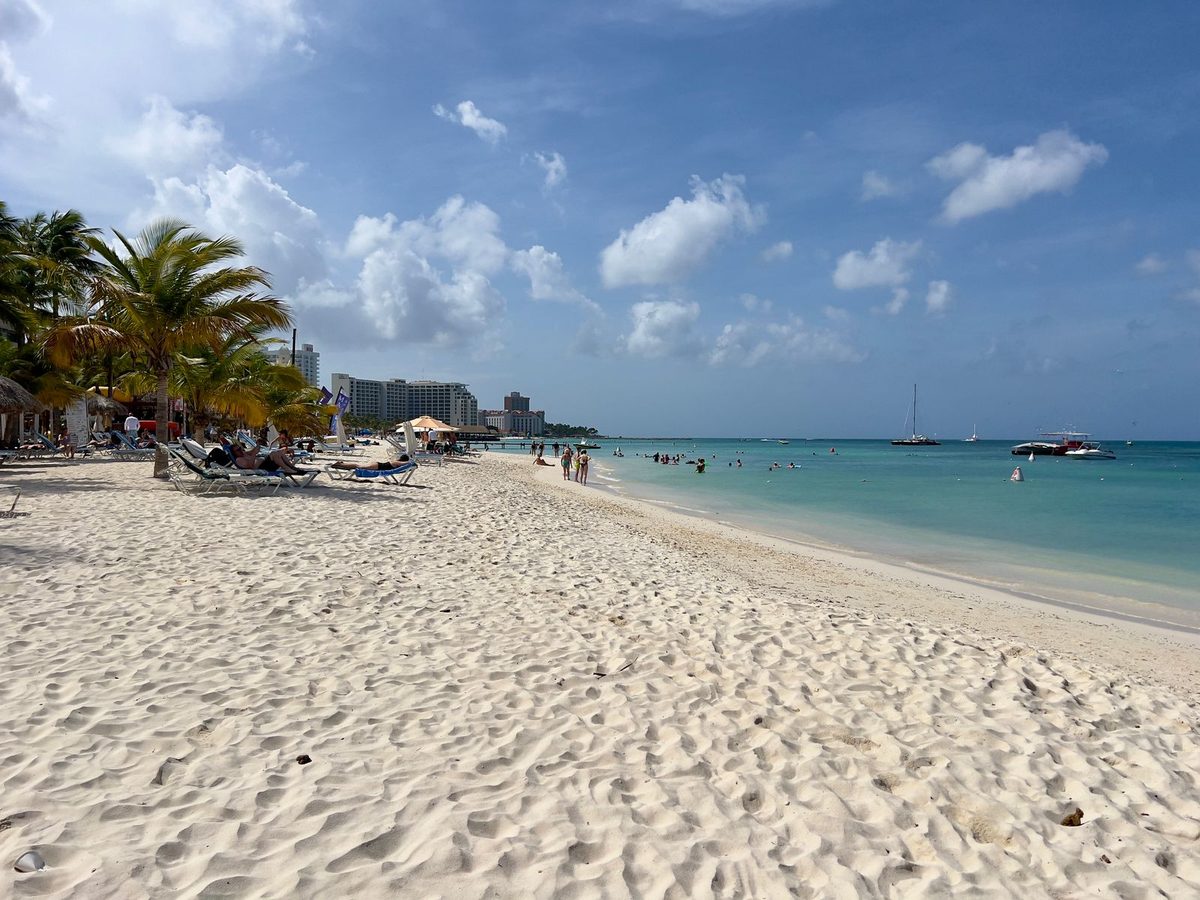
Best month for low prices
For the cheapest trip, target September and October, the heart of Aruba’s low season. This is when flights and hotel rates bottom out, and the savings are not trivial.
Here is the rough shape of it. In peak winter, top beachfront resorts on Palm and Eagle Beach can run anywhere from several hundred dollars a night into the high hundreds, and the ritziest can approach roughly $900 in the dead of high season. Drop to the late spring and summer shoulder and comparable rooms often fall by a third or more. By the September-to-November low season, you are frequently looking at the best rates on the calendar, sometimes close to half of peak. Treat those figures as ballpark, not gospel, and always check live prices for your exact dates, because they move.
Airfare follows a similar curve. Like much of the Caribbean, the lowest nonstop fares to Aruba tend to show up in the late-summer and early-fall stretch, when airlines drop the premium they charge for peak winter travel. The flip side is simple: if you must travel in the busy December-to-April window, book early, ideally six to twelve months out, to lock in the best of an expensive market.
I have broken the money side down two ways: the low-season pricing guide walks through the lowest-cost months in detail, and the best time to book an Aruba vacation covers how far ahead to lock in flights and rooms. For a full budget picture, our Aruba vacation cost guide adds up what a real trip actually runs.
One candid caveat about the cheapest months: a handful of restaurants and smaller operators take their own downtime in the deep low season for renovations or staff vacations, so a few specific spots on your list might be closed. It is rarely a dealbreaker on an island this compact, but it is worth a quick check before you build your heart around one particular restaurant.
Best month for avoiding crowds
The quietest months are again September and October, with much of the late-spring-through-fall shoulder feeling pleasantly uncrowded compared to winter.
Aruba is busiest from January through mid-April, and busier still over the Christmas and New Year holidays, when northern travelers flee the cold and cruise-ship traffic peaks. If your idea of paradise is having room to breathe on the sand and walking into a good restaurant without a reservation, winter is the season to avoid, or at least to plan around.
Two tactics help no matter when you come. First, the geography does a lot of the work: the calm, swimmable beaches along the west coast draw the crowds, so even on a busy week you can find space at the quieter end of Eagle Beach or by venturing toward the rugged north and east coasts and into Aruba’s wilder interior. Second, mornings are yours; the beaches and snorkel sites are blissfully empty before about 10 a.m. regardless of season.
If you want the low-season experience without going all the way into autumn, late April through June is the sweet spot: the winter wave has receded, but the island still feels fully alive. That overlap of thinning crowds and excellent weather is, once more, why I keep landing on those late-spring months.
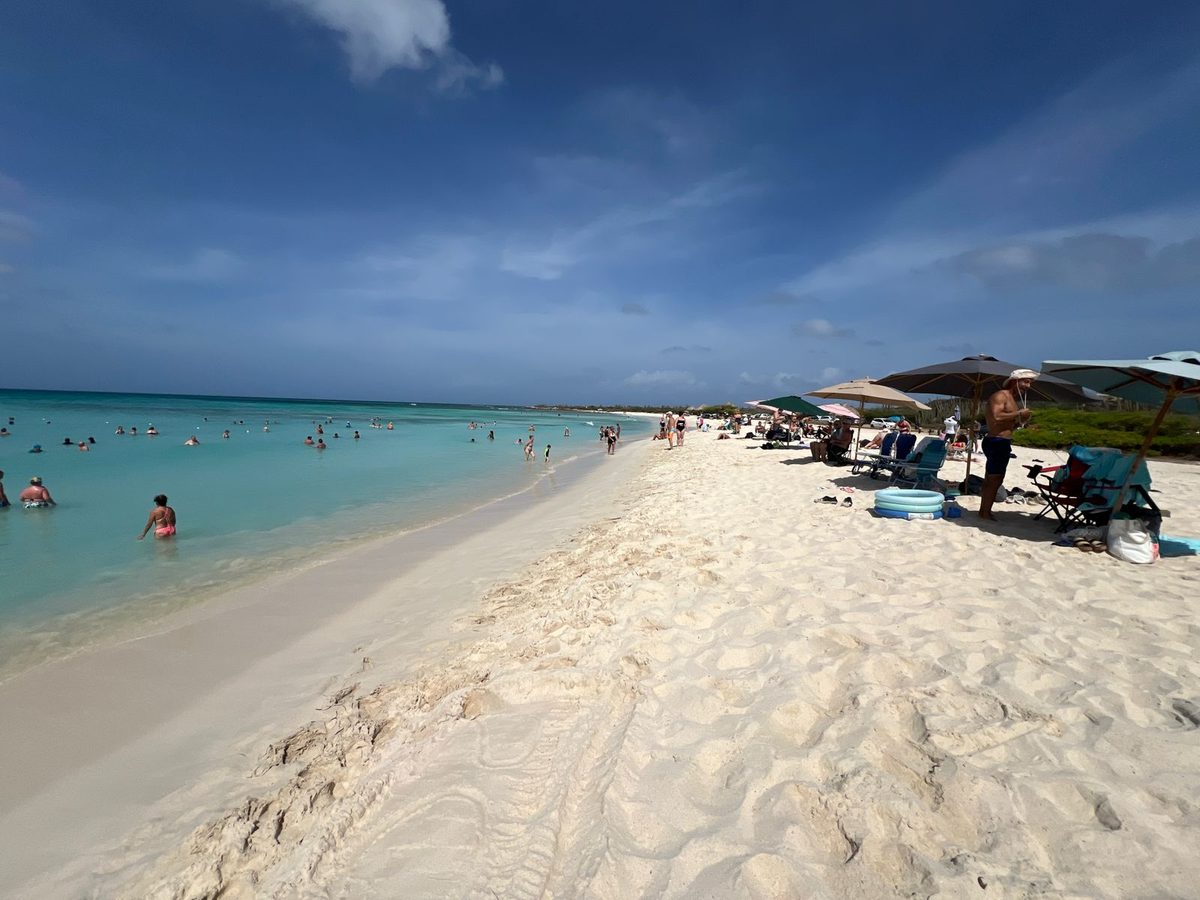
Best month for events and festivals
For the biggest cultural energy, two windows stand out: January and February for Carnival, and May for the Soul Beach Music Festival and Aruba Hi-Winds.
Aruba Carnival is the island’s marquee celebration, and it is genuinely a season rather than a single day. Festivities officially kick off not long after the new year, build through January with jump-ups, music, and pageants, and crescendo in February (or early March, depending on when Lent falls) with the enormous Grand Parade and the late-night Lighting Parade. It all ends with the Burning of King Momo on the eve of Lent, after which the island takes a well-earned day to recover. If you want color, music, and the most local of local traditions, plan around Carnival; just book early, because rooms tighten and rates climb during the big parade weekends.
The Aruba Soul Beach Music Festival lands around Memorial Day weekend in late May, bringing major R&B and hip-hop acts plus comedy headliners to Oranjestad for several days of concerts and beach parties. It is one of the liveliest weekends of the year and pairs perfectly with the island’s late-spring weather.
Aruba Hi-Winds, also in mid-May, is the Caribbean’s premier windsurfing and kitesurfing competition, held on the breezy beaches near Palm Beach. It is free to watch, the trade winds are at full song, and the shoreline turns into a festival of sails, kites, and live music. Even if you do not compete, it is a spectacular spectator week.

Round out the calendar with the Dande serenades and the lively street countdown that ushers in the New Year, and you have a year with a celebration in nearly every season. For where to be after dark any month, our Aruba nightlife guide covers the bars, beach clubs, and casinos.
Best month for water sports and wind
This one splits in two, because windsurfers and snorkelers want opposite things from the sea.
If you live for wind, come in May, June, and July. Aruba’s trade winds are reliable year-round, but they blow strongest and steadiest in late spring and early summer, which is precisely why the Hi-Winds championship is held in May. Windsurfers and kiteboarders flock to the shallow, flat water off the northwest coast near Hadicurari (Fisherman’s Huts) and Sarah-Quita Beach, where the conditions are world-class. If harnessing the breeze is the point of your trip, these are your months.
If you would rather have glassy, clear water for snorkeling and diving, flip the calendar to September, October, and November. This is when the winds finally ease, the sea lies flat, and underwater visibility is at its annual best. The trade-off is that these are also the slightly wetter, warmer months, but for sheer water clarity over the reefs and wrecks, nothing beats early fall. One pro tip that holds in any season: snorkel early, around 9 a.m., before the day’s wind stirs up the sand and drops visibility.
Whenever you come, the sea is warm. Aruba’s water temperature by month barely budges from the low-to-mid 80s°F, so a wetsuit is never required. For the full menu of boat trips, dive sites, and rentals, see our Aruba water sports and boat tours guide, and for where to actually go in, the complete Aruba beaches guide sorts every shore by what it is best for.
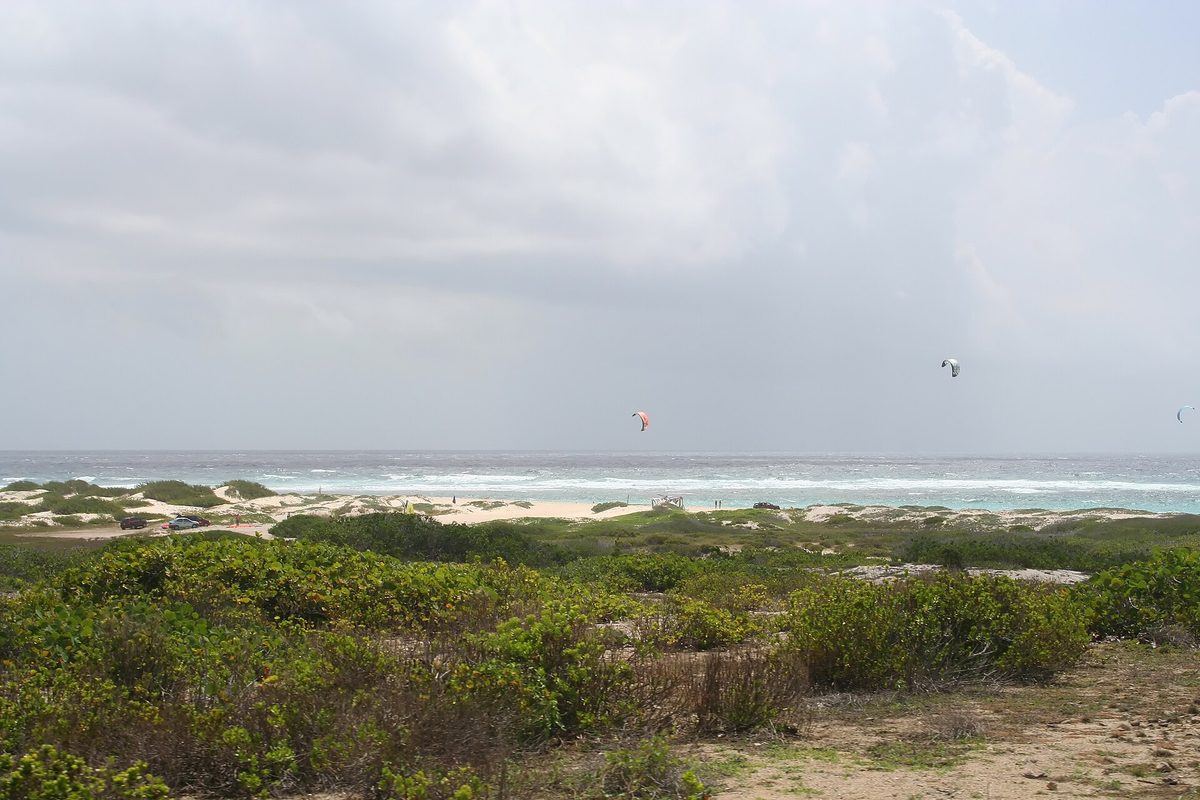
Best month for families and honeymooners
These two travelers optimize for different things, so I will take them in turn.
Families are usually boxed in by the school calendar, which means summer or the winter holidays. The good news is that Aruba handles both beautifully. For a summer trip, I would aim for late June or early July: the weather is dependable, the sea is calm and warm for little swimmers, and you catch the summer shoulder before the absolute peak of demand. The west-coast beaches, with their shallow, gentle water, are tailor-made for kids. If you are traveling with children, our Aruba with kids guide maps out the most family-friendly beaches, resorts, and activities. Winter break works too; just expect peak prices and book well ahead.
Honeymooners have more freedom, and I would spend it on May or early June. You get gorgeous, dry, breezy weather, softer rates than winter, and a calmer, more grown-up island mood once the spring-break crowds have gone. Long beach walks at sunset, an easy dinner reservation, a sailing trip without a packed boat: late spring delivers all of it. Our Aruba honeymoon and wedding guide covers the most romantic resorts and venues, and the Aruba neighborhood guide helps you pick the right stretch of coast for the trip you want.
A quick month-by-month verdict
Here is the whole year in a couple of lines per month, so you can scan straight to whenever you are thinking of traveling.
- January — Prime high season: superb dry weather, busy beaches, top prices, and Carnival warming up. Book ahead and pay for the privilege.
- February — The driest, sunniest weather of the year collides with the peak of Carnival. Spectacular and pricey; my pick if events plus perfect weather is the goal.
- March — Still gloriously dry and sunny, still busy with winter and spring-break travelers. Excellent weather, near-peak crowds and cost.
- April — My overall favorite. Dry-season sunshine with crowds and prices finally easing, building trade winds, and no hurricane risk. The best weather-to-value month.
- May — The value sweet spot. Great weather, the strongest wind, lower rates, plus Soul Beach and Hi-Winds. A close second for best overall.
- June — Warm, dry, breezy, and quiet, with strong summer prices. A quietly excellent month that flies under the radar.
- July — Hot, sunny, and windy, with the family-friendly summer crowd arriving. Reliable weather and good wind; reasonable shoulder pricing.
- August — Similar to July: warm, mostly dry, lively but not packed. Solid value and steady sunshine; still comfortably outside the hurricane belt.
- September — The cheapest, quietest month, and the start of the best snorkeling clarity as winds ease. Slightly wetter and warmer; outstanding deals.
- October — Rock-bottom prices and empty beaches continue, with calm, clear seas. The wettest stretch is approaching, but most days stay sunny.
- November — Quiet and affordable early in the month, with calm water and the occasional shower. Rates and energy start climbing as the high season nears.
- December — A tale of two halves: calm and reasonable early, then peak-everything for Christmas and New Year. Festive, flawless weather, and the priciest dates of the year. See our deep dive on Aruba in December.
Want the seasons grouped rather than split by month? We have full guides to Aruba in winter (the high season) and Aruba in summer (the warm, breezy value season) that zoom out to the bigger picture.
How to choose the right month for your trip
Forget the “best month” debate for a second and answer one question: what would ruin your trip if you got it wrong? That is the priority to optimize around, and everything else is negotiable.
- If a rained-out day would sting most, book February through April and accept the higher cost. You are buying the driest weather on the calendar.
- If the bill is what keeps you up at night, book September or October, pack a light rain jacket you probably will not need, and pocket the savings.
- If crowds make you twitchy, avoid late December through mid-April; choose the late-spring or early-fall shoulders instead.
- If a specific event is the whole reason you are going, let the festival set the date: Carnival in February, Soul Beach and Hi-Winds in May.
- If you are coming for the wind, May through July; if you are coming for the calmest, clearest water, September through November.
- If you simply cannot decide, book April or May and stop overthinking it. That is the move that gives up the least across every category.
Two more practical notes. First, whatever month you choose, the single biggest lever on price is how far ahead you book, especially for the busy winter dates; our when-to-book guide spells out the timing. Second, once you have your dates, build the trip itself with our Aruba itinerary guide, which lays out day-by-day plans for however long you are staying.
A quick word on hurricanes
One reason I am comfortable recommending Aruba across so much of the year is that it sits well to the south, outside the main Atlantic hurricane belt. Direct hits are rare, which is a meaningful advantage over much of the Caribbean during the official June-to-November storm season. That does not mean the weather is identical every month, but it does mean you are not betting your vacation on dodging a named storm. If you are weighing a late-summer or fall trip, our honest look at Aruba hurricane season explains exactly what the risk is and is not. For the bigger planning picture across the whole year, loop back to the best time to visit Aruba pillar guide.
Frequently asked questions
What is the single best month to visit Aruba?
For the best all-around trip, April is my top pick, with May a very close second. April gives you dry-season sunshine and steady trade winds while crowds and prices ease off their winter peak, and there is no hurricane risk. May adds the island’s best events and strongest wind. Neither is a wrong answer, so choose by your priority.
What is the cheapest month to visit Aruba?
September and October are typically the cheapest, falling in the deep low season when both flights and hotel rates bottom out. Top resorts that command premium prices in winter can drop substantially, sometimes close to half. The trade-off is slightly warmer, wetter weather, though most days still end up sunny. Always verify current rates for your exact dates.
What is the best time of year to visit Aruba for good weather?
February through April is the best time of year for weather, with February and March the driest and sunniest of all. Expect comfortable mid-80s temperatures, abundant sunshine, and barely an inch of rain in a typical month. The desert climate and constant trade winds keep humidity low, so it rarely feels muggy even at midday.
When is the worst time to visit Aruba?
Honestly, there is no bad month, but the wettest stretch runs from roughly September into January, and the most crowded and expensive window is mid-December through mid-April. If you dislike crowds and high prices, skip peak winter; if a passing shower bothers you, skip the late-fall weeks. Even then, most days stay warm and sunny.
Does it rain a lot in Aruba?
No. Aruba is one of the drier Caribbean islands, averaging well under 20 inches of rain a year. The wetter months, September through December, see more, but the rain usually arrives as brief showers, often overnight, rather than all-day downpours. Even in the rainy season most days deliver plenty of sunshine.
Is May a good time to visit Aruba?
May is one of the best months, full stop. You get excellent dry weather, the year’s strongest trade winds, softer prices than winter, thinner crowds, and two marquee events: the Soul Beach Music Festival and Aruba Hi-Winds. It is the value sweet spot, which is why it is my close runner-up for the best month overall.
What is the ideal time to visit Aruba to avoid crowds?
The ideal time to visit Aruba for fewer crowds is September and October, the quietest months of the year. The late-spring and early-summer shoulder is also pleasantly uncrowded while still feeling lively. Whenever you come, the calm west-coast beaches draw the masses, so the quieter coasts and early mornings always offer breathing room.
When is Carnival in Aruba?
Aruba Carnival runs as a season, building through January and peaking in February (occasionally early March, depending on when Lent falls). The biggest moments are the Grand Parade and the Lighting Parade, ending with the Burning of King Momo before Lent. Book early, as rooms tighten and rates rise around the major parade weekends.
Final thoughts
If I had to plant a flag, I would book April: the most flawless weather-to-value ratio Aruba offers, with the crowds thinning and not a hurricane in sight. May is right behind it for the events and the wind. But the beauty of this island is that it almost never lets you down. Come in February for the driest skies and the loudest Carnival, in September for the lowest prices and the calmest sea, in December for the holiday magic, and you will still go home happy. Pick the month that matches your priority, book it early, and let Aruba do the rest. When you are ready to fill in the days, start with our things to do in Aruba guide.
By the ArubaTourism.org team — Last updated June 2026. We write from years of on-island experience and cross-check seasonal details against the Aruba Tourism Authority and other official sources. Prices, dates, and event schedules shift year to year, so please verify current details before you book.
Photo credits
- Photo: Kwihi / CC BY 4.0 via Wikimedia Commons — source
- Photo: Choinowski / CC BY-SA 4.0 via Wikimedia Commons — source
- Photo: sbmeaper1 (CC0) via Wikimedia Commons — source
- Photo: Jason Boldero from UK / CC BY 2.0 via Wikimedia Commons — source
- Photo: Kwihi / CC BY 4.0 via Wikimedia Commons — source
- Photo: madmack66 / CC BY 2.0 via Wikimedia Commons — source