Booking Aruba excursions can feel like standing in front of a wall of nearly identical flyers — every kiosk on Palm Beach promises the “best” catamaran, the “ultimate” UTV safari, the “must-do” snorkel. After enough trips (and a couple of duds), I have a pretty firm sense of which tours are worth the money, which to book direct, and which you can happily skip. This guide sorts every major Aruba excursion by type — sea, sand, and sightseeing — with honest takes on what each is really like, rough prices, and how to pick the right one for your trip.
Aruba excursions fall into a handful of clear types: catamaran snorkel sails, UTV/ATV and Jeep safaris, Arikok and Natural Pool tours, sunset cruises, the De Palm Island day pass, submarine dives, horseback rides, deep-sea fishing and island sightseeing tours. Most cost roughly $50 to $150 per person. The right pick depends on how active you want to be, your budget, and whether you’re a cruise-day visitor or here for a week.
This guide is for anyone trying to spend their tour money well, whether you have one cruise afternoon or seven full days. I’ll walk you through every major excursion type, give honest, opinionated guidance on how to choose, what’s genuinely worth it, what to skip, typical price ranges and a few booking tricks the brochures won’t tell you. Prices are in US dollars and quoted as “around” figures, because operators adjust them by season, so always confirm current rates when you book.
Aruba excursions at a glance
Here’s the cheat sheet I wish someone had handed me on day one. Use it to narrow down before you read the deep dives below. Times are rough; “approx price” is per person unless noted.
Many of these tours exist because the sites are hard to reach independently — the same is true of the island’s hidden beaches and the best snorkeling beaches.
| Excursion type | Best for | Approx price (pp) | Time |
|---|---|---|---|
| Catamaran snorkel sail | First-timers, couples, almost everyone | $65–90 | 3–4 hrs |
| Sunset cruise | Couples, sundowner crowd, families | $60–90 | ~2 hrs |
| UTV / ATV adventure | Active travelers, thrill-seekers | $90–150 (per vehicle) | ~4 hrs |
| Jeep island safari | Sightseers who want the whole island | $120–150 | Full day |
| Arikok & Natural Pool | Nature lovers, hikers, photographers | $80–100 | Half–full day |
| De Palm Island day pass | Families, all-inclusive fans | $110–130 | Full day |
| Atlantis submarine | Non-swimmers, kids, rainy days | $115–130 | ~2 hrs |
| Horseback riding | Couples, riders, beach romantics | $75–110 | 2–3 hrs |
| Deep-sea fishing | Anglers, small groups | $150 seat / $445+ charter | Half day |
| Island sightseeing / trolley | Cruise visitors, light walkers | $45–70 | Half day |
My one-line summary: if you only book a single thing, make it a catamaran snorkel sail or a Natural Pool tour. If you book two, add the opposite kind: one on the water, one on the land. That combination shows you the two faces of Aruba, the turquoise coast and the wild, cactus-studded interior, and it’s how I’d plan almost any trip.
How to choose the best Aruba tours (without overpaying)
Before we get into specific excursion types, a few principles I’d tattoo on every first-time visitor. These save money and disappointment.
Match the excursion to your energy, not the marketing
Every tour photo shows people grinning. What the photo doesn’t show is the bone-rattling 4×4 ride to the Natural Pool, or that a “full island safari” can run close to ten hours in the sun. Be honest about whether you want adrenaline or relaxation. If your idea of a perfect day is a rum punch and a hammock, a UTV tour over jagged volcanic terrain will not convert you. Pick the boat.
Book direct or through a reputable platform, and book ahead
You’ll find the same tours sold by your hotel concierge, big platforms like Viator and GetYourGuide, and the operators directly. Concierge desks are convenient but often add a markup. I usually compare the platform price (handy for free cancellation up to 24 hours) against booking direct with the operator, which sometimes shaves a few dollars and puts more money in local hands. Either way, reserve in advance: in the quieter months (roughly May through early December) 24–48 hours is usually enough, but in peak season (December–April, plus July and August) the best boats and small-group tours sell out three to five days out. Private charters can need two weeks or more. See our guide to the best time to visit Aruba for the seasonal crowd picture.
Read what’s actually included
“All-inclusive” on a catamaran means open bar and snorkel gear; it rarely means lunch unless stated. On land tours, the Arikok National Park entrance fee (around $11 per adult) is frequently not included and gets collected at the gate. Submarine and island tours may or may not include hotel pickup. The single most common complaint I hear isn’t about quality, it’s about a surprise cost or a pickup that didn’t happen, so confirm pickup location and time, and ask what you still need to pay on the day. Factoring tours into your overall Aruba vacation cost early keeps the bill from sneaking up on you.
Cruise passenger? Mind the clock and the pier
If you’re visiting on a cruise, your constraint is time, not money. Build in a generous buffer to get back to the ship (operators know the all-aboard drill, but traffic and a late boat happen). Excursions booked through the cruise line cost more but guarantee the ship waits for you; independent tours are cheaper and often smaller, but you’re responsible for being back on time. More on cruise-day strategy near the end.
Catamaran snorkel sails: the one excursion almost everyone should do
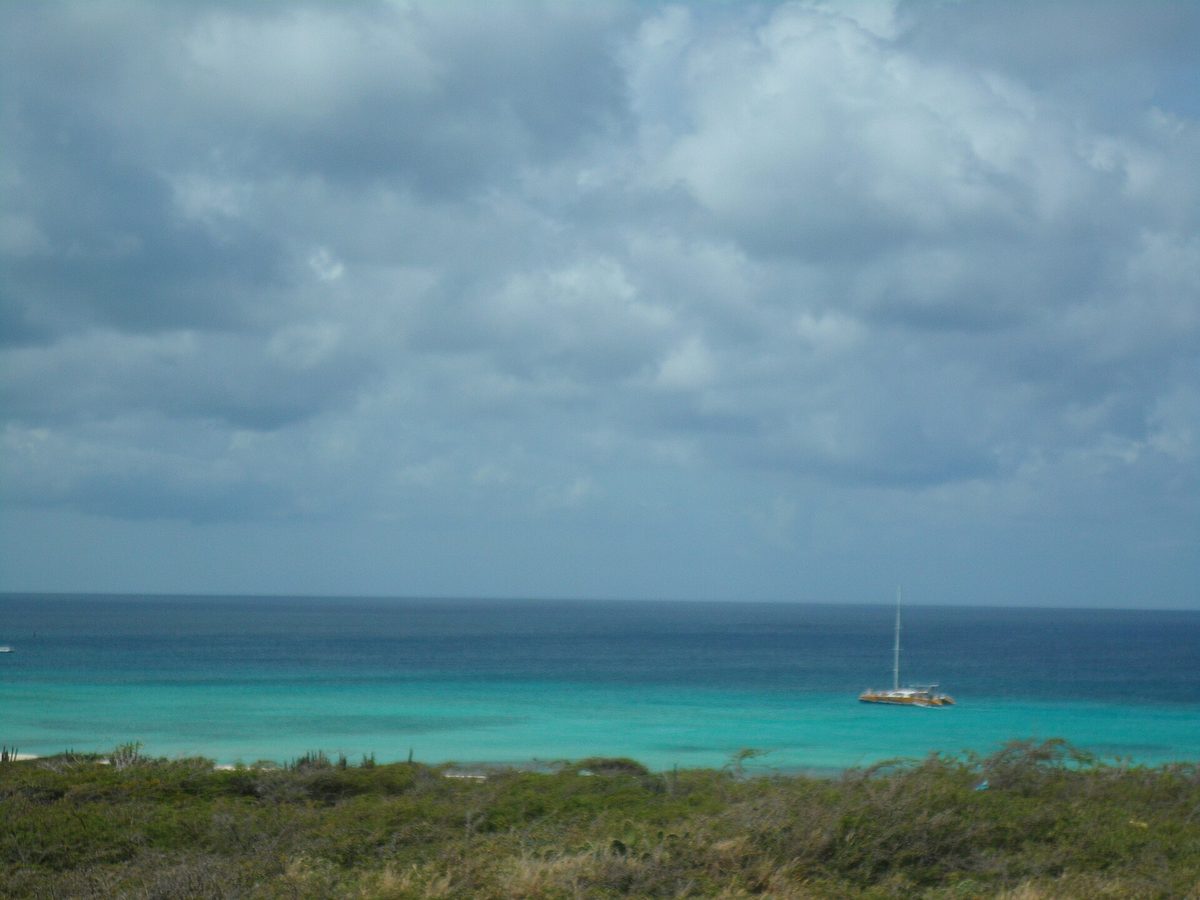
If Aruba had an official excursion, this would be it. A half-day catamaran sail along the calm, leeward west coast, with two or three snorkel stops and an open bar on the way back, is the single most popular thing visitors do here, and for once the popular choice is also the right one. The water on this side of the island is bathtub-calm and ridiculously clear, the trade winds fill the sails, and you’ll hit the snorkeling highlights without renting a car or hauling gear.
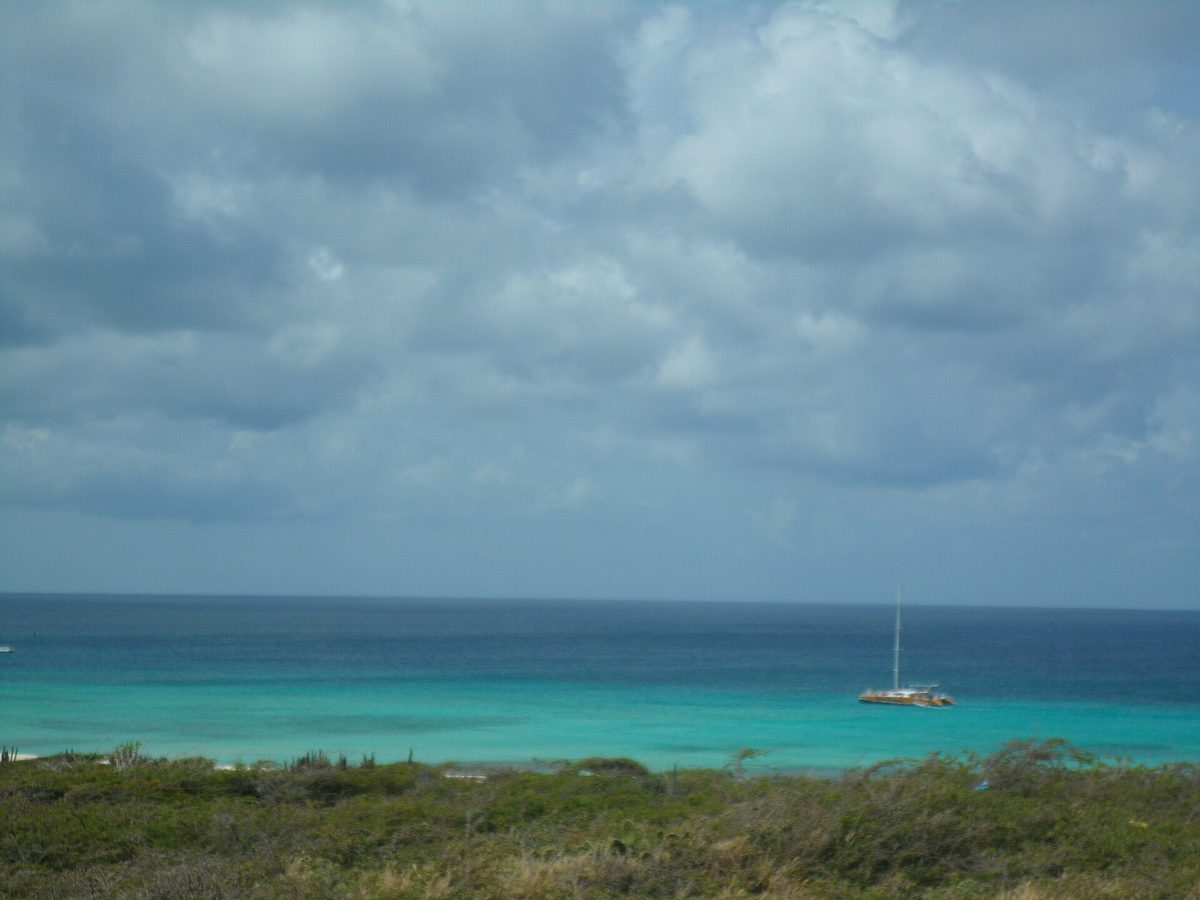
Most shared sails run about three to four hours and cost around $65 to $90 per person. That typically buys you snorkel equipment and a quick lesson, two or three stops, an open bar (rum punch, the local Balashi beer, soda and water) and a few hours on the Caribbean. If you want food included, look specifically for a “brunch” or “lunch” sail; the standard afternoon trips often don’t feed you. These sit firmly in the Aruba water sports family, so if you love being in the sea, build a day around one.
Which catamaran tour should you pick?
There are more boats than you’d think, and they’re not interchangeable. Here’s how I steer people:
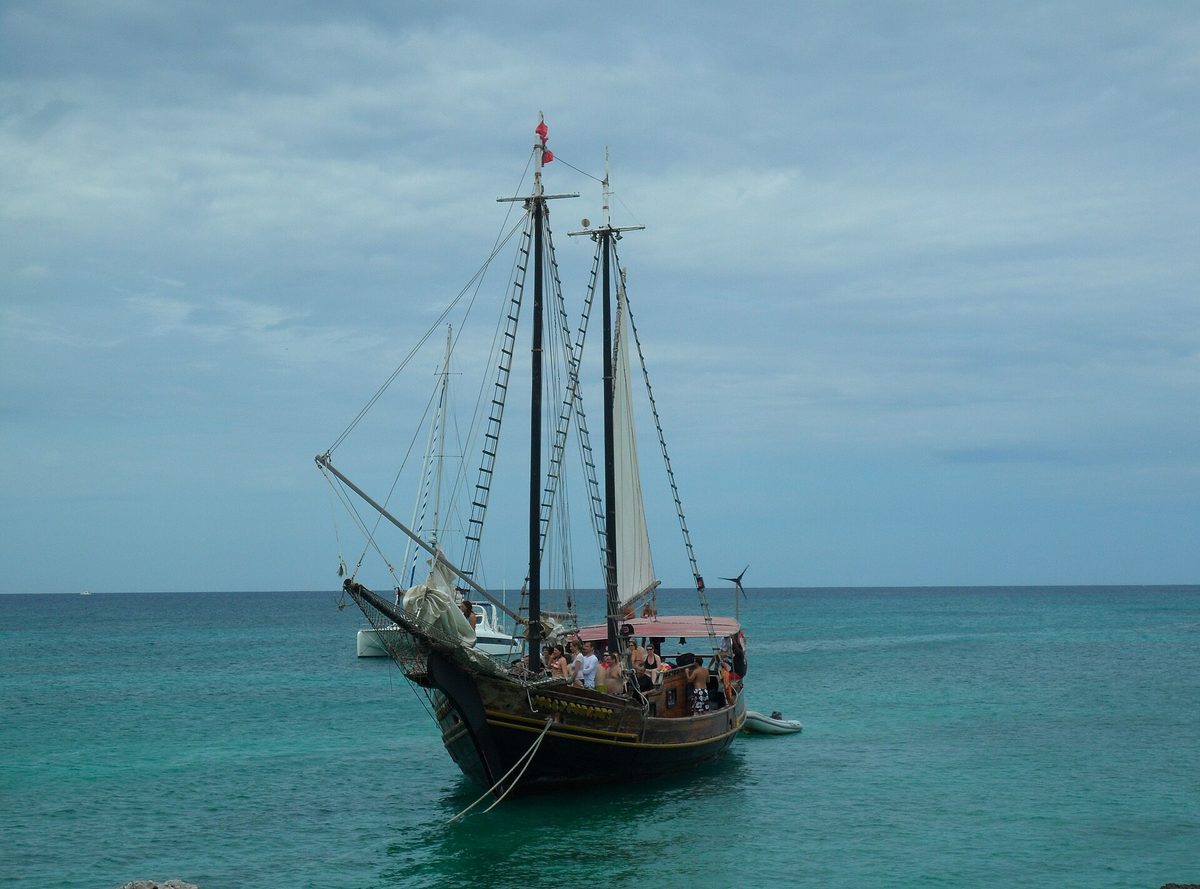
- Want the lively, classic experience? The wooden-schooner party boats (Jolly Pirates is the famous one) lean social, with rope swings off the mast and an upbeat crew. Around $65–75 for a full day. Great for groups and first-timers; less ideal if you want quiet.
- Want a genuine catamaran without the premium? Mid-range operators like Octopus run real catamarans with smaller groups and a relaxed vibe, roughly $75–90. My usual pick for couples who want calm but not luxury prices.
- Want polished and upscale? Red Sail Sports runs the most refined shared sails, smaller groups, better food, professional crew, about $90–120. Worth it for a honeymoon or a special occasion.
- Traveling as a group of eight or more? Price out a private charter. At roughly $400–800 for the boat (4–12 people), it can actually beat per-person shared pricing while letting you set the route and pace.
Honest take: don’t overthink the brand. The west-coast snorkel stops are largely the same regardless of which boat you’re on. Choose based on crowd size and atmosphere, then book early because the good slots vanish in high season.
Snorkeling the shipwrecks: the Antilla and Aruba’s underwater stars
The reason Aruba’s snorkel sails are special isn’t just the clear water, it’s the SS Antilla, one of the largest shipwrecks in the Caribbean and the headline stop on most snorkel tours. This nearly 400-foot WWII German freighter was scuttled by her own crew in 1940 off the northwest coast near Malmok and Arashi. Because she settled on her side in relatively shallow water, the superstructure rises close enough to the surface that snorkelers can float right over the ghostly hull while schools of fish drift through the gaps. Divers go deeper into her holds, but you don’t need a tank to be wowed.
The other two stops you’ll see again and again are Boca Catalina, a calm horseshoe cove full of friendly fish, and Malmok Reef, both shallow, sheltered and beginner-friendly. Honestly, even nervous or first-time snorkelers do well here; the water is warm year-round and there’s rarely much current at these spots. If a tour lists “Antilla, Boca Catalina and Malmok,” you’re getting the classic, and best, Aruba snorkel circuit. Many of these coves also rank among the island’s prettiest Aruba beaches, so you can swim them from shore on a lazy day too.
One tip: if shipwrecks and reefs are the reason you’re getting on a boat, double-check that the Antilla is on the itinerary. A few cheaper or weather-dependent trips skip it. It’s the difference between a nice sail and a memorable one.
Sunset cruises: the most reliable romantic win on the island
Aruba sits far enough west that its sunsets are genuinely spectacular, and a sunset cruise is the easiest way to turn that into an evening you’ll talk about. These are shorter than the snorkel sails, usually about two hours, and run around $60 to $90 per person for a standard cruise with snacks and an open bar. Dinner sunset cruises cost more and include a buffet or a paired waterfront meal.
I’ll be candid: a sunset cruise is the closest thing to a guaranteed crowd-pleaser in this whole list. Couples love it, families do fine on it, and even the cynics relax once the sky goes pink and the rum starts flowing. If you’re here for a honeymoon or anniversary, book a smaller-group or upscale sunset sail rather than a big party boat. The difference in atmosphere is worth the extra few dollars.
What to skip: I wouldn’t pay a big premium for a “champagne” upgrade on a packed boat; the magic here is the light and the water, not the glass in your hand. Bring a light layer, the breeze on the way back can be cool.
UTV, ATV and Jeep safaris: Aruba’s wild side, at speed
Now for the land. Beyond the calm west coast, Aruba is surprisingly rugged, a cactus-strewn, windswept desert with crashing surf on the north shore, old gold-mill ruins, hidden caves and a famous Natural Pool you can only reach off-road. The off-road tours are how most people experience it, and they’re a blast.
You’ve got three flavors:
- ATV (quad): you drive your own. Single-rider quads run around $120 and doubles about $150 per vehicle. Most exciting, dustiest, and you must be 18+ with a valid license to drive.
- UTV (side-by-side): a buggy that seats two to five, so families can ride together with kids aboard. From around $90 to $130 per vehicle depending on size. My pick for groups and anyone nervous about handling a quad solo.
- Jeep safari: you ride, a guide drives. The full-day “island safari” (about $120 to $150 per person, often with lunch) is the sightseeing option, hitting the California Lighthouse, Alto Vista Chapel, the Bushiribana gold-mill ruins, a natural bridge and usually the Natural Pool, sometimes finishing with a swim at Baby Beach.
Honest guidance: these tours are bumpy, hot and dusty. That’s the point and it’s genuinely fun, but wear closed shoes, bring a buff or bandana for the dust, and don’t wear anything you mind getting filthy. If you get motion sick, the back roads will test you, sit up front and take something beforehand. And remember most off-road tours don’t include the roughly $11 Arikok park fee.
Arikok National Park and the Natural Pool: the island’s rugged heart
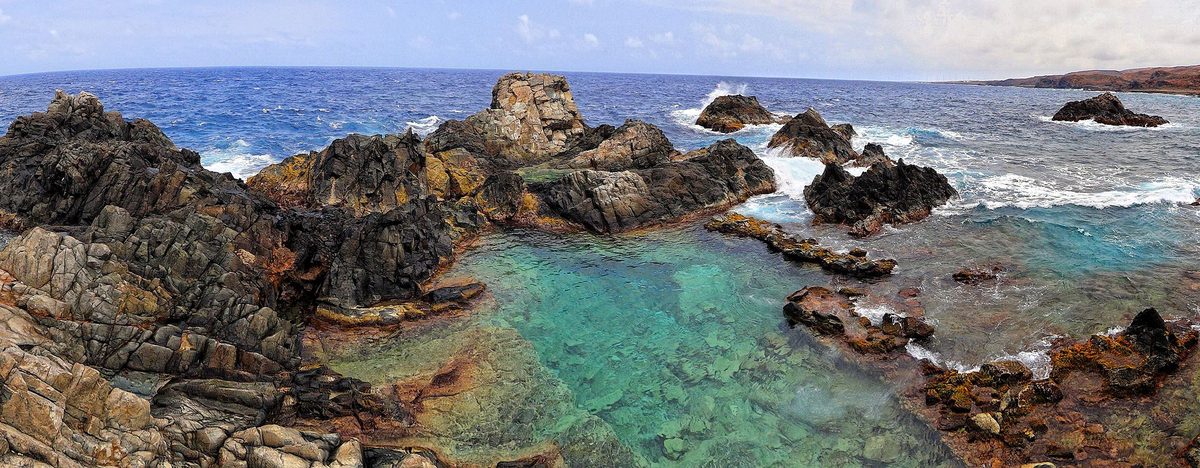
Arikok National Park covers nearly a fifth of Aruba, and it’s where the island stops being a beach resort and becomes something wilder. The crown jewel is the Natural Pool (Conchi), a volcanic-rock tidal pool on the rugged northeast coast where you can swim sheltered from the open ocean while waves explode against the rocks around you. It’s beautiful, and it’s deliberately hard to reach.
Here’s the thing most people don’t realize: you cannot drive a regular rental car to the Natural Pool. The route in requires a high-clearance 4×4 over genuinely rough terrain, which is exactly why guided UTV, ATV, Jeep and horseback tours exist, and why I usually tell people to take one rather than fight the trail themselves. If you do want to go independently, you’ll need a 4×4, the park entrance ticket (around $11 per adult), and a willingness to crawl over rock. A dedicated Arikok and Natural Pool tour runs around $80 to $100 and is the lowest-stress way to see it.
Arikok is also laced with hiking trails, sea caves like Fontein and Quadirikiri, and dramatic coastal lookouts. If you’re the type who’d rather hike than ride, look for a guided nature or hiking tour instead of a 4×4 thrill ride. Our full Arikok National Park guide breaks down the trails, the caves and the practicalities of visiting on your own.
De Palm Island: the all-inclusive day for families
De Palm Island is a small private island just off Aruba’s southwest coast, reached by a short ferry, and it’s essentially a one-price, all-inclusive play day. A day pass runs around $110 to $130 per adult (less for kids) and usually includes round-trip transfers, a water park with slides, easy shore snorkeling among parrotfish, a banana-boat ride, a buffet lunch and an open bar. Add-ons like the Sea Trek underwater helmet walk and SNUBA cost extra on top of the pass.
Who it’s for: families with kids, and anyone who wants a no-decisions, everything-in-one-place day. Who should skip it: independent travelers and snorkel purists, you can find better wild snorkeling on a catamaran, and quieter beaches elsewhere. It’s a theme-park-ish experience, and that’s either exactly what you want or exactly what you don’t. For families specifically, weigh it against the ideas in our Aruba with kids guide before committing a whole day and budget to it.
Submarine tours: the excursion for non-swimmers and curious kids
Not everyone wants to put their face in the water, and that’s where Aruba’s submarine tours shine. The Atlantis Submarine is a real submarine that descends to around 130 feet, giving you a dry, air-conditioned window onto reefs, fish and shipwrecks, including a look at the Antilla from below. It runs around $115 to $130 per adult (roughly $70 to $90 for children) for about a two-hour experience including the boat transfer out to the dive site.
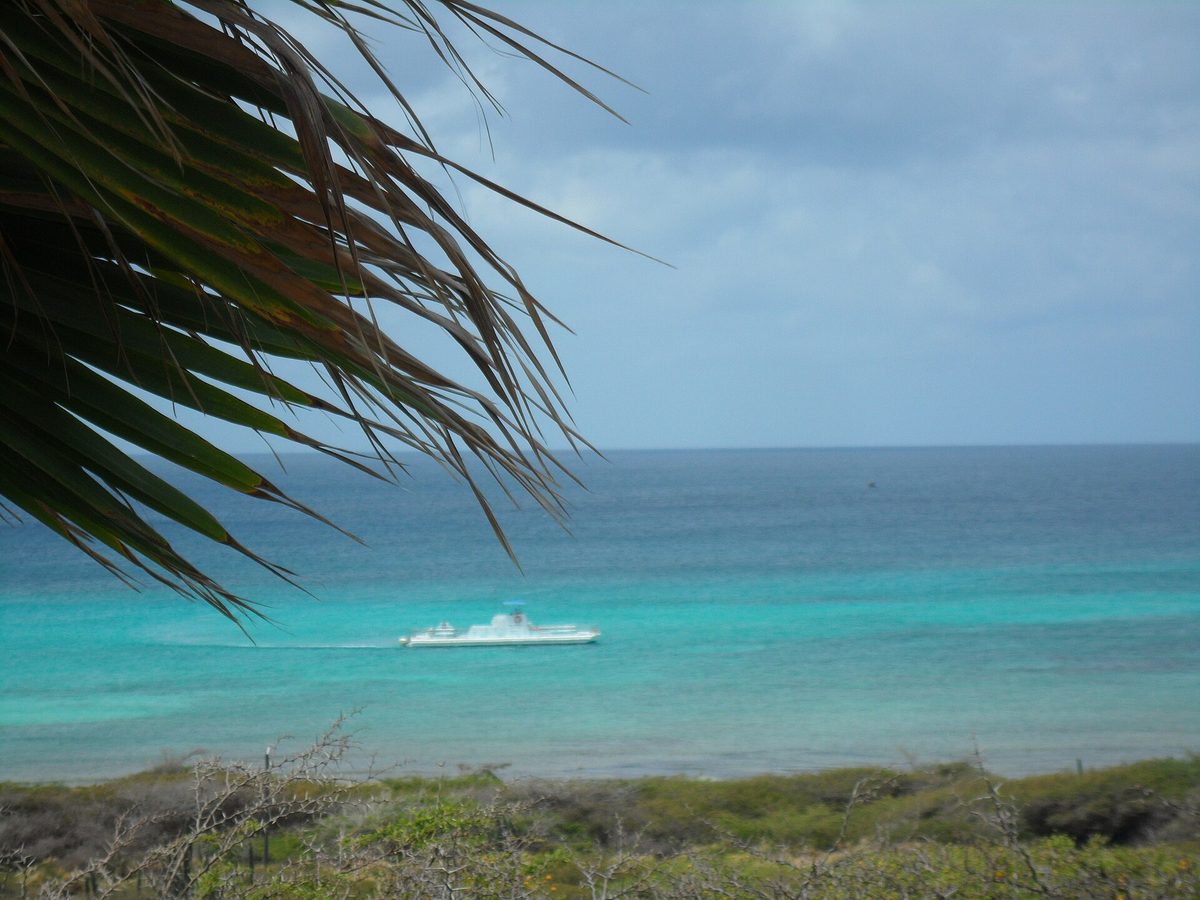
This is one of my favorite recommendations for grandparents, nervous non-swimmers, families with young kids, or honestly anyone on a cloudy day when the beach loses its appeal. It’s the only way to genuinely go under without getting wet. Just note there’s often a minimum height/age for the actual sub. If the budget feels steep, the cheaper semi-submarine or glass-bottom boats (around $45 to $60) stay at the surface with an underwater viewing hull, less dramatic, but a fraction of the price and fine for little ones.
Horseback riding: beaches, dunes and the Natural Pool on four legs
Riding a horse along an empty stretch of Aruba’s wild coast is one of those quietly magical experiences that photographs beautifully and feels even better in person. Outfits like Rancho Daimari and Rancho La Ponderosa run guided rides of about two to three hours for around $75 to $110, typically through the countryside or Arikok, with some tours pausing at the Natural Pool for a swim halfway through.
No riding experience is needed for the standard tours, they’ll match you to a calm horse, but if you’re an experienced rider, ask for an advanced ride so you’re not stuck at a walk. Mornings are cooler and gentler on both you and the horses. This is a lovely couples excursion and a strong alternative to a UTV for people who want the rugged interior without the engine noise and dust.
Deep-sea fishing and island sightseeing: two more worth knowing
Deep-sea fishing
Aruba’s deep Caribbean waters are excellent for sport fishing, mahi-mahi, wahoo, tuna, marlin and more. You can buy a single seat on a shared charter for around $150, or book a private boat for your group from around $445 and up for a half day (typically four to six anglers). Charters usually supply all the gear, bait and drinks; some will even help you arrange to cook your catch. If fishing is your thing, a private charter with a small group is the way, you set the pace and aren’t stuck with strangers.
Island sightseeing tours
If you’d rather not drive yourself but want to see the landmarks, an organized island sightseeing tour, by air-conditioned bus, open-air “kukoo kunuku” party bus, or the downtown trolley in Oranjestad, covers the highlights for around $45 to $70 for a half day. These are gentle, low-effort options ideal for cruise visitors and anyone who wants the California Lighthouse, the chapel and the ruins without a 4×4 rattling their fillings loose. Pair one with our getting to and around Aruba guide if you’re weighing tours against renting a car.
Aruba excursions by type of traveler
Still not sure? Here’s how I’d build a shortlist depending on who you are.
Couples and honeymooners
A small-group or private sunset cruise is non-negotiable; add a relaxed catamaran snorkel sail or a horseback ride along the coast. Skip the big party boats unless you genuinely want the crowd. For more romantic ideas, see our Aruba honeymoon guide.
Families with kids
De Palm Island for a do-everything day, a UTV (so the family rides together), and the Atlantis submarine for a wow factor that doesn’t require strong swimmers. A short, calm snorkel sail works once kids are comfortable in the water.
Adventure seekers
Drive-your-own ATVs, the full island Jeep safari, the Natural Pool, and if you dive, the Antilla up close. Stack two active days and you’ll see the whole rugged side of the island.
Budget travelers
A mid-range catamaran snorkel sail gives the best bang for the buck, and a semi-submarine or trolley tour keeps costs low. Honestly, some of Aruba’s best experiences, the beaches and shore snorkeling, are free; spend your tour money on the one or two things you can’t do on your own. Our Aruba vacation cost breakdown helps you set a realistic activities budget.
Cruise-passenger excursions: making one day count
Cruise ships dock right in Oranjestad, which is a huge advantage, you can walk off and be on a tour quickly. With only a few hours ashore, I’d pick one headline excursion, not a packed itinerary. The best cruise-day choices are a half-day catamaran snorkel sail (the Antilla is close to port), a UTV or Jeep tour to the Natural Pool, or a gentle island sightseeing/trolley loop if you want low effort.
The big decision is whether to book through the cruise line or independently. Cruise-line excursions cost more but the ship is contractually obligated to wait if your tour runs late, real peace of mind. Independent tours are cheaper and often smaller and better, but you must manage your own timing and get back before all-aboard. My rule: if the tour is close to Oranjestad and short, book independently; if it ventures far (the Natural Pool, Baby Beach at the far end), the cruise-line guarantee is worth the premium. Whatever you choose, know the all-aboard time cold and pad it by an hour.
How many excursions should you book, and how to plan them
For a week in Aruba, two or three excursions is the sweet spot for most people, enough to see the island’s range without turning your vacation into a schedule. I’d anchor a trip with one water excursion (catamaran snorkel sail or sunset cruise) and one land excursion (Natural Pool by UTV, Jeep or horseback), then add a third only if there’s a specific thing you’re dying to do.
Don’t over-book. Aruba’s beaches are genuinely world-class and doing nothing on them is part of the appeal; leave open days. Space active tours out so you’re not sunburned and exhausted by day three. And slot tours around your other plans using our Aruba itinerary guide, which maps out how a balanced week actually flows. For the broader picture of everything the island offers, our things to do in Aruba pillar is the place to start, and a few practical pointers live in our Aruba travel tips.
If the classic checklist feels too well-trodden, I keep a separate guide to the most unusual things to do on the island — the caves, secret coves, and local haunts most first-timers never hear about.
If you want the shortlist instead of the deep dive, start with my ranked guide to the island’s must-do experiences.
Frequently asked questions about Aruba excursions
Are excursions in Aruba worth it?
For most visitors, yes, at least one or two are. Aruba’s beaches are free and wonderful, but the things you genuinely can’t do on your own, snorkeling the Antilla shipwreck from a catamaran, reaching the Natural Pool, or going under in a submarine, are what people remember most. The trick is to be selective: book the experiences that require a boat, a 4×4 or special access, and save money by enjoying the beaches independently.
How much do tours and excursions in Aruba cost?
Most excursions land between around $50 and $150 per person. Catamaran snorkel sails run roughly $65–90, sunset cruises $60–90, UTV/ATV and Jeep tours $90–150, the Atlantis submarine $115–130, and a De Palm Island day pass $110–130. Private charters (boats or fishing) cost more but split well across a group. Always confirm whether the Arikok park fee, lunch and hotel pickup are included.
What is the best excursion in Aruba?
If I could only pick one, it’s a catamaran snorkel sail that includes the Antilla shipwreck, it captures the clear water, the sailing, and Aruba’s best snorkeling in a single half-day. A very close second is a UTV, Jeep or horseback tour to the Natural Pool, which shows you the island’s wild interior. Do one of each if you can; together they’re the perfect introduction to Aruba.
Do you need to book Aruba tours in advance?
It’s strongly recommended. In the quieter months (roughly May through early December), 24–48 hours ahead is usually fine. In peak season (December–April, plus July and August), popular boats and small-group tours sell out three to five days out, and private charters can need two weeks or more. Booking through a platform with free cancellation up to 24 hours gives you flexibility if plans change.
Can you visit the Natural Pool without a tour?
Only with a high-clearance 4×4 and the Arikok National Park entrance ticket (around $11 per adult), the access road is genuinely rough and not passable in a standard rental car. Most people find a guided UTV, ATV, Jeep or horseback tour far less stressful, and it bundles the experience with other island highlights. If you’re confident off-road and want to DIY, rent a proper 4×4 and go early.
Is De Palm Island worth it?
It depends who you are. For families with kids or anyone who wants a no-planning, all-inclusive day, the water park, easy snorkeling, banana boats, buffet and open bar make the roughly $110–130 pass good value. Independent travelers and serious snorkelers can do better, and cheaper, with a catamaran sail and the island’s free beaches. It’s a fun, theme-park-style day rather than a wild-nature one.
Do Aruba tours include hotel pickup?
Many do, especially boat tours departing from Palm Beach and Eagle Beach and most off-road and island tours, but not all. Pickup is a common point of confusion, so confirm your exact pickup location and time when you book, and whether you need to meet at a pier or marina instead. Cruise passengers should check whether the tour starts within easy reach of the Oranjestad port.
Final thoughts: spend your tour money where it counts
Coming back to that first catamaran sail, the thing I remember most isn’t the rum punch or the playlist; it’s the moment I dropped into the water over the Antilla and realized how much of Aruba you only see once you leave the beach chair. That’s what the best Aruba excursions do. They take a perfectly nice beach vacation and give it a story.
So here’s my parting advice. Don’t try to do everything. Pick one experience on the water and one on the land, book them a few days ahead, confirm exactly what’s included, and leave the rest of your days gloriously unplanned on the sand. Do that, and you’ll come home with the kind of trip people ask you about, and the quiet satisfaction of having spent your tour money exactly right. One happy island, indeed.
Sources
Tour types, landmarks and operators cross-checked against the Aruba Tourism Authority’s official sightseeing pages at aruba.com. Arikok National Park access and fees per the park authority at arubanationalpark.org. Prices reflect typical published 2026 rates from operators and booking platforms and are quoted as approximate; confirm current pricing and inclusions at the time of booking.
Photo credits
All images via Wikimedia Commons. Catamaran off Arashi Bay — EgorovaSvetlana (CC BY-SA 4.0). Jolly Pirates snorkel-cruise schooner — EgorovaSvetlana (CC BY-SA 4.0). Natural Pool (Conchi), Arikok National Park — Bjørn Christian Tørrissen (CC BY-SA 3.0). Atlantis submarine, Arashi Bay — EgorovaSvetlana (CC BY-SA 4.0). Catamaran off the northwest coast by EgorovaSvetlana (CC BY-SA 4.0).