On a calm morning off Aruba’s northwest tip, you can stand on the sand and see your own feet in chest-deep water, then look up and watch a school of blue tang flicker over the reef — 80 to 100 feet of visibility on a good day. The water sits between 79°F in the cool months and a bath-warm 85°F in late summer, so you can stay in for an hour without a wetsuit and barely notice the time pass. That combination of warm, clear, sheltered water is exactly why snorkeling in Aruba rewards anyone who knows where to point their fins, and almost every worthwhile spot is reachable straight from shore, free of charge.
Here is the part the glossy brochures skip: Aruba is not Bonaire. It has fewer postcard-perfect coral gardens than its ABC-island neighbors, and it is consistently windier, which means conditions matter more than they do almost anywhere else in the Caribbean. But pick the right beach on the right morning and you will swim with green sea turtles, drift over sergeant majors and French angelfish, and float above a 400-foot shipwreck. This guide is the one I wish I’d had on my first trip: where to go, when to go, what it costs, and which spots to skip.
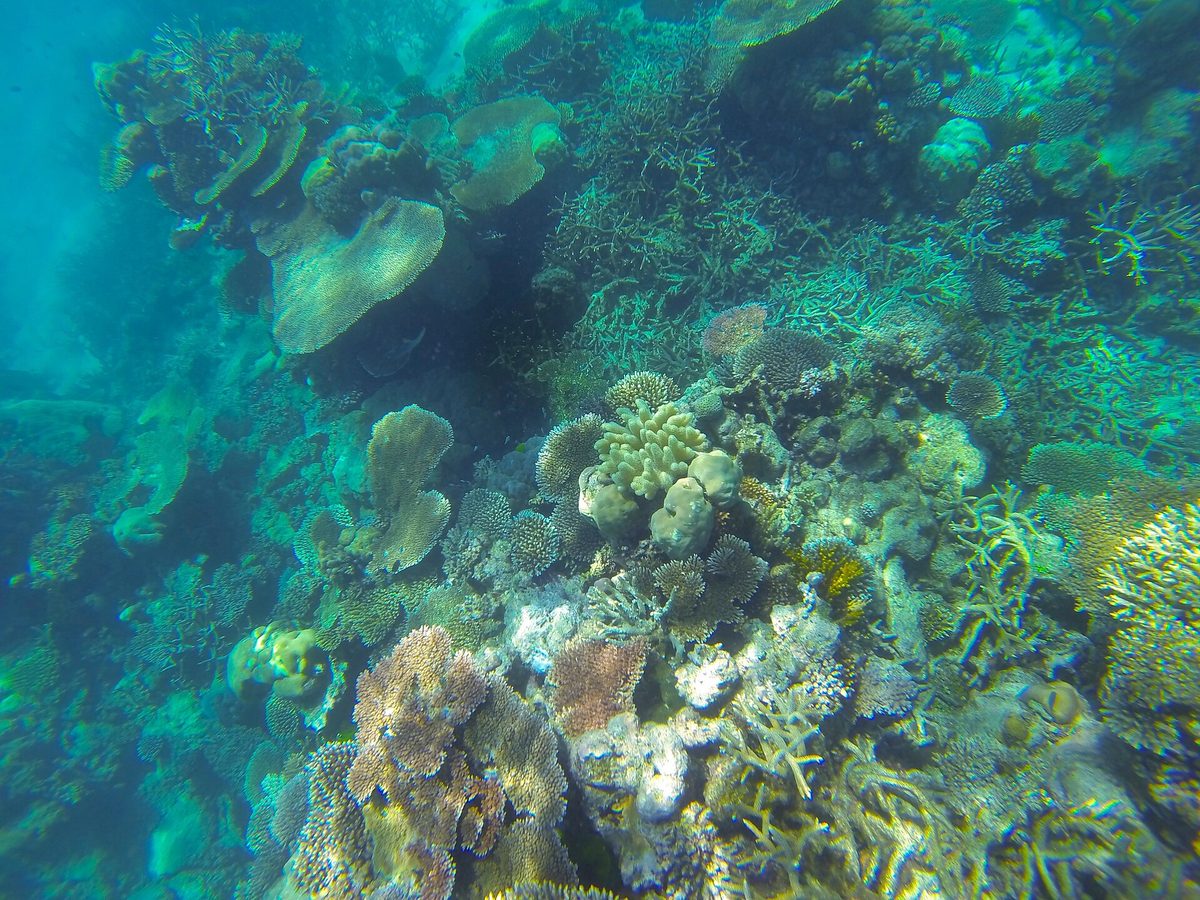
Snorkeling in Aruba, in one paragraph
The best snorkeling in Aruba is along the calm, leeward west coast, concentrated around the island’s northwest tip — Boca Catalina, Catalina Cove, Arashi Beach, Malmok, and Tres Trapi — plus Mangel Halto further south. All have free shore access; the famous Antilla shipwreck is reachable only by boat tour (roughly $60–$90 per person). Go early, between about 8 and 11 a.m., when the wind is lowest and visibility is best.
Who is this guide for? Families with kids, cruise-day visitors with a few hours, couples chasing turtles, and confident swimmers who want the island’s healthiest coral. I’ve flagged the difficulty and the realistic conditions for each, because in Aruba “best” depends entirely on the wind. If you’re still mapping out the rest of your trip, this pairs naturally with our wider guide to Aruba water sports and boat tours, which covers diving, sailing, and everything else you can do on the water.
At a glance: Aruba’s best snorkeling spots
Here’s the quick-scan version. “Shore” means you can walk in for free; “Boat” means you’ll need a tour. Difficulty assumes typical trade-wind conditions — check the wind before you go, because a calm day changes everything.
| Spot | Access | Difficulty | What you’ll see |
|---|---|---|---|
| Boca Catalina | Shore | Easy | Reef fish, sergeant majors, trunkfish, occasional turtles |
| Catalina Cove | Shore | Easy (beginner) | Calm, shallow, schooling fish good first snorkel |
| Arashi Beach | Shore | Easy to moderate | Blue tang, parrotfish, angelfish, rays; reef on the right side |
| Tres Trapi | Shore | Moderate (slippery steps) | Green sea turtles over seagrass, rays, barracuda |
| Malmok Beach | Shore or boat | Easy to moderate | Reef fish in shallow water; busy with tour boats |
| Mangel Halto | Shore or boat | Moderate to advanced | Healthiest coral, parrotfish, snapper, a sunken tugboat |
| Antilla shipwreck | Boat only | Moderate | 400-ft WWII wreck, encrusted in coral and fish |
| De Palm Island | Boat/package | Easy | Protected man-made coves, parrotfish, blue tang stress-free |
| Baby Beach | Shore | Easy lagoon / advanced reef | Calm lagoon for kids; reef only when the sea is flat |
Best shore snorkeling in Aruba (no boat needed)
This is where Aruba quietly shines. You can rent a car for about $45–$70 a day, drive ten minutes north of the high-rise hotels, and have your pick of half a dozen entry points clustered within a couple of miles. Park, walk in, snorkel, repeat. No reservation, no schedule, no upsell.
Boca Catalina & Catalina Cove
If you only snorkel one spot from shore, make it Boca Catalina. It’s a small, crescent-shaped bay tucked below the Malmok road, calm enough for beginners and reliably full of fish. You’ll see clouds of sergeant majors that practically pose for your camera, blue-striped grunt, spotted trunkfish, the occasional parrotfish crunching coral, and if you’re lucky a green turtle cruising through. Right next door, Catalina Cove is even gentler — the spot I’d point a nervous first-timer toward, with sandy entry and shallow, protected water.
There’s a small roadside parking area, but it fills early and the bay itself is compact, so it gets crowded once the tour boats anchor offshore mid-morning. Get there by 8:30 a.m. and you might have it nearly to yourself. There are no facilities to speak of, so bring your own water and reef-safe sunscreen.
Arashi Beach
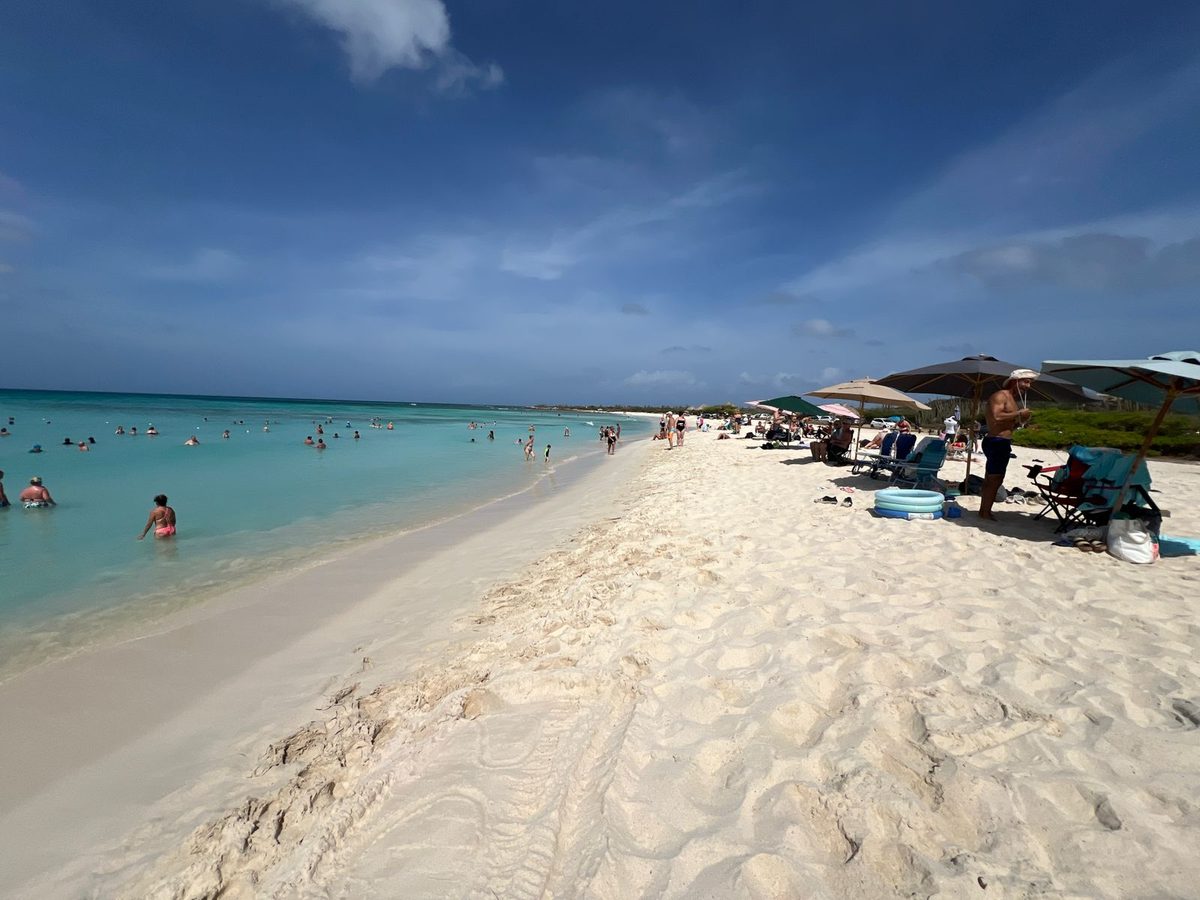
Arashi is the postcard — the northernmost swimmable beach on the island, with soft white sand, chair-and-umbrella rentals, and a little snack shack. It’s a genuinely lovely place to spend a half-day even if you never put your face in the water. But you should: there are two distinct snorkel zones. Enter on the left side as you face the water for the easy, sandy-bottomed beginner area. The right side, toward the rocks, holds the better reef — blue tang in schools, French angelfish, honeycomb cowfish, parrotfish, and now and then a stingray or a curious barracuda.
Only swim the right side when the ocean is genuinely calm. Arashi is more exposed than Boca Catalina, and when the trade winds pick up the surge near the rocks isn’t worth it. On a flat morning, though, it’s one of the most rewarding shore snorkels in Aruba and the easy access makes it a favorite for families. It’s an easy add-on to a day exploring the nearby best beaches in Aruba, several of which sit along this same stretch of coast.
Tres Trapi (the turtle spot)
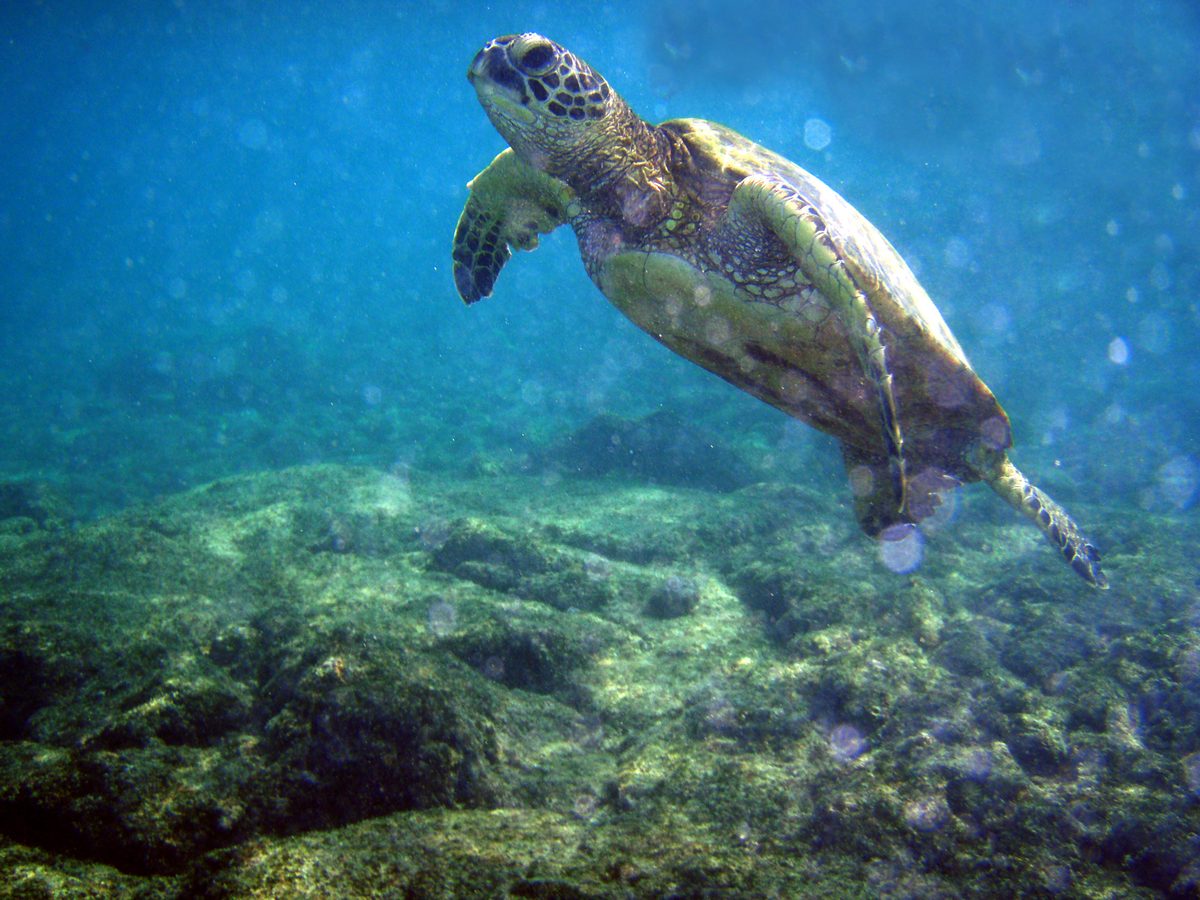
Tres Trapi means “three steps” in Papiamento, named for the concrete steps that drop you straight into the water — no beach, just a ledge and a staircase. What makes it special is the seagrass meadow within about 100 feet of shore, which draws green sea turtles in to graze. Timing here is everything, and I mean that literally. The first time I came in the afternoon I saw one turtle and nearly wrote the place off; a return visit the next morning, same reef, was turtle after turtle after turtle. Mornings, before the wind and the crowds, are the whole game.
A word of caution: those steps are slick with algae, and there’s no sandy shallow to ease into. Water shoes or dive booties make the entry far safer, and a snorkel vest is smart if you’re not a strong swimmer. Don’t touch or chase the turtles — give them room and let them come to you. They often will.
Malmok Beach
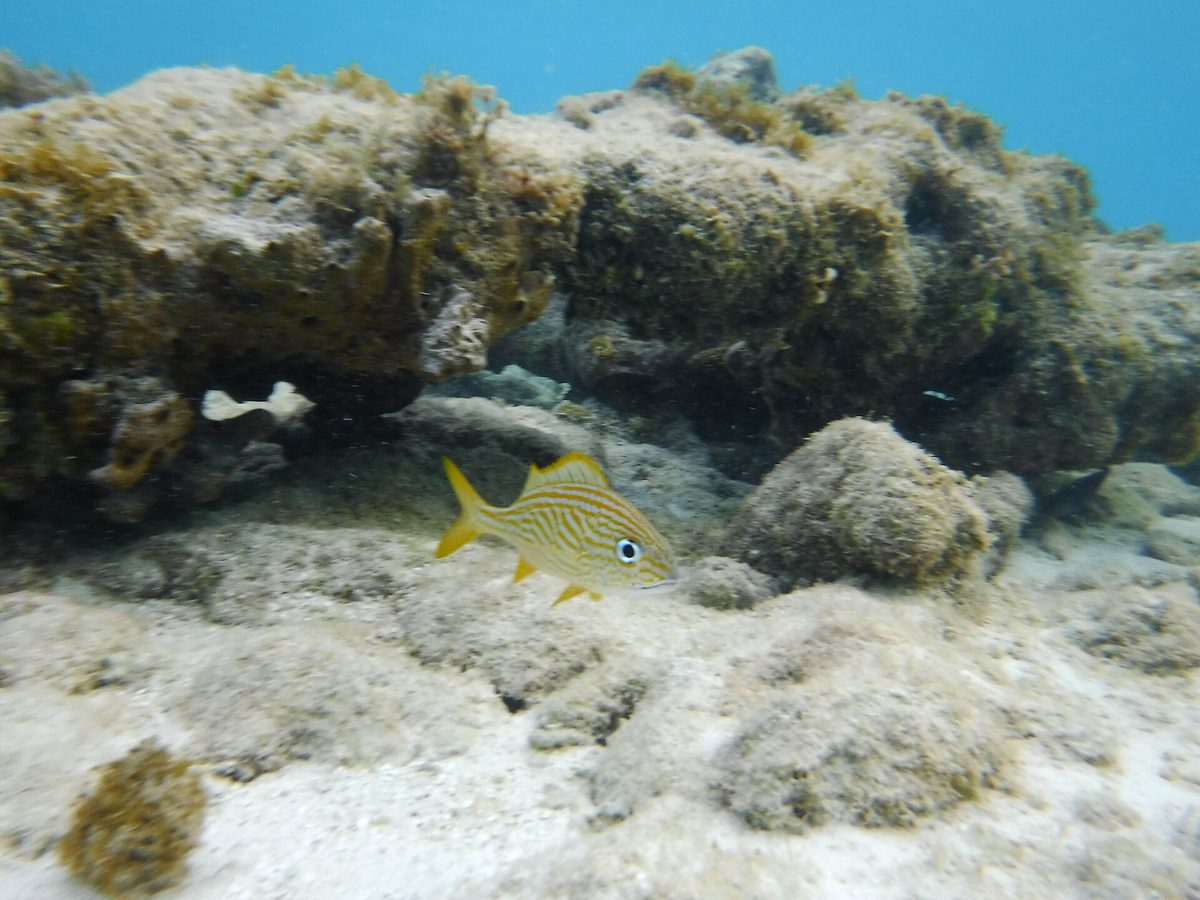
Malmok is the rocky, limestone-shelf stretch between Arashi and the hotel zone, and it’s a bit of a double-edged spot. The shore snorkeling is genuinely good — shallow water, plenty of fish, easy to reach — but it’s also where most of the catamaran tours stop, so by late morning you’ll be sharing the water with boatloads of day-trippers. Entry is over rock rather than sand, so booties help. Come early and it’s a quiet, fishy, beginner-friendly swim. Come at noon and it’s a parking lot.
Mangel Halto (for confident snorkelers)
Down on the island’s southern, calmer-feeling coast, Mangel Halto is the connoisseur’s pick — the healthiest coral and the most varied marine life in Aruba. It’s a mangrove-fringed lagoon with a protected inner section that’s fine for cautious swimmers, but the truly good reef sits out past the drop-off and requires confidence and calm conditions. Snorkelers report parrotfish, yellowtail snapper, blue tang, trumpetfish, squid, eels, and a sunken tugboat that’s equal parts beautiful and eerie.
This is not a beginner spot when the swell is up. Currents can run strong even inside, and the best coral is in deeper water away from the entry. Go on a calm morning, ideally with a buddy, and consider a guided session if you’re unsure — local guides even run night snorkels here. If you do one “serious” snorkel in Aruba, this is it.
Best boat & tour snorkeling in Aruba
You don’t need a boat to snorkel well in Aruba — most of the island’s best fish are a few fin-kicks from a free parking spot. But a tour buys you three things shore snorkeling can’t: access to the Antilla shipwreck, someone else handling the logistics, and a party. Catamaran sail-and-snorkel trips leave daily from Palm Beach and Eagle Beach, and for a lot of visitors a half-day on the water with an open bar is the whole point.
What a typical tour costs and includes
Most sail-and-snorkel catamaran trips run about three to four hours and cost roughly $60 to $90 per adult, with kids often around $30–$45 and toddlers free. Red Sail Sports, Jolly Pirates, De Palm, and a handful of smaller operators run the bulk of them. For that price you can generally expect two or three snorkel stops (commonly the Antilla, plus Boca Catalina or Malmok), mask-fins-snorkel gear, a brief lesson if you need one, soft drinks and water, a light lunch or snacks, and an open bar on the afternoon “happy sail” trips. Morning trips tend to be calmer and better for actual snorkeling; afternoon trips lean more toward rum punch and music.
Book ahead in high season — cruise-ship days fill boats fast and reputable tours sell out. If you’re weighing the cost against everything else you’ll spend on the island, our breakdown of a typical Aruba vacation cost puts tour pricing in context. A catamaran snorkel sail is also one of the most popular ways to spend a half-day, so it features in our roundup of the best things to do in Aruba.
The Antilla shipwreck
The Antilla is the headliner — a 400-foot German freighter scuttled off Aruba’s northwest coast in 1940, now one of the largest shipwrecks in the Caribbean. It rests in about 60 feet of water, but the upper structure rises close enough to the surface that snorkelers get a genuine view of it draped in coral and swarming with fish. Visibility over the wreck varies with conditions, and because it sits well offshore it’s simply not safe to reach by swimming — the boat tour is the only sensible way to see it. If wrecks are your thing, it’s reason enough to book a trip even if you snorkel everything else from shore.
De Palm Island
De Palm Island is a private-island day-park just off the southwest coast, sold as an all-in package (transport, food, drinks, activities). Its two man-made coves are protected and shallow — basically a fish aquarium you can swim in — which makes it one of the most stress-free places on the island to snorkel with young kids or nervous swimmers. More confident snorkelers can head outside the coves to reefs that rival Mangel Halto in quality. It’s not free and it’s not wild, but for a family that wants snorkeling plus a full day of other stuff in one tidy package, it works.
Best snorkeling in Aruba by traveler type
The “best” spot really does depend on who you are and who you’re with. Here’s how I’d steer different travelers.
Families with kids
Stick to the calm, shallow, sandy-entry spots: Catalina Cove, the left side of Arashi, and the protected coves at De Palm Island. Baby Beach’s lagoon (down south near San Nicolas) is wonderfully shallow and gentle for little ones to paddle and spot fish, though the real reef there is only for strong swimmers on flat days. Snorkel vests are a smart call for kids, and mornings mean calmer water and fewer crowds. For a deeper family game plan, see our guide to Aruba with kids.
Couples & honeymooners
Tres Trapi for turtles at sunrise, then a sunset catamaran snorkel-and-sail with a drink in hand — it’s hard to beat as a romantic half-day. Many of the afternoon “happy sail” trips lean couple-friendly. If you’re planning the trip around two, our Aruba honeymoon guide bundles snorkeling with the island’s most romantic experiences.
Cruise-ship day-trippers
You’ve got limited hours and you’re docked in Oranjestad. Your two best moves are a pre-booked catamaran tour that picks up near the port, or a quick taxi up to Boca Catalina/Malmok for a self-guided shore snorkel. Don’t overschedule — give yourself a buffer to get back to the ship. A tour with a guaranteed return window takes the stress out of it.
Confident swimmers & snorkel enthusiasts
Mangel Halto on a calm morning, full stop — and then the outer reef at Arashi, the Antilla by boat, and the deeper sections at De Palm. Bring your own well-fitted mask and travel fins; the rental gear on tours is fine but rarely great. If you also dive, the same waters open up further; our overview of Aruba water sports and boat tours covers how snorkeling and scuba overlap here.
Gear & safety: what you actually need
Aruba snorkeling is low-fuss, but a few things genuinely improve the experience — and a couple are about staying safe.
- Bring your own mask if you can. A well-sealed mask is the single biggest difference between a great snorkel and a frustrating, foggy one. Rental masks on tours are hit-or-miss.
- Water shoes or dive booties. Several of the best spots — Tres Trapi, Malmok, parts of Mangel Halto — have rocky or slippery entries. Booties save your feet and your dignity.
- Reef-safe sunscreen, and lots of it. Your back and the backs of your legs cook while you float. A rash guard is even better — it protects you and keeps sunscreen chemicals off the reef.
- A snorkel vest or float if you’re not a confident swimmer. It’s not cheating; it lets you relax and actually look down.
On safety, take Aruba’s conditions seriously. The island is windier than its neighbors, and currents at exposed spots (Mangel Halto’s outer reef, anywhere on the east coast) can be strong and occasionally dangerous. Never snorkel alone at an exposed spot, never get in if the water looks rough, and don’t assume that because other people are in the water it’s safe — many of them have little ocean experience. The official Aruba Tourism Authority and local operators post conditions; when in doubt, sit it out or pick a sheltered cove instead.
When is the best time to snorkel in Aruba?
The honest answer: Aruba is a year-round snorkeling destination, but the time of day matters far more than the time of year. Mornings, roughly 8 to 11 a.m., bring the lightest winds, the flattest water, the best visibility, and the fewest boats. By early afternoon the trade winds typically pick up and chop the surface.
Seasonally, water temperature barely moves — from about 79°F in the cooler winter months to 85°F in late summer — so you’ll be comfortable any time. Aruba sits below the main hurricane belt and stays dry and sunny most of the year, with a short, light rainy season roughly December through March. The trade winds tend to ease a touch in the September–November window, which can mean calmer snorkeling (and lower prices), though it overlaps the broader Caribbean storm season. High season (mid-December to mid-April) brings the best weather odds and the biggest crowds and rates. For a month-by-month breakdown, see our guide to the best time to visit Aruba.
Getting to the snorkel spots
Nearly all of Aruba’s snorkeling is on the calm west and southwest coast, and the cluster around Boca Catalina, Arashi, Malmok, and Tres Trapi sits just a ten-minute drive north of the Palm Beach hotels. A rental car (about $45–$70/day) is the most flexible way to spot-hop and chase the calm morning windows; Aruba is tiny, the roads are easy, and no snorkel beach requires a 4×4. The public Arubus also stops near the major beaches if you’d rather not drive. For the full rundown on transport, see getting to and around Aruba, and if you’re choosing a home base, where to stay in Aruba walks through the neighborhoods closest to the best water. Snorkeling also slots neatly into a wider plan — our sample Aruba itinerary shows how to fold a morning swim into each day.
Frequently asked questions about snorkeling in Aruba
Is the snorkeling in Aruba actually good?
Yes, with a caveat. Aruba has fewer lush coral gardens than Bonaire or Curacao, but it offers warm, clear, calm water and reliable marine life — turtles, rays, parrotfish, angelfish, and big schools of reef fish — at spots like Boca Catalina, Tres Trapi, and Mangel Halto. Manage expectations on coral and you’ll likely be pleasantly surprised, especially on a calm morning.
Where is the best place to snorkel from shore in Aruba?
Boca Catalina is the most reliable easy shore snorkel — calm, fishy, and beginner-friendly. For turtles, head to Tres Trapi early in the morning. For the healthiest coral and the most variety, experienced snorkelers favor Mangel Halto on a calm day. Arashi Beach is the best all-rounder if you want a real beach plus a reef.
Can you see sea turtles while snorkeling in Aruba?
Often, yes. Tres Trapi is the standout — its seagrass meadow draws green sea turtles to feed within about 100 feet of shore. Mornings dramatically improve your odds. Turtles also turn up at Boca Catalina and Arashi. Always keep your distance, never touch them, and let them approach you rather than chasing.
Do I need a tour, or can I just snorkel from the beach?
You can snorkel most of Aruba’s best spots for free from shore — Boca Catalina, Arashi, Tres Trapi, Malmok, and Mangel Halto all have public access. You only need a boat tour to reach the Antilla shipwreck, which sits too far offshore to swim to safely. Tours also add convenience, gear, and a social, open-bar atmosphere.
How much does a snorkeling tour in Aruba cost?
Expect roughly $60 to $90 per adult for a three-to-four-hour catamaran sail-and-snorkel trip, with children often around $30–$45. That typically includes gear, two or three snorkel stops, a light lunch or snacks, and drinks (afternoon trips usually include an open bar). Prices rise in high season, and popular boats sell out, so book ahead.
Is snorkeling in Aruba safe for beginners and kids?
At the right spots, absolutely. Catalina Cove, the left side of Arashi, Baby Beach’s lagoon, and the protected coves at De Palm Island are calm and shallow — ideal for kids and first-timers. Use a snorkel vest, go in the morning when it’s calmest, and avoid exposed spots and the east coast. Always check conditions before getting in.
What will I see snorkeling in Aruba?
Common sightings include sergeant majors, blue tang, French and queen angelfish, parrotfish, trunkfish, blue-striped grunt, yellowtail snapper, trumpetfish, and the occasional barracuda, eel, stingray, or squid. Green sea turtles are the marquee animal, especially at Tres Trapi. Boat tours add the Antilla shipwreck, encrusted with coral and surrounded by fish.
Final thoughts
Aruba surprised me. I arrived expecting sun, sand, and mediocre snorkeling, and left having swum with more turtles in a morning than I’d seen on entire trips elsewhere. The trick is simple and worth repeating: go early, watch the wind, and match the spot to your skill level. Do that, and the island’s clear, warm, fish-filled water more than holds its own. Pair a dawn snorkel at Tres Trapi or Boca Catalina with a catamaran sail to the Antilla, and you’ve got one of the best days the Caribbean can offer — and most of it is free, a few fin-kicks from the sand.
By the ArubaTourism.org team — Last updated June 2026.
Photo credits
- Snorkeler over a shallow reef — Photo: Dmitry Brant / CC BY-SA 4.0 via Wikimedia Commons.
- Arashi Beach, Aruba — Photo: Kwihi / CC BY 4.0 via Wikimedia Commons.
- French grunt over reef — Photo: Ginelly.Q (CC0) via Wikimedia Commons.
- Green sea turtle — Photo: Brocken Inaglory / CC BY-SA 3.0 via Wikimedia Commons.
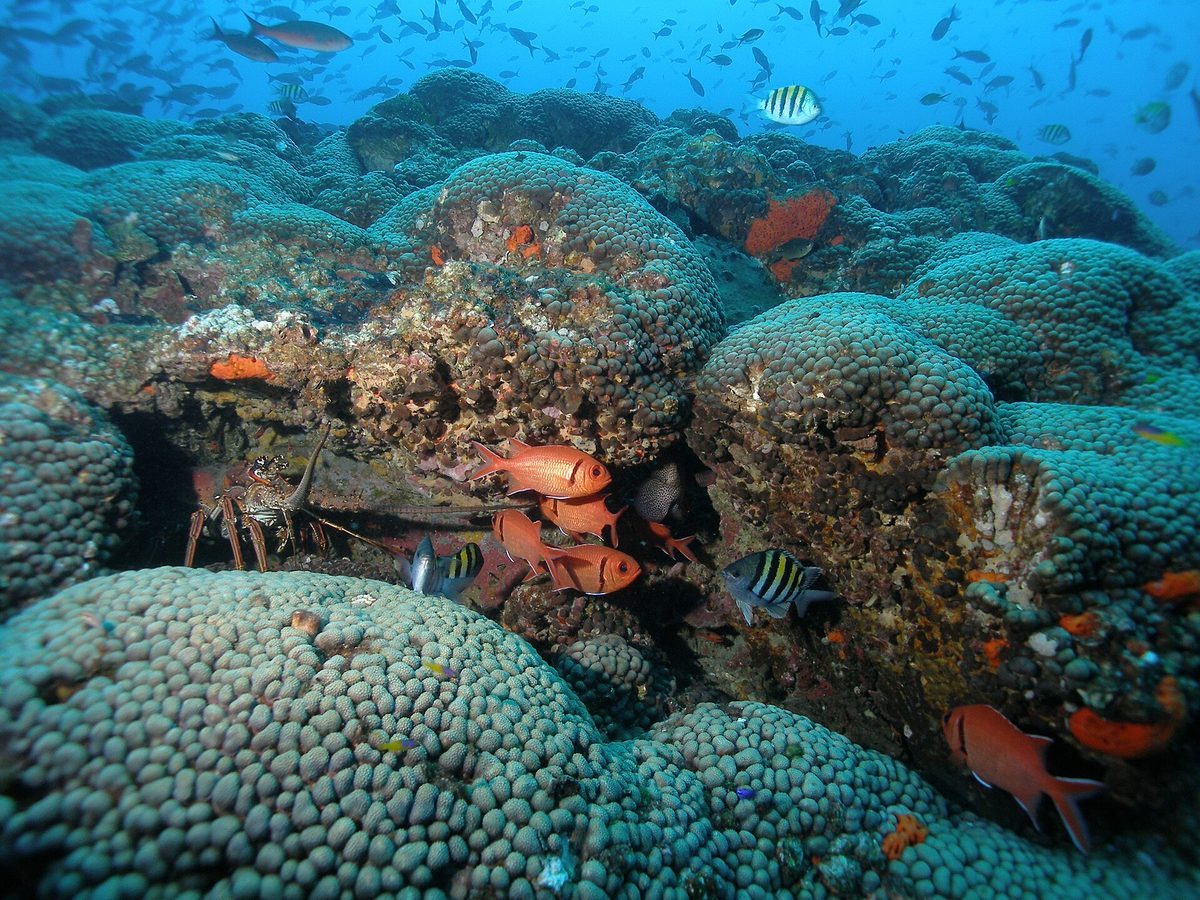
- Caribbean reef scene with fish — Photo: National Marine Sanctuaries (CC0) via Wikimedia Commons.