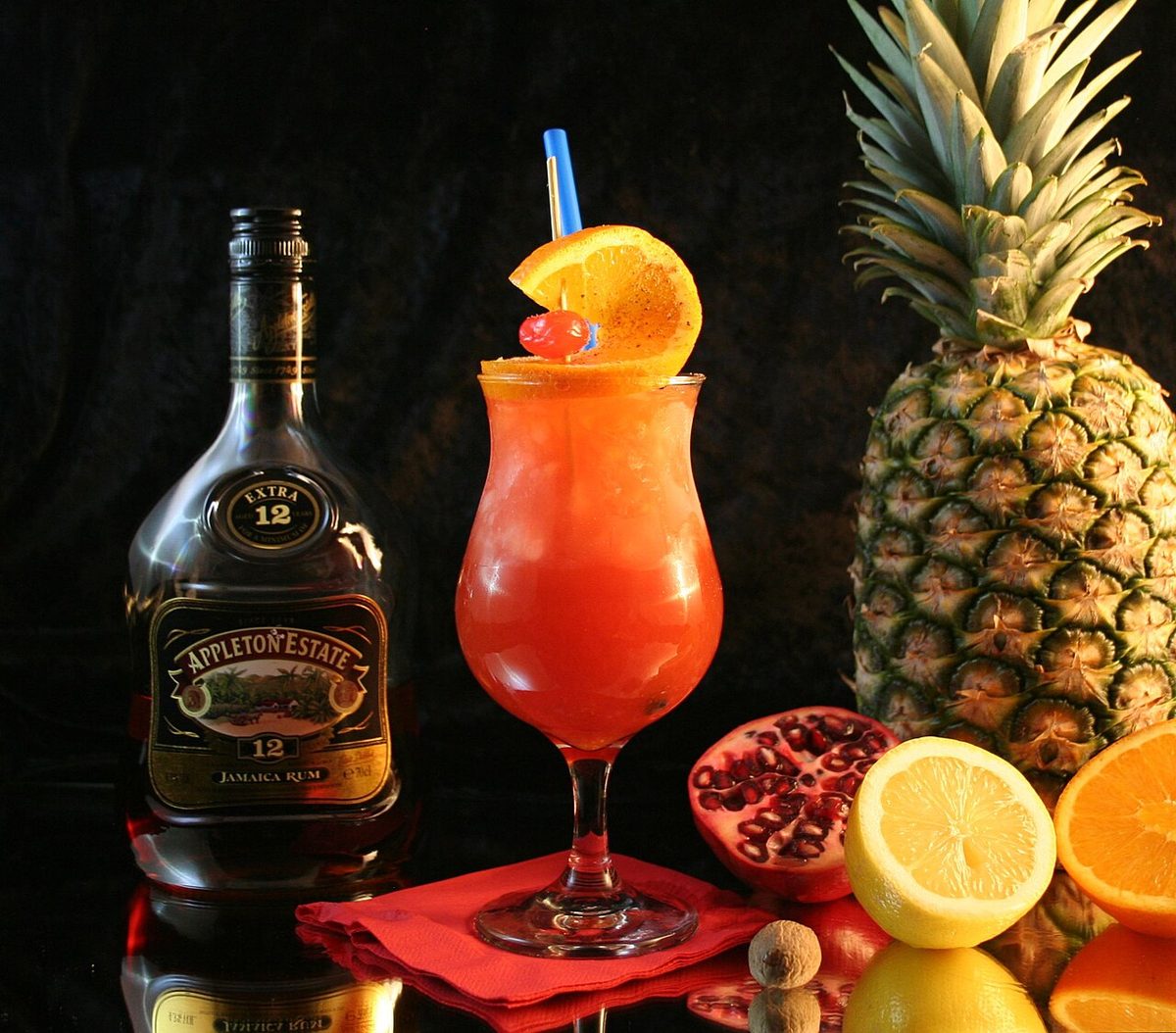
The mainsail snaps taut, the hull tips a few forgiving degrees, and Palm Beach starts sliding past on your right like a strip of white frosting. Somebody hands you a plastic cup of rum punch the color of a tropical sunset, the trade wind takes the edge off the afternoon heat, and the only sound louder than the reggae from the cockpit speakers is the soft hiss of turquoise water peeling off the bow. Out here on an Aruba catamaran cruise, twenty minutes from the pier, the island shrinks to a postcard and the sun begins its slow drop toward a horizon stitched with anchored cruise ships. This is the moment people are really paying for — that first long exhale when the boat finds its rhythm and the rest of the world quietly logs off.
I have done a lot of these sails over the years, on big party boats and tiny private trimarans, at noon and at golden hour, and I have opinions. This guide sorts out which kind of cruise is worth your money, what you actually get on board, where these boats go, and how to avoid the handful of mistakes that turn a dream sail into two hours of regret.
Quick answer: An Aruba catamaran cruise is a 2–3 hour sail along Aruba’s calm leeward coast, usually with an open bar, snacks, and snorkel gear. Sunset sails run roughly $55–$120 per person; snorkel day sails $65–$95; dinner and private charters cost more. Most boats leave from Palm Beach and head north toward Malmok, Boca Catalina, and the Antilla wreck.
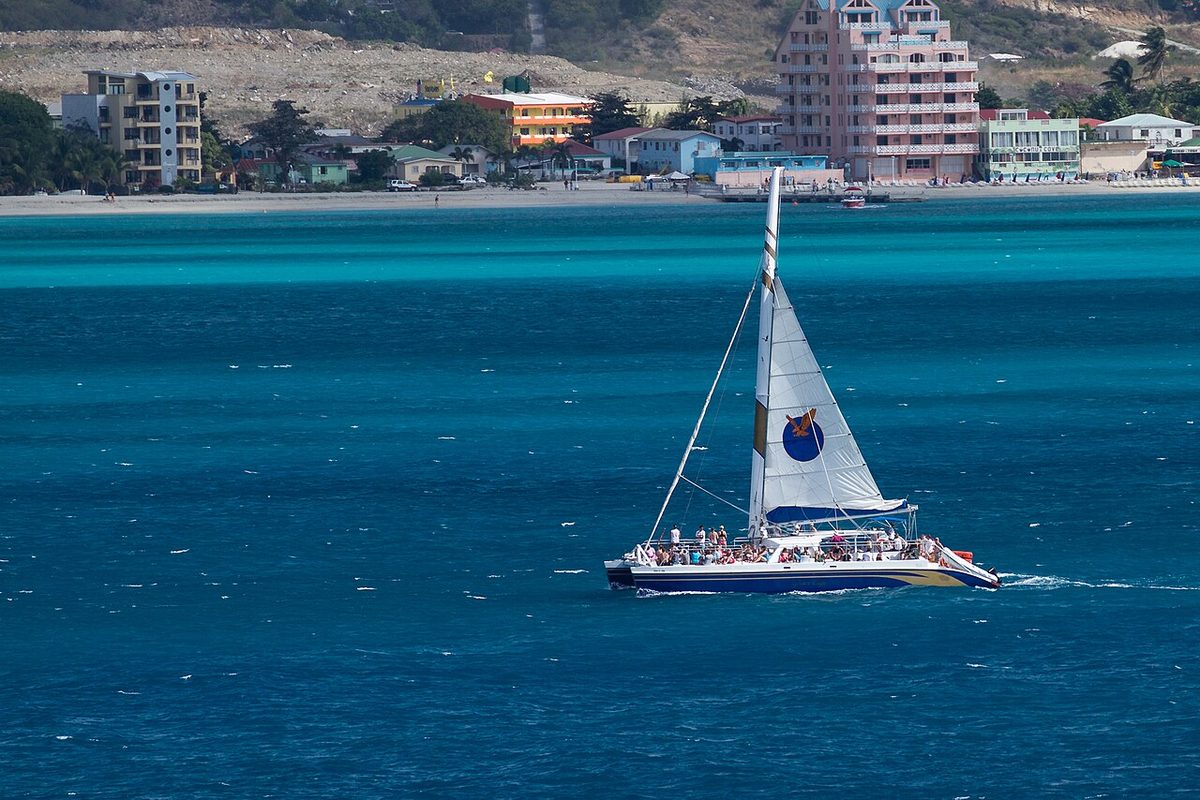
This is part of our larger guide to Aruba water sports and boat tours, and honestly, of every activity covered there, a catamaran sail is the one I tell first-timers not to skip. The water on the west coast is calm enough that even nervous sailors stay comfortable, the sunsets are absurd, and you can build almost any kind of afternoon around it — romantic, rowdy, family-friendly, or quietly indulgent.
Aruba catamaran cruises at a glance
There is no single “catamaran cruise” in Aruba — there’s a whole menu, and the right pick depends on whether you want a party, a proposal backdrop, or a kid-friendly afternoon. Here’s the quick comparison I wish someone had handed me before my first booking. Prices are typical 2026 ranges per adult and always worth confirming when you book.
| Cruise type | Duration | Typical price (pp) | Best for | Usually includes |
|---|---|---|---|---|
| Sunset sail | 2 hrs | $55–$120 | Couples, sundowners | Open bar, appetizers, music |
| Snorkel day sail | 2.5–4 hrs | $65–$95 | First-timers, families | Open bar, lunch/snacks, snorkel gear, 2–3 stops |
| Dinner / luxury sail | 3–4.5 hrs | $95–$160 | Special occasions | Plated meal, open bar, smaller group |
| Private charter | 3–6 hrs | $400–$1,800+ per boat | Groups of 8+, proposals | Your itinerary, dedicated crew, food |
| Party / “booze” cruise | 2–4 hrs | $60–$90 | Friend groups, 20s/30s | Open bar, loud music, rope swing, slide |
If you only do one, and you’re traveling as a couple, do a sunset sail. If you’re a family or it’s your first time on the water here, do a morning or afternoon snorkel sail so you actually get in the sea. Everything below digs into each option so you can book with confidence.
Sunset cruises: the one everybody remembers
The sunset cruise is the headline act, and for good reason. Boats push off in the late afternoon — departures cluster between about 4:30 and 5:30 p.m. depending on the season — and aim to be out on open water as the sun goes down somewhere between 6:15 and 7:30 p.m. You sail a slow, lazy line up and down the Palm Beach and Malmok coast while the sky runs through its full color wheel: gold, coral, then that deep bruised purple just after the sun vanishes. The “green flash” gets talked about a lot; I’ve seen it maybe twice in dozens of sails, so treat it as a bonus, not a promise.
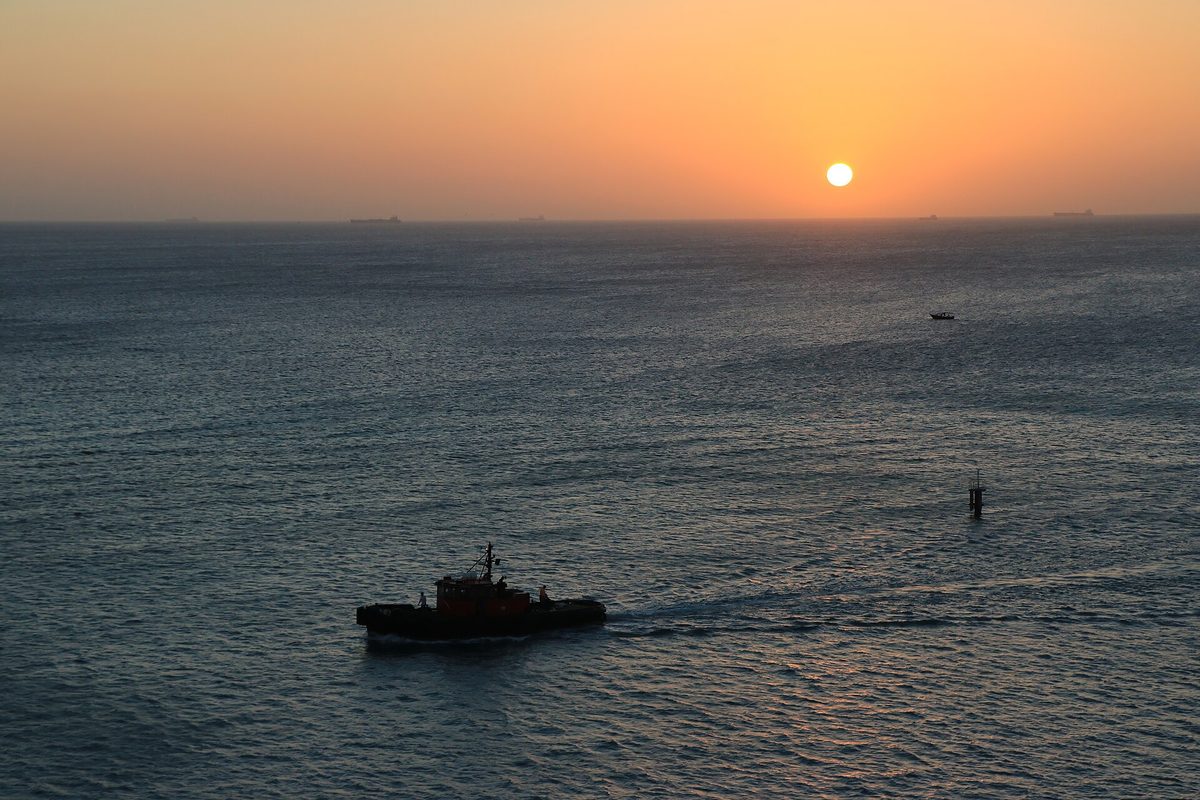
What makes the difference between a good sunset sail and a forgettable one is the boat and the crowd size, not the sunset itself — the sunset is reliably spectacular. On a smaller catamaran or trimaran with twenty-odd people, you get a seat with a view, a crew that remembers your drink, and room to actually move to the bow for photos. Pack a sunset sail with sixty people and it becomes a floating happy hour where you’re elbowing for railing space. Ask about capacity before you book; it tells you more than the price does.
What a typical sunset sail includes
Nearly every sunset cruise includes an open bar — rum punch is the default, usually alongside local Balashi beer, wine, sodas, and water — plus light appetizers or snacks and a soundtrack of Caribbean and easy-listening music. Most run two hours. Some sail straight out and back with no stops; a few include a quick swim or snorkel stop before the light goes, which is lovely if the timing works. Towels are sometimes provided, sometimes not, so bring your own to be safe.
Is a sunset sail worth it for couples?
If you’re on a honeymoon or an anniversary trip, yes, unreservedly. There are few better backdrops in the Caribbean for a quiet toast, and it pairs perfectly with the rest of an Aruba honeymoon. For real romance, though, lean toward a smaller boat or splurge on a private charter at golden hour — the big social boats are fun, but “intimate” is not the word for them. Couples who want to keep the evening going can step off the boat straight into the bars and casinos covered in our Aruba nightlife guide; the main strip is a short walk from the Palm Beach piers.
Snorkel sails: the best way to actually get in the water
If a sunset sail is about the view, a snorkel sail is about the sea itself. These run during the day — morning departures around 9 or 10 a.m., afternoon ones around 1 or 2 p.m. — and the whole point is the stops. A typical snorkel cruise drops anchor at two or three spots along the calm northwest coast, hands out masks and fins, and gives you a half hour or so in the water at each before sailing on. By the time you’re back at the pier you’ve usually been out two and a half to four hours.
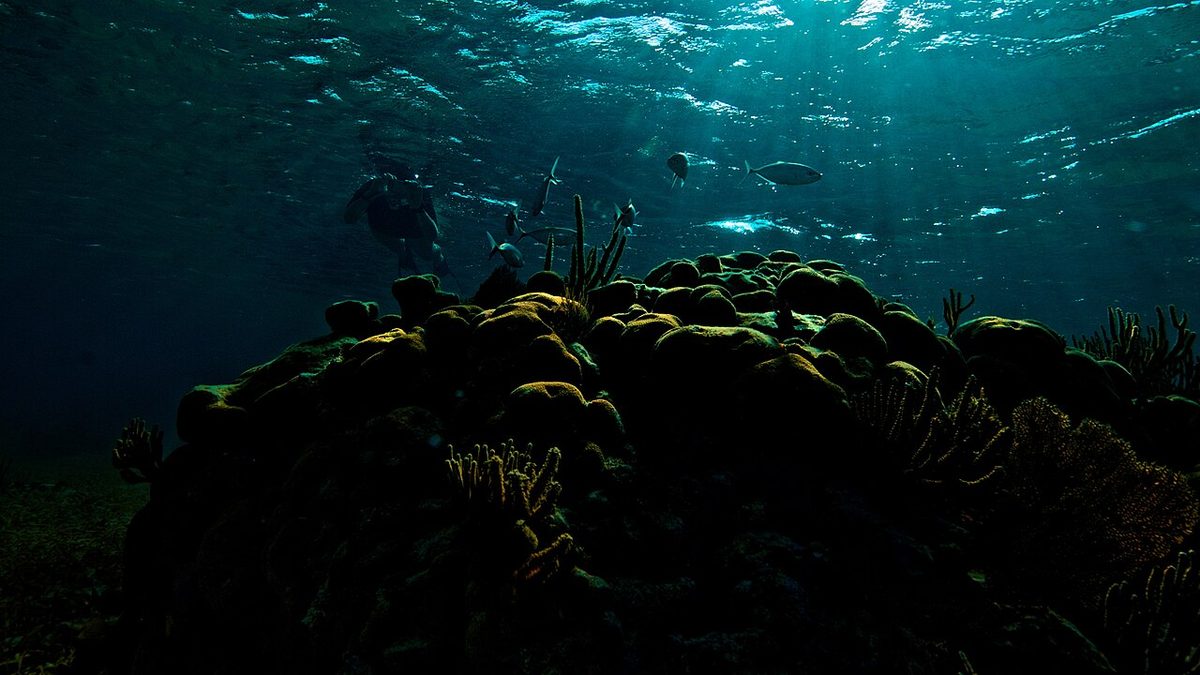
The water here is forgiving. The leeward (west) side of Aruba is sheltered from the open Atlantic, so visibility is good and the surface is calm most days — a big reason these tours suit nervous and first-time snorkelers. Crews give a quick gear briefing, most boats carry flotation noodles and life vests, and you’re never far from the ladder. If you’ve never snorkeled before, an Aruba catamaran cruise is about as gentle an introduction as you’ll find anywhere in the Caribbean.
What you’ll see down there
Don’t expect a dense, technicolor coral garden — Aruba’s reefs are healthy in patches rather than wall-to-wall. What you do get is clear water, schools of sergeant majors and parrotfish, the occasional green turtle gliding through, and, at the wreck stops, big silvery shoals hanging around the hull. Bring an underwater camera or a phone in a waterproof pouch; you’ll want it. For a deeper look at where and how to snorkel beyond the boat tours, the broader snorkeling guide breaks down the island’s best sites.
Morning vs afternoon snorkel sails
I generally book mornings. The water tends to be calmest early, the light is good for photos, the sun is less punishing on the swim stops, and you’ve still got your whole afternoon free. Afternoon sails are a fine fallback — and some combine the last snorkel stop with a sunset finish, which is the best of both worlds — but by midday the trade winds pick up and the surface can get a little choppier. If anyone in your group is prone to motion sickness, the morning slot is the safer bet.
Dinner and luxury cruises: when you want to make a night of it
A step up from the standard sunset sail is the dinner cruise, where the boat becomes the whole evening rather than a prelude to it. These run longer — commonly three to four and a half hours — and swap the bowl of chips for an actual meal: anything from a barbecue served on board to a multi-course plated dinner, sometimes finished at a beachside restaurant the operator partners with. Prices climb accordingly, typically $95 to $160 a head, occasionally more for the fancier setups.
Luxury sails are a related category — same length as a regular sunset cruise, but with smaller groups, better food, plusher seating, and a more polished crew. This is the bracket couples on a splurge tend to love, and it slots neatly into the upscale end of the stays in our where to stay in Aruba guide. You’re paying for space and service as much as for the sail itself, and on the right boat it’s money well spent.
Should you book a dinner cruise or just sail and eat ashore?
Honest take: if you’re a serious foodie, the food on a dinner cruise rarely beats what you’d get at a good restaurant on land, and Aruba has plenty — see our Aruba restaurants guide. But that’s not really the point. You’re buying the experience of eating while the island lights flicker on and the boat rocks gently underneath you. If that sounds romantic to you, book it. If you mostly care about the meal, do a shorter sunset sail and have dinner ashore afterward.
Private charters: your own boat, your own rules
For a special occasion — a proposal, a milestone birthday, a family reunion — nothing beats chartering the whole boat. You set the departure time, choose the route, decide whether you’re snorkeling or just cruising with drinks in hand, and you share the deck only with your own people. Charters typically run three to six hours and cost anywhere from around $400 for a short small-boat sail to $1,800 or more for a big yacht for the afternoon.
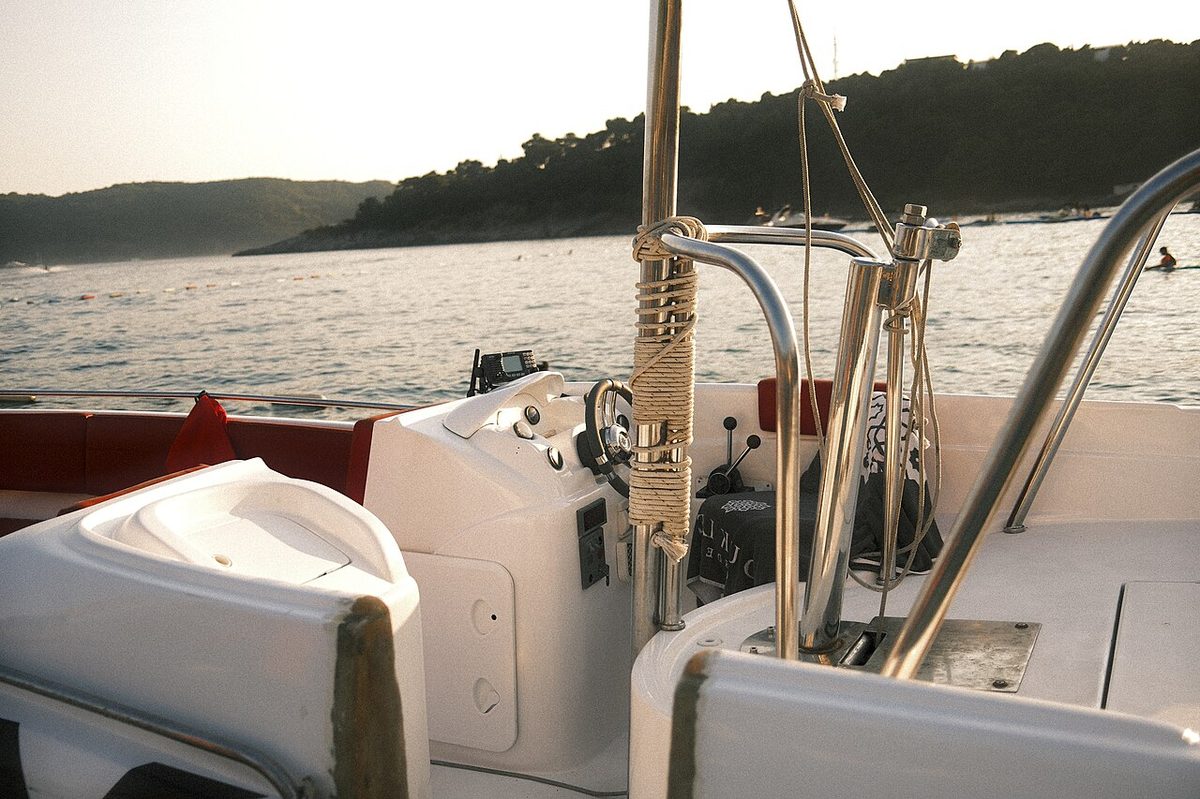
The math surprises people: for groups of eight or more, a private charter often works out close to — or even cheaper than — booking everyone onto a shared tour, once you factor in that you’re not paying per head. If you’ve got a crew that size, always price the private option before you write off the idea as a splurge. It also pairs beautifully with a multi-day plan; slot it into the right day of your Aruba itinerary and build a lazy beach morning around it.
Party cruises: rope swings, loud music, and rum
At the opposite end of the spectrum is the party boat — sometimes a modern catamaran, sometimes an old wooden schooner kitted out with a rope swing off the mast and a slide off the back. The open bar pours freely, the music is loud, the crowd skews younger, and the vibe is closer to a floating beach club than a serene sail. For a group of friends in their twenties or thirties, or anyone who treats “relaxing” as optional, these are a blast.
Just know what you’re signing up for. If you picture a quiet glass of wine at sunset and end up on a boat where everyone’s doing the conga line by the second rum, you’ll be miserable — and vice versa. The booze cruises and the romantic sails often leave from the same stretch of beach minutes apart, so read the description carefully and, again, ask about group size and music before you pay.
Which cruise fits your travel style?
The “best” Aruba catamaran cruise is whichever one matches the people you’re traveling with. Here’s how I’d steer different travelers.
Couples and honeymooners
Go for a sunset sail on a smaller boat, or splurge on a private charter at golden hour. Skip the big party boats unless you actively want a crowd. A sundowner sail is one of the most reliably romantic things you can do on the island, and it folds perfectly into the wider Aruba honeymoon planning — pair it with a quiet beachfront dinner and you’ve got an unbeatable evening.
Families with kids
Daytime snorkel sails win here, especially boats with a slide, trampoline net, or rope swing to keep younger kids entertained between stops. The calm leeward water is genuinely kid-friendly, and many operators let small children sail free or at a steep discount. Check the minimum age and whether child-size snorkel gear and life vests are provided. Our Aruba with kids guide has more on building a family day around a boat tour, including what to do with the rest of the afternoon.
Budget travelers
The shorter two-hour sunset sails and the standard shared snorkel cruises give you the most experience per dollar — often $55 to $75 with the open bar included, which is hard to beat when you tally up what those drinks would cost ashore. Booking a day or two ahead rather than at the last minute also tends to get you a better rate. Factor the cost into the bigger picture with our Aruba vacation cost breakdown so a few excursions don’t blow the budget.
Cruise-ship day visitors
If you’re in port for the day, a morning snorkel sail or a midday cruise is a brilliant use of your hours — just build in a comfortable buffer before all-aboard time and confirm the boat returns well before you need to be back at the ship. Most catamarans leave from Palm Beach, a short, inexpensive taxi from the Oranjestad cruise terminal. It slots neatly alongside the other day options in our things to do in Aruba guide.
What’s included — and what to bring
Most shared catamaran tours bundle in more than people expect, which is part of why they feel like good value. A typical sail includes:
- Open bar — rum punch, local Balashi beer, wine, soft drinks, and water. The better boats keep it genuinely unlimited.
- Snacks or a meal — from a bowl of fresh fruit and chips on a short sail to a full barbecue on a day or dinner cruise.
- Snorkel gear — masks, fins, and often flotation noodles on any sail with swim stops, plus a safety briefing.
- Music and crew — a sound system and a crew that doubles as bartenders, snorkel guides, and photographers.
- Hotel pickup — frequently included or available as an add-on for Palm Beach and Eagle Beach properties.
What to bring is shorter but matters. Pack a swimsuit (wear it under your clothes — changing room space on board is tight or nonexistent), reef-safe sunscreen, a hat and sunglasses, and a light layer or cover-up for the breezier ride back after sunset. Bring a towel unless the operator confirms they provide one, and stash your phone in a waterproof pouch. Leave anything valuable you don’t need at the hotel; cards, cash, and electronics have a way of getting wet or lost on a boat. Cash for tipping the crew is appreciated — around $5 to $10 per person for a great sail is standard.
A quick word on seasickness
This trips people up more than it should, so here’s the reassuring part: the west coast where these boats sail is sheltered and usually calm, and big catamarans are far more stable than a monohull, so seasickness is uncommon on the standard routes. If you’re still worried, take a non-drowsy motion-sickness tablet about an hour before departure, choose a morning sail when the water is flattest, sit toward the center and back of the boat, and keep your eyes on the horizon rather than down at your phone. Skip the heavy meal and the third rum punch beforehand and you’ll almost certainly be fine.
Routes and what you’ll see along the coast
Almost every catamaran cruise works the calm leeward coast north of Palm Beach, and the landmarks come in a fairly predictable order. Knowing them helps you picture the sail before you book.
Malmok and Arashi
Heading north from the Palm Beach high-rises, you pass Malmok, a rocky-shored stretch with some of the island’s clearest near-shore water and a favorite first snorkel stop. A little farther sits Arashi Beach, the calm, sandy cove near the island’s northwest tip. Many sails turn around near here, in sight of the candy-striped California Lighthouse on the bluff above. It’s a pretty, low-key corner of the coast and a world away from the resort strip just minutes south.
Boca Catalina
The shallow, protected cove of Boca Catalina is the snorkel stop on most day sails, and deservedly so. The water is calm and clear, the reef sits close to the surface so beginners can enjoy it without diving down, and sea turtles pass through often enough that spotting one is a real possibility rather than a tall tale. For families and first-timers, this is usually the highlight of the trip.
The Antilla shipwreck
The blockbuster stop is the Antilla, a 400-foot German freighter scuttled off Malmok in 1940 and now one of the largest shipwrecks in the Caribbean. It rests in relatively shallow water, so even snorkelers floating on the surface can make out the huge hull below, encrusted with coral and sponges and swarmed by fish. Divers go inside it; snorkelers get a haunting view from above. If the wreck is on your cruise’s itinerary, it’s reason enough to choose that boat. You can explore Aruba’s other landmarks — the lighthouse, the natural pool, the beaches — in our broader things to do and Aruba beaches guides.
Booking tips and the best time to sail
A catamaran cruise is one of the easier things to organize in Aruba, but a few habits make the difference between a smooth booking and a sold-out shrug at the pier.
How far ahead to book
In the busy season — roughly mid-December through April, plus the July–August family stretch — book three to five days ahead, and reserve sunset sails earlier still, since those fill first. In the quieter months you can often grab a spot a day or two out, sometimes same-day. If your trip hinges on a specific evening (a proposal, an anniversary), don’t gamble; lock it in before you fly. For the seasonal rhythm of crowds, weather, and prices, our best time to visit Aruba guide is the place to start.
Where the boats leave from
The great majority of catamarans depart from Palm Beach, typically from one of the piers near the high-rise resorts — the Hyatt, the Marriott, MooMba Beach, and the Pelican pier are all common launch points. A handful, especially the longer dinner sails, leave from the Renaissance Marina in Oranjestad. Always confirm your exact meeting point and arrive 20–30 minutes early; these boats leave on time to catch the light, and they will not wait. If you’re choosing a base for your trip, our where to stay in Aruba guide explains why Palm Beach is so convenient for water tours.
Booking direct vs through a platform
Booking direct with a local operator sometimes gets you a better rate and supports the crew more directly. Booking through a big platform usually buys you flexible, free cancellation up to 24 hours out, which is worth a lot if your plans or the weather might shift. Either way, screenshot your confirmation and note the cancellation cutoff. Operators reschedule for genuinely bad weather, but Aruba’s reliably dry, breezy climate means cancellations are rare.
Frequently asked questions
How much does an Aruba catamaran cruise cost?
Most shared catamaran cruises run about $55 to $120 per person. Two-hour sunset sails sit at the lower end, snorkel day sails around $65 to $95, and dinner or luxury sails $95 to $160. Private charters are priced per boat, from roughly $400 for a short sail to $1,800 or more for a large yacht for the afternoon. Drinks and gear are usually included.
What is the best catamaran cruise in Aruba?
There’s no single best one — it depends on your group. Couples should pick a smaller sunset sail or a private charter; families do best on a daytime snorkel cruise with a slide or rope swing; friend groups gravitate to the livelier party boats. Match the cruise type to your crowd and the size of the boat to the vibe you want, and you’ll be happy.
How long do catamaran cruises in Aruba last?
Most last two to three hours. Standard sunset sails run about two hours, snorkel day sails two and a half to four, and dinner cruises three to four and a half. Private charters are as long as you book them, commonly three to six hours. Build in extra time for hotel pickup and the 20-to-30-minute pre-departure check-in at the pier.
Do you need to know how to swim?
Not to enjoy the sail itself — you can stay on deck the whole time with a drink and the view. For the snorkel stops, you don’t need to be a strong swimmer either: the water is calm, crews provide life vests and flotation noodles, and you can float and look down without going far. If you’re not confident, tell the crew; they’ll keep an eye on you and help you stay comfortable.
What should I wear and bring on a catamaran cruise?
Wear your swimsuit under light clothes, with flip-flops or boat shoes you can slip off. Bring reef-safe sunscreen, a hat, sunglasses, a towel, and a light cover-up for the breezy ride back after sunset. Add a waterproof pouch for your phone and a little cash for tips. Leave valuables and anything you’d hate to drop in the sea back at your hotel.
What time is sunset in Aruba?
Aruba’s sunset falls roughly between 6:15 and 7:30 p.m. depending on the season — earlier in winter, later around midsummer. That’s why sunset cruises push off between about 4:30 and 5:30 p.m., giving you time to get out on the water, settle in with a drink, and be perfectly positioned when the sky lights up.
Final thoughts
Of everything you can do on this island, a catamaran cruise is the one I recommend most freely, because it’s almost impossible to get wrong once you’ve picked the right type. Match the boat to your mood — quiet sunset, lively snorkel, indulgent dinner, or your own private charter — arrive early, bring a little cash and a dry bag, and let the trade wind do the rest. An Aruba catamaran cruise is the kind of afternoon you’ll be describing to people back home for years, usually starting with the moment the sail filled and the island slipped away behind you. When you’re ready to round out the trip, our guide to Aruba water sports and boat tours covers everything else worth doing on and in the water.
By the ArubaTourism.org team — Last updated June 2026
Photo credits
- Photo: Chris Favero from USA / CC BY-SA 2.0 via Wikimedia Commons — source
- Photo: ImagePerson / CC BY 4.0 via Wikimedia Commons — source
- Photo: jayhem from Antibes, France / CC BY-SA 2.0 via Wikimedia Commons — source
- Photo: Shixart1985 / CC BY 2.0 via Wikimedia Commons — source
- Photo: Achim Schleuning / CC BY-SA 3.0 via Wikimedia Commons — source