Aruba has a reputation problem underwater, and it is completely undeserved. Mention diving here and someone will tell you Aruba is “just a beach island” — a place for floating drinks and snorkel masks, where the famous trade winds chop up the sea and chase serious divers off to Bonaire next door. I have heard it on the boat ramp more than once, and it is wrong on every count: anyone who writes off scuba diving Aruba simply has not looked beneath the surface. The same wind that whips the kite-surfers at the north end barely touches the dive sites, because almost all of them sit on the calm, sheltered leeward southwest coast. And Aruba happens to hold one of the densest collections of accessible shipwrecks in the entire Caribbean. Diving here is the island’s best-kept secret precisely because everyone is too busy on the sand to notice what is sitting 50 feet below the surface.
So let me correct the record. There are sunken airplanes down there. There is a 400-foot German freighter you can swim through. There are WWII tankers, purpose-sunk barges, turtle-filled reefs, and water so clear you can often see 80 to 100 feet in front of you. This guide is the one I wish someone had handed me before my first trip: the specific sites worth your tank, what each one costs, who should dive it, and how to plan around the conditions.
Is Aruba good for scuba diving? The short answer
Yes — Aruba is one of the Caribbean’s best wreck-diving destinations and a genuinely great place to learn. It sits outside the hurricane belt, so the leeward coast stays calm with warm water (roughly 79–85°F / 26–29°C) and visibility that regularly tops 60–100 feet year-round. With 30-plus charted sites and more than ten diveable wrecks, it suits everyone from first-time “Discover Scuba” guests to technical divers chasing deep penetration dives.
By the ArubaTourism.org team — Last updated June 2026
Aruba dive sites at a glance
Here is the shortlist I steer people toward first. Depths are approximate maximums and conditions vary day to day, so always confirm with your operator on the morning of the dive.
| Dive site | Type | Approx. depth | Best for |
|---|---|---|---|
| Antilla wreck | Wreck (freighter) | 20–60 ft (6–18 m) | All levels; the signature dive |
| Pedernales wreck | Wreck (WWII tanker) | 25–35 ft (8–11 m) | Beginners & training |
| The Airplanes (Convair & YS-11) | Wreck (aircraft) | 50–90 ft (16–27 m) | Advanced; unique experience |
| Jane Sea (Jane C) wreck | Wreck (freighter) | 60–98 ft (18–30 m) | Advanced & photographers |
| Debbie II wreck | Wreck (barge / artificial reef) | 70 ft (21 m) | Intermediate |
| Arashi reef | Reef | 30–40 ft (9–12 m) | All levels; turtles |
| Mangel Halto | Reef (shore dive) | 20–110 ft (6–33 m) | All levels; shore access |
| Kappel wreck | Wreck (cargo) | 35–45 ft (11–14 m) | Beginners |
If you only have two tanks on the island, I would do the Antilla and the Airplanes and call it a great trip. If you have three or four days, you can comfortably hit every site on that table. For a wider view of how diving fits alongside catamaran trips, snorkel runs and the rest, see our guide to Aruba water sports and boat tours, the hub this article belongs to.
The best wreck dives in Aruba
Wrecks are the headline here, and they are why divers fly in from Bonaire and Curacao for the day. Aruba is consistently ranked among the top wreck-diving locations in the Caribbean, second only to Bermuda by many counts. Here are the ones that earn the hype.
The Antilla — the largest wreck in the Caribbean
If Aruba has a signature dive, it is the SS Antilla. This 400-foot (122 m) German freighter was scuttled by her own crew on May 10, 1940, who set fires and opened the seacocks to keep her from being seized by the Dutch after Germany invaded the Netherlands. She has been settling into the sand off Malmok ever since. The top of the wreck sits around 20 feet down and the deepest point reaches roughly 60 feet, which is part of what makes her so special: the shallow, sun-lit upper sections mean beginners and even snorkelers can enjoy the silhouette, while certified divers drop into the cavernous cargo holds.
What gets me every time is the scale. You cannot take it all in on a single dive. Eighty-plus years on the bottom have turned the hull into a living reef — sponges, hard and soft corals, and curtains of tropical fish. Angelfish and snapper patrol the openings, moray eels tuck into the gaps, and lobsters bristle from the shadows. Go early in the morning or in shoulder season and you may have her largely to yourself. The Antilla is such a landmark in its own right that we gave it a dedicated guide of its own; on a dive day, treat it as the centerpiece.
The Pedernales — a WWII tanker for beginners
The Pedernales is the wreck I send brand-new divers to first. This Lake-class oil tanker was torpedoed by a German U-boat in 1942 while supplying the refinery at San Nicolas. The damaged midsection was cut away and towed off (it was later rebuilt into another ship), leaving the bow and stern scattered across the sand in just 25–35 feet of water. That shallow depth, plus the near-total absence of current, makes it forgiving and relaxed.
Do not let “beginner-friendly” read as “boring.” You swim past cabin sections, washbasins, lavatories, and lengths of pipeline half-buried in the sand, all of it draped in coral and patrolled by parrotfish, butterflyfish and the occasional stingray gliding across the bottom. The history gives it a weight that a manufactured reef never has — you are finning over a casualty of the Battle of the Caribbean.
The Airplanes — Aruba’s most surreal dive
This is the dive people do not expect, and the one most divers I know rank as their favorite. Two aircraft rest on the seabed off the southwest coast, usually dived together as a single site simply called “The Airplanes.” The Convair 340/240 has broken apart over the years and lies in pieces, while the YS-11 sits more intact with its nose angled upward as if frozen mid-takeoff. Depths run roughly 50 feet at the cockpit down to about 90 feet at the tail, which puts the deeper sections firmly in advanced territory — nitrox helps you stretch your bottom time.
The marine life here is thinner than on the older shipwrecks because the planes are younger as artificial reefs, but that is not why you come. You come to swim through an actual airplane fuselage sitting silently on the ocean floor. It is genuinely hard to describe until you are hovering inside the cabin looking out through the windows. If you do one “wow” dive on the island, make it this one.
The Jane Sea — the deep one for advanced divers
The Jane Sea (officially the Jane C) is a 250-foot cement freighter that was purpose-sunk in the late 1980s and now stands upright on the bottom between about 60 and 98 feet. The depth and the current that often runs across her put this one squarely in the advanced column — this is not a first-week dive, and most operators want to see an Advanced certification or nitrox before they take you down.
For experienced divers and underwater photographers, though, she is a gem. The structure is intact enough to offer real swim-throughs, the coral growth and big barrel sponges are spectacular, and the deeper, cooler water draws bigger life: schools of blue tang and snapper, circling barracuda, and nurse sharks resting on the sand below the hull. Dive her with a guide who knows the layout so you do not miss the best passages.
The Debbie II and the Kappel — two more worth your tank
The Debbie II is a 120-foot fuel barge sunk in 1992 as an artificial reef, sitting at about 70 feet. It is an easy structure to navigate and, because it is far less famous than the Antilla, you often get it nearly to yourself — a quiet, coral-crusted dive with grunts, angelfish and the occasional eagle ray. I rate it an intermediate dive thanks to the depth.
The Kappel, meanwhile, is one of the island’s newest wrecks — a 51-foot Danish cargo vessel sunk in 2009 in a sandy patch right beside the Mangel Halto reef, in just 35–45 feet. Its shallow depth and reef-side location make it a friendly beginner wreck and a tidy add-on to a Mangel Halto dive. There are more wrecks beyond these — the Star Gerren, the scattered SS California up on the rougher north coast, harbor tugboats near the cruise port — but the sites above are the ones I would prioritize on a first or second trip.
The best reef dives in Aruba
Wrecks get the headlines, but Aruba’s reefs are what make a multi-day trip sing. Most sit along the protected southern and western coasts in 20 to 100-plus feet, with the kind of flat surface conditions that make logistics easy. Here is where the marine life lives.
Arashi reef — home of the turtles
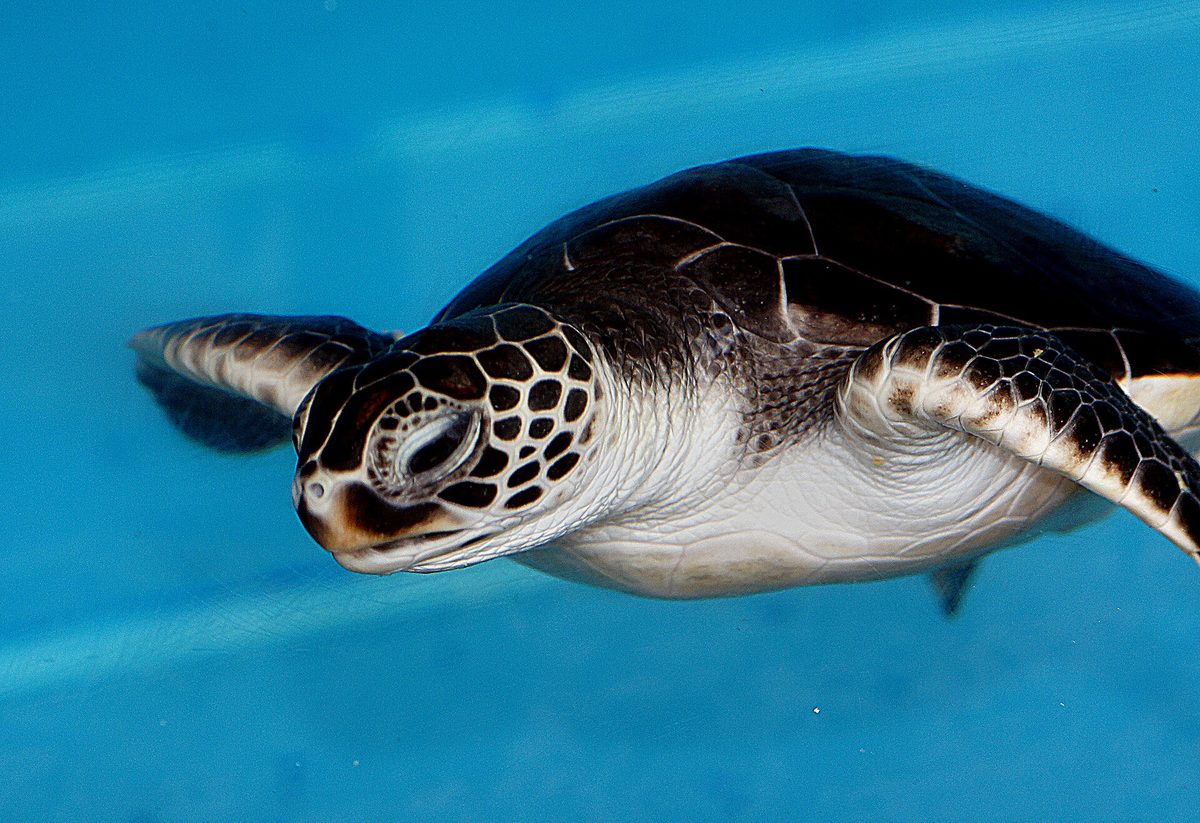
If you do one reef dive in Aruba, make it Arashi. Tucked near the island’s northwestern tip in roughly 30–40 feet, it is known locally as the home of the turtles, and it delivers on that nickname with a consistency that still surprises me. On a single relaxed dive you can reasonably hope to see multiple green and hawksbill turtles, a stingray on the sand, and — if your guide has sharp eyes — an octopus melting into the reef. Scattered pieces of a wrecked Lockheed Lodestar add a little treasure-hunt element. The shallow depth makes it suitable for every level.
Mangel Halto — Aruba’s best shore dive
Mangel Halto is the site that quietly rivals the boat dives, and you can do it straight off the beach. Set in a mangrove-fringed lagoon on the south coast, it gives you a calm, shallow sandy “bowl” near shore — perfect for training dives and Discover Scuba sessions — and then a reef that drops away dramatically. Fin out over the edge and the wall falls to about 110 feet, lined with deep-water gorgonians, sponges and anemones. Up top you will see parrotfish, yellowtail snapper, sergeant majors and blue tang; down deep, octopus, morays and barracuda. It is also one of the island’s premier night-diving spots. Because it offers easy entry and serious depth in one place, every certification level can find a dive here.
Other reefs worth knowing: Sponge Reef, Plonco and Barcadera
A few more reefs round out a good trip. Plonco reef, off the south-central coast, is a gentle, fishy reef that operators often pair with a nearby wreck on a two-tank boat trip. Barcadera reef sits near the harbor of the same name and tends to be calm and easy, with healthy coral heads and good macro life — a relaxed second dive. And the various sponge reefs along the leeward coast show off Aruba’s enormous barrel and tube sponges in purple, orange and green, which are some of the most photogenic structures on the island. None of these are bucket-list dives on their own, but they are exactly the kind of varied, low-stress reef diving that makes three or four days here so satisfying.
Shore diving vs. boat diving in Aruba
One of Aruba’s underrated strengths is that you genuinely have both options, and the choice changes your day.
Boat diving is how you reach the marquee sites. The Antilla, the Airplanes, the Jane Sea, the Debbie II and most of the wrecks are short boat rides from the Palm Beach and Oranjestad area — the Antilla is barely a ten-minute run offshore. A standard outing is a two-tank trip: two dives with a surface interval and snacks in between. Boats handle your tanks and weights, put you right on the site, and give you a guide who knows the layout. For wrecks, this is the way to go.
Shore diving is the flexible, budget-friendly counterpart. Mangel Halto is the standout — you can gear up at the beach and swim out on your own schedule — and other entries like Malmok (where the Antilla’s shallow sections are reachable) and the southern reefs let certified pairs dive without booking a boat at all. Shore dives are cheaper, unhurried, and perfect for a relaxed second dive of the day or a sunset/night dive. My honest advice: book boat trips for the wrecks and keep a shore dive or two in your back pocket for the days you want to move at your own pace.
Diving in Aruba for beginners and first-timers
Aruba is one of the friendliest places in the Caribbean to take your very first breath underwater, and that is not marketing fluff — it is a function of geography. Calm leeward water, excellent visibility, and a cluster of shallow sites mean a nervous first-timer is not also fighting current and surge.
If you have never dived and are not sure you want to commit to a course, start with a Discover Scuba Diving experience. You spend time with an instructor learning the basics in shallow, controlled water, then do a guided dive — no certification required. It is the single best way to find out whether diving is for you, and a shallow site like the inner reef at Mangel Halto or the Pedernales is tailor-made for it. Expect to pay somewhere around $99–$150 for a Discover Scuba session including gear.
Ready to go further? The PADI (or SSI) Open Water Diver certification is the standard entry license and certifies you to dive to about 60 feet. It blends knowledge sessions, confined-water skills and four open-water training dives, and most shops in Aruba run it over three to four days. Budget roughly $400–$600. A smart hack if you are short on vacation time: do the classroom and pool portions at home through a “referral” or eLearning program, then finish your open-water dives in Aruba’s clear, warm water so your trip is spent diving rather than studying.
Certifications and diving for experienced divers
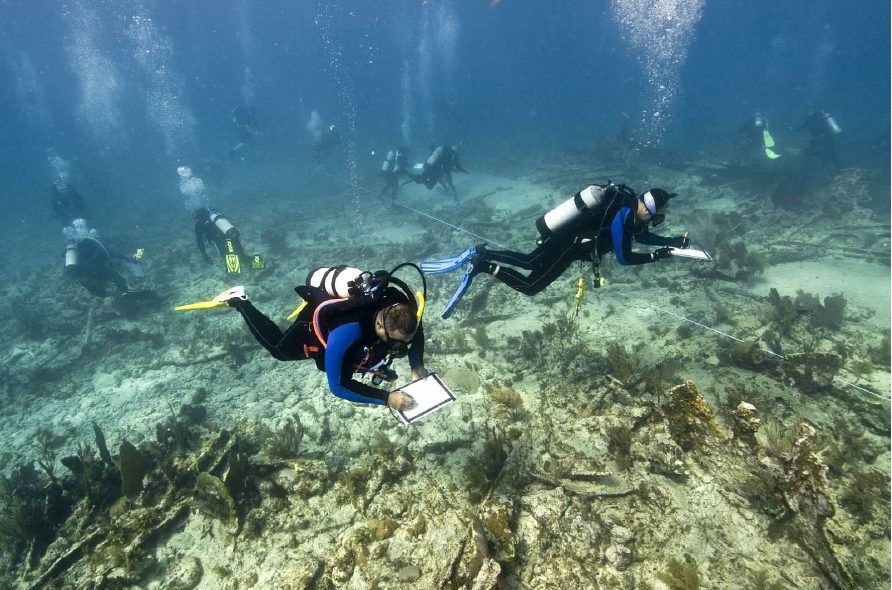
Already certified? Aruba rewards you. With an Advanced Open Water card (and ideally a little deep and nitrox experience) you unlock the dives that make the island special — the Airplanes at 90 feet, the Jane Sea at close to 100, and the deeper reef walls. Nitrox is widely available and genuinely useful here: it extends your bottom time on those deeper wrecks so you can actually explore rather than glance and ascend.
If wrecks are your thing — and in Aruba, why else would you be here — consider a Wreck Diver specialty. Several sites are perfect for the course, and the certification teaches you to penetrate a wreck safely: line use, light handling, buoyancy in tight spaces, and how to avoid the silt-out and entanglement hazards that make wreck penetration genuinely dangerous without training. A blunt safety note: never penetrate a wreck you are not trained and equipped for. You can admire the Antilla’s holds or the Jane Sea’s passageways from the outside all day long; going inside is a skill, not a whim.
Technical divers will find depth and structure too — sites like Serito Pinnacle on the southeast side reach well past recreational limits and are accessed by private charter — but those are conversations to have directly with a tech-focused operator.
Aruba dive operators and what diving costs
Aruba has a healthy roster of established, professional dive shops, most clustered around Palm Beach, Oranjestad and the southern coast near Mangel Halto. Rather than name-drop a single favorite (operators and ownership change, and I would rather you choose on fit), here is how to pick a good one and what to budget.
Look for: PADI or SSI certification, small group sizes, well-maintained rental gear, guides who clearly know the individual sites, and nitrox availability if you want the deeper wrecks. The best operations are organized on the dock — gear fitted before you board — and attentive in the water, pointing out the camouflaged octopus you would have finned right past.
Typical price ranges (always confirm current rates):
- Discover Scuba Diving: around $99–$150, gear included.
- Two-tank boat dive (certified): roughly $90–$130 including equipment — this is the workhorse outing for the wrecks.
- Single-tank shore dive: about $120; a two-tank shore dive around $200–$215, gear included.
- Open Water certification: roughly $400–$600.
- Nitrox fills / specialty courses: add a modest surcharge; ask when you book.
For a wider sense of how diving stacks up against other activities and how to budget the whole trip, our Aruba vacation cost guide breaks down what a week here really runs, and the Aruba itinerary planner helps you slot a couple of dive days around everything else.
Conditions and the best time to dive in Aruba
Here is the line that should put the “the wind ruins it” myth to bed for good: you can dive Aruba any day of the year. The island sits outside the hurricane belt, so it dodges the storm season that disrupts diving across much of the Caribbean, and the dive sites hug the sheltered southwest coast where the trade winds have little effect on the water below the surface.
Water temperatures run from about 79°F (26°C) in the cooler winter months to roughly 85°F (29°C) in summer — a 3mm shorty or even a rash guard is plenty for most divers, though I bring a full 3mm for the deeper, cooler wrecks. Visibility is consistently good, frequently 60–100 feet, and the marine life does not really change with the seasons.
So when should you go? The dry season, roughly April through November (yes, that overlaps “hurricane season” elsewhere — Aruba is the exception), tends to bring the calmest, sunniest weather and is ideal if you want beach time and dive time. The rough north coast sites like the SS California fare best in the flatter months of September and October. Honestly, though, the difference for divers is marginal: pick your trip around flights and crowds, not fear of conditions. For the full month-by-month picture, see our best time to visit Aruba guide.
Dive safety and smart planning
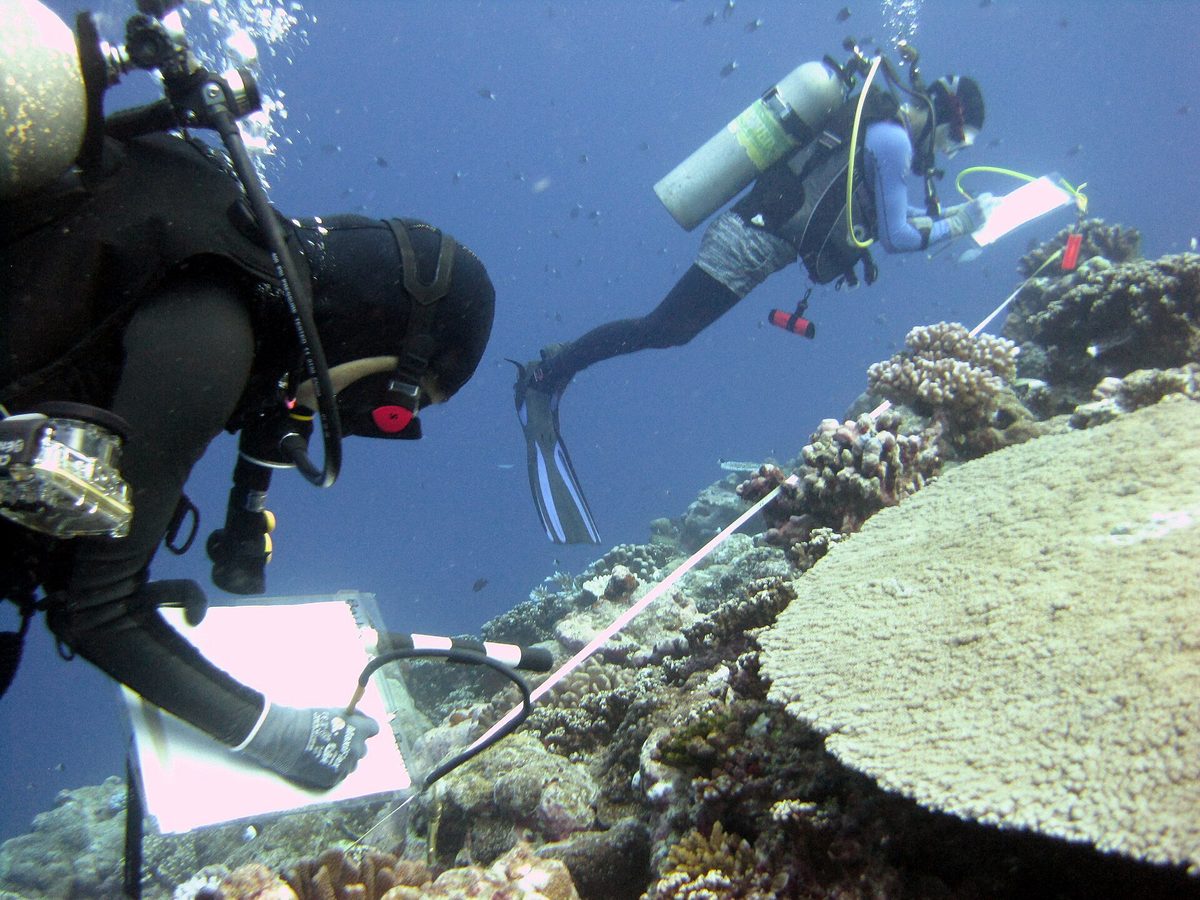
A few habits keep a great dive trip from going sideways. Mind the no-fly rule: leave at least 18–24 hours between your last dive and your flight home, so do not schedule a dive the morning you leave. Dive within your training: the depth and current on the Jane Sea, the Airplanes and the north-coast sites are real, and “I’ll be fine” is how people get hurt — build up to them. Get dive insurance (DAN membership is cheap and worth it) and know that the nearest hyperbaric chamber is on-island. Protect the reef: wear reef-safe sunscreen, keep your buoyancy off the coral, and take only photos — the wrecks and reefs are protected habitats. And as always, check the day’s conditions with your operator; a calm forecast can still mean a site swap, and a good shop will move you to the better water without complaint.
Scuba diving Aruba: your questions answered
Is Aruba good for scuba diving?
Yes. Aruba is one of the Caribbean’s top wreck-diving destinations, with 30-plus sites and more than ten diveable wrecks, including the largest in the region. It sits outside the hurricane belt, so the leeward coast stays calm with warm water and excellent year-round visibility. It is also one of the most beginner-friendly places to learn, while still offering plenty for advanced divers.
How much does scuba diving in Aruba cost?
Expect roughly $99–$150 for a no-certification Discover Scuba experience, about $90–$130 for a two-tank boat dive with gear, and around $120 for a single-tank shore dive. A full PADI Open Water certification typically runs $400–$600. Nitrox and specialty courses add a modest surcharge. Always confirm current rates and what is included when you book.
Can a beginner scuba dive in Aruba?
Absolutely. Calm, clear, current-free leeward sites make Aruba ideal for first-timers. Beginners can try a guided Discover Scuba dive with no certification, then earn an Open Water card over three to four days. Shallow sites such as the Pedernales wreck (25–35 ft) and the inner reef at Mangel Halto are forgiving, confidence-building places to start.
What is the best dive site in Aruba?
The Antilla wreck is the signature dive — a 400-foot freighter and the largest wreck in the Caribbean, suitable for all levels. For sheer surprise, “The Airplanes” (two sunken aircraft) are unforgettable for advanced divers, and Arashi is the best reef dive for turtle encounters. Most divers rate the Antilla and the Airplanes as the two unmissable sites.
Do you need to be certified to dive in Aruba?
Not to get underwater for the first time. A Discover Scuba Diving program lets you dive with an instructor in shallow water without certification. To dive independently, to reach the deeper wrecks like the Jane Sea, or to penetrate a wreck, you need the matching certification — Open Water, Advanced, or a Wreck Diver specialty respectively.
What marine life can you see diving in Aruba?
Plenty. Green and hawksbill turtles (especially at Arashi), stingrays and eagle rays, moray eels, octopus, barracuda and nurse sharks, plus clouds of reef fish — parrotfish, angelfish, snapper, blue tang and sergeant majors. The older wrecks and reefs are coated in hard and soft corals and giant barrel sponges, making them as colorful as they are full of life.
Final thoughts: don’t sleep on diving in Aruba
So much for “just a beach island.” The truth is that Aruba quietly offers some of the most accessible and varied diving in the Caribbean — a 400-foot freighter, sunken airplanes, WWII tankers, turtle reefs and easy shore dives, all in warm, clear, sheltered water you can splash into any month of the year. Whether you are taking your first breath underwater or logging your three-hundredth dive, the island delivers far more below the surface than its reputation lets on.
If you are planning a trip, slot in at least two dive days, book the wrecks by boat, and leave room for a relaxed shore dive at Mangel Halto. Then come back up and enjoy everything else the island does so well — there is no shortage. Browse our full roundup of things to do in Aruba, the island’s best beaches for your surface intervals, and where to base yourself in our where to stay in Aruba guide. For the practical side of the trip, see how to handle getting to and around Aruba, and if a wreck-and-reef adventure is part of a bigger celebration, our Aruba honeymoon guide pairs it with the romantic side of the island. First-time visitors should also skim our first-timer tips for Aruba before you go. However you build the trip, diving deserves a spot on the itinerary — and the wider Aruba water sports and boat tours hub will help you round it out.
Photo credits
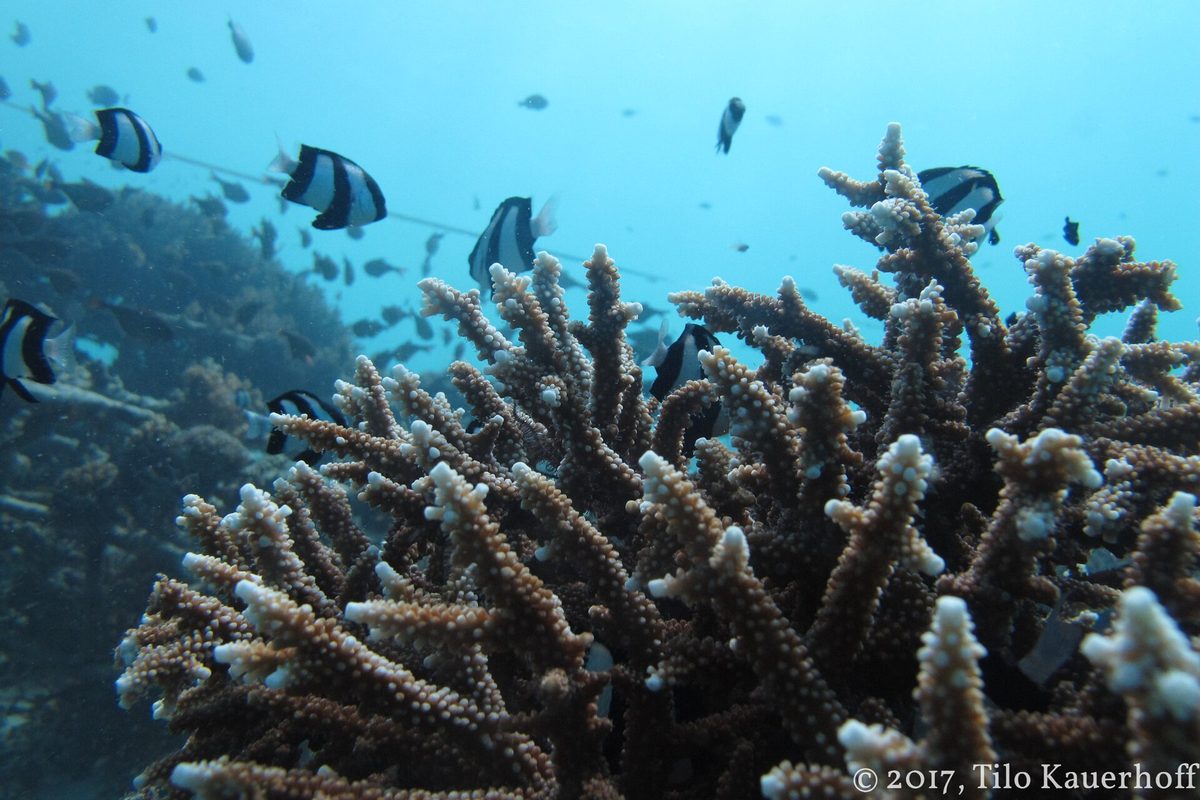
- Sunlit tropical reef & fish — Photo: Tilonaut / CC BY 3.0 via Wikimedia Commons.
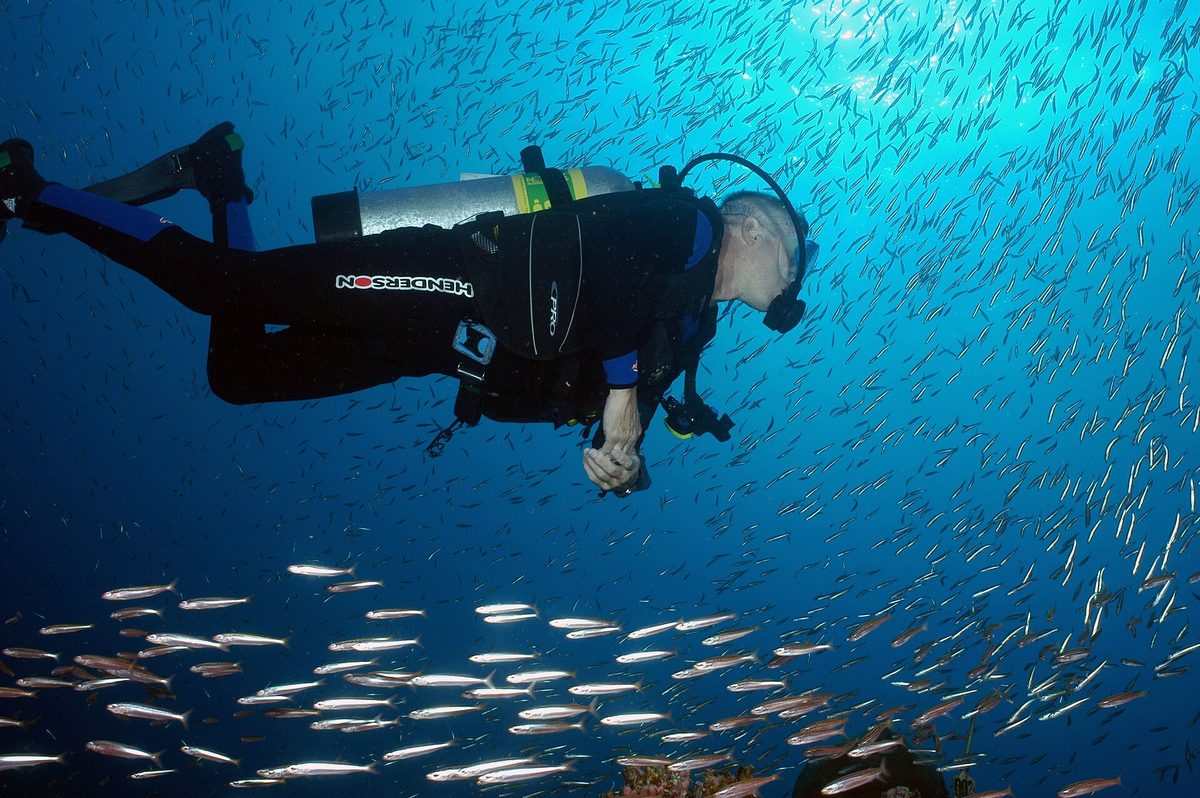
- Diver amid a school of baitfish — Photo: National Marine Sanctuaries (CC0) via Wikimedia Commons.
- Divers over a coral reef — Photo: National Marine Sanctuaries / CC BY 2.0 via Wikimedia Commons.
- Green sea turtle — Photo: Bernard Spragg. NZ (CC0) via Wikimedia Commons.
- Group of divers descending over a reef — Photo: Tane Casserley / NOAA (CC0) via Wikimedia Commons.
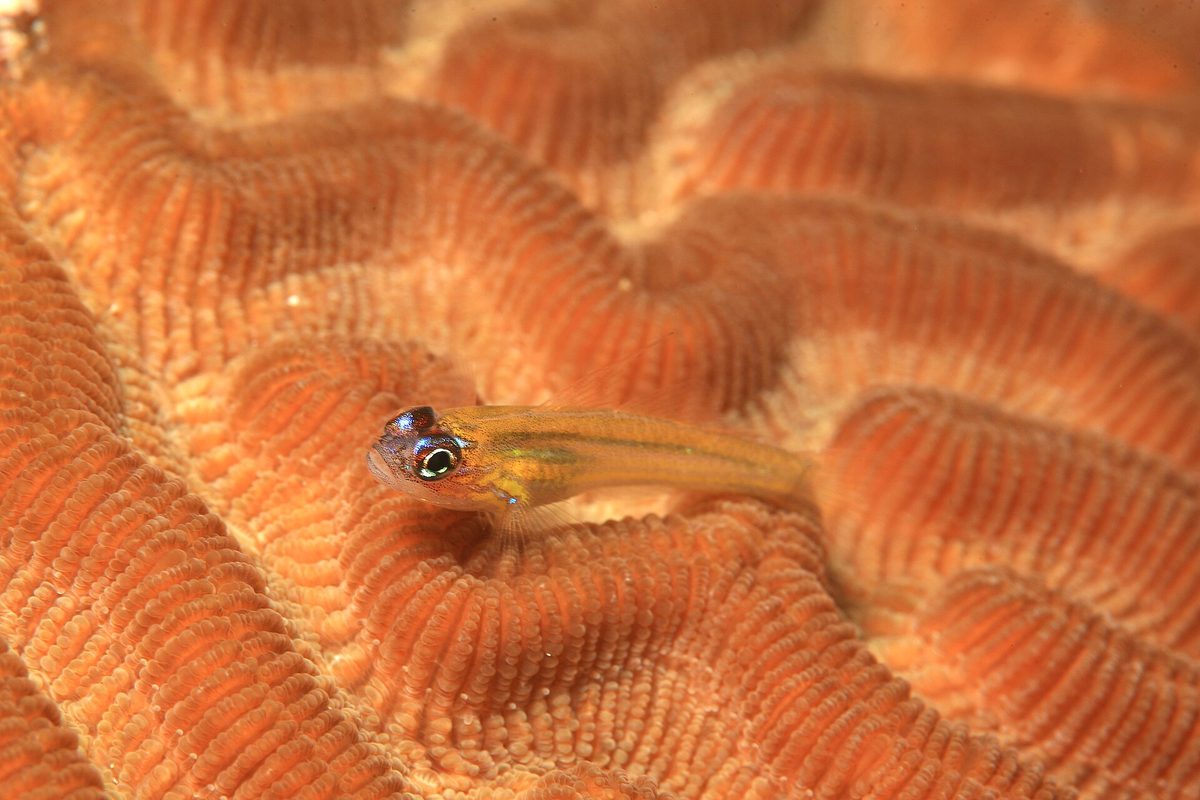
- Brain coral & reef fish — Photo: Laszlo Ilyes / CC BY 2.0 via Wikimedia Commons.
Conditions, prices and operating details change — please verify current information with your dive operator and official sources such as the Aruba Tourism Authority before you dive.