Just before sunset, the light over the old salt-pan wetlands behind Palm Beach turns the color of weak tea, and the sky starts to move. First a few great egrets, white as paper, drop into the reeds. Then come the herons, hunched and deliberate, and a long ragged line of neotropic cormorants flapping in low off the sea to roost. Within twenty minutes hundreds of birds have settled over two shallow ponds at the Bubali Bird Sanctuary — a lush, noisy marsh tucked directly behind the high-rise hotels, a stone’s throw from sunbathers who have no idea it exists.
Most visitors never notice it. Yet this unassuming wetland — locals call it Bubali Plas, or the Bubali Ponds — is the single best place to watch birds on Aruba. It is free, it is open from dawn to dusk, and it sits a five-minute walk from some of the busiest resorts in the Caribbean. This guide covers exactly what you’ll see there, when to go, what to bring, and how the sanctuary fits into the bigger story of birdwatching in Aruba — including where to find flamingos, the island’s beloved burrowing owl, and the wild parakeets that streak green across the cunucu at dawn.
The short version: the Bubali Bird Sanctuary is a free freshwater wetland in Noord, behind Palm Beach, where two man-made ponds draw more than 80 bird species — herons, egrets, cormorants, coots and migratory shorebirds. It is open dawn to dusk, and early morning or dusk gives the best birdwatching in Aruba.
What is the Bubali Bird Sanctuary?
The Bubali Bird Sanctuary is a roughly 20-hectare freshwater wetland in the district of Noord, just inland from Palm Beach and Eagle Beach on Aruba’s leeward coast. Two interconnected man-made ponds, fed by treated water from a nearby reclamation plant, create a green oasis on an otherwise dry, cactus-studded island. More than 80 bird species use the marsh, and BirdLife International has designated it an Important Bird Area for the migratory waders and waterbirds it supports.
If that origin story sounds unglamorous, it is: the ponds exist because Aruba had to put its treated wastewater somewhere, and nature did the rest. Reeds and aquatic plants took hold, insects and small fish followed, and the birds arrived to feed on them. The result is one of those happy accidents that turns an industrial necessity into a genuine wildlife refuge — and a reminder that on a desert island, any reliable freshwater is a magnet for life.
Quick facts at a glance
| Detail | What to know |
|---|---|
| Location | Noord, just behind Palm/Eagle Beach; across the road from the Old Dutch Windmill |
| Cost | Free — no entrance fee, no ticket |
| Hours | Open daily, roughly dawn to dusk (no gates or set hours; check locally) |
| Best time | Early morning and the hour before sunset; Oct–Mar for migratory birds |
| Good for | Birdwatchers, photographers, families, a quiet break from the beach |
| What to bring | Binoculars, water, sun protection, insect repellent |
| Time needed | 30 minutes to a couple of hours |
Hours, facilities and the condition of the observation tower can change — treat the details here as a guide and confirm current access locally before you set out.
What you’ll see at the Bubali Bird Sanctuary
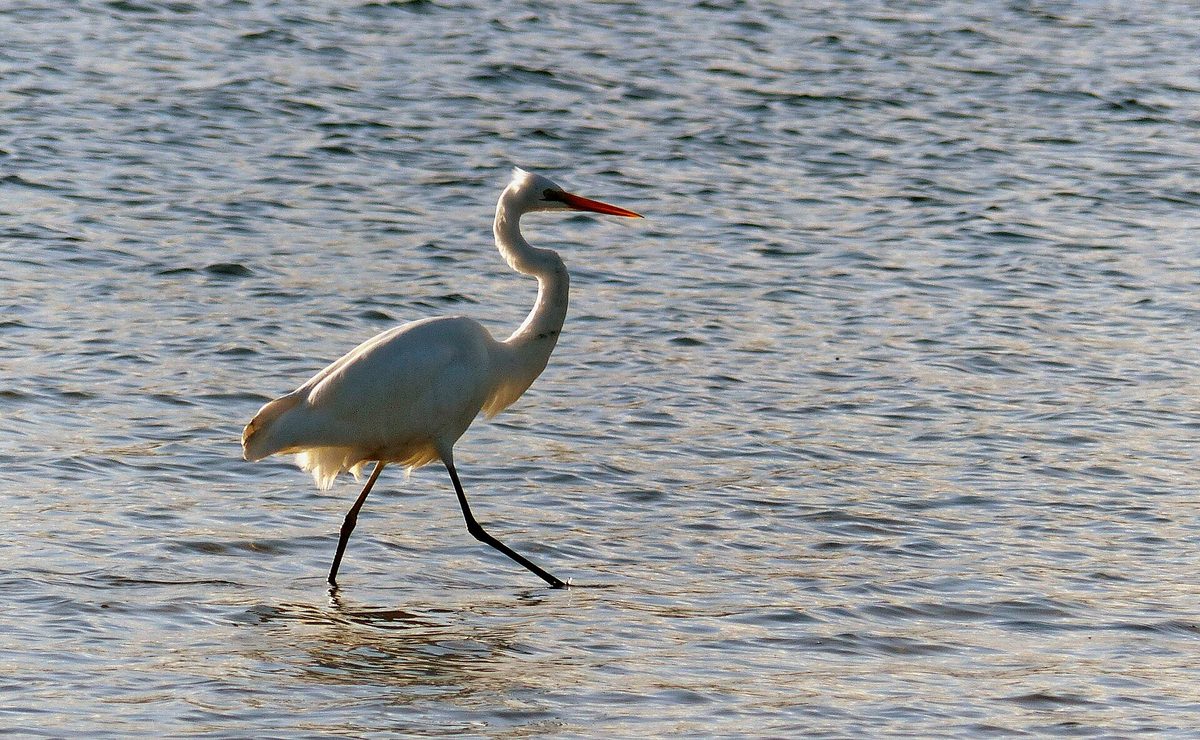
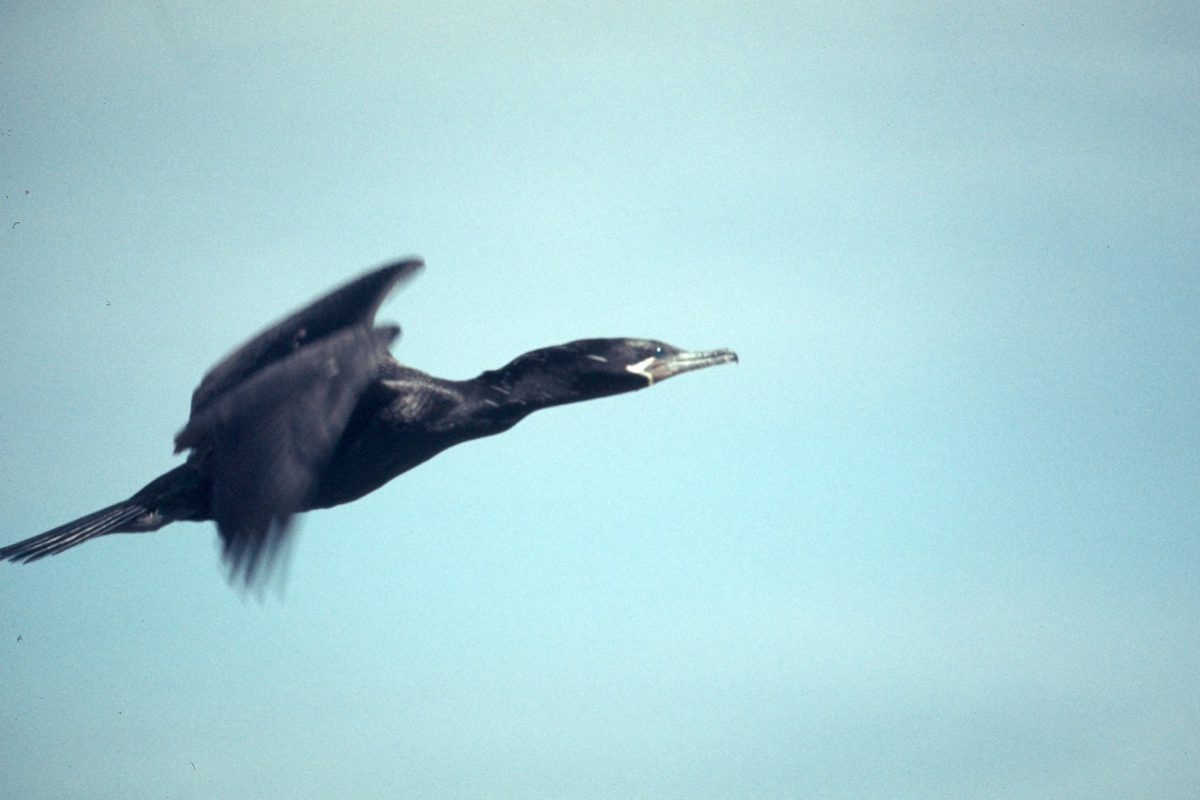
The headline number is “more than 80 species,” but that undersells how varied the cast is. On the open water and in the reeds you’ll typically find American coots paddling in noisy little flotillas, common moorhens skulking at the edges, and white-cheeked pintails — handsome brown ducks with a powder-blue bill — dabbling in the shallows. Least and pied-billed grebes dive and pop back up like wind-up toys. Green herons freeze on the bank, and there’s a large resident roost of neotropic cormorants that fly in to dry their wings on the dead branches.
Then there are the wading birds that give the place its drama: great egrets and snowy egrets, tricolored and little blue herons, the occasional black-crowned night heron, and a scatter of gulls, terns and skimmers working the water. During migration the mudflats fill with sandpipers and other shorebirds passing through, and if you’re patient — and a little lucky — you might pick out a sora, a secretive marsh rail that birders prize, picking its way along the open edge.
Don’t keep your eyes only on the water. The dry scrub on the seaward side of the ponds is its own habitat. This is where you’ll hear the buzzy song of bananaquits, watch ruby-topaz hummingbirds flash metallic orange in the sun, and spot eared doves, common ground doves and, around dawn and dusk, the white-tailed nightjar. Burrowing owls nest in this scrub too, which means Aruba’s most famous bird can sometimes be seen at the same stop as its waterbirds.
The Bubali Bird Sanctuary observation tower
For years the signature feature here was a two-level wooden observation tower on the north side of the ponds, built so birdwatchers could look down over the reed beds and across the open water — the kind of vantage point that turns a distant smudge into a clearly identifiable heron. When it’s open, it’s the best spot in the sanctuary, especially at first light.
Be aware, though, that the tower’s condition has been uncertain. The sanctuary suffered a serious fire in 2018 that destroyed roughly a quarter of the wetland, and the wooden structure has weathered hard in the salt air over the years. It has been closed or restricted at times for safety and repairs. Don’t build your whole visit around climbing it — plan to bird from ground level along the edge, and treat the tower as a bonus if it’s open and safe. As always on Aruba, the honest move is to check current conditions locally before you go.
What it’s actually like to visit
Set your expectations correctly and you’ll love it. This is not a manicured nature center with a gift shop and a café — it’s a working wetland with a dirt parking area, a bit of boardwalk, and not much shade. The reward is intimacy: you can stand a few meters from feeding egrets with no crowd, no entrance line and no fee, while the whole machinery of a Caribbean resort hums a few hundred meters away.
Bring binoculars — this is the one piece of gear that transforms the visit — and a zoom lens if you’re shooting photos. Wear closed shoes, because the ground can be muddy near the water. Most of all, go early or late. In the middle of a sunny day the birds hunker down and the heat off the water is brutal; in the soft light of early morning or the hour before sunset, the place comes alive and the photographs look like something out of a documentary.
How to get there and what’s nearby
The sanctuary sits on the L.G. Smith Boulevard / Bubali area between Palm Beach and Eagle Beach, and the easiest landmark is the Old Dutch Windmill (De Olde Molen) — you genuinely can’t miss it, because the ponds are right across the road from the windmill. If you’re staying in the high-rise hotel zone around Palm Beach, you can walk; from most low-rise Eagle Beach properties it’s a short drive or a quick hop on Arubus along the main road. There’s a small unpaved area to pull in and park.
Because it’s so central, Bubali is one of the rare Aruba attractions you can fold into a normal beach day without losing half of it. Birdwatch at dawn, be on the sand by mid-morning, and you’ve done both. For more on getting around the island without overpaying for taxis, see our guide to getting to and around Aruba, and if you’re still choosing a base, our overview of where to stay in Aruba explains why Palm and Eagle Beach put you closest to the sanctuary.
Combine it with these nearby stops
- The Old Dutch Windmill — directly across the road, a 19th-century mill shipped over from the Netherlands and now a local landmark and restaurant. A natural photo stop on the way in or out.
- The Butterfly Farm — a short distance away near Palm Beach, a screened tropical garden full of free-flying butterflies. Pairing the two makes an easy, low-effort wildlife morning, especially with younger kids.
- Palm Beach and Eagle Beach — the island’s two flagship stretches of sand are minutes away. See our full rundown of Aruba’s best beaches to plan the rest of your day.
- Bubali to the north tip — the sanctuary slots neatly into a leisurely drive up the leeward coast toward the California Lighthouse and the peaceful Alto Vista Chapel, two of the quieter highlights in the north.
Is it worth visiting with kids?
Yes — with the right framing. Bubali is free, quick, and genuinely exciting if your children like animals, because the birds are close and constantly moving. It’s not a playground, so it works best as a 30-to-45-minute stop rather than a whole outing, ideally bundled with the Butterfly Farm or a beach. Bring water and bug spray, keep little ones away from the muddy pond edges, and let them borrow the binoculars. For more ideas, our guide to Aruba with kids and our roundup of free things to do in Aruba both feature the sanctuary for exactly this reason.
It’s also a surprisingly romantic stop at golden hour. Couples planning an Aruba honeymoon who want something gentler than a booze cruise often find that watching the cormorants come in to roost, then walking over to dinner at the windmill, makes a lovely low-key evening.
Birdwatching in Aruba beyond Bubali
Bubali is the easy win, but it’s only the start. Aruba has recorded somewhere north of 200 bird species, and the island’s mix of desert scrub, salt pans, mangrove lagoons and rocky hills means different habitats turn up very different birds. If you’ve caught the bug at the ponds, here are the other places worth your binoculars.
Arikok National Park and Spanish Lagoon
Nearly a fifth of Aruba is protected inside Arikok National Park, and it’s the heart of the island’s wild side. The rugged interior is where you’ll see crested caracaras perched boldly beside the gravel roads, troupials flashing orange, and bananaquits everywhere. Tucked into the park’s southwest edge is Spanish Lagoon (Spaans Lagoen), Aruba’s only Ramsar-listed wetland of international importance — a mangrove-fringed inland bay that acts as a nursery for fish and a feeding ground for herons, egrets, sandpipers and fish-hunting ospreys. For the full picture of trails, caves, beaches and wildlife, start with our pillar guide to Arikok National Park and Aruba’s natural wonders, which this sanctuary guide sits beneath.
Tierra del Sol and the golf-course owls
One of the island’s worst-kept birding secrets is that the Tierra del Sol golf resort in the northwest is a reliable place to see burrowing owls. Birders have long traded tips about checking specific holes near the sand traps at first light, where the little owls stand sentry by their burrows in plain sight. You don’t need to play a round — just be respectful of golfers and stay on the cart paths and edges.
The salinas of San Nicolas and the south
Down at the island’s quieter southern end, around San Nicolas, a series of salt pans and saliñas (shallow salt ponds) attract shorebirds, terns, black-necked stilts and, on a good day, wandering flamingos that drift over from nearby Venezuela or Bonaire. These spots take more effort to reach but reward birders looking for waders away from the resort strip.
Frenchman’s Pass and the cunucu
Frenchman’s Pass (Franse Pas), a leafy limestone gully near Spanish Lagoon, is another shady pocket of greenery that concentrates birds in the dry season — a good place for parakeets, doves and the occasional owl. More broadly, the cunucu — Aruba’s rural backcountry of cactus fences, divi-divi trees and old farmhouses — is where dawn birding from any quiet road can turn up a surprising amount.
Aruba’s most iconic birds
You don’t need to be a serious birder to enjoy these. A handful of species are so distinctive — and so woven into Aruban culture — that spotting them becomes a highlight of the trip.
The shoco (Aruban burrowing owl)
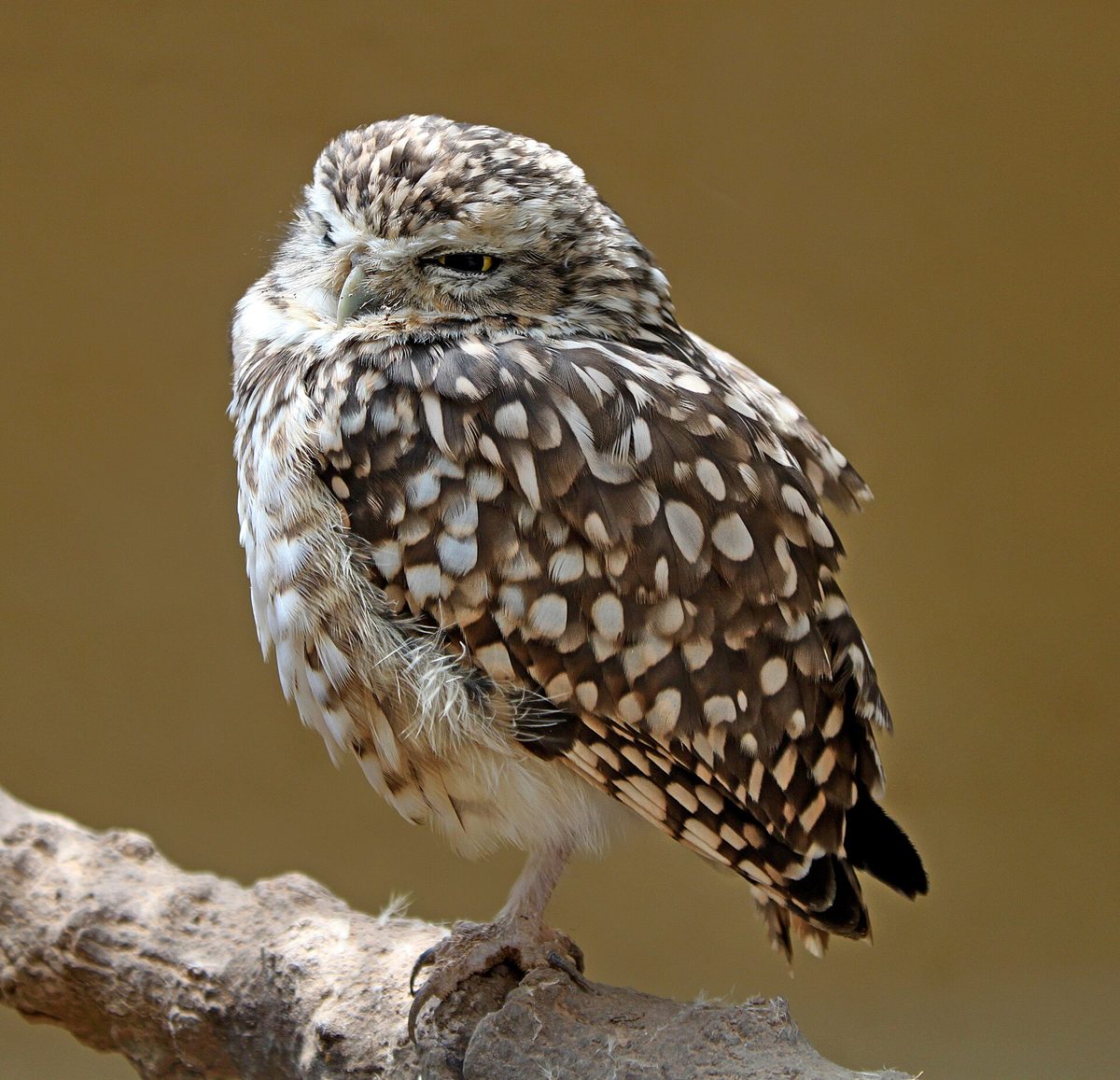
The burrowing owl, known locally as the shoco, is Aruba’s national symbol and the bird Arubans are proudest of. Unlike most owls it’s active by day, nests in burrows in the ground, and stands only about 20 centimeters tall, often bobbing comically when it spots you. The local subspecies is found only on Aruba, which makes every sighting feel special. Numbers are vulnerable, so admire them from a distance and never approach a burrow.
The prikichi (brown-throated parakeet)
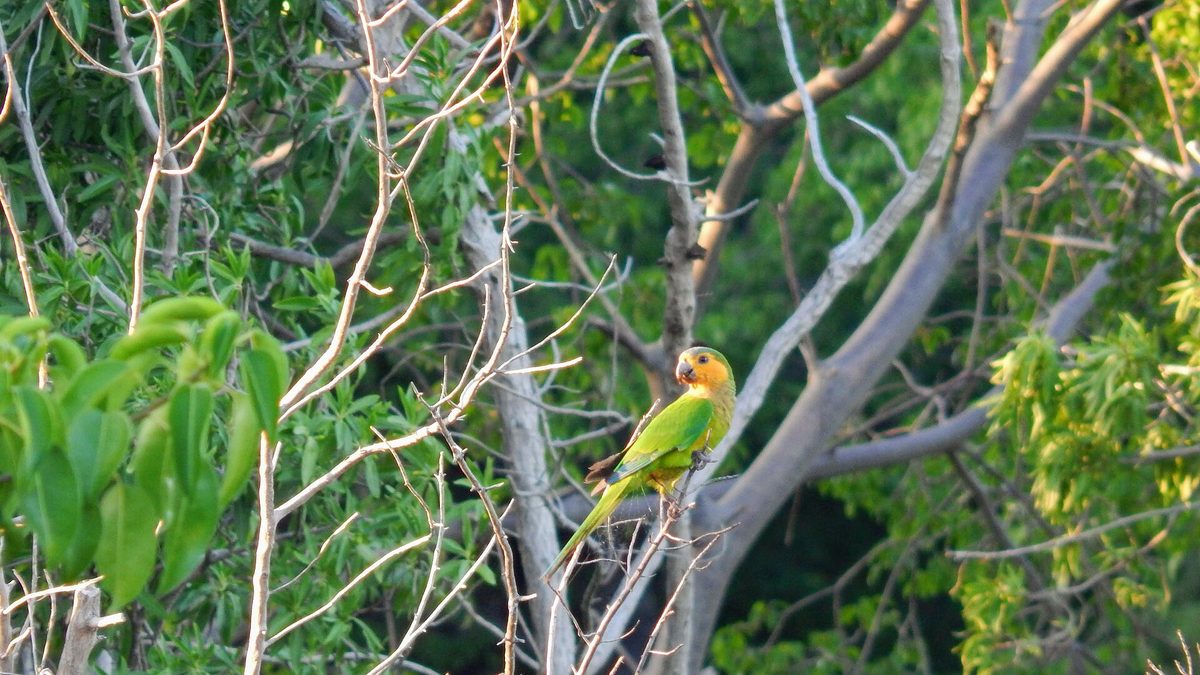
If you see a flash of bright green and hear raucous screeching from a divi-divi tree, that’s the prikichi, Aruba’s brown-throated parakeet. They travel in noisy, fast-moving flocks and are one of the most charismatic birds on the island. Sadly, the introduction of boa constrictors to Aruba in the late 1990s has hit native birds hard, and the prikichi is among the species that have declined as a result — a sobering bit of context for an otherwise cheerful bird.
The troupial, bananaquit and bare-eyed pigeon
The troupial is a large, vivid orange-and-black oriole with a piercing whistle — impossible to miss when one lands nearby. The tiny bananaquit, with its yellow belly and curved bill, is the bird you’ll most likely meet first, often raiding the sugar bowls and flowering shrubs right at your hotel. The bare-eyed pigeon, with its pale blue eye-ring, is common in the scrub. Together they make up the everyday soundtrack of the cunucu.
Flamingos on Renaissance Island
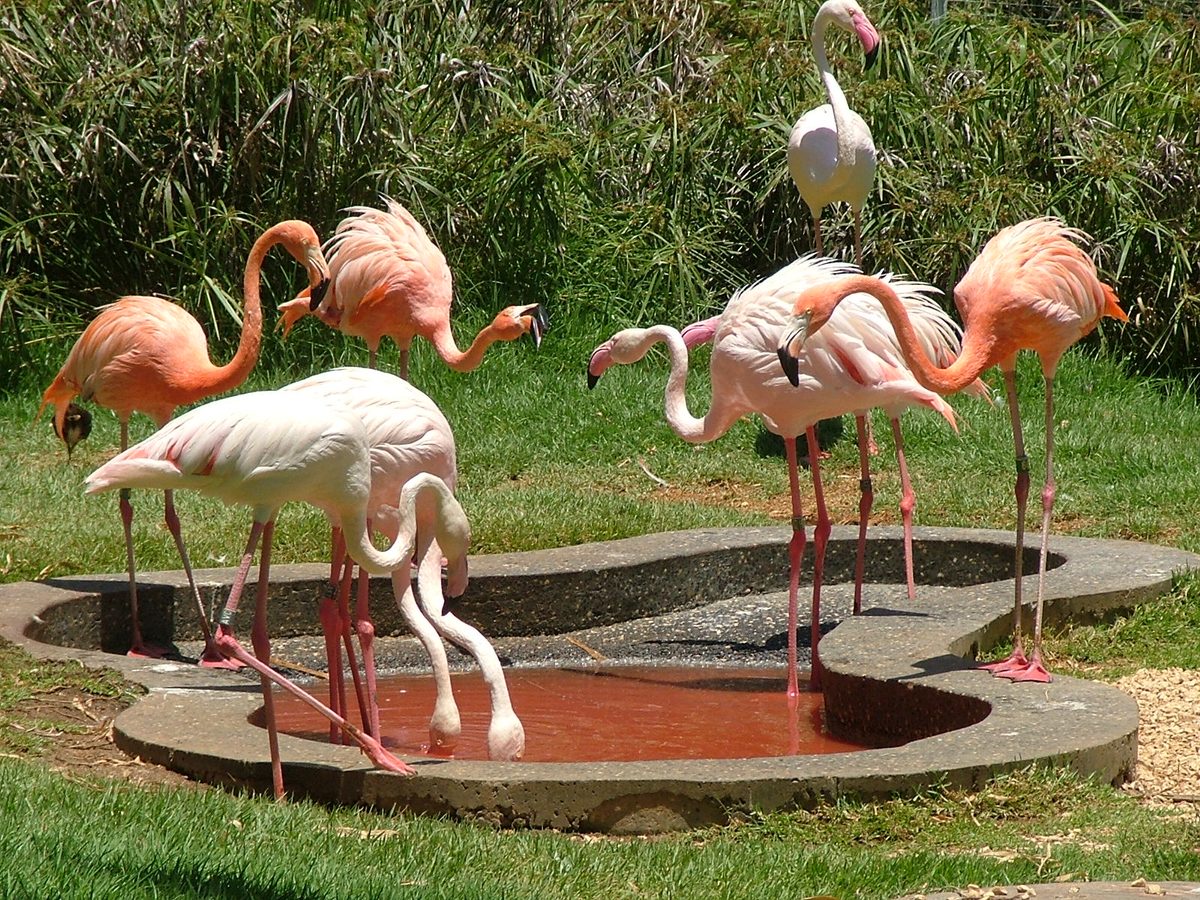
The question every visitor asks: where are the flamingos? The famous pink flamingos you’ve seen all over Instagram live on Flamingo Beach on Renaissance Island, a private island owned by the Renaissance resort near Oranjestad. They are not wild Aruban birds — they were brought in and are kept on the island — and access is restricted to Renaissance hotel guests or, when available, paid day passes that tend to sell out fast. Wild flamingos do occasionally turn up in the southern salinas, but for a guaranteed close encounter, the private island is the place.
Best time to go birdwatching in Aruba
Two different clocks matter here: the time of day and the time of year. Get both right and Aruba’s birding goes from pleasant to genuinely memorable.
Time of day
Go early or late. Birds are most active in the cool of early morning, roughly the first two or three hours after sunrise, and again as the light softens before sunset — which is exactly when the roost flights over Bubali are at their best. The harsh midday sun flattens the colors, sends the birds into the shade, and bakes you on the shadeless banks. Sunrise is also when the burrowing owls and parakeets are easiest to find.
Time of year
Aruba is a year-round birding destination because so many resident species are always present, but the variety peaks in the cooler months. The window from roughly October through March brings North American migratory shorebirds and waterfowl down to the ponds and salinas, stacking migrants on top of the residents. Aruba sits below the hurricane belt and stays dry and breezy most of the year, so weather rarely derails a birding plan; for the bigger seasonal picture, our guide to the best time to visit Aruba breaks down the months in detail.
Make a day of it: birding in your wider trip
The beauty of birdwatching on Aruba is how easily it slots around everything else. A typical great day might look like this: be at the Bubali Bird Sanctuary by 7am, move to Eagle Beach for a few hours of sand and swimming, drive up to the California Lighthouse for lunch with a view, and finish with sunset somewhere on the leeward coast. Birding doesn’t have to be a separate, gear-heavy expedition — it’s a free, flexible add-on to the trip you’re already taking.
For help building that wider itinerary, our Aruba itinerary guide maps out day-by-day plans, while our roundups of the best things to do in Aruba and more unusual things to do in Aruba put the sanctuary in context alongside the island’s bigger hitters. If you’d rather have a guide point out the species you’d miss on your own, browse organized Aruba excursions, some of which include dedicated birding and nature tours.
What it costs
This is the easy part: visiting the Bubali Bird Sanctuary costs nothing. There’s no entrance fee, no parking charge and no need to book — it’s one of the best free experiences on the island, which is partly why it’s such a smart stop on any budget. The only real “cost” is gear you’ve probably already packed, plus a guided tour if you choose one. For the bigger financial picture, our Aruba vacation cost guide covers what a trip actually runs, and our Aruba travel tips cover the practical details — sun, water, insects and driving — that make a stop like this go smoothly.
A quick word on conservation
Aruba’s birds face real pressures: the 2018 fire at Bubali, the encroachment of vegetation slowly shrinking the open water, and the ongoing damage from introduced boa constrictors that prey on native birds. Local conservation groups work to protect these habitats, and you can help simply by visiting responsibly — stay on paths, keep your distance from nesting birds, take your trash with you, and never feed or chase wildlife. Treating the sanctuary gently is the price of admission for a place that doesn’t charge one.
Bubali Bird Sanctuary: frequently asked questions
Is the Bubali Bird Sanctuary free to visit?
Yes. There is no entrance fee, no ticket and no parking charge. The sanctuary is open to the public from roughly dawn to dusk, with no gates or set hours. That makes it one of the best free things to do on Aruba, and an easy stop to add to a beach day. You only pay if you choose to join a guided birding tour.
Where is the Bubali Bird Sanctuary located?
It’s in the district of Noord on Aruba’s leeward coast, just inland from Palm Beach and Eagle Beach. The simplest landmark is the Old Dutch Windmill — the ponds sit directly across the road from it. From most Palm Beach hotels you can walk; from Eagle Beach it’s a short drive or a quick ride on the Arubus along the main road.
What birds can you see at Bubali Bird Sanctuary?
More than 80 species use the wetland. Expect herons and egrets, a large roost of neotropic cormorants, American coots, common moorhens, white-cheeked pintails, grebes, gulls and terns, plus migratory shorebirds in the cooler months. The surrounding scrub adds bananaquits, hummingbirds, doves and burrowing owls, so you can see both waterbirds and desert species in one visit.
Is the Bubali observation tower open?
It varies. The wooden observation tower has been closed or restricted at times due to weathering and damage, including after the 2018 fire that hit the sanctuary. When it’s open and safe, it offers the best views over the ponds, but you shouldn’t count on it. Plan to bird from ground level along the edges and check current conditions locally before you visit.
When is the best time to visit for birdwatching?
Early morning and the hour before sunset are best, when birds are active and the light is soft — dusk is when the roost flights are most dramatic. For variety, visit between October and March, when migratory shorebirds and waterfowl join the resident birds. Midday is the weakest time: hot, shadeless and quiet, with most birds resting out of sight.
Are there flamingos at the Bubali Bird Sanctuary?
Not reliably. The famous pink flamingos live on Flamingo Beach on Renaissance Island, a private island near Oranjestad, and they were introduced rather than wild. Wild flamingos occasionally appear in Aruba’s southern salinas, but you won’t usually find them at Bubali. For a guaranteed close encounter, you’ll need access to Renaissance Island as a hotel guest or via a day pass.
How long should I spend at the sanctuary?
Most people spend 30 minutes to a couple of hours. A quick stop is enough to see plenty of birds, while keen birdwatchers or photographers happily linger longer, especially at dawn or dusk. Because it’s so central, it’s easy to fit a short visit around a beach day rather than setting aside a whole morning for it.
Final thoughts
Aruba sells itself on beaches, and rightly so — but the island has a quieter, wilder side that most visitors walk right past. The Bubali Bird Sanctuary is the best example: a free, unpolished marsh behind the hotels where, twice a day, hundreds of birds put on a show with no admission line and no crowd. Bring binoculars, go at dawn or dusk, keep your expectations honest about the heat and the mosquitoes, and you’ll come away with one of the most memorable hours of your trip.
Pair it with Arikok, the southern salinas and a sunrise at a quiet golf course, and you’ll see that for a 70-square-mile desert island, Aruba is an unexpectedly rich place to watch birds. For everything else worth doing once you’ve put the binoculars down, our guide to the best things to do in Aruba is the place to start.
By the ArubaTourism.org team — Last updated June 2026.
Photo credits
- Great egret in shallow water — Photo: Bernard Spragg. NZ (CC0) via Wikimedia Commons.
- Neotropic cormorant in flight — Photo: Warren Garst / CC BY-SA 4.0 via Wikimedia Commons.
- Burrowing owl (shoco) — Photo: H. Zell / CC BY-SA 3.0 via Wikimedia Commons.
- Brown-throated parakeet (prikichi) — Photo: WillemVanA (CC0) via Wikimedia Commons.
- Pink flamingos — Photo: SuperJew / CC BY-SA 3.0 via Wikimedia Commons.