Yes, the Donkey Sanctuary is absolutely worth a stop, and yes, it’s free to walk in. This volunteer-run refuge near Santa Cruz is one of the few places on the island where you can spend an unhurried half hour scratching velvety ears, hearing a chorus of brays, and learning a slice of local history that has nothing to do with a beach bar. I’ve sent first-timers, repeat visitors, and skeptical teenagers out here, and almost everyone comes back grinning.
If you’re weighing up the donkey sanctuary aruba against the usual cruise-day checklist, here’s the honest pitch: it’s low-key, genuinely charitable, and one of the best free things on the island for families and animal lovers. It won’t eat your whole day. But it’s the kind of small, sincere place that ends up on people’s “favorite moment” list, often above the things they paid a fortune for.
The short version: The Aruba Donkey Sanctuary is a non-profit refuge in Bringamosa, just outside Santa Cruz, that cares for more than 130 rescued donkeys. Entry is free (donations fund everything), it’s open daily during the day, and you can feed and pet the donkeys. Budget around 30 to 60 minutes, and bring a car or a taxi, because there’s no bus to the gate.
Who this guide is for: families with kids, couples wanting a gentle morning, cruise passengers with a half-day, animal lovers, and anyone looking for a rainy-day or beach-break alternative that supports a good cause.
Aruba Donkey Sanctuary at a glance
| Detail | What to know |
|---|---|
| What it is | Non-profit refuge for rescued donkeys, run by volunteers |
| Location | Bringamosa, near Santa Cruz (interior of the island) |
| Hours | Around 9am-4pm most days; weekends often open a bit later (roughly 10am-3pm). Closed January 1. Check current times before you go. |
| Cost | Free entry; donations strongly encouraged. Feed cans around US$2-3; symbolic adoption around US$200/year. |
| How long to visit | 30-60 minutes is typical |
| Good for | Families and kids, couples, cruise day, rainy days, animal lovers |
| Getting there | Rental car or taxi; last stretch is a bumpy dirt road |
| Facilities | Visitor center, gift shop, cold drinks/snacks, restrooms, shaded seating, free parking |
A quick word on the practical details before we dig in: like a lot of small, donation-funded places, the sanctuary’s exact hours and prices can shift season to season. I’ve used “around” on purpose throughout this guide. For the current schedule, double-check the sanctuary’s official website (arubandonkey.org) or its Facebook page the day before you visit.
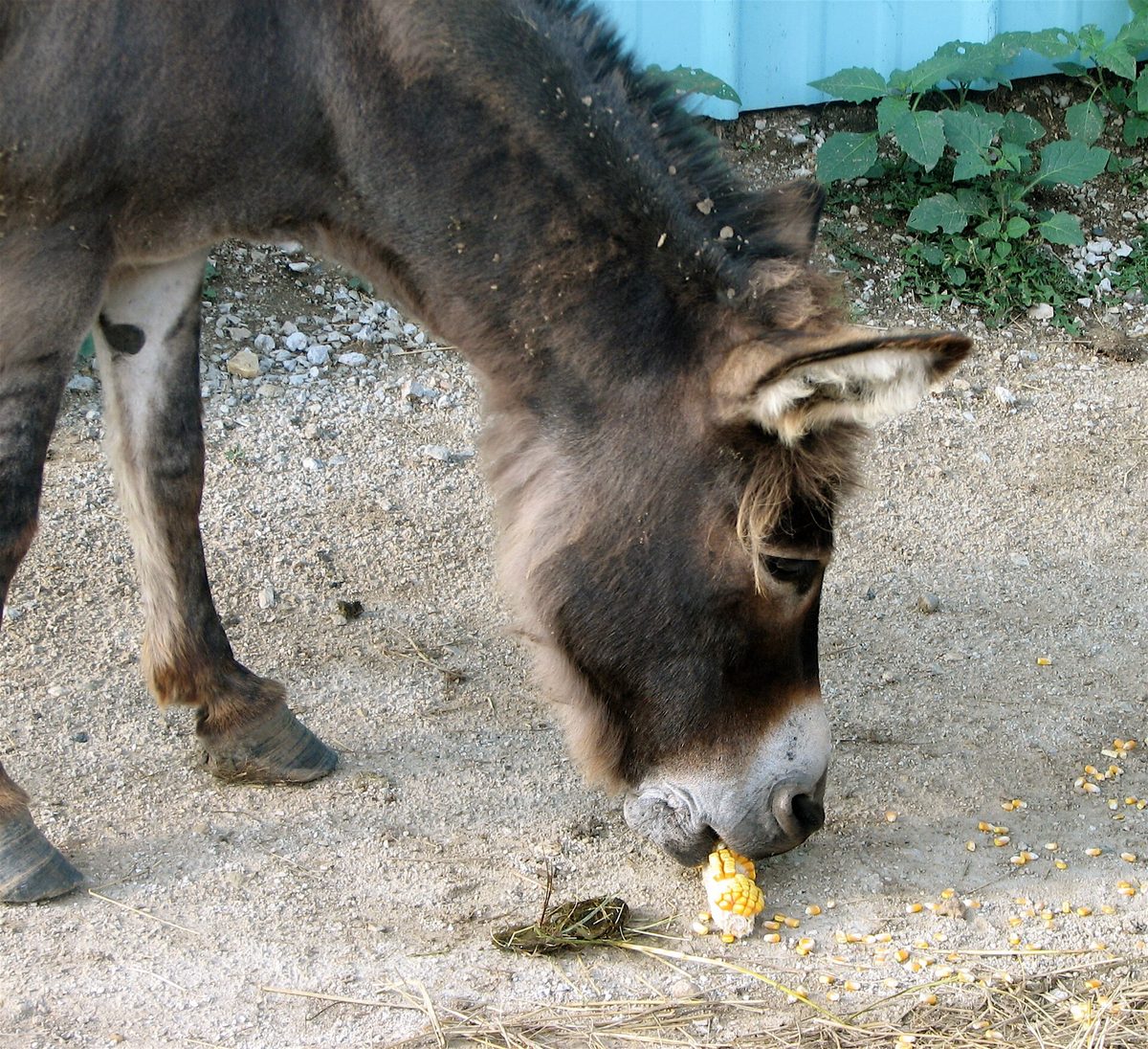
Why Aruba has a donkey sanctuary at all
This is the part most visitors don’t expect, and it’s the part that turns a cute animal stop into something more meaningful. Donkeys aren’t native to Aruba. They were brought here by Spanish colonists roughly 500 years ago, landed via Savaneta and Barcadera, and put to work. In Papiamento, the local language, a donkey is a burico, and for centuries the burico was the engine of the island.
Before cars, donkeys carried people, hauled water, and pulled carts loaded with goods across the cactus-studded interior. At their peak there were said to be around 1,500 of them, and they were genuinely central to daily life. Children who misbehaved in school were once scolded as a “burico” — that’s how woven into the culture these animals were.
Then the 20th century happened. Cars, bicycles, and motorbikes made the donkey redundant, and many owners simply let their animals loose to fend for themselves. Donkeys are tough and need little to survive, so for a while the free-roaming population did fine. But they couldn’t outrun everything. Traffic killed many on the roads. A severe disease swept through in the early 1970s. And a growing society increasingly treated them as pests.
By the early 1970s, by some counts, only about 20 donkeys were left on the island. The species that had built Aruba was nearly wiped out. In the late 1980s, concerned residents pushed the issue to the government, protective measures followed, and in 1997 the Donkey Sanctuary became a reality, a safe place where the survivors could live out their lives. The herd has grown to more than 130 today.
So when you hand a carrot to a donkey here, you’re not just feeding an animal. You’re propping up the tail end of a 500-year story that nearly ended in the 1970s. That context is exactly why I think the sanctuary punches above its weight as an attraction. If you like this kind of layered, place-rooted history, it pairs beautifully with the rest of the island’s heritage and natural sites, which I cover across our wider guide to Arikok National Park and Aruba’s natural wonders.
One detail I love: every donkey at the sanctuary is named and known as an individual, not just a number in a herd. The volunteers can tell you their backstories — which ones were road-accident survivors, which were abandoned as foals, which are the troublemakers. That personal, name-by-name care is the difference between a roadside petting zoo and a true refuge, and it’s a big part of why the place feels so warm.
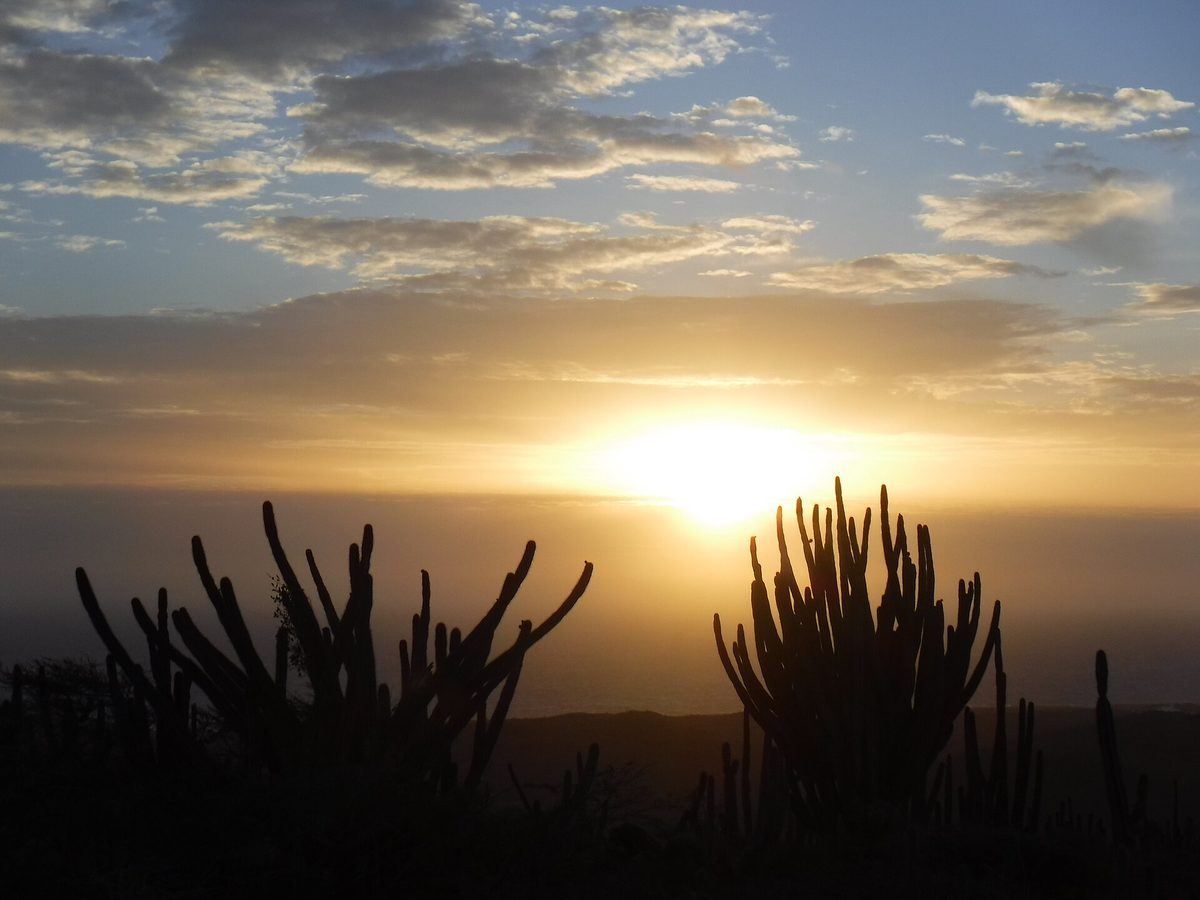
What a visit to the donkey sanctuary aruba is actually like
Pull up the dirt track and the first thing you’ll notice is the sound. A donkey’s bray carries, and as you approach, a few of them tend to announce your arrival. Park in the free lot, wander to the visitor center, and you’re essentially free to roam at your own pace. Volunteers are usually around to answer questions, point you toward the feed, and tell you which donkeys are the friendliest (every herd has its extroverts).
The core of the experience is simple and hands-on: you walk among the donkeys, you feed them, and you pet the ones who lean in for it. Many will amble straight over to investigate you, especially if they suspect you’re carrying snacks. Others are shyer and hang back. There’s no script, no show, no scheduled feeding time you have to catch. It’s about as relaxed as an animal encounter gets.
Feeding the donkeys
Feeding is the highlight for most people, kids especially. The donkeys love apples and carrots, so it’s worth grabbing a bag from a supermarket on the way (chopping them a bit helps). If you arrive empty-handed, no problem: the sanctuary sells cans of feed pellets on-site for a couple of dollars, and the proceeds go straight back into caring for the herd. A flat, open palm is the donkey-safe way to offer a treat, and the volunteers will happily show first-timers the ropes.
The “donkey hug” and quiet time
Here’s a charming Aruban twist. As a Dutch-affiliated island, Aruba has borrowed the Dutch wellness idea of koe knuffelen — cow hugging — and applied it to donkeys. For a donation you can arrange a calmer, more private session: 30-plus minutes of hugging, brushing, and simply being around these gentle animals. It sounds a little silly until you try it. Leaning against a warm, unbothered donkey is genuinely soothing, and it’s become a quietly popular thing to do.
The other residents
The donkeys are the stars, but they’re not the only animals you’ll meet. Over the years the sanctuary has become a soft landing for other creatures too — you’ll often spot roosters strutting around, the occasional peacock, and resident cats sunning themselves. It adds to the relaxed, working-refuge feel of the place.
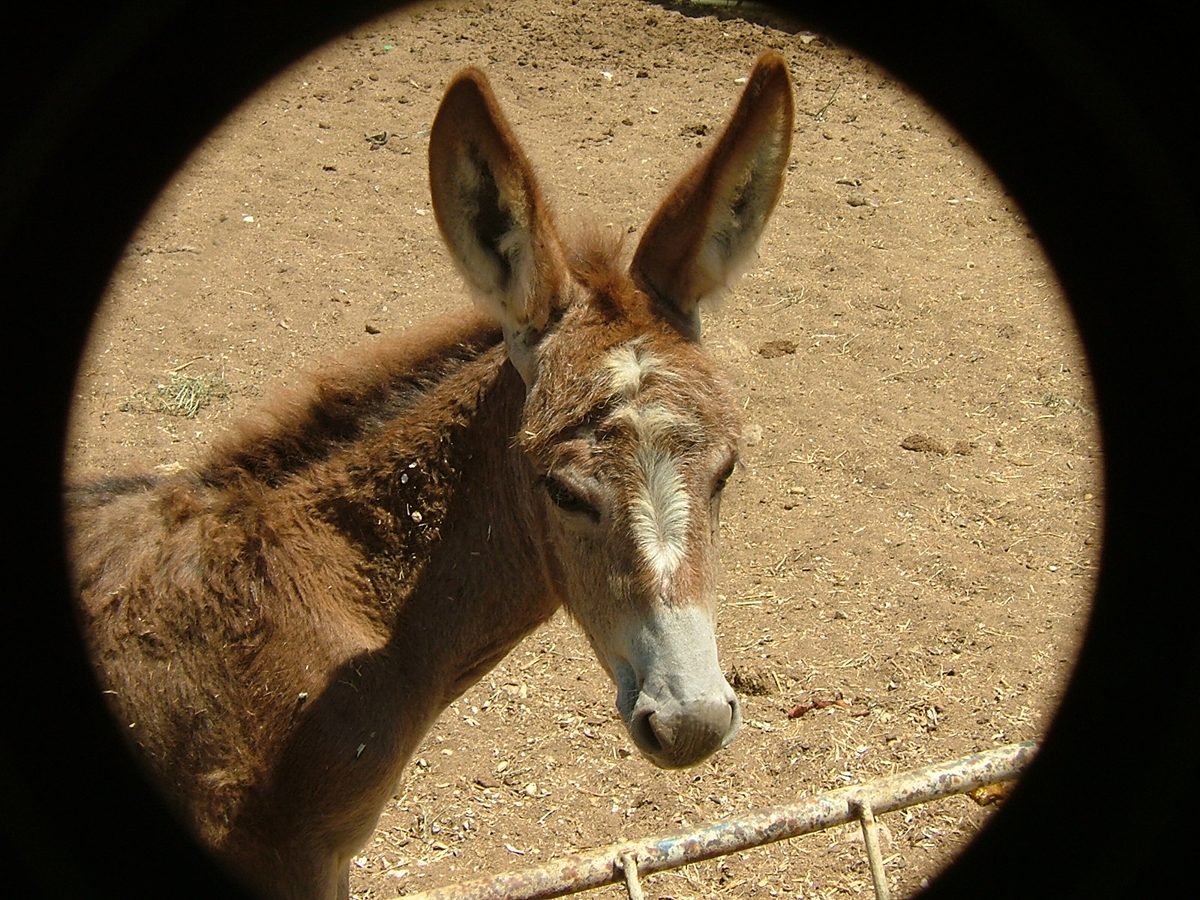
Facilities and gift shop
The newer Bringamosa site is far better equipped than the old one. There’s a cozy visitor center, a covered porch where you can sit in the shade with a cold drink or a coffee, clean restrooms, and plenty of parking. The gift shop sells donkey-themed souvenirs — magnets, plush toys, T-shirts, that kind of thing — and again, buying something here is a direct way to support the cause. It’s a good spot to grab a memento that actually means something.
Getting there and planning your visit
The sanctuary sits in Bringamosa, a quiet, slightly elevated pocket of the island near Santa Cruz, well away from the high-rise hotel strip. That location is part of its charm, but it does mean you need your own wheels. There’s no public bus that drops you at the gate, so plan on a rental car or a taxi.
Driving directions
From the Palm Beach and Eagle Beach hotel area, the simplest route is to take Route 4A and follow it inland for roughly 14 km, continuing through the roundabouts until you see signs for the French Men’s Pass. Turn left there, then take the first left and the second right. The final stretch is an unpaved dirt road — go slowly — and the sanctuary appears after about 200 meters. If you’d rather not navigate by landmarks, plug “Donkey Sanctuary Aruba” into your maps app; the GPS pin is reliable. For a fuller rundown of car rentals, taxis, and island driving, see our guide to getting to and around Aruba.
By taxi or as a tour
A taxi will happily run you out and back, but agree the fare and a pickup time before you set off, since you won’t easily flag one down in Bringamosa. Alternatively, several island guided excursions bundle the sanctuary with other animal stops like the ostrich farm and Philip’s Animal Garden, which is a tidy option if you don’t want to drive the dirt roads yourself.
How long to budget
Most people spend 30 to 60 minutes here. Half an hour is enough for a quick feed and a wander; an hour lets you slow down, do a hug session, browse the gift shop, and really soak it in. It’s not an all-day attraction, which is exactly why it slots so neatly into a half-day plan with nearby sights. If you’re piecing together a day, our Aruba itinerary guide can help you sequence it sensibly.
When to go and what to wear
Mornings tend to be cooler and the donkeys a touch more active, so I’d aim for an earlier visit if you can. It’s an outdoor, dusty, sun-exposed environment, so wear closed shoes you don’t mind getting dirty, a hat, and sunscreen. Aruba’s climate is reliably warm and dry year-round, but if you want the seasonal details, our breakdown of the best time to visit Aruba covers it. And because the sanctuary works rain or shine, it’s a smart card to keep up your sleeve for one of Aruba’s rare gray days.
Is the donkey sanctuary right for your trip?
It’s a flexible little stop that suits a lot of different travelers, but here’s how I’d frame it depending on who you are.
Families with kids
This is, hands down, one of the best stops on the island for children. Feeding a friendly donkey from your palm is the kind of simple, screen-free thrill that kids talk about for the rest of the trip, and the free admission keeps a family outing painless on the wallet. It pairs naturally with the island’s other animal experiences; if you’re building a kid-focused trip, our guide to Aruba with kids rounds up the rest.
Couples and honeymooners
It’s not romantic in the candlelit-dinner sense, but a quiet morning hugging donkeys is a disarmingly sweet, slightly offbeat thing to do together, and a nice palate-cleanser between beach days and fancy meals. Couples planning the trip of a lifetime can fold it into a broader plan via our Aruba honeymoon guide.
Cruise passengers
If you’re in port for the day and want something beyond the duty-free shops, the sanctuary is doable, but factor in drive time from the cruise terminal in Oranjestad and keep a close eye on your all-aboard time. Going with an organized tour takes the timing stress off your shoulders.
Budget travelers
Free entry makes this an easy win. It’s a regular fixture on our roundup of free things to do in Aruba, and it’s proof that some of the most memorable island experiences cost nothing but a donation and a bag of carrots. For the bigger picture on stretching your money here, see our Aruba vacation cost guide.
Combine the sanctuary with nearby attractions
The smartest way to visit is to treat the sanctuary as one beat in a larger loop through Aruba’s interior and rugged north coast. Its Bringamosa location puts it within an easy drive of several of the island’s headline natural sights.
- Arikok National Park. The island’s vast desert wilderness of caves, dunes, and dramatic coastline is close by and easily the anchor of a day out here. It’s the centerpiece of our Arikok National Park guide, the pillar this article belongs to.
- The Natural Bridge. Aruba’s famous coral-rock arch (and the smaller “baby bridge” beside it) is a classic north-coast stop. Details in our Natural Bridge guide.
- Ayo and Casibari Rock Formations. Surreal boulder fields you can scramble around, both a short hop from the sanctuary.
- California Lighthouse and Alto Vista Chapel. If your loop swings toward the northwest, the California Lighthouse and the peaceful Alto Vista Chapel are worthy add-ons.
For the full menu of options across the island, our roundups of the best things to do in Aruba and the more offbeat unique things to do in Aruba will give you plenty to slot around it.
If the place gets under your skin, there’s a deeper way to get involved: the sanctuary welcomes volunteers, and travelers staying longer on the island sometimes pitch in with the morning chores — feeding, grooming, and mucking out. It’s hot, humble work, but rewarding, and a world away from a typical resort holiday. Where you base yourself shapes how easy these interior day trips are; our guide to where to stay in Aruba breaks down the neighborhoods, and for the broader logistics of an island visit, our Aruba travel tips and roundup of things to do in Aruba fill in the rest.
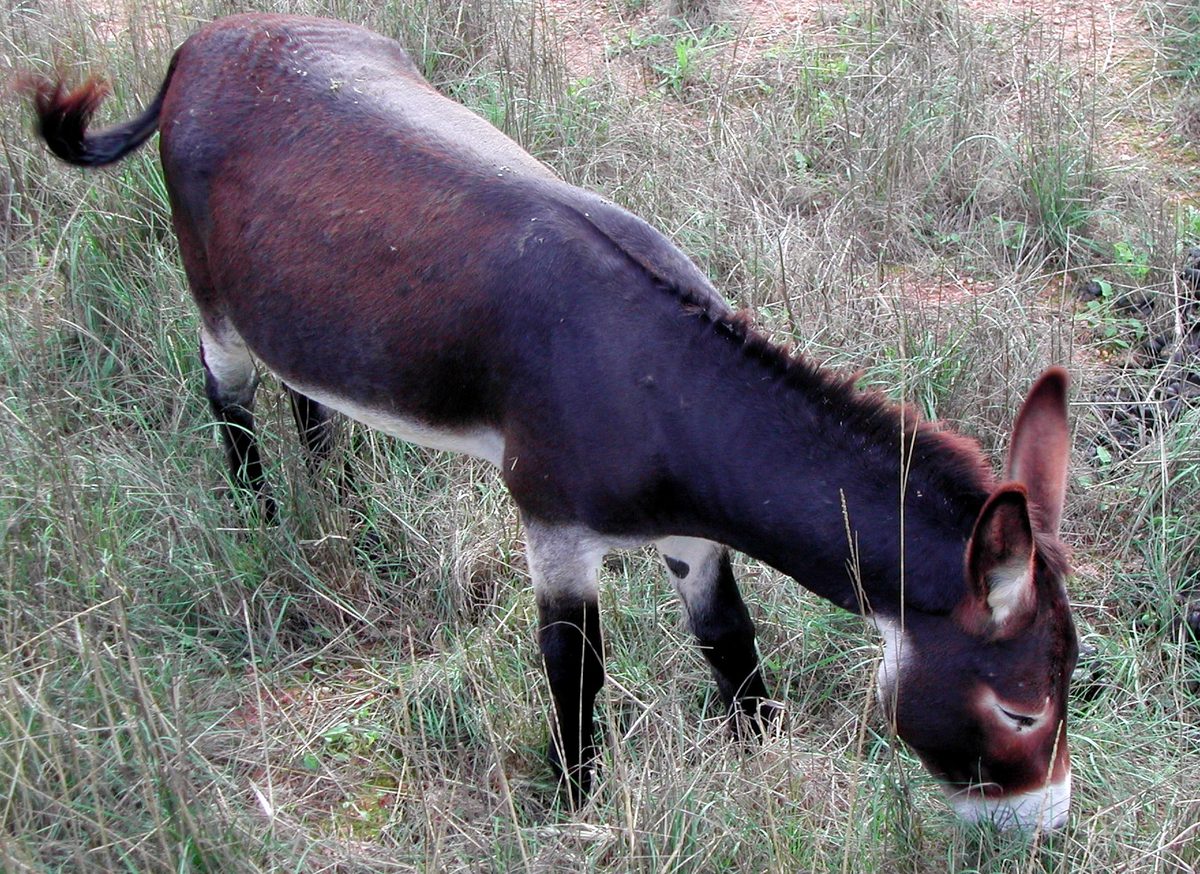
The charity behind the donkeys
It’s worth restating, because it shapes everything about the visit: this is a non-profit, not a commercial attraction. The whole operation — food, veterinary care, shelter, the staff who muck out and feed and nurse the sick ones — runs on donations, gift-shop sales, and the symbolic adoption program. For around US$200 a year you can sponsor a specific donkey, which makes a genuinely thoughtful gift and helps keep a named animal fed and cared for. Drop something in the donation box, buy a souvenir, sponsor a donkey, or just bring a generous bag of carrots. It all goes to the same place. After 1997, and after coming back from the brink of just 20 animals, the herd’s survival is a small conservation success story that’s still being written, and visitors are a real part of how it keeps going.
Visitor tips and donkey etiquette
A few small things make the visit smoother for you and kinder to the animals.
- Bring the right snacks. Apples and carrots are the crowd-pleasers. Skip bread, candy, and processed human food, which isn’t good for them.
- Feed with a flat palm. Offer treats on an open hand rather than with pinched fingers. Donkeys are gentle, but big teeth and small fingers don’t mix.
- Let shy donkeys be. Some will mob you for snacks; others want space. Don’t chase or corner the reluctant ones.
- Leave your dog at the hotel. A sanctuary full of free-roaming animals is no place for a visiting dog, and it stresses the residents. Leave pets behind.
- Cash for donations. Bring small bills for the donation box, feed cans, and gift shop; don’t assume cards will work out here.
- Mind the kids around hooves. Donkeys are placid, but supervise small children, especially behind the animals.
- Sun and dust protection. Closed shoes, a hat, sunscreen, and water. There’s shade, but you’ll be outdoors.
- Confirm hours first. A quick check of the official site or Facebook page the day before saves a wasted drive down that dirt road.
Frequently asked questions
Is the Donkey Sanctuary in Aruba free?
Yes. There’s no admission fee to enter the Aruba Donkey Sanctuary. It runs entirely on donations, gift-shop sales, and its adoption program, so while you don’t have to pay to get in, leaving a donation or buying feed is strongly encouraged and is what keeps the herd cared for.
Can you feed the donkeys at the sanctuary?
Absolutely, and it’s the best part. You can bring apples and carrots from home or a supermarket, or buy cans of feed pellets on-site for a couple of dollars. Offer treats on a flat, open palm. Avoid bread and human snacks, which aren’t healthy for the donkeys.
How long do you need at the Donkey Sanctuary?
Most visitors spend 30 to 60 minutes. Half an hour covers a quick feed and a stroll among the donkeys; closer to an hour lets you add a quiet hugging session, browse the gift shop, and chat with the volunteers. It’s an easy add-on rather than a full-day attraction.
Where is the Aruba Donkey Sanctuary located?
It’s in Bringamosa, a quiet neighborhood near Santa Cruz in the island’s interior, having moved there from its original Santa Lucia site to a much larger property. You’ll need a car or taxi; take Route 4A inland toward the French Men’s Pass, then follow the signs and a short dirt road to the gate.
What are the Donkey Sanctuary’s opening hours?
The sanctuary is generally open daily during the day, with many sources citing around 9am to 4pm on weekdays and slightly shorter hours (roughly 10am to 3pm) on weekends, closed only on January 1. Times can change, so confirm the current hours on the sanctuary’s official website or Facebook page before you go.
Can I adopt or sponsor a donkey?
Yes. The sanctuary offers a symbolic adoption program, typically around US$200 per year, that lets you sponsor a specific donkey and help fund its care. You don’t take the animal home, of course. It’s a meaningful way to support the charity and makes a lovely, unusual gift for an animal lover.
Final thoughts
I’ll admit I didn’t expect to be charmed by a field of donkeys, but the sanctuary won me over, and it tends to win over almost everyone I send there. It’s free, it’s genuinely kind-hearted, and it hands you a piece of real Aruba — the 500-year story of the burico — that you simply won’t get lounging by the pool. Pair it with Arikok and the north-coast sights, bring a bag of carrots, and leave a donation on your way out. Of all the island’s animal experiences, it’s the one I’d least want a visitor to skip.
By the ArubaTourism.org team — Last updated June 2026.
Photo credits
- Donkey eating corn (feeding) — Photo: Scrumshus (Public domain) via Wikimedia Commons.
- Young donkey — Photo: SuperJew / CC BY-SA 3.0 via Wikimedia Commons.
- Donkey grazing — Photo: Chixoy / CC BY-SA 3.0 via Wikimedia Commons.
- Aruba landscape near Santa Cruz — Photo: Ginelly.Q (CC0) via Wikimedia Commons.