Let’s bust a myth before you skip past this one on the activity list: the Butterfly Farm is not a five-minute kiddie stop you tick off between the pool and lunch. I walked in expecting a glorified greenhouse with a dozen sleepy moths and a gift shop. I came out forty-five minutes later having watched a Blue Morpho the size of my hand peel itself out of a chrysalis, learned why a caterpillar is basically an eating machine with legs, and had a Postman butterfly ride around on my shoulder like it owned the place. The aruba butterfly farm rewards anyone who slows down, and it quietly punishes the rush.
This is the guide I wish I’d had on day one: what the place actually is, what the guided tour covers, the free return pass that makes it one of the best-value tickets on the island, and how to fold it into a Palm Beach day without burning an afternoon. I’ll flag prices and hours as approximate, because small attractions change them on their own schedule, and I’ll point you to exactly where to confirm before you go.
The Butterfly Farm Aruba in 60 seconds
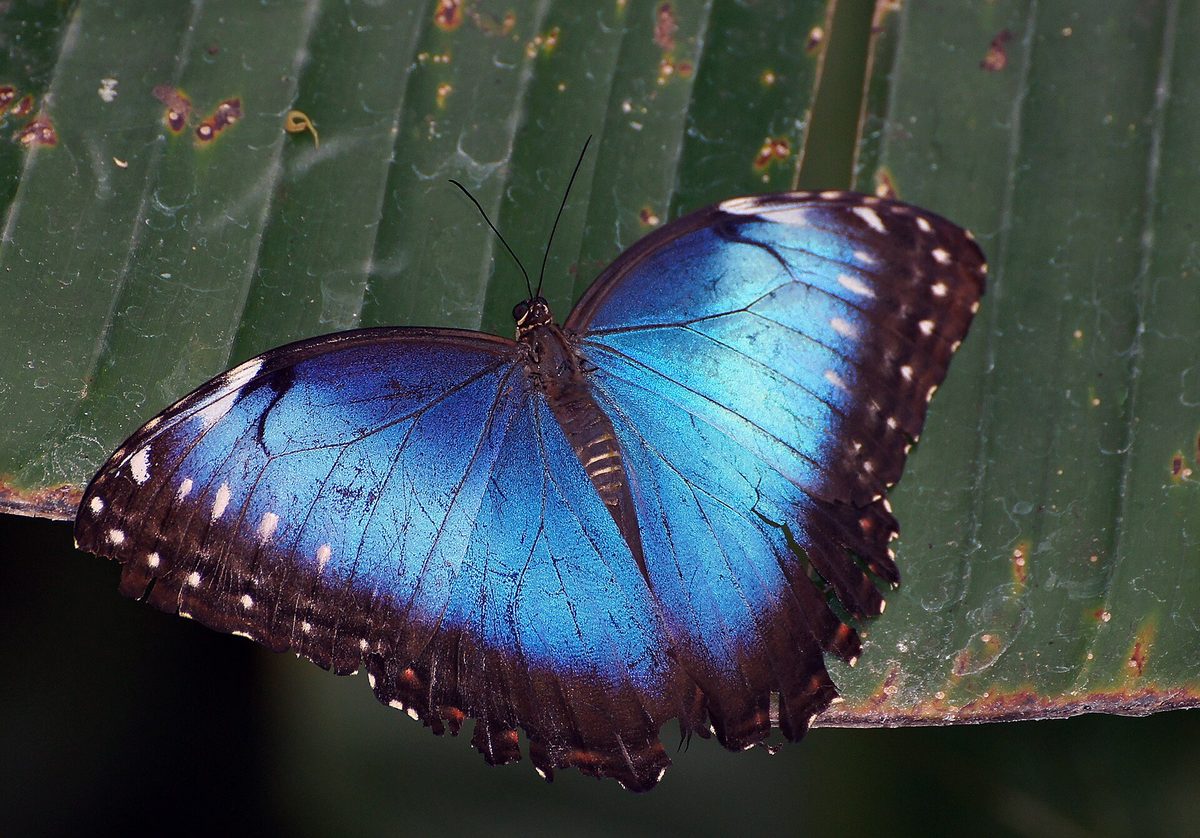
The Butterfly Farm is a netted tropical garden on Palm Beach, set on J.E. Irausquin Boulevard near the high-rise hotels, where hundreds of live exotic butterflies fly free all around you. A short guided tour of about 20 to 25 minutes walks you through the full life cycle, and then you are welcome to linger as long as you like. Tickets run roughly $19 for adults and $10 for kids, and your ticket includes a free return pass good for the rest of your stay. Budget 45 minutes to an hour.
At a glance: the quick facts
| What | The short version |
|---|---|
| Where | Palm Beach, J.E. Irausquin Boulevard, across from the high-rise resort strip (near the Divi Phoenix and Westin) |
| Hours | Daily, roughly 8:30am to 4:30pm; last guided tour around 4:00pm (confirm current times) |
| Tickets (approx.) | Around $19 adults, $16 seniors & students, $10 kids 4-17, free under 4 |
| The big perk | Free return pass valid for the rest of your vacation, up to about a month |
| Guided tour | About 20-25 minutes, included; explore on your own afterward |
| How long to budget | 45 minutes to an hour is plenty; longer if you are into photography |
| Best time of day | Early morning for emergences and active butterflies; afternoon for slower, photo-friendly subjects |
| Great for | Families with kids, couples and photographers, rainy mornings, cruise days |
| Access | Flat paths, wheelchair and stroller friendly; on-site parking and restrooms |
Treat all of that as a starting point rather than gospel. Small attractions adjust prices and hours quietly, so check the official Butterfly Farm website or call ahead before you build your morning around it.
What the Butterfly Farm actually is (and where to find it)
Picture a large mesh dome dropped into a pocket of rainforest: flowering shrubs, a trickling little waterfall, ponds, and the constant, soundless traffic of wings. Inside, hundreds of butterflies from around the world live and breed in the open. Nothing is behind glass. They drift past your face, settle on the path, and occasionally decide your bright shirt is the most interesting flower in the garden. It is calm in a way that surprises people who came in expecting a quick photo op.
The farm sits right on Palm Beach, on J.E. Irausquin Boulevard, the same boulevard that runs past the big resorts. It is across the road from the high-rise hotel strip, near the Divi Phoenix and the Westin, which means that if you are staying anywhere in the Palm Beach or Eagle Beach corridor you can probably walk or take a five-minute taxi. That location is the secret to its best feature, which I will get to in a moment: because it is so close to where most visitors sleep, popping back a second or third time costs you almost nothing.
Aruba is a desert island of cactus and divi-divi trees, so a lush butterfly garden is a genuine change of scenery rather than more of the same. If you have been craving green after a few days of sun and sand, this is one of the few places on the island that delivers it. For the wider context on how this fits with the island’s protected landscapes, it pairs naturally with a day spent exploring Arikok National Park and Aruba’s natural wonders, which protects most of the island’s wild side on the opposite coast.
The guided tour: short, genuinely worth doing
Your ticket includes a guided tour that runs roughly 20 to 25 minutes, and I would not skip it. A guide walks you along the chrysalis wall and through the garden, explaining what you are looking at: which species are which, why some butterflies live only a couple of weeks while others last months, and how the whole operation works. Tours run throughout the day; if one has just left, the longest you usually wait is about 15 minutes, which you spend pleasantly enough standing in a garden full of butterflies.
If you want a butterfly or caterpillar to climb onto your hand, ask the guide. They will show you how to do it without hurting these genuinely fragile creatures. Kids love this part, and so, secretly, do most adults. When the tour ends you are free to stay and wander on your own for as long as you like, photographing, sitting by the pond, or just watching.
The life cycle, up close: egg, caterpillar, chrysalis, butterfly
The reason the tour lands so well is that the farm lets you see all four life stages in one short loop, side by side. It turns the abstract diagram from a childhood science class into something happening on the plant in front of you.
Eggs and caterpillars
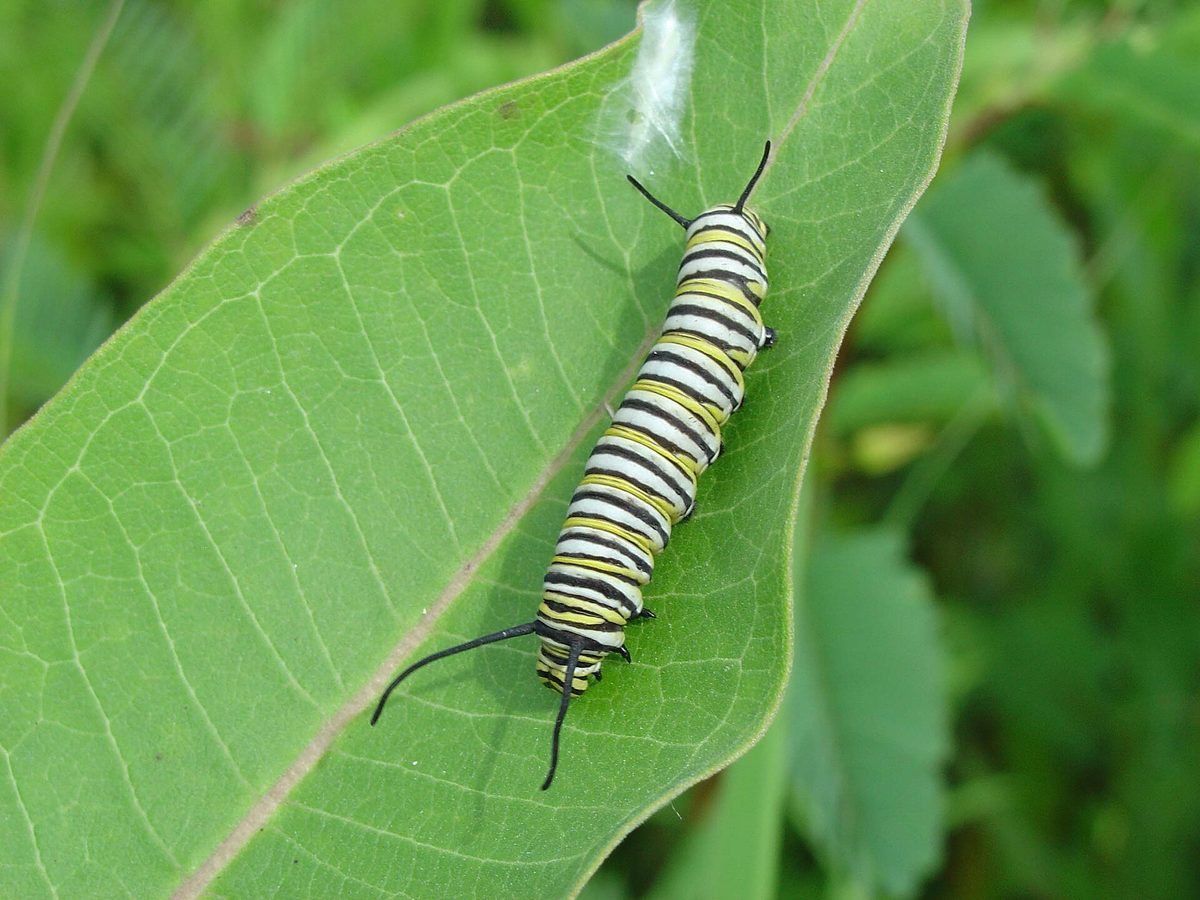
It starts with eggs so small you would walk past them, laid on the underside of specific host plants. Out hatches the caterpillar, which has exactly one job: eat. These striped, spotted, sometimes faintly ridiculous-looking creatures chew through leaves almost constantly, ballooning in size over days. Watching a fat caterpillar work its way along a leaf is oddly mesmerising, and it is the part most people have never actually seen in person.
The chrysalis wall
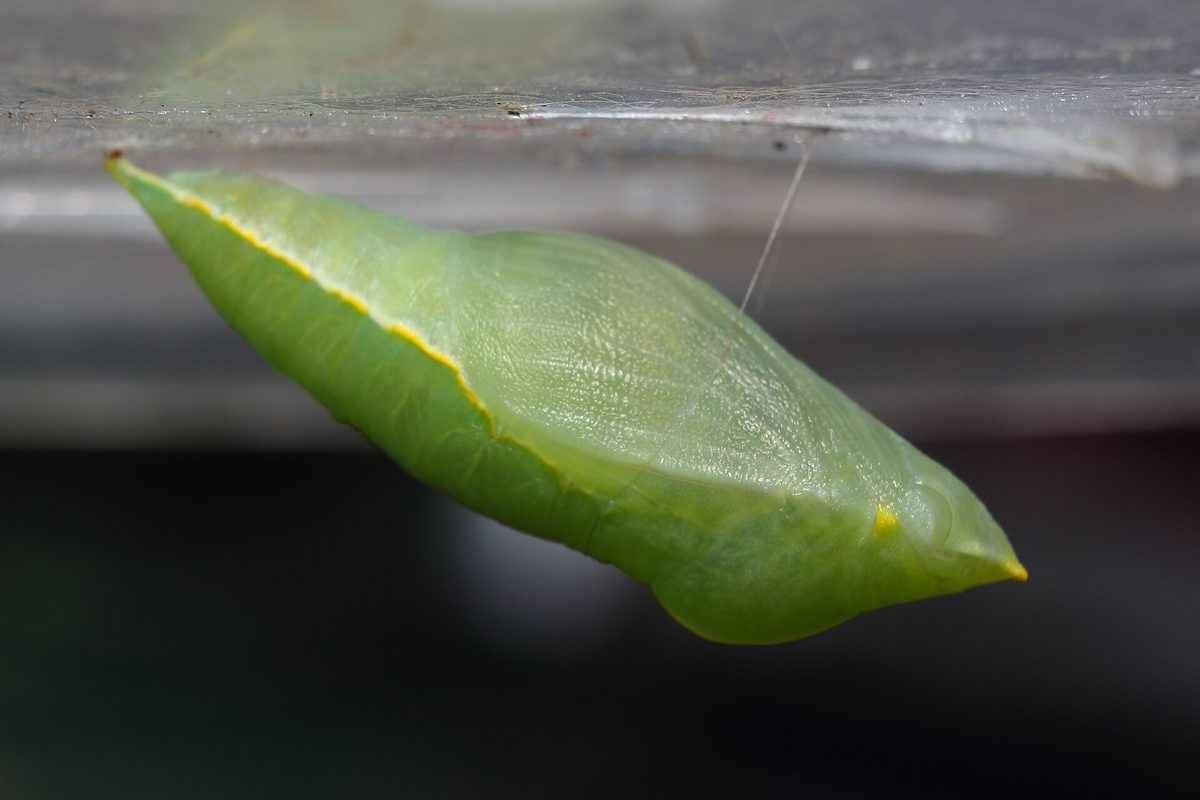
Then comes the magic trick. The caterpillar anchors itself and forms a chrysalis, or pupa, and the farm gathers these on a dedicated chrysalis wall. Up close they genuinely look like pieces of jewellery, some metallic gold, some jade green, hanging in neat rows. Inside each one the caterpillar is dissolving and rebuilding itself into something with wings. It is one of the strangest, most beautiful processes in nature, and here you can stand a few inches from it.
Emergence, and why mornings win
Here is the insider tip that separates a good visit from a great one: come early. Mornings are when butterflies are most active and, more importantly, when new ones emerge from their chrysalises. If your timing is right you can watch a damp, crumpled butterfly haul itself out, slowly pump fluid into its wings, and take its very first wobbly flight. I have seen grown adults go quiet watching it. Afternoons have their own reward, though, since the butterflies slow down in the heat and become far easier to photograph, so if you are chasing the perfect wings-open shot, a later visit can actually be better.
The free return pass: the best-value ticket on Palm Beach
This is the detail that I think most day-trippers miss, and it changes how you should use the place. When you buy a ticket, you are also handed a free return pass that lets you come back as many times as you like for the rest of your vacation, generally valid up to about a month. It is not transferable, but it is per person and it is genuinely free.
Think about what that means. Pay once, early in your trip, and the farm becomes a place you can drop into whenever you want: a cool, shaded twenty minutes when the midday sun gets brutal, a backup plan on a cloudy morning, a quick stop on the walk to dinner. Visit once at sunrise to catch the emergences and again in the afternoon for photos. For families, it is a rainy-day insurance policy you have already paid for. Very few attractions anywhere give you unlimited repeat entry on a single ticket, and on a small island where you are staying minutes away, it is a quietly brilliant deal.
Who the Butterfly Farm is really for
The short answer is almost everyone, but the reasons differ depending on who you are travelling with.
Families with kids
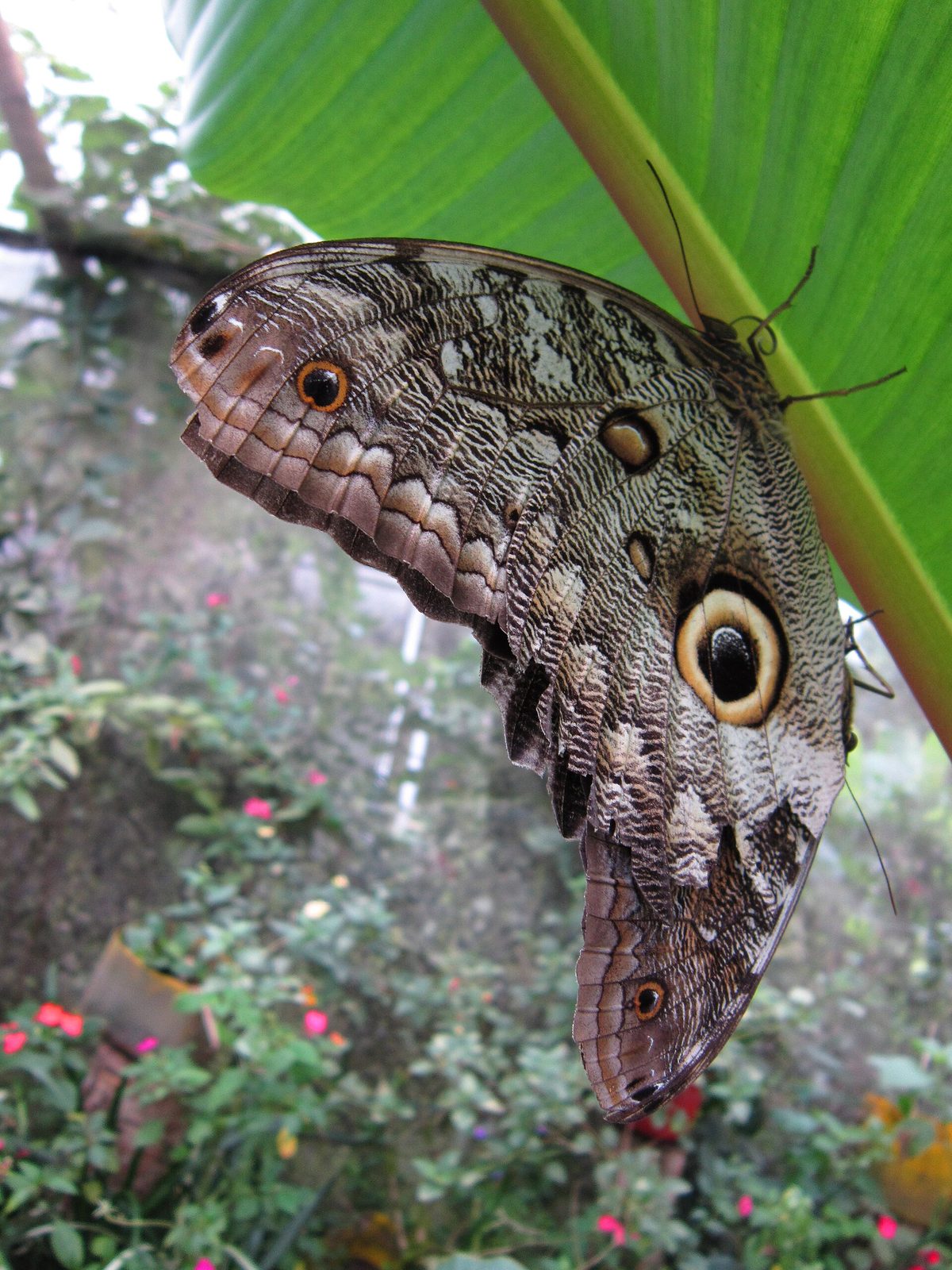
This is the obvious win, and it earns its reputation. The combination of live caterpillars, a chrysalis wall, and butterflies that land on small outstretched hands holds even fidgety kids for the length of the tour. It is educational without feeling like school, the paths are flat and stroller-friendly, and the whole place is contained, so nobody is sprinting toward a road. Pair it with the free return pass and you have a reliable, low-stress activity you can repeat. If you are building a wider plan, our guide to things to do in Aruba with kids slots this in alongside the rest of the island’s family-friendly stops.
Couples and photographers
Do not write this off as a kids-only outing. It is quietly romantic, an unhurried, green, slightly surreal half hour that makes a lovely change of pace mid-trip. For photographers it is a gift: macro shots of wings, a Blue Morpho flashing electric blue as it opens and closes, the jewel-box chrysalis wall. Come in the afternoon when the butterflies are slower and more cooperative. It is an easy, gentle addition to an Aruba honeymoon when you want something other than another beach day.
Rainy mornings and cloudy days
Aruba sits outside the main hurricane belt and stays dry most of the year, but the odd passing shower does happen, usually brief. A grey or drizzly morning is exactly when the Butterfly Farm shines, since most of the visit is comfortable regardless of the sky. It is one of the better answers to the eternal question of what to do when the beach is briefly off the table, and it slots neatly into a list of low-cost and free things to do in Aruba once you count those repeat visits on a single ticket.
Cruise passengers
If you are in port for the day, the farm is an easy, low-commitment stop. It is a short ride from the Oranjestad cruise terminal up to Palm Beach, the visit is short enough to leave time for a beach, and there is no need to book a long excursion. Just be mindful of your all-aboard time, and remember the return pass only helps if you are staying on-island.
What to wear so butterflies land on you
This is not a gimmick, it genuinely works. Butterflies are drawn to colour, so wear bright shades and bold floral prints if you want them to treat you like a flowerbed. The farm even suggests a dab of citrus or floral scent. Closed comfortable shoes are fine, the paths are flat, and you will want a camera or phone with space free, because you will take more photos than you expect.
Planning your visit: getting there, timing, and what to pair it with

Getting there
The farm is on J.E. Irausquin Boulevard in the heart of Palm Beach, so access is genuinely easy. If you are staying on the high-rise strip you can often walk. From elsewhere on the island a taxi is quick, and the L10 / Arubus route along the hotel corridor runs nearby. There is parking on site if you have a rental car, which is the route I usually recommend for seeing the rest of the island anyway. For the full breakdown of taxis, buses, and rentals, see our guide to getting to and around Aruba.
How it fits a Palm Beach day
The smart move is to treat the farm as one beat in a Palm Beach morning rather than a standalone trip. Go early for the emergences, then walk straight out onto one of Aruba’s best beaches for the rest of the day, since Palm Beach is right there. The contrast of a quiet green garden followed by turquoise water is a lovely way to spend a few hours, and it is exactly the kind of pairing our roundup of the best things to do in Aruba is built around.
Bubali Bird Sanctuary, right across the road
Here is a pairing most guides forget. Directly across from the farm, near the old Dutch windmill, sits the Bubali Bird Sanctuary, a pair of man-made wetland lakes that draw dozens of species of herons, egrets, cormorants and migratory birds. There is an observation tower, entry is free, and it is a five to ten minute walk. Back-to-back you get butterflies and birdlife in one easy loop, which makes a great little nature morning and fills out a list of more unusual things to do in Aruba beyond the beach.
Where to eat nearby
You are in the middle of the island’s densest cluster of restaurants. Palm Beach and the nearby strip are packed with everything from casual beach bars to serious dinners, so it is easy to roll a farm visit into lunch or sunset drinks. Browse our overview of where to eat in Aruba to line something up, and if you are staying out this way, our guide to where to stay in Aruba covers the Palm Beach hotels within walking distance.
The sister farms
If the concept feels familiar, that is because the Aruba location is part of a small family of Butterfly Farms in the Caribbean, with the original on St. Maarten / St. Martin. They share the same format: a netted tropical garden, a guided tour, and that signature free return pass. So if you have visited the St. Maarten farm on a previous trip, you will recognise the layout here, though each garden has its own mix of species.
What it costs, and how to budget it
At roughly $19 for an adult and $10 for a child, with under-fours free, this is one of the more affordable paid attractions on the island, and the return pass effectively lowers the per-visit cost every time you go back. Bring a card or cash; major credit cards are accepted. For where this sits among bigger-ticket excursions, our guides to how much an Aruba vacation costs and the island’s top excursions and tours give you the wider picture, and our best time to visit Aruba guide helps you time the trip overall.
A few honest tips before you go
- Go at opening if you can. The first hour is cooler, quieter, and your best shot at watching butterflies emerge from the chrysalis wall.
- Use the return pass on purpose. Buy your ticket early in the trip so a second or third visit costs nothing. It is the whole point.
- Wear bright colours. Bold, flowery, light-coloured clothing genuinely makes butterflies more likely to land on you.
- Take the guided tour. It is short, included, and turns a pretty garden into something you actually understand.
- Move slowly and do not grab. Let them come to you. If you want one on your hand, ask a guide to help.
- Pair it. Cross the road to the Bubali Bird Sanctuary, then hit the beach. One easy morning, three very different experiences.
Frequently asked questions about the aruba butterfly farm
How much does the Butterfly Farm in Aruba cost?
Admission is around $19 for adults, about $16 for seniors and students with ID, and roughly $10 for children aged 4 to 17, with under-fours free. Best of all, your ticket includes a free return pass valid for the rest of your stay. Prices can change, so confirm the current rates on the official Butterfly Farm site before you visit.
What are the Butterfly Farm Aruba opening hours?
The farm is generally open every day from about 8:30am to 4:30pm, with the last guided tour starting around 4:00pm. It runs year-round. Because small attractions occasionally adjust their schedule, it is worth a quick check of the official website or a phone call the day before, especially if you are planning an early-morning visit to catch the emergences.
How long do you need at the Butterfly Farm?
Most people spend about 45 minutes to an hour. The guided tour itself is roughly 20 to 25 minutes, and then you can wander, photograph, and watch for as long as you like. Photographers and families often stay longer, while a quick cruise-day stop can be done comfortably in well under an hour.
Is the Aruba Butterfly Farm worth it?
For most visitors, yes. It is affordable, genuinely relaxing, great with kids, and the free return pass makes repeat visits free. It will not fill a whole day, and that is fine, since it is designed as a 45-minute highlight you fold into a Palm Beach morning rather than a major excursion. Set your expectations that way and it consistently delights.
What is the best time of day to visit?
Mornings are best for activity and for watching new butterflies emerge from their chrysalises, which is the most memorable part of a visit. Afternoons have a different appeal: the butterflies slow down in the heat and become much easier to photograph. If you have the return pass, do both, once early and once later, and enjoy the contrast.
Where exactly is the Butterfly Farm in Aruba?
It is on J.E. Irausquin Boulevard in Palm Beach, across the road from the high-rise hotel strip near the Divi Phoenix and the Westin. Conveniently, the Bubali Bird Sanctuary sits directly across the road by the old Dutch windmill, so the two make an easy back-to-back stop. Most Palm Beach hotels are within walking distance.
Do you need to book the Butterfly Farm in advance?
No. Individual visitors simply buy tickets at the reception when they arrive, seven days a week. Advance booking is only needed for larger groups, generally around 20 people or more, who should contact the farm ahead of time. For a regular family or couple, you can turn up any time during opening hours.
Is the Butterfly Farm wheelchair and stroller accessible?
Yes. The garden is on flat, level ground and is wheelchair accessible, and staff are happy to help. Strollers are easy to bring through as well, which is part of why it works so well for families with young children. There are restrooms and parking on site, and shaded seating areas just outside the exhibition for a rest.
Final thoughts
The Butterfly Farm is the rare attraction that is better than its reputation, not worse. It looks, on paper, like a quick stop for kids, and instead it turns into a quietly absorbing half hour that adults remember just as fondly, especially if you arrive early and catch a butterfly taking its first flight. Add the free return pass, the unbeatable Palm Beach location, and the Bubali Bird Sanctuary across the road, and you have one of the easiest, best-value experiences on the island. Go slow, wear something bright, and let the place do its thing. For everything else around it, our guides to things to do in Aruba and building an Aruba itinerary will help you fit it into the bigger trip.
By the ArubaTourism.org team — Last updated June 2026.
Photo credits
- Photo: Bernard Spragg. NZ (CC0) via Wikimedia Commons
- Photo: Benson Kua / CC BY-SA 2.0 via Wikimedia Commons
- Photo: Sathya K Selvam / CC BY-SA 4.0 via Wikimedia Commons
- Photo: U.S. Fish and Wildlife Service (public domain) via Wikimedia Commons
- Photo: pamsai / CC BY-SA 2.0 via Wikimedia Commons
- Photo: Rarends297 (CC0) via Wikimedia Commons