Here is the number that reframes the whole island: nearly 20% of Aruba is protected wilderness, locked up inside Arikok National Park. People fly here for the powder-soft sand of Eagle and Palm Beach, and never realize that a fifth of the country behind their resort is rugged, cactus-studded, cliff-edged desert that you can only really see on foot. That is where the best hiking in Aruba happens — out past the last gift shop, where the road turns to rattling limestone and the only sound is the wind through the divi-divi trees.
I have walked these trails at 7 a.m. with the rock already warm under my boots, and again at noon (a mistake I will tell you not to repeat). This guide is the one I wish I had on my first morning at the visitor center: every trail worth your sweat, what it costs, what to carry, and the honest trade-offs between a $22 ticket, a guided ranger walk, and a 4×4 you might wish you had rented.
The short version: The best hiking in Aruba is inside Arikok National Park, which covers about 18 square miles of protected desert on the island’s wild eastern coast. Top trails range from the easy Cunucu Arikok loop to the long, exposed trek out to the Conchi Natural Pool. Go at dawn, carry 2+ liters of water, wear real shoes, and expect cacti, lava rock, and empty Caribbean beaches — not jungle.
By the ArubaTourism.org team — Last updated June 2026.
Hiking in Aruba at a glance: the main trails
Aruba is small and flat by mountain standards — the highest point tops out at 188 meters — so “hiking” here means desert walking, coastal scrambling, and a few stair climbs rather than alpine ascents. Most named trails sit inside Arikok National Park, with a handful of free, family-friendly climbs scattered across the rest of the island. Here is how the headliners compare. Treat distances and times as approximate; the terrain and heat slow everyone down, so always check current conditions at the visitor center.
| Trail | Length & difficulty | Why you go |
|---|---|---|
| Cunucu Arikok loop | ~2 hr loop · easy | The classic intro hike: cactus, an old adobe homestead, cave paintings |
| Conchi (Natural Pool) from visitor center | ~6.5 mi round trip · hard, fully exposed | A protected tide pool you can swim in at the end of a brutal-but-beautiful trek |
| Daimari to Conchi Natural Pool | ~2.5 mi round trip · moderate | The shorter, prettier coastal route to the same pool (needs a 4×4 to the trailhead) |
| Boca Prins to Dos Playa | ~2.5 mi round trip · moderate | Wild double beach, big surf, sand dunes — no swimming, all drama |
| Sero Jamanota summit | Short · easy-moderate | The literal highest point in Aruba, ~188 m, with island-wide views |
| Hooiberg steps | ~563 steps · short but steep | Aruba’s “haystack” peak; on a clear day you can see Venezuela |
| Casibari & Ayo rock formations | 10–20 min each · very easy | Giant boulder piles with steps, petroglyphs, and great photos |
Who this guide is for: day-trippers who want one good walk, families looking for short trails the kids can climb, and serious hikers chasing the long Natural Pool routes. I will flag which is which as we go.
Arikok National Park: fees, hours, and how to get in
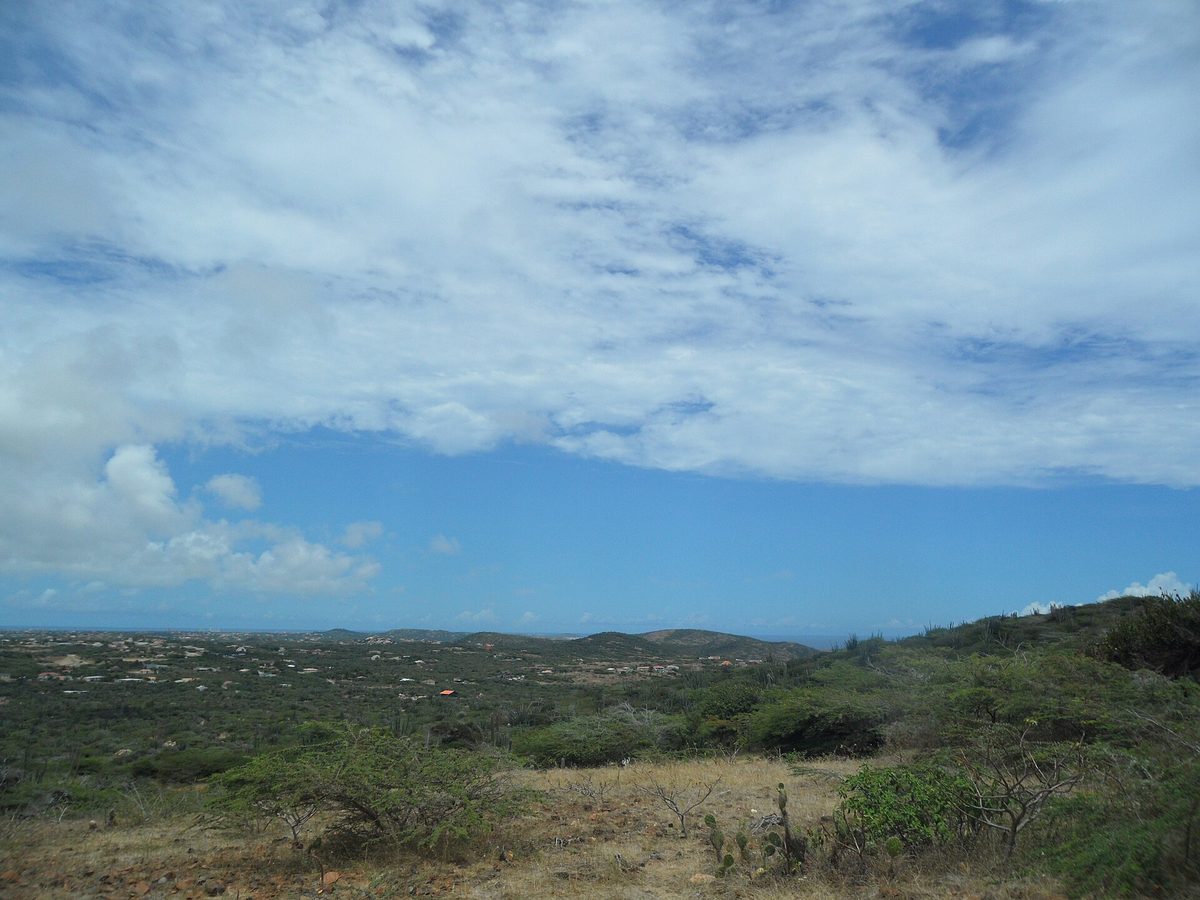
Almost every serious hike on the island runs through Arikok, so it pays to understand the gateway before you go. The park protects roughly 7,900 acres — a little over 18 square miles — of the island’s arid windward side, and a single ticket covers the whole thing for the day.
Entrance fee and opening hours
As of early 2026, admission runs around US$22 for adult visitors aged 18 and over, while children under 18 get in free. Your fee goes straight back into trail maintenance, ranger programs, and protecting the wildlife that roams the park. Prices creep up over time, so confirm the current rate on the official park site before you drive out.
There are two entrances, and they keep different hours. The main San Fuego entrance near Santa Cruz — where the visitor center, ticket desk, restrooms, and trail maps are — is generally open around 8 a.m. to 4 p.m. The smaller Vader Piet entrance on the San Nicolas side typically opens a touch later and closes earlier, roughly 8:30 a.m. to 3 p.m. The park is open daily, but here is the part people forget: there is no lighting anywhere inside, so you must be out before sunset. Plan your turnaround accordingly.
First-timers should always start at San Fuego. You can buy your ticket, grab a paper map, fill water bottles, ask a ranger which trails are open that day, and cool off in the air-conditioned visitor center before and after your walk. I like to buy the park pass the afternoon before a big hike so I can roll up at opening and start walking in the cool air rather than queuing.
Getting there, and the 4×4 question
Aruba is tiny, so nothing is far. From the Eagle Beach and Palm Beach hotel zone, the San Fuego visitor center is about a 25–30 minute drive; from Oranjestad or San Nicolas it is shorter still. A taxi out is easy, but arranging a pickup for a precise return time can be fiddly, so most independent hikers rent a car. For more on transport options and rental tips, see our guide to getting to and around Aruba.
Now, the big decision: do you need a four-wheel drive? For the visitor-center trails — the Cunucu loop, the cave-painting walk, the Miralamar gold-mine path — no. A regular rental car gets you to the trailhead and you walk from there. But the park’s interior roads are unpaved, rutted, and studded with vicious speed bumps. To reach the far coast — Dos Playa, Boca Prins, the Daimari trailhead for the Natural Pool — you really want a high-clearance 4×4 or a guided jeep tour. I have seen more than one standard sedan beached on those potholes, and the rental company will not be sympathetic. If you do not want to drive the rough stuff, the alternative is simple: park at the visitor center and hike in on the long routes, or book a tour.
The best trails for hiking in Aruba’s Arikok National Park
These are the routes I send people on, sorted roughly from “anyone can do this” to “you’d better mean it.” Aruba’s trails were originally donkey and horse paths that locals used to reach the Miralamar gold mines; the park later cleared them and lined them with stones, so most are easy to follow even without a guide.
Cunucu Arikok loop — the perfect first hike
If you do one walk in the park, make it this one. The Cunucu Arikok is a gentle circular trail straight from the visitor center that takes about two hours at an unhurried pace on level, sandy ground. “Cunucu” is the local word for the old countryside farmland, and the loop is a living museum of it. You pass towering kadushi cacti, a restored adobe homestead ringed by a living cactus fence (the traditional Aruban way to keep livestock in and intruders out), and a small cave where the Caquetío people painted an iguana and a wide-winged bird in red and white pigment centuries ago — the same image that became the park’s logo. It is flat, well-marked, and forgiving, which makes it ideal for families and anyone easing into the desert heat.
Boca Prins to Dos Playa — wild beaches and big surf
On the park’s rugged northeast coast, Dos Playa is a pair of crescent beaches hammered by Atlantic swell, framed by cliffs and dunes. The hike in from the Boca Prins area is short — you reach the first beach in around 20 minutes and the second in another 10 to 15 — but the terrain is rough and the road to get to the trailhead is rougher still, which is exactly why some people hike it instead of driving. The reward is one of the most dramatic, least crowded stretches of coast on the island. Do not swim here: the currents and shore break are genuinely dangerous. Come for the photographs, the sand dunes at Boca Prins, and the feeling that you have the wild edge of the Caribbean to yourself.
Sero Jamanota — the highest point in Aruba
Here is your trivia-night fact: Sero Jamanota is the tallest point in all of Aruba, at 188 meters (617 feet). The name comes from an Arawak phrase often translated as “source of great spirits.” You can drive most of the way up the park road and then walk the final stretch to the summit, where the whole island unfolds around you — Oranjestad and the cruise ships to one side, the empty windward coast to the other. It is a short, manageable climb rather than an epic, and it is one of the best sunrise or sunset spots in the park (just remember the no-lighting-after-dark rule and time it carefully). On a clear day the views stretch all the way to the sea on every side.
The hike to the Conchi Natural Pool (Cas di Piedra)
The Conchi — also called the Natural Pool or Cas di Piedra, “house of stone” — is the park’s crown jewel: a natural tide pool walled off from the ocean by a ring of volcanic rock, calm enough to swim in while waves explode against the barrier just feet away. Getting there on foot is the real adventure, and there are two routes.
The long route from the visitor center is roughly a 6.5-mile round trip across fully exposed desert with little to no shade. It is rated hard mostly because of the sun and the rocky footing, not because of any technical climbing. Hikers who underestimate it get into real trouble — this is the route where dehydration sends tourists to the clinic. If you take it, start at opening (ideally by 6:30–7 a.m.), carry far more water than feels reasonable, and turn back if the heat wins.
The shorter Daimari route is my pick. You drive (in a 4×4) to a parking spot near Rancho Daimari, then walk roughly 1.5 miles each way, mostly along the coastline. It is cooler thanks to the sea breeze, far prettier, and you pass rugged twin beaches and a quirky little rock formation locals call “Klein Aruba” — a miniature, island-shaped chunk of stone. On my last visit on this route we did not pass a single other person. Either way, pack water shoes (the pool floor is sharp), snorkel gear, and reef-safe sunscreen, and check at the visitor center whether the pool is open — rough seas sometimes close it.
The Miralamar and Rooi Prins paths — history and quiet
For something between the easy loop and the long slog, the Miralamar trail is a short route from near the visitor center that climbs to a viewpoint and the stone remnants of 19th-century gold mines — a reminder that this empty desert was once an industrial frontier. The Rooi Prins area, a dry riverbed (“rooi” means gully), threads between boulders and seasonal greenery and is a good bet for spotting birds and the park’s famous lizards. These quieter trails are where you slow down and actually notice the place: the slow-growing wayaca trees, the shared cactus root systems, the burrows of the shoco owl.
What the terrain is actually like
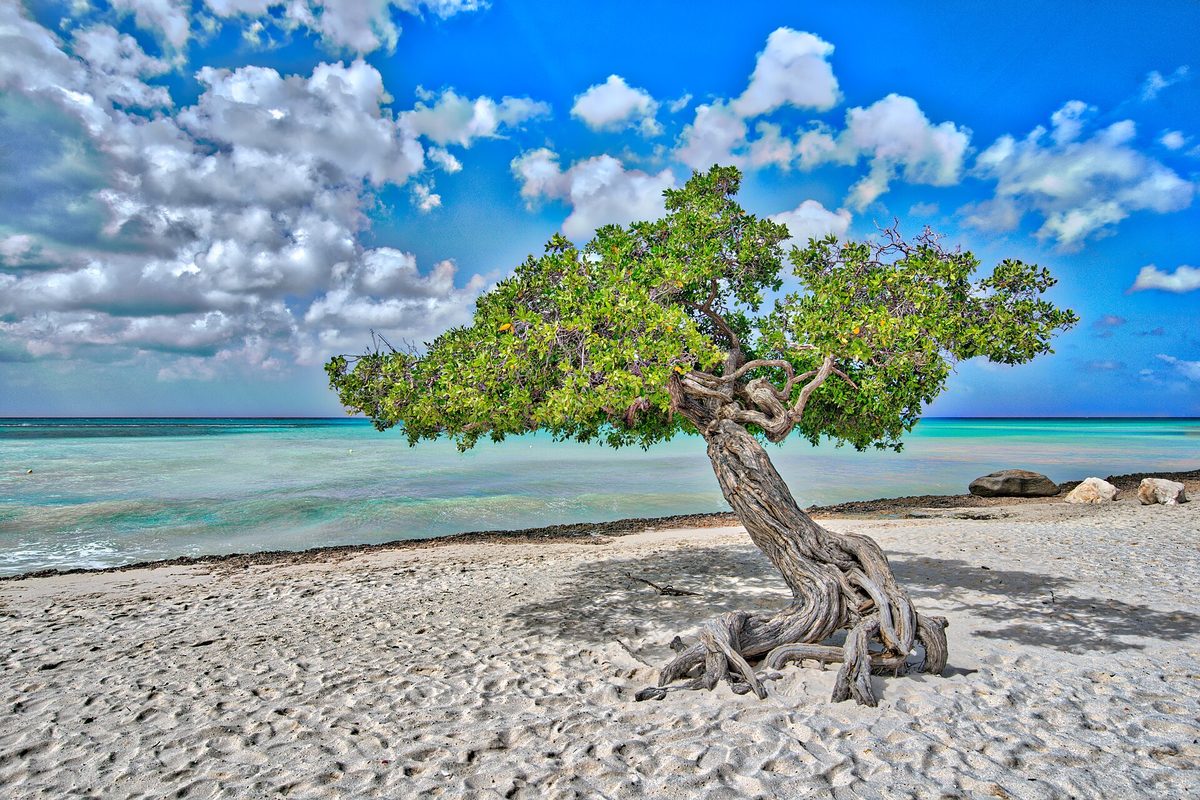
Forget the postcard image of the Caribbean for a moment. Arikok is desert: a sun-baked landscape of black volcanic rock, quartz diorite boulders, and pale limestone, stitched together with cactus and the iconic, wind-bent divi-divi trees that all lean southwest because of the relentless trade winds. It looks more like Arizona or the American Southwest than a tropical island, and that surprise is half the appeal.
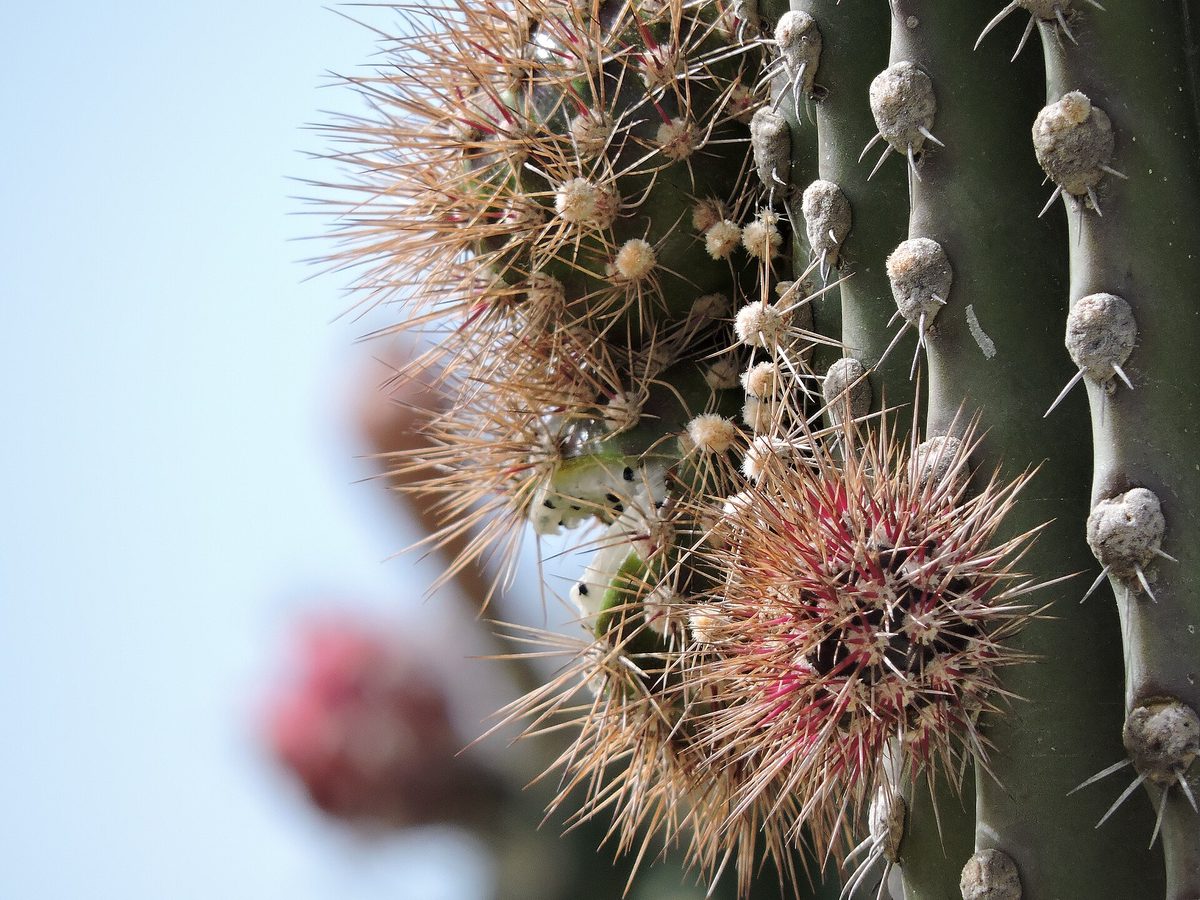
The plant life is genuinely fascinating once a ranger points it out. The columnar kadushi cactus grows in tangled thickets and elegant lone spires; its prickly-pear fruit feeds many of the island’s birds. There is the Turk’s cap cactus, topped with a felt cap hiding edible pink berries locals call bushi. And there is one plant you must learn to avoid: the bringamosa, which a guide once described to me as “poison ivy on steroids” — brush against it and your skin can burn and itch for days. The local remedy is to rub the spot with the nearby seida plant, which, frustratingly, looks almost identical. This is the single best argument for a guided walk on your first visit.
For wildlife, keep an eye out for the bright-yellow-breasted bananaquit, blue-tailed emerald hummingbirds, iguanas, whiptail lizards, and the shoco (burrowing owl), Aruba’s national bird, which nests in holes in the ground. You will likely also meet the park’s free-roaming wild donkeys and goats. Yes, there are rattlesnakes — the Aruban cascabel is venomous — but it is critically endangered (only a couple hundred adults remain), shy, and active mostly in cooler hours; encounters are rare. Give any snake a wide berth, do not provoke it, and you will be fine.
Heat, water, and footwear: the safety stuff that actually matters
I cannot stress this enough, because it is the thing that turns a great morning into an emergency. Aruba sits just north of the equator, the desert offers almost no shade, and the trade winds can fool you into thinking it is cooler than it is. The number one cause of trouble for hikers here is not snakes or cliffs — it is dehydration.
- Water: Carry at least 2 liters per person for any real walk, and 3 liters for the long Natural Pool routes. There are no taps or shops out on the trails. When the bottle is half gone, it is time to think about turning around.
- Timing: Hike at dawn. The San Fuego gate opens around 8 a.m.; be there. By late morning the exposed trails become punishing. Early evening (after about 4:30 p.m.) is a second option, but only on short trails where you can finish before dark.
- Footwear: The ground is sharp lava rock and loose stone. You can manage the easy Cunucu loop in sturdy trainers, but for anything longer or rougher, closed hiking shoes or boots are worth it. Sandals and flip-flops are a recipe for cut feet.
- Sun: A wide-brimmed hat, sunglasses, reef-safe sunscreen, and lightweight long sleeves do more than you think. Reapply sunscreen — you are exposed the entire time.
- The basics: Tell someone your route, carry a charged phone, and bring a small snack. Parts of the far coast have no signal and no people.
For broader planning on weather and the most comfortable months to attempt longer hikes, our guide to the best time to visit Aruba is worth a read, and our general travel advice for Aruba covers the practical odds and ends.
Guided ranger walks vs going it alone
You can absolutely hike Arikok independently — the visitor-center trails are well-marked, and the Cunucu loop needs no special guidance. But on a first visit I genuinely recommend booking a park ranger. The rangers run guided nature walks, and their knowledge transforms a pretty desert stroll into a story: which plant will burn you, which tree is 300 years old despite being waist-high, where the bats pollinate the cave flowers. Ranger walks are often free or low-cost but usually need to be booked a day or more in advance, so plan ahead. A handful of the harder, more technical routes — ones that involve basic scrambling or ropes — really should only be done with a guide.
If you would rather have everything arranged, organized jeep and hiking tours bundle the rough 4×4 driving, the park fee, and a guide into one trip, and they are the easiest way to reach the Natural Pool without renting your own off-roader. Browse the range of operators in our roundup of Aruba excursions. Hiking also slots neatly into a wider plan — see how it fits a full week in our Aruba itinerary guide, or where it ranks among the best things to do in Aruba.
What to bring: a quick packing list
- 2–3 liters of water per person (non-negotiable)
- Closed, sturdy shoes; water shoes if you are heading to the Natural Pool
- Wide-brimmed hat, sunglasses, reef-safe sunscreen
- Lightweight long sleeves and trousers for the rougher trails (sun and bringamosa protection)
- Snorkel gear and a swimsuit for the Conchi pool
- A charged phone, a small first-aid kit, and a snack
- A paper park map from the visitor center, since signal is spotty
Hiking in Aruba beyond Arikok: free trails and quick climbs
Not every good walk needs a park ticket. Several of the island’s most popular short hikes are free, family-friendly, and scattered across central and northern Aruba — perfect for travelers who only want a taste, or for filling an afternoon. Many pair beautifully with the sights covered in our guide to free things to do in Aruba.
The Hooiberg steps
Rising like a green haystack from the island’s flat center, the Hooiberg (“haystack” in Dutch) is Aruba’s second-tallest hill at about 165 meters — and its most famous staircase. A concrete path of roughly 563 steps climbs to the top, and fit hikers reach the summit in 20–30 minutes. It is a genuine cardio workout, so skip it at midday and bring water. The payoff: a 360-degree view of the entire island, and on a clear day you can pick out the coast of Venezuela to the south and the California Lighthouse to the north. It is free and a local rite of passage.
Casibari and Ayo rock formations
These two clusters of giant tonalite boulders in central Aruba look like something dropped by a giant — or transplanted from Joshua Tree. At Casibari, a stairway and around 50 uneven steps wind up through tunnels and over the rocks to a fenced viewpoint; kids love clambering through the passages. Ayo, a short drive away, is quieter and hides Arawak petroglyphs on its rock faces, plus caves and passageways to explore (watch for the occasional wasp nest). Both are free, open more or less all day, and take 10–20 minutes to climb. They are great low-effort outings with kids — see more in our Aruba with kids guide.
California Dunes and the Westpunt coast
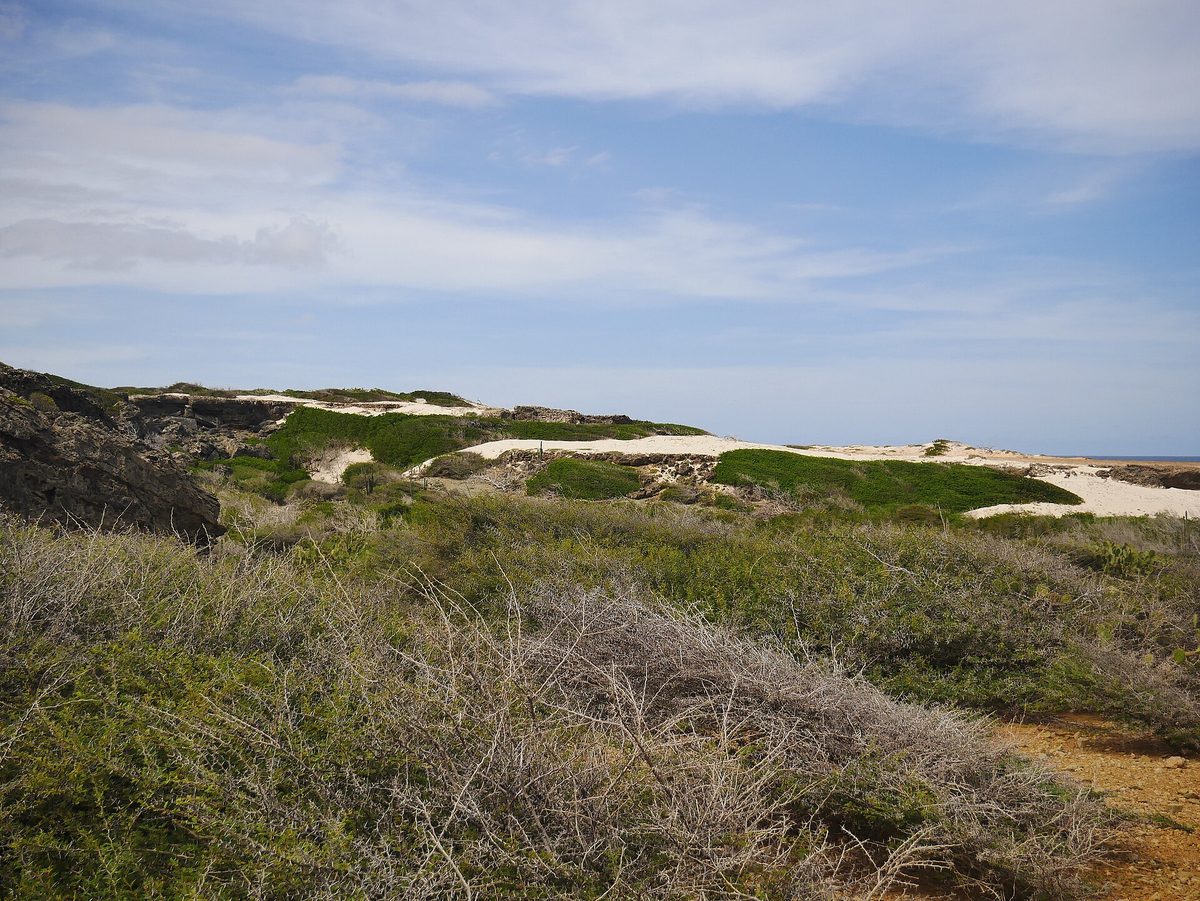
Up at the island’s breezy northern tip, the Sasarawichi (California) Dunes near the California Lighthouse are rolling sand dunes set against cratered limestone — an easy, flat, unmarked walk you can make as long or short as you like. The nearby Westpunt and Noordkaap coastal trails wander past sea cliffs, the famous natural bridge, and the black-pebble Blackstone Beach. None require a ticket, and they are some of the best places on the island to escape the crowds entirely. While you are in the area, the historic Alto Vista Chapel makes a peaceful add-on stop.
Which hikes suit you?
Families with kids
Stick to the short, low-stakes options: the Casibari and Ayo rock formations (climbing through the boulders is a hit), the flat California Dunes, and the first stretch of the Cunucu loop. Save the Hooiberg steps for older, energetic kids and a cool time of day. Keep everyone hydrated and slathered in sunscreen, and you have an easy half-day of adventure.
Casual day-trippers
If you want one memorable walk without a huge commitment, do the Cunucu Arikok loop with a ranger in the morning, then drive (or jeep-tour) to a viewpoint like Jamanota. You will see cacti, cave paintings, an adobe homestead, and a sweeping summit view in a single, manageable morning.
Serious hikers and adventurers
The long Conchi Natural Pool routes, the rough coastal trek to Dos Playa, and linking trails along the windward shore will give you the mileage and the solitude you are after. Go early, go self-sufficient on water, and consider the Daimari approach for the most rewarding coastline. This is where Aruba stops being a beach resort and becomes a genuine desert wilderness.
Planning your hike: timing and pairing it with the rest of your trip
A single morning is enough to bag one good Arikok trail plus a rock formation or the Hooiberg; a half-day with a 4×4 or tour gets you all the way to the Natural Pool. Because the park demands an early start and a midday finish, hiking pairs perfectly with an afternoon recovering on the sand — and Aruba has plenty of it, from the calm shallows in our Aruba beaches guide to the cooling dip you will crave afterward. If you would rather be in the water than on the trail by afternoon, our Aruba water sports rundown covers snorkeling, diving, and more. Budget-wise, the park fee is modest, but a rental car or tour is the main cost — our Aruba vacation cost guide helps you slot it into a daily plan, and you will find even more ideas in our list of the best things to do in Aruba.
Frequently asked questions about hiking in Aruba
Is hiking in Aruba worth it?
Absolutely, if you adjust your expectations. This is desert hiking, not lush jungle or alpine peaks, but Arikok’s lava cliffs, cactus forests, ancient cave paintings, hidden tide pools, and empty beaches deliver a side of Aruba most visitors never see. For anyone who likes getting away from resort crowds, a morning on the trails is one of the most rewarding things you can do on the island.
How much does it cost to enter Arikok National Park?
Admission is around US$22 per adult (18 and over) as of early 2026, with children under 18 entering free. The fee funds trail upkeep, ranger programs, and wildlife protection, and it covers the whole park for the day. Rates change over time, so check the official park website for the current price before you visit.
What should I bring hiking in Aruba?
Water is the essential item — at least 2 liters per person, and 3 for the long trails, since there is no shade and nowhere to refill. Add sturdy closed shoes, a wide-brimmed hat, sunglasses, reef-safe sunscreen, and lightweight long sleeves. For the Natural Pool, pack water shoes and snorkel gear. A charged phone and a paper park map round out the kit.
What is the best time of day to hike in Aruba?
Early morning, hands down. Be at the San Fuego gate when it opens around 8 a.m. so you can cover the exposed trails before the heat builds. Late afternoon, after about 4:30 p.m., works for short walks, but remember the park has no lighting and you must be out before dark. Midday hiking in the open desert is genuinely risky.
Do I need a 4×4 to hike in Arikok?
Not for the visitor-center trails — a regular car reaches the Cunucu loop and other front-country paths just fine. But the park’s interior roads to the far coast (Dos Playa, Boca Prins, the Daimari trailhead) are rough and rutted, so you want a high-clearance 4×4 or a guided jeep tour for those. Alternatively, park at the center and hike the long routes in on foot.
Are there dangerous animals on the trails?
Very few. The Aruban rattlesnake is venomous but critically endangered, shy, and rarely seen; keep your distance and never provoke one. The bigger hazards are the sun and the bringamosa plant, which causes a burning rash on contact. Wild donkeys, goats, iguanas, and lizards are harmless. Sensible footwear and a guide on your first walk handle nearly all the risk.
Final thoughts
The first time I swapped a beach chair for a pair of hiking shoes in Aruba, I expected a quick novelty and got a completely different island instead — silent, ancient, and far wilder than the brochures let on. That contrast is the whole point. You can spend the morning picking your way across lava rock past 300-year-old trees and cave art older than any building on the island, then be floating in the Caribbean by lunch. Few destinations let you do both in a single day.
So rent the car or book the tour, fill those water bottles to the brim, set an alarm that feels too early, and go meet the 20% of Aruba that most visitors fly home without ever seeing. Start at the visitor center, say yes to a ranger, and let the desert surprise you. When you are ready to plan the rest of the trip, our hub on Arikok National Park ties together every natural wonder the park protects.