Here is the thing nobody tells you before you start pricing out a Caribbean trip with kids: you do not need a once-in-a-lifetime budget or a full seven days off work to pull off a wonderful Aruba family vacation. A long weekend works. Four nights is plenty for a first taste, and a family of four can do it for less than a week at a domestic theme park once you factor in what you are not paying for — no parka rentals, no rain days, no “we drove six hours and it stormed the whole time.” Aruba sits in the dry, breezy, sunshine-almost-guaranteed corner of the Caribbean, and that reliability is what makes a family trip here feel less like a gamble and more like a sure thing.
I have planned this trip for my own crew and walked friends through it more times than I can count, and the pattern is always the same: people overestimate the cost, overestimate the effort, and underestimate how genuinely easy the island is once you land. So consider this your complete A–Z planner. By the end you will know exactly when to go, how many days you need, what it actually costs, where to base yourselves, and how to fill the days so everyone — toddler to teenager to tired parent — comes home happy. An Aruba family vacation is one of the most forgiving big trips you can take, and I am going to show you why.
The short answer — how to plan an Aruba family vacation: Go in the dry season (or shoulder months for lower prices), give yourselves 5–7 nights, and fly nonstop into Aruba’s Queen Beatrix Airport from a US or Canadian hub. Base on Palm or Eagle Beach for calm, swimmable water, rent a car for flexibility, and mix lazy beach mornings with animal farms, a snorkel sail, and one Arikok adventure. Budget roughly $4,000–$8,000 for a family of four for a week.
For the big-picture context behind everything below, our complete guide to visiting Aruba with kids is the parent resource this planner pulls from — bookmark it alongside this page.
Aruba family vacation at a glance
If you read nothing else, read this. Here is the entire trip compressed into one planning snapshot for a typical family of four.
| Planning question | The quick recommendation |
|---|---|
| When to go | Anytime — it is outside the hurricane belt. Dry season (Dec–Apr) for picture-perfect weather; May–Jun and Sep–early Nov for lower prices and thinner crowds. |
| How many days | 5–7 nights is the sweet spot. 4 nights works for a first taste; a full week if you want to slow down. |
| Where to stay | Palm Beach (lively, big resorts, pools with slides) or Eagle Beach (quieter low-rise). All-inclusive if you want zero math; condo if you want a kitchen. |
| Getting around | Rent a car for freedom (bring or reserve car seats). Taxis and the L10 bus work if you plan to stay near the resort strip. |
| Rough budget (family of 4) | Around $4,000–$8,000 for a week all-in (flights, lodging, food, a few activities). Less if you cook some meals; more for luxury or peak holidays. |
The five-second shortlist — book these and you have a great trip:
- A nonstop flight and a Palm/Eagle Beach room with easy beach access
- A rental car (or at least car seats arranged) for the first or last full day
- One half-day snorkel catamaran sail — the universal kid crowd-pleaser
- One animal morning (Donkey Sanctuary, Butterfly Farm, or Ostrich Farm)
- One Arikok National Park outing, scaled to your kids’ ages
When to go: weather, hurricanes, school holidays, and price
The single most reassuring fact about Aruba is its geography. The island sits roughly 18 miles off the coast of Venezuela, well south of the main Atlantic hurricane corridor. That means while families eyeing other Caribbean islands sweat out the August–October storm season, Aruba stays open for business. It is hot, dry, and breezy almost every day of the year, hovering in the low-to-mid 80s with a steady trade wind that keeps the beach from feeling oppressive.
So the question is not really “is the weather safe?” — it almost always is — but “what am I optimizing for?” Here is how I think about timing a family trip:
For the best weather: December through April
This is the official dry season and the island’s high season. Rain is rare and brief, humidity is comfortable, and the water is glassy. The trade-off is that this is also when prices peak and the resorts fill up, especially around the winter holidays, Presidents’ Week, and spring break. If your kids’ school calendar locks you into these windows, book early — six to nine months out is not too soon for the popular weeks.
For the best value: May–June and September–early November
These shoulder months are my quiet favorite for families with pre-school kids or anyone with calendar flexibility. Flights and rooms can run noticeably cheaper than peak winter — often meaningfully so — the beaches are less crowded, and the weather is still excellent (Aruba does get a slightly wetter stretch in the late autumn, but it is usually passing showers, not washouts). Check current rates, because the savings between a February week and a June week can be the difference between one resort tier and the next.
Working around school holidays
Most families are boxed in by the school calendar, and that is fine — Aruba handles holiday crowds gracefully because the beaches are simply enormous. If you can travel the shoulder of a break rather than its dead center (say, the last few days of spring break rather than the first), you will find better prices and shorter lines for excursions. For a deeper month-by-month breakdown, our guide to the best time to visit Aruba walks through crowds, rates, and events in detail.
How many days do you need?
Five to seven nights is the answer for most families, and here is the reasoning. Aruba is small — under 70 square miles — so you are never far from anything, but the activities naturally space themselves out. You want enough days to do nothing at all and not feel guilty about it.
My rough template looks like this:
- 4 nights: A great first taste or an add-on to another trip. You will get beach time, one boat trip, and one land adventure, but you will be choosing between things.
- 5–6 nights: The sweet spot. Two or three “lazy” beach days, a snorkel sail, an animal morning, an Arikok outing, and a couple of memorable dinners — without rushing.
- 7+ nights: The slow-and-deep version. Add a second beach to explore, a day trip to the wild east coast, a downtime day mid-week to reset, and time to actually use that resort pool you are paying for.
If you have never built a day-by-day plan before, steal the structure in our Aruba itinerary guide and trim it to your number of nights. I have also dropped a family-specific itinerary skeleton further down this page.
Getting there: flights, the airport, and US pre-clearance
Aruba is genuinely easy to reach, which is half the reason it works so well for families. Queen Beatrix International Airport (airport code AUA) sits just south of the capital, Oranjestad, about a 15–25 minute drive from the Palm and Eagle Beach hotel zones.
Flights from the US and Canada
Nonstops run year-round from a long list of East Coast and hub cities — Miami and Fort Lauderdale (around 3 hours), New York-area airports (about 4.5 hours), Charlotte, Atlanta, Boston, Philadelphia, Washington, Houston, and Chicago among them, plus seasonal service from Toronto and other Canadian hubs (roughly 5–5.5 hours from Toronto). For a family, a nonstop is worth paying a little more for — one fewer connection is one fewer chance for a meltdown over a missed gate. Book early not just for price but to lock in seats together; airlines do not guarantee a toddler sits next to a parent unless you reserve it.
The airport — and the pre-clearance trick
Here is a feature that quietly makes the trip home dramatically easier: Aruba has US Customs and Border Protection pre-clearance right at the airport. You clear US immigration and customs in Aruba before you board your flight home. That means when you land back in the States, you arrive as a domestic passenger and walk straight off — no immigration hall, no second customs line with cranky kids at the end of a travel day. The catch: because you clear US formalities before departure, you want to arrive at the airport with extra time for your return flight (allow roughly three hours). Build that into your last day so it is calm rather than frantic. For the full rundown on transfers and airport logistics, see our guide to getting to and around Aruba.
Getting around: rental car vs taxi vs bus (and car seats)
You have three real options, and the right one depends entirely on how much you plan to leave the resort strip.
Rental car — my default for families
A rental car is the freedom play. With kids, the ability to leave the beach on your own schedule, drive to a quieter cove, hit an animal farm before the heat, or do a grocery run for snacks and breakfast is worth a lot. Roads on the developed western side are easy and well signed, driving is on the right (familiar to North Americans), and distances are tiny. The one thing to sort in advance: car seats. Rental agencies have them but supply is limited and quality varies, so reserve them when you book or bring your own (many families travel with a lightweight seat and gate-check it free). Expect a rental to run roughly $45–$80 a day depending on season and vehicle.
Taxis — simple but adds up
Aruba’s taxis use fixed government rates rather than meters, so there are no surprises, but fares are per-trip and climb quickly with a family doing multiple outings a day. They are perfect if you are staying put on Palm Beach and only need the occasional ride to dinner or the airport. Note that taxis are not required to provide car seats, so for infants and toddlers this is worth thinking through.
The bus — the budget hero
The public Arubus L10 line runs along the coast connecting Oranjestad with the Palm and Eagle Beach hotels, it is cheap, and older kids find the double-decker stretch a novelty. It is a fine way to get into town for an afternoon. For a true island explorer’s itinerary, though, a car still wins. Our getting around Aruba guide compares costs and routes if you want to run the numbers.
Where to stay: Palm Beach vs Eagle Beach vs low-rise vs all-inclusive
This is the decision that shapes the whole trip, so let me break it down by family type rather than just listing hotels. The good news: almost every option fronts calm, shallow, swimmable water, so you are choosing on vibe and amenities, not water quality.
Palm Beach — the high-energy choice
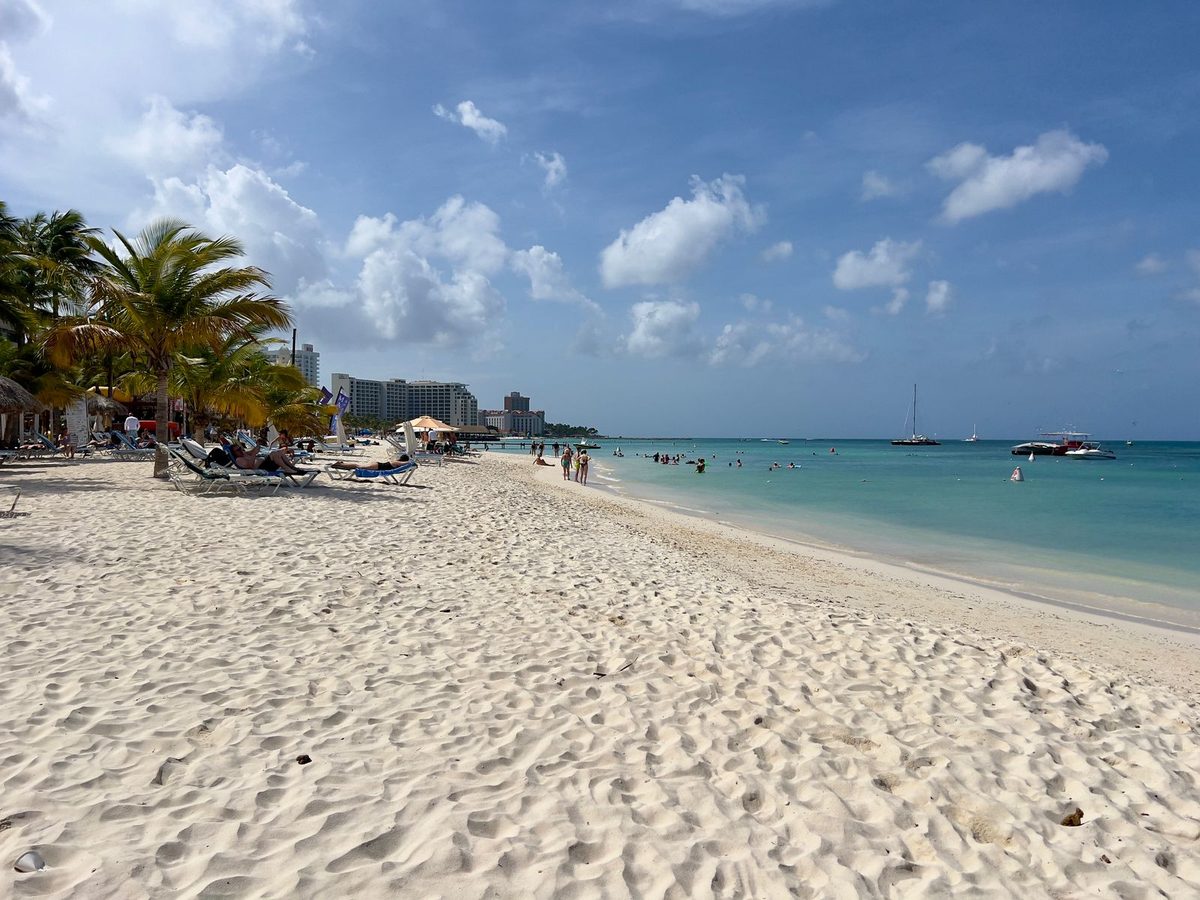
Palm Beach is the lively, high-rise strip: the big-name resorts (Hilton, Hyatt, Marriott, Holiday Inn, Ritz, Riu) lined up along two miles of soft sand, with restaurants, water-sports kiosks, a buzzing boardwalk, and pools with slides and lazy rivers. This is where I send families who want maximum on-site entertainment — kids’ clubs, splash zones, and “we never have to leave if we don’t want to” convenience. The Hilton’s Shoco Kids Club, the Hyatt’s Camp Hyatt, and the Marriott Surf Club’s lazy river and waterslide are the kind of amenities that buy parents an hour with a book.
Eagle Beach and the low-rise — the calmer choice
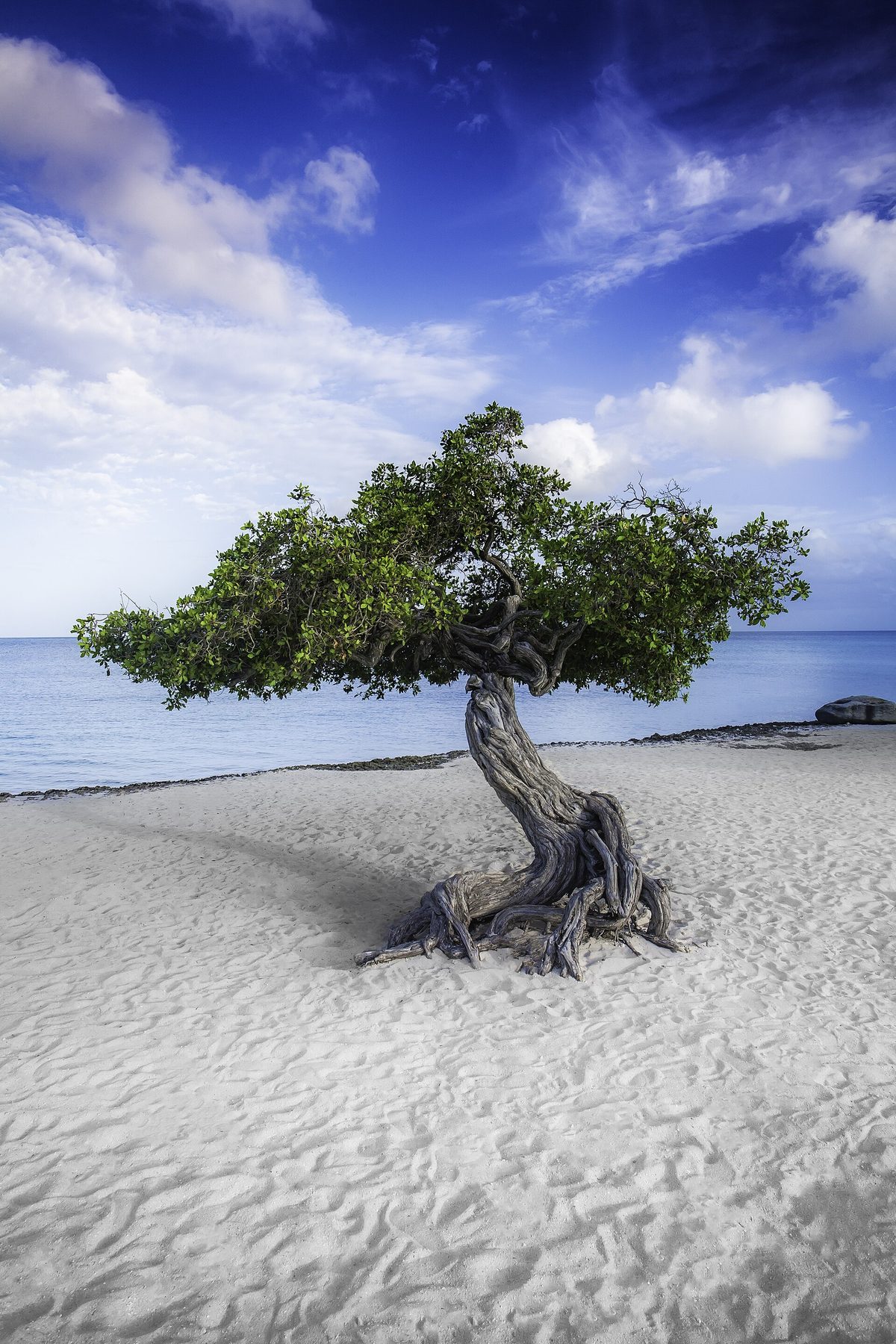
Just south, Eagle Beach is the famously wide, fofoti-tree-dotted beach often ranked among the best in the world. It and the surrounding “low-rise” zone have smaller hotels, more space between you and the next umbrella, and a quieter, more grown-up rhythm. Fewer mega-pools, but more room to breathe — ideal for families with younger kids who nap, or anyone who finds the high-rise strip a bit much.
All-inclusive vs condo/rental
An all-inclusive (the Holiday Inn, Divi and Tamarijn properties, RIU, and others) is the “I don’t want to think about money on vacation” choice — meals, snacks, drinks, and often kids’ activities are baked in, which is a sanity-saver with hungry kids who want food now. A condo or vacation rental near Eagle Beach or in quieter Savaneta gives you a kitchen, extra bedrooms, and a more local feel for often less money per night, at the cost of having to feed everyone yourself. Compare the trade-offs in our where to stay in Aruba overview and, if you lean all-in, our roundup of Aruba all-inclusive resorts.
| If your family is… | Lean toward… |
|---|---|
| Young kids, want on-site pools/clubs & zero meal-planning | Palm Beach all-inclusive (Holiday Inn, RIU) |
| Mixed ages, want amenities but some independence | Palm Beach full-service (Hilton, Hyatt, Marriott) |
| Toddlers/nappers, want calm and space | Eagle Beach / low-rise hotel |
| Big family or budget-minded, want a kitchen | Condo or vacation rental |
What an aruba family vacation actually costs (a family-of-four budget)
Let me give you honest ranges rather than a single fake number, because your total swings hugely on season, lodging style, and how many excursions you book. These are ballpark figures for a family of four for a week — always check current prices, since flights and rooms move constantly.
| Expense | Budget-conscious | Comfortable mid-range | Splurge |
|---|---|---|---|
| Flights (4 people, round-trip) | ~$1,400 | ~$2,200 | ~$3,200+ |
| Lodging (7 nights) | ~$1,200 (condo) | ~$2,800 (resort) | ~$5,000+ (beachfront/AI) |
| Food (groceries + dining) | ~$600 | ~$1,200 | ~$2,000+ |
| Car rental (7 days) | ~$350 | ~$450 | ~$600 |
| Activities & excursions | ~$300 | ~$700 | ~$1,400+ |
| Rough total (family of 4) | ~$3,850 | ~$7,350 | ~$12,000+ |
A few honest notes on the numbers. Kids genuinely lower your per-person cost: they share your room at no extra charge at most resorts, children’s excursion tickets are cheaper (and toddlers are often free), and a family splitting one hotel room beats four adults needing two. Food is where budgets blow up — restaurant meals on the strip are priced like an expensive US city, so a condo with a kitchen for breakfasts and the occasional dinner can save hundreds. Two more line items to remember: the $20-per-person Aruba sustainability fee (paid online before arrival for everyone flying in) and a hotel room/occupancy tax that gets added to your nightly rate. For the full cost-control playbook — including how all-inclusive math actually pencils out for families — see our deep dive on Aruba vacation cost.
Top things to do as a family
This is where Aruba quietly over-delivers. For a tiny island, the variety is remarkable: world-class calm beaches, a genuinely wild national park, a cluster of hands-on animal attractions, and boat trips that turn a regular afternoon into the highlight of the year. Here is what I would prioritize with kids.
The beaches
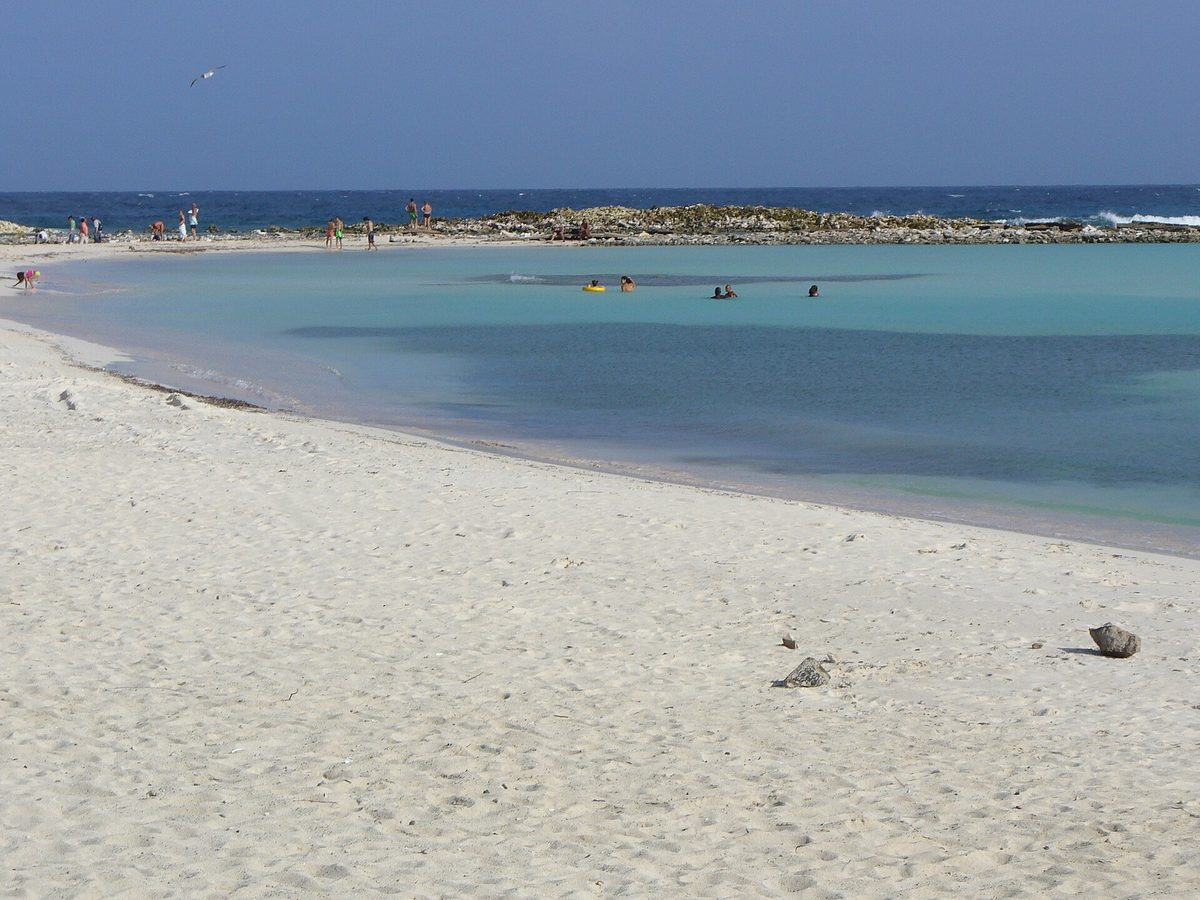
Start here, because the beaches are the headline. Baby Beach on the far southern tip is a shallow, half-moon lagoon so calm that toddlers can wade safely — the gold standard for little ones. Eagle Beach and Palm Beach are the wide, soft, resort-lined classics with rental floaties and chairs everywhere. Arashi Beach near the north tip has gentle water, snorkel gear for rent, and unbeatable sunsets, and nearby Boca Catalina is a tranquil bay where kids can spot fish right from the shallows. Our full guide to Aruba’s beaches ranks them by who they suit best.
A snorkel or pirate-ship sail
If you book one paid activity, make it a half-day catamaran snorkel sail. Operators run morning and sunset trips that stop at calm, fishy spots (often near the Antilla shipwreck and Boca Catalina), hand out gear, and let kids jump in with crew watching. The “pirate ship” cruises lean into costumes and rope swings for younger kids. It is the rare excursion that thrills a six-year-old and a sixteen-year-old at once. Browse options in our Aruba water sports guide and the broader Aruba excursions roundup.
The animal farms
Aruba has a cluster of low-key animal attractions that are catnip for kids and a welcome break from the sun. The Donkey Sanctuary (free to enter, donations welcome) lets kids feed rescued donkeys; the Butterfly Farm near the hotel strip includes a short guided tour and free return visits for your whole stay; the Ostrich Farm and Philip’s Animal Garden round out the morning options. Go early when the animals — and your kids — are at their best.
Arikok National Park
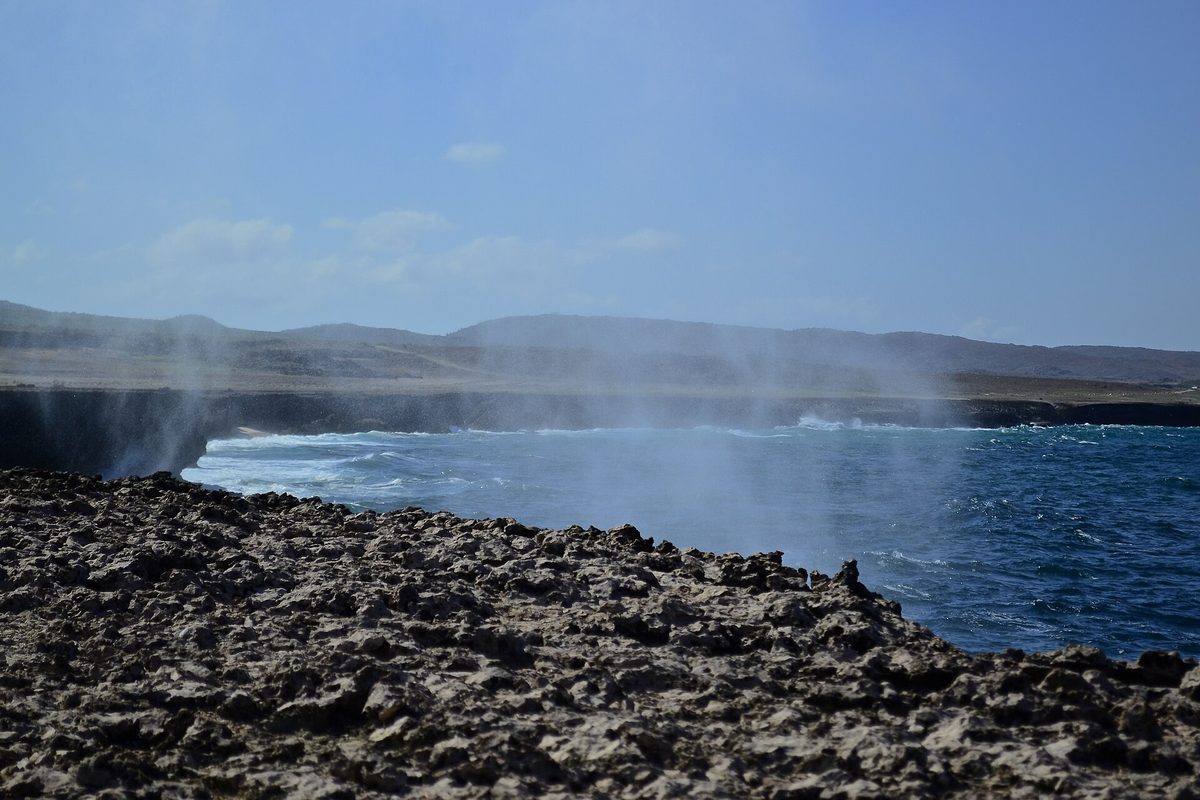
Nearly a fifth of the island is protected wilderness, and Arikok is the antidote to a beach-only trip. The wild, cactus-studded east coast has caves with ancient drawings, crashing surf, and the famous Conchi Natural Pool — a volcanic-rock swimming hole reachable by guided hike or 4×4 (best for kids around 8 and up). With younger children, stick to the easy caves and the visitor center; with teens, an ATV or UTV tour is a blast. Plan it with our guide to Arikok National Park.
More ideas, free and unique
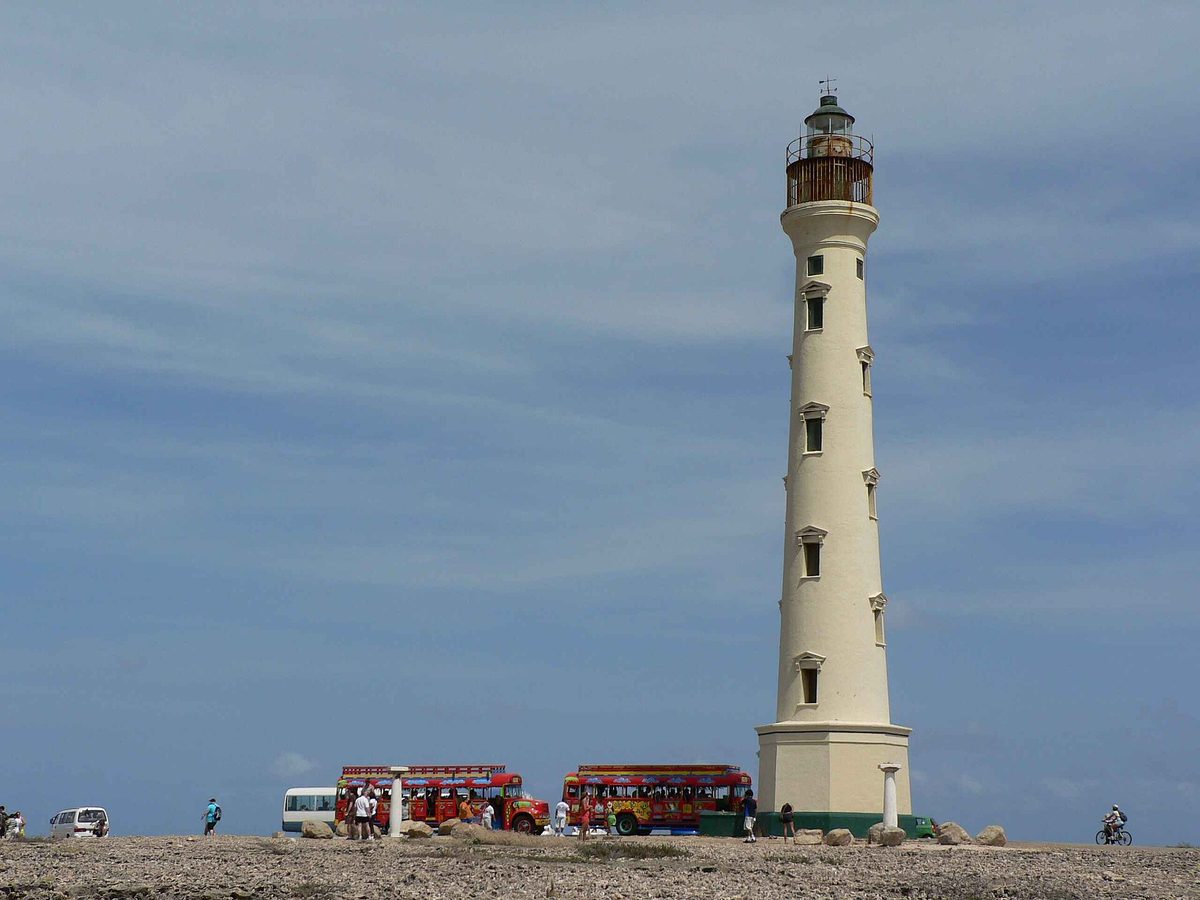
Beyond the headliners, climb the California Lighthouse for island views, scramble the Casibari and Ayo rock formations, stand on a natural bridge on the rugged coast, or make the peaceful pilgrimage to Alto Vista Chapel. For a fuller menu sorted by interest, see things to do in Aruba, the family-leaning best things to do in Aruba, the wallet-friendly free things to do in Aruba, and the quirky unique things to do in Aruba.
Where to eat with kids
Dining in Aruba is genuinely family-friendly — staff are warm with children, almost everyone speaks English, and the food ranges from familiar to adventurous. A few places I steer families toward:
- Eduardo’s Beach Shack (on the Palm Beach boardwalk) — smoothies, acai bowls, poke, and grab-and-go breakfasts with plenty of vegan and gluten-free options. Painless with picky eaters.
- Linda’s Dutch Pancakes — dinner-plate-sized crepe-style pancakes with sweet or savory toppings. Kids are mesmerized; it is a breakfast institution.
- The West Deck — open-air seafood near Oranjestad with a sandy, shady play garden so kids can roam while grown-ups eat. Try the Aruban keeshi yena and pan bati.
- Atardi (Marriott, on the sand) — a splurge sunset dinner where kids can run the shoreline while you enjoy a proper grown-up meal toes-in-sand.
Two practical tips: many restaurants get busy at sunset, so reserve the nicer ones a day ahead, and aim for early seatings with younger kids. For a full sit-down list spanning casual to special-occasion, see our Aruba restaurants guide.
A sample 5–7 day family itinerary skeleton
This is a skeleton, not a script — bend it to your kids’ ages and energy. The principle is simple: beach mornings, indoor or shaded midday breaks, one anchor activity per day, and never two big outings back to back.
- Day 1 — Arrive & settle. Land, pick up the car, grab groceries for breakfasts and snacks, and spend the late afternoon easing into the beach near your hotel. Casual dinner nearby.
- Day 2 — Signature beach day. Full morning on Eagle or Palm Beach with floaties and chairs. Pool or a shaded lunch midday. Sunset stroll and an early dinner.
- Day 3 — Snorkel sail. Morning half-day catamaran trip (the trip everyone remembers). Quiet afternoon to recover; ice cream in Oranjestad if there is gas left in the tank.
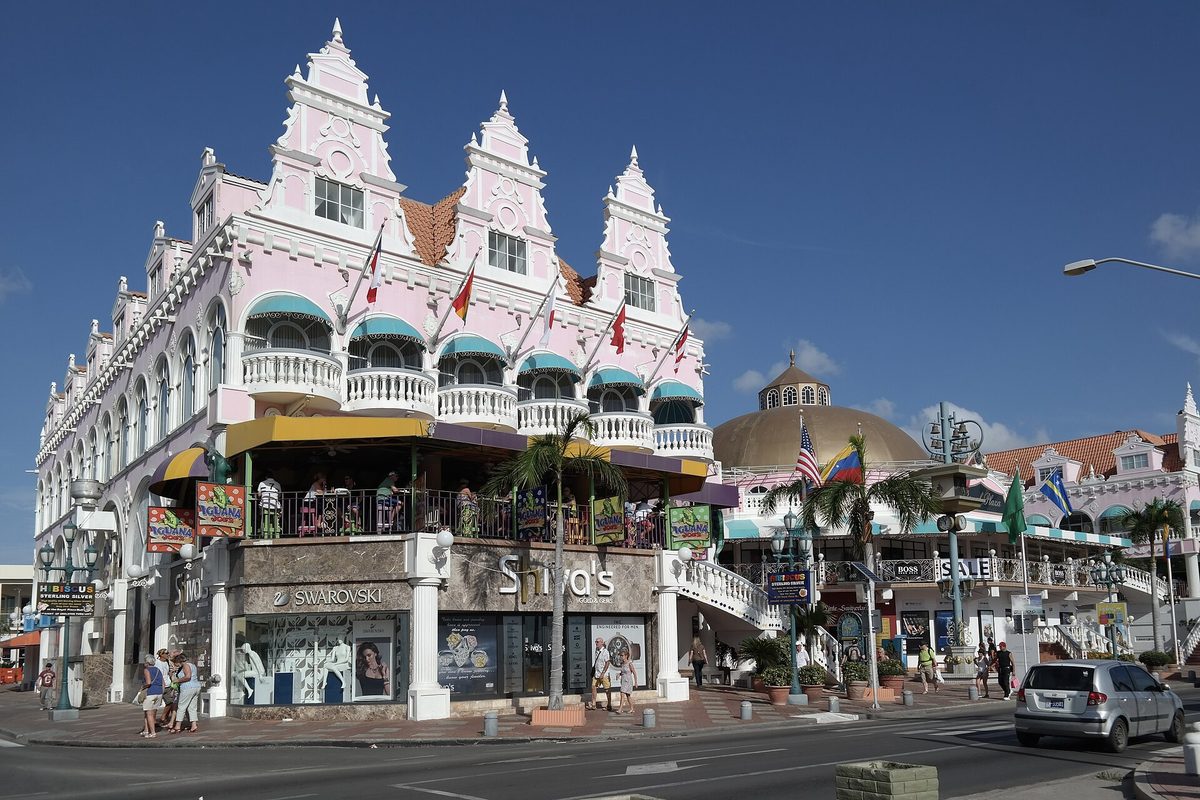
- Day 4 — Animals & town. Early Donkey Sanctuary or Butterfly Farm before the heat, then the air-conditioned shops and waterfront of Oranjestad. Bon Bini Festival if it is a Tuesday.
- Day 5 — Arikok adventure. Scaled to ages: easy caves and the visitor center with little ones; Natural Pool or an ATV tour with older kids and teens.
- Day 6 (optional) — Explorer day. California Lighthouse, the rock formations, Arashi and Boca Catalina for shore snorkeling, or a return to your favorite beach.
- Day 7 — Slow morning & fly home. One last beach swim, pack up, and leave plenty of buffer for the airport (remember US pre-clearance — arrive early).
Packing essentials for an Aruba family trip
Aruba has everything you could need, but a few items are either expensive on-island or genuinely hard to find, so pack them:
- Kid-sized snorkel masks — tough to rent in small sizes, and owning your own means more spontaneous shore snorkeling.
- Reef-safe sunscreen, in bulk — the sun is strong and reef-safe formulas are encouraged; buying it locally costs a premium.
- Rash guards and hats — the trade wind hides how fast little shoulders burn.
- Water shoes — essential for rocky entries, Arikok, and the Natural Pool.
- A light first-aid kit, any regular medications, and more snacks than you think you need.
- A car seat if you have a toddler and want guaranteed fit (gate-check it free).
Safety, health, and practical tips
Aruba is one of the safer Caribbean destinations for families — low crime, excellent tap water (it is desalinated and perfectly drinkable, so skip the bottled-water expense), and a modern hospital in Oranjestad. The real “hazards” are the ones you would expect in any sunny place:
- Sun and wind. The constant breeze masks how intense the sun is. Reapply sunscreen, push fluids, and claim a shaded palapa for midday.
- Currents on the wild side. The calm western beaches are great for swimming; the rugged north and east coasts have strong surf and are for looking, not swimming. Keep kids well back from the natural bridges and rocky shelves.
- Documents. Everyone needs a valid passport, and Aruba may ask for proof of onward travel. Fill out the embarkation/ED card and pay the sustainability fee online before you fly.
- Language and money. English is spoken everywhere, US dollars are accepted island-wide, and cards work almost universally — you rarely need local florins.
Our broader Aruba travel tips cover etiquette, tipping, connectivity, and the small stuff that smooths a trip.
Booking timeline: what to reserve ahead
Aruba rewards a little advance planning, especially in high season. Here is the order I book things:
- 3–9 months out: Flights and hotel — first for holiday/peak weeks, and lock seats together. This is also when the best resort rooms and all-inclusive deals go.
- 1–2 months out: Rental car (and reserve car seats), plus any must-do restaurant or special excursion if you are traveling at a busy time.
- 2–4 weeks out: The snorkel sail and any guided Arikok/Natural Pool tour — popular ones sell out in peak season.
- A few days out: Pay the $20 sustainability fee online and complete your ED card; recheck flight seat assignments.
- On arrival / flexible: Beach days, animal farms, lighthouse, and town — these never need reservations, so keep them as your weather-flexible backbone.
The beauty of an Aruba family vacation is that even the “planned” parts are forgiving: reserve the handful of things that sell out, and leave the rest loose so you can chase good weather and good moods.
Frequently asked questions
Is Aruba good for a family vacation?
Yes — it is one of the best Caribbean islands for families. The beaches are calm and shallow, crime is low, English is spoken everywhere, the water is safe to drink, and it sits outside the hurricane belt. Add easy nonstop flights, hands-on animal farms, and resorts with kids’ clubs, and Aruba is about as low-stress as a big family trip gets.
What is the best age to take kids to Aruba?
Honestly, any age works. Babies and toddlers do great because the beaches are shallow and resorts cater to them, though infants travel easiest when you keep their routine. Ages 5–12 hit the sweet spot for snorkel sails and animal farms, and teens love ATV tours, the Natural Pool, and water sports. Aruba genuinely suits multi-generational trips with mixed ages.
How many days do you need in Aruba with kids?
Five to seven nights is ideal. Four nights gives you a solid first taste — beach time, one boat trip, one land adventure. Five or six lets you add animal farms and an Arikok outing without rushing. A full week gives you breathing room for downtime days, which matter a lot when traveling with children.
How much does an Aruba family vacation cost?
For a family of four for a week, budget roughly $4,000 on the lean end, $7,000–$8,000 for a comfortable mid-range trip, and $12,000-plus for luxury or peak holiday weeks. Flights and lodging are the big swings. Kids lower the per-person cost by sharing rooms and getting cheaper tickets, and a condo kitchen trims the food bill. Always check current prices.
What is the best time of year to visit Aruba with family?
Aruba is a year-round destination thanks to its dry climate and location outside the hurricane belt. December through April brings the most reliable weather (and highest prices); May–June and September–early November offer the best value with thinner crowds and still-excellent conditions. Pick your window around your school calendar and your budget.
Do you need a car in Aruba with kids?
Not strictly, but it helps. If you plan to stay on the Palm/Eagle Beach strip and only venture out occasionally, taxis and the L10 bus are fine. If you want to reach quieter beaches, animal farms, and Arikok on your own schedule, a rental car is worth it — just reserve car seats in advance or bring your own.
Is Aruba safe for families?
Very. Aruba has one of the lower crime rates in the Caribbean, drinkable tap water, and a modern hospital. The main precautions are sun-related — the steady breeze hides strong UV — and keeping kids away from the rough surf on the wild north and east coasts. Stick to the calm western beaches for swimming and you are in great shape.
The bottom line
Strip away the myths about cost and effort and what is left is a small, sunny, absurdly easy island that treats families like guests of honor. Reserve the few things that sell out, base yourselves on a calm beach, leave room to do nothing, and let Aruba do the rest. Whether you have four nights or a full week, this is a trip your kids will be asking to repeat before you have even flown home.
By the ArubaTourism.org team — Last updated October 2026.
Photo credits
Images sourced from Wikimedia Commons under their respective licenses.
- Photo: Jason Boldero from UK / CC BY 2.0 via Wikimedia Commons
- Photo: Kwihi / CC BY 4.0 via Wikimedia Commons
- Photo: No machine-readable author provided. Dje9537459 assumed (based on copyright clai (CC0) via Wikimedia Commons
- Photo: Choinowski / CC BY-SA 4.0 via Wikimedia Commons
- Photo: David Stanley from Nanaimo, Canada / CC BY 2.0 via Wikimedia Commons
- Photo: Misty Johnson / CC BY 2.0 via Wikimedia Commons