Here is the thing nobody tells you before your trip: you do not need a catamaran, a tour ticket, or even a guide to find the best snorkeling beaches in Aruba. Some of the island’s richest fish life sits a short wade from a sandy beach you can drive to for free. The catamarans are fun, and the Antilla shipwreck genuinely is worth a boat ride, but the myth that good snorkeling here only happens offshore keeps a lot of visitors from the quiet coves where the real magic is.
I’ll be honest about the trade-offs too, because Aruba is windier than its neighbors and a few “famous” spots are either overrated or genuinely risky. This guide ranks the beaches worth your mask time, tells you exactly how to get in the water at each, and flags the ones to skip.
By the ArubaTourism.org team — Last updated June 2026
The short answer: The best snorkeling beaches in Aruba are Mangel Halto, Boca Catalina, Arashi, Malmok and Tres Trapi, strung along the calm western and southern coasts and all reachable from shore. For the island’s biggest underwater spectacle — the 400-foot Antilla wreck — you’ll want a short catamaran trip. Go in the morning, when the wind is lightest and the water clearest.
The best snorkeling beaches in Aruba at a glance
All of Aruba’s worthwhile snorkeling is on the leeward (western) and southern coasts, where the reef is sheltered from the relentless trade winds. The east coast looks dramatic but is almost always too rough to snorkel safely. Here’s how the top spots compare so you can match one to your skill level and where you’re staying.
| Beach / Spot | Where | Access | Best for | What you’ll see |
|---|---|---|---|---|
| Mangel Halto | South coast, near Savaneta | Shore (rocky entry) | Confident swimmers, the best all-round reef | Mangrove nursery, parrotfish, the occasional turtle and ray |
| Arashi Beach | Far northwest tip | Shore (easy, sandy) | Beginners & families | Sandy shallows, palometas, small reef fish |
| Boca Catalina | Malmok area, northwest | Shore (steps) | All levels, calm cove | Sergeant majors, trunkfish, turtles on tours |
| Catalina Cove | Just north of Boca Catalina | Shore / swim over | Beginners | Blue tangs, bar jacks tucked by the rocks |
| Tres Trapi | Malmok, northwest | Shore (concrete steps) | Turtle & sea-star spotting | Sea stars, morning green turtles |
| Malmok Beach | End of the high-rise strip | Shore (rocky, urchins) | Intermediate, lots of fish | French angelfish, butterflyfish, coral heads |
| Baby Beach | Far southeast, by San Nicolas | Shore (very calm lagoon) | Families & nervous beginners | Calm lagoon edges, reef fish near the reef line |
| Antilla Wreck | Offshore, northwest | Boat tour only | The bucket-list spectacle | Huge WWII wreck, schooling fish, coral growth |
If you only have time for one shore spot and you’re a strong swimmer, make it Mangel Halto. If you have kids or you’re new to a mask and fins, start at Arashi or Baby Beach. Everything else is a bonus.
Shore snorkeling beaches you can walk into
This is where Aruba quietly shines. You can rent a car (or hop the public Arubus), park near the sand, and be over a reef within minutes — no booking required. A few of these are among the best free things to do on the island. Here they are, roughly in order of how much I’d prioritize them.
1. Mangel Halto — the best shore snorkeling in Aruba
If snorkeling is a real priority for your trip, this is the one to build a day around. Mangel Halto sits on the calmer south coast near Savaneta, the island’s oldest town, and it’s fringed by mangroves that act as a nursery for marine life. Inside the sheltered lagoon the water is shallow, clear and calm — lovely for floating around and spotting parrotfish, squid, butterflyfish, yellowtail snappers, sergeant majors and blue tangs. Venture out past the inner bay and the reef drops away dramatically, to depths around 100 feet, where you may catch sight of stingrays, gorgonians, sponges and, with luck, a turtle.
Two honest cautions. The entry is over sharp rocks, so water shoes are close to mandatory; there’s a wooden dock and steps that make it easier. And once you leave the protected bay, currents can be strong — this is not a spot for weak swimmers when the wind is up. Go in the morning, stay inside the bay if you’re at all unsure, and you’ll have one of the Caribbean’s loveliest easy reefs largely to yourself. Guided night snorkels here are a genuinely special add-on if you’re comfortable in the water.
2. Arashi Beach — the beginner’s favorite
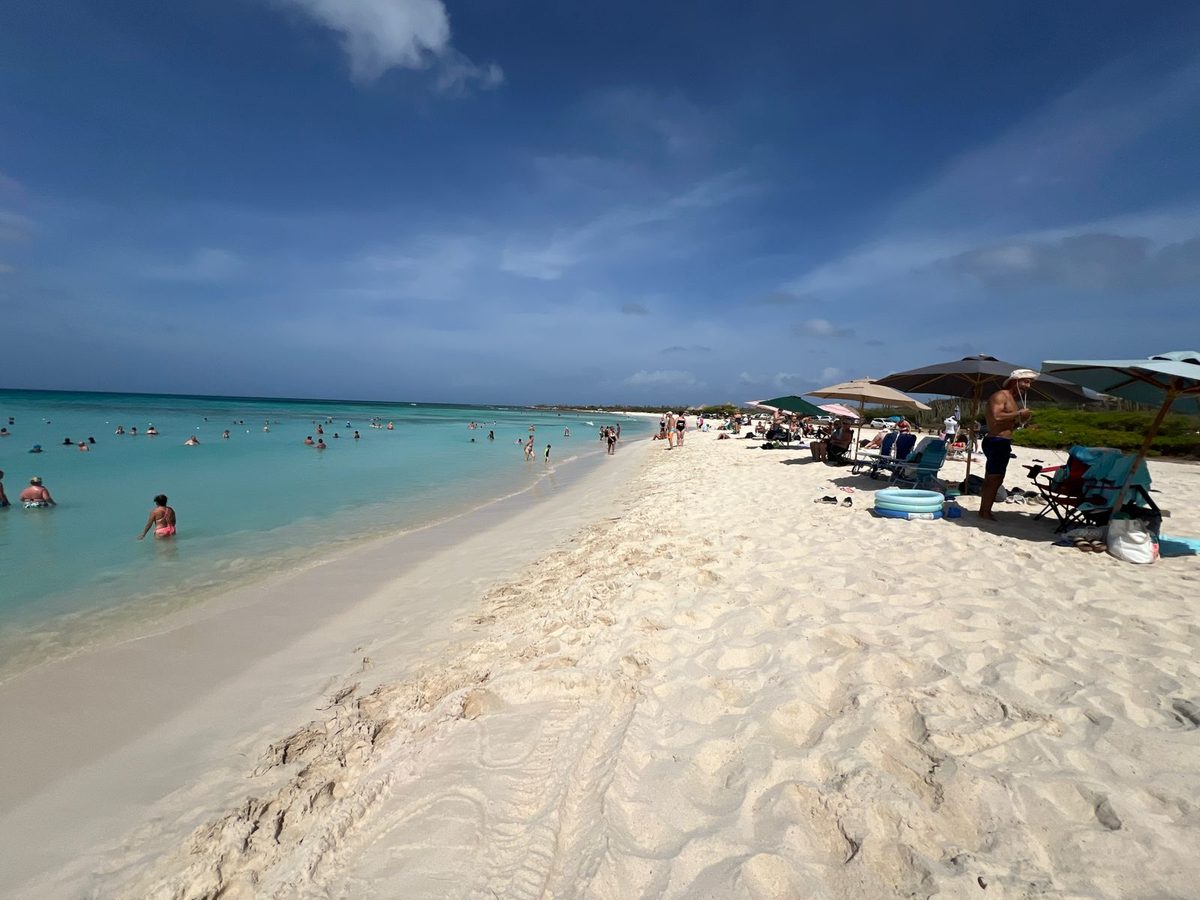
Tucked up near the California Lighthouse at the island’s northwest tip, Arashi is the gentlest introduction to snorkeling in Aruba. The bottom is sandy and the water shallow and usually calm, so kids and first-timers can find their fins without a rocky scramble. Drift toward the rocks on the left (north) end of the beach and the fish appear: schools of palometas near the surface, little bottom-feeders, and a scattering of bright reef fish over the patchy reef. Strong swimmers can push farther out to the more interesting coral.
Arashi has a big parking area and is on the Arubus route, so it’s easy to reach without a tour. There are no gear-rental stands right on the sand, so bring your own mask and fins. Come early, especially on Sundays when it’s a beloved local beach, grab shade under one of the palapa huts, and refuel afterward at the Arashi Beach Shack.
3. Boca Catalina — the postcard cove
Boca Catalina is the small, crescent-shaped bay you’ve probably seen on Aruba postcards: white sand, turquoise water, and just enough reef structure to keep things interesting. It’s a regular stop for catamaran tours precisely because the sea life cooperates — palometas, trunkfish and sergeant majors patrol the shallows, with bigger, more colorful fish and coral as you head into deeper water. Snorkelers on morning tours and private charters here are the ones most likely to share the water with a green sea turtle.
From shore you’ll find the cove down a short set of steps off the main Malmok road, with parking alongside. It’s calm and beginner-friendly, which is exactly why it gets busy by mid-morning. Arrive early and it can feel like your own private aquarium.
4. Catalina Cove — the quiet extension
Right next door, a little north of Boca Catalina, Catalina Cove is the spillover spot most day-trippers never bother to find. The easiest approach is to enter the water at Boca Catalina and simply swim north along the shoreline. The fish here — blue tangs, bar jacks, barred hamlets — like to tuck in close to the rocks, so trace the rocky edges of the cove rather than the open middle. It’s calm and shallow enough for beginners and makes a natural pairing with Boca Catalina for a half-day of easy, no-cost snorkeling.
5. Tres Trapi — sea stars and morning turtles
Tres Trapi means “three steps” in Papiamento, named for the concrete stairway that drops you straight into the water — a blessing on an island where so many entries are over jagged rock. It sits along the Malmok coast and has built a reputation on two things: the cushion sea stars scattered across the sandy bottom, and the green turtles that often graze here in the early morning. There are fewer fish than at Mangel Halto or Malmok, so manage expectations, but the turtle odds and the easy entry make it a worthwhile early stop.
One firm rule: look, don’t touch. Lifting sea stars out of the water to photograph them harms and can kill them, and it’s increasingly frowned upon (rightly) by locals. Admire them from the surface and keep your fins clear.
6. Malmok Beach — the most fish from shore
Malmok, at the northern end of the high-rise hotel strip, is a long, low limestone shoreline rather than a sandy beach — and it rewards the effort. The string of small coves holds an impressive cast of fish: French angelfish, banded butterflyfish, bluehead wrasse, trunkfish and clouds of sergeant majors, over scattered coral heads. It’s also where many catamarans moor, so you’ll see boats offshore.
The catch is the entry. The shore is sharp rock and there are sea urchins in the shallows, so water shoes aren’t optional here, and you’ll want to get past the rocky band before standing up. Once you’re floating, it’s one of the best shore reefs on the island for sheer fish variety. Best for intermediate snorkelers comfortable with a tricky entry.
7. Baby Beach — calmest water for families
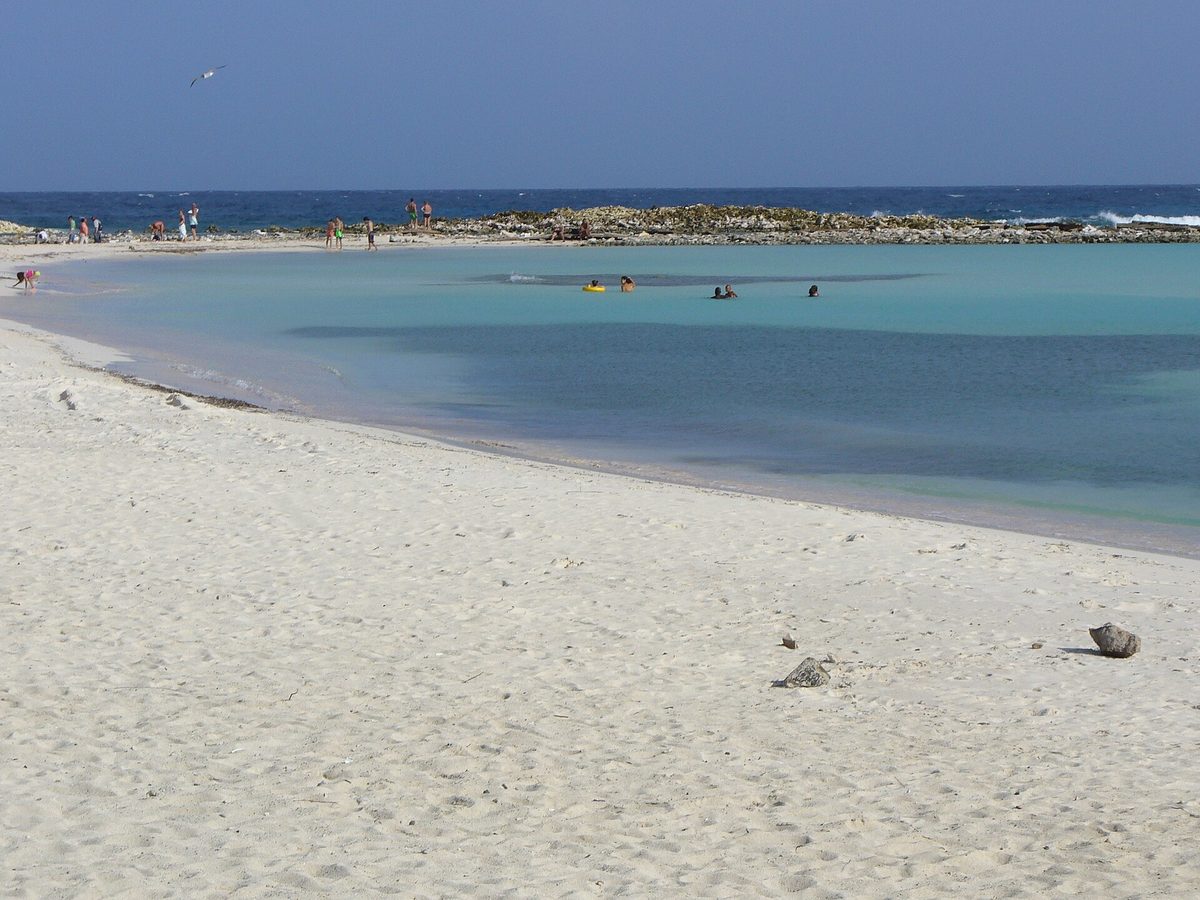
Down at the island’s southeastern tip near San Nicolas, Baby Beach is a wide, shallow, crescent lagoon protected from the open sea — the calmest, most reassuring water on Aruba for small children and nervous first-timers. The snorkeling itself is modest in the middle of the lagoon (mostly sand), but the reef fish gather along the rocky edges and out toward the reef line at the mouth of the bay.
Here’s the safety line that matters: stay inside the protected lagoon. The water beyond the reef opening is subject to strong currents and is genuinely dangerous — people get into trouble every year by drifting out. Snorkel the edges, keep an eye on kids, and it’s a delightful, low-stress spot. There’s a beach bar and gear rental on site, which makes it an easy day even if you didn’t pack fins.
The best boat-only snorkeling: where a tour earns its price
Aruba’s resort beaches — Eagle Beach and Palm Beach — are postcard-perfect for sunbathing but have essentially no reef, which surprises a lot of first-timers. The flip side is that almost every catamaran and sailing trip launches from right in front of those hotels, so a half-day on the water is easy to add. A typical three-stop snorkel cruise runs about $50–$70 per person and usually includes gear, an open bar and a light lunch; private charters climb well past $1,000. For more on organized trips, see our full guide to Aruba water sports and boat tours.
The Antilla shipwreck
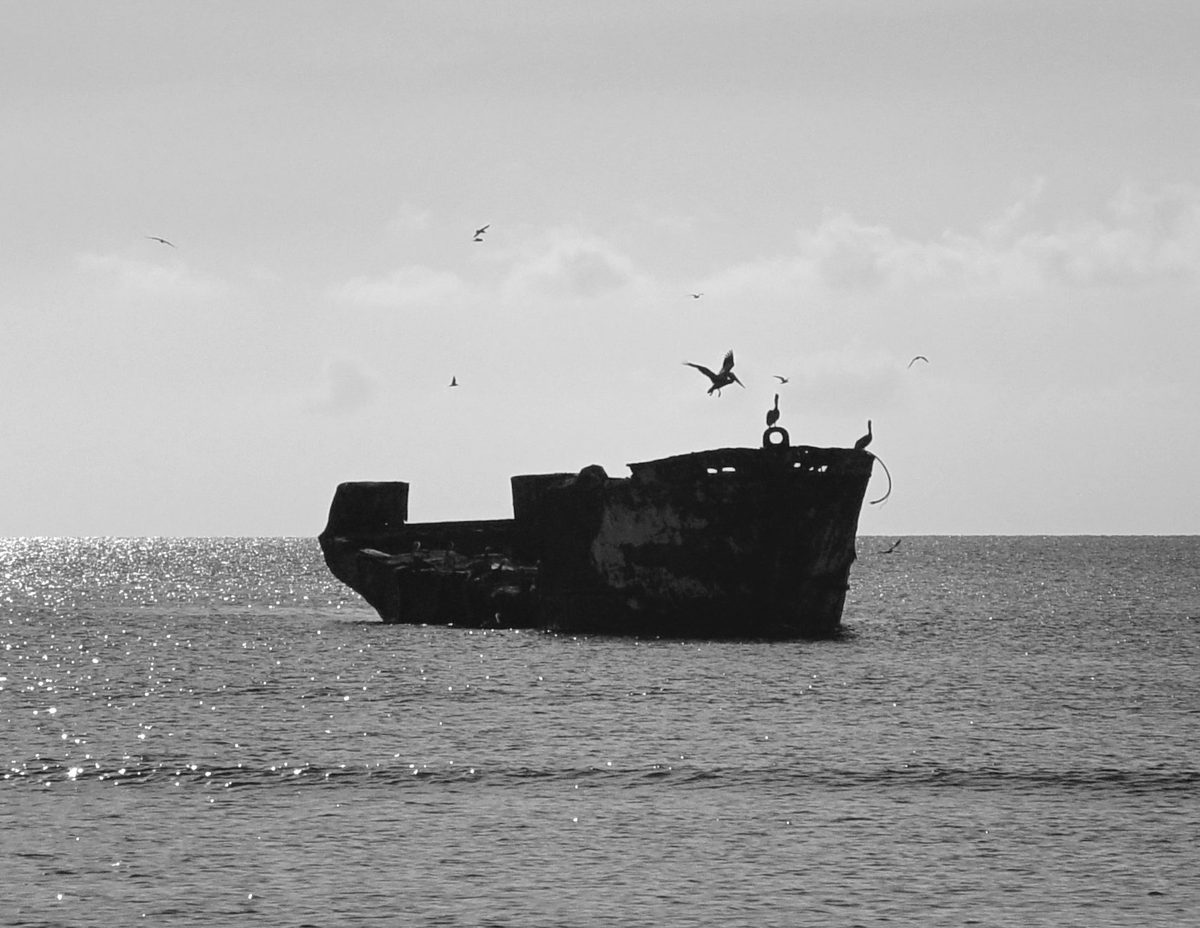
This is the one underwater sight worth getting on a boat for. The Antilla was a German freighter scuttled off the northwest coast in 1940, and at roughly 400 feet it’s one of the largest shipwrecks in the Caribbean — so big it’s nicknamed “the ghost ship.” Because the wreck sits in relatively shallow water with parts of the hull near the surface, snorkelers (not just scuba divers) get a real view of it: coral has colonized the steel, and clouds of sergeant majors, snappers and other fish swarm around the structure. It’s a boat-access site only, included on most Antilla-and-Catalina catamaran tours.
De Palm Island
A short ferry from the south coast, De Palm Island is an all-inclusive day-pass park with two man-made, protected coves that are reliably good for spotting fish, including the vivid blue parrotfish. It’s aimed squarely at families — the price bundles lunch, drinks, snorkel gear and other water activities — so it’s a safe, contained option if you want guaranteed calm water and don’t mind a busier, resort-style setting. Stronger snorkelers can explore outside the coves, where the reef quality rivals Mangel Halto.
Spanish Lagoon and guided trips
For something quieter, smaller sailboat operators run trips to spots like Spanish Lagoon, a sheltered mangrove inlet that’s part of a protected area. These tend to be calmer, lower-key, and better for nervous swimmers or anyone who finds the big party catamarans overwhelming. If you’re traveling with little ones, our Aruba with kids guide has more on which water tours suit families.
What you’ll see underwater in Aruba
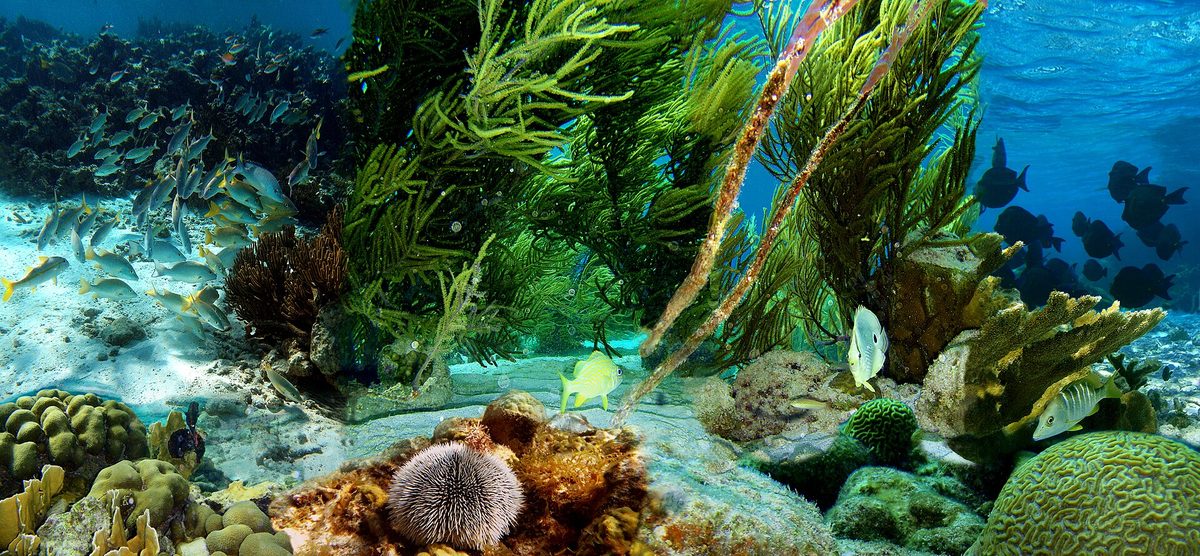
Let’s set expectations honestly, because this is where Aruba differs from its neighbors. The island has less living coral reef than Bonaire or Curacao just to the east — some of the elkhorn coral you’ll read about is, frankly, dead. What Aruba does have in abundance is colorful, easy-to-see tropical fish, often in 12 feet of water or less, which makes for relaxed, rewarding snorkeling even for beginners.
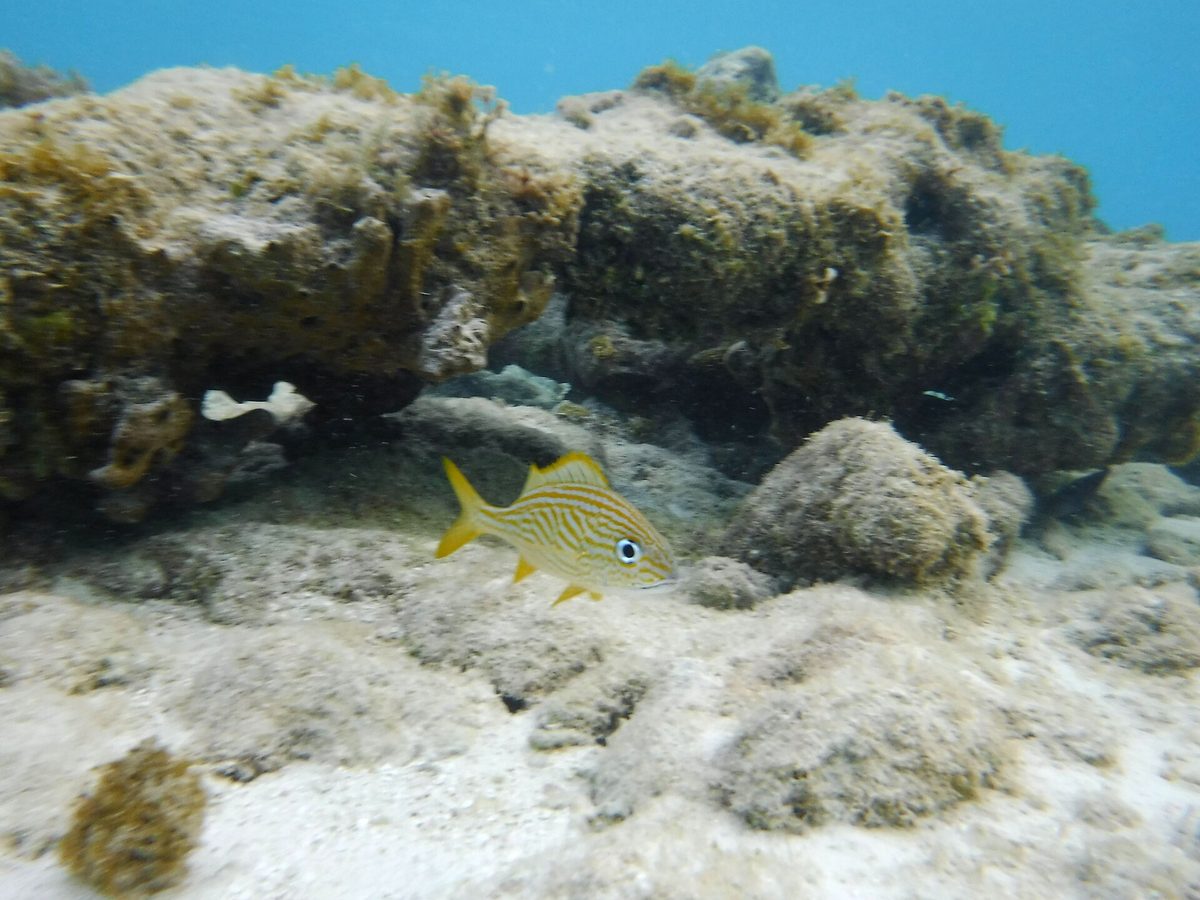
On a good morning you can expect parrotfish (listen for them crunching coral), electric-blue tangs, sergeant majors, French and queen angelfish, banded butterflyfish, trunkfish, bluehead wrasse, yellowtail snappers, bar jacks and schools of silvery palometas. Sandy bottoms hide cushion sea stars, sand divers and the occasional stingray. The headline encounters — green sea turtles and graceful eagle rays — turn up most often at Boca Catalina, Tres Trapi and on morning boat tours. Around the deeper reef edges and the Antilla wreck you’ll find sponges, gorgonian sea fans and barracuda hanging in the blue.
Snorkeling in Aruba by traveler type
Families with kids
Stick to the calmest, shallowest water: Baby Beach’s protected lagoon, Arashi’s sandy shallows, or the contained coves of De Palm Island. All three let small children build confidence without rocks, waves or currents. Rent or pack a flotation vest, keep everyone inside the protected zones, and snorkel in the first few hours after the beach opens.
Beginners and first-timers
Arashi and Catalina Cove are the friendliest places to learn — easy entries, calm water and fish close to shore. Practice in the shallows first, keep your tour group or buddy in sight, and don’t push past the protected areas until you’re genuinely comfortable. A full-face mask can feel easier at first, but a traditional mask-and-snorkel is safer if you ever need to duck under.
Confident swimmers and adventurers
This is your island for shore exploration. Mangel Halto’s outer reef, the full length of Malmok’s coves, and the drift from Puerto Chiquito down to Mangel Halto reward strong swimmers who read conditions well. The Antilla wreck is the trophy. Always check the wind first and never snorkel exposed sites alone.
Cruise passengers with one day
If you’re in port for the day, the efficient move is a catamaran snorkel cruise leaving near Oranjestad — you’ll hit the Antilla wreck and Boca Catalina in one trip and be back in time for your ship. If you’d rather DIY, Boca Catalina and Malmok are a short, affordable taxi from the cruise terminal. Plan your hours with our Aruba itinerary guide.
When to go: the best time of day and year
The single most useful tip in this whole guide: snorkel in the morning. Aruba’s trade winds typically pick up through the day, so the window from roughly 8 to 11 a.m. brings the lightest wind, the best underwater visibility, the calmest entries and the least boat traffic. It’s also when turtles tend to feed in the shallows. An early start genuinely changes the quality of your snorkel.
Across the year, Aruba’s weather is remarkably steady — warm air and water (low 80s°F) all twelve months, and it sits below the main hurricane belt. For the clearest water, the dry season from roughly January to March tends to deliver the best visibility. Winds are often a touch lower from September through December, though that overlaps the wetter, occasional-storm months. The upshot: there’s no truly bad time to snorkel here, so let price and crowds guide your dates. Our month-by-month guide to the best time to visit Aruba breaks down the trade-offs in detail.
Getting there, gear and what to bring
The snorkeling beaches are spread along the west and south coasts, and the easiest way to reach the northwest cluster (Arashi, Boca Catalina, Malmok, Tres Trapi) is a rental car — you can comfortably string several together in a morning. The public Arubus also stops near the major beaches and is a cheap alternative; see our guide to getting around Aruba for routes and fares. No site requires a 4×4.
A few things worth packing or buying locally:
- Water shoes. Non-negotiable at Mangel Halto and Malmok, where entries are sharp rock and sea urchins lurk in the shallows.
- Your own mask and fins. Several shore spots (Arashi especially) have no rental stands. A well-fitting mask makes or breaks the experience.
- Reef-safe sunscreen. You’ll be face-down with your back exposed for ages; a rash guard plus mineral sunscreen beats a painful burn and protects the reef.
- A dry bag and a little cash for parking, beach shacks and tips.
Snorkeling from shore is free, which is part of why it makes so many lists of free things to do in Aruba. If you’d rather have gear, guidance and a wreck thrown in, budget around $50–$70 per person for a group catamaran trip — see how that fits the bigger picture in our Aruba vacation cost breakdown.
Is snorkeling in Aruba safe? Read this before you get in
Mostly yes — but Aruba deserves more respect than its calm-looking turquoise suggests, and a little candor here matters more than another pretty paragraph. The island is consistently windier than Bonaire or Curacao, and more wind means bigger waves and stronger currents. Most snorkeling sites are also exposed to the open ocean; only Baby Beach’s lagoon and the inner bay at Mangel Halto are truly protected.
Three rules keep you safe. First, check the wind before you go — a forecast site like Windfinder shows direction and strength, and if a spot is rough, pick another or wait for morning. Second, never assume the crowd knows best; plenty of people enter the water with little ocean experience, and following them past a reef line or out of a protected bay is how trouble starts. Third, respect the east coast — beaches like Boca Grande look tempting but the trade winds pound that side almost year-round, making the currents too strong to snorkel. Save your mask for the leeward coast.
For broader pointers on staying healthy and prepared on the island, our essential Aruba travel tips are worth a skim before you fly.
How the snorkeling beaches fit your wider trip
Snorkeling pairs naturally with the rest of an Aruba beach day, and the best spots sit close to where most visitors stay. If you’re weighing neighborhoods, our pillar guide to Aruba’s beaches maps the whole coastline, while the where to stay in Aruba guide can help you base yourself near the northwest snorkeling cluster or the quieter south. And if you’re still shaping the overall plan, the things to do in Aruba overview slots snorkeling in among the island’s other highlights, from Arikok’s wild coast to sunset sailing.
Frequently asked questions about snorkeling in Aruba
Where is the best snorkeling in Aruba?
For shore snorkeling, Mangel Halto on the south coast has the best all-round reef and fish life, with Boca Catalina and Malmok close behind on the northwest coast. For the single most impressive sight, the Antilla shipwreck — reachable only by boat — is unmatched. Beginners should start at Arashi or Baby Beach.
Can you snorkel right from the beach in Aruba?
Yes — that’s the island’s underrated strength. Mangel Halto, Arashi, Boca Catalina, Catalina Cove, Tres Trapi and Malmok are all shore-entry spots you can reach by car or bus, no tour required. Just bring your own gear to the spots without rental stands, and wear water shoes where the entry is rocky.
Do Eagle Beach and Palm Beach have good snorkeling?
Not really. The famous resort beaches have gorgeous sand but little to no reef, so there’s not much to see in the water. The upside is that most catamaran snorkel tours launch from right in front of these hotels, making it easy to combine a beach day with a trip to better reef.
Can you see sea turtles snorkeling in Aruba?
Yes, though it’s never guaranteed. Green sea turtles are spotted most often at Boca Catalina and Tres Trapi in the early morning, and on morning catamaran tours. Go early, move slowly and quietly, and keep a respectful distance — never chase or touch them.
Is the snorkeling in Aruba better than Bonaire or Curacao?
Honestly, no — Bonaire and Curacao have more living coral and more world-class shore sites. But Aruba has plentiful, easy-to-reach tropical fish, calmer beginner spots and far better beaches and dining. Many snorkelers pair Aruba with a short hop to Bonaire or Curacao for the best of both.
What is the best month for snorkeling in Aruba?
Any month works thanks to Aruba’s steady climate, but January through March usually brings the clearest water for visibility. Regardless of the month, the time of day matters more: mornings are calmer, clearer and less crowded than afternoons.
Do I need a snorkeling tour, or can I do it myself?
You can absolutely DIY from shore and save money — that’s how many visitors snorkel here. Book a tour only if you want to reach the Antilla wreck, prefer having gear and a guide, or want the social catamaran experience. A guide also improves your odds of finding turtles and rays.
Final thoughts
Aruba won’t out-coral Bonaire, and I’d never pretend otherwise — but that misses the point. Where else can you walk off a powder-sand beach into warm, clear water full of tangs and angelfish, drive ten minutes to a turtle cove, and cap the day on a catamaran over a 400-foot shipwreck? Pick your spot to match your swimming, go in the morning, respect the wind, and Aruba’s underwater side will surprise you. Start with Mangel Halto, and let the island take it from there.
Photo credits
- Photo: Ginelly.Q (CC0) via Wikimedia Commons
- Photo: Kwihi / CC BY 4.0 via Wikimedia Commons
- Photo: Dje9537459 (public domain) via Wikimedia Commons
- Photo: Michal Strzelecki, Wojtek Strzelecki & Jerzy Strzelecki / CC BY 3.0 via Wikimedia Commons
- Photo: Serge Melki from Indianapolis, USA / CC BY 2.0 via Wikimedia Commons