Aruba’s most photographed beaches are Eagle and Palm — but the island’s widest one is neither. That distinction belongs to a calmer strip just south of Eagle Beach, marked on old charts as Punta Brabo and known today as Manchebo Beach. Keep walking south and the sand melts into Druif Beach with no visible seam at all.
Short answer: Manchebo Beach Aruba is the island’s widest beach, a soft, low-rise stretch on the southwest coast just below Eagle Beach that flows straight into Druif Beach. Expect calm, swimmable water, acres of room, genuinely free shade if you look for it, and a quiet couples-and-yoga mood that feels a world away from busy Palm Beach.
I think of Manchebo and Druif as one long, underrated beach day that most first-timers drive right past on their way to the high-rises. This guide covers exactly where they are, how the water and sand compare to the famous beaches, where to stay and eat, how to get there and park, and the small logistics — palapa etiquette, sunset timing, turtle season — that make the difference between a good afternoon and a great one. For the bigger picture, it sits inside our complete guide to Aruba’s beaches.
Manchebo and Druif at a glance
| Manchebo Beach | Druif Beach | |
|---|---|---|
| Where | Low-rise strip just south of Eagle Beach (Punta Brabo) | Immediately south of Manchebo, fronting the Divi resorts |
| Vibe | Wide, quiet, couples and yoga mats | Relaxed, resort-friendly, easygoing families |
| Best for | Long walks, lazy swims, shade, sunsets | Calm swims, sunbathing, all-inclusive convenience |
| Water | Usually calm and clear; gentle slope, occasional cross-current | Calm and shallow; easy entry |
| Sand | Aruba’s widest — soft white powder, up to ~90 m deep | Soft white sand, a touch narrower |
| Crowds | Low to moderate | Low to moderate |
| Snorkeling | Fair at best — go to Malmok or Boca Catalina instead | A little reef offshore mid-beach; bring your own gear |
| Getting there | ~10 min from Oranjestad; free parking; Arubus line 10 | Same strip — walk south from Manchebo |
Come here if you want space to spread out, water calm enough for an actual swim, reliable shade, and a slow sunset. Maybe skip it if you’re chasing big-name snorkeling reefs, motorized water-sports action, or a lively party-beach scene — those live up at Palm Beach, a 10-minute drive north.
Where is Manchebo Beach Aruba, and why it feels different
Manchebo sits on Aruba’s calm, leeward southwest coast, in the band locals call the “low-rise” hotel area — the stretch of two- and three-storey resorts between Eagle Beach and the Divi properties. You’ll find it in front of the Manchebo Beach Resort & Spa, just off J.E. Irausquin Boulevard. From cruise-ship downtown Oranjestad it’s barely a 10-minute drive.
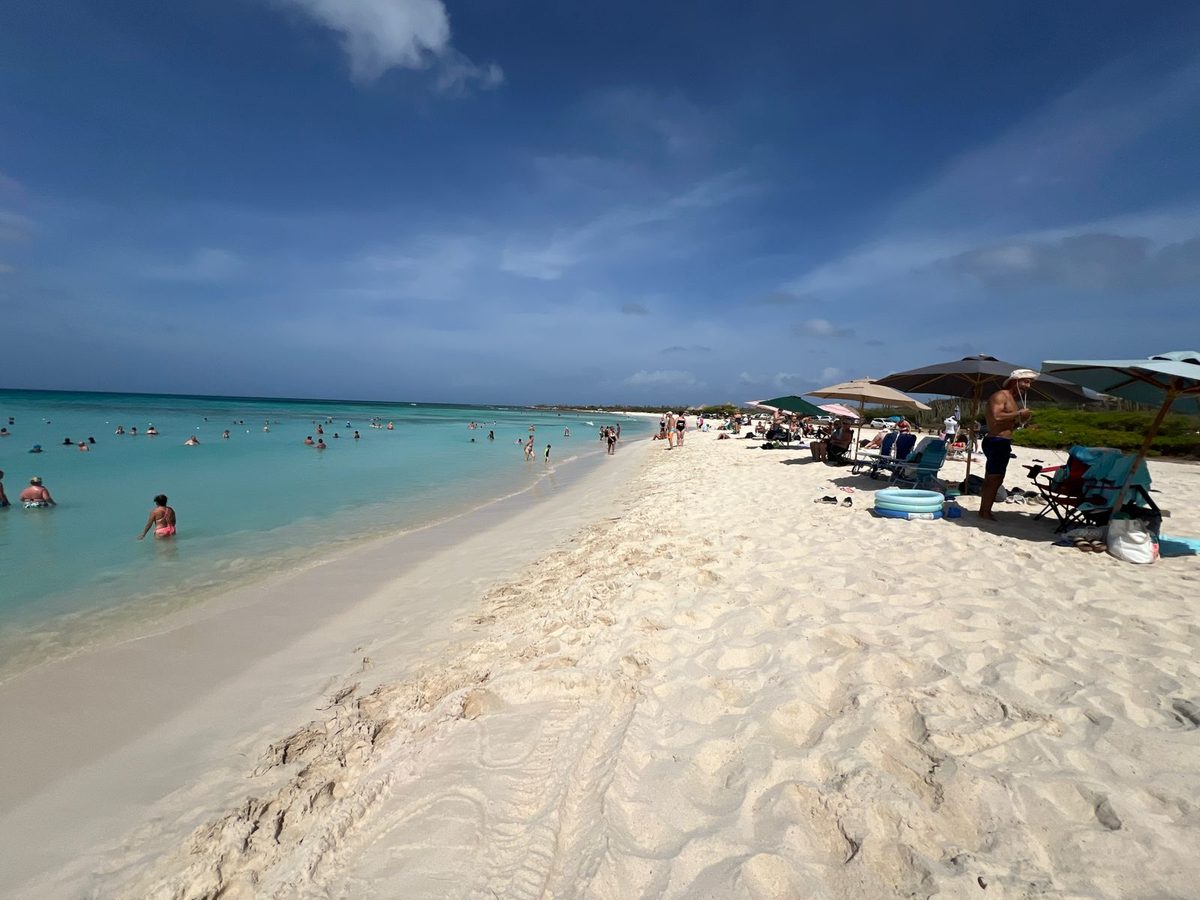
Here’s the fact that surprises people: although Eagle Beach gets the “widest beach in Aruba” reputation in glossy brochures, the sand right at Manchebo — historically called Punta Brabo — is the broadest single expanse on the island, running roughly 800 metres long and up to about 90 metres deep at low tide. That width is the whole point. Even on a busy week you can drop your towel with twenty metres of open sand around you, which simply isn’t possible on the resort-packed high-rise beaches.
Because the coast faces west, the water is protected and the afternoon light is gorgeous. It also means the building height stays low: no shadows thrown across the sand at 4 p.m., no wall of towers behind you, just sea grape trees, the odd divi-divi, and a clean horizon. If you’ve only seen the postcard shots of Palm Beach’s high-rises, the low-rise stretch is a different, gentler version of Aruba — and a big reason it shows up so often on Aruba honeymoon shortlists.
Manchebo vs Eagle vs Palm Beach: which one is right for you?
These three beaches sit within a couple of miles of each other on the same west coast, and choosing between them is really about pace.
Palm Beach is the headline act: a wall of high-rise resorts, motorized water sports, pier bars, banana boats, and a buzzy boardwalk. It’s where you go for energy, easy people-watching, and after-dark life. Eagle Beach is the famous beauty — wide, award-winning, home to the much-photographed fofoti trees — but its central section now draws steady crowds and the palapas fill early. Manchebo is the quiet third option right next door: the same blinding white sand and warm water as Eagle, minus most of the people. Fewer vendors, more space, and a noticeably calmer feel.
My rule of thumb: book a room near Palm if nightlife and action top your list, and near Eagle, Manchebo, or Druif if you want to actually hear the waves. Plenty of people split the difference — a lively dinner up at Palm, then slow beach days down here. If you’re still deciding on a base, our guide to where to stay in Aruba breaks the areas down room by room.

The water: swimming, snorkeling, and what to actually expect
For swimming, Manchebo and Druif are among the easiest beaches on the island. The bottom shelves gently, the shallows stay warm, and on most days the surf is little more than a lapping ripple — ideal for floating, lazy laps, or letting kids wade out a long way safely. The sand underfoot is soft, with few rocks in the main swimming zone.
One honest caveat: Manchebo sits where mild currents can converge, so on breezier days you’ll feel a gentle sideways pull, especially toward the southern end. It’s rarely dangerous, but it’s real. Glance at any posted flags, keep an eye on little ones, and you’ll be fine. If conditions look stirred up, the Druif section just south usually sits a touch calmer.
Snorkeling is where I’ll save you some disappointment: it’s mediocre here. The bottom is mostly sand, so apart from a patch of low reef offshore from the middle of Druif, there isn’t much to see. If snorkeling is a priority, drive 10–15 minutes north to Malmok Beach, Boca Catalina, or Arashi, where rocky shorelines hold far more fish — all covered in our Aruba water sports guide along with where to rent gear. Bring your own mask if you want to poke around Druif’s reef on a calm day; it’s worth a look, not a special trip.
What the water is great for: stand-up paddleboarding and learning to windsurf. The steady trade winds and flat near-shore make this a forgiving place to find your balance, and a couple of shacks along the strip rent boards by the hour.
One more thing worth knowing: these low-rise beaches are part of Aruba’s sea-turtle nesting coast. From roughly March through autumn, leatherbacks and loggerheads come ashore here at night to lay eggs, and you may see roped-off nests marked by the local foundation. Keep your distance, never shine a bright light at the water after dark, and fill in any holes you dig — the timing lines up with the island’s calmest, sunniest months covered in our best time to visit Aruba guide.
Druif Beach: Manchebo’s quieter twin
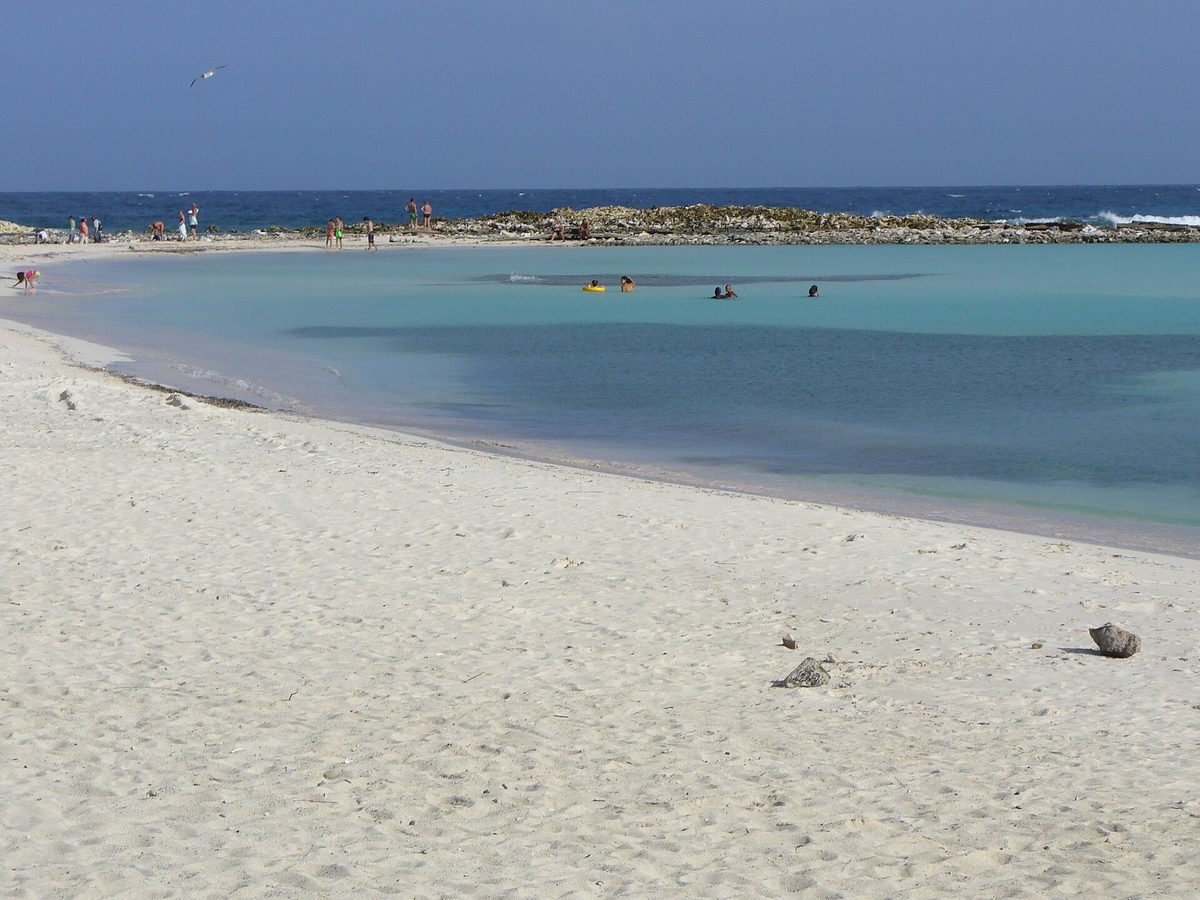
Where Manchebo ends and Druif Beach begins is genuinely hard to point to — the sand just keeps going. Druif fronts the Divi and Tamarijn resorts, so it has a slightly more “resort” feel, with rows of palapas and an easy, all-inclusive rhythm to the day. The water is, if anything, even calmer and more shallow, which makes it a favorite with families and anyone who likes to wade out and stand chest-deep in bath-warm sea.

Here’s my favorite move for a full beach day: start the morning up on Eagle Beach for the famous photos and the widest light, then as the midday crowd builds, stroll south along the sand into the Manchebo and Druif sections for a quieter afternoon — and stay put for sunset. You can walk the whole way in fifteen unhurried minutes, towel in hand.
Druif is also handy for a change of scene without a long drive. The Alhambra entertainment area — casino, shops, and casual restaurants — sits just inland, and the Butterfly Farm and Bubali Bird Sanctuary are a short hop north. It’s an easy stretch to fold into a broader plan; see our sample Aruba itinerary for how a low-rise beach day fits a week on the island.
Things to do at Manchebo and Druif Beach
This isn’t a thrill-a-minute beach, and that’s the appeal. The activities here are the slow, restorative kind:
- Long shoreline walks. Because the sand is so wide and uncrowded, you can walk for ages — past low dunes, sea grape, and divi-divi trees — at sunrise or sunset and barely pass another soul.
- Paddleboarding and beginner windsurfing. Calm near-shore water plus dependable trade winds make this a great place to learn. Rent a SUP and cruise the shallows, or take a first windsurf lesson without big surf to fight.
- Beach yoga. The low-rise resorts lean into wellness, and the Manchebo Beach Resort is well known for its beachfront yoga pavilion. Even without a class, the soft, flat sand is perfect for your own sunrise stretch.
- Swimming and floating. The headline event. Warm, shallow, forgiving water you can actually relax in.
- Sunset watching. West-facing and wide open — more on that below.
- Stargazing and quiet evenings. After dark the strip goes peaceful; it’s a lovely place for a moonlit walk (just mind the turtle-nesting rules).
If you want more variety in a day — beach tennis, biking the coast, or a boat trip — the full menu is in our roundup of the best things to do in Aruba, much of which launches from this side of the island.

Where to stay on the Manchebo and Druif strip
One of the quiet advantages of this stretch is that you can stay on the beach without a high-rise price-tower feel. A few standouts:
- Manchebo Beach Resort & Spa. An intimate, wellness-focused property of around 72 rooms set right on the widest sand, with a spa, yoga and meditation pavilion, and the popular Pega Pega beach bar. Adults skew the crowd; the mood is calm.
- Bucuti & Tara Beach Resort. The adults-only, sustainability-leading neighbor on the Eagle Beach side — repeatedly ranked among the Caribbean’s top hotels and a perennial honeymoon favorite. Carbon-neutral, romantic, and serious about quiet.
- Costa Linda and the Divi/Tamarijn resorts. Larger options anchoring the Druif end, including all-inclusive plans that suit families and anyone who’d rather not think about the bill at lunch.
If an all-in price is appealing, compare the options in our guide to Aruba all-inclusive resorts; couples planning something special should also see our Aruba honeymoon guide, where the low-rise beaches feature heavily. For a wider survey of neighborhoods and price points, our where to stay in Aruba guide is the place to start.
Eating and drinking: Pega Pega and the orange-flag trick
The social heart of Manchebo Beach is Pega Pega Beach Bar & Grill at the Manchebo Beach Resort. It’s an open-air, toes-in-the-sand spot for tropical cocktails, fresh smoothies, and casual food — fish tacos, salads, paninis, burgers — with a solid run of vegetarian and vegan options. Order the way regulars do: plant the little orange flag in the sand by your palapa and a server comes to you. Happy hour typically runs around 5–6 p.m., which conveniently lines up with sunset.
On the drinks list you’ll find local Balashi and Chill lagers alongside Dutch-leaning Amstel Bright and Heineken; the Spicy Mango cocktail has a cult following. The resort also runs an intimate Omakase sushi counter if you want something dressier. Prices are resort-casual — not cheap, not outrageous — and you’re paying partly for the view, which is fair. For more standout tables across the island, see our Aruba restaurants guide.
Sunsets, and the case for staying late
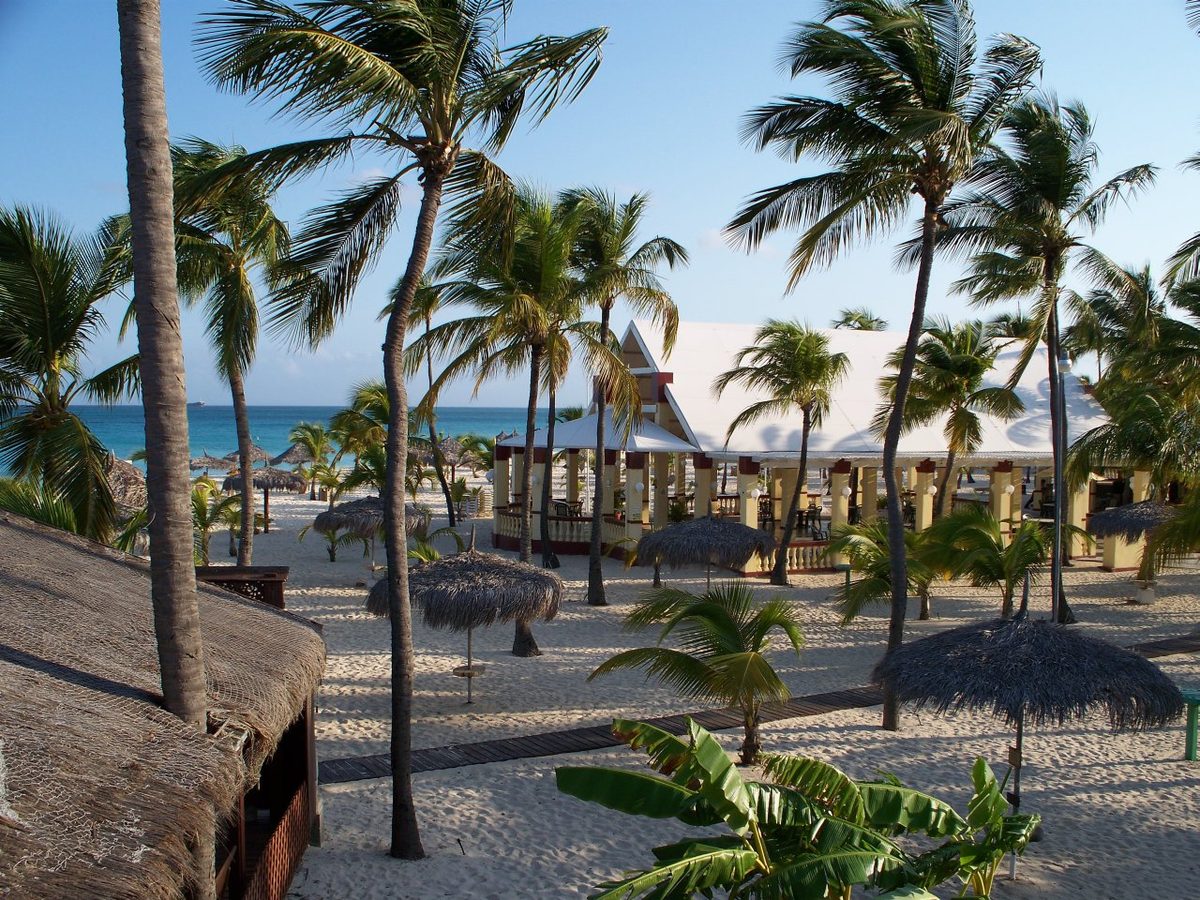
If you do one thing here, make it a sunset. The west-facing aspect, the open width of the sand, and the low buildings combine into one of the most relaxed sunset spots on the island — no jostling for a viewpoint, just space to plant a chair. Grab a happy-hour drink, watch the sky go pink behind the palapas, and let the day wind down.

Evenings stay low-key on this strip — a beachfront dinner, a quiet drink, an early night. If you’re after livelier after-dark options, the bars and casinos cluster a short drive away; our Aruba nightlife guide maps where the energy is.
Getting there, parking, and practical tips
Manchebo and Druif are about a 10-minute drive from Oranjestad and the cruise port, and roughly 15 minutes from the airport. A few things that make the day smoother:
- Driving and parking. There are free public parking areas near the beach access points along J.E. Irausquin Boulevard. They fill on busy days, so arrive before mid-morning for the easiest spot. Renting a car is the most flexible way to hop between beaches — see our getting to and around Aruba guide.
- Public bus. Arubus line 10 runs along the hotel strip between Oranjestad and the low-rise/high-rise areas; a one-way fare is only a couple of dollars. It’s cheap and reliable if you’d rather skip a rental.
- Taxis use fixed island rates rather than meters; agree the fare before you set off. Budgeting the whole trip? Our Aruba vacation cost guide has current ballpark numbers for transport, food, and beach days.
- Public access and palapas. Every beach in Aruba is public, Manchebo and Druif included, so you’re free to lay your towel anywhere. The catch is the shade: palapas directly in front of a resort are usually reserved for its guests, and “saving” one at dawn with a towel is frowned on. There are non-resort palapas and natural sea-grape shade — claim those, or bring your own umbrella to be safe.
- What to bring. Reef-safe sunscreen (the sun is fierce and reflects off the pale sand), water, and a hat. There are restrooms and food at the beach bars and resorts, but no big commercial strip on the sand itself. More small stuff like this lives in our Aruba travel tips.
- With kids. The shallow, gentle water makes Druif and Manchebo two of the most family-friendly beaches on the island; pair them with the ideas in our Aruba with kids guide.
Is Manchebo Beach worth it? My honest take
Yes — if you match it to the right kind of day. I wouldn’t send a thrill-seeker here expecting jet-ski chaos or world-class reef. But for a wide, calm, genuinely relaxing beach where you can swim properly, find shade, walk for ages, and watch a clean sunset without a crowd, Manchebo and Druif are among the best-value choices on Aruba’s west coast. They give you the same famous sand and water as their headline neighbors, with the volume turned down. For most travelers, that trade is exactly right.
Manchebo Beach Aruba: frequently asked questions
Is Manchebo Beach good for swimming?
Very. The water is usually calm and clear, the bottom shelves gently, and there are few rocks in the main swim zone, so it’s comfortable for all abilities. On breezier days you may feel a mild sideways current near the southern end — check any flags and keep an eye on small children, but it’s rarely a problem.
Can you snorkel at Manchebo or Druif Beach?
Only modestly. The seabed is mostly sand, so aside from a patch of low reef off the middle of Druif, there isn’t much to see. For real snorkeling, drive 10–15 minutes north to Malmok, Boca Catalina, or Arashi, where rocky shores hold far more marine life. Bring your own gear if you just want to explore Druif’s reef on a calm day.
Is Manchebo Beach public, and is there free shade?
Yes — all Aruban beaches are public, so you can sit anywhere. Shade is the nuance: palapas in front of resorts are typically for guests, but the beach is wide enough that you can find non-resort palapas or natural sea-grape shade. Bringing a small umbrella guarantees you a shady spot.
What’s the difference between Manchebo and Druif Beach?
They’re really one continuous beach. Manchebo is the wider, slightly quieter northern part by the Manchebo Beach Resort; Druif is just south, fronting the Divi and Tamarijn resorts, with an even calmer, more resort-oriented feel. Most visitors wander freely between the two without noticing the “border.”
Is Manchebo Beach good for families with kids?
Excellent. The shallow, gentle water and soft sand are ideal for young swimmers, and the wide beach gives kids room to roam. Druif’s calm shallows are especially good for toddlers. There’s free parking nearby and food at the beach bars, which keeps a family day low-stress.
Manchebo or Eagle Beach — which is better?
Eagle is more famous and a touch more scenic thanks to the fofoti trees, but it also draws bigger crowds. Manchebo, right next door, offers the same white sand and warm water with more space and fewer people. If photos top your list, choose Eagle; if calm and room matter more, choose Manchebo. Happily, you can walk between them.
Final thoughts
Manchebo and Druif are the beaches I recommend to anyone who says they want Aruba’s famous sand without Aruba’s crowds. Come for a swim, stay for the shade, and don’t leave before the sun goes down. When you’re ready to compare it with every other stretch of coast on the island, our complete Aruba beaches guide ranks them all.
Photo credits
- Manchebo Beach resort strip — Photo: Set1536 / CC BY-SA 3.0 via Wikimedia Commons.
- Turquoise west-coast water and loungers — Photo: Kwihi / CC BY 4.0 via Wikimedia Commons.
- Druif Beach / Tamarijn shallows with pier posts — Photo: northern man / CC BY 2.0 via Wikimedia Commons.
- Divi-divi tree on white sand — Photo: sbmeaper1 (CC0, public domain) via Wikimedia Commons.
- Sunset behind beach palapas — Photo: SIryn / CC BY-SA 4.0 via Wikimedia Commons.