Palm Beach gets called “the touristy one” — the high-rise strip where Aruba stacks its biggest resorts, loudest beach bars, and busiest run of sand. That reputation is fair, and it’s also beside the point. Nearly everything you’ve heard about Palm Beach Aruba — the resorts, the catamarans, the casinos, the sunsets — is true, and this two-mile ribbon of powder-white sand on the island’s northwest coast is crowded precisely because it’s that good: bathwater-calm sea, palm-tree shade, glittering hotels, and more to do per square foot than anywhere else on the island.
I’ve spent a lot of mornings on this beach and a lot of evenings in the bars behind it, and my honest take is that Palm Beach is the easiest place in Aruba to have a great day with almost no planning. Below is everything I’d tell a friend before they go — where it is, what the water’s really like, the best things to do, where to eat, and the one question everyone asks (Palm or Eagle?).
Palm Beach in a nutshell
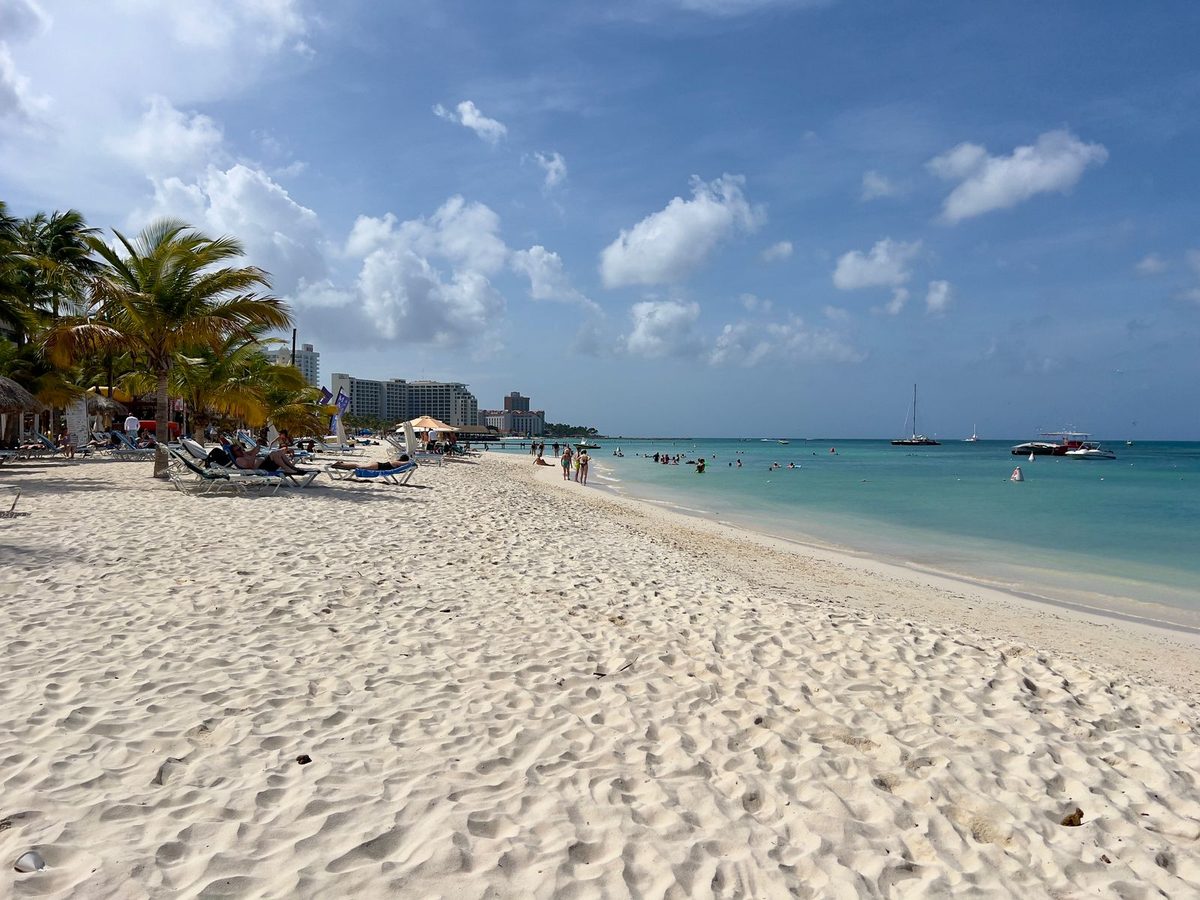
Palm Beach is a two-mile (roughly 3 km) stretch of calm, shallow, swimmable Caribbean sea in Aruba’s Noord district, lined end-to-end with high-rise resorts, restaurants, water-sports stands, and shopping. It’s the island’s hub for nightlife, casinos, and on-the-water activities, and it’s ideal if you want everything — sunbeds, dinner, a catamaran, and a casino — within a short walk. All Aruban beaches are public and free to walk on.
Palm Beach at a glance
| Detail | What to expect |
|---|---|
| Location | Noord district, northwest coast (about 15 minutes from the airport and Oranjestad) |
| Length | ~2 miles / 3 km of continuous white sand |
| Water | Calm, clear, shallow; gentle entry — among the island’s best for swimming |
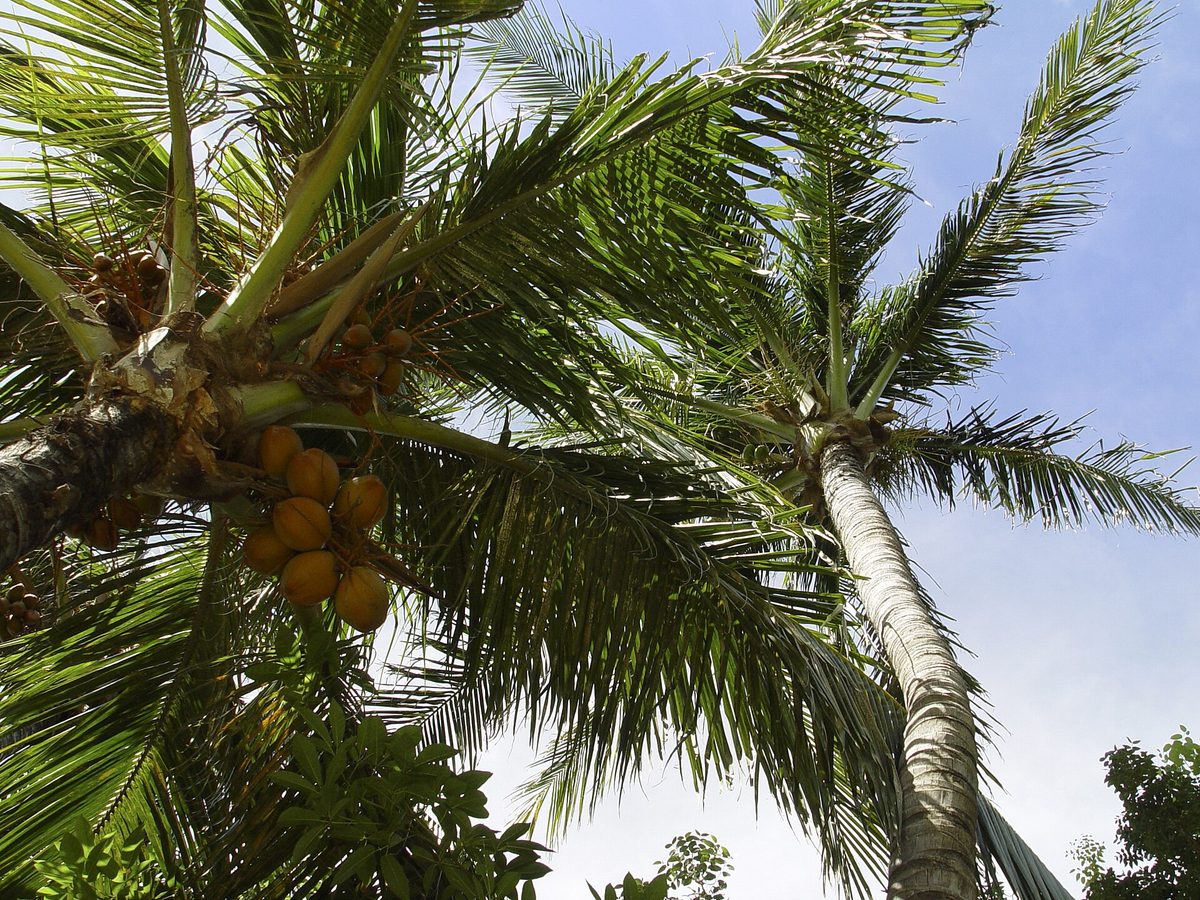
| Shade | Natural palm trees plus hotel palapas (thatched huts) |
| Vibe | Lively, social, resort-glam; busiest beach on the island |
| Best for | Swimmers, water-sports fans, nightlife, dining variety, families with older kids |
| Less ideal for | Anyone chasing a quiet, empty, away-from-it-all beach |
| Cost to use | Free and public; you only pay if you rent a chair/umbrella or use a hotel’s set |
| Parking | Free public lots behind the hotels and near the piers |
Where exactly is Palm Beach — and how to get there
Palm Beach sits on Aruba’s leeward (western) coast in the district of Noord, just north of Eagle Beach and the low-rise hotel zone. Because Aruba’s resort coast is compact, you’re never far away: it’s roughly a 15-minute drive from Queen Beatrix International Airport and about the same from downtown Oranjestad.
By taxi
Aruba’s taxis run on fixed government rates rather than meters, so ask the fare before you get in. A ride from the airport to a Palm Beach hotel typically runs around US$30–35, and a short hop between Palm Beach and Eagle Beach or Oranjestad is usually in the US$10–15 range. Rates can be a touch higher after midnight and on Sundays — confirm when you board.
By bus (Arubus)
The island’s public bus, Arubus, runs a frequent route between Oranjestad’s main terminal and the hotel strip, stopping right behind the Palm Beach resorts. It’s a genuine bargain — a few dollars each way, with a day pass running around US$10 — and it’s the cheapest way to bounce between Palm Beach, Eagle Beach, and town. Bring small bills and check the last evening departure if you plan a late dinner.
By rental car
You don’t need a car to enjoy Palm Beach, but renting one for a day or two is the best way to pair the beach with the rest of the island. There are free public parking lots tucked behind the high-rises and beside the piers; arrive before mid-morning in high season and you’ll usually find a spot. For the full breakdown of taxis, buses, and car hire, see our guide to getting around Aruba.
The beach itself: sand, sea, and shade
Here’s what actually matters when your toes hit the sand. Palm Beach is wide, flat, and powder-soft, and the water is the headline act: calm, clear, and shallow for a long way out, with a gentle slope that makes wading and swimming genuinely relaxing. This is the protected, leeward side of the island, so you won’t fight the surf the way you would on the wild east coast.
A few honest specifics. The sand can get hot by midday — bring or rent shade. The seabed is mostly sand, but there are some rocky and seagrass patches close in near a few of the high-rises, so water shoes are a smart call if you’re sensitive underfoot. And because this is the island’s most popular beach, the prime front-row spots fill early; the hotels’ sunbeds are generally reserved for their guests, but the sand itself is public.
Swimming and snorkeling
For swimming, Palm Beach is one of the safest, easiest entries on the island — calm water, no big shore break, and well-trafficked sections. For snorkeling, set your expectations: the sand bottom right off the main strip isn’t a reef. The better underwater action is at the north end, up by the Fishermen’s Huts (Hadicurari) and toward Malmok and the California Lighthouse, where rocky patches and tour-boat moorings attract more fish. If serious snorkeling is your goal, it’s worth booking a boat trip (more on that below) or driving a few minutes north. Our full Aruba water sports guide covers the best snorkel and dive spots in detail.
Chairs, umbrellas, and “free” access
Every beach in Aruba is public, so walking on, swimming, and laying out your own towel costs nothing. What you pay for is comfort: beach vendors and the hotels rent loungers and umbrellas (figure roughly US$15–40 a day depending on the setup and resort). If you’re not staying on the strip, the stretch near De Palm Pier and the public access points is your best bet for setting up without a hotel wristband.
The best things to do at Palm Beach Aruba
The reason people pack onto Palm Beach is that you can fill an entire day — or week — without ever moving the car. Here’s how I’d prioritize.
Get out on the water
Palm Beach is water-sports central. From stands and piers along the strip you can book parasailing (around US$70 for a flight), jet skis, banana-boat and tube rides, stand-up paddleboards, and kayaks. The two main jumping-off points are De Palm Pier and the Hadicurari (Fishermen’s Huts) pier at the north end, the latter being Aruba’s prime wind- and kitesurfing spot thanks to its steady trade winds and shallow water.
Take a snorkel or sunset cruise
The single best-value activity here is a catamaran trip. Operators like De Palm Tours, Red Sail Sports, Pelican Adventures, and the Jolly Pirates leave right from the Palm Beach piers for snorkel sails (often hitting the Antilla shipwreck and Boca Catalina) and sunset cruises. Expect roughly US$70–90 for a sunset sail with appetizers and an open bar — it’s the activity I recommend most to first-timers. Book a day or two ahead in high season.
Chase the sunset
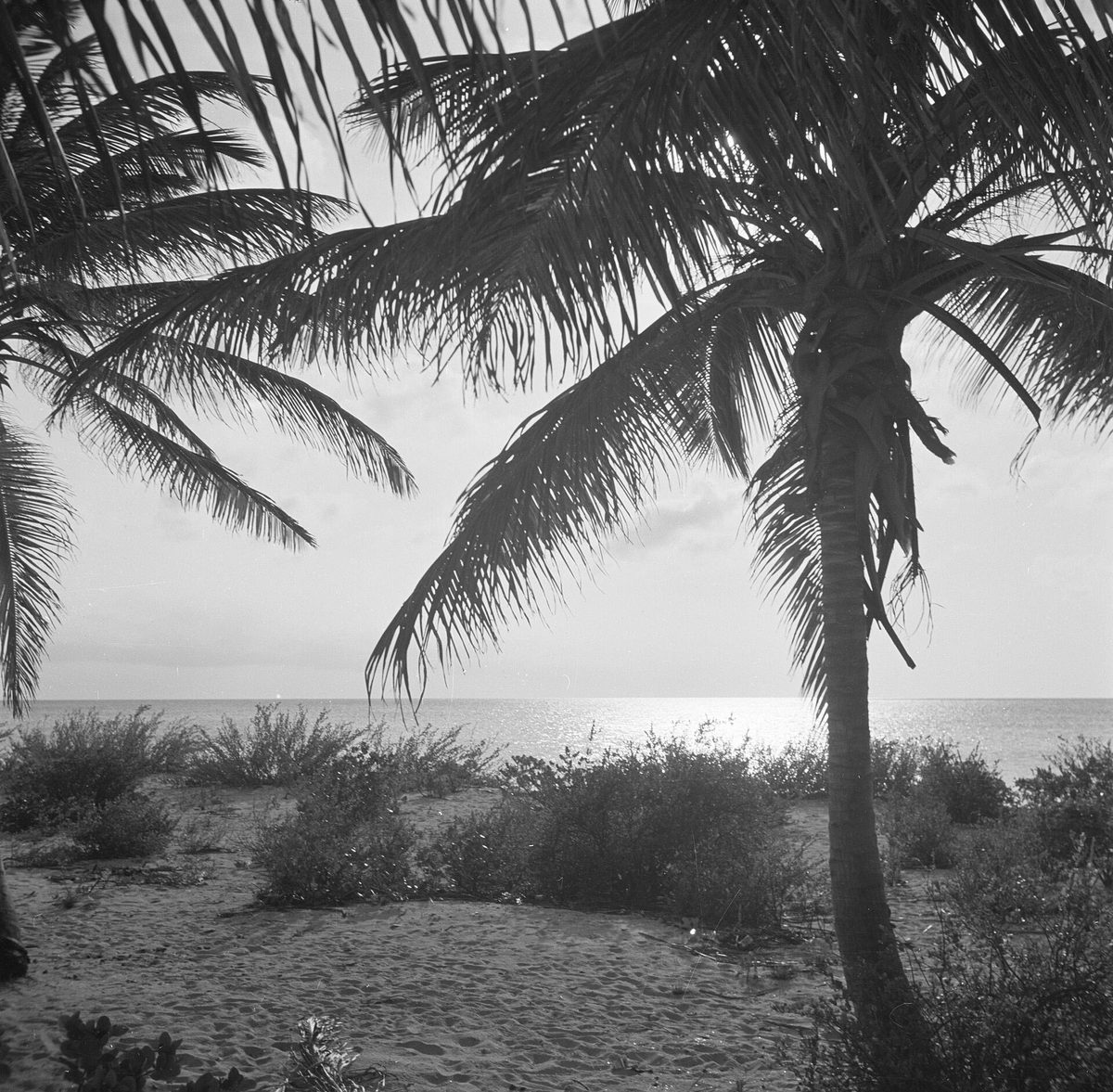
Palm Beach faces due west, which makes it one of the finest sunset perches in the Caribbean. Stake out a spot on the sand or a barstool on a pier around 6–6:30 pm (times shift with the season) and watch the sky go tangerine. It costs nothing and it’s the moment most people remember.
Just enjoy the beach bars
The bar built onto De Palm Pier — Bugaloe — is a perfect example of Palm Beach’s split personality: a laid-back, feet-in-the-sand spot for a midday beer and ceviche that turns into a live-music party after dark. Grabbing a drink over the water at golden hour is a Palm Beach rite of passage.
Palm Beach hotels and resorts
“Palm Beach” and “the high-rise hotels” are almost synonymous — this is where Aruba’s big international brands line the sand. You don’t have to stay here to enjoy the beach, but if you want to roll out of bed onto it, these are the players. For the full island-wide comparison, see our guides to where to stay in Aruba and the best Aruba all-inclusive resorts.
The luxury end
The Ritz-Carlton, Aruba anchors the far north end of the strip and is the address for full-service luxury. The Hyatt Regency Aruba Resort, Spa & Casino is a long-time favorite — often the priciest of the big three but beautifully positioned close to everything. The Aruba Marriott Resort & Stellaris Casino sits on a gorgeous stretch of sand a little further from the shops, which some guests love for the slightly calmer feel.
Big resorts and casinos
The Hilton Aruba Caribbean Resort & Casino holds the title of Aruba’s first and largest resort and has lush, mature grounds. The Holiday Inn Resort Aruba (with the Excelsior Casino) is a solid family pick, and the Embassy Suites is a reliable all-suite option just off the sand.
All-inclusive and boutique
For all-inclusive, the adults-oriented RIU Palace Aruba and family-friendly RIU Palace Antillas dominate the south end of the strip. If you’d rather skip the high-rise scene entirely, the Boardwalk Boutique Hotel — a low-key, casita-style property a short stroll from the sand — is a charming alternative with its own private beach setup. Honeymooners weighing the romantic resorts should also see our Aruba honeymoon guide.
Where to eat and drink around Palm Beach
Few beaches anywhere give you this much choice within walking distance. The blocks just behind Palm Beach — along Palm Beach road and the J.E. Irausquin Boulevard — hold well over a hundred restaurants, from feet-in-the-sand seafood to international fine dining, plus food trucks and casual shacks. You can eat very well for under US$20 or splurge with the best of them. A few standouts:
- Atardi — the Aruba Marriott’s nightly pop-up where tables are set directly on the sand for a romantic, toes-in-the-water seafood dinner. Reserve ahead.
- Eduardo’s Beach Shack — a beloved healthy spot that started as a smoothie stand; come for açai bowls, fresh juices, and plant-forward breakfasts and lunches right on the beach.
- Bugaloe — the pier bar-and-grill for casual eats, drinks, and live music over the water.
- Hadicurari — fresh seafood by the Fishermen’s Huts at the north end, with a relaxed local feel.
- Linda’s Dutch Pancakes, Papillon, and Xixón — a snapshot of the range nearby: Dutch breakfast classics, French-Caribbean fine dining, and Spanish tapas, all minutes from the sand.
For Aruban dishes like pan bati, keshi yena, and fresh-caught fish — and our honest list of where locals actually eat — see the full Aruba restaurants guide.
Shopping at Palm Beach
The strip behind the beach is also Aruba’s mall and boutique zone. Palm Beach Plaza is one of the island’s largest malls, with shops, a cinema, bowling, and a spa. Paseo Herencia is the prettier of the two — an open-air, plaza-style center built around a fountain with an evening water-and-light show, plus restaurants and a movie theater. Smaller centers like The Cove and South Beach Centre round out the options with bars and casual dining.
Many shops run roughly 10 am to 9–10 pm near the resorts, often later than downtown, and Aruba is duty-free, so jewelry, fragrances, and liquor can be good buys. For the full rundown of malls, duty-free rules, and what’s actually worth buying, see our Aruba shopping guide.
Nightlife and casinos
This is where Palm Beach truly separates itself from the rest of the island: after dark, the strip is the center of Aruba’s nightlife. Several resorts house casinos — the Stellaris at the Marriott, the casino at the Hyatt Regency, the Hilton‘s casino, and the Excelsior at the Holiday Inn — most open late with slots, tables, and live entertainment.
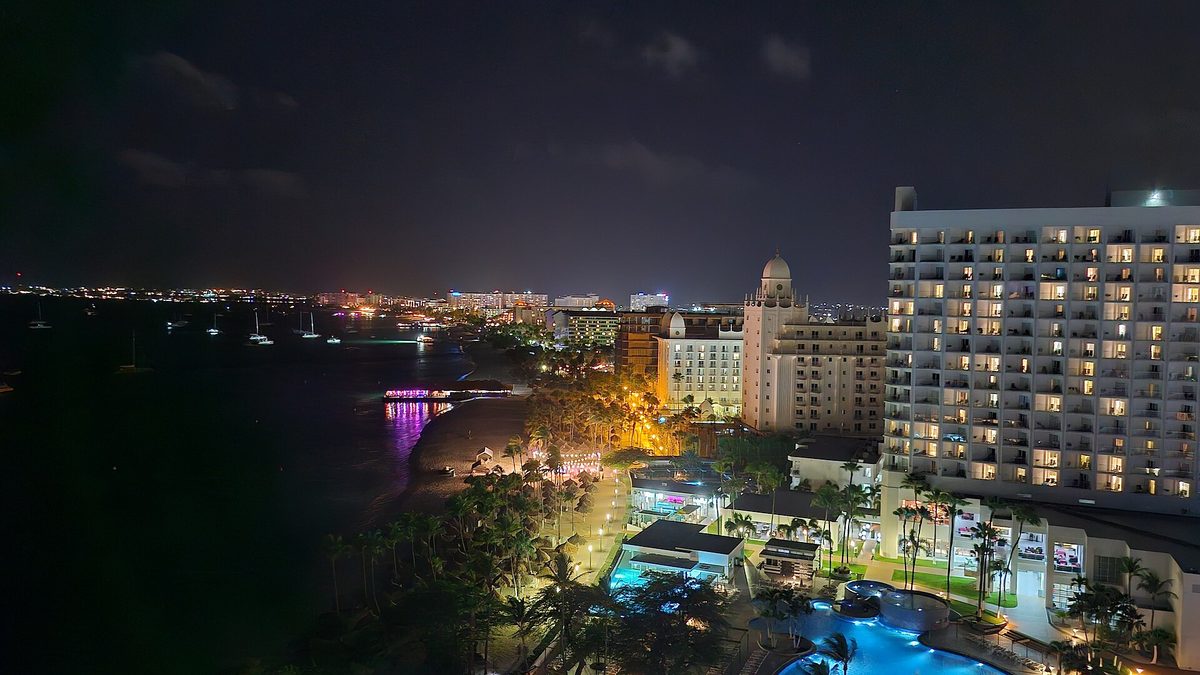
For beach-bar nightlife, Bugaloe on De Palm Pier and MooMba Beach Bar are the classic sand-between-your-toes party spots, while the malls and side streets add lounges, sports bars, and clubs. It’s walkable, social, and easygoing rather than rowdy. Our full Aruba nightlife guide maps out the best bars, beach clubs, and casinos.
Palm Beach vs. Eagle Beach: which is right for you?
This is the question I get more than any other, and the answer is genuinely about what kind of trip you want. The two beaches sit side by side but feel completely different.
| Palm Beach | Eagle Beach | |
|---|---|---|
| Hotels | High-rise resorts right on the sand | Low-rise hotels, set back across the road |
| Crowds | Busiest beach on the island | Wider, more open, less crowded |
| Water | Very calm, shallow; some rocky patches near hotels | Calm but can bring slightly bigger waves; smooth sandy bottom |
| Scene | Water sports, bars, casinos, dining — lots going on | Quieter, more natural; iconic fofoti trees |
| Best for | Action, nightlife, convenience, older kids/teens | Relaxation, space, young families, couples |
My short version: choose Palm Beach if you want everything at your doorstep and a buzzy atmosphere; choose Eagle Beach if you want room to breathe and a more low-key, natural setting. Plenty of people split the difference — stay near one and walk or bus to the other. For the big picture on every stretch of sand, start with our pillar guide to Aruba’s beaches.
Palm Beach with kids and families
Palm Beach works well for families, with a few caveats. The calm, shallow water is great for confident young swimmers, and the constant activity — water sports, ice cream, mini-golf and arcades near the malls — keeps older kids and teens happy. The trade-offs are crowds and the fact that the best front-row sand fills early. Families wanting more space sometimes prefer Eagle Beach next door. For packing lists, stroller-friendly tips, and kid-tested activities, see our guide to Aruba with kids.
Practical tips for visiting Palm Beach
- Arrive early for the best sand. In high season the prime spots near the piers and public access points go by mid-morning.
- Bring or rent shade. There are natural palms, but they don’t cover the whole beach; midday sun is intense at 12°N.
- Pack water shoes if you’re sensitive to the occasional rocky or seagrass patch near some hotels.
- Reef-safe sunscreen is the responsible choice and increasingly the norm island-wide.
- Tipping: many restaurants add a service charge; a little extra for great service is appreciated. Carry small US dollars (accepted everywhere alongside the florin).
- Book activities ahead in peak weeks — sunset sails and beachfront dinners sell out.
- Time your trip. Aruba is sunny and dry year-round and sits below the main hurricane belt; see our best time to visit Aruba guide for crowd and price patterns.
For the broader essentials — money, safety, what to pack, and etiquette — our Aruba travel tips guide has you covered, and you can fit Palm Beach into a wider plan using our list of the best things to do in Aruba.
Frequently asked questions
Is Palm Beach in Aruba free and public?
Yes. Like every beach in Aruba, Palm Beach is public, so walking on it, swimming, and laying out your own towel are free. You only pay if you rent a lounger and umbrella from a vendor or use a hotel’s beach set, which typically runs around US$15–40 per day depending on the setup.
Is it safe to swim at Palm Beach?
Very. Palm Beach is on Aruba’s sheltered leeward coast, so the water is calm, clear, and shallow with no significant shore break — among the easiest, safest swimming on the island. As always, keep an eye on young children, since lifeguard coverage isn’t continuous along the whole strip.
Palm Beach or Eagle Beach — which is better?
Neither is “better”; they suit different travelers. Palm Beach is the lively, high-rise side with water sports, bars, and casinos at your doorstep. Eagle Beach is wider, quieter, and more natural. Pick Palm for action and convenience, Eagle for space and calm — or visit both, since they’re a short walk or bus ride apart.
Can you snorkel at Palm Beach?
You can, but the sandy bottom off the main strip isn’t a reef. For better snorkeling, head to the north end near the Fishermen’s Huts and toward Malmok and the California Lighthouse, or book a catamaran trip from the Palm Beach piers to spots like Boca Catalina and the Antilla shipwreck.
How far is Palm Beach from the airport and Oranjestad?
Both are roughly a 15-minute drive. A taxi from Queen Beatrix International Airport to a Palm Beach hotel usually costs around US$30–35, and the Arubus public bus connects the strip to downtown Oranjestad for just a few dollars.
Are there waves at Palm Beach?
Generally no — it’s calm. Sitting on the protected western coast, Palm Beach has gentle, mostly flat water. If you want a little more wave action (and a smoother sandy bottom), Eagle Beach next door can bring slightly bigger swell.
Which is the best hotel on Palm Beach?
It depends on your style: the Ritz-Carlton for top-tier luxury, the Hyatt Regency and Marriott for full-service resort comfort, the Hilton for lush grounds and history, the RIU properties for all-inclusive value, and the Boardwalk Boutique for a quieter, low-rise feel near the sand.
Final thoughts
Palm Beach is touristy, and I’d never pretend otherwise — but it earns the crowds. If your ideal beach day means swimming in glassy water, lunch with your feet in the sand, an afternoon catamaran, a tangerine sunset, and a casino or beach bar within walking distance, no other stretch of Aruba delivers all of it as effortlessly. Come for a day even if you’re staying elsewhere; you’ll understand the appeal within an hour. And when you want the flip side — wide-open quiet — Eagle Beach is a five-minute hop up the coast.
Photo credits
Images used under their respective licenses.
- palm-beach-aruba-palms — Photo: Kwihi / CC BY 4.0 via Wikimedia Commons
- palm-beach-aruba-palmtrees — Photo: Serge Melki / CC BY 2.0 via Wikimedia Commons
- palm-beach-aruba-sunset — Photo: Willem van de Poll (CC0) via Wikimedia Commons / Dutch National Archives
- palm-beach-aruba-aerial — Photo: Rarends297 (CC0) via Wikimedia Commons
Palm Beach shoreline by Kwihi (CC BY 4.0).