So what does a single day on this island actually cost once you’ve landed, dropped your bags, and walked out into that warm trade-wind air? That is the question that quietly decides whether your trip feels relaxed or stressful, and it’s the one most “cost of Aruba” articles dodge by quoting you a fuzzy week-long total. I’d rather hand you real per-day numbers. Multiply them by the right number of nights and you have the real trip total, which is why I settle on how many days you need in Aruba before pricing anything else. After several trips here, paying with my own card and tracking what each day truly drained, I can tell you that your Aruba daily budget swings far more on a handful of choices than on the island being “expensive.” Where you sleep, how often you sit down at a restaurant, and whether you rent a car will move your daily number by hundreds of dollars.
This guide breaks a day into its real parts: a bed for the night, three meals, a couple of drinks, getting around, and one thing to actually do. Then I stack those parts into shoestring, comfortable, and luxury days so you can see exactly where your money goes, and where to claw it back. Prices are quoted in U.S. dollars (USD), which is accepted everywhere; the local currency is the Aruban florin at roughly Afl. 1.79 to the dollar. Everything here is hedged “around” because rates move with season and demand, so treat these as planning ranges and confirm current prices when you book.
The short answer: what a day in Aruba really costs
Plan on around $150 to $250 per person, per day for a comfortable mid-range trip, roughly $90 to $130 a day if you’re frugal, and $400 or more a day if you want beachfront luxury with cocktails and tours. The biggest single swing factor is your room; dining out for every meal is the second. Travel in the off-season and those numbers drop noticeably.
That range assumes you’re sharing lodging with at least one other person, because a hotel room split two ways is the single biggest lever on a per-person daily cost. Travelling solo? Your number climbs because you carry the whole room. A family of four? Your per-person figure usually falls for lodging but rises for food and activities. I’ll break all of that down below, but first, here’s a day at a glance.
Aruba daily budget at a glance: cost per day by style
Here’s roughly what one person spends in a day at three different comfort levels. Lodging is shown per night on a room split between two people (so the per-person share), which is how most couples actually experience the cost. These are mid-season planning numbers in USD; shave 15–30% in the September–November off-season and add a premium over the December–April holiday peak.
| Per person, per day | Shoestring | Comfortable (mid-range) | Luxury |
|---|---|---|---|
| Lodging (your share of the room) | around $55–80 | around $130–200 | around $300–600+ |
| Breakfast | around $4–8 (groceries) | around $15–22 | around $30–45 |
| Lunch | around $10–15 | around $20–35 | around $50–80 |
| Dinner | around $15–22 | around $40–70 | around $90–160+ |
| Drinks (2–3) | around $6–12 | around $18–30 | around $40–70 |
| Transport | around $3–6 (bus) | around $25–40 (car or taxi) | around $50–90 (taxis/private) |
| One activity | around $0–10 (free beach) | around $20–60 | around $90–160 |
| Daily total | around $90–130 | around $150–250 | around $400–700+ |
Notice that the gap between shoestring and comfortable is mostly the room and the restaurant meals, not the island charging you to exist. Aruba’s beaches are free, the public bus is cheap, and tap water is safe to drink. The money leaks out at the front desk and the dinner table. Keep reading and I’ll show you each line in detail, plus three fully built sample days you can copy.
Lodging per night: the line that sets your whole budget
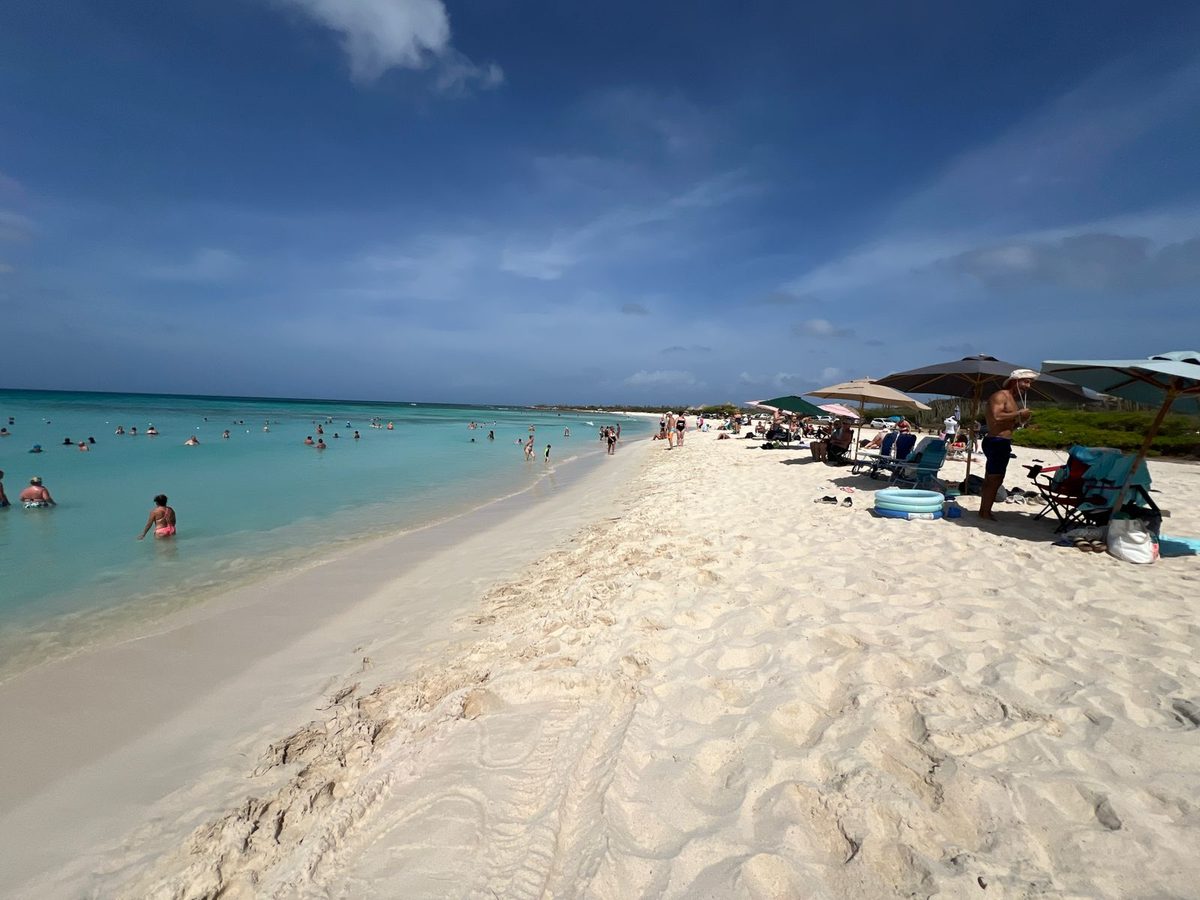
If you only get one number right, make it this one. Where you sleep typically accounts for 40–60% of a day’s spend, and it’s the easiest place to either blow or save a few hundred dollars. Aruba’s lodging splits cleanly into tiers, and the tier you pick more or less locks in the rest of your day, because a beachfront resort nudges you toward resort restaurants and resort prices for everything else.
Budget rooms: around $110–170 a night
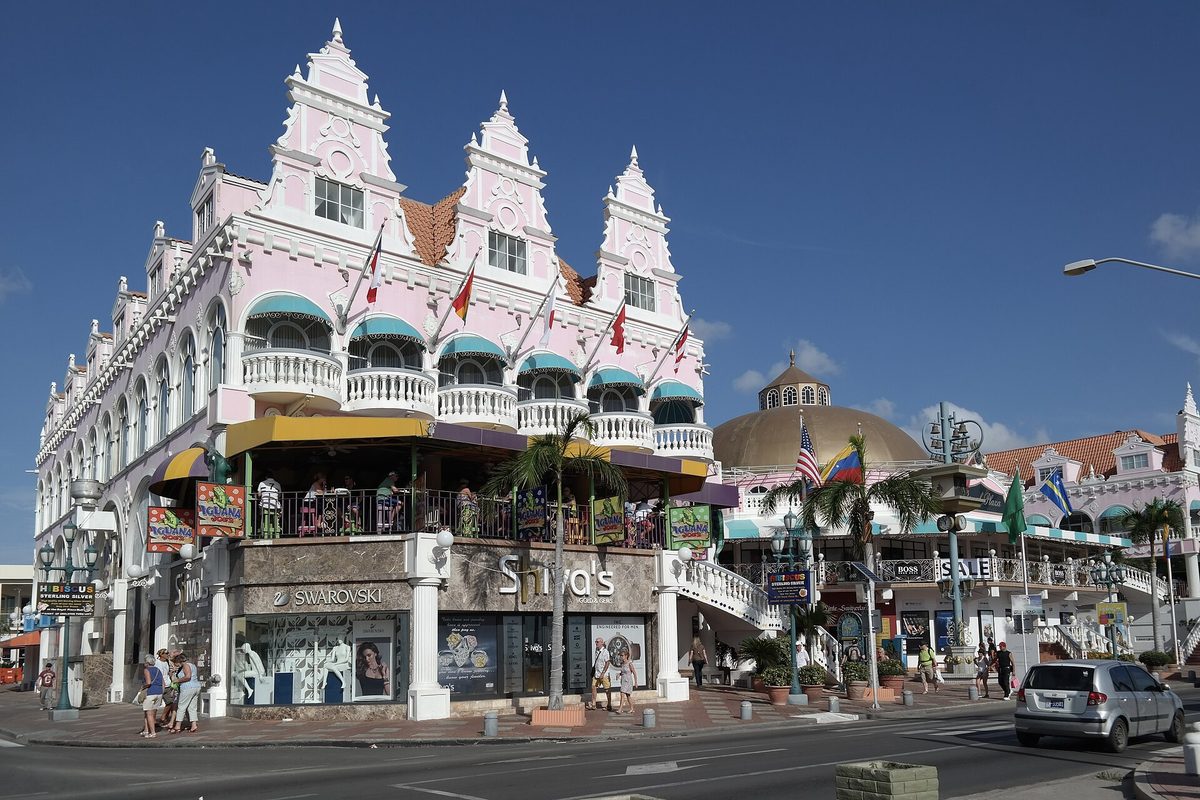
This is apartment-style studios, guesthouses, small inland hotels, and condos a short bus ride or drive from the sand, mostly in Oranjestad, inland Noord, or down toward Savaneta and San Nicolas. You give up a beachfront location and you usually gain a kitchenette, which quietly pays for itself the first morning you make your own coffee and eggs. Split between two, that’s roughly $55–85 per person per night. This is the foundation of any genuinely cheap day here. For the lay of the land on neighborhoods, our guide to choosing where to sleep in Aruba walks through which areas trade beach access for lower rates.
Mid-range rooms: around $260–450 a night
Now you’re looking at comfortable hotels, well-located condos, boutique stays, and the more reasonable resort-area rooms on or near Eagle Beach and Palm Beach. This is where most couples land, and split two ways it’s roughly $130–225 per person per night. You’re paying for proximity to the beach, a pool, daily housekeeping, and the convenience of walking to restaurants instead of driving. It’s a real step up in ease, and it’s the single biggest reason a “comfortable” day costs what it does.
Luxury rooms: around $600–1,400+ a night
Beachfront resorts, ocean-view suites, all-inclusive packages, and villas. Per person on a shared room that’s $300 to $700+ a night, and at this tier the all-inclusive math can actually work in your favor if you’d otherwise eat and drink heavily at restaurants. Palm Beach high-rises and Eagle Beach low-rises sit at the top of this range, especially over the holidays. It’s a lovely way to do Aruba, and it’s also where a daily budget stops being a budget.
A day of eating: cheap plates vs the splurge dinner
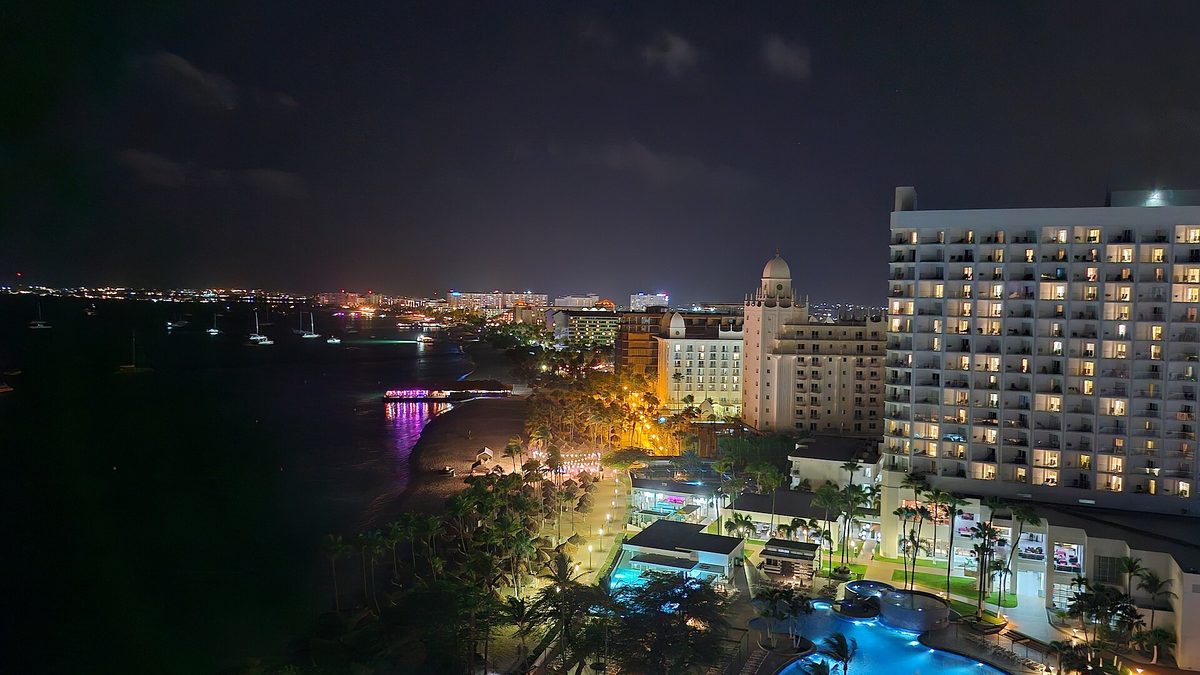
Food is the line that surprises first-timers, because almost everything edible is imported and the resort strip prices accordingly. The good news is that food is also the most controllable part of your day. You can eat very well here for $30 a day or very, very well for $200, and the difference is mostly groceries versus restaurants and where you choose to sit down.
Breakfast: around $4 to $45
This is the easiest meal to save on, and it sets the tone for your whole daily number. A supermarket run, places like the bigger groceries in Oranjestad and Noord, gets you yogurt, fruit, pastries, eggs, and coffee for a few dollars a head if your room has a kitchenette. Sit down at a cafe and you’re at around $15–22 for a proper plate; order room service at a resort and you can clear $30–45 before you’ve had your second coffee. If you do one thing to cut your daily spend, make your own breakfast.
Lunch: around $10 to $80
Lunch is where Aruba’s casual side shines. A local snack bar or food truck, think pastechi (fried savory pastries) or a fresh-fish plate at a no-frills spot, runs around $10–15 and fills you up. A sit-down lunch at a beach restaurant lands around $20–35 once you add a drink. The upscale end, toes-in-the-sand dining with a cocktail, climbs to $50–80 per person. My honest take: keep lunch casual and cheap so dinner can be the event.
Dinner: around $15 to $160+
Dinner is where the money goes, and where Aruba earns its reputation. A modest local restaurant or a kitchen-cooked meal sits around $15–22 a head. A mid-range dinner out, a nice beachfront table, an appetizer, a main, and a glass of wine, is realistically $40–70 per person. Fine dining and the famous beachside seafood spots push $90–160+ once you add wine and dessert. For where to actually eat across that whole range, our roundup of Aruba restaurants covers cheap eats through splurge tables.
Drinks and cocktails: around $6 to $70 a day
This is the sneaky line. A beachfront cocktail runs around $10–16, a local Balashi beer around $4–6, and a bottle of wine with dinner $30–50. Two or three drinks a day, which is easy in this climate, quietly adds $18–30 to a comfortable day and $40–70 to a luxury one. Buy beer, wine, and mixers at the supermarket for your room or beach cooler and you’ll cut this line by more than half. If a lively night out is part of the plan, our guide to Aruba nightlife shows where the bars and happy hours are.
Transport per day: bus vs car vs taxis
Aruba is small, only about 20 miles end to end, so you’re never paying for long transfers. What you pay depends entirely on how independent you want to be. Here are the three honest options, cheapest to priciest. Our full rundown on getting to and around Aruba goes deeper on routes and the airport run.
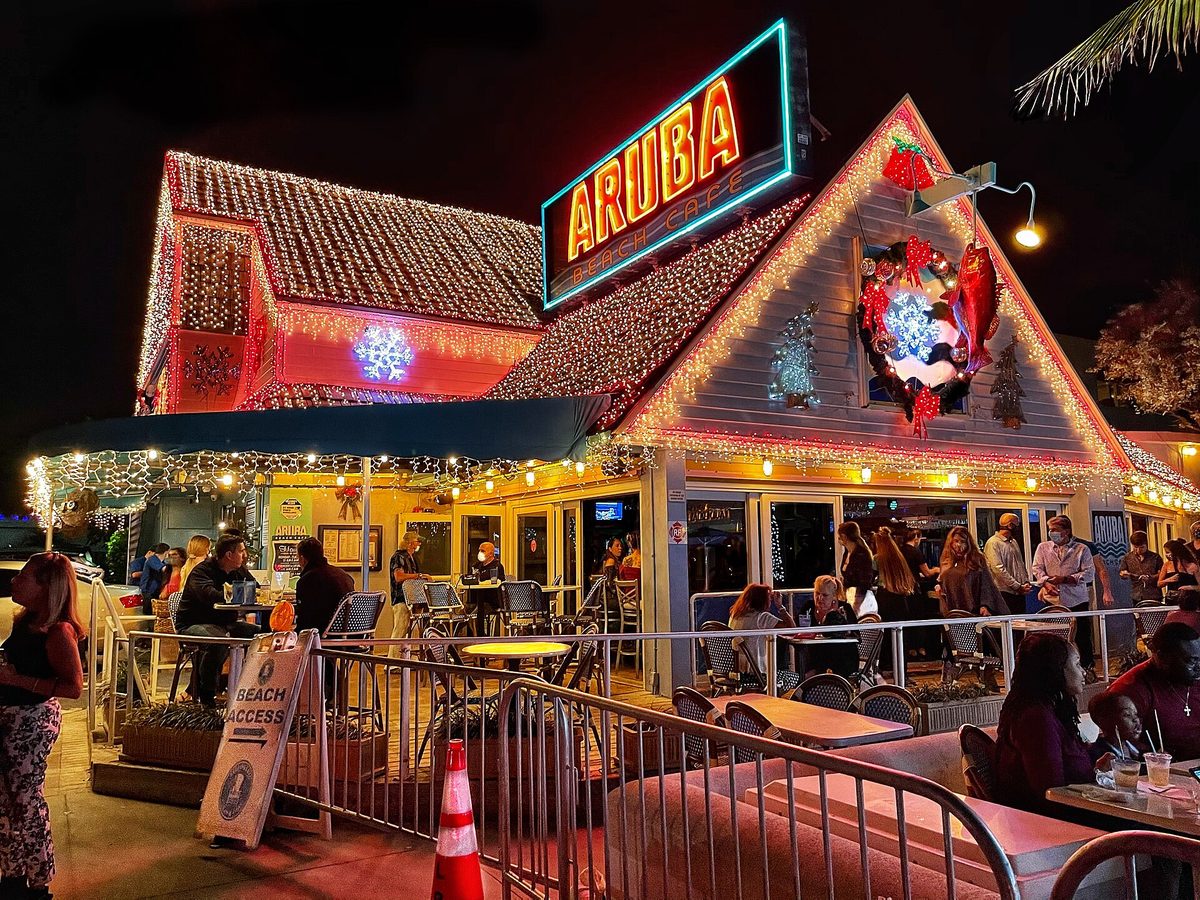
The Arubus: around $2.60 a ride
The public bus is the budget traveler’s secret weapon. A one-way ride between Oranjestad, Eagle Beach, Palm Beach, Arashi, and San Nicolas is around $2.60, a round-trip card is around $5, and a day pass is around $15. If you’re beach-hopping along the main strip, you can keep your entire daily transport line under $6. Buses run from early morning until late evening; pay the driver in small bills or grab a card at the main terminal in Oranjestad.
Rental car: around $45–110 a day plus gas and parking
A compact rental runs around $45–75 a day in shoulder season and $60–110+ at peak, with a jeep or SUV climbing to $90–180. Add around $12–35 a day for fuel and the occasional paid parking, and figure gas around $1.60+ a liter. Here’s the strategy I actually use and recommend: rent for just one to three days to reach Arikok National Park, Baby Beach, Mangel Halto, and the rugged north coast, then hand the car back and use buses or your feet on lazy beach days. Renting for the whole week when you only drive twice is the most common way people overspend.
Taxis: around $10–70 a ride
Taxis have fixed, government-set zone rates (no meters) and are priced per car, not per person, which makes them reasonable for a couple or family splitting the fare. A short hop between nearby beaches is around $10–20, Palm Beach to Oranjestad around $20–30, and a longer cross-island ride $35–70. There’s usually a small surcharge on Sundays, holidays, and late nights. If you’re staying put on the strip and only need the occasional ride, taxis can actually beat a daily car rental.
Activities per day: from free beaches to paid tours
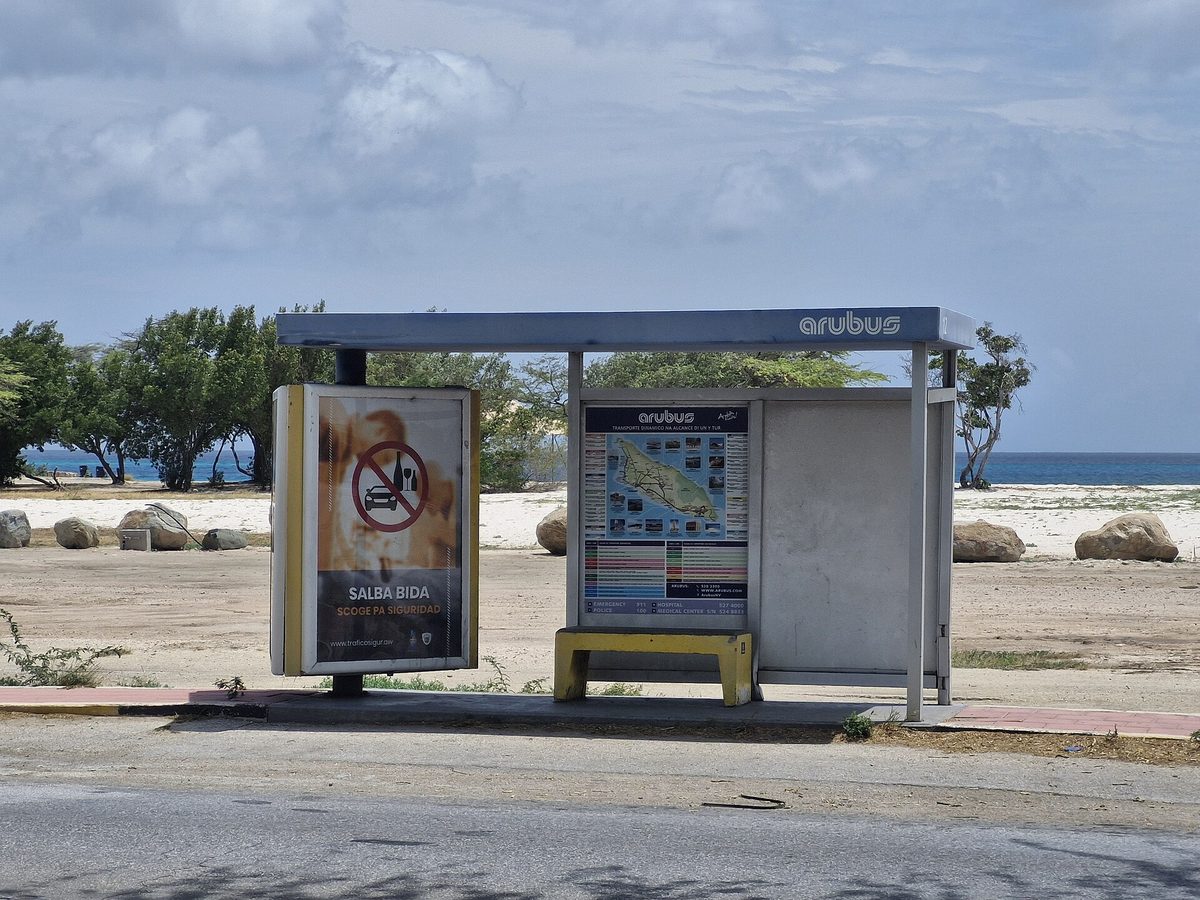
Here’s the line that, surprisingly, you have the most control over, because Aruba’s single best asset is free. Every beach on the island is public and costs nothing to set foot on. That means your activity budget can be $0 on a beach day or $160 on a catamaran day, and both are perfectly normal here.
Free and nearly free
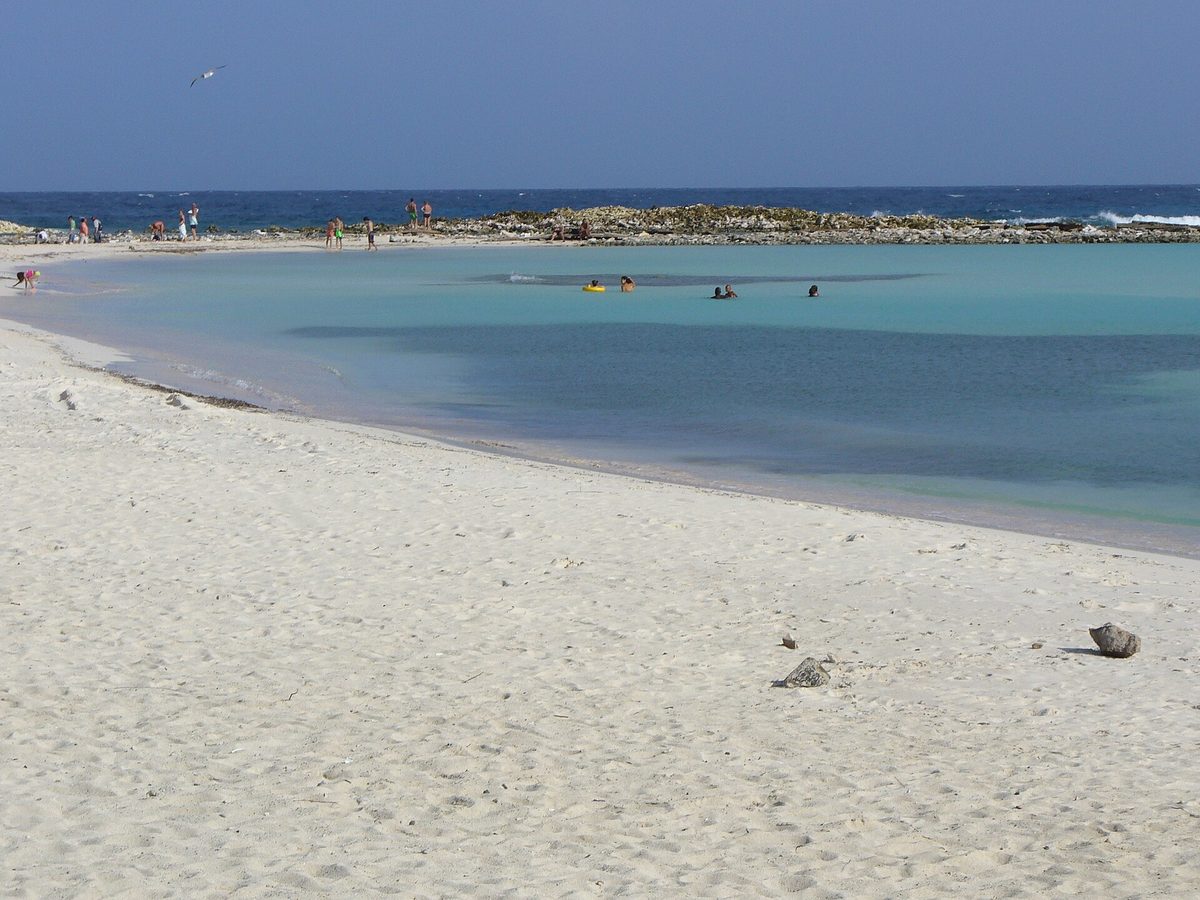
The beaches do most of the heavy lifting. Eagle Beach, Palm Beach, Arashi, Baby Beach, and Mangel Halto are all free to enjoy; only chair and umbrella rentals (around $15–50) cost anything, and you can skip those entirely with a towel. The California Lighthouse is free to view, climbing it is around $5, and the Casibari and Ayo rock formations, Alto Vista Chapel, the Bushiribana gold-mill ruins, and the San Nicolas street art are all free. For a full list of no-cost ideas, our guide to what you can do for nothing in Aruba is built for exactly these days, and our overview of Aruba’s beaches helps you pick which stretch of sand to claim.
Paid activities and tours: around $20–180
When you want more than sand, the options scale up fast. A small museum or the Butterfly Farm is around $5–20; Arikok National Park entry is around $15–22 per adult. The bigger experiences are where a day’s activity line jumps: a catamaran snorkel cruise with open bar runs around $69–120, a Natural Pool jeep adventure around $89–130, a UTV or ATV north-coast tour around $90–180, and an all-inclusive De Palm Island day around $120–180. If you love being in the water, our guide to Aruba water sports breaks down snorkeling, diving, and boat trips, and for the full menu see things to do in Aruba and our pick of the island’s top experiences.
My rule of thumb: budget for one paid excursion every two or three days, not one every day. Alternate a $100 tour with a free beach day and your average activity spend stays sane while your trip still feels full.
Sample daily budgets: three real days you can copy
Numbers in a table are useful, but a day you can picture is better. Here are three fully built days for one person, each totaled from the line items above. Lodging is the per-person share of a room split between two.
The shoestring day: around $95
- Lodging share (inland studio with kitchenette): around $65
- Breakfast (groceries in your room): around $5
- Lunch (food-truck fish plate): around $12
- Dinner (casual local spot): around $18
- Drinks (two supermarket beers): around $6
- Transport (Arubus round trip to the beach): around $5
- Activity (free day at Eagle Beach): $0
- Day total: around $111, and closer to $95 in the off-season
This is a genuinely good day. You’re on a world-class beach, well fed, and you’ve spent less than a single resort dinner would have cost. The trade-off is a bus instead of a car and your own coffee instead of room service.
The comfortable day: around $205
- Lodging share (mid-range room near Eagle Beach): around $165
- Breakfast (cafe): around $18
- Lunch (beach restaurant with a drink): around $28
- Dinner (nice beachfront table, glass of wine): around $55
- Drinks (a cocktail and a beer): around $24
- Transport (your share of a car day, or a couple of taxis): around $30
- Activity (Arikok entry, or a half-day rental to explore): around $20
- Day total: around $205
This is where most couples actually live on an Aruba trip. You’re a short walk from the sand, eating out for every meal, and you’ve got the freedom of a car for the day. It’s relaxed and easy, and the room is still doing most of the spending.
The luxury day: around $520+
- Lodging share (beachfront resort or suite): around $350
- Breakfast (resort restaurant): around $35
- Lunch (upscale beach club): around $60
- Dinner (fine dining with wine): around $110
- Drinks (cocktails through the day): around $45
- Transport (taxis or a private driver): around $60
- Activity (private catamaran charter, per-person share): around $110
- Day total: around $520+, and easily higher over the holidays
This is Aruba with the volume turned up: oceanfront room, no cooking, a boat in the afternoon, and a tasting-menu dinner. It’s a wonderful way to do the island. Just know that two of those days cost more than a whole frugal week.
How couples, solo travelers, and families scale
The per-person numbers above assume two people sharing a room, but your own daily figure shifts depending on who you’re traveling with. Lodging is the variable that moves most, because it’s a fixed cost split across however many heads are in the room.
Couples: the sweet spot
Two people splitting one room is the most efficient way to experience Aruba’s costs, which is part of why it’s such a popular couples and honeymoon destination. You halve the biggest line, share a rental car and taxi fares, and can split the occasional bottle of wine. A comfortable couple realistically spends around $300–500 a day combined, most of it the room and dinners. If a romantic trip is the goal, our notes on the best Aruba beaches for a quiet sunset stroll pair nicely with that mid-range day. Planning a honeymoon specifically? Our Aruba honeymoon cost breakdown prices the romantic extras line by line.
Solo travelers: you carry the room
Going alone, your daily number climbs because you shoulder the entire lodging cost rather than half of it, and you can’t split a taxi or a rental. The fix is to lean budget on the bed (a studio or guesthouse) and lean on the Arubus, which doesn’t care how many of you there are. A solo traveler watching costs can still land around $120–180 a day by choosing inland lodging, riding the bus, and cooking breakfast.
Families: lodging eases, food and fun grow
For a family of four, the per-person lodging cost usually drops because you’re spreading a suite or a two-bedroom condo across four people, and kids often share beds. But food multiplies with every mouth, activities add up (four catamaran tickets, not two), and you may need a larger vehicle. A family kitchen becomes a genuine money-saver here, turning breakfast and lunch into grocery runs. Free beach days are your best friend, and our list of free things to do in Aruba keeps the kids busy without draining the daily budget.
Ways to cut your Aruba daily budget without cutting the fun
Here’s the part I most want you to take away, because this is where you reclaim real money. None of these tactics make Aruba feel cheap; they just stop the avoidable leaks. Bring the same energy to your spending as you do to your tan and you’ll comfortably knock 30–40% off a careless daily total.
- Book lodging with a kitchenette. The single biggest lever after the room itself. Breakfast and lunch at “grocery prices” instead of “resort prices” can save $30–60 a day for two.
- Stay slightly off the beachfront. A room in Oranjestad or inland Noord, a short bus ride from the sand, can cost half what a beachfront equivalent does. The beach is free either way.
- Ride the Arubus. At around $2.60 a ride or $15 for a day pass, it replaces a $45–110 car day whenever you’re sticking to the main strip.
- Rent a car only for the days you’ll actually use it. One or two days to see Arikok, Baby Beach, and the north coast, then give it back.
- Make dinner the event, keep the other meals casual. One nice dinner plus a grocery breakfast and a food-truck lunch beats three full restaurant meals every time.
- Buy drinks at the supermarket. A cooler of beer and a bottle of wine from the store costs what two or three beachfront cocktails do.
- Travel in the off-season. September through November (and late spring) shaves real money off lodging versus the December–April peak. Our guide to the best time to visit Aruba lays out exactly when rates soften.
- Lean on free attractions. Beaches, rock formations, the lighthouse view, and San Nicolas murals cost nothing and fill plenty of days.
Want to see how a few of these days string together into an actual trip? Our sample Aruba itinerary shows how to balance a splurge day against a free beach day so your average daily spend stays comfortable. And if you want the big picture on a full trip’s cost, this whole guide sits under our pillar on Aruba vacation cost, which ties together lodging, flights, and weekly totals.
Frequently asked questions about an Aruba daily budget
How much spending money do I need per day in Aruba?
For food, drinks, local transport, and a small activity, plan around $60–100 per person per day if you’re frugal and $100–200 if you eat out for most meals and add the occasional tour. That figure sits on top of your prepaid lodging. Travelers who dine out three times a day and drink cocktails should budget toward the higher end.
Is Aruba expensive compared to other Caribbean islands?
Generally yes. Aruba tends to run around 20–30% higher than many neighboring islands for lodging and dining, largely because almost everything is imported and demand stays steady year-round outside the hurricane belt. The upside is dependable weather and calm, swimmable water. You can still manage it on a moderate budget by choosing apartment-style lodging and riding the bus.
What is the biggest hidden cost in Aruba?
Dining out and drinks, by a wide margin. Imported food and alcohol make restaurant meals and beachfront cocktails add up faster than visitors expect, easily $100–200 a day per person if you’re not watching. The simple fix is a room with a kitchen, supermarket drinks, and saving your restaurant spending for one good dinner rather than three full sit-down meals.
Can you do Aruba on a tight budget?
Yes, though it takes intention. Around $90–130 a day per person is realistic if you share an inland studio with a kitchenette, ride the Arubus, cook breakfast, eat at food trucks, and lean on free beaches. Aruba isn’t a backpacker-cheap island, but its best asset, the sand and sea, is completely free, which keeps a careful day surprisingly affordable.
Do I need to rent a car for the whole trip?
Usually not. If you’re based on Palm or Eagle Beach and plan to relax, walking and the occasional taxi cover most needs. Rent a car for just the one to three days you want to explore Arikok National Park, Baby Beach, or the north coast, then return it. Renting for a full week when you only drive twice is a common, avoidable expense.
What is the cheapest time of year to visit Aruba?
Roughly September through November brings the lightest demand and the softest lodging rates, with late spring and early summer close behind. Because Aruba sits outside the hurricane belt, you’re not trading much weather for those savings. Holiday weeks and the December–April peak are the priciest, so shifting your dates is one of the easiest ways to lower a daily budget.
Final thoughts: build the day that fits you
After tracking my own spending here more times than I’d like to admit, the lesson is always the same: Aruba isn’t expensive so much as it’s flexible, and your daily number is mostly a series of choices you control. Pick your room tier, decide how often you’ll sit down at a restaurant, and choose whether the car is worth it that day, and you’ve essentially set your budget. Get those three right and you can have a wonderful day here for around $100 or a lavish one for $500, on the same island, with the same free, ridiculously blue water in front of you. Plan the day you actually want, hedge for the prices to drift a little, and go enjoy it.
By the ArubaTourism.org team — Last updated June 2026. We base these ranges on recent on-island spending and current published rates; prices shift with season and demand, so confirm the latest before you book.
Photo credits
- Arashi Beach: Photo by Kwihi, CC BY 4.0, via Wikimedia Commons.
- Palm Beach at night: Photo by Rarends297, CC0, via Wikimedia Commons.
- Arubus stop: Photo by Ginelly.Q, CC0, via Wikimedia Commons.
- Oranjestad street: Photo by Choinowski, CC BY-SA 4.0, via Wikimedia Commons.
- Beach bar at night: Photo by Rob Olivera, CC BY 2.0, via Wikimedia Commons.
- Baby Beach: Photo by Dje9537459, public domain, via Wikimedia Commons.