The hatch thuds shut above you and the noise of the harbor vanishes. For a moment you sit in a steel tube the width of a school-bus aisle, watching turquoise light pour through a row of round portholes. Then the pilot opens the ballast valves, the hull tilts forward, and the surface closes overhead like a lid. The water goes from bright Caribbean blue to teal to a deep, bottle-green indigo, and somewhere around ninety feet the first ridge of coral slides past the glass. This is the strange magic of an Aruba submarine tour: brain coral the size of beach balls, a wall of sea fans in the current, a barracuda hanging in the gloom, all of it sixty feet down while you breathe cool, air-conditioned air and never get your hair wet.
That descent is the whole appeal of an Aruba submarine tour, and it is one of the few activities on the island that genuinely works for absolutely everyone in the family. You don’t need to swim. You don’t need to be certified. You don’t even need to be especially brave. I’ve ridden submarines and semi-submarines in three different countries, and Aruba’s setup is one of the most beginner-friendly I’ve come across, mostly because the reef and the wrecks sit so close to the harbor that the boring transit time is minimal and the good stuff starts almost immediately.
This guide breaks down the two very different “submarine” experiences on offer in Aruba, what each one costs, exactly what you’ll see through the glass, and which one is right for your group, whether that’s a cruise day with grandparents in tow or a rainy afternoon with restless kids. For more ways to get out on the water, this article is part of our wider guide to Aruba water sports and boat tours.
Aruba submarine tour: the short answer
There are two options. The Atlantis Submarine is a real submarine that fully submerges to about 130 feet, lasts roughly 1 hour 45 minutes total (with around 45-50 minutes underwater), and costs in the region of $99 for adults and $89 for children. The SeaWorld Explorer semi-submarine never actually dives; you sit in a viewing hull a few feet below the surface, it runs about 90 minutes, and it’s noticeably cheaper. Both are air-conditioned, both suit non-swimmers and kids, and both leave from the Oranjestad/Palm Beach area.
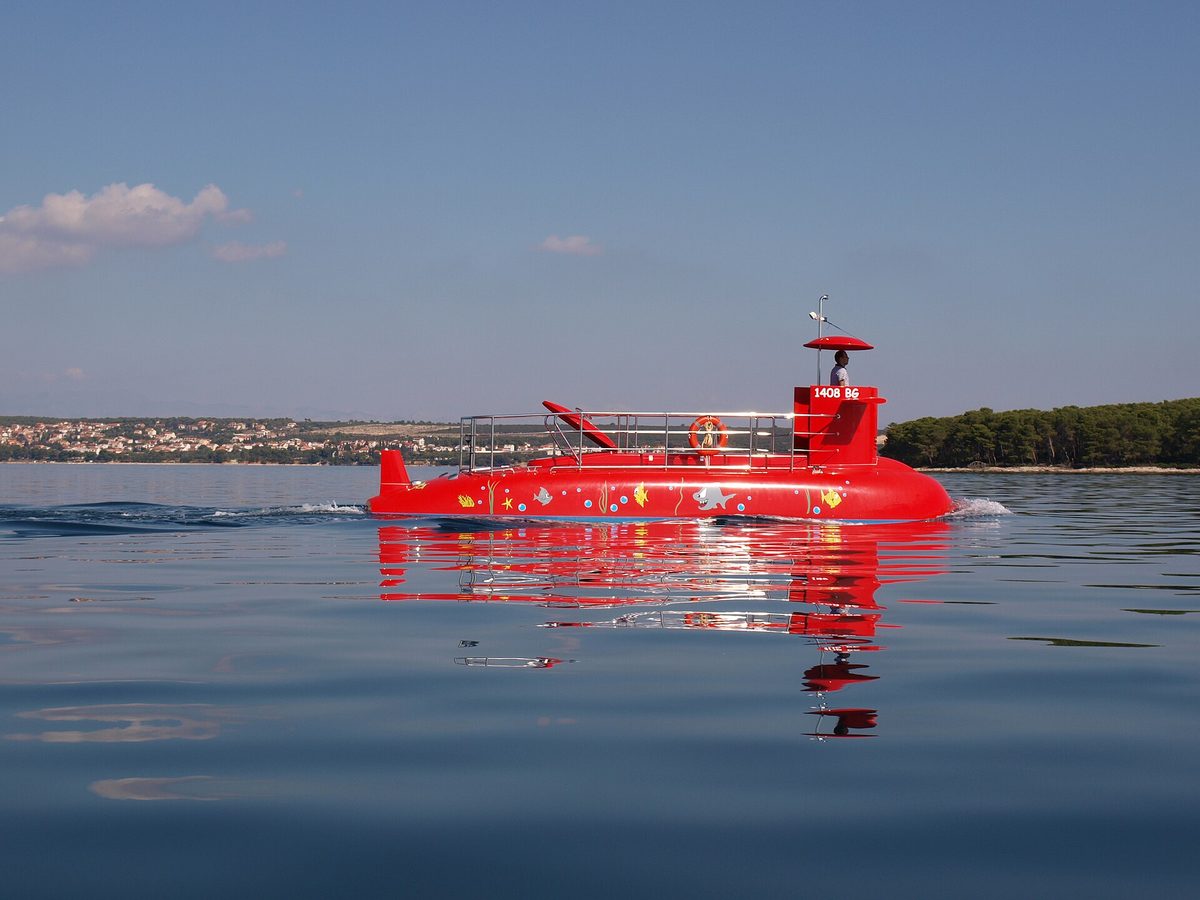
At a glance: Atlantis Submarine vs. the semi-submarine
If you only read one section, read this table. It captures the trade-off that trips most visitors up, which is that only one of these two boats actually goes underwater. The “semi-submarine” is, despite the name, a surface boat with a glass-sided viewing keel; the Atlantis is the genuine article.
| Feature | Atlantis Submarine | SeaWorld Explorer (semi-submarine) |
|---|---|---|
| Does it submerge? | Yes — fully, to about 130 ft | No — viewing deck sits ~5 ft below the surface |
| Max depth | ~130 ft (capacity over 140 ft) | You stay at the surface; only the windows are submerged |
| Total duration | ~1 hr 45 min (≈45-50 min underwater) | ~1 hr 30 min |
| Typical price (adult) | Around $99 | Roughly half the price of the submarine |
| Typical price (child) | Around $89 (ages 4-9) | Discounted child rate |
| Minimum age / height | Age 4 and at least 36 in (90 cm) tall | No real minimum; great for toddlers |
| What you see | Barcadera Reef plus two shipwrecks at depth | Arashi reef and the famous Antilla wreck |
| Departs from | Oranjestad (L.G. Smith Blvd, near the Renaissance) | De Palm Pier, Palm Beach (between the Riu Palace and Hilton) |
| Best for | The bucket-list “real submarine” experience | Budget-conscious families and very young children |
My one-line verdict: if the depth and the novelty of an actual dive are the point, pay for the Atlantis. If you mainly want an easy, cheap, air-conditioned way to show the kids a reef and a shipwreck, the semi-submarine does the job for far less money.
What the Atlantis Submarine tour is actually like
Atlantis Submarines is not some fly-by-night operation. The company has been running passenger submarines around the world since 1985, with well over 500,000 dives and something like 17 million passengers logged across its fleet, which it bills as the largest passenger-submarine fleet on the planet. The Aruba boat is certified by the American Bureau of Shipping and supervised by local maritime authorities, with yearly safety inspections, a surface support vessel that checks in by underwater radio every fifteen minutes, and a hull designed to float itself back to the surface if it ever lost power. I mention all this because the single most common worry I hear about submarines is safety, and the honest answer is that this is one of the most heavily regulated tourist activities you can book on the island.
Check-in and the ride out to the dive site
You check in at the Atlantis store in downtown Oranjestad, on L.G. Smith Boulevard roughly across from the Renaissance Resort, and the staff ask you to arrive about 30 minutes before departure. Departures typically run mid-morning to early afternoon (around 11:00 am, 12:00 pm and 1:00 pm in recent schedules), so it slots neatly into a half-day. After a short safety briefing you board a ferry boat that carries you out to the submarine, which is moored over the reef rather than tied up at the dock. That transfer is part of the fun; you get a few minutes on the open water with the Oranjestad skyline behind you before the sub comes into view, sitting low and fat in the swell with its conning tower poking up.
Climbing aboard and going down
Boarding is the one moment that takes a little agility: you step across from the ferry and climb down a short vertical ladder through the conning-tower hatch into the cabin. Once you’re seated, it’s roomy enough; passengers sit back-to-back along the centre line, each facing their own large porthole, so nobody is fighting for a window. The cabin is fully air-conditioned and pressurised to surface pressure the whole time, which is why your ears never pop and why small children and seniors handle it without trouble.
The dive itself is slow and undramatic in the best way. The pilot floods the ballast tanks, the boat noses down, and you watch the colour drain out of the water through the glass. Red disappears first, then orange and yellow, until by the time you reach cruising depth everything outside is rendered in blues and greens. The pilot narrates throughout, pointing out reef features and fish, and there’s a real thrill to the depth gauge ticking past numbers that would require serious scuba training to reach in person: 60 feet, 90 feet, and on a good day a touchdown near 130.
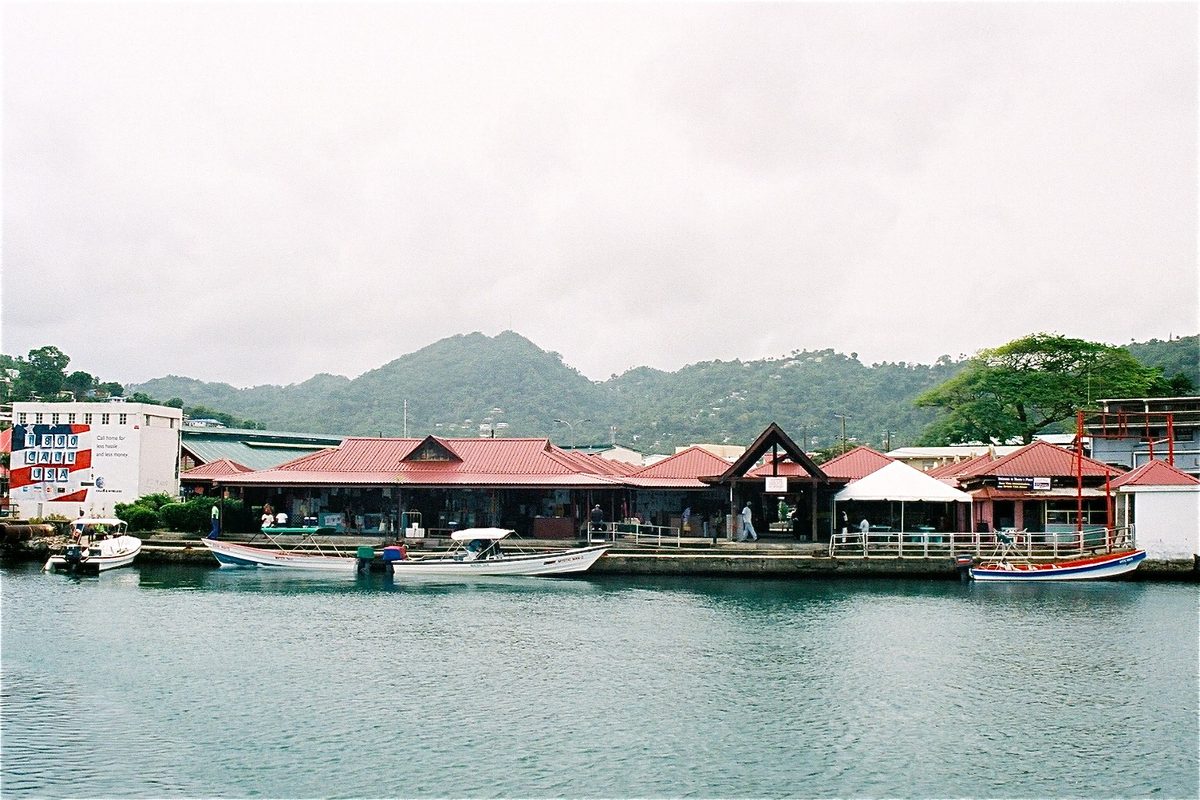
What you’ll see down there: reefs, wrecks and marine life
The Atlantis dives over the Barcadera Reef off Aruba’s southwest coast, an area chosen precisely because it combines healthy coral with a couple of dramatic shipwrecks in submarine-friendly depths. This stretch of water is calm, protected by the island’s leeward orientation, and visibility is routinely excellent. Here’s what tends to fill the portholes.
The coral reef
Aruba’s reefs aren’t the wall-to-wall rainbow of, say, the Indo-Pacific, but they’re handsome and varied: mounds of brain and star coral, stands of sea fans and soft corals swaying in the surge, and sponges in mustard and burgundy. Because you’re looking out rather than swimming through, you actually get a better sense of the reef’s structure than a snorkeler does, watching the slope drop away into the blue. If the reef whets your appetite, our guide to snorkeling in Aruba covers how to get in the water with it yourself.
The shipwrecks
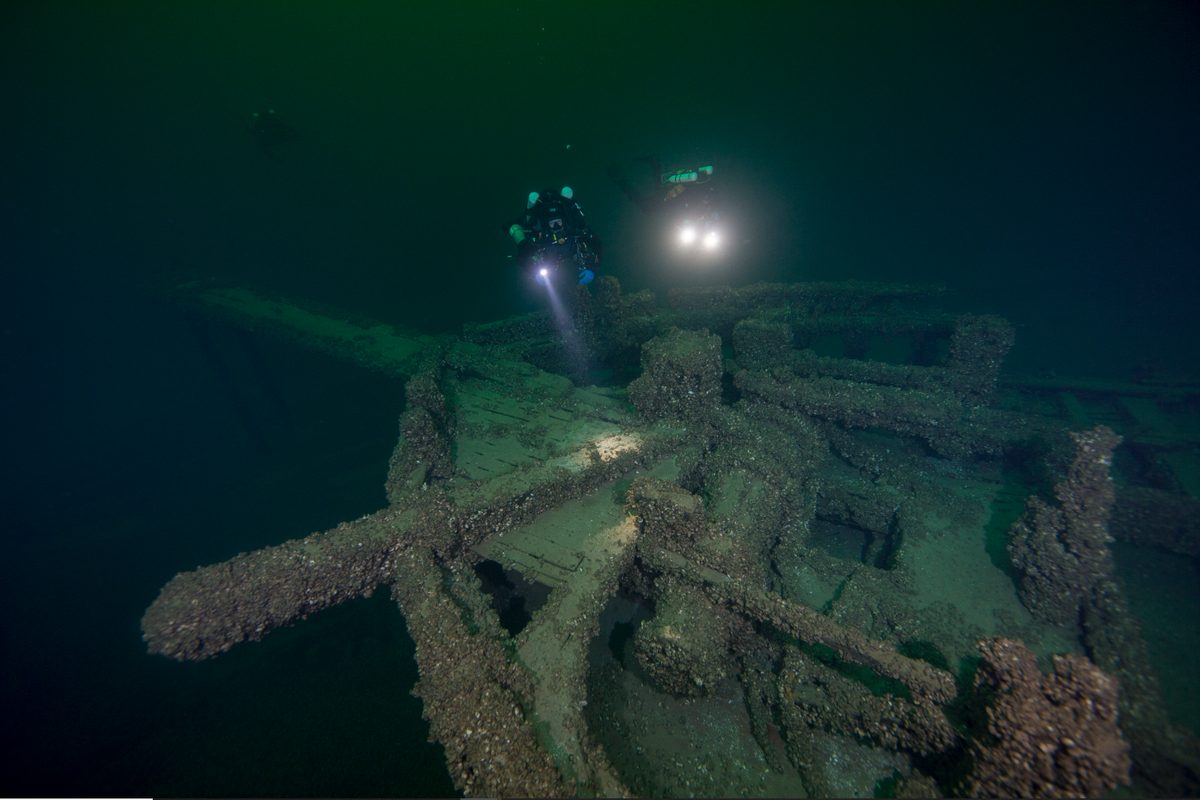
The wrecks are the show-stopper. The dive passes two sunken vessels resting on the seabed, including the remains of a Hamburg America Line cargo ship that went down decades ago and now lies under more than 60 feet of water, draped in coral and patrolled by schools of fish and the occasional lobster. Seeing a wreck from inside a submarine is a strange, cinematic experience; the hull looms up out of the murk through the glass, far larger than you expected, and you glide alongside it close enough to pick out portholes and railings. If wrecks fascinate you, Aruba is famous for one in particular, the enormous WWII-era freighter Antilla, which you can read more about in our wider water-sports coverage.
The marine life
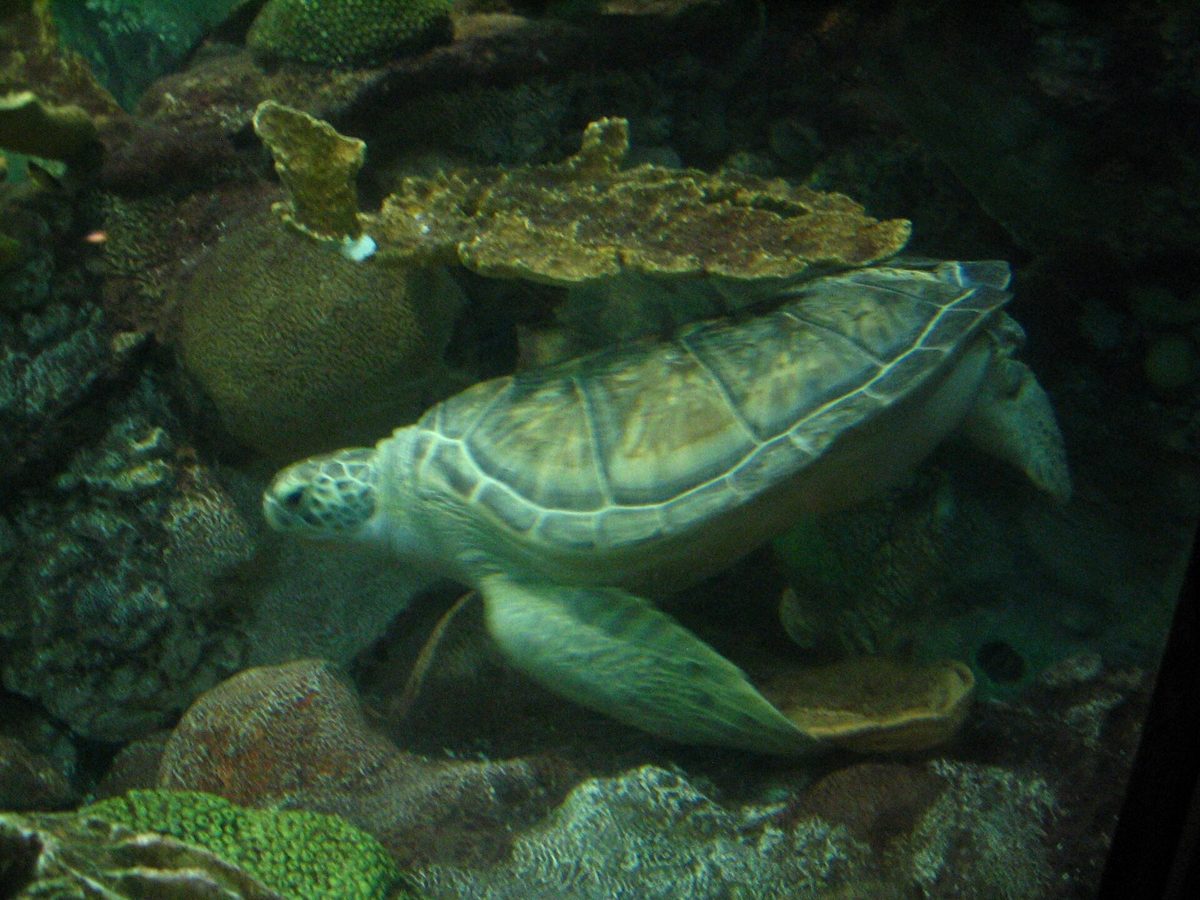
Don’t expect a documentary’s worth of big animals, but you’ll reliably see reef fish in good numbers, parrotfish and sergeant majors and the like, plus the chance of a barracuda, a stingray cruising the sand, or a sea turtle if you’re lucky. The crew are good at spotting and pointing things out, and because you’re submerged you see the fish behaving naturally rather than scattering from a snorkeler’s splashing.
The semi-submarine option: SeaWorld Explorer
If the Atlantis price tag makes you wince, or your kids are too small to meet the height rule, the SeaWorld Explorer semi-submarine is the clever workaround. The name is a bit of a marketing stretch: the vessel never submerges. Instead, you walk down a few steps into a viewing chamber built into the keel, where rows of slanted glass windows sit about five feet below the waterline. You’re sitting underwater while the boat itself stays firmly on the surface, so there’s no diving, no hatches, and no ladder gymnastics.
It departs from De Palm Pier on Palm Beach, conveniently wedged between the Riu Palace and the Hilton, which makes it an easy walk if you’re staying in the high-rise hotel district. The trip runs about 90 minutes, usually with two sailings a day (commonly 11:30 am and 1:00 pm), and the cabin is air-conditioned with an onboard guide narrating the ecology and history as you go.
What the semi-submarine shows you
The route heads up the northwest coast to the Arashi reef and, crucially, to the Antilla, the 400-foot German freighter scuttled in 1940 that is one of the largest shipwrecks in the Caribbean and Aruba’s most celebrated dive site. Because the Antilla sits in relatively shallow water with its frame reaching up toward the surface, the semi-submarine’s shallow windows actually give you a genuinely good look at it, along with the clouds of fish that swarm the wreck. You won’t get the deep, dim, “we are truly under the sea” atmosphere of the Atlantis, but for a fraction of the cost you still see a famous wreck and a living reef without getting wet. It pairs naturally with our deeper look at Aruba’s signature shipwreck.
Atlantis or semi-submarine: how to choose
Here’s how I’d decide. Choose the Atlantis Submarine if the actual sensation of descending and the bragging rights of a real 130-foot dive matter to you, if you have a once-in-a-trip mindset, or if you’re traveling with older kids and teens who’ll appreciate the engineering. Choose the semi-submarine if you’re watching your budget, if you have toddlers or anyone anxious about enclosed spaces, or if you simply want a low-commitment hour and a half that still delivers a reef and the Antilla. Families with a wide age range sometimes do the semi-sub precisely because the very youngest can come along with zero restrictions. Either way, both are gentle, dry, and indoors, which brings us to who these tours really shine for.
Who submarine tours are best for
Non-swimmers and the nervous
This is the headline. If you’ve always wanted to see a coral reef but you can’t swim, hate putting your face in the water, or panic in a snorkel mask, a submarine tour is very possibly the best money you’ll spend in Aruba. You sit in a chair, in cool air, and the ocean comes to you through the glass. No fins, no fogged mask, no swallowing salt water.
Families with kids
Both boats are a hit with children, who tend to be mesmerised by the fish and delighted by the novelty of being underwater. The Atlantis requires kids to be at least 4 years old and 36 inches (90 cm) tall; the semi-submarine has no meaningful restriction, so it’s the pick for families with toddlers. Either makes a great rainy-day or too-hot-for-the-beach backup. For a full slate of kid-friendly ideas, see our guide to visiting Aruba with kids.
Seniors and limited mobility
The semi-submarine is the easier choice for anyone with mobility issues, since boarding is a gentle walk-down rather than a ladder. The Atlantis is still very manageable for most active seniors, but that vertical ladder through the conning tower is the sticking point; if knees or balance are a concern, ask the operator about it before you book, or default to the semi-sub.
Cruise passengers
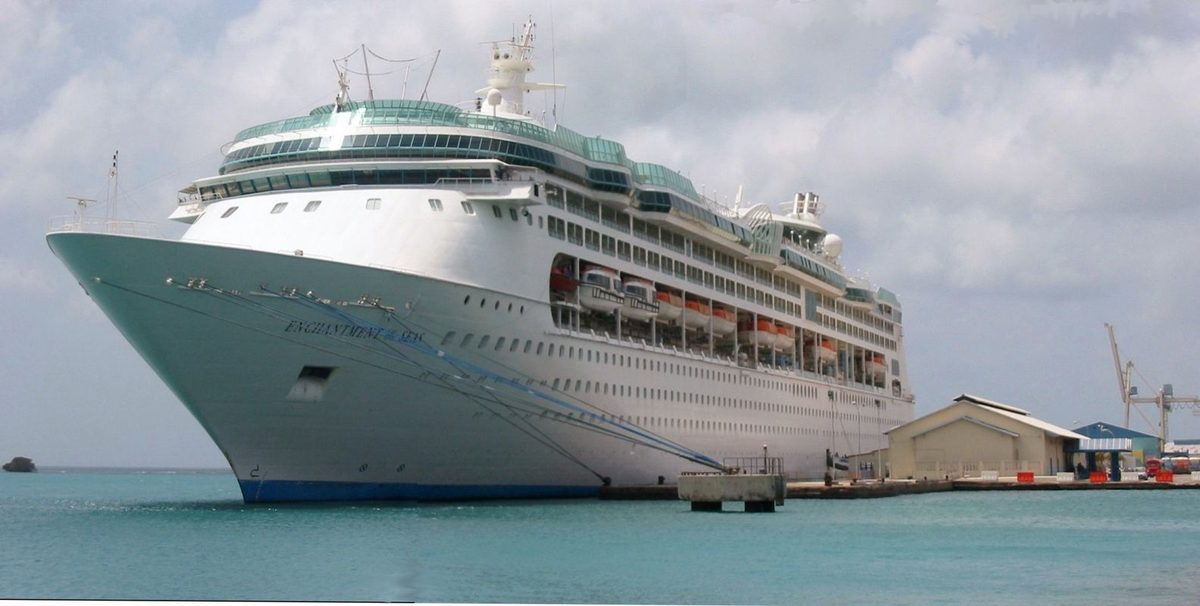
Submarine tours are tailor-made for a cruise day. The Atlantis store is a short walk or quick taxi from the cruise terminal in Oranjestad, the whole experience fits inside a half-day with time to spare, and there’s no swimsuit, towel, or beach logistics to manage, you walk off the ship, do the tour, and walk back. If you’re planning a port day, our Aruba itinerary guide can help you slot it in around other stops, and the getting around Aruba guide covers taxis and fares from the port.
Prices and how to book
Pricing shifts with the season, so treat these as ballpark figures and confirm at the time of booking. The Atlantis Submarine recently ran around $99 for adults (ages 10+) and $89 for children (ages 4-9), with prices noted as subject to seasonal change. The SeaWorld Explorer semi-submarine typically costs roughly half that, which is exactly why budget-minded families gravitate to it. Both are operated by De Palm Tours, one of Aruba’s largest and longest-running activity companies.
A few booking tips from experience:
- Book ahead in high season. The submarine has limited seats per dive and sells out on busy cruise days. Reserve online a day or two in advance rather than walking up.
- Pick a morning slot. Light is better, seas are usually calmer, and you leave your afternoon free for the beach.
- Watch for combo and discount deals. Operators frequently run promotions (I saw a recurring 20%-off weekday offer), and combo packages with other De Palm activities can soften the cost.
- Factor it into your budget. A submarine ride is one of the pricier single activities on the island; our Aruba vacation cost guide puts it in context against everything else you’ll spend on.
What to bring and practical tips
- Wear comfortable, flat shoes. You’ll do a little walking and, on the Atlantis, a ladder; leave the heels at the hotel. The submarine itself is air-conditioned, so a light layer isn’t a bad idea if you run cold.
- Bring a camera, but manage expectations. Phones shoot fine through the portholes, though the deep-water colour cast (everything trends blue-green) and reflections off the glass are hard to beat. Cup your lens against the window to cut glare.
- Motion sickness: the submarine is rock-steady once submerged, but the ferry transfer and the semi-submarine ride on the surface can roll a little. If you’re sensitive, take something beforehand.
- You will not get wet, so no swimsuit or towel needed, a genuinely nice change of pace from most Aruba water activities.
- Timing within your trip: Aruba’s calm leeward water and reliable sun make almost any day workable, but if you want the flattest seas and clearest light, see our notes on the best time to visit Aruba.
- Pair it with a meal. Both departure points are minutes from town; the Oranjestad submarine in particular sits close to plenty of options in our Aruba restaurants guide for lunch afterward.
Accessibility, comfort and safety
For an underwater attraction, both tours are remarkably accessible. The cabins are climate-controlled and kept at normal surface pressure, so there’s no equalising, no decompression, and no special fitness required. The semi-submarine is step-free enough for most wheelchair users to manage with assistance; the Atlantis is the one to ask about in advance because of the boarding ladder. Claustrophobia is the other thing worth being honest with yourself about: the submarine cabin is snug and you can’t simply step outside for 45 minutes. That said, the big portholes, bright interior, and constant narration keep it from feeling coffin-like, and the crew are practised at settling nervous first-timers. If a fully enclosed space genuinely worries you, the open-topped boarding and surface operation of the semi-submarine sidestep the issue entirely.
On the safety question, it bears repeating: the Atlantis submarine is certified, inspected annually, shadowed by a surface vessel in constant radio contact, and engineered to surface on its own in an emergency. Aruba in general is one of the safer, easier Caribbean islands to travel around, as we cover in our broader travel advice for Aruba.
Frequently asked questions
How deep does the Aruba submarine go?
The Atlantis Submarine descends to roughly 130 feet on a typical dive, and the vessel is rated for a depth capacity of more than 140 feet. That’s about the limit of recreational scuba diving, reached from a dry, air-conditioned cabin. The SeaWorld Explorer semi-submarine, by contrast, never submerges at all; its viewing windows sit only about five feet below the surface while the boat stays on top of the water.
Is the Atlantis Submarine safe for kids and non-swimmers?
Yes. Swimming ability is irrelevant because you stay dry inside a sealed, pressurised cabin the entire time. The submarine is U.S. and locally certified and the cabin stays at normal surface pressure, so ears don’t pop. Children are welcome from age 4 provided they’re at least 36 inches (90 cm) tall; younger or smaller children can ride the semi-submarine instead, which has no real age or height restriction.
How much does an Aruba submarine tour cost?
Expect around $99 per adult and $89 per child (ages 4-9) for the Atlantis Submarine, with prices varying by season. The SeaWorld Explorer semi-submarine costs roughly half as much, which is why budget-conscious families often choose it. Booking online in advance is wise in high season, and operators frequently run weekday discounts and combo deals that lower the price.
How long does the submarine tour take?
The full Atlantis experience runs about 1 hour and 45 minutes, which includes the safety briefing and the ferry ride out to the submarine; the actual underwater portion is roughly 45 to 50 minutes. The SeaWorld Explorer semi-submarine takes about 1 hour and 30 minutes start to finish. Either one fits comfortably into a half-day or a cruise port day.
What will I see on the dive?
The Atlantis dives over the Barcadera Reef and passes two shipwrecks, including a sunken Hamburg America Line cargo ship resting under more than 60 feet of water and surrounded by fish. The semi-submarine visits the Arashi reef and the famous Antilla wreck. On either tour you can expect coral formations, schools of reef fish, and a chance at barracuda, stingrays, or a sea turtle.
Where do the submarine tours leave from?
The Atlantis Submarine checks in at the Atlantis store on L.G. Smith Boulevard in downtown Oranjestad, roughly across from the Renaissance Resort, then ferries you out to the sub. The SeaWorld Explorer semi-submarine departs from De Palm Pier on Palm Beach, between the Riu Palace and the Hilton. Both are easy to reach by taxi, and the Oranjestad departure is within walking distance of the cruise terminal.
Final thoughts
Of all the ways to meet Aruba’s underwater world, a submarine tour is the most inclusive: it asks nothing of you physically and rewards you with a view that snorkelers and even many divers never get, the reef and a shipwreck seen whole, from below, in comfort. If your budget stretches to it and nobody in the group is troubled by tight spaces, the Atlantis Submarine and its real 130-foot dive is the more memorable of the two. If you’re counting dollars or wrangling toddlers, the SeaWorld Explorer semi-submarine delivers a reef and the Antilla for far less. Slot either into a half-day, pair it with lunch in town, and you’ve added something genuinely different to your trip. For everything else worth doing on and around the water, head back to our Aruba water sports and boat tours hub.
By the ArubaTourism.org team — Last updated June 2026
Photo credits
- Tourist submarine on the surface — Photo: Mst78 / CC BY-SA 4.0 via Wikimedia Commons.
- Caribbean coral reef and tropical fish — Photo: Patrick Nouhailler / CC BY-SA 2.0 via Wikimedia Commons.
- Underwater shipwreck explored by divers — Photo: NOAA (public domain) via Wikimedia Commons.
- Green sea turtle over a reef — Photo: Bryan Wittal (public domain) via Wikimedia Commons.
- Cruise ship docked at Oranjestad, Aruba — Photo: Giancarlo Rossi / CC BY-SA 3.0 via Wikimedia Commons.