I will be honest: the first session went badly. I had logged enough hours on lakes back home to feel quietly confident, so I rigged up at Fisherman’s Huts, walked the board out over that postcard-shallow water, and promptly got mugged by a gust that launched the rig over my head and dumped me on my backside in about two feet of warm Caribbean. A local kid on a freestyle board surfed past, grinned, and didn’t even slow down. That humbling little splash is exactly why windsurfing Aruba is almost a rite of passage: the trade winds here are relentless, organized, and a touch ruthless, and once you stop fighting them you understand why this 70-square-mile island is on every wind-chaser’s bucket list.
This is the part of the island where the wind does the talking. Aruba sits in the path of near-constant easterly trade winds, ringed by shallow turquoise flats on its leeward side and punchy reef breaks on the windward coast. That combination of steady breeze, warm water you can stand up in, and a genuine world-championship pedigree is rare anywhere, let alone in one compact, easy-to-reach Caribbean destination.
The short answer: is Aruba good for windsurfing and kitesurfing?
Yes. Aruba is one of the best windsurfing and kitesurfing destinations on Earth. Trade winds blow 15-25 knots most days (gusting to 30+ in peak season), the water is warm and shallow at the main beginner flats, and the island hosts the Caribbean’s biggest wind-sports festival. Fisherman’s Huts suits all levels; Boca Grandi is for advanced kiters. You can rent gear or take lessons year-round.
By the ArubaTourism.org team — Last updated June 2026
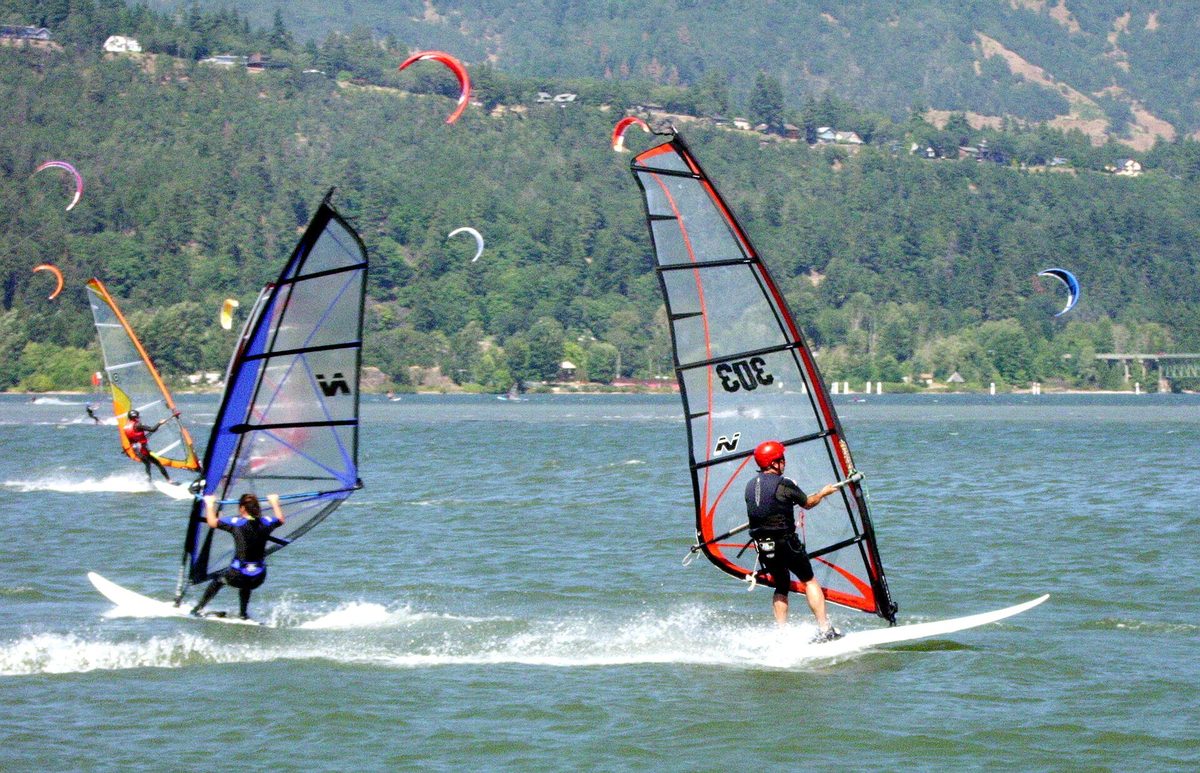
At a glance: where to ride and who it suits
Aruba’s wind spots split neatly by coast. The calm, resort-lined northwest (Palm Beach down to Eagle Beach) is where you learn and where the schools cluster; the wild, windward southeast and east coast is where experts go to play. Here is the quick map before we get into detail.
| Spot | Best for (sport) | Level | Conditions |
|---|---|---|---|
| Fisherman’s Huts / Hadicurari (Sarah-Quita Beach) | Windsurf & kite | Beginner to advanced | Flat-to-choppy, shallow inside, steady cross-shore trade wind, all the schools |
| Boca Grandi | Kite (and wave windsurf) | Advanced | Strong cross-onshore wind, submerged reef gives flat zones plus waves, strong current |
| Arashi Beach | Windsurf & SUP | Beginner | Lighter, cleaner wind, calm clear water, uncrowded |
| Baby Beach | Windsurf & SUP | Beginner / families | Very shallow protected lagoon, lighter wind, no kiting near swimmers |
| Manchebo Beach | Windsurf | Intermediate to advanced | Side-on wind on stronger days, building waves, shore break, bring your own kit |
| Dos Playa (Arikok National Park) | Wave windsurf | Advanced only | Powerful waves, strong current, remote, 4×4 access, park fee |
If you only have time for one spot and you are new to the sport, go to Fisherman’s Huts. If you are an experienced kiter chasing big air, point the rental car at Boca Grandi. Everything below explains why, and how to do each one well. For the bigger picture of getting on the water here, our guide to Aruba water sports and boat tours sets the whole scene.
Why Aruba is a world-class wind sports spot
Three things make Aruba special, and they all stack on top of each other.
The wind is remarkably reliable. Aruba sits just outside the hurricane belt in the path of the easterly trade winds, which means the breeze fills in almost every afternoon, year after year, without the long flat spells that plague a lot of warm-water destinations. The island’s own tourism authority describes “constant 15-knot trade winds” as the baseline; in practice riders see 15-25 knots on a typical day and 30 knots or more when the season peaks. You can plan a trip around the wind here and actually get it.
The water is forgiving where it counts. Along the leeward northwest shore the sea shelves out gently. At Fisherman’s Huts you can wade out a long way and still touch bottom, which is exactly what you want when you are learning to water-start or body-drag. The water sits around 80°F (about 27°C) all year, so a wetsuit is optional and most people ride in a rash guard and boardshorts.
It has real pedigree. This is not a place that merely tolerates wind sports; it celebrates them. Aruba has produced one of the greatest freestyle windsurfers in history, and it has hosted a major international competition for nearly four decades (more on both below). When the locals are this good and this welcoming, the vibe on the beach lifts everyone’s riding.
The best windsurfing and kitesurfing spots in Aruba
You will hear a lot of beach names tossed around, but in practice the riding clusters around a handful of spots, each with a distinct personality. Here is how I think about them.
Fisherman’s Huts (Hadicurari / Sarah-Quita Beach) — the beating heart
If Aruba’s wind scene has a capital, this is it. Fisherman’s Huts, officially Hadicurari Beach, is a breezy strip just north of the high-rise hotels, past the Ritz-Carlton and Marriott. The inside section is shallow and relatively flat, perfect for learning, while a short reach out the breeze builds and the chop picks up for intermediates and rippers. Nearly every windsurf and kite school on the island operates from here, so it is also the easiest place to rent gear, grab a lesson, or simply watch.
The beach now carries a second name, Sarah-Quita Beach, in honour of Aruban freestyle legend Sarah-Quita Offringa, which tells you everything about how seriously the island takes this sport. It is a sociable, generous place: people rig side by side, swap notes on the day’s wind, and decompress afterward at the beach bars. The water is generally calm and shallow, but keep one eye on the kiters launching and landing, and respect the lanes the schools set up.
Local tip: bring water shoes. Most of the sand is soft, but there are patches of small rocks and coral fragments near the waterline that are no fun on bare feet, especially when you are dragging gear in and out.
Boca Grandi — the advanced kiter’s playground
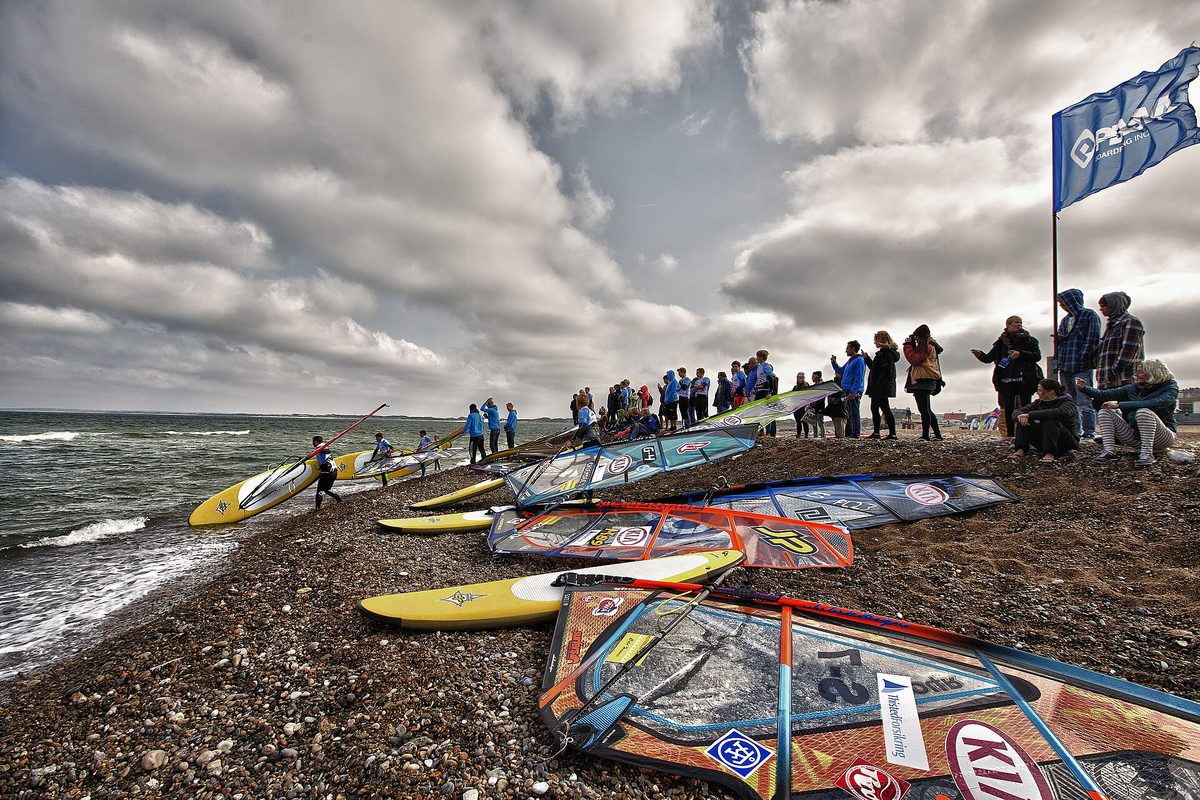
Down on the rugged southeastern tip, near the edge of Arikok National Park, Boca Grandi is where Aruba shows its teeth. The wind here is stronger and blows cross-onshore from the right, which the locals consider relatively safe directionally, but the spot is emphatically not for beginners. A partially submerged barrier reef sits offshore, and it shapes the whole experience: behind the reef you get flat-water pockets ideal for practising freestyle, while out past it the swell stands up into proper waves. That same reef will shred a kite or a shin if you misjudge it, and the current can pull you downwind into a long, demoralizing walk back up the beach.
Come here with solid water-starts, confident upwind riding, and strong swimming. You will usually find local riders happy to share advice on the day’s conditions, and there is parking near the dunes, from which the half-moon bay genuinely glows the bluest blue on the island. During the big annual competition this is the designated kitesurfing venue, which is the clearest possible endorsement of its credentials.
Arashi Beach — calm water for first-timers
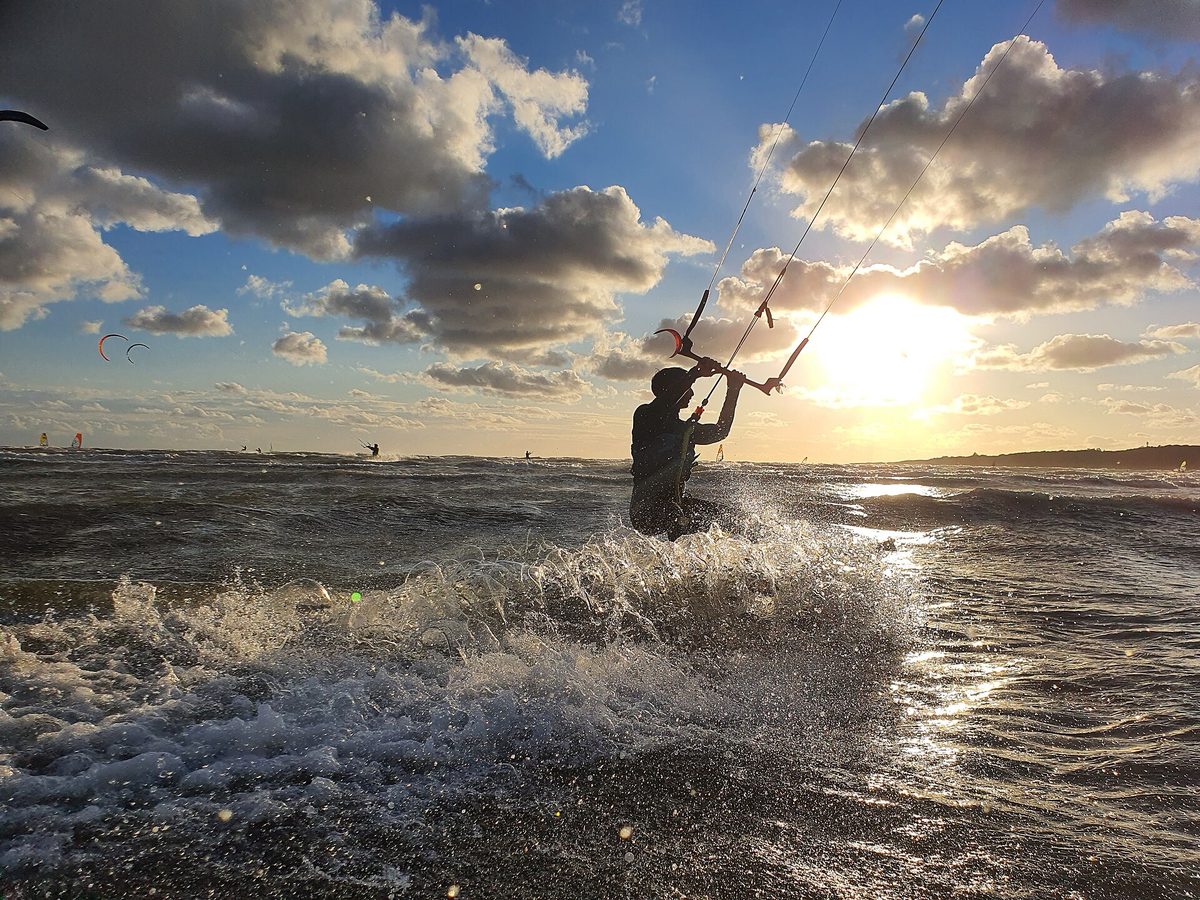
Tucked up near the island’s northwestern point below the California Lighthouse, Arashi offers lighter, cleaner wind and calmer, clearer water than the Huts. That makes it a lovely place for an absolute beginner’s first windsurf lesson or for stand-up paddleboarding, and it is far less crowded. It is not a serious kite spot (the wind is generally too light and the beach too busy with swimmers and snorkelers), but for getting the feel of a board under sail in low-stress conditions it is hard to beat. Pair a morning session here with the short drive up to the California Lighthouse for the view.
Baby Beach — shallow, safe, family-friendly
On the southern tip near San Nicolas, Baby Beach is a protected, crescent-shaped lagoon so shallow you can wade out a long way and barely pass your waist. The wind is lighter here than at the Huts, but it is enough to learn the fundamentals of windsurfing in a genuinely reassuring environment, and it doubles as a fantastic SUP and snorkeling spot. It is not a kitesurfing beach, both because of the light wind and the number of swimmers in the lagoon, so leave the kite in the bag. With shade huts, picnic tables, and a restaurant on hand, it is a brilliant base for a family day; our guide to visiting Aruba with kids has more on making the most of it.
Manchebo and Dos Playa — for those who want waves
Two spots round out the picture for stronger riders. Manchebo Beach, the wide soft-sand stretch in front of the low-rise Eagle Beach resorts, can offer good side-on windsurfing when the wind swings more southeast and the waves build further out. There are no rental facilities, so you need your own gear, but it rewards you with uncrowded sessions away from the main scene. Dos Playa, inside Arikok National Park on the wild east coast, is a wave-windsurfing spot for experts only: powerful surf, strong currents, a dirt-road approach best tackled in a 4×4, and a small park entry fee. Stunning, remote, and not a place to overestimate yourself.
Windsurfing vs kitesurfing in Aruba: which should you choose?
People often ask me which sport Aruba is “really” for, and the honest answer is both, in roughly equal measure, but they reward slightly different temperaments.
Windsurfing has the deeper roots here. The gear is more forgiving to learn on a shallow flat like Fisherman’s Huts, because you can start on a big, stable board and a small sail, fall off, climb back on, and keep your feet on the bottom while you figure it out. The progression is gradual and physical: you will use your back and legs, and you will feel competent uphauling and tacking within a couple of sessions. If you like the idea of standing on the water with the rig in your hands and a direct, mechanical connection to the wind, windsurfing is your sport.
Kitesurfing has a steeper but shorter learning curve. The first hours go into kite control on the beach and body-dragging in the water before you ever stand on the board, which is why a proper lesson is non-negotiable rather than optional. Once it clicks, though, the payoff is huge: kites generate enormous lift, so the jumps and hangtime that make the sport so photogenic come within reach faster than the equivalent windsurf moves. Aruba’s steady wind and big flat areas are tailor-made for it.
My rule of thumb: if you have never done either and you want to be riding under your own power by the end of a short trip, windsurfing on the flats gets you there with less frustration. If you are already comfortable with traction kites or you are chasing the airborne, freestyle side of the sport, kitesurfing in Aruba is world-class. Plenty of people here do both, and the schools are happy to introduce you to either.
Windsurfing Aruba for beginners: how to start
This is the island’s secret weapon: it is one of the easiest places in the world to start, precisely because the conditions that humbled me on day one are also incredibly safe to fail in. At Fisherman’s Huts, Arashi, and Baby Beach the water is shallow and warm, the wind is side-shore or cross-shore rather than blowing you out to sea, and there are certified instructors a few steps up the beach.
A typical beginner windsurf lesson runs one to two hours and starts on land: stance, how the sail powers up and depowers, and the all-important “uphaul” to lift the rig out of the water. Then you wade out and try it for real on a big board. Most people are sailing across the wind and turning around, however inelegantly, within their first one or two sessions. Lessons include all the gear, so you turn up in swimwear with sunscreen and go.
If you are brand new to kitesurfing, expect your first lesson to stay on the beach and in waist-deep water longer than you would like. That is correct and good. Kite control is a genuine safety skill, and a reputable school will not put you on a board until you can fly the kite confidently and self-rescue. Book at least a two- to three-session package if you are serious about standing up before you fly home.
For advanced riders and freestyle
If you already rip, Aruba will keep you grinning. The flat-water pockets behind the reef at Boca Grandi are a freestyle laboratory, where the island’s home-grown champions have honed the tricks that win world titles. The outside of the same reef serves up waves for those who would rather carve and jump swell. Manchebo and the wild east coast at Dos Playa add genuine wave-riding for windsurfers willing to make the trek and respect the power of the place.
Even at Fisherman’s Huts the outside is no joke once the afternoon wind tops 20 knots; you can rig a smaller sail and find plenty of chop to pop off. The beauty of riding here as an expert is logistical as much as anything: warm water, no wetsuit, a short drive between flat-water freestyle and wave spots, and a community of seriously good riders who will happily point you to the day’s best conditions. Bring or rent smaller gear for the windy months, because it can get powered-up fast.
Wind season and conditions: when is the wind best?
Here is the genuinely great news for trip planning: Aruba has rideable wind essentially year-round. The trade winds rarely switch off, so there is no truly “dead” season the way there is in many warm-water spots. That said, the wind does have a rhythm, and matching your trip to it makes a real difference.
Peak strength runs roughly May through July. These are the windiest, most consistent months, when the breeze regularly pushes 25 knots and can spike to 30-35 knots on the strongest days. It is no accident that the island’s big competition is held in this window. If you want power, freestyle conditions, and the best odds of a full week of riding, aim for late spring and early summer.
March through August is the broad sweet spot. Across these months the wind typically averages 15-25 knots, ideal for both windsurfing and kitesurfing across all levels. It overlaps neatly with a lot of people’s travel calendars and still delivers reliable breeze.
September through February is quieter but still good. The wind can be a touch lighter and less metronomic in the autumn and winter, with the occasional softer day, but you will still get plenty of sessions. The trade-off is upside: September and October in particular tend to bring fewer crowds and lower prices. If you would rather have the flats to yourself and do not mind rigging a slightly bigger sail, the shoulder season is a smart, value-friendly play. For a month-by-month breakdown of weather, crowds, and prices, see our guide to the best time to visit Aruba.
Whenever you come, the water stays warm (around 80°F / 27°C), so you can leave the wetsuit at home and ride in a rash guard. Always check the day’s forecast before you head out, because wind direction and strength shift, and a 15-knot morning can become a powered-up 25-knot afternoon in a hurry.
Aruba Hi-Winds: the Caribbean’s premier wind-sports festival
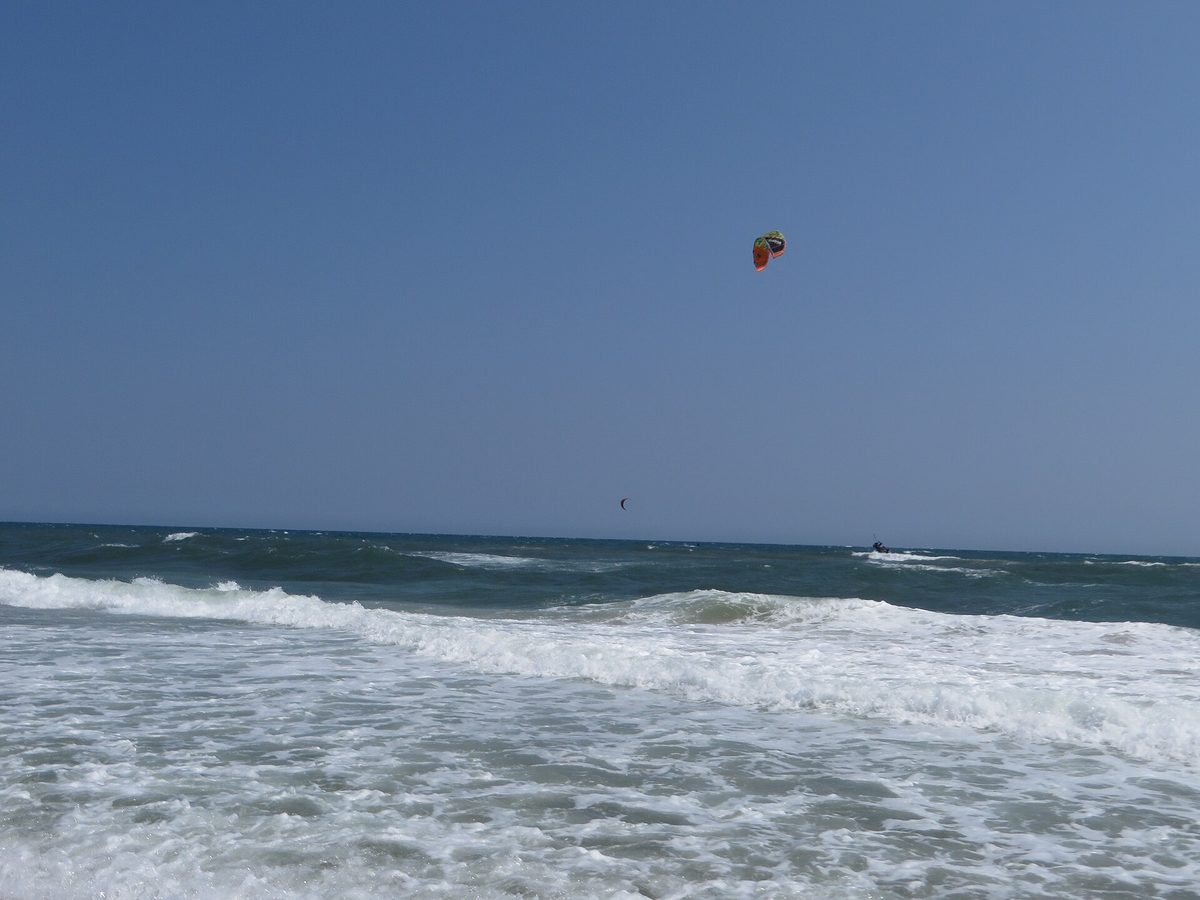
You cannot talk about windsurfing in Aruba without talking about Hi-Winds. Born in 1986 when two local windsurfers, Anthony Blok and Ruben Croes, finished an afternoon session and decided then and there to put Aruba on the world watersports map, it has grown into the largest amateur windsurfing and kiteboarding competition in the world and the Caribbean’s premier event of its kind. Hundreds of competitors from across the globe converge on the island each year to race and ride.
The format has broadened over the decades: what began as windsurfing now spans windsurf slalom and freestyle, kiteboarding, and newer disciplines such as wing foiling, with categories for kids and juniors as well as the pros. The windsurfing action centres on Fisherman’s Huts, while the kitesurfers compete down at Boca Grandi, then come back to demonstrate at the Huts on the weekend, sometimes riding after dark. Around the racing there is a full beach-party programme of DJs, live bands, and a relaxed island atmosphere, and admission for spectators is free.
The event has traditionally been held in the high-wind window of late June or early July, though recent editions have sometimes run in May, so check the official dates before you build a trip around it. Even if you are not competing, it is one of the best spectator days on the island’s calendar; watching the world’s keenest amateurs trade gusts off the Huts is genuinely thrilling, and it pairs perfectly with everything else on a packed Aruba itinerary. There is also a strong nightlife scene around the event for the evenings, which our Aruba nightlife guide covers in detail.
Schools, rentals, and what it costs
One of the joys of riding here is how little logistical friction there is. The schools and rental shops are clustered along the beach at Fisherman’s Huts, so you can compare options on foot and pick based on the vibe and the gear.
Schools worth knowing. Long-running operators include Vela Sports Aruba, which teaches right on the sand at Fisherman’s Huts / Sarah-Quita Beach and offers windsurfing lessons for all levels with gear included, and Aruba Active Vacations, another established name for both windsurfing and kitesurfing instruction and rentals. For kiting specifically you will also find the Aruba Kitesurfing School and Armando’s Kite Shack among the operators on the strip. All teach in English and cater to complete beginners through to advanced riders.
What it costs (plan on these ranges). Prices vary by operator and season, so treat these as ballpark and confirm current rates when you book:
- Beginner windsurf lesson: roughly $50-90 for a one- to two-hour session including gear; a longer introductory course can run around $135.
- Private windsurf lesson: around $90 and up per person.
- Kitesurf lessons: roughly $75-125 per hour; budget for a multi-session package, as one lesson rarely gets you riding independently.
- Board / rig rental: roughly $35-45 for two hours, about $50 for a half day, and $60-70 for a full day for windsurf kit; standalone gear rental can run higher per hour depending on the setup.
- Stand-up paddleboard rental: around $25-40 per hour for an easy add-on day.
Multi-day and package rates almost always beat paying session by session, and booking ahead is wise in the busy winter and spring months. To see how a few sessions fit into a wider holiday budget, our Aruba vacation cost guide breaks down the bigger picture, and if you are weighing where to base yourself, the where to stay in Aruba guide explains why the Palm Beach area puts you closest to the action.
What to bring and how to get there
Wind sports here need surprisingly little kit beyond what the schools provide, but a few things make every session better.
- Reef-safe sunscreen, a hat, and sunglasses. The combination of strong sun and constant wind is deceptive; you will burn without noticing. Reef-safe formulas protect the coral you are riding over.
- A rash guard or quick-dry top. It shields you from sun and the inevitable harness or boom rub. No wetsuit needed in the warm water.
- Water shoes. Genuinely worth it for the rocky patches at Fisherman’s Huts and for walking out over reef at the advanced spots.
- Plenty of water. You dehydrate fast in the wind. Bring more than you think you need.
- A waterproof phone pouch or a locker. Some schools offer locker storage for clients; otherwise leave valuables at your hotel.
Getting to the spots is easy on the leeward side and more of an expedition on the windward side. Fisherman’s Huts, Arashi, Palm Beach, and Manchebo are a short taxi, bus, or rental-car hop from the main hotel zone. Baby Beach is a longer drive south. Boca Grandi and especially Dos Playa are out toward the wild coast, and Dos Playa in particular wants a 4×4 down a dirt track plus an Arikok park fee. If you plan to chase the advanced spots, renting a car is the sensible move; our guide to getting to and around Aruba lays out the options.
Safety on the water
Aruba’s shallow flats and steady wind make it forgiving, but the ocean still deserves respect. A few habits keep the day fun:
- Check the forecast every time. Note both wind speed and direction; an offshore shift changes the risk profile entirely.
- Mind the current. It is strongest at Boca Grandi and near the channel at Baby Beach. Stay upwind of where you want to end up.
- Take lessons if you are new. Especially for kitesurfing, a certified instructor and proper self-rescue skills are non-negotiable.
- Respect the reef and other water users. Give swimmers, snorkelers, and learners a wide berth, and avoid riding over shallow coral.
- Know your limits and tell someone your plan. The single most common way good riders get into trouble is overestimating themselves on a big day.
If you do need them, there are clinics and pharmacies in the Palm Beach and Eagle Beach area, and the island’s main hospital is in Oranjestad. Knowing where they are is cheap peace of mind. For broader practical advice, our island travel tips are a useful companion.
Frequently asked questions
Is Aruba good for beginner windsurfers and kitesurfers?
Very. Fisherman’s Huts, Arashi, and Baby Beach offer shallow, warm water and side-shore trade winds, plus certified schools right on the sand. Beginners can stand on the bottom while they learn, which removes a lot of fear. Windsurfing in particular is quick to pick up here; most people are sailing across the wind within their first session or two.
What is the best time of year for windsurfing in Aruba?
Wind blows year-round, but May through July is the strongest and most consistent stretch, regularly hitting 25 knots and gusting to 30-plus. March through August is the broad sweet spot at 15-25 knots. September and October are slightly lighter but bring fewer crowds and lower prices, making the shoulder season great value.
Do I need to bring my own gear?
No. Schools and rental shops at Fisherman’s Huts supply boards, sails, and kites, and lessons include all equipment. You only need swimwear, reef-safe sunscreen, and ideally water shoes. Experienced riders sometimes bring their own kit, especially smaller sails or kites for the windy peak months, but it is not necessary for a great trip.
Where do you kitesurf in Aruba versus windsurf?
Both share Fisherman’s Huts, the main hub with all the schools. Advanced kitesurfing centres on Boca Grandi on the southeast coast, where strong wind and a submerged reef create flat zones and waves. Windsurfers also use Manchebo and the expert-only wave spot at Dos Playa. Beginner windsurfing and SUP work well at Arashi and Baby Beach.
How much do windsurfing and kitesurfing lessons cost in Aruba?
Plan on roughly $50-90 for a one- to two-hour beginner windsurf lesson with gear, and about $75-125 per hour for kitesurfing, which usually needs multiple sessions to ride independently. Gear rental runs around $35-70 depending on the block of time. Multi-day packages are better value, and booking ahead is wise in peak season.
What is Aruba Hi-Winds?
Aruba Hi-Winds is the Caribbean’s premier wind-sports festival, held annually since 1986 and billed as the largest amateur windsurfing and kiteboarding competition in the world. It features windsurf slalom and freestyle, kiteboarding, and wing foiling, with windsurfing at Fisherman’s Huts and kiting at Boca Grandi. Spectator admission is free, with beach parties and live music alongside the racing.
Final thoughts
That first wipeout did not put me off; it converted me. There is something about wind that is honest in a way few sports are, and Aruba serves it up with warm water, soft light, and a community that wants you to get good. Whether you are taking a first wobbly windsurf lesson on the Fisherman’s Huts flats, chasing freestyle pockets behind the Boca Grandi reef, or simply sitting on the beach with a cold drink watching the kites stitch the horizon, this is one of the great places on the planet to feel the trade winds work. Rig up, respect the breeze, and enjoy the ride. When you are done, the rest of the island is waiting; start with our roundup of the best things to do in Aruba and the island’s gorgeous beaches.
Photo credits
- Windsurfing action: Photo by EncMstr / CC BY-SA 3.0 via Wikimedia Commons.
- Windsurf boards and rigged sails on the beach: Photo by Cold Hawaii / CC BY-SA 2.0 via Wikimedia Commons.
- Kitesurfer in spray at sunset: Photo by Da.Informator (CC0) via Wikimedia Commons.
- Kiteboarder on open water: Photo by Ken Lund / CC BY-SA 2.0 via Wikimedia Commons.