I’ll confess something I used to be loud and wrong about: for years I told friends that three days on a Caribbean island was a waste of a flight. Too short to relax, too short to see anything, too short to bother. Then a cheap fare and a stubborn long weekend forced my hand, and 3 days in Aruba completely rearranged how I think about short trips. The island is small, the flights from the U.S. East Coast are quick, and the distances are tiny. With a tight plan, a long weekend here doesn’t feel rushed at all. It feels like a highlight reel where every scene actually lands.
The trick is structure. You can’t wander Aruba aimlessly for three days and expect to hit the beaches, the desert interior, the colorful capital, and a proper sunset dinner. But you can absolutely do all of it if each day has a clear theme and you stop trying to “do everything.” Below is the exact plan I’d hand a friend flying in Friday and out Monday, with real timing, prices in U.S. dollars (hedge everything as “around” and confirm current rates), drive times, and the swaps I’d make depending on who you are.
The quick answer: A perfect 3-day Aruba trip is one beach-and-boat day on the Palm/Eagle Beach strip, one self-drive or jeep day exploring the lighthouse, Arikok, and the calm southern lagoons, and one slower city-and-beach day in Oranjestad before you fly home. It suits first-timers, couples on a long weekend, and anyone who wants sun, a little adventure, and great food without an exhausting schedule.
This guide is part of our full Aruba itinerary planning hub, where you’ll find day-count breakdowns for every trip length. If three days is all you’ve got, you’re in exactly the right place — let’s make it count.
3 Days in Aruba at a Glance
Here’s the whole long weekend on one screen. Skim it, screenshot it, then read the day-by-day sections below for the timing, costs, and “swap this if” notes that make it actually work.
| Day | Morning | Afternoon | Evening |
|---|---|---|---|
| Day 1 — Beach & Boat | Settle in, swim at Palm Beach, walk the resort strip | Afternoon catamaran sail with snorkeling at the Antilla wreck | Sunset dinner on Palm Beach (Screaming Eagle or a beach grill) |
| Day 2 — Island Drive | California Lighthouse, Arashi Beach & Boca Catalina snorkel | Arikok National Park, Natural Bridge area, Baby Beach swim | Fried fish at Zeerovers in Savaneta, toes-in-the-sand vibe |
| Day 3 — City & Sand | Wander Oranjestad, shop tax-free, grab Dutch pancakes | Eagle Beach for the fofoti trees and a last long swim | Sunset cocktails, easy dinner, pack for the flight |
Before You Go: How to Make 3 Days Feel Like More
The single biggest factor in whether a 3-day trip feels generous or frantic is how you treat your arrival and departure days. Aruba’s airport, Queen Beatrix International (AUA), sits just south of Oranjestad, around a 10–15 minute drive from the Eagle Beach and Palm Beach hotel zone where most visitors stay. That short transfer is a gift. It means a flight landing around midday still leaves you a full beach afternoon, and an evening flight home on day three gives you almost the whole day on the island.
My rule for short trips: book the earliest reasonable flight in and the latest reasonable flight out. An extra few hours on each end can add up to nearly a whole bonus day of beach time over a long weekend. Aruba sits outside the hurricane belt and stays warm and dry most of the year, so you’re rarely gambling on weather — but I still build in one flexible block per day in case a tour shifts or you simply want to nap in the shade. If you want help picking your window, our guide to the best time to visit Aruba breaks down the months, crowds, and prices.
One more mindset shift: pick a base and stay put. With only three nights, hotel-hopping wastes a half-day on check-in and check-out logistics. Choose one hotel on or near the beach, unpack once, and let the island come to you. More on exactly where to stay further down.
Day 1: Beaches, the Strip, and a Sunset Sail
Day one is your ease-in day. You’ve likely been traveling, so the goal is sun, water, and a slow gear-shift into island time — capped with the single experience almost everyone agrees is the highlight of a short Aruba trip: an afternoon catamaran cruise.
Morning: Land, Settle, and Hit Palm Beach
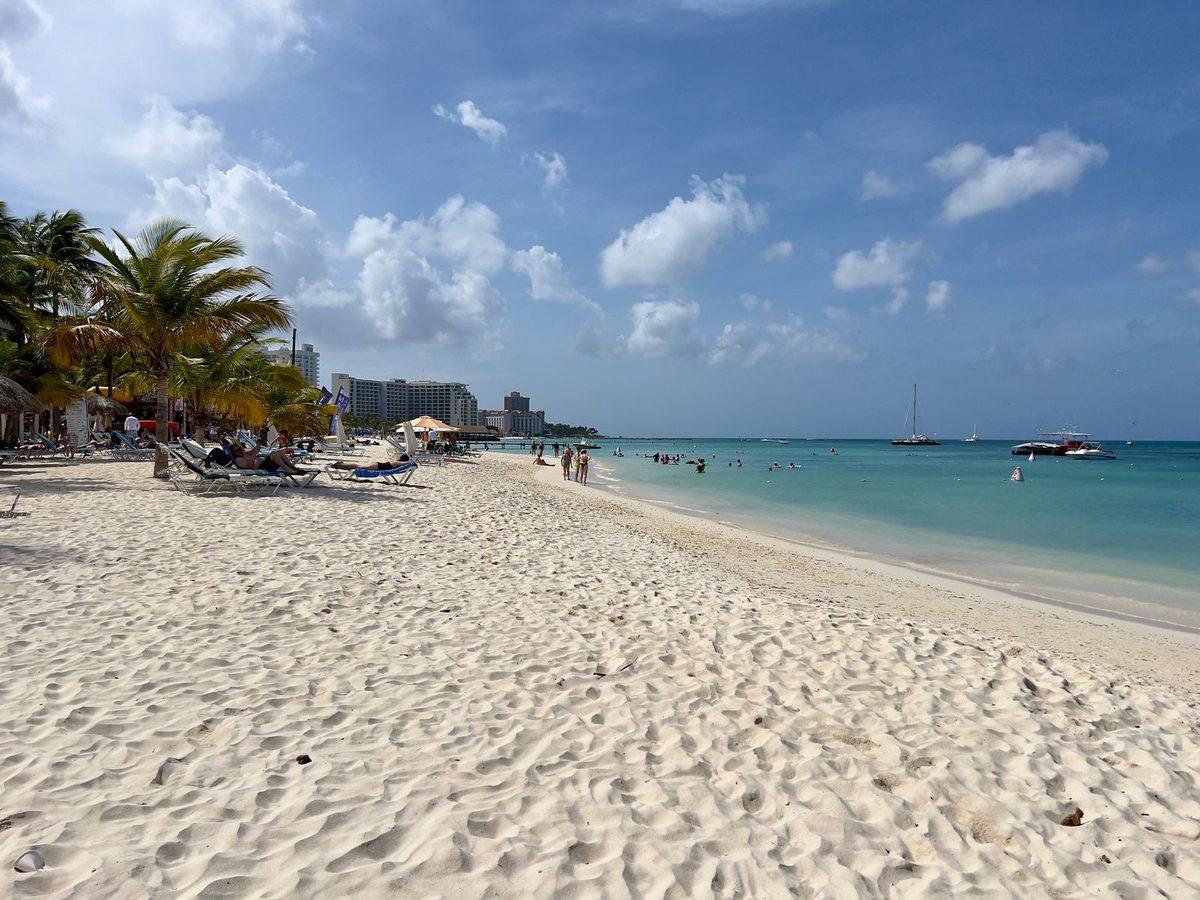
Assuming a midday arrival, drop your bags, change, and walk straight to the water. If you’re staying on Palm Beach — the lively high-rise strip with the Marriott, Hilton, Ritz-Carlton, and Riu — you’ve got calm, clear, swimmable water and plenty of beach bars within steps. Grab a quick lunch at a beachfront spot (a burger or fish sandwich runs around $15–22), claim some shade, and just float for an hour. You earned it.
If you arrive hungry and want something more local, the Dutch pancake houses near the strip do enormous sweet-or-savory pannenkoeken for around $12–18 — a fun, filling first meal. For a deeper rundown of the sand, see our full guide to Aruba’s beaches, but on day one you don’t need to overthink it: the nearest stretch of Palm or Eagle Beach is excellent.
Afternoon: Catamaran Cruise and Snorkel
This is the move that makes a 3-day trip feel like a real vacation. Most afternoon catamaran sails depart around 2:30–3:00 p.m. from the Palm Beach pier area and run roughly three hours. Expect an open bar, music, a rope swing or slide off the boat, and one or two snorkel stops — usually including the Antilla shipwreck, a 400-foot WWII-era German freighter that’s one of the largest wreck dives in the Caribbean and shallow enough to snorkel over. Operators like De Palm, Jolly Pirates, and Red Sail run versions of this; budget around $60–90 per adult, and book a day or two ahead in peak season because the good afternoon slots sell out.
You’ll be back at the pier near sunset, salty and happy, which sets up dinner perfectly. If you’d rather go deeper on what’s out there, our overview of water sports in Aruba covers snorkeling, diving, and more.
Swap this if… you’re traveling with young kids or you get seasick: skip the booze-cruise catamaran and do a calmer morning snorkel trip or simply snorkel from shore at Boca Catalina on day two. If you arrive too late for the afternoon sail, move the cruise to day three’s morning and flip the city visit to day one’s evening.
Evening: Sunset Dinner on the Beach
For your first dinner, stay close and lean into the sunset. Screaming Eagle near Eagle Beach is a long-standing favorite for a slightly dressy night (mains around $35–55, reserve ahead). For something more relaxed and right on the sand, the Palm Beach beach-grills and the restaurants along the strip do fresh fish, ribs, and pasta with your feet near the water. Wherever you land, order the catch of the day and a cold Balashi (the local beer) and watch the sky do its thing. Aruba’s sunsets are genuinely a nightly event — people stop and clap.
If you still have energy, the Palm Beach area is also the heart of the island’s after-dark scene. Our guide to Aruba nightlife has the bars, casinos, and live-music spots, but honestly, after a travel day and a boat, most people happily fade by ten.
Day 2: The Island Drive — Lighthouse, Desert, and Calm Lagoons
Day two is your adventure day, and the one that separates a memorable Aruba trip from a generic resort weekend. The island is only about 20 miles long, so you can genuinely circle the highlights in a day — but the terrain is rugged and the best parts need either a rental car for the paved sights or a 4×4 tour for the wild interior. Start early; the light is better and the popular stops are emptier before 9 a.m.
Getting Wheels: Rental Car vs. Jeep Tour
You have two clean options for day two, and the right one depends on whether the Natural Pool (Conchi) is a must for you.
Option A — Self-drive (most flexible): Rent a small car for around $45–70/day. You can reach the California Lighthouse, the beaches, Oranjestad, Baby Beach, and the paved edges of Arikok yourself. What a regular car cannot safely reach is the Natural Pool — that road is brutal 4×4-only terrain.
Option B — Guided 4×4 / UTV tour (best for the Natural Pool): Book a half-day jeep or UTV safari for roughly $90–140 per person. Guides handle the punishing track into Arikok, the Natural Pool swim, and stops like the collapsed Natural Bridge and the Bushiribana gold-mill ruins, with no navigation stress.
My pick for a 3-day trip: if you love a swim in a wild volcanic cove and don’t want to drive sketchy roads, do the guided jeep tour and use a taxi or bus for everything else. If you’d rather set your own pace and skip the Natural Pool, rent the car. Either way, our getting to and around Aruba guide spells out rental logistics, driving rules, and the roundabouts you’ll meet constantly.
Morning: California Lighthouse, Arashi & Boca Catalina
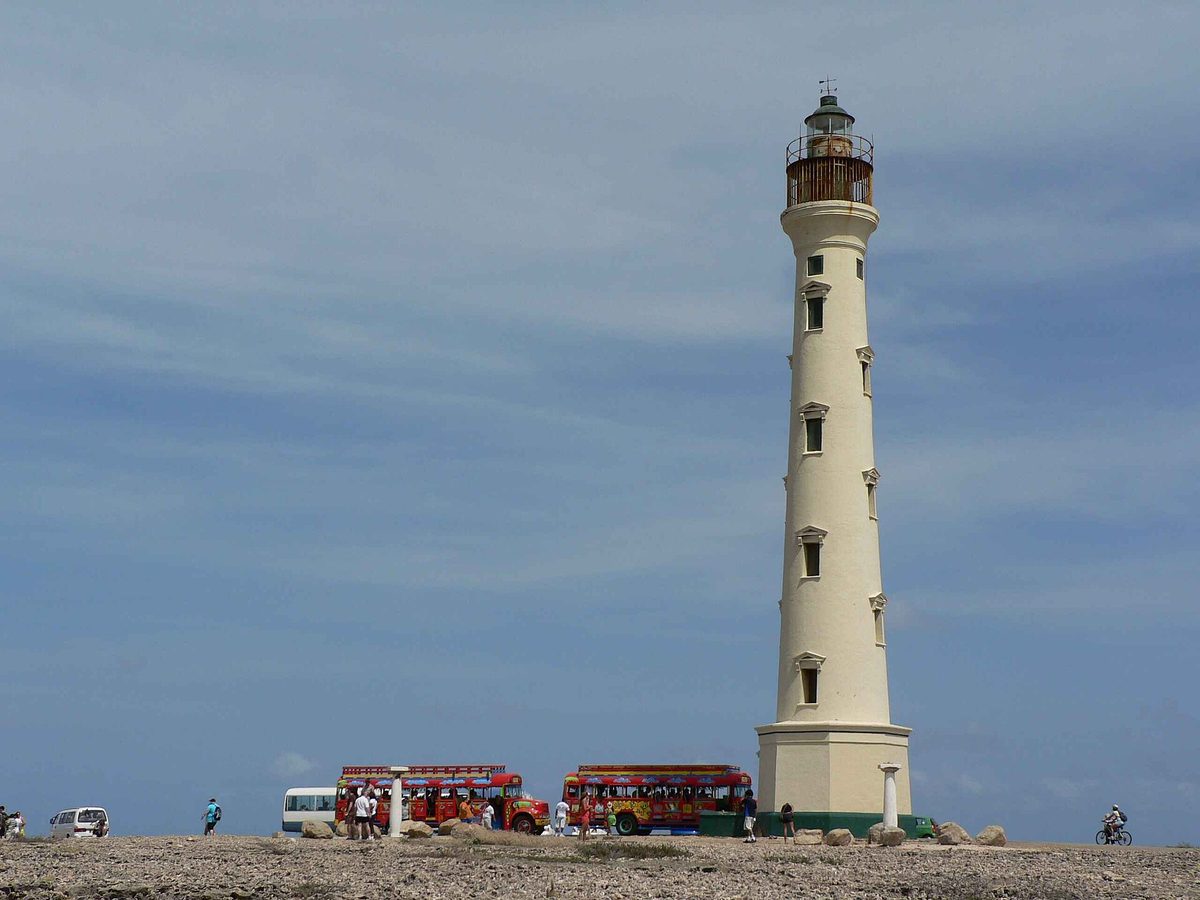
Head to the island’s northwest tip first. The California Lighthouse (named for a ship that wrecked nearby) sits on a rise with sweeping coast views — a 5-minute photo stop, free to admire from outside, with a casual restaurant beside it if you want coffee. From there it’s a short drive to Arashi Beach, a calm, locals-favorite stretch with gentle water, and to Boca Catalina, a small cove with some of the easiest shore snorkeling on the island — bring or rent a mask and you’ll likely see parrotfish and, if you’re lucky, a sea turtle. Plan around two hours here.
Afternoon: Arikok, the Wild Coast, and Baby Beach
Arikok National Park covers nearly 20% of Aruba — cactus-studded desert, dramatic windward cliffs, caves with petroglyphs, and the Natural Pool. Park admission is around $15 per adult (confirm current rates and hours, typically open daytime). If you self-drive, stick to the maintained sections and the Fontein and Quadirikiri caves; if you booked the jeep tour, this is where the Natural Pool swim and the Natural Bridge area slot in. Our deep dive on Arikok National Park covers trails, caves, and what to pack (closed-toe shoes, more water than you think).
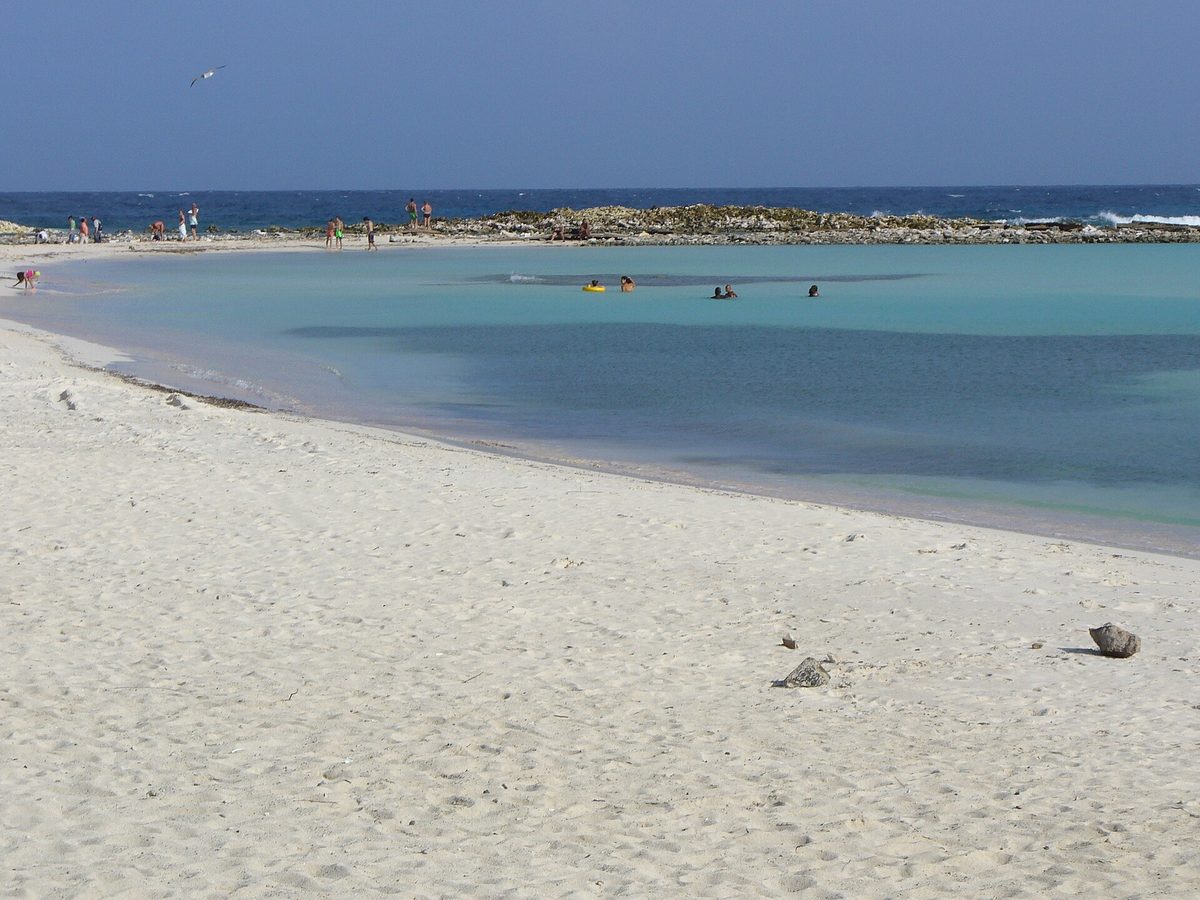
From the park, point south toward Baby Beach near San Nicolas, about a 30–40 minute drive. This shallow, protected lagoon at the island’s southern tip is the calmest, clearest easy-swim water in Aruba — perfect for cooling off after a dusty morning. There’s a beach bar for a snack and a drink. It’s the kind of place where an hour quietly becomes two.
Swap this if… you’re short on time or the kids are flagging: skip the southern drive to Baby Beach and snorkel/swim at Arashi instead, then head back early. Or, if you crave more nature, trade beach time for a guided hike with a park ranger inside Arikok.
Evening: Fried Fish at Zeerovers
End your big day where the locals eat. Zeerovers in the fishing village of Savaneta is a no-frills, picnic-table seafood shack on a pier where you order fresh fish and shrimp by weight, fried golden with fries and pan bati (a local cornbread). It’s loud, casual, cash-friendly, and cheap — figure around $10–18 a person — and it tastes like the actual island, not a resort buffet. If you’d rather stay closer to your hotel, our Aruba restaurants guide has options across every neighborhood and budget.
Day 3: Oranjestad, Eagle Beach, and a Slow Goodbye
Day three balances culture and one last dose of the beach, with enough flex to handle whatever time your flight leaves. Even with an evening departure, you can comfortably do the capital in the morning and Eagle Beach in the afternoon, then shower and head to the airport.
Morning: Wander Oranjestad
Oranjestad, Aruba’s capital, is a walkable, photogenic cluster of Dutch colonial buildings painted in candy colors. Stroll Main Street and the Renaissance Marketplace, ride the free vintage tram, and browse the shops — Aruba has no sales tax on most goods, so it’s a genuinely good place to pick up linen, jewelry, or local hot sauce and aloe products. Grab breakfast or brunch at a Dutch pancake house or a café on the waterfront. Two to three hours is plenty to get the feel without exhausting it.
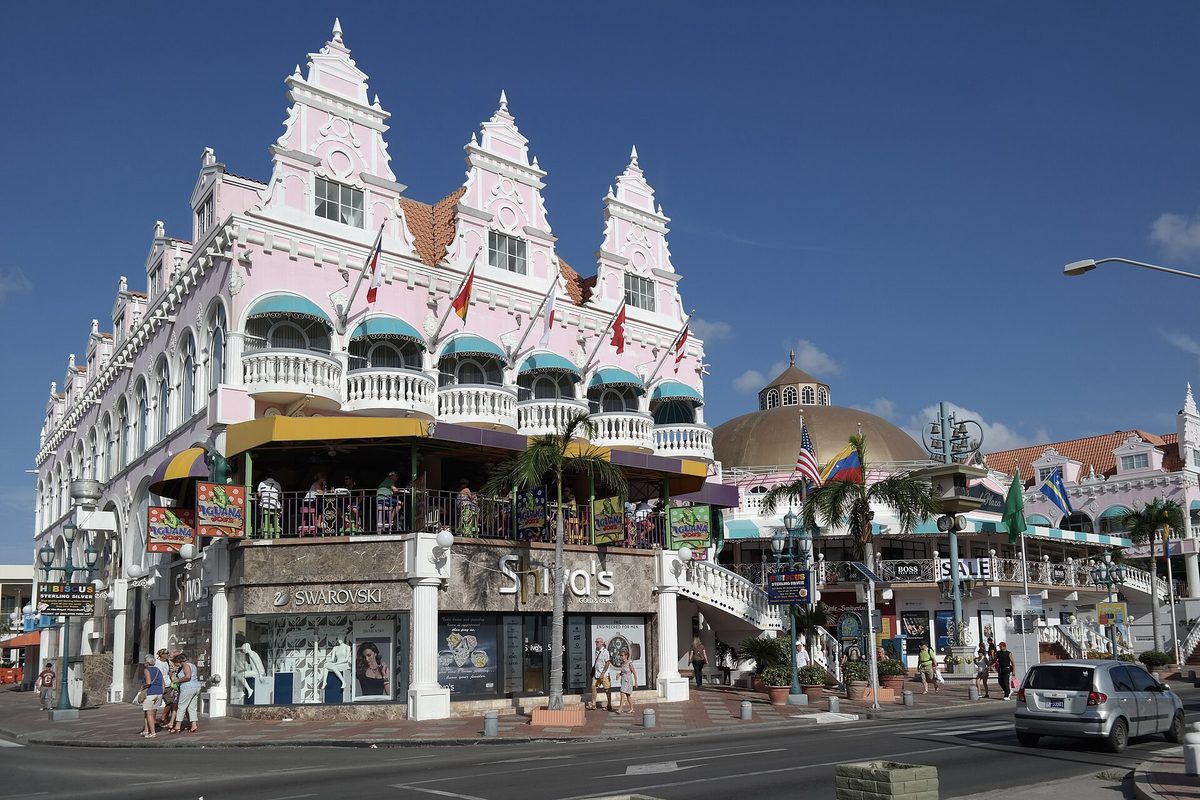
Swap this if… shopping isn’t your thing: spend the morning at a flamingo experience (the famous flamingos are on a private island day pass and must be booked ahead), or do a relaxed champagne brunch cruise instead and save the city for next time. Looking for ideas that won’t cost a thing? Our roundup of no-cost activities has plenty for a final morning.
Afternoon: Eagle Beach Send-Off
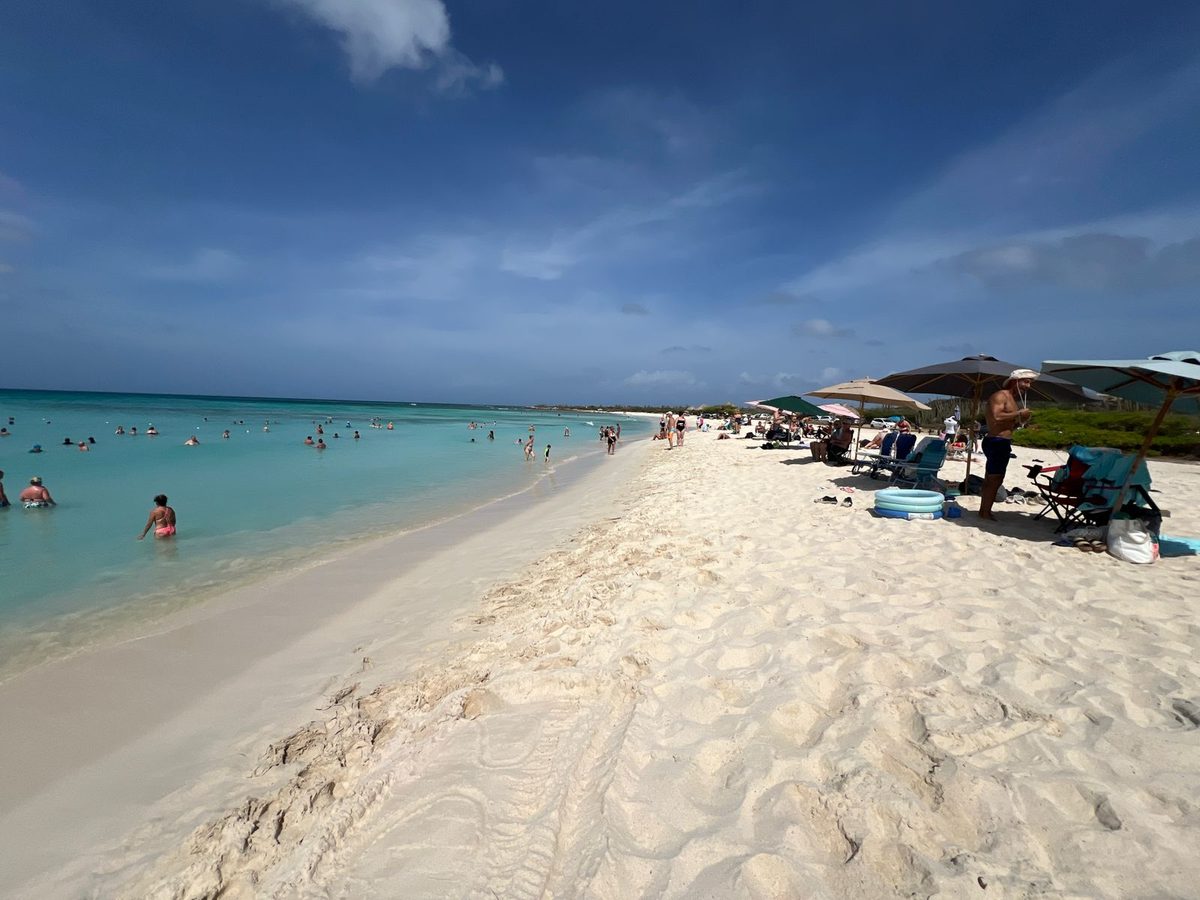
Finish your trip at Eagle Beach, regularly ranked among the best beaches in the world — a wide, soft, low-rise stretch of white sand and the home of Aruba’s iconic wind-bent fofoti trees (the famous “divi-divi-looking” trees everyone photographs). It’s less built-up than Palm Beach, with room to breathe. Rent a shade clamshell or a chair, take your last swim, get the obligatory tree photo, and let the long weekend land softly. There’s no better final image of the island. For more on why this beach tops global lists, see our full Aruba beaches guide.
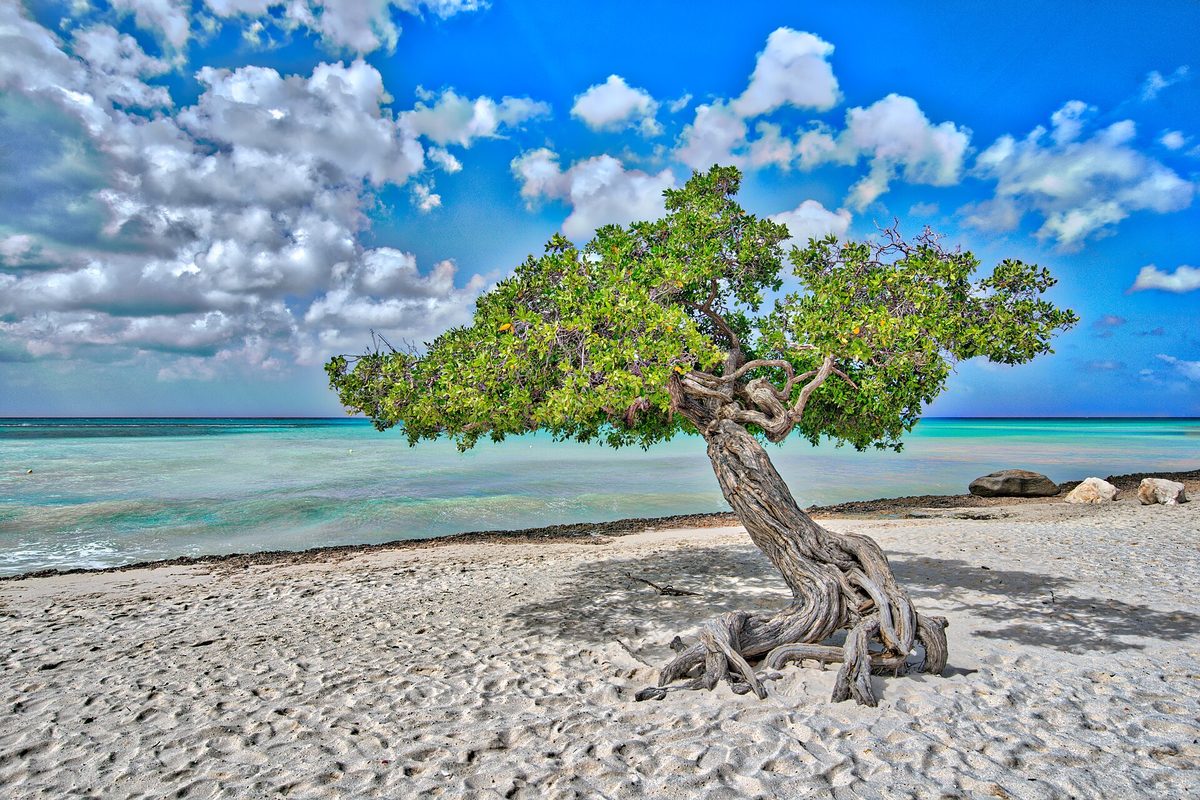
If your flight is later in the evening, squeeze in a final sunset cocktail before you go. If it’s a daytime departure, just flip day three — do Eagle Beach early and skip the city, or compress Oranjestad into a quick stop on the way to the airport since both sit on the same southern side of the island.
Where to Stay for a Short Aruba Trip
For a long weekend, location beats luxury. You want to minimize transfers and maximize beach time, which means basing yourself in the main hotel corridor on the island’s calm western coast. The two anchors:
- Palm Beach (high-energy): The big-name high-rise resorts, the liveliest beach bars, casinos, and the most restaurants within walking distance. Best if you want action steps from your door and don’t mind crowds. This strip also has the bulk of the island’s all-inclusive resorts, which can simplify a short trip since meals and drinks are handled.
- Eagle Beach & Manchebo (low-rise, calmer): Wider, quieter sand and smaller boutique and mid-rise hotels. Best for couples and anyone who wants a more laid-back feel while still being a 5-minute drive from the action.
Either way, three nights is too short to switch hotels. Book one place, ideally with free beach loungers or a palapa you can reserve, and treat it as your home base. For a full breakdown by neighborhood, price, and vibe, see our guide to where to base yourself in Aruba. If you’re celebrating, our Aruba honeymoon guide leans into the romantic, adults-only end of the spectrum.
Getting Around in 3 Days: Car, Taxi, or Bus?
How you move around shapes your whole itinerary, so decide before you arrive. Here’s the honest comparison for a short trip:
- Rental car (~$45–70/day): The best value if you want to self-drive day two. Cheaper than repeated taxis, total freedom, and Aruba drives on the right with U.S.-style rules. Downsides: roundabouts everywhere, limited signage in the interior, and you can’t reach the Natural Pool. Worth it if you’ll use it for a full day or two.
- Taxis (fixed rates, no meters): Convenient and reliable; fares are set by zone. Airport to Palm Beach runs around $30–35. Great for getting to dinner or a one-off, but pricey if you’re hopping around all day. Confirm the fare before you get in.
- Arubus public bus (~$2.60 one-way, ~$5 day pass): The cheap, easy way to shuttle between Oranjestad, Eagle Beach, and Palm Beach along the coast. It does not serve the wild interior or the Natural Pool. Perfect for car-free travelers who plan to take a guided tour for the adventure day.
My recommendation for the plan above: either rent a car for all three days, or stay car-free and combine the bus (for the beach strip and city) with one guided jeep tour (for the interior) plus a taxi or two. Both work; mixing a half-day rental with taxis is usually the worst of both worlds. Full details live in our getting around Aruba guide.
Best Time to Visit for a Long Weekend
Aruba’s biggest travel advantage is reliability. It sits outside the hurricane belt, averages around 82°F year-round, and gets relatively little rain, with a near-constant cooling trade wind. That means a long weekend rarely gets rained out, which matters enormously when you only have three days.
The peak (and priciest, busiest) season runs roughly mid-December through mid-April. For a short trip with better rates and thinner crowds, the shoulder and low months of May through early December are excellent — the weather barely changes, and you’ll spend less on hotels and tours. The brief wetter stretch late in the year usually brings short passing showers, not washouts. For the month-by-month detail, see our guide to the best time to visit Aruba.
Sample Budget for 3 Days in Aruba (Per Person)
Costs swing wildly based on hotel choice and how much you drink and tour, so treat these as ballpark ranges to plan around, not quotes — and always confirm current prices. The figures below exclude international flights.
| Category | Budget | Mid-range | Comfort |
|---|---|---|---|
| Hotel (3 nights, per person, double occupancy) | ~$240 | ~$450 | ~$900+ |
| Food & drinks (3 days) | ~$120 | ~$210 | ~$350+ |
| Activities (catamaran + jeep/park) | ~$90 | ~$170 | ~$250+ |
| Getting around (car share or bus/taxi) | ~$30 | ~$70 | ~$120+ |
| 3-day total (per person, no flights) | ~$480 | ~$900 | ~$1,600+ |
Add roughly $300–700 per person for flights from the U.S. depending on origin and season. To pressure-test your own numbers, our detailed Aruba vacation cost breakdown goes line by line.
What to Skip on a Tight 3-Day Schedule
Beating the crowds and the clock means saying no to a few things. With only three days, I’d skip:
- A second full boat trip. One catamaran sail is plenty; a second eats a half-day you need for the island drive.
- The far-flung museum loop in San Nicolas. The street-art murals are great, but a dedicated trip down south for museums is a 4-day-plus luxury. You’ll glimpse the area en route to Baby Beach anyway.
- De Palm Island or a full water-park day. Fun, but it swallows an entire day better spent sampling several beaches and the interior.
- Over-shopping. Tax-free is tempting, but don’t burn a beach afternoon in stores. Grab a few things in Oranjestad on day three and move on.
- Packing the evenings. Resist booking dinner reservations so early that you’re rushing off the beach at sunset. Leave room to do nothing.
The whole philosophy of a great 3-day trip is depth over breadth: a handful of standout experiences done well, with margin to breathe. For more ways to use your limited time, browse our roundup of the best things to do in Aruba and pick the two or three that excite you most.
Frequently Asked Questions
Is 3 days in Aruba enough?
Yes — three days is enough to enjoy Aruba’s highlights without feeling rushed, precisely because the island is small and easy to get around. You can comfortably fit a beach-and-catamaran day, an island-exploration day, and a city-and-beach day. It won’t cover every corner, but a well-planned long weekend feels like a genuine vacation, not a layover.
What can you do in 3 days in Aruba?
In three days you can swim at Palm and Eagle Beach, take an afternoon catamaran sail with snorkeling at the Antilla shipwreck, drive to the California Lighthouse, explore Arikok National Park, swim at the calm Baby Beach lagoon, eat fresh fried fish in Savaneta, and wander tax-free Oranjestad. That’s a beach, adventure, food, and culture sampler all in one long weekend.
How much does a 3-day Aruba trip cost?
Excluding flights, expect roughly $480 per person on a budget, around $900 mid-range, and $1,600 or more for a comfort-level long weekend. Hotels are the biggest variable, followed by tours and dining. Add about $300–700 per person for U.S. flights. Traveling in the May–early December low season can meaningfully cut hotel and tour costs.
Do you need a car for 3 days in Aruba?
Not strictly. If you stay on the Palm or Eagle Beach strip, you can combine the cheap Arubus public bus, the occasional taxi, and one guided jeep tour to cover everything. But a rental car (around $45–70/day) is the most flexible and often the best-value option if you plan to self-drive the lighthouse, beaches, and paved parts of the island on your adventure day.
What is the best area to stay for a short Aruba trip?
Base yourself on the calm western coast — Palm Beach for lively resorts, bars, and casinos within walking distance, or Eagle Beach and Manchebo for quieter, low-rise hotels on wider sand. Both put you minutes from the airport, Oranjestad, and the best beaches, which is exactly what you want when you only have three nights and don’t want to waste time in transit.
Can you see the Natural Pool in 3 days?
Yes, but plan for it. The Natural Pool (Conchi) sits deep in Arikok National Park on a rough track that requires a 4×4 — a regular rental car can’t reach it. Book a half-day guided jeep or UTV tour (around $90–140 per person) and slot it into your island-exploration day. If swimming in a wild volcanic cove is a priority, it’s well worth dedicating that block to it.
The Bottom Line
I came to Aruba a skeptic about short trips and left a convert. Three days here is short, sure, but it’s the rare short trip that feels complete: you’ll have swum in turquoise water, sailed past a shipwreck, bounced across the desert to a hidden pool, eaten fried fish with locals, and watched the sky catch fire over a fofoti tree. Plan it with a little structure, base yourself near the beach, pick the two or three experiences that excite you most, and a long weekend on One Happy Island will deliver far more than its length suggests. When you’re ready to start mapping it out, our complete Aruba itinerary guide and our Aruba travel tips will help you lock in the details.
By the ArubaTourism.org team — Last updated June 2026. Prices, hours, and tour details change; please confirm current information directly with operators and venues before you book.
Photo Credits
All images are used under their respective Creative Commons or public-domain licenses.