The short answer: head for the leeward south and west coast in the early morning. Aruba’s calmest, clearest, most beginner-friendly water sits on the sheltered side of the island, and the wind is at its gentlest from roughly sunrise until mid-morning. Paddleboarding Aruba’s leeward beaches is easiest here: Eagle Beach and Palm Beach give you glassy water and rental shacks within steps of the sand. For something wilder, the mangrove channels and turquoise shallows around Mangel Halto and Spanish Lagoon, near the fishing village of Savaneta, are the island’s best kayaking and SUP-touring water by a wide margin.
Quick answer: The best paddleboarding in Aruba is on the calm leeward coast at dawn — Eagle Beach and Palm Beach for easy, social SUP sessions, and the protected Mangel Halto and Spanish Lagoon mangroves for kayaking and longer paddle tours. Go before the trade winds pick up around late morning, rent boards for roughly $25–$60 an hour, and bring reef-safe sunscreen, water, and a leash.
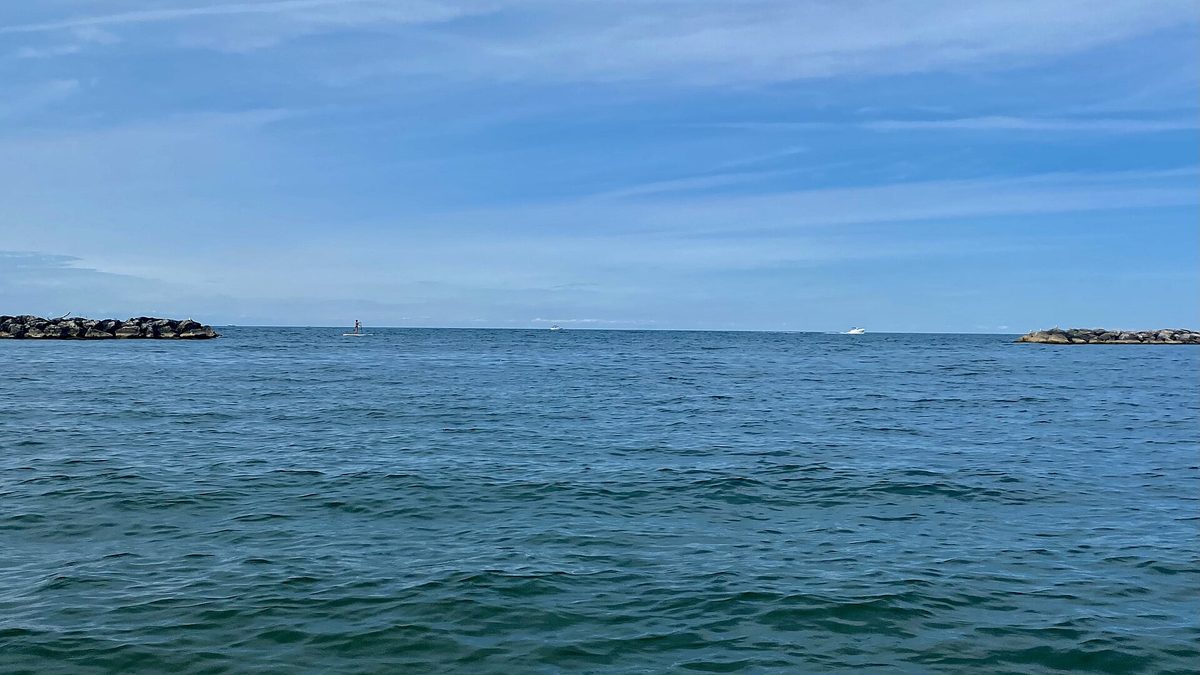
I’ll be honest about why I love paddling here over almost anywhere else in the Caribbean. Aruba is narrow and oriented so that one whole side — the south and west — is shielded from the open Atlantic. That geography is the entire secret. While the windward north coast is a churning, rocky place fit only for experienced surfers, the leeward shallows can be so flat at 7 a.m. that your paddle leaves little spinning whirlpools you can watch dissolve behind you. Add water that’s bath-warm year-round (around 80°F) and visibility that lets you count starfish from a standing position, and you have a place that’s almost unfairly good for both stand-up paddleboarding and kayaking.
This guide is for everyone from the nervous first-timer who has never balanced on a board to the paddler who wants a half-day mangrove expedition with a guide. I’ll cover the best SUP beaches, the best kayaking water and mangrove eco-tours, how guided trips compare to going it alone with a rental, what it costs, the single most important thing to get right (timing), and how to do it safely with kids in tow. For the wider picture of everything you can do on the water here, our guide to Aruba water sports and boat tours ties all of these activities together.
At a glance: where to paddle in Aruba
Here’s the quick comparison I wish someone had handed me on my first trip. “Level” assumes calm morning conditions; any of these spots gets harder once the wind builds.
| Spot | Best for | SUP / Kayak | Level | Conditions | Highlights |
|---|---|---|---|---|---|
| Eagle Beach | Learning to SUP | Both | Beginner | Very calm at dawn | Powder sand, easy launch, turtles offshore |
| Palm Beach | Spontaneous rentals | Both | Beginner | Calm, can get busy | Rental shacks at every resort, lessons on tap |
| Mangel Halto | Scenic paddling & snorkeling | Both | Beginner–Intermediate | Calm inshore, current offshore | Mangroves, reef, crystal shallows |
| Spanish Lagoon | Mangrove kayak tours | Kayak | Beginner | Sheltered, flat | Ramsar wetland, birdlife, fish nursery |
| Savaneta | Guided eco-tours | Both | Beginner | Protected coves | Tour launch point, fishing-village calm |
| Malmok / Boca Catalina | Clear-water paddling | Both | Beginner–Intermediate | Clear, mild | Snorkeling stops, rocky coves |
| Arashi Beach | Scenery | Both | Beginner–Intermediate | Usually calm | California Lighthouse backdrop, clear water |
Paddleboarding Aruba: the best stand-up paddle spots
SUP rewards calm, predictable water, and Aruba’s leeward beaches deliver exactly that. Here’s where I send people depending on what they want out of the session.
Eagle Beach — the best beginner SUP beach
If it’s your first time on a board, start here. Eagle Beach is regularly ranked among the most beautiful beaches on earth, and the same things that make it gorgeous — a wide, gently shelving bottom and powder-soft sand — make it forgiving to learn on. At dawn the water is often mirror-flat. You can wade out, climb on from your knees in waist-deep water, and stand up without a single wave knocking you sideways. Falling here means a soft splash into warm shallows, not a fight with current. Keep an eye out for sea turtles, which nest along this stretch and sometimes surface a paddle’s length away. There’s ample parking, and the Arubus public bus stops nearby if you don’t have a car.
Palm Beach — the easiest place to rent on a whim
Palm Beach is the high-rise hotel strip, and that’s its advantage for paddling: there’s a water-sports shack in front of nearly every resort, so you can walk down in your swimsuit and be on a board in ten minutes with no advance booking. The water is shielded and generally calm, though it gets busier and more crowded with swimmers and boat traffic than Eagle Beach. If you want a quieter line, paddle north toward the Fisherman’s Huts end early, before the jet skis and banana boats wake up. Lessons are easy to arrange here too, which makes it a good fallback if the wind is up and you want an instructor steadying your board.
Mangel Halto — the most scenic SUP on the island
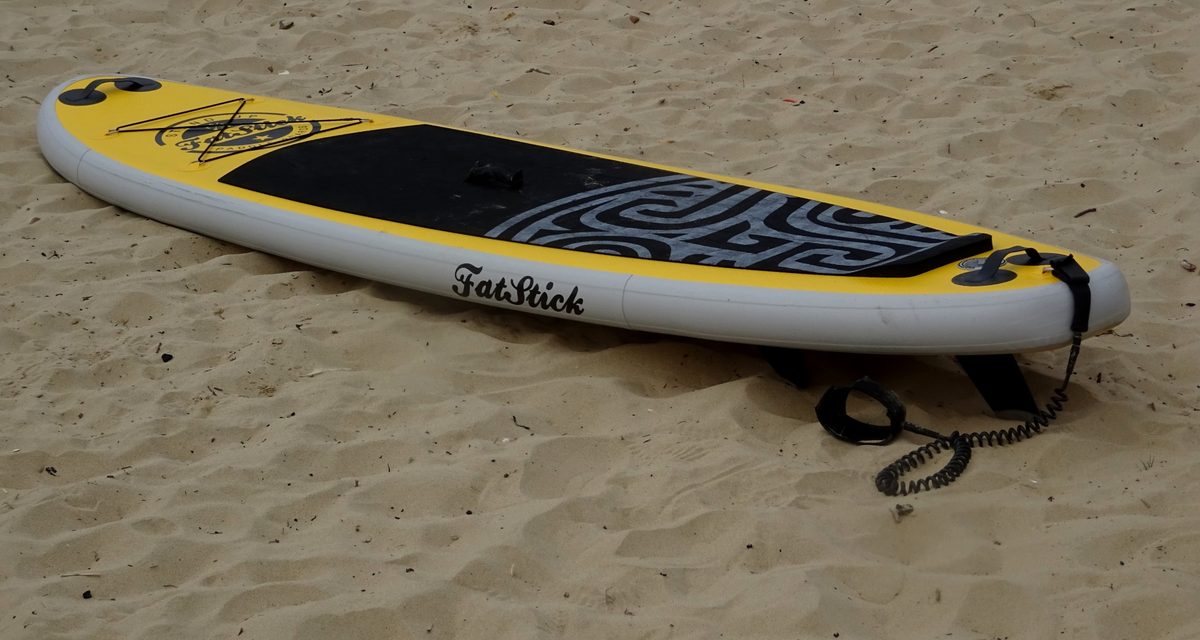
This is my personal favorite, and it doubles as one of Aruba’s premier snorkeling spots. Mangel Halto sits on the southeast coast in the Savaneta area, ringed by mangroves with a little wooden sun deck and a network of channels that open onto crystal-clear, vibrant-turquoise shallows. Paddling here feels like gliding across a swimming pool, and you can drift over coral heads and watch fish scatter beneath the board. Bring a mask — anchoring your board and slipping in for a snorkel is half the fun. One caveat: the water is mild close to shore, but real currents run offshore beyond the reef line. Stay inside, assess conditions, and ask a local or the dive shop if you’re unsure before venturing out. Rentals on-site are limited, so most people bring a board or rent elsewhere and drive it down.
Malmok, Boca Catalina and Arashi
On the northwest tip, this trio offers some of the clearest water on the island. Malmok and Boca Catalina are calm, shallow, snorkel-famous coves — ideal for a slow paddle with your face in the water half the time. Arashi Beach, a little further up under the California Lighthouse, has clear water and usually-gentle surf, with the lighthouse making a postcard backdrop. Rentals are less plentiful out here than on Palm Beach, so plan to bring gear or rent from a shop and transport it. These spots sit right along the classic snorkel-and-beach run on Aruba’s northwest coast, so they slot neatly into a day of island sightseeing.
The best kayaking in Aruba: mangroves and lagoons
Kayaking in Aruba is a different pleasure from SUP. You sit lower, you’re more stable, you can cover more distance, and you can poke into shallow mangrove channels where a paddleboard would feel tippy. The island’s kayaking heart is the protected southeast coast, and it’s genuinely special.
Spanish Lagoon — a protected wetland you can paddle
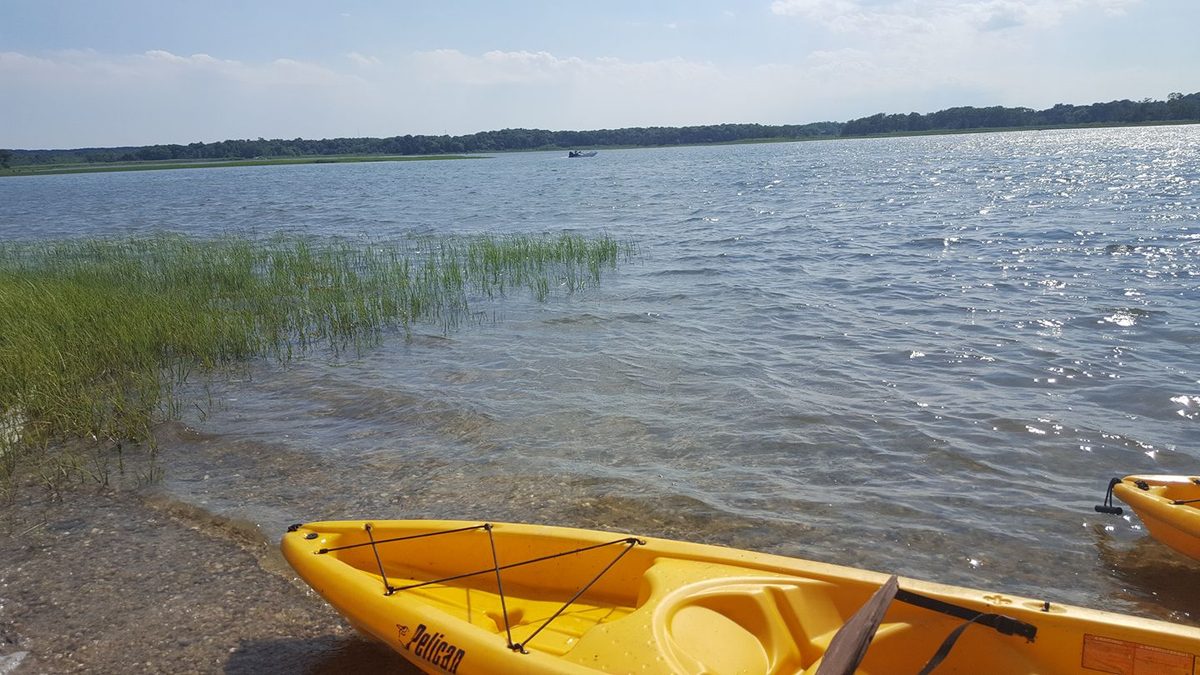
Spanish Lagoon is a narrow inner bay, roughly 2,000 meters long and up to 500 meters wide, tucked into the island’s south-central coast. It is the calmest water you’ll find anywhere on Aruba — so sheltered and ecologically important that it’s a protected wetland under the Ramsar Convention, the international treaty for wetlands of global significance. Tidal action has created a rich ecosystem here: it’s a nursery for reef fish and crustaceans and a haven for waterbirds. Gliding a kayak through the still, jade-colored water with herons stalking the shallows is about as far from the resort strip as you can get while still being a 25-minute drive from it.
Mangel Halto’s mangroves and barrier reef
Just down the coast, Mangel Halto is the other star. Most guided kayak trips combine the two: you launch near Savaneta, paddle the coastal mangroves and the central lagoon — which shows off some of the most beautiful shades of blue on the island — then beach the kayaks and snorkel the barrier reef at Mangel Halto, widely considered the best natural reef snorkeling in Aruba. The mangroves themselves matter: their submerged roots are a nursery where juvenile fish shelter, so the snorkeling payoff at the reef is directly tied to the green tangle you paddle through to get there.
Savaneta and the south coast
Savaneta, Aruba’s oldest village and former capital, is the launch point for most eco-paddles. It’s a quiet fishing community, and the coves here stay protected and flat. If you want the postcard-Aruba beach scene, this isn’t it — but if you want calm water, birdlife, and a sense of the island’s older, slower rhythm, the south coast is where to point your kayak. A paddle here pairs naturally with a seafood lunch at one of the village’s waterfront spots; see our roundup of where to eat in Aruba for ideas.
Clear-bottom and glass-bottom kayaks
A fun twist that’s taken off here: clear-bottom kayaks. Several operators run transparent kayaks so you can see straight down to the seabed, fish, and coral as you paddle — a hit with kids and anyone who wants the underwater view without getting wet. They’re typically run as guided tours rather than loose rentals, often in the late afternoon or as sunset paddles, when the light through the water is at its best.
Guided tours vs. renting on your own
This is the decision most visitors agonize over, so let me make it simple.
Rent on your own if you’re paddling a calm resort beach like Palm or Eagle, you just want an hour of mellow exercise, and you’re comfortable getting yourself on and off a board. Beachfront shacks hand you a board, a paddle, and a leash, give you a quick safety briefing, and let you go. It’s cheaper, more spontaneous, and perfect for a flat morning in front of your hotel. Most rentals include a short lesson before you hit the water, so even a first-timer can manage a calm beach solo.
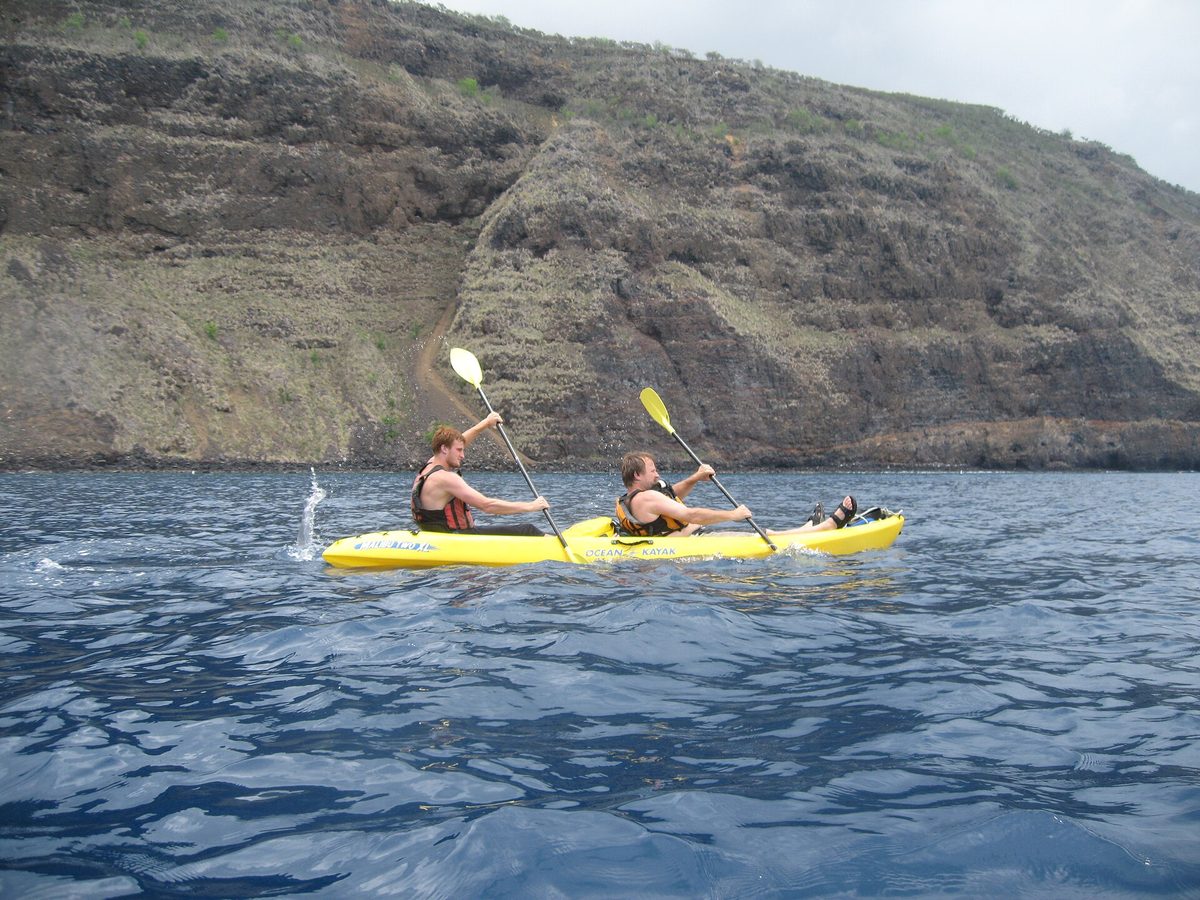
Book a guided tour if you want to paddle the mangroves at Mangel Halto or Spanish Lagoon, you’re new and want a confidence boost, or you want the trip handled end to end. Guides bring local knowledge of the channels and currents, the right gear, snorkeling stops, and often hotel transport, refreshments, and lunch. For the mangroves specifically I always recommend a guide: the channels can be confusing, conditions change, and a good guide turns a paddle into an actual eco-tour, pointing out birds, explaining the Ramsar wetland, and keeping you off the fragile mangrove roots. A typical morning tour runs around three to four hours.
A handful of well-known local operators dominate this space — among them the Aruba Surf & Paddle School (the island’s WPA- and PaddleFit-certified SUP school, on Palm Beach in front of the Marriott Surf Club), Vela Aruba (which also runs SUP yoga and even giant “monster” group boards), Aruba Canoe, Delphi Watersports, Clear Kayak Aruba, and Aruba Outdoor Adventures for the Mangel Halto eco-paddles. I won’t vouch for current pricing or schedules — always confirm directly — but any of these is a reasonable starting point. If you’d rather have the whole day arranged, our guide to the best Aruba excursions covers how the tour-booking scene works.
Paddleboarding for absolute beginners
Here’s the encouraging truth: SUP has a much gentler learning curve than surfing, and on calm Aruba water most people are standing and paddling within their first session. A few things make it click faster.
- Start on your knees. Climb onto the center of the board kneeling, find your balance, take a few kneeling strokes, then stand one foot at a time with knees soft. Don’t try to leap straight to standing.
- Look at the horizon, not your feet. Balance comes from where your eyes go. Staring down at the board is the fastest way to wobble in.
- Use your core, not your arms. Plant the blade fully, rotate your torso, and pull the paddle back to your feet. Arm-only paddling tires you out and goes nowhere.
- Blade angle matters. The bend in the paddle should angle away from you, not toward you — a surprising number of first-timers hold it backward.
- Feet shoulder-width, centered. Stand on the middle of the board, not too far forward or back, with feet parallel and roughly hip-to-shoulder width apart.
If you’re nervous, a 60- to 90-minute lesson is money well spent and turns a frustrating flail into a fun morning. The certified instructors at the Palm Beach schools are patient with all ages, and a lesson also teaches you to read conditions so you can rent confidently for the rest of your trip.
Paddleboarding and kayaking with kids and families
This is one of the most family-friendly activities on the island, which is why it shows up in so many things to do in Aruba with kids itineraries. The calm leeward water is the whole reason it works.
For younger children, a tandem kayak or a parent-and-child SUP is the move — a kid sits or kneels on the front of your board while you paddle, which is safer and more fun than putting them solo. Kayaks are more stable than paddleboards and a better bet for the under-eight crowd. Clear-bottom kayak tours are a genuine hit with kids, who spend the whole paddle hanging over the side spotting fish. Some operators run “monster” group paddleboards that fit a whole family on one board, which is as chaotic and joyful as it sounds.
A few family ground rules I’d insist on: every child in a properly fitted personal flotation device (PFD), no exceptions; everyone leashed to their board; paddle parallel to shore in shallow water rather than straight out; and go early before wind, heat, and crowds build. Age minimums for solo rentals vary by operator, so check ahead. And slather everyone in reef-safe sunscreen — the reflected glare off the water burns faster than people expect.
The best time of day and year to paddle
If you take one thing from this guide, make it this: timing beats location. A mediocre spot at dawn beats a great spot at noon.
Time of day
Aruba’s famous trade winds are the single biggest factor in your paddle. They are typically lightest in the early morning and strengthen through the day, often becoming brisk by late morning or midday. That means the window from sunrise to roughly 9 or 10 a.m. is gold — glassy water, soft light, fewer crowds, and cooler air. I genuinely set an alarm for this on Aruba; a 7 a.m. paddle and an 11 a.m. paddle can feel like two different sports. Late afternoon sometimes calms again as the day winds down, which is when sunset paddles shine, but mornings are the safer bet.
Time of year
You can paddle year-round here — Aruba sits below the main hurricane belt and is dry and warm in every season, with water around 80°F. The trade winds blow strongest in the windier months of roughly January through March (great for windsurfers, less so for flat-water paddling), and tend to ease from about May through November, which can mean calmer mornings for SUP and kayaking. The flip side is that those quieter-wind months overlap the hotter, slightly wetter stretch. For a full breakdown of seasons, crowds, and weather, see our guide to the best time to visit Aruba. Whenever you come, judge each individual morning on its own — step out, look at the water, and go early.
Rentals and costs: what you’ll actually pay
Paddling is one of the better-value activities on a famously not-cheap island. Prices below are ballpark figures as of writing — always confirm current rates with the operator, and ask about group and multi-hour discounts.
- SUP board rental: roughly $25–$60 per hour depending on the beach and board. Eagle Beach tends toward the lower end (~$30–$50), Palm Beach a touch higher, and northwest spots like Arashi around $40–$60. Daily and multi-hour rates are usually better value if you plan to paddle more than once.
- SUP lesson: around $60 per hour for instruction, often including the board. Worth it for first-timers.
- Kayak rental: broadly similar to SUP, with singles cheaper than tandems; many resort beaches rent them by the hour.
- Guided mangrove kayak / eco-tour: roughly $50–$100 per person for a half-day, typically including the kayak, snorkel gear, a guide, and often hotel transport and refreshments.
- Clear-bottom kayak tour: usually in the same guided-tour price band, often as a sunset paddle.
If you’re tallying up the trip, our Aruba vacation cost guide puts these water-sports prices in context against flights, hotels, and dining. Many resorts also bundle free or discounted non-motorized water-sports use for guests, so check what’s included where you’re staying — our where to stay in Aruba guide is a good place to start.
What to bring
- Reef-safe sunscreen (free of oxybenzone and octinoxate) plus a hat and polarized sunglasses with a retainer strap. The reflected sun on the water is intense.
- A rash guard or sun shirt — you’ll be exposed for the whole session, and it beats reapplying sunscreen every 20 minutes.
- A leash (rentals provide one; always use it — it keeps your board from sailing off without you if you fall).
- A PFD for kids and weaker swimmers, and frankly a smart idea for anyone heading away from shore.
- Water and a small snack — it’s hot, you’ll dehydrate faster than you think.
- A dry bag for your phone, keys, and valuables, ideally clipped to the board.
- A mask and snorkel if you’re paddling Mangel Halto, Malmok, or Boca Catalina — the underwater payoff is too good to skip.
- Water shoes or sandals for rocky entries at the coves.
Safety and etiquette on the water
Aruba’s leeward water is forgiving, but the open Caribbean is still the open Caribbean. A few non-negotiables keep it fun.
- Respect the wind. If it’s whitecapping, postpone or pick a more sheltered spot. Wind blowing offshore is the real danger — it can push you out faster than you can paddle back. Paddle into the wind first, so the tired leg home is wind-assisted.
- Mind the currents at Mangel Halto. Inshore is mild; beyond the reef line there are real currents. Stay inside unless you’re experienced and have local advice.
- Stay clear of boat traffic. Keep well off marked boat channels and away from jet skis, especially on busy Palm Beach.
- Use the buddy system and tell someone your route and return time, particularly if you’re paddling beyond a resort beach.
- If you fall, stay calm. Your leash keeps the board close; remount from a kneeling position. Climbing back on is easier than it looks.
- Protect the reef and mangroves. Don’t stand on coral, don’t grab mangrove roots, and take your trash with you. These ecosystems are exactly what you came to see.
For a sense of how paddling fits a full day — pairing a dawn SUP with an afternoon at Arikok National Park or a lazy beach afternoon — our sample Aruba itinerary shows how to slot water sports around the rest of the island, and the wider Aruba beaches guide helps you match each beach to the kind of paddle you want.
Frequently asked questions
Is paddleboarding in Aruba good for beginners?
Yes — it’s one of the most beginner-friendly places in the Caribbean. The sheltered leeward beaches like Eagle Beach and Palm Beach are calm and shallow, especially in the early morning, so most first-timers are standing and paddling within their first session. Falls are soft landings into warm, waist-deep water, and rentals include a quick lesson. A short formal lesson speeds things up even more.
How much does it cost to rent a paddleboard in Aruba?
Expect roughly $25–$60 per hour for a SUP rental, depending on the beach, with daily and multi-hour rates offering better value. Lessons run around $60 per hour. Kayak rentals are similar, and guided mangrove or clear-bottom kayak tours typically cost about $50–$100 per person for a half-day with gear and often transport included. Always confirm current prices and ask about group discounts.
Where is the best place to paddleboard in Aruba?
For learning and convenience, Eagle Beach and Palm Beach on the calm west coast are best. For scenery, Mangel Halto on the southeast coast is hard to beat, with mangroves and crystal-clear turquoise shallows. For kayaking, the protected Spanish Lagoon and Mangel Halto mangroves near Savaneta are the island’s standout water. Whichever you choose, go at dawn before the trade winds build.
What’s the best time of day to paddleboard in Aruba?
Early morning, from sunrise until about 9 or 10 a.m. Aruba’s trade winds are lightest at dawn and strengthen through the day, often turning brisk by midday. A morning paddle means glass-flat water, softer light, cooler air, and fewer crowds. Late afternoon can calm again for sunset paddles, but mornings are the most reliable window for flat-water SUP and kayaking.
Can you kayak through mangroves in Aruba?
Yes. The mangrove channels around Mangel Halto and the Spanish Lagoon — a protected Ramsar wetland near Savaneta on the south coast — are the best mangrove kayaking on the island. Most trips are guided eco-tours that launch from Savaneta, paddle the lagoon and mangroves, then beach the kayaks to snorkel the barrier reef. Going with a guide is wise, as the channels and offshore currents need local knowledge.
Do I need to bring my own paddleboard to Aruba?
No. Rentals are widely available on Palm Beach and Eagle Beach, with shacks at most resorts, and tour operators supply all gear. If you do prefer your own board, an inflatable SUP travels well, but check your airline’s baggage rules and factor in transport on the island. For most visitors, renting on the beach or booking a guided tour is far easier.
Is it safe to paddleboard alone in Aruba?
On a calm resort beach in the morning, paddling solo is fine for confident swimmers who stay in the shallows and use a leash. Beyond that — open water, the mangroves, or any day with wind — it’s safer to paddle with a buddy or a guide, tell someone your route and return time, and carry a phone in a dry bag. Offshore winds and currents are the main hazard, so respect the conditions.
For the bigger picture, this guide is part of our deep dive into Aruba water sports and boat tours — from snorkeling and sailing to everything else the island’s turquoise leeward coast has to offer. Paddling also makes a wonderfully romantic dawn outing, so couples may want our Aruba honeymoon guide too.
By the ArubaTourism.org team — Last updated June 2026.
Photo credits
Images via Wikimedia Commons. Paddleboarder on calm water — Andre Carrotflower (CC BY-SA 4.0). Kayak in a calm coastal lagoon — Wikimedia Commons contributor (CC BY-SA 4.0). Stand-up paddleboard on the sand — Video Girl (CC0). Tandem sea kayak on clear water — U.S. public-domain image. All used for editorial illustration; conditions and locations are representative of paddling on Aruba’s leeward coast.