Here is the math that reframes the whole “rental versus resort” debate, and the reason I steer so many travelers toward Aruba vacation rentals. A high-rise beach resort here routinely runs $650 to $800 a night once you add the 12.5% tax and fees, and one room sleeps four at best. Need two rooms for a family of five or a group of friends? You are now staring at $1,300 to $1,600 a night. Meanwhile, a two-bedroom beachfront condo a short walk from that same sand often lists in the $300 to $550 range, sleeps the whole crew, and throws in a kitchen that quietly saves you another $100-plus a day on breakfasts and beach-bar lunches.
That said, a rental is not automatically the better deal for everyone, and the math flips in a few specific situations I will get into below. This guide walks through how rentals actually compare to resorts, the real types of property you will find, the best neighborhoods, who should book a rental versus who should just book a resort, where to book, and what to check before you pay a deposit.
Quick answer: Aruba vacation rentals are usually the best value for families, groups, and anyone staying a week or longer, because a condo or villa undercuts the per-night cost of multiple resort rooms and adds a kitchen, laundry, and far more space. Couples on a short, pampered getaway who want daily housekeeping, a staffed pool, and zero logistics are often happier in a resort.
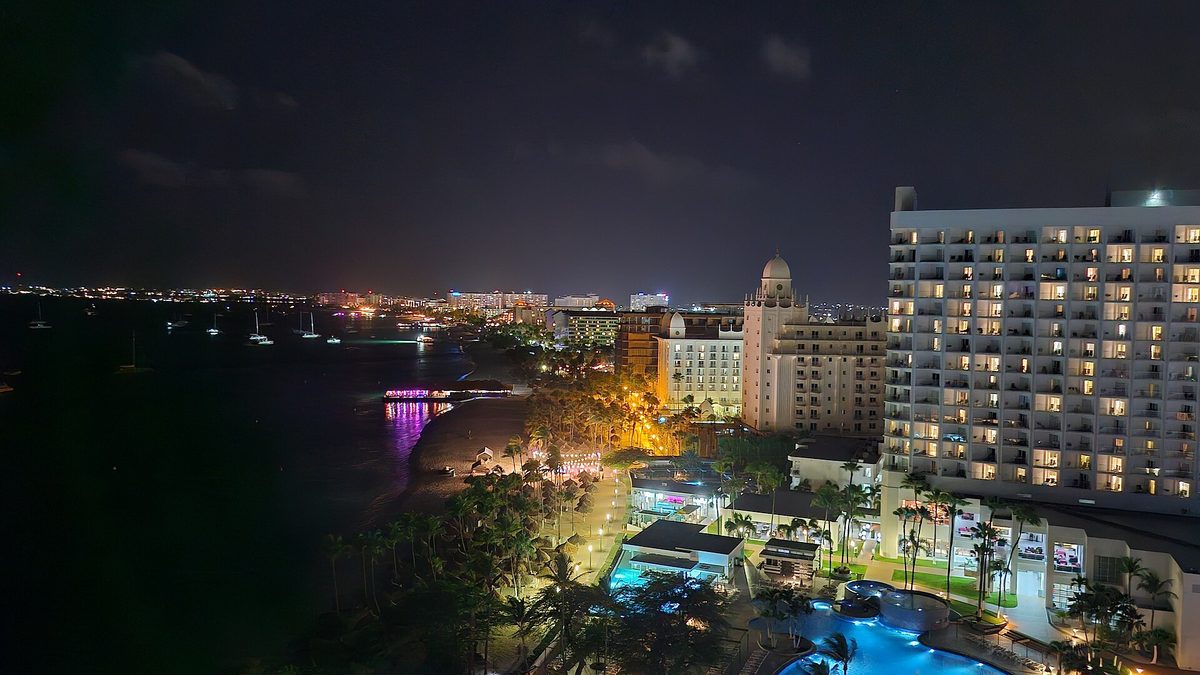
Aruba Vacation Rentals at a Glance
Aruba’s rental market is bigger and more varied than most first-timers expect. The island was actually the first in the Caribbean to sign an official partnership with Airbnb, and between that, VRBO, and a deep bench of local management companies, you can book everything from a $120-a-night studio inland to a seven-bedroom beachfront villa. Here is the lay of the land at a glance. Treat the nightly bands as rough 2026 ballparks before taxes and fees, not quotes, and always check current rates.
| Rental type | Best for | Rough nightly band | The trade-off |
|---|---|---|---|
| Beachfront condo (Palm/Eagle Beach) | Families & couples who want the beach + a kitchen | ~$250–$600 | Priciest rental category; some buildings feel resort-like, some don’t |
| Private villa (Malmok, Tierra del Sol) | Groups, multi-family trips, special occasions | ~$350–$1,200+ | Almost always needs a rental car; rarely on the sand |
| Apartment / condo (Noord district, Oranjestad) | Couples & small families wanting value | ~$120–$300 | Usually a short drive or walk from the beach |
| Studio / casita (inland, Paradera) | Budget travelers & long stays | ~$90–$180 | You will want a car; not walkable to the beach |
| Timeshare resale week | Repeat visitors who love one resort | Varies widely | Resort perks, but rigid dates and a resale learning curve |
If you only remember one row, make it the first one: a beachfront condo is the sweet spot where the cost argument and the location argument finally agree. For the bigger picture on lodging styles across the island, our complete guide to where to stay in Aruba maps out every neighborhood and how rentals fit alongside the resorts.
Are Aruba Vacation Rentals Worth It? Rentals vs Resorts
The honest answer is “it depends on how many of you there are and how long you are staying.” Let me break the comparison into the four things that actually move the needle: cost, space, the kitchen, and amenities.
Cost: where rentals win (and where they don’t)
For two adults on a four-night trip, the cost gap between a rental and a mid-tier resort is often narrow once you add a cleaning fee and the loss of resort freebies. But the math swings hard toward rentals the moment you add people or nights. Industry estimates put Aruba vacation rentals somewhere between roughly 11% and 55% cheaper than comparable hotels on average, and the savings compound for longer stays. The clearest example is the family-of-five scenario from the top of this guide: one condo versus two resort rooms is frequently a difference of $700 to $1,000 a night. For the full breakdown of what a week on the island really costs, see our Aruba vacation cost guide.
One thing to watch: the headline nightly price is never the final price. Expect a cleaning fee (often $75–$200 depending on size), the island’s 12.5% accommodation tax, and a small environmental/sustainability fee of around $3 per night. Add those before you compare anything to a resort’s all-in rate.
Space and privacy
This is the rental’s trump card. Even a modest one-bedroom condo gives you a separate living room, a balcony, and a door you can close between the kids and the adults. Villas take it further with private pools and multiple living areas. After a long beach day, having somewhere to spread out, do a load of laundry, and not trip over each other is worth more than people expect.
The kitchen (the quiet money-saver)
A real kitchen is the line item that makes rentals pay for themselves. Aruba is not a cheap place to eat out; a sit-down dinner for a family easily runs $150–$250. Cooking even breakfast and a couple of dinners in, with groceries from a supermarket like Ling & Sons or Superfood, can claw back hundreds over a week. You will still want to eat out, of course, and our Aruba restaurants guide covers the meals worth leaving the kitchen for.
Amenities: the resort’s revenge
Here is where I will defend resorts. A rental will not bring you a fresh towel by the pool, turn down your bed, staff a kids’ club, or front-desk your dinner reservations. Many condos share a building pool, but it is rarely the sprawling, swim-up-bar affair you picture. If the parts of a Caribbean trip you love most are the serviced parts, read our rundown of Aruba all-inclusive resorts before you commit to a rental.
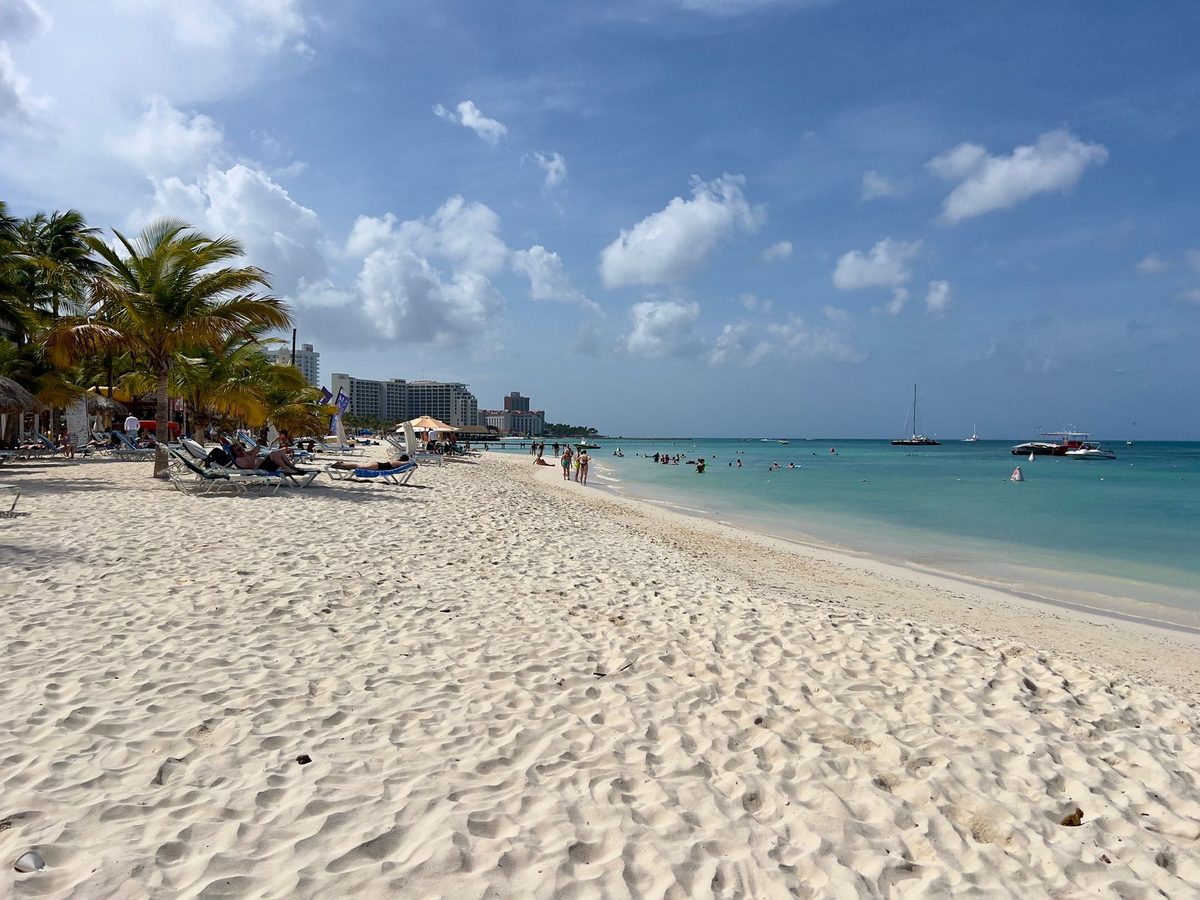
Types of Aruba Vacation Rentals
“Vacation rental” is a big tent. Knowing the categories helps you filter listings faster and sets the right expectations for price and location.
Beachfront condos
These are the rentals most people picture, and the ones I steer families toward first. Aruba’s condo buildings cluster along the high-rise strip in Palm Beach and the lower-rise stretch near Eagle Beach. Names you will see again and again include Gold Coast (a gated villa-and-townhouse community near Malmok), Oceania Residences, Blue Residences, and Azure Beach Residences. Many of these are individually owned units inside a larger complex, so you get a shared pool, gym, and sometimes beach service while still having a full kitchen and multiple bedrooms. Quality varies unit to unit even within the same building, so the reviews matter more than the address.
Private villas
If you want a private pool and a house to yourselves, you are looking at a villa, and you are almost certainly looking at the island’s northwest. The Malmok and Tierra del Sol areas hold most of Aruba’s standalone villas, ranging from three-bedroom homes to seven-bedroom estates, nearly all with a pool or Jacuzzi, washer/dryer, AC, and high-speed internet. A three-bedroom villa with a private pool in Tierra del Sol can land around $300 a night in quieter months, which split among three couples is a remarkable deal. The catch: villas sit in residential neighborhoods minutes from the beach, not on it, so you will need a car.
Apartments and casitas
This is the value tier, and it is huge. Across Noord, the area inland of the resort strip, and around Oranjestad, you will find apartments, studios, and small casitas (little guesthouses, often behind a local family’s home) from roughly $90 to $300 a night. You trade direct beach access for price and a more local, residential feel. For couples and small families who plan to be out exploring most of the day anyway, this is often the smartest spend on the island. Our guide to things to do in Aruba makes the case that you will not be in the room much regardless.
Timeshare resale weeks
Aruba has a deep timeshare culture, especially at the older resorts, and a healthy resale market for individual weeks. Renting a timeshare week from an owner can get you resort amenities at a rental-style price, but the dates are usually fixed and the process has a learning curve. I would only go this route if you already know and love a specific resort and can travel on its calendar.
Best Areas for Vacation Rentals in Aruba
Where you book matters as much as what you book. Aruba is small, you can drive end to end in under an hour, but “20 minutes from the beach” hits differently when you are wrangling kids and beach gear every morning. Here is how the main rental zones stack up.
Palm Beach & Noord (the convenient choice)
Palm Beach is the high-rise strip: the most condos, the most walkable restaurants and nightlife, and calm, swimmable water. Book a condo here and you can leave the car keys behind for the whole trip. Just inland, Noord delivers better-value apartments and casitas a short drive from the same beach. This pairing is my default recommendation for first-time visitors who want to keep logistics simple. If you are weighing it against other neighborhoods, our getting to and around Aruba guide explains how little driving the area actually requires.
Eagle Beach (low-rise and lovely)
Just south of Palm Beach, Eagle Beach trades high-rises for low-rise charm and what many consider the most beautiful sand on the island, those famous fofoti trees included. Rentals here are a bit scarcer and lean upscale, but if a wide, quiet beach is your priority, it is hard to beat. It pairs naturally with our roundup of the best beaches in Aruba.
Malmok & Tierra del Sol (villa country)
The island’s northwest tip is where the private villas live, near snorkeling spots like Boca Catalina and Arashi Beach and the Tierra del Sol golf course. It is residential, peaceful, and beautiful, but you are committing to driving for groceries, dinner, and the busier beaches. Perfect for a group that wants a private pool and does not mind a car.
Oranjestad (town living)
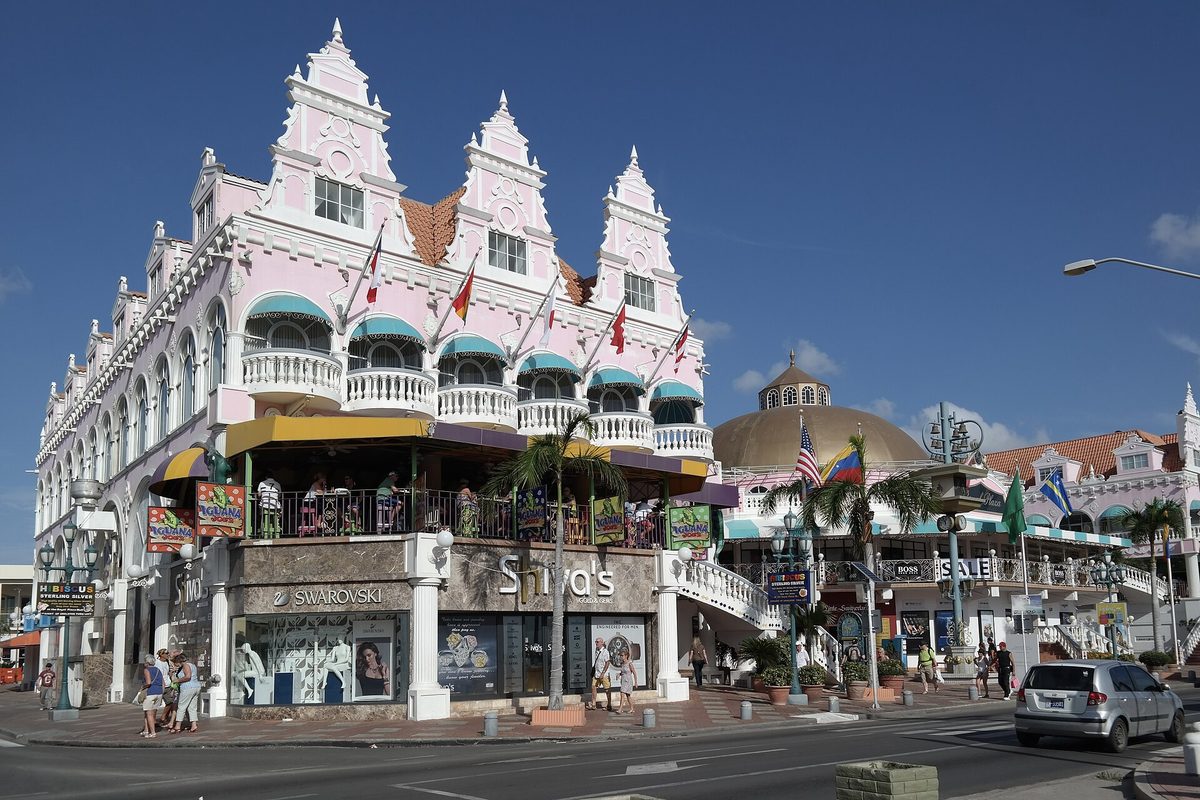
Renting an apartment in or near the capital puts you in walking distance of shops, restaurants, and the cruise port, with a more authentically local rhythm. You will drive or bus to the best beaches, but the trade is price and character. Our restaurant guide leans heavily on Oranjestad for good reason.
Which Rental Suits Your Trip?
Match the property to the kind of traveler you are and the decision gets easy.
Families
A two- or three-bedroom condo on or near Palm Beach is the family workhorse: separate bedrooms, a kitchen for picky-eater breakfasts and bottle washing, laundry for sandy clothes, and a building pool for downtime. The per-night savings versus two resort rooms is the clincher. Pair it with our Aruba with kids guide for beaches and activities that actually keep children happy.
Groups and multi-family trips
This is where villas shine. Split a four- or five-bedroom villa with a private pool among several couples and the per-person nightly cost can fall below a basic hotel room, with a shared kitchen, outdoor space, and total privacy as a bonus. Build a loose plan around our Aruba itinerary so everyone gets a say.
Couples
Couples are the one group I do not automatically push toward a rental. If you want romance with zero chores, a resort or even an Aruba honeymoon package may serve you better. But a stylish one-bedroom condo with an ocean-view balcony, at a price below a comparable resort suite, is a lovely middle path for couples who like cooking in and a slower pace.
Budget travelers and long stays
For the budget-minded, an inland studio or apartment in Noord or Paradera (often cited as the island’s most affordable area, averaging around $200 a night) plus a cheap rental car is the lowest-cost way to do Aruba comfortably. Rentals also reward long stays: many owners discount weekly and monthly bookings, and stays over about eight days sometimes include a mid-stay clean. Stack that with the free and low-cost ideas in our free things to do in Aruba roundup and the trip gets very affordable.
How and Where to Book Aruba Vacation Rentals
You have three main routes, and I have used all of them. Each has a personality.
Airbnb and VRBO
The big platforms are the easiest place to start. Aruba’s official Airbnb partnership means deep inventory and standardized reviews, and VRBO skews toward whole-home villas and condos. The upside is buyer protection, clear photos, and one-click comparison. The downside is service fees layered on top of the nightly rate, so the price you compare should always be the all-in checkout total.
Local management companies
Aruba has a strong roster of professional rental managers, companies like Casiola, VacationAruba, and several real-estate agencies that handle dozens of vetted properties. Booking direct can mean lower fees, on-island support if the AC fails at 9pm, and honest steering toward the right unit for your group. The trade-off is less standardized reviews, so do a little homework on the company.
What to expect at booking
Plan for a minimum stay (commonly 3 to 7 nights, longer in peak season), a deposit or full prepayment, and a clear cancellation policy, read it before you pay. You will usually get a check-in window and a lockbox or meet-and-greet rather than a 24-hour front desk. If you are also sorting flights and the rest of the trip, our Aruba travel tips cover the practical groundwork, and our best time to visit Aruba guide will tell you when rental rates dip (hint: late spring and early summer tend to be cheapest).
What to Check Before You Book a Rental
A rental lives or dies on the details a glossy photo hides. Run through this list before you pay a deposit, and message the host with anything the listing does not answer.
- Air conditioning, room by room. “AC” sometimes means one wall unit in the living room. In Aruba’s heat you want AC in every bedroom. Confirm it.
- The real distance to the beach. “Steps from the beach” and “beachfront” get stretched. Drop the address into a map and measure it yourself.
- Recent, specific reviews. Skip listings with no reviews or only vague ones. Look for mentions of cleanliness, working AC, water pressure, and responsive hosts within the last year.
- Backup power and water. Aruba’s utilities are generally reliable, but ask about a generator or cistern for peace of mind, especially at inland villas.
- The all-in price. Add the cleaning fee, 12.5% tax, environmental fee, and any service fee before comparing to a resort. Watch for nuisance charges, some contracts list fees like $25 per lost key or $75 for a lost gate remote.
- Whether you will need a car. On the Palm Beach strip, usually not. In Malmok, Tierra del Sol, or inland, almost certainly yes, budget roughly $30–$50 a day for a rental car.
- Check-in logistics and house rules. Confirm the check-in time, who to call with a problem, and any quiet-hours or pool rules so there are no surprises.
Downsides of Rentals (and Who Should Just Book a Resort)
I am a fan of rentals, but I am not blind to their downsides, and for some travelers a resort genuinely is the better call. No daily housekeeping means you make your own bed and take out your own trash. There is no pool service, no front desk to fix a problem at midnight, no concierge, no kids’ club. Cleaning fees make very short stays look expensive on a per-night basis. Many of the best-value rentals require a car, which adds cost and the mild stress of driving narrow residential roads. And quality is genuinely inconsistent: an individual owner’s condo can be flawless or tired, which is why reviews carry so much weight.
So who should skip the rental and book a resort? Couples on a short, splurgy getaway who want to be waited on. First-time Caribbean travelers who would rather not rent a car or grocery-shop. Anyone whose ideal day is built around a big resort pool, swim-up bar, and a packed activities desk. If that is you, lean on our guides to all-inclusive resorts and Aruba water sports instead, you will get more out of the trip.
Frequently Asked Questions
Is it cheaper to stay in an Airbnb in Aruba than a hotel?
Usually, yes, especially for families, groups, and stays of a week or more. Estimates put Aruba vacation rentals roughly 11% to 55% cheaper than comparable hotels on average, and a condo that sleeps your whole group easily undercuts booking two resort rooms. For short trips for two, the gap narrows once cleaning fees and lost resort freebies are counted, so always compare the all-in totals.
Do you need a car if you rent a vacation home in Aruba?
It depends entirely on location. Book a condo on the Palm Beach or Eagle Beach strip and you can walk to beaches, restaurants, and shops without one. Choose a villa in Malmok or Tierra del Sol, or an apartment inland in Noord or Paradera, and a car becomes close to essential for groceries and dinner. Budget around $30 to $50 a day if you need one.
Are vacation rentals in Aruba safe?
Aruba is one of the safer Caribbean destinations, and many rentals add gated entries, security systems, and professional management. The bigger “safety” issue is booking a legitimate listing: stick to established platforms or reputable local managers, pay through the platform rather than by wire transfer, and read recent reviews. Avoid any host who pushes you to pay off-platform.
What is the minimum stay for an Aruba vacation rental?
Most rentals set a minimum of 3 to 7 nights, and minimums often rise during peak season (mid-December through mid-April) and holidays. Some villas require a full week in high season. On the flip side, many owners offer meaningful discounts for weekly and monthly stays, and longer bookings sometimes include a complimentary mid-stay cleaning.
What extra fees should I expect on top of the nightly rate?
Budget for a cleaning fee (commonly $75 to $200 depending on the property’s size), Aruba’s 12.5% accommodation tax, and a small environmental or sustainability fee of around $3 per night. Platform service fees apply on Airbnb and VRBO. Some contracts also list incidental charges, such as fees for lost keys or gate remotes, so read the fine print before you book.
When are Aruba vacation rentals cheapest?
Rates follow the island’s seasons. The most expensive stretch is the high season from roughly mid-December through mid-April. The best value typically lands in the late spring and early summer shoulder months, May and June are frequently cited as the cheapest, with another softer window in the fall outside hurricane-season holidays. Booking a few months ahead for these periods usually locks in the best price.
Final Thoughts
For most of the travelers I talk to, the rental-versus-resort question comes down to that opening number: if booking a resort means paying for two rooms, a rental almost always wins on cost, space, and flexibility, and the kitchen is the quiet bonus that keeps paying you back all week. Couples chasing a short, hands-off, fully serviced escape are the clear exception, and there is no shame in booking the resort and the pool butler. Whichever way you lean, do the all-in math, read the recent reviews, confirm the AC and the real walk to the sand, and you will land somewhere you are genuinely happy to come home to each evening. Start with our where to stay in Aruba guide to see how rentals fit the bigger picture, then go book the trip.
Photo Credits
- Beachfront condos and high-rises at Palm Beach — Photo: Rarends297 (CC0) via Wikimedia Commons
- Palm Beach, Aruba — Photo: Kwihi / CC BY 4.0 via Wikimedia Commons
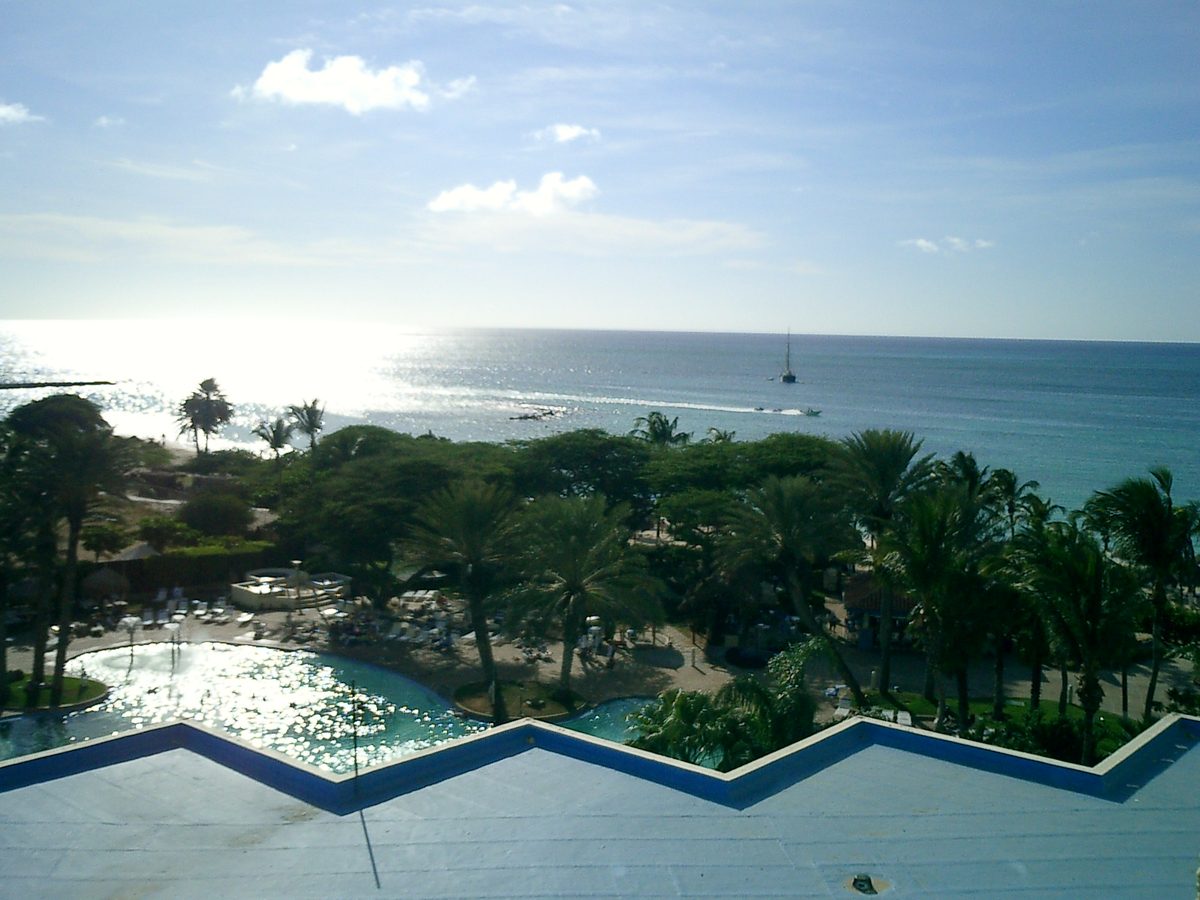
- Resort grounds and pool in Noord — Photo: James Martins / CC BY 3.0 via Wikimedia Commons
- Colonial buildings in Oranjestad — Photo: Choinowski / CC BY-SA 4.0 via Wikimedia Commons
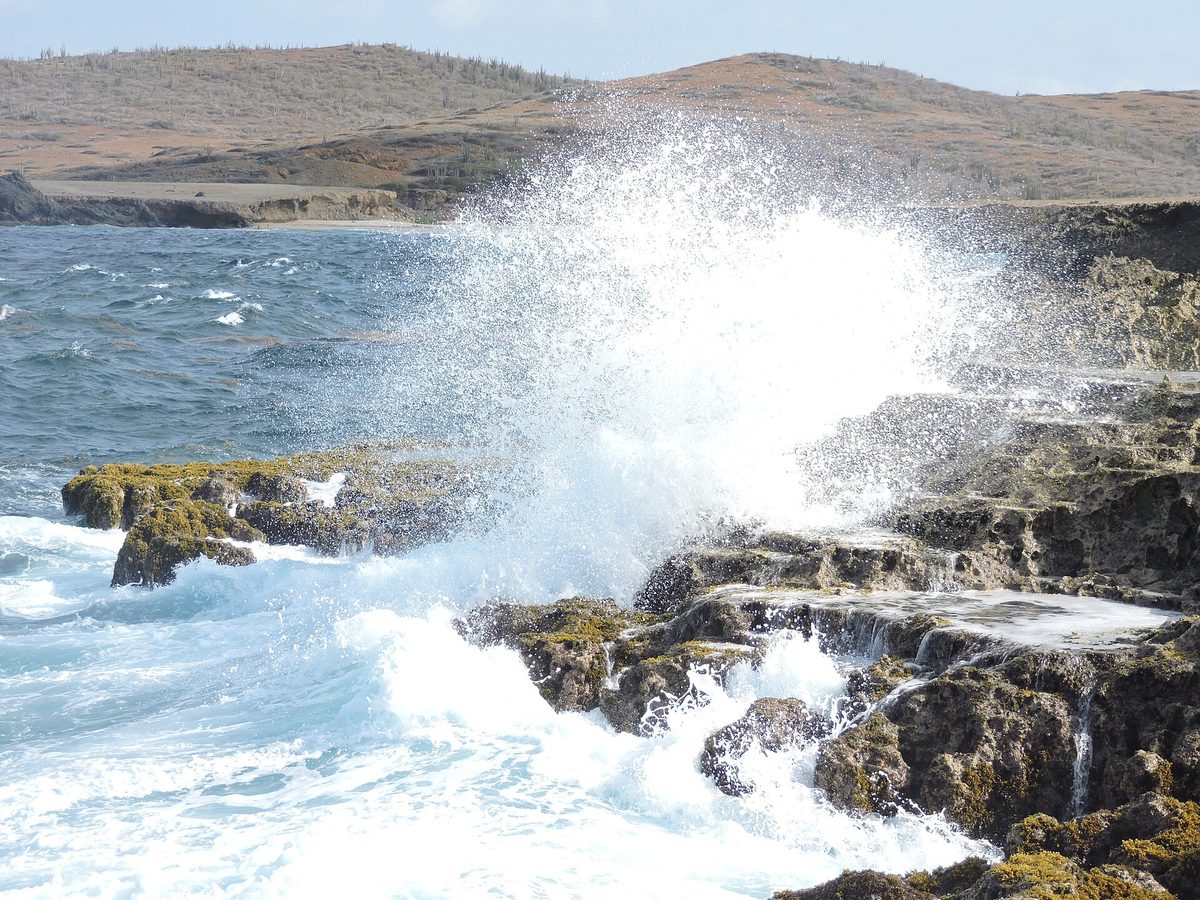
- Aruba’s rugged coastline — Photo: Ginelly.Q (CC0) via Wikimedia Commons