I once flew home from Aruba with a suitcase full of clothes I never wore — two pairs of jeans, a blazer “just in case,” a sweater I packed out of cold-weather muscle memory — and exactly one item that earned its place a hundred times over: a cheap clip-on cap leash, because the trade wind off Palm Beach kept launching my hat into the surf. That is the thing nobody warns you about. Aruba does not punish you for forgetting a fancy outfit; it punishes you for ignoring the sun and the wind. A smart aruba packing list is really a list built around three forces — relentless UV, a steady 15–25 mph breeze, and water you will live in — with the dressy stuff a distant afterthought.
So before you over-pack the way I did, this guide walks you through exactly what to bring, what to leave home, and how to tailor it to your trip, whether you are honeymooning, wrangling kids, stepping off a cruise ship for a day, or hiking the cactus trails of Arikok. Consider it the only packing brief you will need for the driest, sunniest, breeziest corner of the Caribbean.
The short answer: what to pack for Aruba
Pack light, sun-first, and beach-ready. Aruba is hot (around 82°F year-round), intensely sunny, and famously windy, with very little rain. Bring breathable resort-casual clothing, swimwear, reef-safe mineral sunscreen (oxybenzone is banned), a wide-brimmed hat with a chin strap, sunglasses, sandals, and any prescription medications. Leave heavy clothes, umbrellas, and chemical sunscreen at home.
By the ArubaTourism.org team — Last updated June 2026.
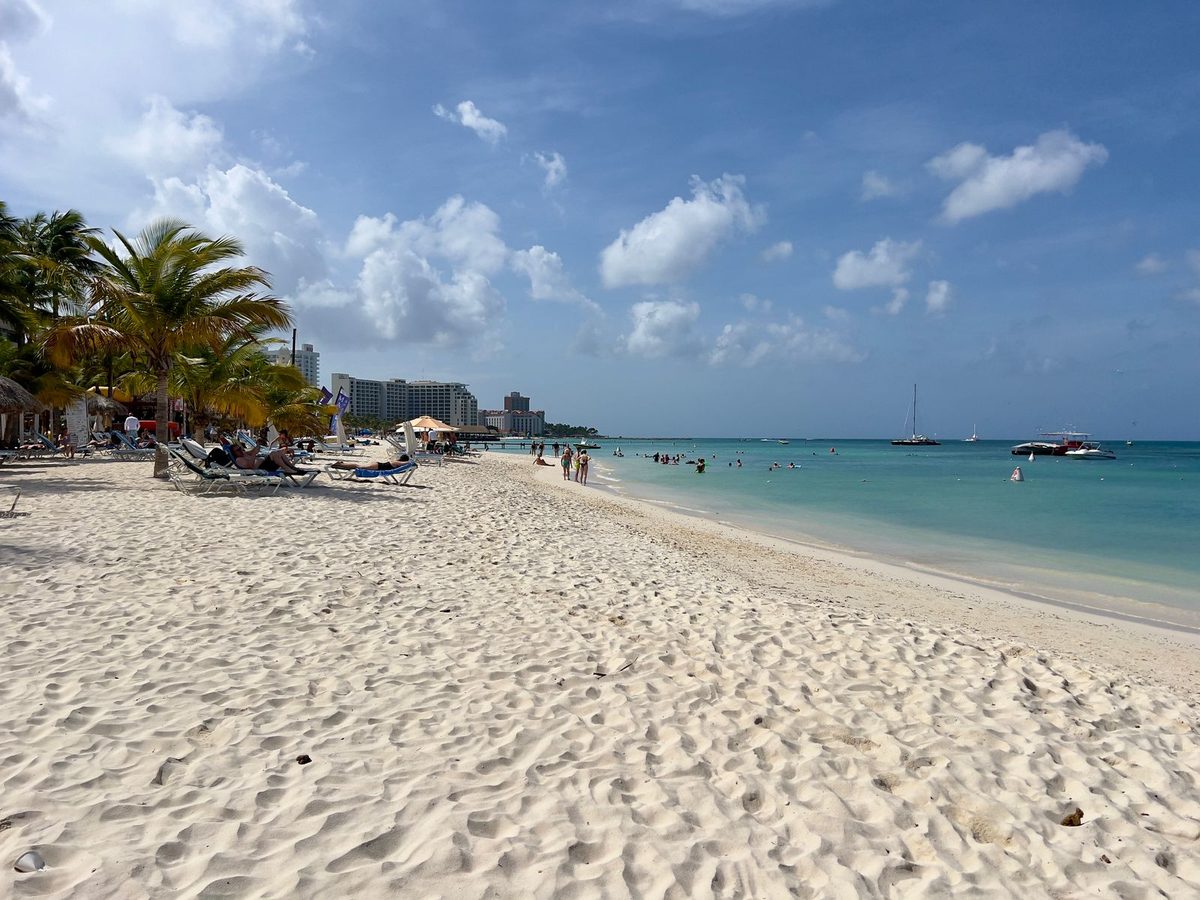
Aruba at a glance: the climate that should drive every choice
Most packing mistakes for Aruba come from picturing a generic “tropical island” — humid, rainy, jungle-green. Aruba is the opposite of that picture, and once the climate clicks into place, the whole list almost writes itself. This is a flat, arid, desert island sitting about 15 miles off the coast of Venezuela, well below the main hurricane belt, scattered with cacti and wind-sculpted divi-divi trees. For the full month-by-month breakdown it is worth reading our guide to the best time to visit Aruba, but here is what actually affects your suitcase.
| Factor | The Aruba reality | What it means for packing |
|---|---|---|
| Temperature | Steady ~82°F (28°C) all year; rarely below 75°F at night | Lightweight, breathable clothing only; no true cold-weather gear |
| Sun & UV | Extreme UV (often index 11+); strongest 11 a.m.–2:30 p.m. | High-SPF mineral sunscreen, hat, sunglasses, cover-ups — non-negotiable |
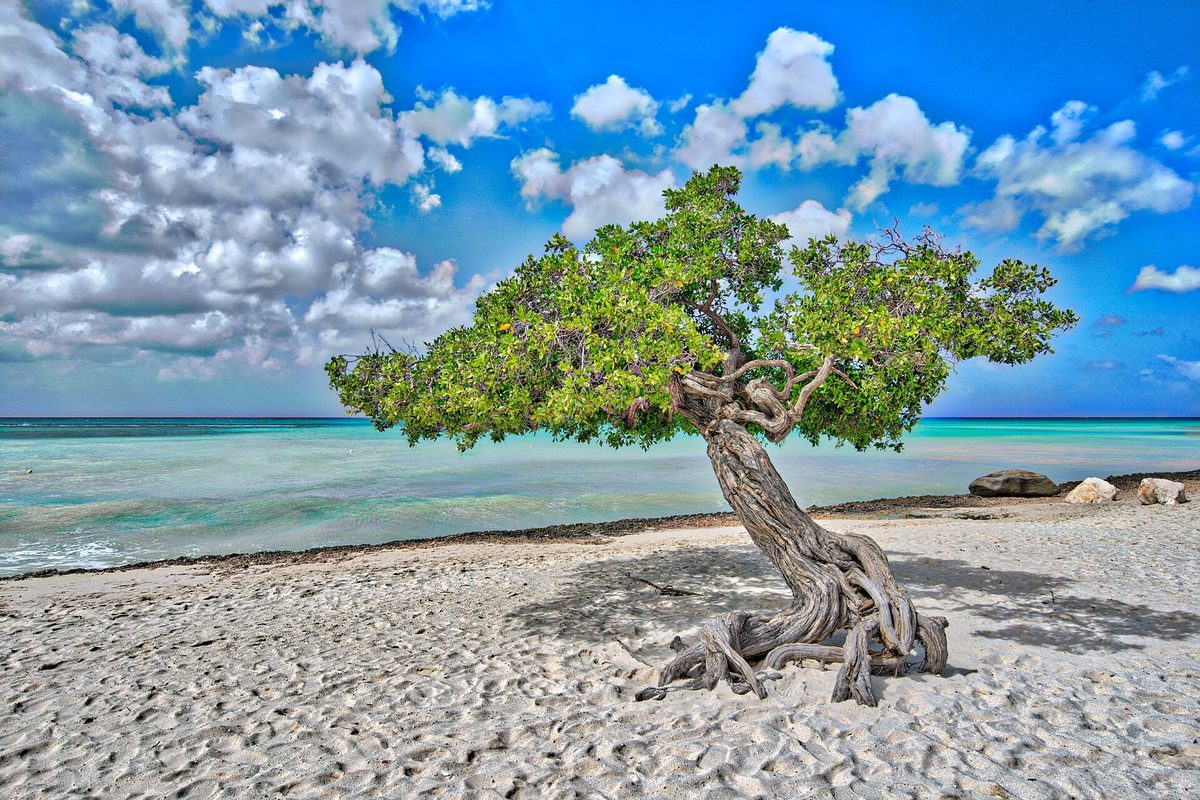
| Wind | Constant trade winds, typically 15–25 mph | Hat with a chin strap, secure sunglasses, layered or weighted beach setups |
| Rain | Only ~18 in/year, mostly short bursts Oct–Jan | A light packable layer is plenty; leave the big umbrella home |
| Humidity | Moderate and tempered by the breeze | Clothes dry fast; you can pack fewer outfits than you think |
Two practical consequences fall out of that table. First, the wind is your friend and your enemy: it makes 82°F feel pleasant rather than oppressive, but it will steal anything not strapped down and it tricks people into under-applying sunscreen because they never feel like they are sweating. Second, because rain is rare and brief, you almost never need the bulky rain gear that eats space in a Caribbean bag. Plan for sun and wind, treat rain as a rounding error, and you are already ahead of most visitors.
Clothing: what to wear in Aruba, day and evening
Aruba’s dress code is, in a word, relaxed — but “relaxed” is not the same as “anything goes” once the sun sets. The island runs on a resort-casual rhythm by day and a notch dressier (“island chic”) for dinner. Lean toward lightweight natural fabrics: linen, cotton, and quick-dry blends breathe in the heat and shrug off the humidity, while heavy denim and synthetics will leave you sticky. The breeze is forgiving, but it also flips skirts and sarongs, so pack with that in mind.
Daytime: light, breathable, sun-aware
For days on the beach and around town, think shorts, tees, sundresses, breezy shirts, and a swimsuit you can throw an outfit over. Aruba culture expects a little coverage once you leave the sand — a cover-up, sarong, or roomy shirt over swimwear for shops, cafes, and hotel lobbies. A few specifics that earn their space:
- 2–3 swimsuits. You will wear one daily and they rarely dry as fast as you hope, even in the wind. Rotating two or three keeps you in a dry suit.
- Cover-ups and a sarong. Doubles as beach modesty, sun protection, and a quick layer for breezy boat tours.
- One light long-sleeve shirt. Linen or a UPF travel shirt — priceless for peak-sun hours and for exploring without basting in lotion.
- Comfortable walking sandals. You will live in them. A pair that handles a bit of walking beats flimsy flip-flops for sightseeing.
Evening: “island chic,” not black tie
Nowhere in Aruba truly requires a jacket and tie, but the high-end restaurants in Palm Beach and Oranjestad lean smart-casual, and you will feel underdressed in a wet swimsuit cover-up at a candlelit dinner. For men, a linen or cotton button-down with chinos or smart shorts covers virtually everything, including the casinos. For women, a sundress, maxi dress, or jumpsuit with sandals is perfect. If you have a specific restaurant in mind, our guide to Aruba restaurants and dress codes spells out which spots ask for “elegant casual” so you can pack one nicer outfit accordingly. One genuinely useful evening item: a light wrap, shawl, or packable cardigan — not for the weather outside, but for aggressively air-conditioned restaurants and casinos.
The “what NOT to wear” shortlist
Just as useful as the pack list is the leave-it list. You do not need: heavy jeans (one pair at most), a winter coat or thick sweater, formal eveningwear or a suit, high stilettos (sand and cobblestones will defeat them), or a big golf umbrella. Camouflage-print clothing is also best avoided across the wider Caribbean — it is restricted or frowned upon in several islands and simply not worth the hassle. Pack the space you save with an extra swimsuit instead.
| Setting | Men | Women |
|---|---|---|
| Beach & pool | Swim trunks, tee, flip-flops, hat | Swimsuit, cover-up, sandals, hat |
| Casual lunch / town | Shorts, polo or tee, sandals | Sundress or shorts + top, sandals |
| Nice dinner / casino | Button-down, chinos or smart shorts, loafers/sandals | Sundress, maxi, or jumpsuit; nicer sandals |
| Boat tour / snorkel | Rash guard, board shorts, water shoes | Rash guard over swimsuit, quick-dry layer |
| Arikok hike | Moisture-wicking shirt, shorts/pants, trainers | Wicking top, shorts/leggings, trainers |

Sun protection and reef-safe sunscreen (read this twice)
If you take one thing from this entire aruba packing list, make it this: Aruba’s sun is no joke, and the wind hides it. Because a constant breeze keeps your skin from feeling hot, first-timers routinely under-apply sunscreen and walk away from their first beach day with a burn that ruins the rest of the trip. The UV index here regularly hits “extreme,” and the sun is strongest from roughly 11 a.m. to 2:30 p.m. Treat sun protection as core gear, not an afterthought.
The reef-safe sunscreen rule, explained (and hedged)
Aruba has taken coral protection seriously. The island moved to ban sunscreens containing oxybenzone, with the rules phasing in around 2019 and tightening into a fuller ban on the import, sale, and production of oxybenzone sunscreens. The practical upshot for you is simple: bring mineral (“reef-safe”) sunscreen whose only active ingredients are non-nano zinc oxide and/or titanium dioxide, and avoid chemical formulas with oxybenzone (and ideally octinoxate too).
A few honest caveats. Day-to-day enforcement on public beaches is light — nobody is checking bottles as you walk onto Eagle Beach — so this is as much about protecting the reef you came to see as it is about the letter of the law. But it does bite in the places that matter: many snorkel and dive operators, and protected areas, will ask you to use reef-safe products or a rash guard, and some will have you rinse off chemical sunscreen before you get in the water. Rules and brand availability change, so confirm specifics with your tour operator and check current guidance before you travel. The easy move is to simply buy a mineral sunscreen at home and not think about it again.
Your sun-protection kit
- Reef-safe mineral sunscreen, SPF 50+. A lotion, not a spray — the wind blows half of a spray onto the sand. Bring more than you think; you will reapply constantly.
- Wide-brimmed hat with a chin strap. The strap is the whole point in Aruba’s wind. A strapless hat is a gift to the sea.
- Polarized sunglasses. Glare off white sand and water is intense; a secure fit or a strap helps.
- Lip balm with SPF and a small after-sun aloe gel (locally, Aruba Aloe is sold everywhere and is excellent).
- UPF rash guard or swim shirt. The single best way to cut sunscreen use, especially for kids and long snorkel sessions.
Beach and water gear: where Aruba trips are really spent
You came for the water, so this is the gear that actually gets used. Most resorts supply beach towels and many provide loungers, so you can usually skip bulky towels — but a few small items make beach and boat days dramatically better. If watersports are central to your trip, pair this with our guide to Aruba water sports and boat tours to decide what is worth bringing versus renting.
- Water shoes. Some of the prettiest spots (Baby Beach’s far end, the rocky coves, Mangel Halto) are pebbly or have sea-urchin zones. Cheap water shoes save sore feet.
- Your own snorkel mask (optional). Rentals are fine, but a mask you know fits beats a leaky loaner if you snorkel often.
- A dry bag or waterproof phone pouch. For boat tours, kayaks, and the windy walk back from the water.
- A quick-dry travel towel if you plan beach-hopping away from your resort.
- A collapsible water bottle. Aruba’s tap water is desalinated and safe to drink — refilling beats buying plastic, and staying hydrated in this heat matters more than people expect.
- A lightweight beach bag that the wind will not flatten, ideally with a zip so sand and gusts do not redistribute your belongings.
Electronics, plugs and voltage in Aruba
Good news for North American travelers: Aruba uses the same electricity you do at home, so this is one area where you can pack on autopilot. Aruba runs on 120 volts at 60 Hz with US-style Type A and Type B plugs (the flat two-prong and three-prong outlets). If you are coming from the United States or Canada, your phone chargers, laptops, and hair dryers plug straight in — no voltage converter and no adapter needed.
Two small caveats worth a hedge. A handful of properties (especially some European-built or newer resorts) also fit the occasional Type F (round-pin, Schuko) socket, so a cheap universal adapter is a nice insurance policy but rarely essential. And travelers coming from the UK, Europe, or Australia — where mains power is 220–240V — do need a plug adapter, and should check that each device is dual-voltage (most phone and laptop chargers are; many hair tools are not) or risk frying it. When in doubt, check the small print on your charger before you pack.
- Phone + charger and a spare cable. The wind and sand are hard on cables; a backup costs nothing to pack.
- A power bank for long beach, boat, and Arikok days away from outlets. (Pack it in your carry-on — airlines require lithium batteries in the cabin.)
- A small universal adapter if you are non-US, or just want to be covered for a stray Type F socket.
- Camera or GoPro with a waterproof housing if you snorkel — the reefs and turtles are worth it.
- E-reader or tablet for the flight and the lounger; lighter than a stack of paperbacks.
On connectivity: Wi-Fi is widespread at resorts, restaurants, and even some beaches, and the Aruba Tourism Authority runs free Wi-Fi zones in several areas. Most US carriers offer an Aruba day-pass, or you can use an eSIM — sort this out before you fly rather than hunting for a SIM on arrival.
Toiletries and medications
You can buy almost anything you forget — hotel gift shops, mini-markets, pharmacies (boticas), and grocery stores stock sun care, toiletries, and over-the-counter remedies — but prices on imported goods run higher than at home, so bring your own staples. Medications deserve special care.
- Prescription medications in their original labeled containers, packed in your carry-on, with enough for the full trip plus a few spare days. Prescriptions written abroad are generally not honored at local boticas, and your specific drug may not be available on the island — so do not count on refilling there.
- A small first-aid and comfort kit: pain reliever, antihistamine, anti-diarrheal, motion-sickness tablets (handy for catamaran tours), blister plasters, and any personal essentials.
- After-sun aloe and SPF lip balm (mentioned above, but they belong here too).
- Insect repellent. Aruba’s dry, breezy climate means far fewer mosquitoes than most of the Caribbean, but you may still want a little repellent for calm evenings or the greener, sheltered spots.
- Reef-safe sunscreen and personal toiletries — travel sizes if you are carry-on only.
One often-overlooked point: US health insurance is generally not accepted on Aruba, and you may need to pay out of pocket (cash or card) at a clinic or pharmacy and claim later. Carrying a copy of your insurance details — and considering travel medical coverage — is smart, and pairs well with budgeting via our breakdown of what an Aruba trip really costs.
Documents and money: do not leave home without these
Clothes you can replace on the island; paperwork you cannot. Sort these before you ever zip the bag, and keep the essentials in your carry-on, never the checked luggage.
- A valid passport. If you are flying, every traveler needs one — adults, children, and infants included.
- Your Aruba ED card (Embarkation/Disembarkation card). This free online form is mandatory for every visitor and is easiest to complete in the days before you fly.
- Proof of onward or return travel and your accommodation details, which immigration can ask to see.
- Credit/debit cards and some US cash. The US dollar is accepted island-wide, so you rarely need to exchange money; cards are widely taken. Tell your bank you are traveling so charges are not flagged.
- Driver’s license if you plan to rent a car or Jeep — a normal home license is fine for visitors.
- Travel insurance documents and digital copies of everything (email them to yourself or store in the cloud) in case a wallet goes missing.
For the full entry checklist — passports, the ED card, and the fine print — lean on our parent guide to essential Aruba travel tips and things to know before you go, and read up on getting to and around Aruba if a rental car is on the cards.
Packing for Aruba by traveler type
The core list above covers everyone, but the right “extras” depend entirely on the kind of trip you are taking. Here is how I would tweak the bag for four very different Aruba travelers.
Families with kids
Children burn faster and tire faster, so over-index on sun protection and comfort. Pack UPF rash guards and swim shirts (far easier than re-lotioning a wriggling toddler), kid-sized reef-safe sunscreen, water shoes for little feet, and a couple of pool/beach toys if you have luggage room (or buy cheap ones on-island). Bring any specialty snacks and medications your kids rely on, since imported brands are pricey and hit-or-miss. Aruba’s calm, shallow western beaches are ideal for young swimmers; our complete guide to Aruba with kids has the family logistics. A small inflatable or floatie and a daytime sun shelter can be game-changers for nap-prone toddlers in that midday glare.
Couples and honeymooners
This is the trip to pack one genuinely nice dinner outfit each — a linen shirt and chinos, a standout dress — for the sunset and fine-dining nights, plus a few coordinated pieces if photos matter to you. Throw in a good portable speaker, any romantic extras, and a waterproof phone pouch for couple shots on the catamaran. For planning the dreamy parts, our Aruba honeymoon guide covers romantic resorts and dinners, and where to stay in Aruba helps you pick the right base; a quieter low-rise area near Eagle Beach versus the buzzier high-rise Palm Beach strip changes what you will want to pack for the evenings.
Cruise passengers (one day ashore)
If Aruba is a port day, you are packing a daypack, not a suitcase. The cruise terminal sits right in downtown Oranjestad, so prioritize: reef-safe sunscreen already applied, a hat, sunglasses, swimsuit worn under your clothes, water shoes if you are headed to a rocky snorkel spot, a little US cash, a waterproof pouch for your phone and ship card, and a refillable water bottle. Wear comfortable sandals you can walk and swim in. Keep an eye on all-aboard time and build in a buffer for the ride back.
Adventure travelers and Arikok hikers
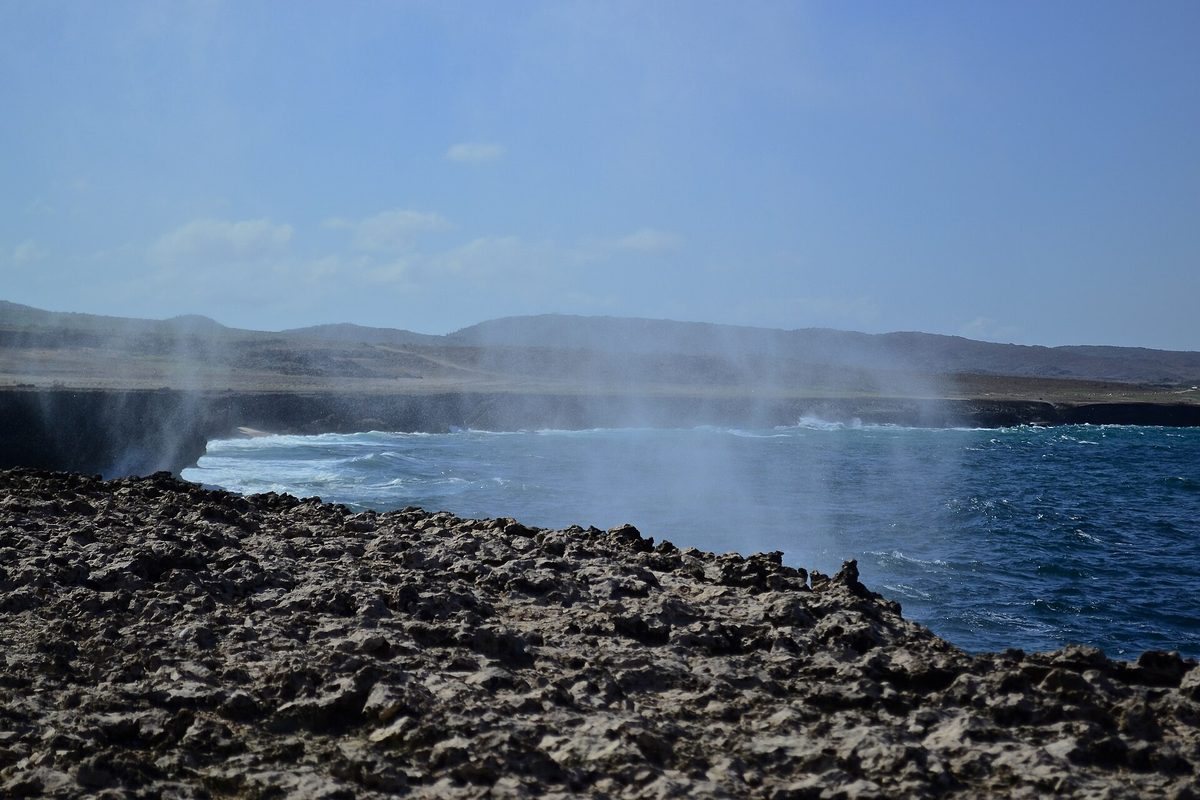
Aruba’s wild side — Arikok National Park covers nearly 20% of the island — is hot, exposed, and rugged, so this is where closed-toe shoes finally matter. Pack sturdy trainers or light hikers, moisture-wicking layers, a buff or bandana for sun and dust, way more water than feels reasonable (there is little shade and no shops inside), electrolyte tablets, and a small daypack. The terrain is cacti, lava rock, and wind-blasted coast, not rainforest. Our complete guide to Arikok National Park details the trails and what the conditions are really like, and the wider guide to Aruba’s beaches flags which coves on that side are swimmable.
Carry-on essentials: the bag that saves your trip
Checked bags get delayed. In Aruba’s heat, arriving without your medications or a swimsuit is a real problem, so pack your carry-on as if your checked bag might vanish for 24 hours. Mine always holds:
- Passport, ED card confirmation, and printed/onscreen travel documents
- All prescription medications (in original containers) and a basic meds kit
- One swimsuit, a change of clothes, and underwear — enough for a beach day on arrival
- Reef-safe sunscreen (travel size, under 100ml/3.4oz for security), sunglasses, and a packable hat
- Phone, chargers, power bank, and any valuables or electronics
- A light layer for the cold plane and over-air-conditioned arrivals hall
- Wallet with cards and some US cash
With that bag, even a worst-case luggage delay just means a quick gift-shop run, not a wrecked first day.
The printable Aruba packing list checklist
Here is the whole thing distilled into a categorized, tick-as-you-go list. If you cover these, you are set for the sun, the wind, and the water — the three things that actually define an Aruba trip.
Clothing
- 2–3 swimsuits
- Cover-ups and a sarong
- Shorts, tees, and breezy tops
- Sundresses / linen shirts for evenings (one “nice” outfit)
- One light long-sleeve shirt and one packable layer/cardigan (for A/C)
- Comfortable walking sandals + flip-flops
- Closed-toe trainers (for Arikok or active days)
- Underwear, sleepwear, one pair of jeans/long pants max
Sun protection
- Reef-safe mineral sunscreen, SPF 50+ (lotion, not spray)
- Wide-brimmed hat with a chin strap
- Polarized sunglasses
- SPF lip balm and after-sun aloe
- UPF rash guard / swim shirt
Beach & water
- Water shoes
- Dry bag / waterproof phone pouch
- Quick-dry travel towel (for beach-hopping)
- Collapsible reusable water bottle
- Snorkel mask (optional) and a wind-proof beach bag
Electronics
- Phone, chargers, and a spare cable
- Power bank (in carry-on)
- Universal adapter (non-US travelers; optional for US)
- Waterproof camera / GoPro, e-reader or tablet
Toiletries & health
- Prescription meds in original containers (carry-on)
- First-aid + motion-sickness + antihistamine kit
- Personal toiletries (travel sizes if carry-on only)
- Insect repellent (a little)
Documents & money
- Passport + ED card confirmation
- Return/onward ticket and accommodation details
- Credit/debit cards + some US cash
- Driver’s license (if renting)
- Travel insurance docs + digital copies of everything
Aruba packing FAQ
Do I really need reef-safe sunscreen for Aruba?
Yes, bring it. Aruba moved to ban oxybenzone sunscreens to protect its reefs, so pack a mineral formula using zinc oxide or titanium dioxide. Day-to-day enforcement on public beaches is light, but many snorkel and dive operators require reef-safe products or a rash guard, and it is simply the right thing for the coral you came to see.
What kind of power adapter do I need for Aruba?
If you are from the US or Canada, none — Aruba uses 120V/60Hz and Type A/B plugs, identical to home, so your devices plug straight in. A cheap universal adapter is handy insurance for the occasional Type F socket. Travelers from the UK, Europe, or Australia need a plug adapter and should confirm their devices are dual-voltage.
What should I wear to dinner in Aruba?
Aim for “island chic,” not formal. Men do well in a linen or cotton button-down with chinos or smart shorts; women in a sundress, maxi, or jumpsuit with sandals. No restaurant truly requires a jacket and tie, but the upscale spots lean smart-casual, so pack one nicer outfit and a light layer for the strong air-conditioning.
Do I need to pack a rain jacket or umbrella for Aruba?
Barely. Aruba is one of the driest Caribbean islands — around 18 inches of rain a year, mostly in short bursts between October and January. A light packable jacket or travel poncho covers the occasional passing shower. Leave the big golf umbrella at home; the constant trade winds would turn it inside out anyway.
Can you drink the tap water in Aruba?
Yes. Aruba’s tap water is produced by desalination and is high-quality and safe to drink straight from the tap. That means you can skip bottled water, pack a reusable or collapsible bottle, and refill it — which matters more than people expect, because staying hydrated in this heat and wind is part of avoiding a miserable, sun-sapped afternoon.
How many outfits should I pack for a week in Aruba?
Fewer than you think. The climate is consistent and clothes dry fast in the breeze, so you can re-wear and mix. A rough week’s plan: 5–6 casual day outfits, 2–3 evening looks, 2–3 swimsuits, and one active set for hiking. Most travelers comfortably fit a week of Aruba into a carry-on plus a personal item.
Final thoughts: pack for the sun and the wind, not the suitcase photo
The travelers who do Aruba right are not the ones with the fullest bags — they are the ones who nailed the few things the island actually demands: serious sun protection, a hat that survives the wind, reef-safe sunscreen, clothes that breathe, and the documents and medications that cannot be bought back at a gift shop. Get those right and everything else is easy, because Aruba is a forgiving, friendly, sun-soaked place where a swimsuit and a smile genuinely carry most days. Pack light, protect your skin, strap down your hat, and go enjoy one of the happiest islands in the Caribbean. For everything else about planning the trip, start with our hub of essential Aruba travel tips and our guide to the best time to visit Aruba before you finalize your dates.
Photo credits
- Palm Beach Aruba, the sunny resort strip this aruba packing list is built around — Photo: Kwihi / CC BY 4.0 via Wikimedia Commons. Source
- Aruba’s Palm Beach high-rise resort strip with white sand, palms and turquoise water — Photo: Rarends297 (CC0) via Wikimedia Commons. Source
- Wind-bent divi-divi tree on Eagle Beach showing Aruba’s constant trade winds — Photo: sbmeaper1 (CC0) via Wikimedia Commons. Source
- Rugged, wind-blasted limestone coast in Arikok National Park, Aruba, where hikers need sturdy closed-toe shoes — Photo: Misty Johnson / CC BY 2.0 via Wikimedia Commons. Source
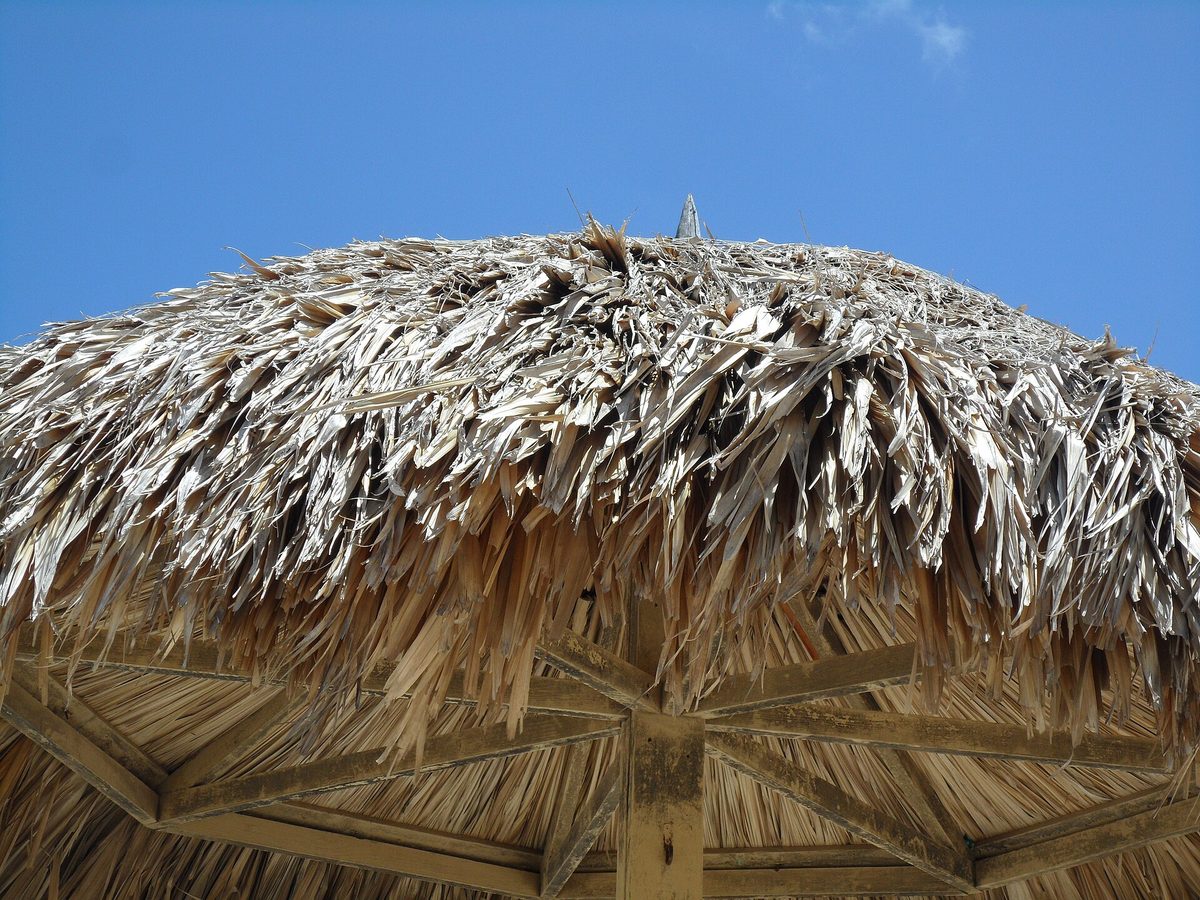
- Thatched palapa sun shelter on Eagle Beach, Aruba, against a clear blue sky — Photo: EgorovaSvetlana / CC BY-SA 4.0 via Wikimedia Commons. Source