Here is a number that surprises almost everyone the first time they hear it: more than 100 nonstop flights land in Aruba every single week from roughly 14 cities across the United States and Canada, and that is before you count the long-haul services from Amsterdam, the United Kingdom, and half a dozen Latin American capitals. For an island of just 70 square miles sitting off the coast of Venezuela, that is an absurd amount of air service, and it means flights to Aruba are easier to find, and often cheaper, than first-timers expect. It is also the reason a Caribbean holiday that feels gloriously far-flung can actually start with a single short hop from a city near you.
Booking flights to Aruba is, honestly, one of the easier parts of planning the trip. The hard part is deciding which beach to flop on first. Over years of flying down to the One Happy Island ourselves, and helping readers untangle their options, we have learned where the genuine savings hide, which routes are the quickest, and the one quirk of Aruba’s airport that turns the journey home into the smoothest leg of all. This guide walks through every carrier, every gateway, the real flight times, when fares actually drop, and how to land at Queen Beatrix International like a seasoned regular.
Direct flights to Aruba run year-round from major hubs including New York, Newark, Miami, Atlanta, Charlotte, Houston, Boston, Philadelphia, Washington, and Toronto, on carriers such as American, Delta, United, JetBlue, and Southwest. From the U.S. East Coast you are looking at roughly four to four-and-a-half hours in the air; from Miami it is under three. Connect through a major hub and you can reach Aruba from virtually any city in North America in a day.
For the bigger picture of moving around once you land, our overview of getting to and around Aruba covers the whole journey, from the runway to your rental car. This article zooms in on the flights themselves.
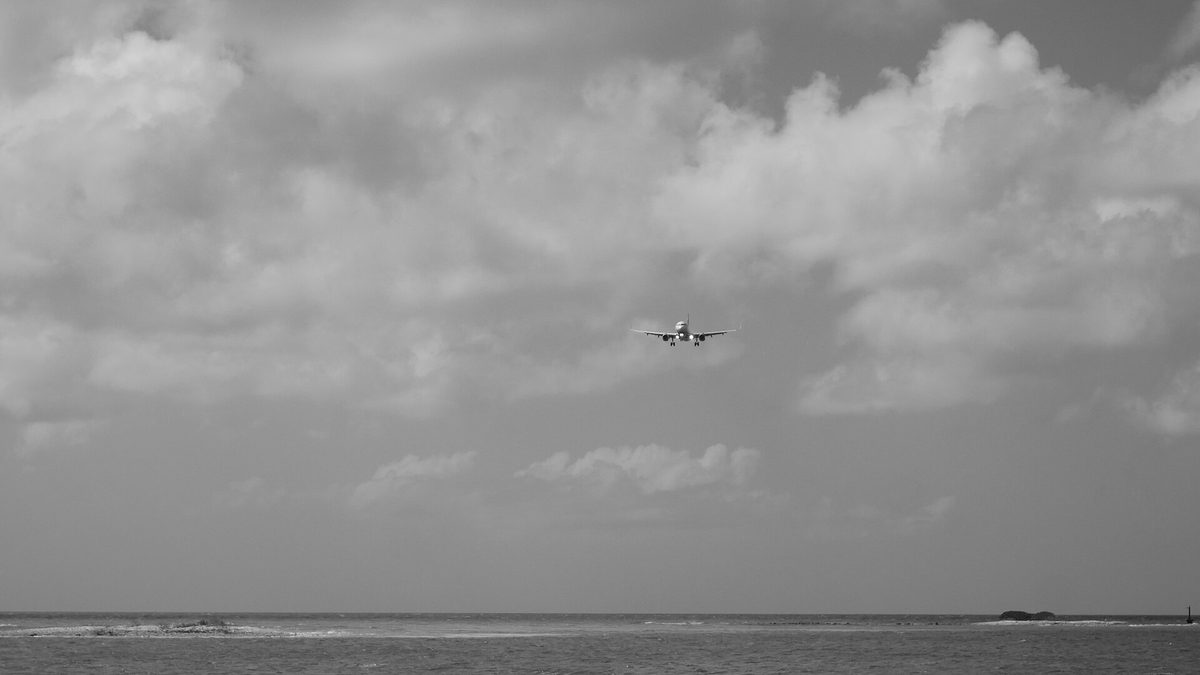
Aruba at a glance: gateways, airlines, and flight times
Before we get into the weeds, here is the quick-reference version. These are the main nonstop gateways to Aruba (airport code AUA), the airlines that fly them, and the approximate time you will spend in the air. Treat the flight times as ballpark figures; headwinds, routing, and your specific aircraft all nudge them around by twenty minutes or so.
| U.S. / Canada gateway | Main airline(s) | Approx. nonstop flight time |
|---|---|---|
| Miami (MIA) | American | ~2 hr 50 min |
| Fort Lauderdale (FLL) | JetBlue, Spirit | ~3 hr |
| Atlanta (ATL) | Delta | ~4 hr |
| Charlotte (CLT) | American | ~4 hr 15 min |
| New York (JFK) | JetBlue, Delta | ~4 hr 30 min |
| Newark (EWR) | United | ~4 hr 40 min |
| Boston (BOS) | JetBlue | ~4 hr 45 min |
| Philadelphia (PHL) | American | ~4 hr 30 min |
| Washington (IAD) | United | ~4 hr 45 min |
| Houston (IAH) | United | ~5 hr |
| Chicago (ORD) | United (seasonal) | ~5 hr 30 min |
| Baltimore/Washington (BWI) | Southwest | ~4 hr 45 min |
| Orlando (MCO) | Southwest | ~3 hr 30 min |
| Toronto (YYZ) | Air Canada, WestJet | ~5 hr 30 min |
A few patterns jump out of that table. The northeastern U.S. is exceptionally well served, which makes sense given how many New Yorkers and Bostonians treat Aruba as their reliable winter-sun fix. Florida gives you the shortest hops by far. And if you are flying from the West Coast or the middle of the country, you will almost always connect, usually through Miami, Atlanta, Charlotte, or Houston.
Which airlines fly to Aruba?
Aruba punches well above its weight on airline service. On the North American side, the big four U.S. carriers all compete here, which is great news for fares and schedules. Here is who flies what, based on the routes that have held steady in recent seasons.
The major U.S. carriers
JetBlue has quietly become one of the most aggressive airlines on Aruba, with year-round nonstops from New York-JFK, Boston, and Fort Lauderdale, and it has been steadily adding frequency, pushing the Fort Lauderdale route up toward daily service. If you are flying from the Northeast and you like a bit more legroom and seat-back screens without paying business-class money, JetBlue is usually my first look.
American Airlines leans on its southern hubs. Expect year-round nonstops from Miami, Charlotte, and Philadelphia, plus seasonal weekend service from Dallas-Fort Worth and other cities during the winter peak. American’s Miami run is the quickest scheduled flight to the island, often under three hours gate to gate.
United connects Aruba to its Newark, Washington-Dulles, and Houston hubs year-round, and adds Chicago-O’Hare seasonally. Newark is United’s workhorse here and frequently the fastest northeastern departure on the board. If you are a United loyalist coming from the West, a single connection in Houston or Newark gets you down with minimal fuss.
Delta flies nonstop from Atlanta and New York-JFK year-round, with Minneapolis-St. Paul and Detroit appearing in the winter schedule. Atlanta is the obvious funnel for anyone in the Southeast or the interior South; from there it is a comfortable four hours.
Southwest serves Aruba from Baltimore/Washington and Orlando. Service has been more seasonal than the others, so check dates carefully, but Southwest’s two free checked bags and no change fees make it a genuinely good-value option for families hauling beach gear.
Spirit and Frontier dip in and out of Fort Lauderdale and a few other points with rock-bottom base fares. They can be unbeatable if you travel light and book the right day, but read the fine print on bags and seats before you celebrate the price.
Canada and Latin America
From Canada, Air Canada and WestJet both run nonstops from Toronto, mostly weighted toward the winter season when Canadians are most motivated to escape. Sunwing and other charter operators sometimes add capacity on package routes.
Aruba’s location off South America also makes it a Latin American crossroads. Copa Airlines connects the island to its enormous hub in Panama City, opening up much of Central and South America with one stop. Avianca links Bogota and other Colombian cities, and the home-grown Aruba Airlines runs regional hops to Curacao, Bonaire, and nearby South American points. These are the routes most North American travelers overlook, but they are a gift if you are combining Aruba with a wider trip.
Nonstop vs connecting flights to Aruba
If a nonstop exists from your city, take it. That sounds obvious, but the convenience gap is bigger than usual here because Aruba sits at the far southern edge of the Caribbean. A connection in Miami or Atlanta is painless; a connection in, say, San Juan or Panama City can add half a day. The nonstops from the Northeast and Florida are the sweet spot of the whole network: short, frequent, and competitively priced.
That said, do not fear the one-stop if you live away from a gateway. From the Midwest, West Coast, or smaller cities, connecting through American’s Miami or Charlotte, Delta’s Atlanta, or United’s Houston or Newark is completely routine, and you can still arrive in Aruba the same day you leave home. My only rule: leave a real cushion on the connection. Caribbean-bound flights tend to depart from the far reaches of the terminal, and a 40-minute layover that looks fine on paper can evaporate if your first leg is late.
One under-appreciated trick: because so many carriers compete on the nonstops, a connecting itinerary is not always cheaper than flying nonstop. Always price both. I have repeatedly found the nonstop within twenty dollars of the connection, which makes the choice easy.

How long is the flight to Aruba?
Flight time depends almost entirely on where you start. From Miami, you can be on the ground in under three hours, sometimes closer to two hours and forty-five minutes. From the New York area, plan on about four and a half hours nonstop. Atlanta and Charlotte sit around four to four-and-a-quarter. Houston and the Midwest hubs stretch toward five to five-and-a-half. From the U.S. West Coast there is no nonstop at all, so with a connection you are realistically looking at nine to eleven hours of total travel time door to gate.
The long-haul picture is different again. KLM flies the marathon route from Amsterdam, roughly nine to ten hours nonstop, often continuing on to or from Bonaire. TUI and other European operators add seasonal capacity from the Netherlands and the UK. From Europe, then, Aruba is a single (long) flight away, which is why you hear so much Dutch on Eagle Beach.
A quick comfort note: these are warm-weather, leisure-heavy flights, so the cabins skew relaxed and the mood is good. Bring layers anyway. Aruba is hot, but a five-hour flight in over-air-conditioned economy is not, and there is nothing worse than shivering toward paradise.
Aruba’s secret weapon: U.S. preclearance explained
This is the single best thing about flying to Aruba, and it is the thing first-timers never see coming. Aruba is one of only a handful of places on earth, and one of the very few in the Caribbean, with a full U.S. Customs and Border Protection preclearance facility right inside Queen Beatrix International Airport. In plain English: you clear U.S. immigration and customs in Aruba, before you ever board your flight home.
The payoff lands when you touch down in the States. Instead of trudging into a packed international arrivals hall, snaking through passport control, and re-collecting and re-checking your bags, you simply walk off the plane as a domestic arrival. No immigration line. No customs hall. If you have a tight onward connection in Miami, Charlotte, or Newark, this is the difference between making it and missing it. The first time you experience it, it feels like cheating.
There is a catch worth planning around: because all the U.S.-bound processing happens on the front end, you need to give yourself extra time at the Aruba airport for departure. Queen Beatrix limits access to the dedicated U.S. departure terminal to roughly three hours before your scheduled departure, and that window can get busy when several U.S. flights leave in a cluster. The airport has been investing heavily in the experience, too: it was the first preclearance airport outside the U.S. to pilot facial-recognition biometrics, and U.S. citizens can now often move through using a face scan rather than handing over a physical passport. Programs like Mobile Passport Control and Global Entry work here as well, with Aruba participating in Global Entry’s “on arrival” enrollment.
The practical takeaway: on your departure day, aim to be at the airport about three hours early, eat before you clear into the U.S. terminal if you can (dining options on the far side have been shuffling during the ongoing terminal expansion), and then relax knowing your arrival back home will be the easiest part of the whole trip. For everything else about the airport itself, see our Queen Beatrix Airport guide.
When are flights to Aruba cheapest?
Aruba’s fares follow its seasons, and the seasons follow the weather and the school calendar more than anything else. Get the timing right and you can save hundreds per ticket.
Peak season (mid-December to mid-April)
This is when Aruba is busiest, sunniest in reputation, and most expensive to reach. Demand from snowbound North Americans peaks, and so do airfares, especially around Christmas, New Year, Presidents’ Day week, and spring break. If you must travel in this window, book early, be flexible on exact dates, and consider flying midweek. For the full seasonal breakdown, our guide to the best time to visit Aruba goes deep on weather, crowds, and prices month by month.
Shoulder and low season (roughly May to early December)
Here is the happy secret: Aruba sits below the main hurricane belt and stays warm, dry, and breezy essentially all year, so the “off” season is not a weather gamble the way it is on many Caribbean islands. Yet fares from roughly September through early December are routinely the lowest of the year, with hotel rates dropping alongside them. Late spring and early summer are nearly as good. If your dates are flexible, this is when you get the same Aruba for noticeably less, which is also why it features heavily in our advice on keeping the overall Aruba vacation cost under control.
Booking-timing rules that actually hold up
- Book domestic-style lead times. For these short-haul Caribbean routes, the long-haul “book 11 months out” advice does not really apply. A sweet spot of roughly one to four months ahead works well for most travelers, longer if you are targeting Christmas or spring break.
- Fly midweek. Tuesday and Wednesday departures and returns are consistently cheaper than the Friday-to-Sunday crush, since so much Aruba traffic is weekend-driven.
- Set a fare alert and pounce. Because multiple airlines fight over the nonstops, fares move. Set an alert on your dates and be ready to book when one carrier blinks.
- Watch one-way and mixed-carrier combinations. Sometimes the cheapest round trip is JetBlue down and Delta back. Searching each direction separately can beat a single round-trip fare.
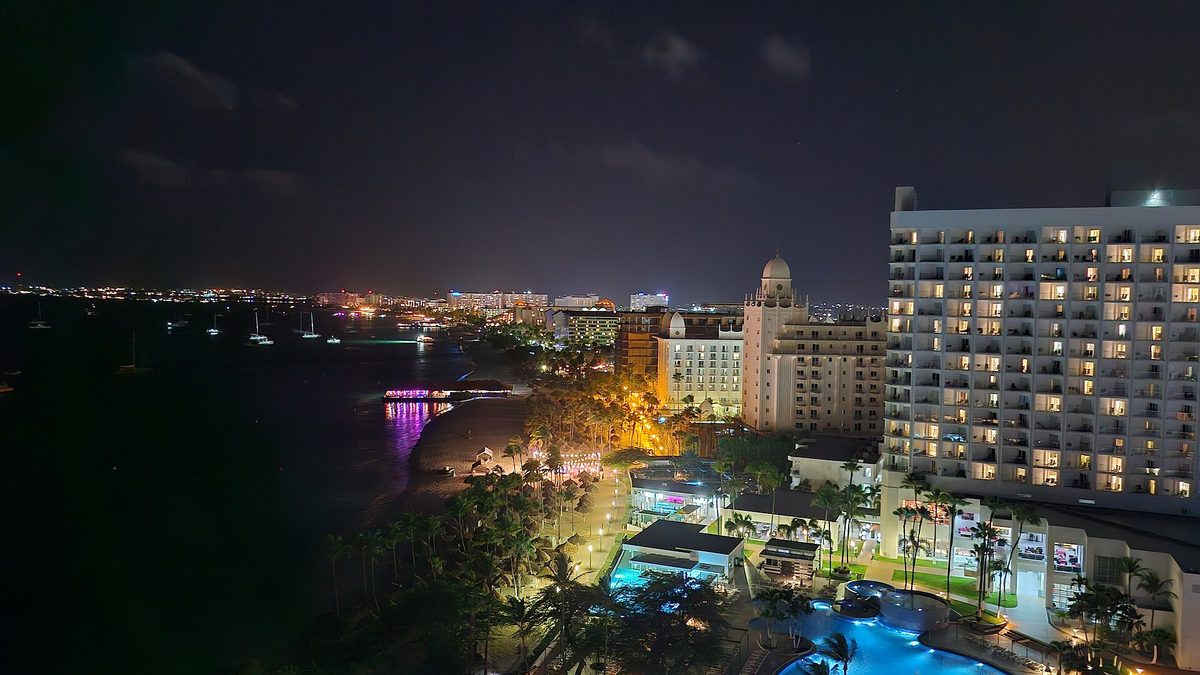
Booking tips for flights to Aruba
A few hard-won habits make the booking itself smoother and cheaper:
- Price the nonstop even if you assume it is pricier. As noted above, the competition on Aruba’s nonstops means they are often within a rounding error of the connections. Do not auto-default to the cheapest connection without checking.
- Factor in baggage from the start. A bargain Spirit or Frontier base fare can lose its shine once you add bags and a seat. Southwest’s two free checked bags, by contrast, quietly make it competitive for families even when the headline fare is not the lowest.
- Mind the airport tax and fees. Departure taxes and a passenger facility charge are typically bundled into your ticket, but Aruba also has separate entry requirements to handle before you fly (more on that below). Budget for them so nothing is a surprise.
- Build the trip around your arrival. Most U.S. nonstops land in the late morning or afternoon, which is perfect for an easy first-day check-in. If you are deciding where to base yourself, our guides to where to stay in Aruba and the island’s all-inclusive resorts pair naturally with your flight times.
- Consider a package. Especially in peak season, a bundled flight-plus-hotel deal can undercut booking the two separately. It is worth a quick comparison before you commit.
Arriving at Queen Beatrix International Airport (AUA)
Aruba’s only commercial airport is Queen Beatrix International, just outside the capital, Oranjestad, and a short drive from the main hotel strips along Palm Beach and Eagle Beach. It is compact, modern, and in the middle of a multi-year expansion (the “Gateway 2030” project) that is steadily smartening it up. Arrivals are refreshingly quick: thanks to that breezy southern-Caribbean efficiency, you can be off the plane and into a taxi faster than you would believe after a U.S. landing.
From the airport, you have the usual options to reach your hotel. Metered taxis wait curbside and run on fixed zone rates; car-rental desks sit right at the airport if you plan to explore; and many resorts and tour operators offer transfers. Aruba is small and easy to drive, so plenty of visitors grab a rental on arrival and never look back, while others rely on taxis and the island bus for a beach-focused trip. Our airport transfer guide breaks down each option and what it costs.
Entry requirements you must handle before you fly
Aruba is welcoming, but there is a little homework to do before departure, and skipping it can stop you at the gate:
- The online ED Card. Every visitor must complete Aruba’s digital Embarkation-Disembarkation Card online before arrival, through the official government portal. You will receive a QR-coded confirmation that the airline checks at check-in and that border control scans on arrival. Without it, you will not be allowed to board. It takes about ten to fifteen minutes and should be done within a few days of travel.
- The Sustainability Fee. Aruba charges a modest sustainability fee (around US$20 per traveler aged eight and up), paid once per calendar year through the same ED Card platform as you fill out the form. Children under eight and repeat visitors who have already paid that year are exempt.
- A valid passport and onward ticket. U.S. and Canadian citizens need a valid passport; most short visits are visa-free. Always confirm your own country’s current requirements before you book.
None of this is onerous, but do it from the comfort of home rather than scrambling at the airport. For a fuller pre-trip checklist, our Aruba travel tips page rounds up the practical essentials, and families will want our notes on visiting Aruba with kids for the small ones’ paperwork and packing.
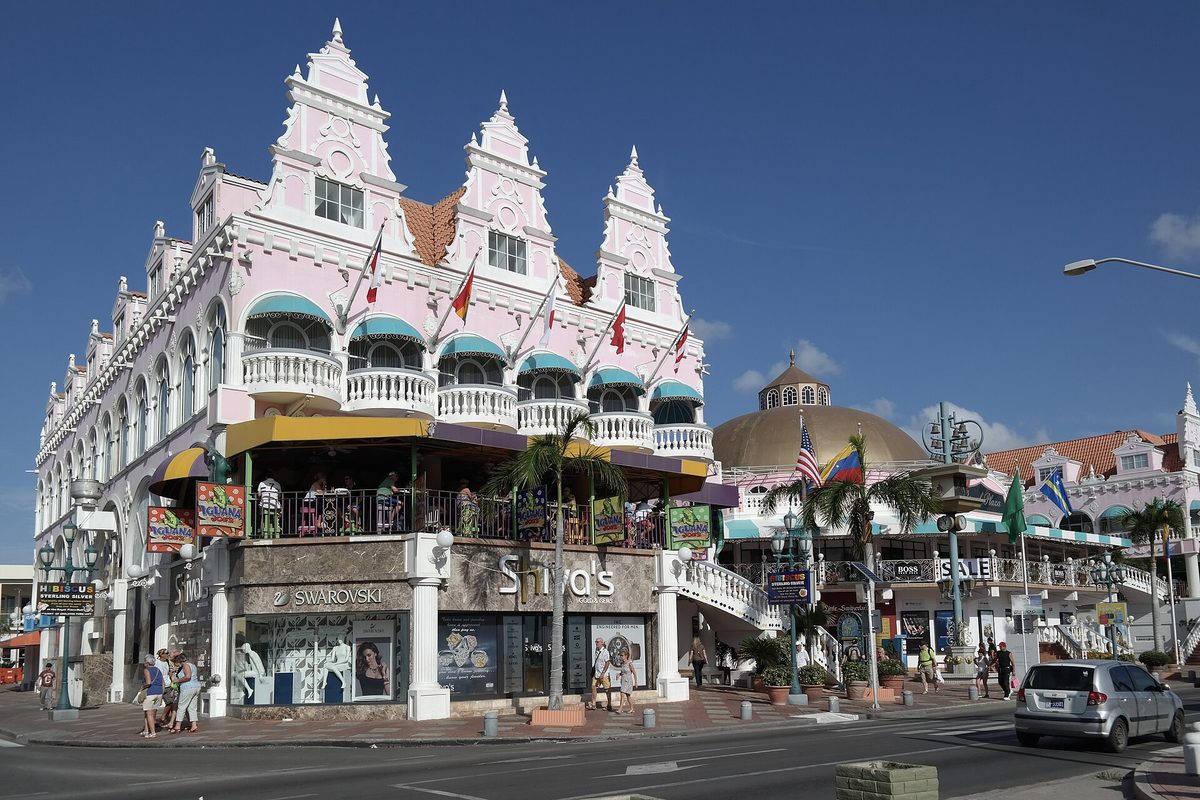
International flights: Europe, Canada, and Latin America
If you are not flying from the United States, Aruba is still surprisingly reachable. From Europe, the workhorse is KLM’s near-daily service from Amsterdam, a roughly nine-to-ten-hour haul that often pairs with Bonaire or Curacao on the same aircraft, plus seasonal flights from the UK and elsewhere via TUI and other operators. The Dutch connection runs deep here, which is why Aruba feels so comfortable for European visitors and why Dutch is one of the island’s official languages.
From Canada, Toronto is the gateway, with Air Canada and WestJet running nonstops weighted toward the winter escape season. And from Latin America, Aruba is genuinely well connected: Copa via its Panama City hub opens up much of the Americas with one stop, Avianca links Colombia, and regional carriers hop to Curacao, Bonaire, and the South American mainland. If you are island-hopping the ABC islands or tacking Aruba onto a South American trip, these routes are your friend.
Wherever you fly from, the same preclearance perk applies only to U.S.-bound passengers, so European and Canadian travelers clear customs the normal way on arrival back home. It is the Americans who get the magic shortcut.
Once you land: making the most of the One Happy Island
The flight is just the doorway. Once you are through it, the question becomes how to spend your days, and Aruba rewards both the do-nothing beach lover and the restless explorer. Start with the obvious and gawk at the beaches of Aruba, then branch out into the long list of island activities, from snorkeling and sailing to exploring the rugged interior of Arikok National Park. Water lovers should bookmark our guide to Aruba water sports and boat tours, and if you are short on days, our suggested Aruba itinerary stitches the highlights into a sensible plan. Couples celebrating something special can lean on our Aruba honeymoon guide, while hungry arrivals should consult our Aruba restaurants roundup before the first dinner.
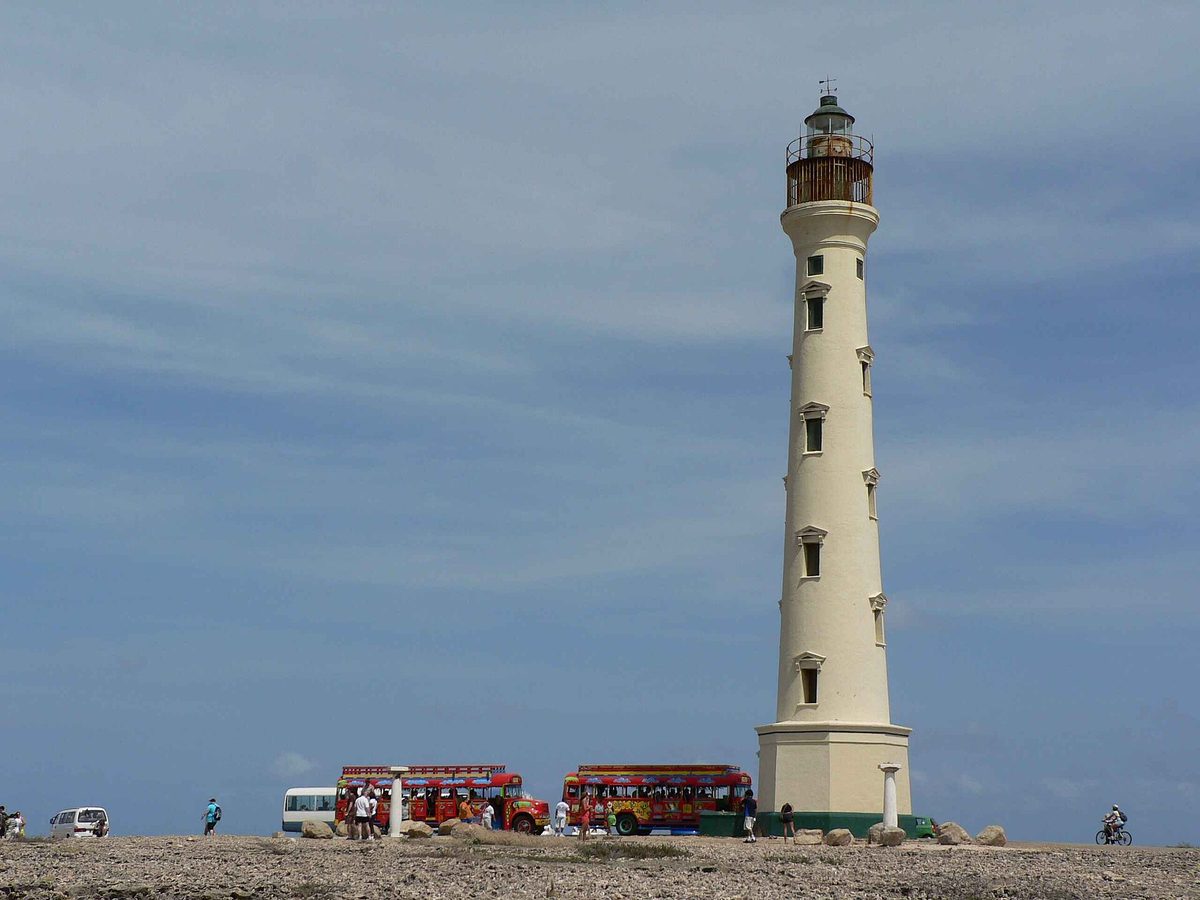
Frequently asked questions
What is the cheapest month to fly to Aruba?
Generally September through early December delivers the lowest airfares, with late spring close behind. Because Aruba sits below the main hurricane belt and stays warm and dry year-round, this low season is a weather bargain rather than a gamble. Avoid mid-December through mid-April and major U.S. holidays, when demand and prices peak.
How long is a flight to Aruba from the US?
It depends on your departure city. Miami is the quickest at under three hours nonstop. The New York area runs about four and a half hours, Atlanta and Charlotte around four, and Houston closer to five. There are no nonstops from the West Coast, so with a connection expect roughly nine to eleven hours of total travel.
Do you go through customs in Aruba or in the US?
If you are flying to the United States, you clear U.S. immigration and customs in Aruba, at the airport’s preclearance facility, before you board. You then land in the U.S. as a domestic arrival with no further customs lines. Just budget extra time on departure day, as the U.S. terminal opens about three hours before your flight.
Which airlines fly nonstop to Aruba?
American, Delta, United, JetBlue, and Southwest all operate nonstops from the United States, alongside Spirit and Frontier on select low-cost routes. Air Canada and WestJet serve Toronto, KLM flies from Amsterdam, and Copa, Avianca, and Aruba Airlines connect Latin America and the neighboring islands.
Do I need anything besides a plane ticket to enter Aruba?
Yes. Every visitor must complete Aruba’s online ED Card before arrival and pay the once-yearly sustainability fee (about US$20 for travelers aged eight and up) through the same portal. You will also need a valid passport. Complete the ED Card a few days before you fly, since airlines check it at the gate.
What airport do you fly into for Aruba?
Aruba has one commercial airport, Queen Beatrix International Airport (code AUA), located just outside the capital of Oranjestad and a short drive from the Palm Beach and Eagle Beach hotel zones. It is modern, compact, and currently being expanded, with a dedicated U.S. departure terminal for preclearance.
Final thoughts
For all the planning that goes into a Caribbean trip, getting to Aruba is reassuringly simple. The island is wired into North America with more nonstop service than its size has any right to command, the flight times are short enough that you can leave home in the morning and have sand between your toes by sunset, and that preclearance terminal means the journey back is the gentlest goodbye in travel. My advice, after more trips than I can count: book a midweek flight in the shoulder season, do your ED Card from the sofa the week before, give yourself a generous three hours at Queen Beatrix on the way home, and spend zero energy worrying about the rest. The flying is the easy part. The hard part, deciding when to leave, is a problem Aruba is very good at solving for you. When you are ready to plan the on-the-ground logistics, our guide to getting to and around Aruba picks up exactly where the runway ends.
Photo credits
Photo: Ginelly.Q (CC0) via Wikimedia Commons; Photo: Choinowski / CC BY-SA 4.0 via Wikimedia Commons; Photo: Jason Boldero / CC BY 2.0 via Wikimedia Commons; Photo: Rarends297 (CC0) via Wikimedia Commons; Photo: David Stanley / CC BY 2.0 via Wikimedia Commons.