Pull up a map of the Caribbean and Aruba is easy to miss. It is a 70-square-mile sliver of cactus, dunes, and blinding-white beach floating in the southern Caribbean, only about 18 miles off the coast of Venezuela. It looks impossibly remote. And yet, by almost any practical measure, it is one of the easiest islands in the entire region to reach from North America. From the U.S. East Coast you can be on the sand the same afternoon you left home. So figuring out how to get to Aruba turns out to be less about whether you can and more about choosing the right way in.
And there are really only a handful of ways in. The overwhelming majority of visitors arrive by air at one friendly little airport just outside the capital; a smaller number sail in on a cruise ship for a single sun-drenched day. Because Aruba sits well south of the hurricane belt, those flights also keep running on schedule when storms scatter plans elsewhere in the Caribbean. This guide walks through every route — from the U.S., Canada, Europe, and Latin America — plus the entry paperwork, the famous U.S. preclearance terminal, and how to get from the runway to your beach chair without overthinking it.
| Coming from | Main gateways & airlines | Approx. nonstop time |
|---|---|---|
| US East Coast | New York (JFK/EWR), Boston, Philadelphia, Washington, Charlotte, Atlanta — American, Delta, United, JetBlue, Frontier | around 4–4.5 hours |
| US South / Florida | Miami, Fort Lauderdale, Orlando — American, JetBlue, Spirit, Southwest | around 2.5–3.5 hours |
| US Central / Texas | Houston, Chicago, Dallas, Baltimore, Minneapolis — United, American, Southwest, Sun Country | around 4.5–5.5 hours |
| Canada | Toronto, plus seasonal Montreal & Ottawa — Air Canada, WestJet, Air Transat, Porter | around 5–5.5 hours |
| Europe | Amsterdam nonstop (KLM, TUI fly), or connect via a U.S. hub / another island | around 9–10 hours nonstop |
| Latin America | Panama City, Bogotá, Lima, Buenos Aires, São Paulo — Copa, Avianca, LATAM, GOL, Aruba Airlines | around 1.5–7 hours |
| By cruise | Port of Aruba, Oranjestad — Royal Caribbean, Carnival, Celebrity, Holland America, NCL & more | one-day port call |
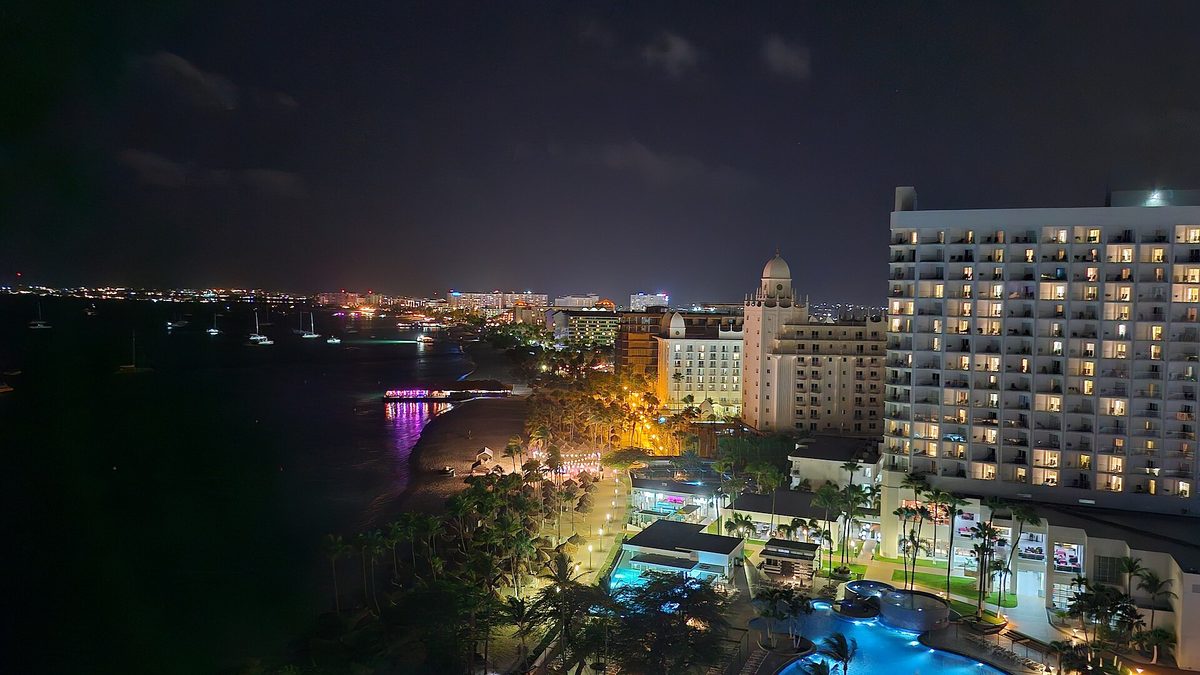
Before we get into specifics, a quick mental map so the directions make sense. Aruba’s one commercial airport sits near the southern end of the island, just outside the capital. Cruise ships dock right in the capital too. And nearly every hotel you have heard of lines a single stretch of west-facing coast a short drive north of both. So whether you fly or sail, you land in essentially the same corner of the island and head the same direction toward the beach. For the bigger picture on moving around once you are here, our hub guide on getting to and around Aruba ties all the transport threads together.
Getting to Aruba by air: the short version
Here is the truth that surprises first-timers: for an island this small and this far south, Aruba is astonishingly well connected. The national tourism authority counts over 100 direct flights every week from 14 North American gateways, plus one-stop connections from nearly every city in the U.S. and Canada. Add nonstop service from Amsterdam and a thick web of routes from Latin America, and you have a Caribbean dot that punches far above its size.
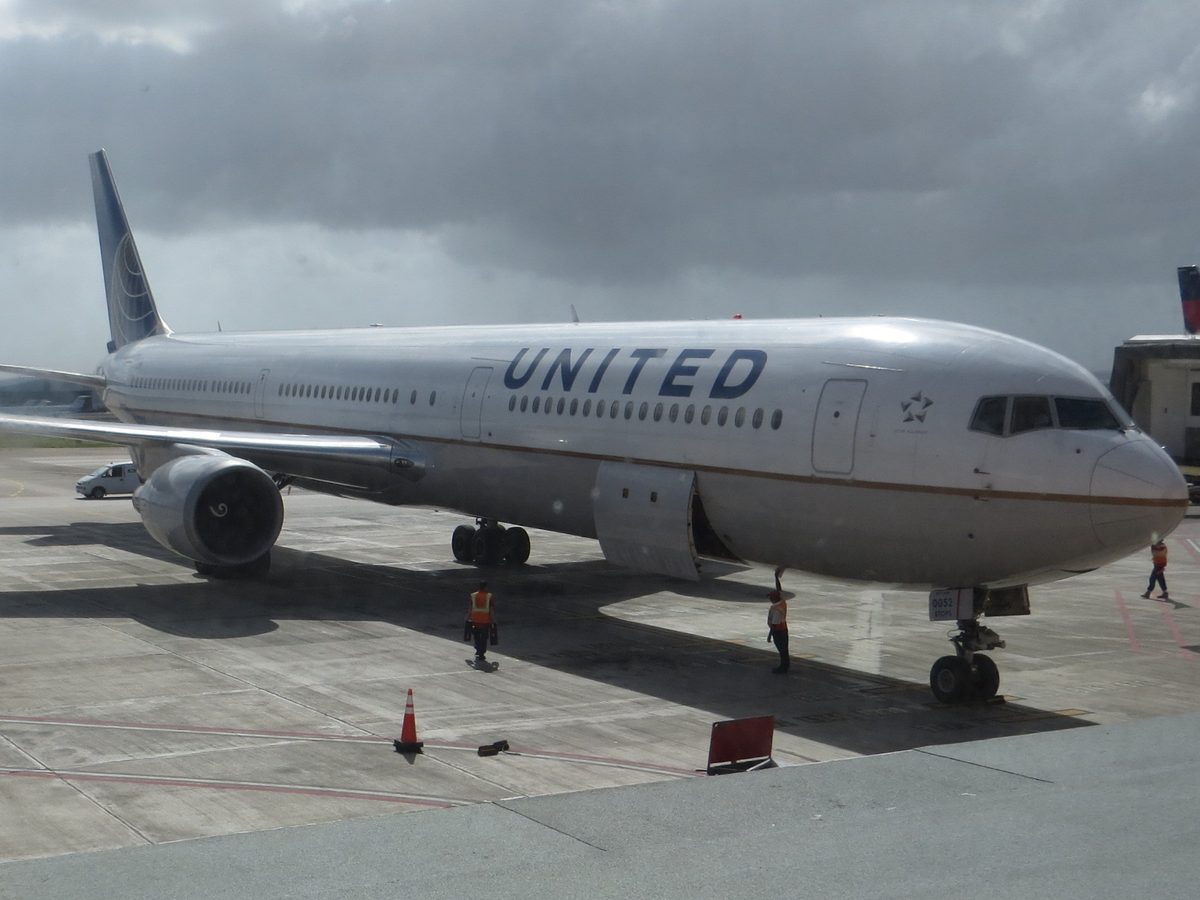
Everyone funnels through the same door: Queen Beatrix International Airport (airport code AUA), named for the former Dutch queen and located just minutes from downtown Oranjestad. It is the island’s only commercial airport, so there is no risk of booking into the “wrong” one. Aruba is part of the Kingdom of the Netherlands, which is why you will see Dutch carriers and Papiamento signage alongside the American Airlines and Delta jets — a charming early reminder that you have genuinely left the country, even when the flight felt domestic.
What really sets AUA apart is the U.S. Customs and Border Protection preclearance facility. We will get into why that is such a gift below, but the headline is this: U.S.-bound travelers clear American immigration and customs in Aruba before they ever board, then land back home as a domestic arrival. The airport finished a major expansion in 2025 that added a dedicated U.S. check-in terminal, smoothing out what used to be the island’s one genuine travel headache.
How to get to Aruba from the US (and why preclearance changes everything)
If you are flying from the United States, you are spoiled for choice. Aruba is a marquee winter-sun route, so the major carriers compete hard, especially out of East Coast hubs. On any given week you will find nonstops from New York (both JFK and Newark), Boston, Philadelphia, Washington, Charlotte, Atlanta, Miami, Fort Lauderdale, Orlando, Baltimore, Houston, Chicago, Dallas, and Minneapolis — carried by American, Delta, United, JetBlue, Southwest, Spirit, Frontier, and Sun Country, with the exact roster shifting by season.
Flight times are genuinely short for the Caribbean. From Miami you are looking at roughly two and a half to three hours — barely longer than a cross-country domestic flight. From New York it is around four to four and a half hours; from Atlanta about four; from Houston and the Midwest closer to five. I have taken the morning JFK departure and been floating in the water off Palm Beach before dinner, which still feels slightly absurd for a destination this exotic-looking.
U.S. preclearance: clear customs before you fly home
This is the single best logistical perk of an Aruba trip, and most people do not appreciate it until they have done it. Aruba operates a full U.S. preclearance facility at the airport. On your way home, you pass through Aruban exit formalities and then U.S. CBP — passport control and customs — right there in Oranjestad. When your plane lands in Miami, New York, or wherever, you walk off as if you had just flown in from another U.S. city. No immigration hall, no customs line, no re-checking bags, no second security screening at a heaving mainland hub.
For families, tight connections, or anyone who loathes the arrivals scrum, it is a quiet miracle. It does mean you should arrive at AUA with a comfortable cushion for your departure — you are effectively doing two passport checks before your flight — so build in extra time on the way out. The airport’s 2025 terminal upgrade was designed specifically to keep that U.S.-bound flow moving, and travelers enrolled in Global Entry can now use the program on arrival in Aruba’s preclearance hall, trimming the wait even further.
One more thing worth knowing while you are still planning: when you go to book, it pays to compare a few date combinations, because fares to Aruba swing hard with the seasons. Our deep dive on the best time to visit Aruba lines up weather, crowds, and price so you can pick a window that suits both your calendar and your wallet, and the Aruba vacation cost breakdown shows exactly where flights fit into the overall budget.
How to get to Aruba from Canada
Canadians have it easier than they often realize. Aruba is a beloved escape from the long northern winter, and Toronto is the workhorse gateway: you will typically find nonstop service from Toronto Pearson on Air Canada (and its Rouge leisure brand), WestJet, and Porter Airlines, with flight times of roughly five to five and a half hours. Frequency is strongest in the winter high season, when sun-seekers are most desperate to leave the cold, and thins out in the shoulder months — so if you are traveling in spring or fall, book early and be flexible on days.
From Montreal, look for seasonal nonstops from Air Transat and Air Canada, generally launching for the winter season, and Porter has been adding winter sun routes including Ottawa. These come and go year to year, so treat any specific route as something to confirm rather than assume.
If there is no nonstop from your city — or the timing does not work — the easy fallback is to connect through a U.S. hub. One important wrinkle: routing through the United States means you must be admissible to the U.S., even just to change planes. Most Canadians travel visa-free under the Visa Waiver Program but still need an approved ESTA before flying. If you would rather skip U.S. entry rules entirely, a nonstop from Toronto, or a connection through a Caribbean or Latin American hub, keeps you out of the American immigration system altogether.
Heads-up for Canadian travelers and anyone else not arriving from the U.S.: you will not use the preclearance terminal, since that is only for flights bound for the United States. Your arrival and departure run through Aruba’s standard international terminal, which is straightforward — just be aware the two flows are separate buildings.
How to get to Aruba from Europe
This is where Aruba’s Dutch heritage pays off beautifully. Because the island is part of the Kingdom of the Netherlands, there is a long-standing, reliable air bridge across the Atlantic. KLM flies nonstop from Amsterdam (AMS) to Aruba, typically several times a week on a Boeing 787 Dreamliner, in a flight of roughly nine to ten hours. Dutch leisure carrier TUI fly Netherlands also operates between Amsterdam and Aruba. For travelers anywhere in Europe, that makes Amsterdam Schiphol the natural funnel: connect onto KLM there and you have a single, sensible path to the Caribbean.
If you are not near Amsterdam and do not want to backtrack, you have two other broad options. The first is to connect through a U.S. gateway — say, fly into Miami, New York, or Atlanta and pick up one of the many nonstops onward. This often opens up more departure times, but remember the same caveat as for Canadians: transiting the U.S. requires U.S. entry eligibility, which for most European nationalities means an approved ESTA (or a visa) before you travel. Build that into your plans; it is quick and inexpensive but not optional.
The second option is to connect through another hub that serves Aruba directly — for example, routing via a Latin American gateway like Bogotá or Panama City, or via a nearby Caribbean island. These itineraries can be longer and are worth pricing against the cleaner Amsterdam nonstop, but they sidestep the U.S. entirely. Whichever way you come, give yourself a generous layover; a missed connection on a long-haul day is no way to start a beach holiday.
Once you have the long flight sorted, the fun part is deciding where to point yourself when you land. If you are coming all that way, you will want to make it count — our guides to the best things to do in Aruba and the island’s famous beaches are a good place to start dreaming, and the rugged interior of Arikok National Park rewards anyone who wants more than a lounger.
How to get to Aruba from Latin America and the Caribbean
Aruba’s position just off South America makes it remarkably well linked to Latin America, and these routes are often the unsung heroes for connecting travelers. Copa Airlines runs flights through its enormous hub at Panama City, which is one of the best ways to reach Aruba from across Central and South America. Avianca connects via Bogotá, LATAM serves the island from Lima and Bogotá, and there is seasonal and scheduled service from farther afield — Aerolíneas Argentinas from Buenos Aires and GOL from São Paulo among them. Colombian low-cost carrier Wingo flies from several Colombian cities, and Surinam Airways links Paramaribo.
Closer to home, the island’s own carrier, Aruba Airlines, along with regional operators like Divi Divi Air, Winair, and others, knit Aruba together with its Dutch Caribbean neighbors Curaçao and Bonaire (the “ABC islands”) and with hubs like Sint Maarten and the Dominican Republic. If you are already in the Caribbean and want to add Aruba to a multi-island trip, these short hops make it genuinely easy — the flight to Curaçao, for instance, is over almost before the seatbelt sign switches off.
How to get to Aruba by cruise (and by sea)
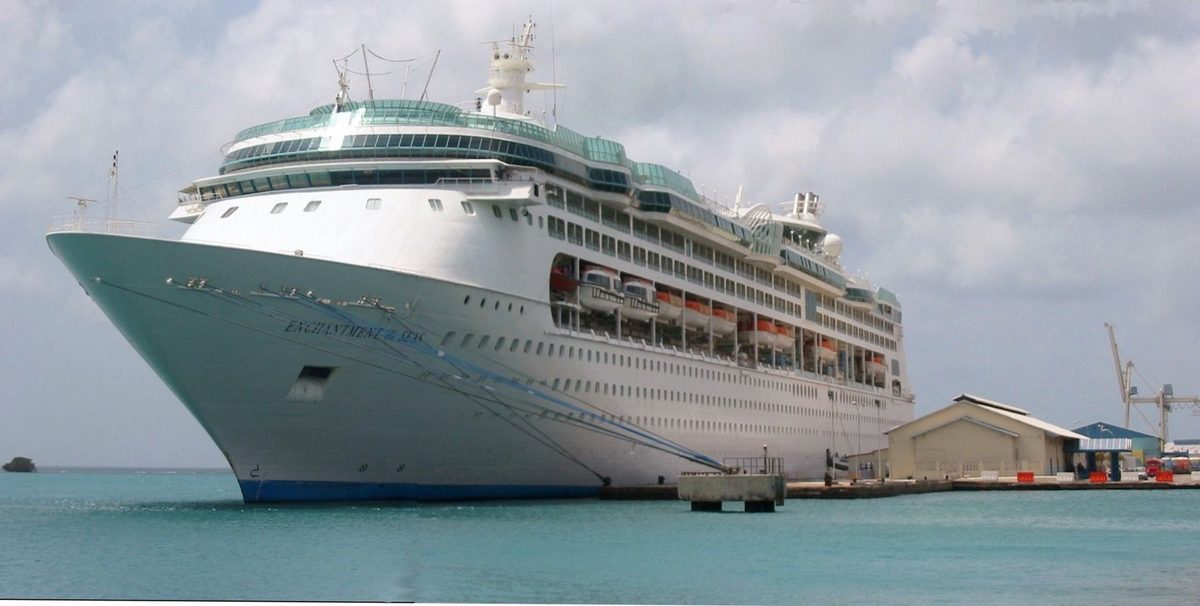
If you would rather arrive by water, Aruba is a fixture on Southern Caribbean cruise itineraries. Ships dock at the Port of Aruba, a modern cruise terminal right on the edge of Oranjestad, and the lineup of cruise lines reads like a who’s-who: Royal Caribbean, Carnival, Celebrity, Holland America, Princess, Norwegian, MSC, Disney, and more all call here. Most of these voyages sail from Florida or San Juan and string Aruba together with Curaçao, Bonaire, and other islands over a week or more.
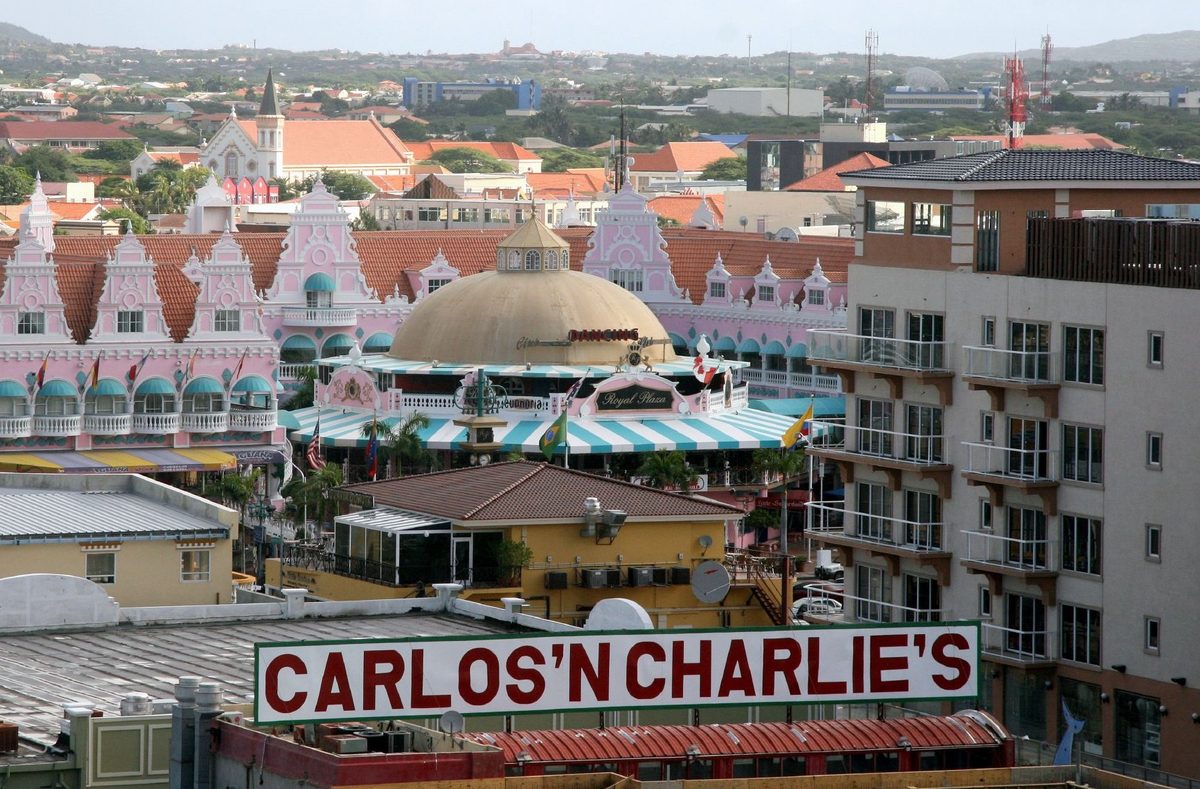
The best part of arriving by cruise is how walkable everything is. Step off the ship and you are essentially in the middle of the capital — the pastel Dutch-colonial storefronts of Caya Betico Croes (the main shopping street) are a ten-minute stroll away, the free downtown trolley loops right past the terminal, and taxis, public buses, and tour operators line up just outside. Aruba’s beaches are public and free, so even on a single port day you can be on the sand quickly; Surfside Beach is a short walk, while iconic Eagle Beach and Palm Beach are a quick taxi or bus ride north.
One question I get a lot: is there a passenger ferry to Aruba from Venezuela or elsewhere on the South American mainland? For tourists, the practical answer is no — there is no scheduled tourist ferry service you can rely on to get to the island. Despite how close Venezuela looks on the map, you cannot simply hop a boat across as a visitor. For all intents and purposes, your two ways in are flying or cruising. (Private yachts do call at Aruba, but that is a different kind of trip with its own clearance procedures.)
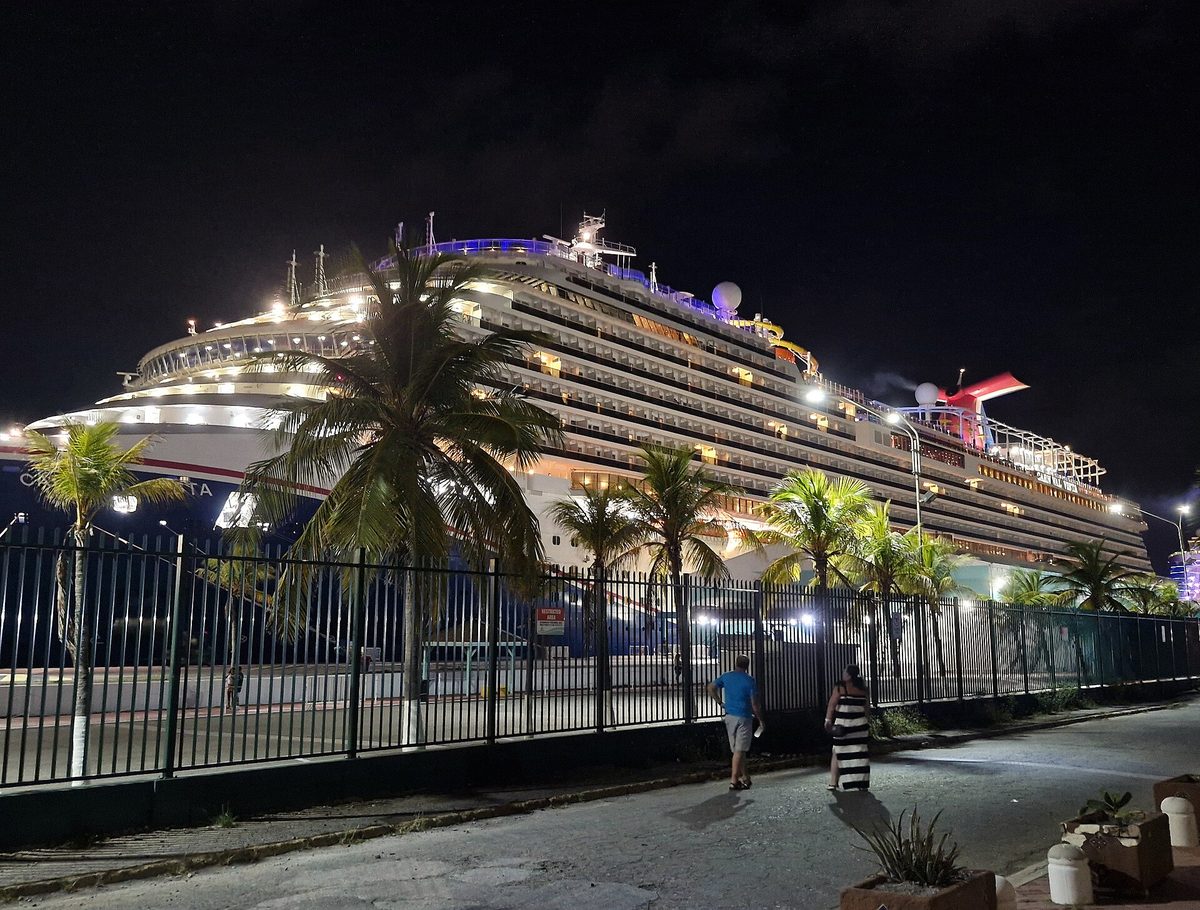
If you are weighing a cruise stop against a full stay, it is worth being honest about the trade-off: a cruise gives you a delicious taste, but Aruba genuinely rewards a longer visit. If this port call sells you on the island — and it usually does — our guides on where to stay in Aruba and the best all-inclusive resorts will help you plan the return trip you will inevitably start scheming on the way home.
Entry requirements: passport, the ED Card, and fees
Getting to Aruba is only half the job; getting in is the other half, and the good news is that it is simple as long as you do one thing before you fly. Here is the short checklist that applies to most leisure travelers. Requirements do change, so treat this as a starting point and confirm the current rules with official sources close to your trip.
- A valid passport. You will need it regardless of nationality. Many travelers like at least six months’ validity to be safe, though Aruba’s specific rule can be shorter — check yours well ahead so a soon-to-expire passport does not derail the trip.
- Proof of onward or return travel. Aruba, like most island nations, wants to see that you are leaving. A return or onward ticket covers this.
- The online Aruba ED Card. Every visitor must complete the Embarkation/Disembarkation (ED) Card online before traveling — there is no paper form handed out on the plane anymore. It is a quick form covering your details, flight, and where you are staying.
- A possible visitor fee. Aruba has introduced a small visitor entry/sustainability fee tied to the ED Card process. Amounts and exemptions can change, so check the current figure when you fill out the card.
- A visa, only if your nationality requires one. Most U.S., Canadian, and EU travelers do not need a visa for tourism, but verify based on your passport.
The ED Card trips up more first-timers than anything else, so a few specifics. You typically complete it within a set window before departure (commonly up to seven days out), and filling it in too early can generate invalid dates that get rejected — so do it in the days just before you fly, not weeks ahead. Every traveler needs one, including infants and children, though families can usually file children within a single group application, and young children are often exempt from the fee. Do it on the official Aruba ED Card website, not a random third-party site that tacks on a surcharge.
If you are flying home to the United States, remember the preclearance routine described earlier: you clear U.S. CBP in Aruba, which is why your departure-day timeline needs breathing room. A little planning here turns the whole arrival-and-departure experience into a non-event — which is exactly what you want bookending a beach holiday. For a broader pre-trip rundown, our Aruba travel tips guide covers money, packing, and the small stuff that makes the first day smoother, and families will want our notes on visiting Aruba with kids.
Choosing the cheapest and easiest route to Aruba
Once you know how to get to Aruba, the real decision is which option is right for you. A few honest rules of thumb from planning these trips.
If you are coming from the U.S. East Coast or Florida, a nonstop is almost always the move — the flights are short, plentiful, and frequently competitively priced, and the preclearance perk makes the return painless. Compare the legacy carriers against JetBlue and the budget airlines (Spirit, Frontier, Southwest), but read the fine print on bags and seat fees before you crown the “cheapest” fare the real winner.
If you are inland or out west, you will usually connect once, most often through a southern or eastern hub. Connecting through a city that also has a nonstop to Aruba (Miami, Charlotte, Atlanta, Houston) keeps your options open if a flight goes sideways.
For the best fares generally, aim for the shoulder seasons — roughly spring and fall — rather than the winter-holiday and spring-break peaks, when prices spike and seats vanish. Booking somewhere around six to eight weeks ahead hits a sweet spot for many dates, earlier for peak periods. Aruba’s dry, steady climate means there is no truly “bad” weather season, so shoulder-season travel is mostly upside: lower prices and thinner crowds. Our best time to visit guide goes deep on this.
If your priority is the journey itself, a cruise turns getting there into part of the vacation — though, as noted, it gives you only a single day on the island. And if you are short on long-haul patience from Europe, the Amsterdam nonstop is worth paying a little extra for over a multi-stop routing.
Arriving at AUA and getting to your hotel
The last leg is mercifully short. Queen Beatrix International Airport sits at the island’s southern end, and almost all the major hotels cluster along the west coast just to the north — the low-rise district around Eagle Beach and the high-rise strip along Palm Beach — so transfers are quick. From the airport to the main resort areas you are generally looking at a drive of roughly 10 to 20 minutes; downtown Oranjestad is even closer.
You have a few ways to cover that last stretch. Taxis wait right outside the terminal and run on fixed, government-set rates by zone rather than a meter — confirm the fare before you get in, and know that rates can be a touch higher at night. Pre-booked private transfers and shuttles are easy to arrange in advance if you would rather have a name card waiting for you. If you are renting a car, the agencies are at or near the airport; Aruba is small, flat, and easy to drive, and a car gives you the freedom to explore the wilder eastern side and Arikok at your own pace. And the budget-friendly option, Arubus, the public bus, runs from a stop near the terminal into Oranjestad and up the resort strip for just a few dollars — perfectly doable with light luggage.
Which one is right depends on your group size, budget, and how much you plan to roam. If you are debating whether to rent wheels at all, weigh it against taxis and the bus for your particular trip — for many resort-based visitors, you simply do not need a car every day. Whatever you choose, the hop from runway to beach towel is short enough that the hardest part of your travel day is well and truly behind you. Once you are settled, our Aruba itinerary ideas and roundup of the best things to do in Aruba will get you off that lounger and out exploring — and couples can borrow inspiration from our Aruba honeymoon guide.

Frequently asked questions
What is the best way to get to Aruba?
For most travelers, flying nonstop to Queen Beatrix International Airport (AUA) is the best way to get to Aruba. From the U.S. East Coast and Florida the nonstops are short and frequent, and U.S.-bound passengers clear customs in Aruba via preclearance. Europeans usually fly KLM nonstop from Amsterdam, while cruise passengers arrive at the Oranjestad port for a one-day visit.
How long is the flight to Aruba?
It depends on where you start. From Miami it is roughly two and a half to three hours nonstop; from New York around four to four and a half; from Houston and the U.S. Midwest closer to five; from Toronto about five to five and a half. The Amsterdam nonstop runs roughly nine to ten hours. Treat all of these as approximate and check your specific routing.
Do I need a passport to go to Aruba?
Yes. All air travelers, including U.S. citizens, need a valid passport to enter Aruba and to clear U.S. preclearance on the way home. You should also have proof of onward or return travel and complete the online ED Card before you fly. Check your passport’s validity well ahead, since renewals can take time.
What is the Aruba ED Card and do I have to fill it out?
The ED Card is Aruba’s mandatory online Embarkation/Disembarkation form, and yes, every visitor must complete it before traveling — there is no paper version on the plane. You typically fill it out in the days just before departure (not too far ahead, or the dates may be rejected). A small visitor/sustainability fee may be collected during the process; confirm the current amount on the official site.
Can you take a ferry to Aruba?
Not as a tourist. Despite Aruba sitting only about 18 miles off Venezuela, there is no scheduled passenger ferry service for visitors from the South American mainland. The two practical ways to get to Aruba are flying into AUA or arriving by cruise ship at the Oranjestad port. Private yachts can clear in, but that is a separate kind of trip.
Is it hard to get from the U.S. to Aruba?
Not at all — it is one of the easier Caribbean islands to reach. There are over 100 direct flights a week from 14 North American gateways, the flights are short, and the U.S. preclearance facility means you skip immigration and customs lines when you land back home. Aruba’s location south of the hurricane belt also makes its flight schedules unusually dependable.
Do I need a car in Aruba once I arrive?
Not necessarily. Taxis, pre-booked transfers, and the inexpensive Arubus public bus all connect the airport to the hotel strip and Oranjestad in 10 to 20 minutes. A rental car is great if you want to explore Arikok National Park and the rugged east coast, but many resort-based visitors are happy without one. Match the choice to how much you plan to roam.
Final thoughts
For a place that looks like the end of the earth on a map, Aruba is shockingly easy to get to — and that, more than the beaches or the weather, is the quiet reason so many travelers come back year after year. A short nonstop from much of North America, a clean Dutch air bridge from Europe, a thick web of Latin American connections, a spot on nearly every Southern Caribbean cruise, and a preclearance terminal that erases the worst part of flying home: the island has made arriving almost effortless.
So do the two things that matter — book the route that fits your starting point and budget, and fill out that ED Card before you fly — and the rest takes care of itself. The hardest decision left will be which beach to walk onto first. For everything that happens after you land, lean on our hub guide to getting to and around Aruba, and start sketching the trip with our things to do in Aruba and Aruba beaches guides. See you on the sand.
Photo credits
- Palm Beach hotel strip at night — Photo: Rarends297 (CC0) via Wikimedia Commons.
- Airliner at Queen Beatrix International Airport (AUA) — Photo: Sunnya343 / CC BY-SA 4.0 via Wikimedia Commons.
- Cruise ship at the Port of Aruba, Oranjestad — Photo: Giancarlo Rossi / CC BY-SA 3.0 via Wikimedia Commons.
- Cruise ship at night, Oranjestad cruise terminal — Photo: Ginelly.Q (CC0) via Wikimedia Commons.
- Downtown Oranjestad architecture — Photo: gailf548, derivative by KimChee / CC BY 2.0 via Wikimedia Commons.
- Divi-divi tree at Eagle Beach — Photo: Jason Boldero / CC BY 2.0 via Wikimedia Commons.