What does “fresh fish” actually mean on a sun-baked Caribbean island that grows almost nothing and ships in most of what it eats? It is a fair question. Aruba is dry, windy, and barely 70 square miles, so plenty of what lands on dinner plates here arrives frozen. But there is a real local catch, hauled in by hand-line from the deep water off the south coast.
Our pick for the best seafood restaurant Aruba quietly keeps to itself is Zeerovers in Savaneta, a fishermen’s collective where you order the day’s catch by weight at a window and eat it on a pier over the water. It is the most honest seafood on the island, and it happens to be among the cheapest. From there the map fans out into toes-in-the-sand sunset rooms, a couple of fisherman-owned shacks near Palm Beach, and a handful of upscale kitchens that genuinely respect their fish. Knowing where the real catch lands is the difference between a forgettable fillet of imported salmon and a slab of wahoo that was swimming this morning.
The short answer: for the freshest, most genuinely local fish, eat at Zeerovers or Wacky Wahoo’s, both run by working fishermen. For a romantic toes-in-the-water dinner, book Flying Fishbone in Savaneta. For polished beachfront seafood, Atardi and Aquarius deliver. Expect wahoo, mahi-mahi, red snapper, grouper, and barracuda when it is local, and always ask your server what actually came off a boat that day.
This guide is for travelers who want to eat well, not just eat near the ocean. It is organized by the kind of meal you are after, with real names, candid opinions, and prices hedged as “around” because menus and exchange rates drift. For the bigger picture on where each of these spots fits, start with our complete guide to the best restaurants in Aruba, then come back here when you are ready to talk fish.
At a glance: the best seafood in Aruba by area, catch, and vibe
Here is the shortlist in one scannable place. Use it to match a restaurant to your night, then read the sections below for the detail and the honest caveats.
| Restaurant | Area | Signature catch | Vibe | Price (per person) |
|---|---|---|---|---|
| Zeerovers | Savaneta | Fried wahoo & snapper by weight | Pier fish shack, paper plates | Around $15–$30 |
| Wacky Wahoo’s | Palm Beach / Noord | Pan-fried catch of the day, conch | Step-above-casual, fisherman-owned | Around $35–$55 |
| Flying Fishbone | Savaneta | Seafood casserole, lobster | Toes-in-the-water, romantic | Around $50–$80 |
| The Old Fisherman | Oranjestad | Whole grilled fish, fish soup | Local downtown favorite | Around $25–$45 |
| Marina Pirata | Pos Chikito (Spaans Lagoen) | Catch of the day on a dock | Over-water, local-priced | Around $25–$45 |
| Hadicurari | Palm Beach (fishermen’s pier) | Grilled snapper, mixed grill | Sand-floor beachside | Around $35–$60 |
| Pinchos Grill & Bar | Oranjestad (pier) | Grilled shrimp, seafood tapas | Tiny pier, sunset cocktails | Around $35–$55 |
| Aquarius | Renaissance, Oranjestad | Red snapper, seafood platters | Polished resort dining | Around $45–$75 |
| Atardi | Palm Beach (Marriott) | Lobster, grilled fish on the sand | Upscale toes-in-sand sunset | Around $70–$110 |
| Driftwood | Oranjestad | Owner-caught fish, fish soup | Nautical, charter-and-cook | Around $40–$70 |
How we chose the best seafood restaurant Aruba travelers actually remember
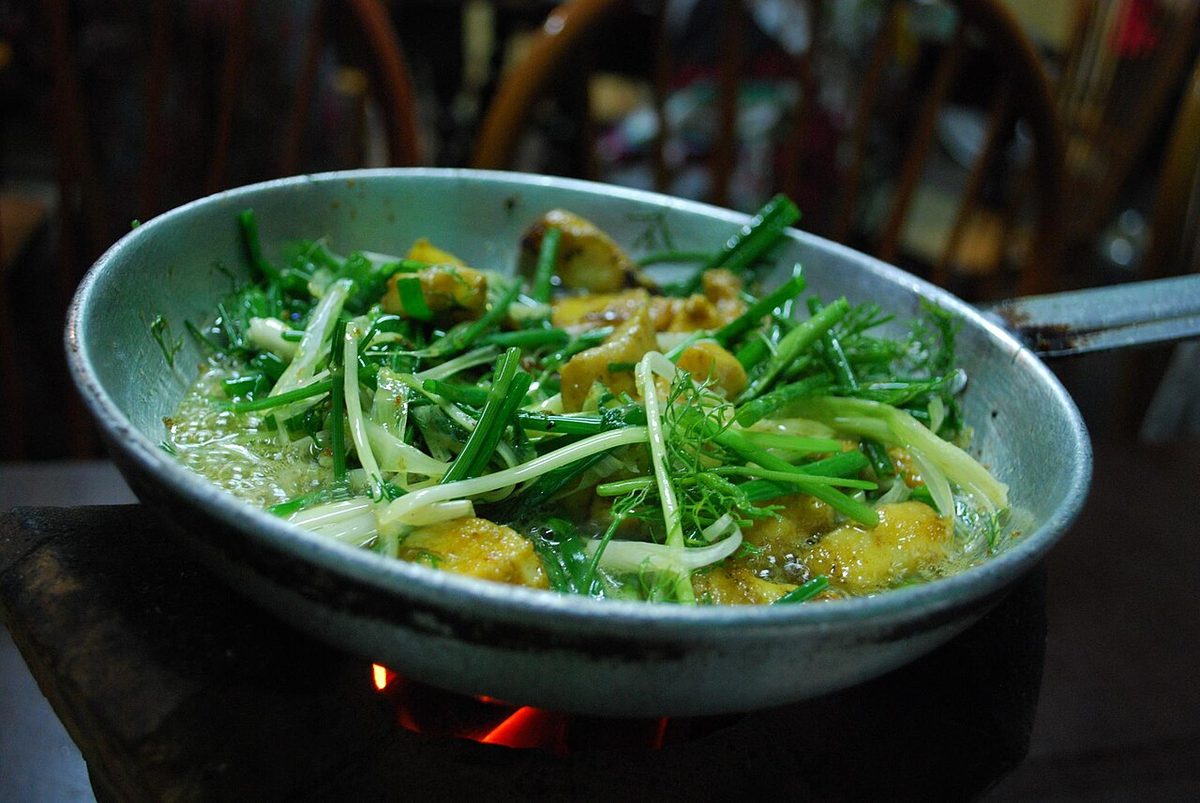
There are dozens of places on this island that put a fish on a plate. Far fewer serve fish you would cross the island for. When I weigh one seafood spot against another in Aruba, three things decide it: how close the kitchen sits to the boats, how honest the menu is about what is local versus imported, and whether the setting earns the price. A frozen mahi fillet under a sunset is still a frozen fillet.
That filter is why a paper-plate shack like Zeerovers outranks rooms charging four times as much. It is also why I am upfront throughout this guide: salmon, scallops, mussels, and most shrimp in Aruba are imported, because they do not live in these waters or cannot be landed in volume. The genuinely local catch is wahoo, mahi-mahi (called dorado here), red snapper, grouper, barracuda, kingfish, the occasional tuna, conch, and Caribbean spiny lobster in season. Order those, ask which boat they came off, and you will eat far better.
Fresh off the boat: Aruba’s no-frills fish shacks
This is where the island’s seafood is at its most real. No tablecloths, no reservations, sometimes no proper plates. Just fish that was alive hours ago, fried or grilled with a confident lack of fuss.
Zeerovers, Savaneta: the gold standard for fresh fish
Zeerovers (Dutch for “pirates”) started decades ago as a bar where Savaneta fishermen would fry your catch in exchange for a beer. It is now a fishermen’s collective on a wharf past the airport, and it is the single best place in Aruba to understand what fresh fish means here. You walk to a window, order wahoo, snapper, kingfish, or whatever came in that morning by the piece or by weight, add shrimp, and they flash deep-fry it to order. No heavy batter, just a light crust and clean white flesh.
Order the sides like you mean it: piping-hot fries, sweet fried plantain, pan bati (a thick Aruban cornbread pancake), and above all a tub of siboyo de vinager, the tart pickled-onion salsa that cuts the fryer oil perfectly. A generous lunch for two, with several pieces of fish, a heap of shrimp, and a handful of sides, runs around $36 total, which is absurd value. It is roughly $15 to $30 a person depending on appetite. Cash and cards both work now. They are closed Mondays, lines get long on Friday nights and Sunday afternoons (a good sign), and every seat on the pier looks straight at the water. Mind the seagulls; do not feed them unless you want company.
Wacky Wahoo’s, Palm Beach: a fisherman’s kitchen near the high-rises
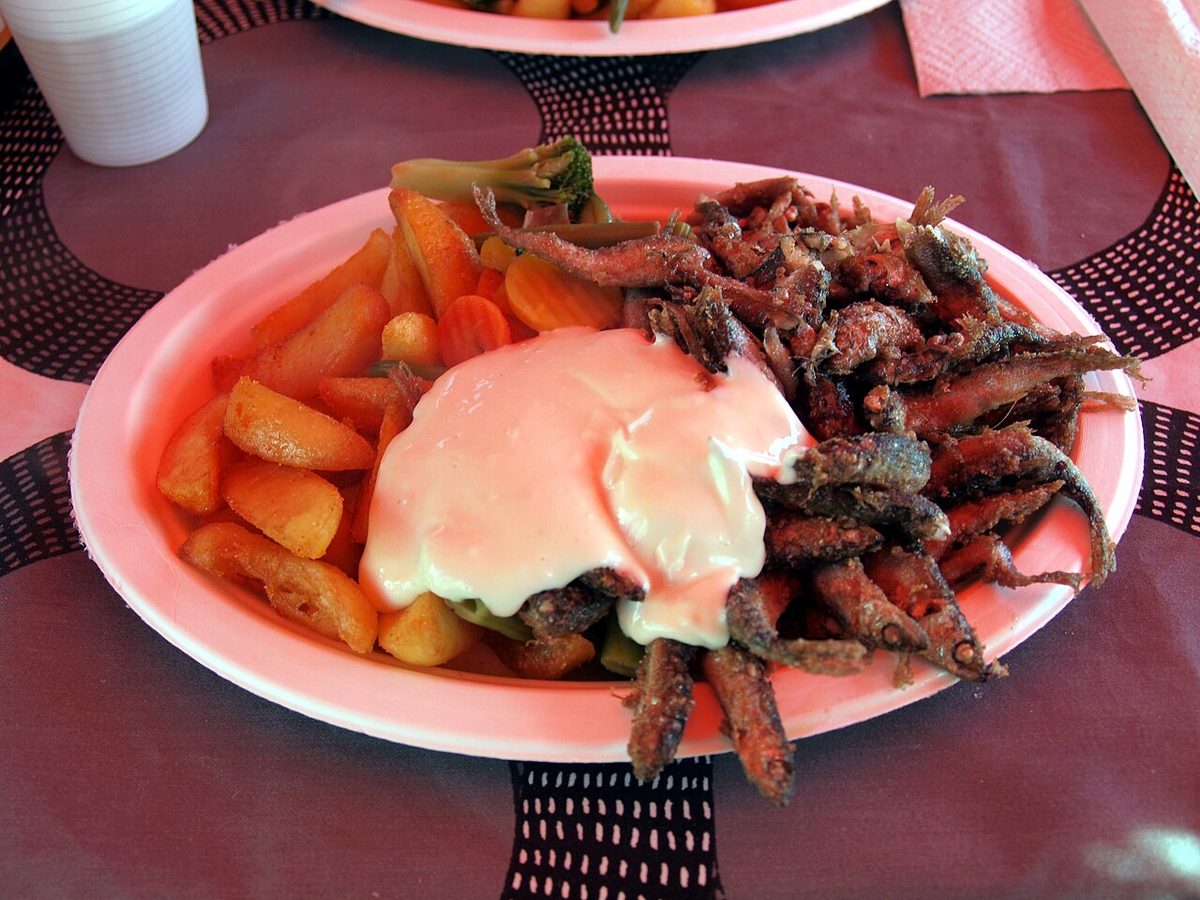
If you are staying up in Palm Beach and cannot face the drive to Savaneta, Wacky Wahoo’s is the answer, and it is genuinely good rather than a consolation prize. The crucial detail: it is owned by a working local fisherman, Harald Rudel, so the menu changes daily with what he hauls in. You will reliably find barracuda, conch, and an Aruban fish soup that is so precisely spiced you will forgive the wait. A pan-fried catch of the day runs around $32 to $36 for the fish; coconut shrimp and similar starters are about $18.
It is a small, step-above-casual room near the bottom of Palm Beach, it does not take reservations, and it is almost always busy, so expect a 30-to-60-minute wait at peak times. Show up right at opening or a touch before, put your name down, and have a drink while you wait. The freshness is worth the inconvenience.
The Old Fisherman & Marina Pirata: where locals go
Two more honest options round out this tier. The Old Fisherman sits downtown in Oranjestad, across from the bus terminal, and serves dependable whole grilled fish and local dishes at fair prices, popular with Arubans rather than cruise crowds. Marina Pirata, tucked away on the water at Pos Chikito near Spaans Lagoen, puts you on a wooden dock over the lagoon with the catch of the day at local prices, around $25 to $45 a person. Neither is fancy. Both put the fish first.
Toes-in-the-sand seafood: dinner with your feet in the water
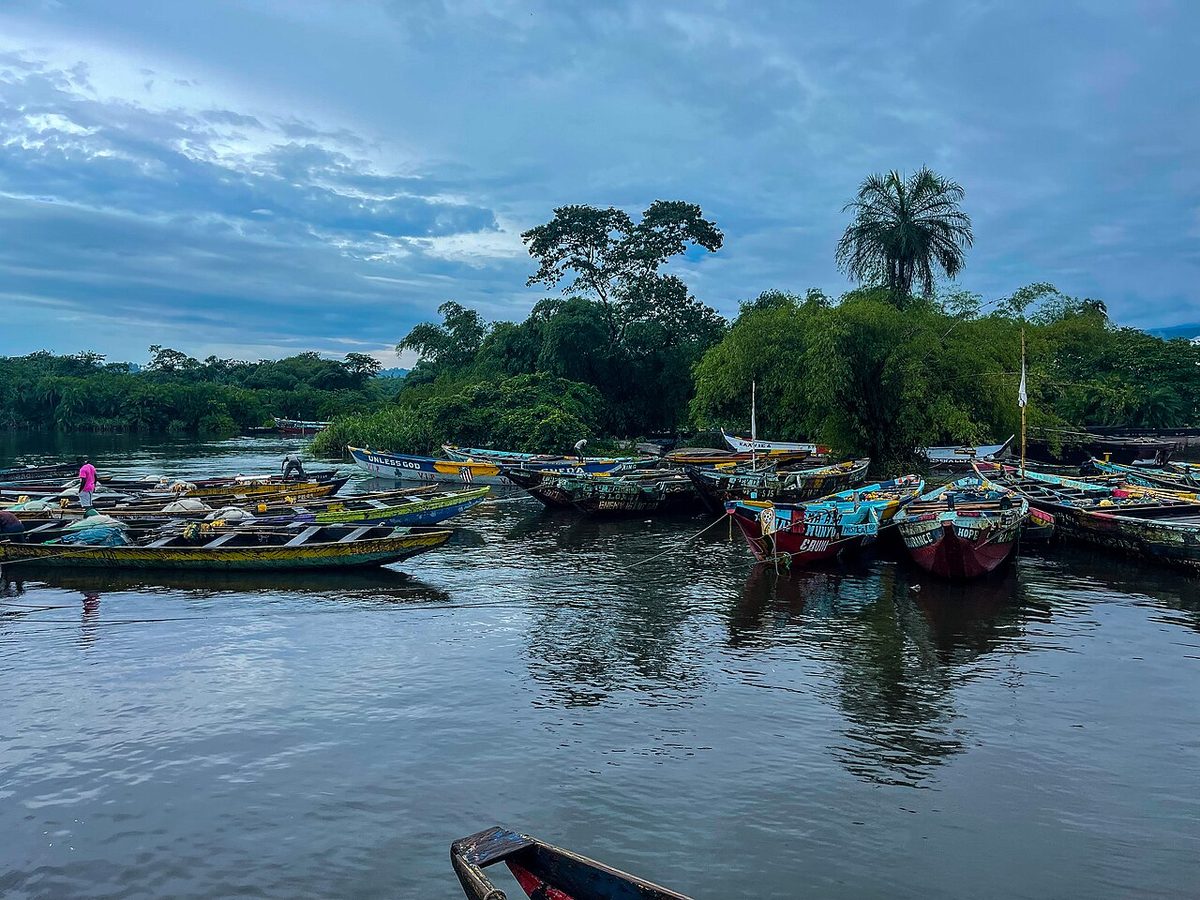
This is the Aruba fantasy: a table on the sand, the tide an inch from your toes, a plate of seafood and a glass of something cold as the sky goes pink. The food at these spots is usually good rather than transcendent, and you are partly paying for the setting, but on the right night the setting is the whole point.
Flying Fishbone, Savaneta: the original toes-in-the-water dinner
Flying Fishbone has been doing this since 1997 and effectively invented Aruba’s toes-in-the-water dining. Tables are set directly on the beach in Savaneta, and the prime ones sit literally in the shallows, so the water laps your ankles between courses. The menu leans European-meets-Caribbean: the long-running Savaneta Seafood History platter, lobster or shrimp casserole, scallops Florentine, salmon with lemongrass, seafood pasta. Expect around $50 to $80 a person with drinks.
Dinner is nightly from about 5:30 to 10:00 p.m., and the sunset tables fill first, so reservations are essential and you should specifically request a table in the water when you book. It is a 25-to-30-minute drive from the Palm Beach hotels, so factor in a taxi or a rental car. This is a special-occasion room; for more ideas in that vein, see our guide to planning an Aruba honeymoon.
Atardi, Palm Beach: upscale sand-dining at the Marriott
Atardi (Papiamento for “sunset”) is the Aruba Marriott’s seasonal beachfront restaurant, and it is the polished, grown-up version of the toes-in-sand idea. White-linen tables go straight onto Palm Beach for sunset service only, with grilled fish, lobster, and seafood towers. It is expensive, roughly $70 to $110 a person, and it is firmly a special-night splurge, but the combination of soft sand, sinking sun, and properly cooked seafood is hard to beat. Book well ahead; it is small and popular.
Hadicurari & Passions: beachside without the splurge
For a gentler middle ground, Hadicurari sits right on the fishermen’s pier between the Marriott Surf Club and the Holiday Inn on Palm Beach, with sand underfoot, twinkling lights overhead, and fresh catch landing on the pier out front. Grilled snapper and the mixed seafood grill are the moves, at around $35 to $60 a person. Down at Eagle Beach, Passions on the Beach (at Amsterdam Manor) does a similar torch-lit sand-table dinner. Both pair naturally with a slow day on the sand; our rundown of the best beaches in Aruba will help you pick where to spend the hours before dinner.
Upscale seafood in Aruba: when you want it cooked with real skill
Sometimes you do not want a paper plate or sand in your shoes. You want a wine list, a kitchen that can cook a fillet to the exact right minute, and a room that feels like an occasion. Aruba has a small but solid tier of upscale seafood, mostly in the resorts and downtown.
Aquarius at the Renaissance, Oranjestad
Aquarius, inside the Renaissance Marina Hotel downtown, is the reliable choice for polished seafood without leaving Oranjestad. Think red snapper done properly, seafood platters, and a generous seafood-forward breakfast and dinner menu in a cool, contemporary room. It is a comfortable $45 to $75 a person for dinner. It is not the place for raw-edged local authenticity, but it is where the cooking technique is most dependable, which matters when you are paying resort prices.
Pure Ocean, White Modern Cuisine, and the beach-club tier
Along Eagle Beach, Pure Ocean (at Divi) puts competent Mediterranean-leaning seafood right on the sand in a more relaxed setting than Atardi, with grilled catch, pasta, and ceviche around $40 to $70. White Modern Cuisine, also near Eagle Beach, is the see-and-be-seen all-white lounge-restaurant where the seafood is good and the scene is the draw. These are not where the freshest hand-line catch lands, but they cook carefully and the settings are genuinely lovely.
Driftwood, Oranjestad: catch it, then eat it
Driftwood deserves a special mention because of its origin story. The restaurant is tied to its own sportfishing boat, so a chunk of what reaches the kitchen was caught by the owner’s operation, and you can even book the charter, catch your own fish, and have Driftwood cook it for dinner. The room is all weathered nautical wood scrawled with diners’ messages, the fish soup has a loyal following, and dinner runs around $40 to $70 a person. It is touristy, but the catch-and-cook angle is real and fun.
What fish is actually local in Aruba (and what isn’t)
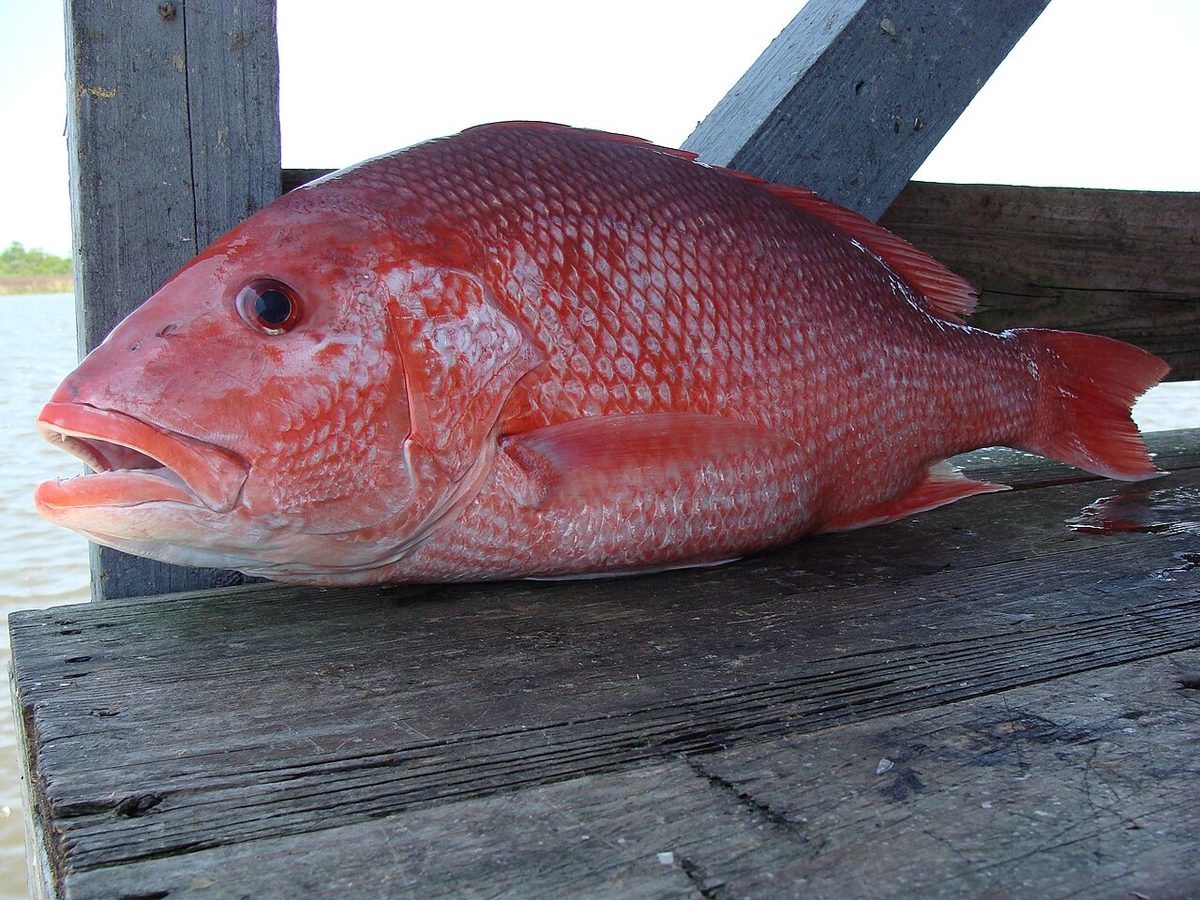
This is the section the glossy listicles skip, so here is the straight version. Aruba has roughly 120 full-time fishermen who mostly work hand-lines off the southwest coast, hauling big fish up from depths near 400 feet by skill and arm strength. Nets are nearly useless here because of the wind and current, so the catch skews toward larger deep-water species rather than reef fish in bulk.
- Genuinely local and excellent: wahoo (firm, sweet, the best all-rounder), mahi-mahi/dorado, red snapper, grouper, kingfish, barracuda, and some yellowfin tuna. These are what “catch of the day” should mean.
- Local but seasonal or limited: Caribbean spiny lobster (a defined season, no claws like a Maine lobster), conch (calco), and, increasingly, lionfish, which is invasive and which eating actively helps the reef.
- Almost always imported: salmon, Maine/clawed lobster, scallops, mussels, oysters, calamari, and most shrimp. None of that is a scandal; just do not pay a premium believing it is local.
The single most useful question you can ask any Aruban server is simply: “What here is local and caught fresh?” The good places will tell you happily and steer you right. To understand why so much arrives by boat and plane in the first place, our overview of things to do in Aruba and the island’s arid, import-reliant setup gives the wider context, and our travel tips for Aruba cover practical money and dining etiquette.
How the local catch is cooked: keri-keri, pisca hasa, and fish soup
Beyond grilled and fried fillets, look for the traditional Aruban preparations. Pisca hasa is the catch of the day lightly pan-fried, often grouper, snapper, or mahi, and frequently finished with a tomato-based creole sauce. Keri-keri (sometimes kari-kari) is shredded, seasoned fresh fish, a savory, slightly sweet preparation that is pure island home cooking. You will also see fish balls and a deeply flavored Aruban fish soup. For a fuller tour of these dishes and the culture behind them, our guide to local Aruban food is the companion read to this one, linked from the main Aruba restaurants hub.
Conch, lobster, and the shellfish worth ordering
Shellfish in Aruba is a mixed bag, and knowing the difference saves money. Conch (calco) is the local star: tough until it is cooked right, then sweet and almost like a scallop crossed with calamari. The classic is calco stoba, a slow-cooked conch stew in a tomato-based gravy, and you will also find conch fritters at casual beach bars. When it is done well, it is one of the most distinctive things you can eat here.
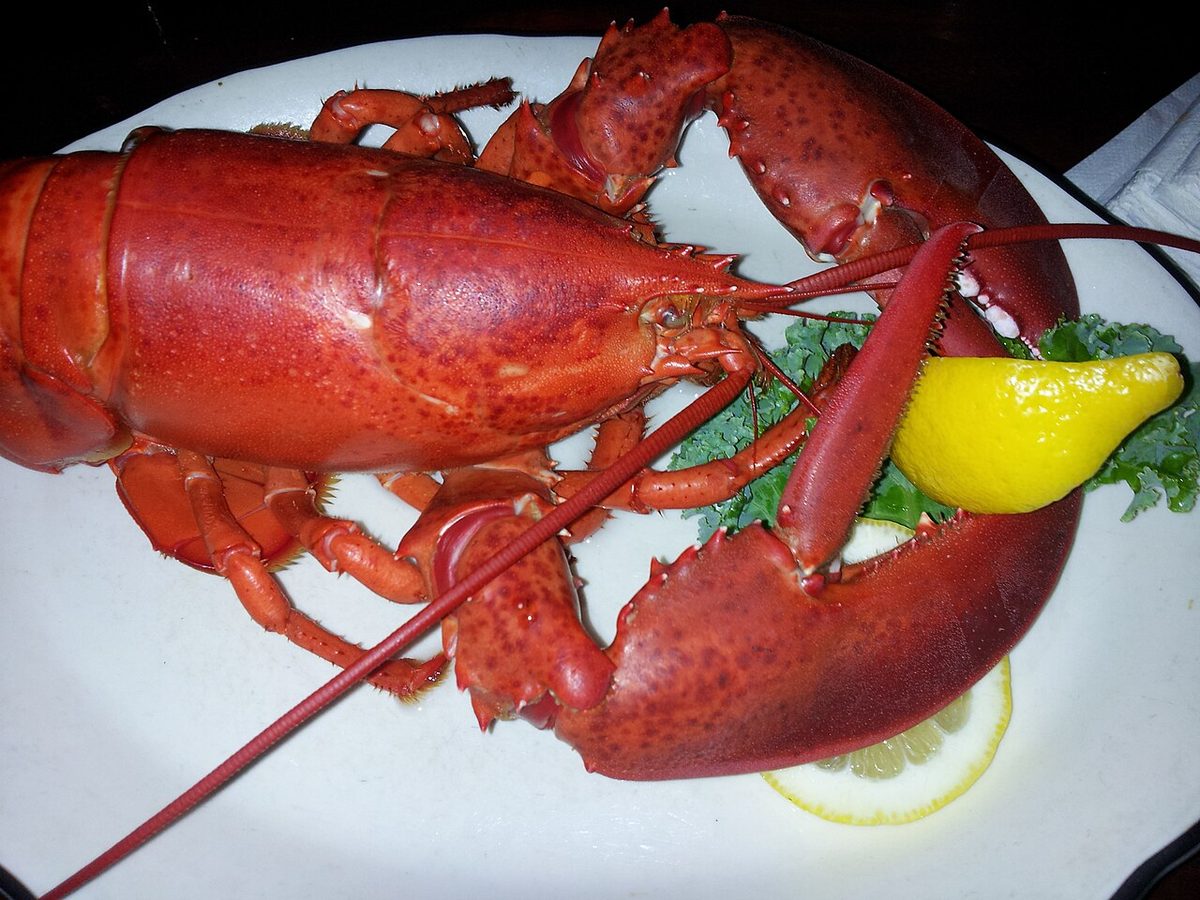
Caribbean spiny lobster is genuinely local in season, with no front claws and sweet tail meat, often grilled or in a casserole at places like Flying Fishbone. If a menu offers big clawed “Maine-style” lobster, that is imported and priced accordingly. Shrimp is almost always imported but can still be excellent, especially Zeerovers’ head-on jumbo shrimp or coconut shrimp at the casual spots. As a rule: order conch and spiny lobster for the local experience, and treat clawed lobster and scallops as imported treats rather than catch-of-the-day.
Best seafood in Aruba by area
Where you are staying shapes where you should eat, because Aruba is small but the drives add up. Here is the lay of the land.
Palm Beach & Noord (the high-rise hotel zone)
If you are in the high-rise strip, you have Wacky Wahoo’s for the freshest local catch, Hadicurari for sand-floor beachside grilling on the fishermen’s pier, and Atardi for the upscale sunset splurge, all within a short taxi ride. This is the densest restaurant cluster on the island; our full guide to the best restaurants in Palm Beach maps the area in detail, and if you are choosing a base, see where to stay in Aruba.
Eagle Beach & Manchebo (the low-rise zone)
The low-rise area trades nightlife for calm and has some of the prettiest beach dining: Pure Ocean and White Modern Cuisine for polished seafood, and Passions on the Beach for torch-lit sand tables. It pairs perfectly with the island’s widest, quietest sand. Many travelers on an all-inclusive resort still slip out for a seafood night here, and it is worth doing.
Oranjestad (downtown & the marina)
Downtown gives you Aquarius for reliable upscale seafood, Pinchos out on its little pier for grilled shrimp and sunset cocktails, Driftwood for catch-and-cook, and The Old Fisherman for a local, no-fuss plate. It is also the cruise-port zone, so it is the easiest area to reach without a car. If you are weighing a rental, our guide to getting to and around Aruba lays out the options.
Savaneta & the south (worth the drive)
This is the soul of Aruban seafood: Zeerovers for the by-weight fish shack experience and Flying Fishbone for toes-in-the-water dining, both in the old first capital of Savaneta, about 25 to 30 minutes south of the hotels. Combine either with a day at Baby Beach or in the wild south, which dovetails neatly with a trip to Arikok National Park. Build it into your route using our sample Aruba itinerary.
Reservations, sunset timing, and other practical tips
A few logistics turn a good seafood night into a great one.
- Reserve the sit-down spots, skip reservations at the shacks. Flying Fishbone, Atardi, Aquarius, and the beach-club tier need a booking, often days ahead in high season (roughly mid-December through April). Zeerovers and Wacky Wahoo’s do not take reservations, so time your visit off-peak or expect to wait.
- Chase the sunset, but book around it. Sunset in Aruba lands roughly between 6:30 and 7:15 p.m. depending on the season. The toes-in-sand tables sell out for that window first, so reserve a seating about 30 to 45 minutes before sundown and request a front-row table specifically.
- Plan the drive south. If you are heading to Savaneta, do not rely on finding a taxi for the return leg; arrange the pickup in advance or drive yourself. Costs add up, so it is worth glancing at our Aruba vacation cost breakdown.
- Pair it with the water. A morning of snorkeling or a fishing charter makes a seafood dinner hit differently; see our guide to Aruba water sports, and note that some charters (like Driftwood’s) end with the kitchen cooking your catch.
- Tip and pay smart. A 15 to 20 percent tip is standard. Many spots add a service charge, so check the bill first. Cards are widely accepted, but carry some cash for the shacks and tip jars.
Timing your whole trip well helps too: the quieter, often cheaper shoulder months make the popular seafood rooms far easier to book. See the best time to visit Aruba to plan around the crowds.
Frequently asked questions about seafood in Aruba
What is the best seafood restaurant in Aruba?
For the freshest, most genuinely local fish, Zeerovers in Savaneta is the top pick: a fishermen’s collective where you order the day’s catch by weight and eat it on a pier for around $15 to $30 a person. If you want fresh local fish closer to the Palm Beach hotels, Wacky Wahoo’s is the answer. For a romantic splurge, book Flying Fishbone.
Is the seafood in Aruba fresh, or is it imported?
Both. Aruba has a real local catch (wahoo, mahi-mahi, red snapper, grouper, barracuda, conch, and seasonal spiny lobster) landed by hand-line off the south coast. But because the island is dry and small, salmon, scallops, mussels, clawed lobster, and most shrimp are imported. The fix is simple: ask your server what is local and caught fresh, and order that.
Where do locals eat seafood in Aruba?
Locals favor the honest, fish-first spots over the resort dining rooms. Zeerovers in Savaneta is the classic, packed with Arubans on Friday nights and Sunday afternoons. Wacky Wahoo’s in Noord, The Old Fisherman downtown, and Marina Pirata on its dock at Pos Chikito are all local favorites where the focus is the catch, not the scene.
How much does a seafood dinner cost in Aruba?
It spans a wide range. A fish-shack meal at Zeerovers runs around $15 to $30 a person. Mid-range fisherman-owned and beachside spots like Wacky Wahoo’s or Hadicurari land around $35 to $60. Upscale and toes-in-sand rooms such as Flying Fishbone, Aquarius, and especially Atardi run from roughly $50 to over $100 a person with drinks.
Do I need reservations for seafood restaurants in Aruba?
For the sit-down and beachfront restaurants, yes. Flying Fishbone, Atardi, Aquarius, and the beach clubs should be booked ahead, often several days out in high season, and you should request the prime water-side or sunset tables specifically. The casual shacks (Zeerovers, Wacky Wahoo’s) do not take reservations, so arrive off-peak or be ready to wait 30 to 60 minutes.
What local fish should I order in Aruba?
Order wahoo first if it is available; it is firm, sweet, and the island’s best all-rounder. Mahi-mahi (dorado), red snapper, and grouper are also genuinely local and excellent. For something traditional, try pisca hasa (pan-fried catch with creole sauce), keri-keri (shredded seasoned fish), conch stew, or Aruban fish soup. In season, Caribbean spiny lobster is a local treat.
Final thoughts: eat where the boats are
The trick to seafood in Aruba is not finding a restaurant on the water; nearly all of them are. It is finding the ones where the kitchen sits closest to the boats and is honest about the rest. Spend one meal at Zeerovers to taste what genuinely fresh fish means here, one sunset with your feet in the sand at Flying Fishbone or Atardi for the romance, and fill the rest with fisherman-owned spots like Wacky Wahoo’s. Ask what is local, order the wahoo, and you will eat some of the best meals of your trip. When you are ready to plan the rest of your eating, head back to our complete Aruba restaurants guide, and if dinner runs late, our Aruba nightlife guide picks up where the kitchen closes.
By the ArubaTourism.org team — Last updated June 2026. We are a team of Aruba-focused travel writers who eat our way across the island so you can plan with confidence. Prices and hours change, so treat figures as a guide and confirm current details with each restaurant. Sources consulted include the Aruba Tourism Authority (aruba.com) and on-the-ground reviews from The Infatuation, A Taste for Travel, and Island Hopper Guides.
Photo credits
- Photo: avlxyz / CC BY-SA 2.0 via Wikimedia Commons — source
- Photo: Bim24 / CC BY-SA 4.0 via Wikimedia Commons — source
- Photo: Blaizo 237 / CC BY-SA 4.0 via Wikimedia Commons — source
- Photo: Geeklikepi / CC BY-SA 3.0 via Wikimedia Commons — source
- Photo: JIP / CC BY-SA 3.0 via Wikimedia Commons — source
- Photo: Digimint / CC BY-SA 3.0 via Wikimedia Commons — source