It’s past eleven on a warm night, and the smell hits you before the lights do: char and garlic, grilled meat folded into soft, griddle-warmed bread. A row of trucks sits parked along the boulevard under strings of bare bulbs, a chalkboard menu propped against a cooler. There’s a line of locals in flip-flops and night-out dresses, salsa leaking from a phone, a cook flipping ribs with long tongs. These late-night Aruba food trucks are where the island really eats after dark, and they are something the resort buffets will never tell you about.
If you only ever eat inside air-conditioned dining rooms, you’ll miss half of what makes this island delicious. The trucks and roadside snack stands are where the real, unfussy, ridiculously good local cooking lives, and most of it costs a few dollars. I’ve spent more late nights than I should admit chasing these trucks around Aruba, and this guide is the one I wish someone had handed me: what to order, where the trucks gather, what it costs, and how not to look like a total tourist when you walk up to the window.
The short version: Aruba’s food-truck and street-food scene runs in two shifts. By day, lunch trucks near Eagle Beach and the back roads of Noord serve heaping plates of local seafood and ribs from about 11:30 a.m. to 2 p.m. By night, “truk’i pan” sandwich trucks and grills fire up around Oranjestad and Palm Beach from roughly 7 p.m. until 2 to 5 a.m. Bring cash, come hungry, and follow the crowd of locals.
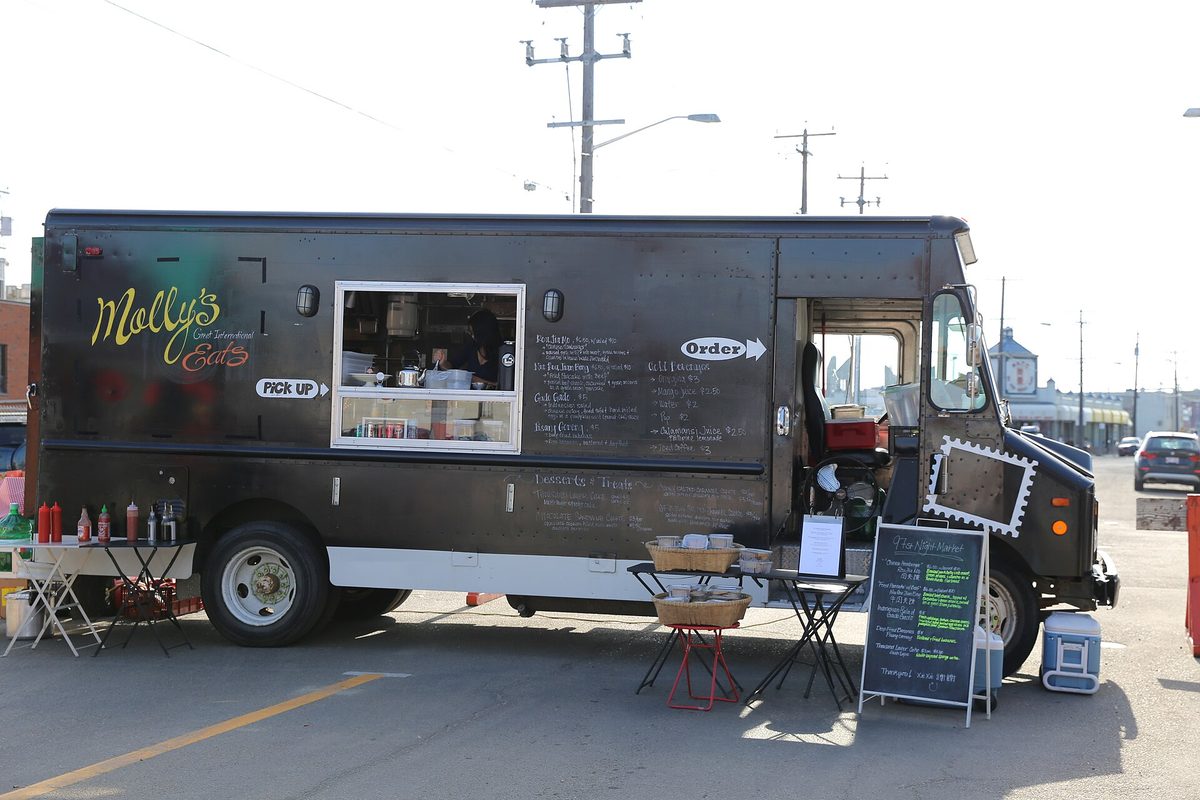
Aruba food trucks at a glance: what to get and where
Here’s the cheat sheet. Prices are rough, in U.S. dollars (the florin is pegged and dollars are accepted everywhere), and trucks move and change hours, so treat this as a starting point and ask a local for their current favorite.
| What to get | What it is | Where to find it | Rough price |
|---|---|---|---|
| Pastechi | Deep-fried half-moon pastry, savory fillings | The Pastechi House & bakeries, Oranjestad; morning snack stands | ~$2 each |
| Truk’i pan sandwich | Grilled meat or burger on soft bread, with fries | Night trucks, Oranjestad & Palm Beach | ~$5–$10 |
| Saco / BBQ box | Ribs, chicken, fries & johnny cake in a paper bag | San Nicolas (Saco di Felipe, Grill Twenty One) | ~$10–$15 |
| Johnny cake | Fried bread stuffed with cheese, fish or chicken | Grote Berg Snack, San Nicolas | ~$2–$4 |
| Arepa / patacon | Corn cake or fried-plantain sandwich, stuffed | Julio’s Food Corner; Latin trucks | ~$5–$8 |
| Lunch seafood plate | Fresh fish (often mahi-mahi) with sides | Mama’s Truck (Eagle Beach), Nos Local | ~$10–$15 |
| Churros / poffertjes | Fried-dough sweets, sugar or Nutella | Dessert trucks, Palm Beach | ~$4–$7 |
| Batido | Fresh tropical fruit smoothie | Roadside shacks, Savaneta (Mauchie’s) | ~$4–$6 |
This guide pairs well with the rest of our eating coverage. For the full picture of where and how to eat on the island, start with our complete Aruba restaurants and food guide, then dip into the specifics below.
One thing that surprises first-timers: this isn’t a manufactured “food-truck park” experience like you’d find in a U.S. city. Aruba’s trucks grew out of necessity and community — fishermen, families and home cooks feeding workers and night owls — and many have been run by the same family for decades. The island is home to more than ninety nationalities, and that shows up on the menus: Venezuelan arepas, Colombian grills, Dutch poffertjes and Aruban classics all park within a few blocks of each other. Eating your way through them is one of the cheapest, most authentic things you can do here.
Truk’i pan: the late-night sandwich trucks that locals live for
If there is one thing to understand about eating like an Aruban, it’s “truk’i pan” — literally “bread truck” in Papiamento. These are the late-night grills that roll out after the dinner rush, set up on a corner or in a parking lot, and serve sizzling sandwiches, burgers and BBQ plates until the small hours. It’s a Dutch-Caribbean institution shared with neighboring Curacao, and it is, hands down, my favorite way to end a night out in Aruba.
The format is simple. You walk up, you read the chalkboard, you order something off the grill, and you wait while it’s cooked to order. Most trucks build their reputation on one or two things: a steak-and-cheese, a loaded burger, a garlicky grilled chicken sandwich. Portions are generous and the fries are non-negotiable.
Trucks worth hunting down after dark
Candela Grill is my first recommendation for late-night grub. I keep coming back for the steak-and-cheese platter, and the conch sandwich is the move if you want something more island. Ask for extra garlic sauce — it’s potent, and it’s the whole point. They run two locations, including one downtown off L.G. Smith Boulevard across from Royal Plaza, and they’re open roughly 7 p.m. until 3 a.m. (later on weekends).
Chalo Burger has genuinely caught on with visitors, and for good reason: the burgers come stacked with a near-endless pile of toppings. If you’re stumbling out of a Palm Beach bar and need something hefty, this is it. They have several locations and even do a Sunday daytime BBQ in Palm Beach. El Mexicano, parked in Noord near Palm Beach, does made-to-order tacos and burritos with sauces that do not hold back — ask about the special of the day.
For Latin flavors, Julio’s Food Corner is the spot for arepas, tequenos and patacon (a sandwich that swaps bread for fried green plantain). It’s near the cruise terminal and off Sasaki Road by Eagle Bowling. None of these places are fancy. That’s exactly why they’re good. For more ideas on where the night takes you after dinner, see our guide to nightlife in Aruba.
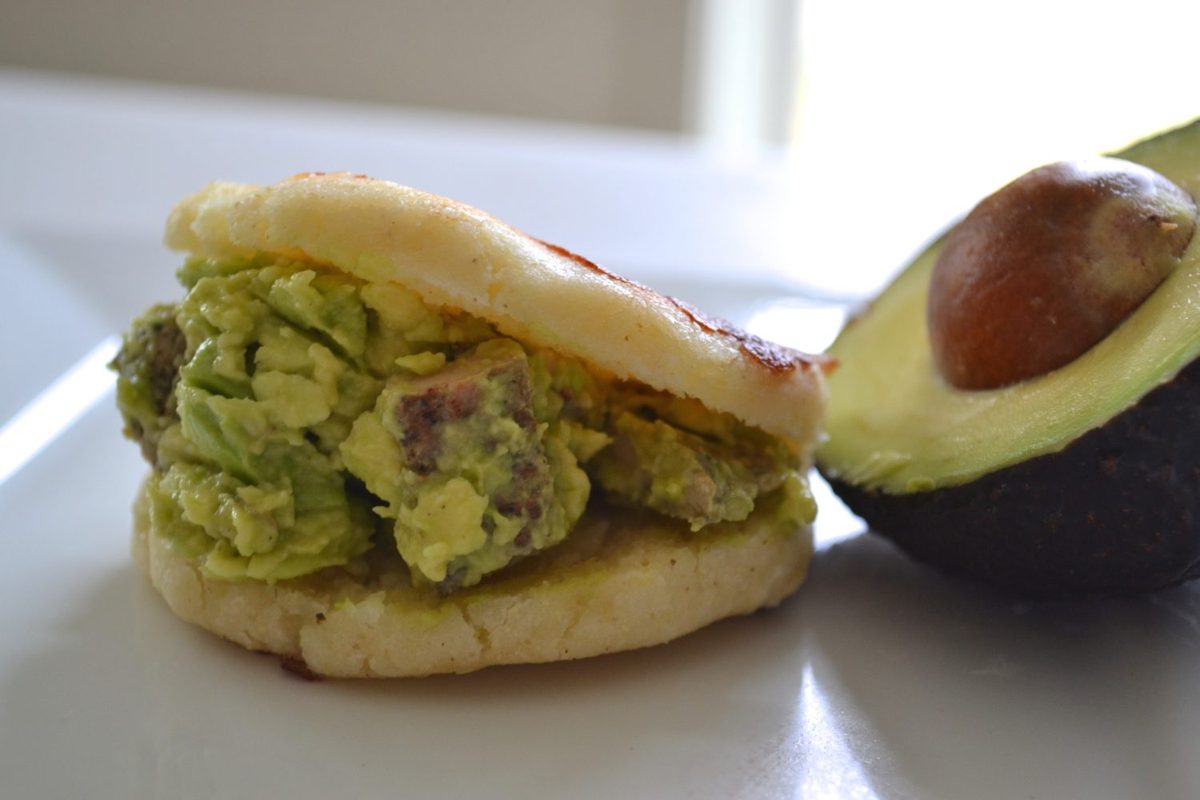
Classic Aruban snacks: pastechi, pan bati and johnny cakes
Before you chase trucks at midnight, get acquainted with the snacks that locals eat all day. These are the building blocks of Aruban street food, and you’ll see them on signs and in bakery cases everywhere once you know the names.
Pastechi: the snack you’ll order again and again
Pastechi (say “pas-TEH-chee”) is Aruba’s most iconic snack: a deep-fried, half-moon pastry with a thin, crispy shell wrapped around a savory filling. Cheese is the classic, but you’ll find ground beef, chicken, tuna, ham, even pizza- and spinach-style options. It’s a breakfast food, a mid-day pick-me-up, and the thing that materializes at every party. They run about $2 each, which makes “just one more” a dangerous habit.
The most famous address is The Pastechi House on Caya G.F. Betico Croes in Oranjestad — an island institution where locals line up for the eponymous pastries, ideally with the spicy garlic sauce. Other reliable names include Moko Snack Corner, Prikibos, Welcome Snack and Tia Rosa (their patacon sandwich is also worth a detour). Bakeries open early, so a bag of warm pastechi makes a perfect cheap breakfast before the beach.
Pan bati and johnny cakes: the island’s daily breads
Two breads define local plates. Pan bati (“beaten bread”) is a cornmeal flatbread somewhere between a thick pancake and cornbread, traditionally cooked in a clay dish. It’s slightly sweet, a little chewy, and built for mopping up stewed fish, BBQ sauce, or whatever’s on the plate. You’ll get it alongside most local lunch-truck meals.
Johnny cakes (locally bolita di pan in some spots) are puffy fried bread, often split and stuffed with cheese, salt fish (bacao), ham or chicken. The name comes from “journey cake,” the portable bread workers once carried by donkey to the fields. For the best on the island, locals send you to Grote Berg Snack near San Nicolas, open daily 7 a.m. to 3 p.m. (closed Sunday). At a couple of dollars each, two johnny cakes are a meal.
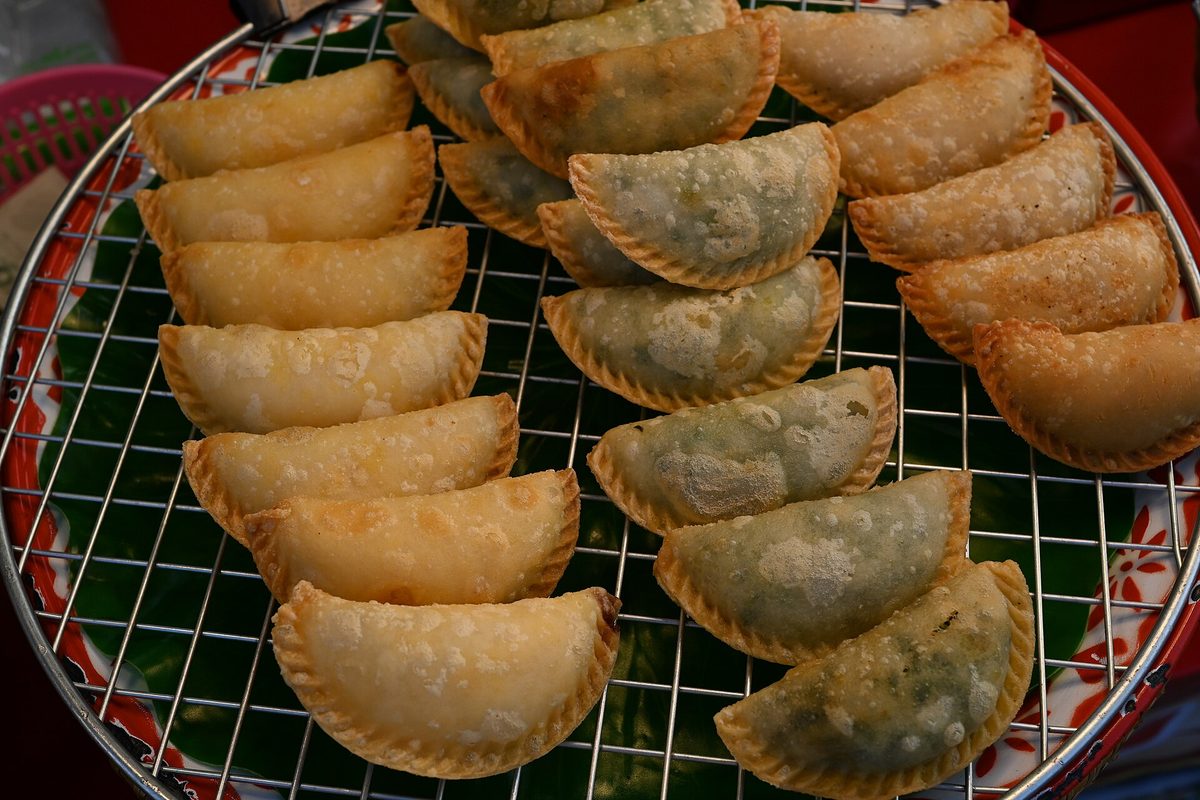
Where the trucks gather: Oranjestad, Palm Beach, Noord and Eagle Beach
Aruba’s trucks don’t sit in one tidy food-truck park. They cluster by neighborhood and by time of day, so knowing where to point your rental car (or your feet) matters. Getting around is easy and cheap; if you haven’t sorted wheels yet, our guide to getting to and around Aruba covers cars, buses and taxis.
Oranjestad after dark
The capital is the heart of the night-truck scene. Around Oranjestad after sundown, the trucks cluster together like an open-air block party, especially along and just off L.G. Smith Boulevard near Royal Plaza and the cruise terminal. It’s walkable, it’s lively, and it’s a natural stop if you’re already downtown for drinks or shopping. Spending a day in town first? Pair it with our roundup of the best things to do in Aruba.
Palm Beach and Noord
The high-rise hotel zone has its own constellation of trucks within walking or a short drive of the resorts — burger trucks, dessert trucks, and Latin grills parked near the malls and roundabouts. If you’re based in this area, you’re never more than a few minutes from a late-night window. It’s an easy add-on to a day on Aruba’s beaches, and a cheap counterpoint to the resort restaurants if you’re watching your Aruba vacation budget.
Eagle Beach and the lunch-truck back roads
Daytime is a different map. The legend here is Mama’s Truck in the Eagle Beach parking lot — a family-run lunch institution serving mountainous plates of local food from 11:30 a.m. to about 2 p.m. (closed Sunday). Come early; they regularly sell out before closing. Out on the back roads near Noord, Nos Local Snack Truck does daily specials and fresh-caught seafood for lunch — if mahi-mahi is on the board, get it. These trucks are an easy, delicious break from a beach day. Eagle Beach itself is one of the island’s best; here’s where it fits among Aruba’s beaches.
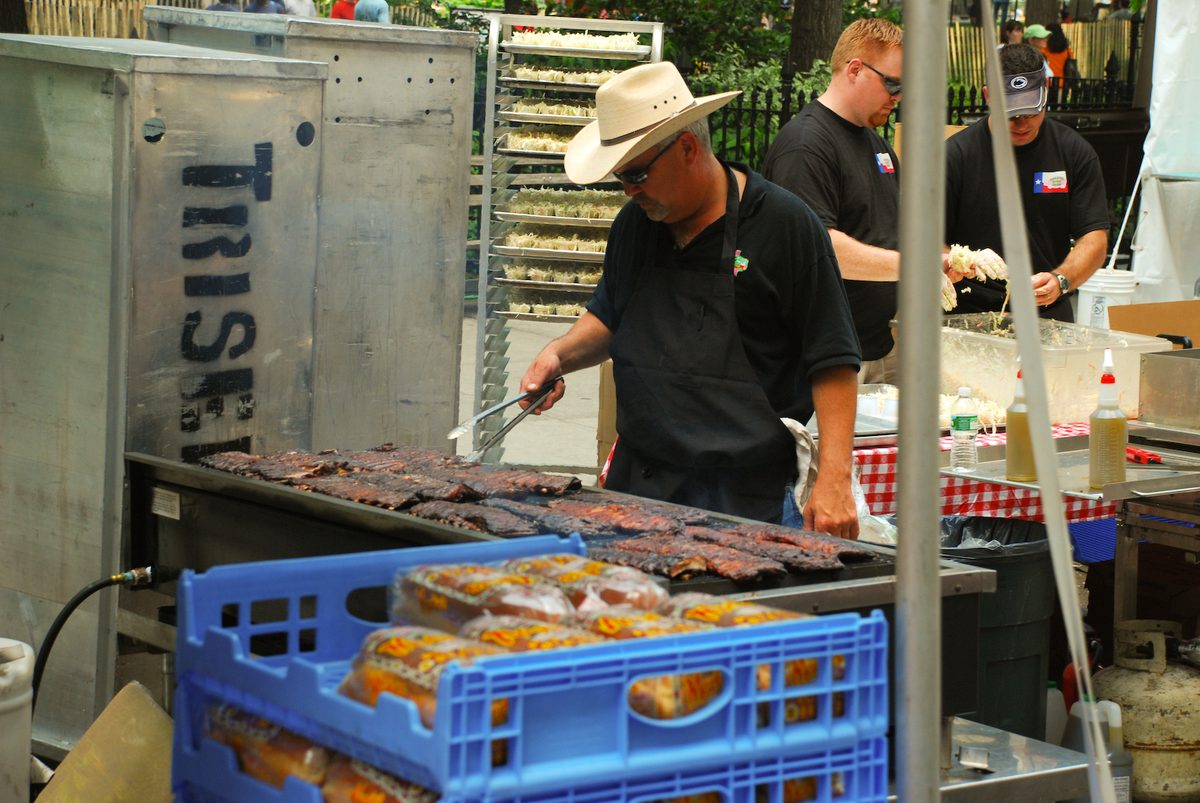
San Nicolas and the local side: saco, BBQ and fresh fish
If you really want to eat like a local, drive south to San Nicolas and the fishing village of Savaneta. It’s about 30 to 40 minutes from the hotels, and the food more than justifies the trip. This is also Aruba’s mural-and-street-art district, so you can combine a food run with a self-guided art walk — one of my favorite half-days on the island, and an easy slot in any Aruba itinerary.
Saco: the brown-bag BBQ feast
A “saco” (Papiamento for “bag”) is a snack platter served in a brown paper bag, usually packed with fries, ribs, chicken and a johnny cake. The grease soaking through the bag is part of the experience — don’t fight it. The most famous address is Saco di Felipe in San Nicolas, so popular that lines are normal; about fifty steps away, Good Idea Snack sells from a kitchen door seven days a week, roughly 6:30 p.m. to midnight.
Barbecue worth the drive
For straight-up barbecue, Grill Twenty One in San Nicolas does boxed plates loaded with ribs, chicken, wings, pork, coleslaw, fries and johnny cake — the kind of meal you think about days later. Closer to Palm Beach, the Local Store does shareable Caribbean dishes (their BBQ “Balashi and Blue” is the signature), open late most days.
Fresh fish at the source
Aruba is a fishing island, and the freshest fish is eaten where it’s landed. Nos Clubhuis, near the Hadicurari pier across from the Marriott, was built as a fishermen’s hangout and serves fried catch with Palm Beach ocean views. Down in Savaneta, Zeerovers is the famous one — you order fish and shrimp by weight, they fry it, and you eat over the water. Expect a line; it’s worth it. If seafood is your priority, we go deeper in our guide to the island’s coast and water.
Sweet treats and drinks: churros, poffertjes and batidos
Street food isn’t all savory. Aruba’s sweet trucks and juice shacks are half the fun, and a great way to keep kids happy on a long day out — see our family guide to visiting Aruba with kids for more.
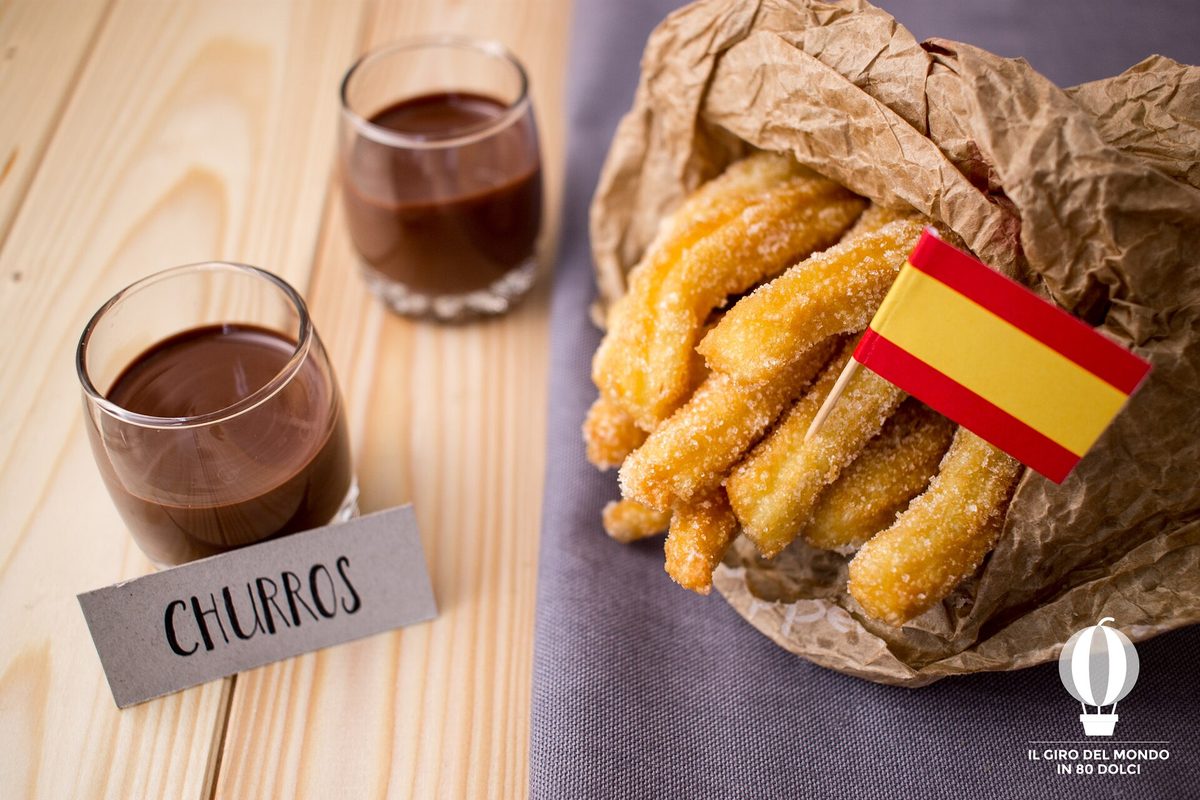
Churros — fried dough rolled in sugar, often with a cup of thick chocolate for dipping — show up at night markets and dessert trucks, especially around Palm Beach. For something Dutch, Pofferdorie in Palm Beach serves poffertjes, tiny puffy pancakes drowned in butter and powdered sugar (add Nutella, stroop or strawberries). Both are cheap, messy and excellent.
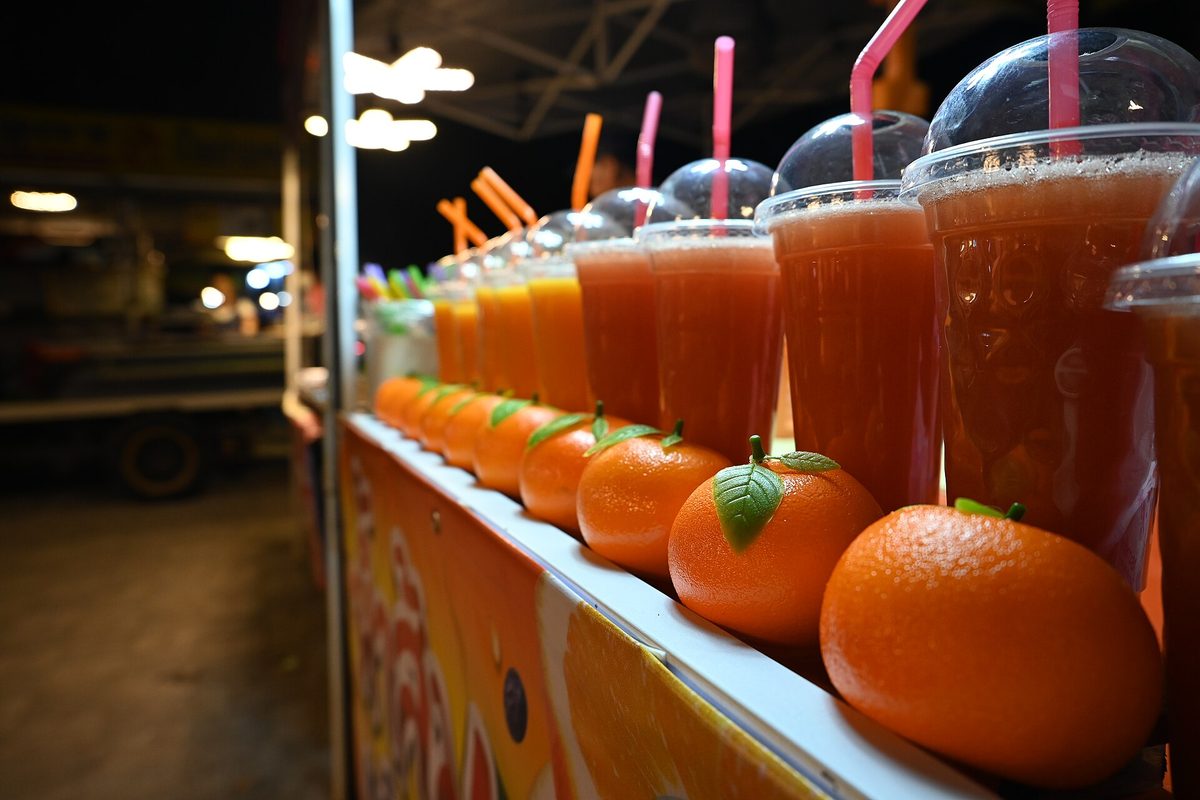
To drink, look for a batido — a fresh fruit smoothie blended with milk or juice. Signs advertising “batidos,” “bolo” (cake) and “croquette” mark the local snack stands. One of the most beloved juice shacks is Mauchie’s Smoothie Shack in Savaneta, next to the Wintergarden supermarket; the Wild Green is the insider order. On a hot afternoon, nothing beats it.
One more local sweet worth knowing: bolo (cake) and quesillo (a caramel flan) turn up at snack stands and bakeries, and roadside fruit vendors sell whatever’s in season — mango, papaya, soursop and the bright-pink dragon fruit grown on Aruba’s own cactus farms. If you spot a hand-painted sign for “fruta fresca” on a back road, it’s worth a stop.
How to order: cash, hours, hygiene and other practical tips
A few things that will make your food-truck runs smoother and save you a frustrating moment at the window.
- Bring cash. This is the big one. Many trucks and snack stands are cash-only, and even the ones with a card machine sometimes have it “down.” Carry small bills in U.S. dollars or florins; both work.
- Know the two shifts. Lunch trucks run a tight window (roughly 11:30 a.m. to 2–3 p.m.) and sell out. Night trucks and truk’i pan grills start around 7 p.m. and go until 2 to 5 a.m. There’s a quiet gap in the late afternoon when little is open.
- Follow the locals. The busiest truck is busy for a reason. A long line of residents is the single best signal of quality and freshness.
- Hygiene is generally good. Aruba’s stands are well-run and food is cooked to order over high heat. Use common sense — eat where there’s turnover — and you’ll be fine. Hedge with bottled water if you have a sensitive stomach.
- Be patient and friendly. Everything is made fresh, so a busy night means a wait. A little Papiamento (“danki” for thank you) goes a long way.
- Plan for the heat and timing. If you’re building a food crawl into your trip, check the best time to visit Aruba and a few general Aruba travel tips first.
Where you stay shapes how easy this all is. Palm Beach and Oranjestad put you closest to the night trucks; quieter areas mean a short drive. Compare neighborhoods in our guide to where to stay in Aruba, and if you’re leaning toward a resort, see our roundup of Aruba all-inclusive resorts (though honestly, the trucks are why I’d skip a few buffet dinners). Couples planning a trip can also fold a fun, low-key food night into an Aruba honeymoon.
Frequently asked questions about Aruba food trucks
Are Aruba food trucks safe to eat at?
Yes. Aruba’s food trucks and snack stands are generally clean, well-run and busy, which means high turnover and fresh food cooked to order over high heat. Stick to stands with a steady stream of local customers, and you’re very unlikely to have a problem. If you have a sensitive stomach, drink bottled water and ease in gradually, but the scene is tourist-friendly and widely enjoyed.
What is truk’i pan in Aruba?
Truk’i pan means “bread truck” in Papiamento. It refers to the late-night food trucks that set up around Oranjestad and Palm Beach in the evening and serve grilled sandwiches, burgers and BBQ plates with fries, typically from about 7 p.m. until the early morning. It’s a beloved Dutch-Caribbean tradition and the classic way locals cap off a night out.
How much does street food cost in Aruba?
Street food in Aruba is cheap by island standards. A pastechi runs about $2, a johnny cake $2 to $4, a truk’i pan sandwich with fries roughly $5 to $10, and a full BBQ or saco box around $10 to $15. A fresh batido smoothie is $4 to $6. Bring cash, since many trucks don’t take cards.
What is the most popular street food in Aruba?
Pastechi is the most popular and iconic Aruban snack — a deep-fried, half-moon pastry with savory fillings like cheese, beef or chicken, eaten any time of day. Close behind are johnny cakes, pan bati (cornmeal flatbread), and late-night truk’i pan sandwiches. For a sit-down meal, fresh-caught fish from places like Zeerovers is a local favorite.
Where do you find food trucks in Aruba?
By night, look around Oranjestad (especially L.G. Smith Boulevard near Royal Plaza) and the Palm Beach hotel zone. By day, head to Mama’s Truck at Eagle Beach and the lunch trucks on the back roads of Noord. For local BBQ, saco and fresh fish, drive south to San Nicolas and Savaneta. Trucks move, so ask a local for the current spot.
Final thoughts: eat where the locals eat
You can have a perfectly nice trip to Aruba never leaving the resort restaurants. But the meals I remember most aren’t the white-tablecloth ones — they’re a paper bag of ribs eaten on a curb in San Nicolas, a garlicky steak sandwich at midnight under string lights, a warm pastechi before the beach. The food-truck scene is where Aruba’s hundred-plus nationalities actually show up on a plate, and it’s absurdly affordable. Go hungry, bring cash, talk to people, and order the thing the line is waiting for. When you’re ready to plan the rest of your eating, our Aruba restaurants and food guide ties it all together.
By the ArubaTourism.org team — Last updated June 2026
Photo credits
- Food truck at night market — Photo: Mack Male / CC BY-SA 2.0 via Wikimedia Commons
- Stuffed arepa with avocado — Photo: Mitdralla / CC BY-SA 4.0 via Wikimedia Commons
- Fried pastechi-style pastries — Photo: PattayaPatrol / CC BY-SA 4.0 via Wikimedia Commons
- Barbecue ribs on the grill — Photo: Jazz Guy / CC BY 2.0 via Wikimedia Commons
- Churros with chocolate — Photo: Simone Coletta / CC BY-SA 3.0 via Wikimedia Commons
- Fresh fruit batidos — Photo: PattayaPatrol / CC BY-SA 4.0 via Wikimedia Commons