I flew to Aruba braced for the bill. Everything I’d read warned that this island wrecks your wallet, that “budget Caribbean” was an oxymoron here, and that a dinner out would cost me sixty dollars before the wine list. So on my first afternoon I drove to a weather-beaten fish shack in Savaneta called Zeerovers and walked away stuffed on fried snapper and shrimp for under fifteen bucks.
That one meal rewired how I ate for the rest of the trip. This is the guide to cheap eats Aruba locals actually rely on, written after a lot of pastechi and one very greasy paper bag of barbecue I have no regrets about. If you picture Aruba as a place where you either eat at the resort buffet or go broke, let me talk you out of it: some of the best food here is also the cheapest.
The short answer: You can eat extremely well in Aruba on a budget by skipping the beachfront resort strip and following locals to fish shacks like Zeerovers, roadside food trucks (truck di pan), and neighborhood bakeries. Plan on roughly $40-$60 a day for food if you mix snack-truck meals, one big seafood plate, and some groceries. The further you drive from Palm Beach, the cheaper and more authentic it gets.
This guide is for travelers who want the real island, not just the resort version of it: backpackers, families counting every dollar, couples saving the splurge for one nice dinner, and anyone curious what Arubans eat when they’re not catering to tourists. It’s a companion to our broader Aruba restaurants and food guide, zoomed in on the wallet-friendly end. Prices below are in US dollars (widely accepted alongside the Aruban florin) and are rough 2026 figures, so treat them as ballparks and check current menus.
Cheap Eats Aruba: Our Top Budget Picks at a Glance
If you only remember a handful of places, make it these. Here’s the quick-scan version, sorted roughly from “cheapest snack” to “biggest cheap feast,” so you can match a spot to your hunger and your budget.
| Spot | What to get | Where | Rough price |
|---|---|---|---|
| Truck di pan (food trucks) | Pastechi, burgers, fries, hot dogs | Roadside, island-wide | $3-$10 |
| Local bakeries (Huchada) | Pastechi, pan dushi, cashew cake | Santa Cruz, Oranjestad | $1.50-$6 |
| Grote Berg / snack corners | Johnny cakes stuffed with cheese or fish | Noord, San Nicolas | $3-$7 |
| Eduardo’s Beach Shack | Acai bowls, smoothies, vegan bites | Palm Beach | $5-$14 |
| Saco di Felipe | Saco: bag of ribs, chicken, fries, Johnny cake | San Nicolas | $8-$15 |
| Charlie’s Bar | Fish and chips, casual lunch | San Nicolas | $15-$20 |
| Zeerovers | Fried fish and shrimp by the pound + sides | Savaneta | $15-$30 |
| Supermarket deli (Super Food) | Rotisserie chicken, sandwiches, salads | Noord | $5-$12 |
Notice what’s not on that list: the famous high-rise restaurants on Palm Beach. They’re lovely, and a couple are worth a splurge, but none of them are how you eat cheaply here. Everything above is either a roadside counter, a fish shack, or a bakery, and that’s the whole secret.
Fish Shacks: The Cheapest Great Meal on the Island
If there’s a single dish that converts skeptics, it’s a basket of fried fish eaten with your fingers at a picnic table by the water. This is where Aruba’s budget food scene is at its absolute best, and it’s the first thing I’d send any visitor toward.
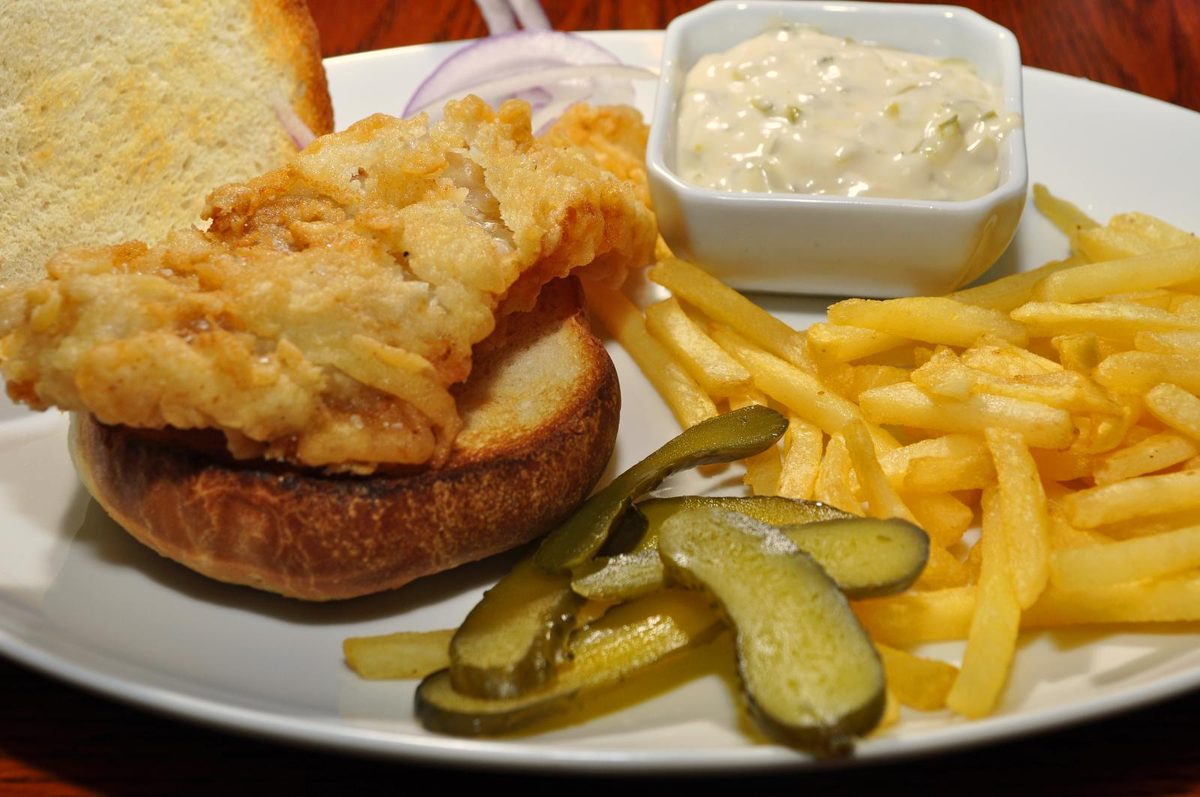
Zeerovers, Savaneta
Zeerovers is a working fishermen’s hangout on a pier in Savaneta, on the island’s quieter south side, and it’s the spot I keep recommending to friends. You order fish and shrimp by the pound at the counter, they fry it fresh, and it comes out in a plastic basket with fries, fried plantain, pan bati, and tartar sauce. A pound of fish runs roughly $13-$16; shrimp is a touch more. One pound plus sides easily feeds one hungry person for around $15-$20, and two people can graze off a couple of pounds for under $25 each with drinks.
Two honest warnings. First, it gets busy — lines build at lunch and on weekends, so go early (it opens late morning) or expect to wait. Second, this is a no-frills, plastic-fork, order-at-the-window operation, not a romantic dinner. That’s the charm, but go in knowing it. It’s about a 25-minute drive from the high-rise hotels; pair it with a swim at nearby Baby Beach or a wander through Arikok National Park to make the trip south worth it.
Nos Clubhuis and the Hadicurari fishermen, Palm Beach
If you don’t want to drive to Savaneta, there’s fresh fried fish much closer to the resorts. Nos Clubhuis sits right on Palm Beach near the Hadicurari pier (across from the Marriott Surf Club), originally built as a clubhouse for local fishermen. When the boats come in, you can eat the catch of the day with an actual ocean view for far less than the restaurants a few hundred yards away. It’s a great middle ground if Savaneta feels too far but you still want shack prices. It’s also handy if you’re spending the day on the sand along Aruba’s beaches.
Charlie’s Bar, San Nicolas
Charlie’s Bar has been a San Nicolas institution since 1941, its ceiling crammed with decades of license plates and travel junk. It’s touristy, yes, but the lunch menu is surprisingly reasonable: the fish and chips and the “shrimps in the rough” land around $15-$20, and you’re paying partly for one of the most atmospheric rooms on the island. Combine it with San Nicolas’s famous street-art murals for an easy, cheap day in Aruba’s “Sunrise City.”
Food Trucks and Street Snacks: Eating Like a Local for Pocket Change
Arubans call their roadside food trucks truck di pan — literally “bread truck” — and they are the backbone of cheap eating here. They park along main roads, near the high-rise hotels at night, and in the industrial stretches, and they stay open late when everything else has closed. A full meal usually runs $5-$10, and the quality often beats restaurants charging triple.
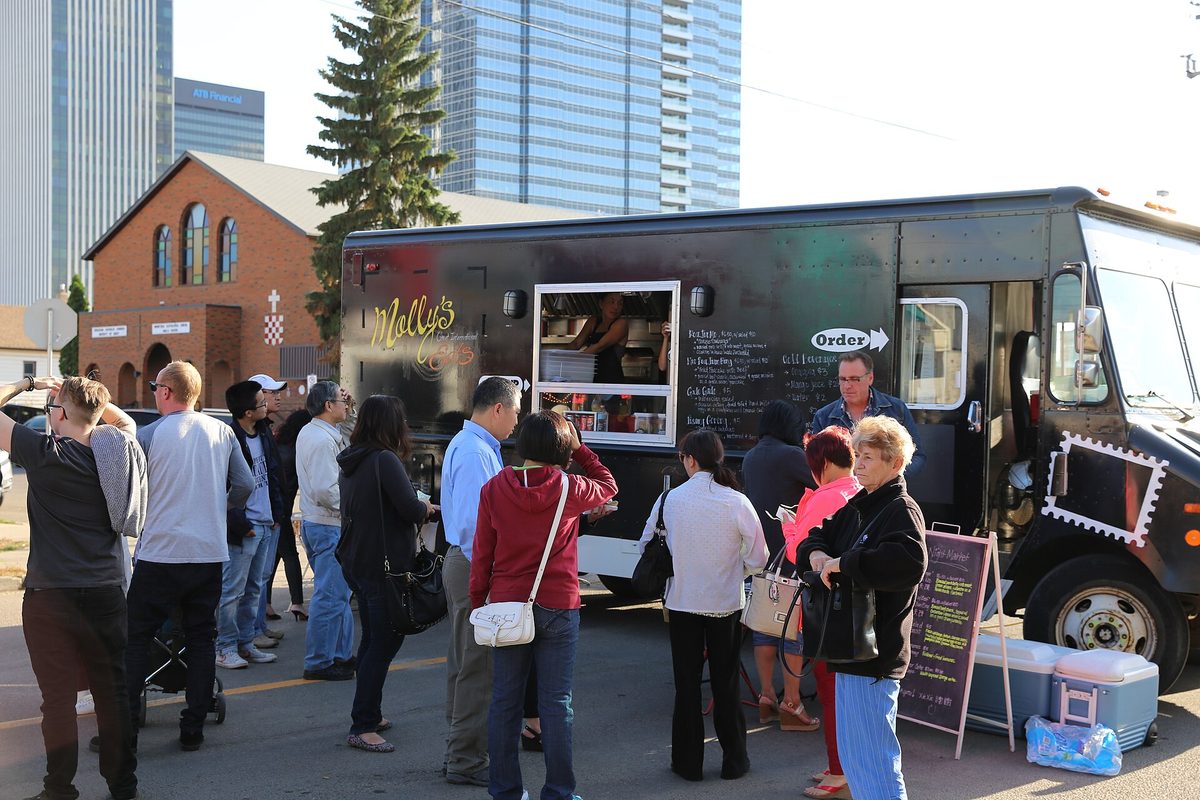
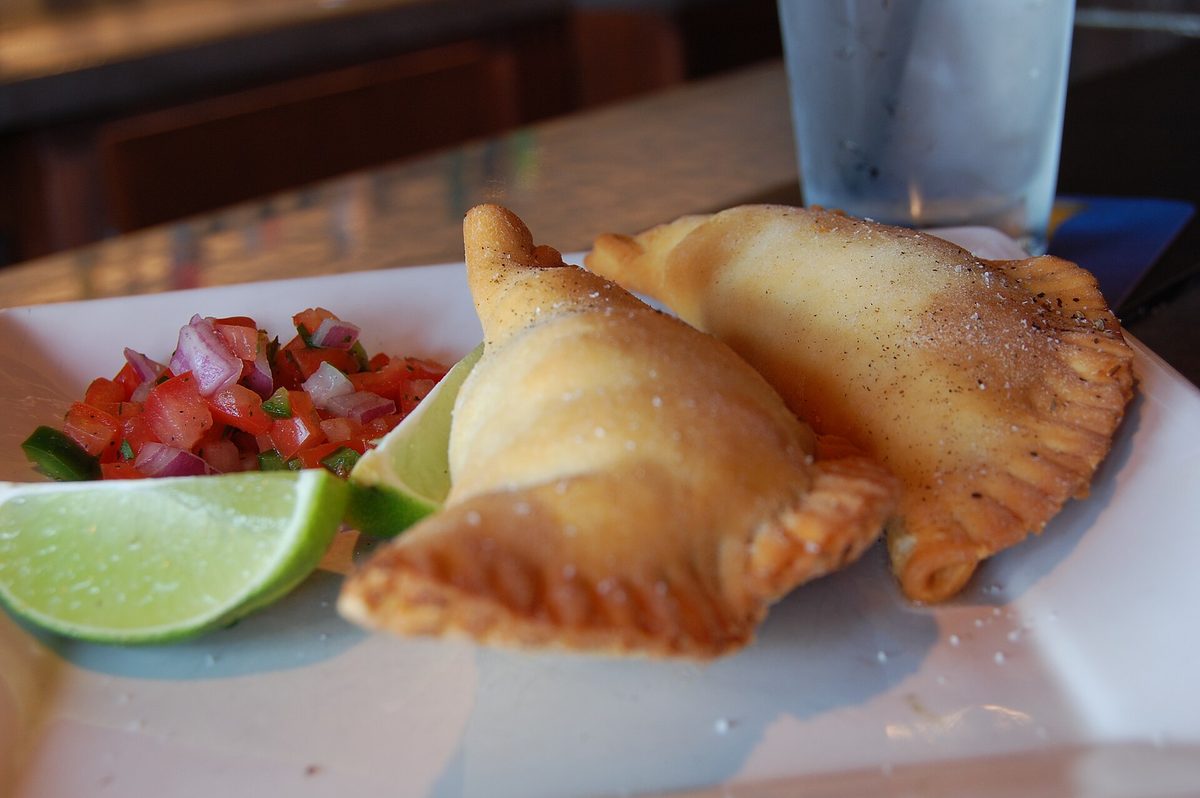
Pastechi: the island’s MVP snack
If you try one thing, make it a pastechi (pronounced pas-TET-chee): a deep-fried, half-moon pastry stuffed with cheese, spiced beef, chicken, or fish. They’re a breakfast staple, a midday pick-me-up, and a party food all at once, and they cost around $1.50-$3 each. Locals are fiercely loyal to specific counters — Moko Snack Corner, Prikibos, Welcome Snack, and Tia Rosa all have devoted followings. Order two or three with a coffee and you’ve got breakfast for under $6.
Johnny cakes, pan bati and the rest
Beyond pastechi, the lineup of cheap local snacks is deep. Johnny cakes are fried cornmeal-and-flour rounds split and stuffed with cheese, ham, chicken, or salt fish (bacao) — Grote Berg Snack near Noord is a beloved morning spot (open roughly 7 am-3 pm, closed Sunday). Pan bati is a slightly sweet skillet flatbread that comes alongside stews. And funchi (cornmeal, cousin to polenta) shows up as a side everywhere. None of these will run you more than a few dollars, and trying them is half the fun of eating your way through the island’s food scene.
Saco: the glorious greasy paper bag
Late at night in San Nicolas, look for saco — Papiamento for “bag” — a brown paper sack loaded with ribs, chicken, fries, and a Johnny cake. Saco di Felipe is the legendary address (expect a line), with Good Idea Snack a few steps away when Felipe’s is slammed. The grease soaks through the bag; that is part of the deal, and at roughly $8-$15 for a stuffed sack it’s one of the best late-night values around. Grill 21, also in San Nicolas, does similar boxed barbecue plates of ribs, chicken, wings, coleslaw, fries, and Johnny cake on weekend nights.
Bakeries and Breakfast on a Budget
Breakfast is where Aruba quietly saves you the most money, because the resort breakfast buffet is often the single most overpriced meal of the day. Skip it a few mornings and you’ll barely notice — except in your bank balance.
Huchada, Santa Cruz
Huchada is a friendly neighborhood bakery and lunchroom in Santa Cruz, in the middle of the island, and it’s a local favorite for good reason. The pastechi are excellent, the cake slices are huge and cheap, and they do hearty plates like goat soup if you want something more substantial. It’s noticeably more affordable than anything near the beach — a proper breakfast or light lunch here can land around $5-$8. Their cashew cake is worth the detour on its own.
The Dutch Pancakehouse, Oranjestad
A nod to Aruba’s Dutch heritage: The Dutch Pancakehouse at the Renaissance Marketplace in downtown Oranjestad has been flipping pancakes for over two decades, with 65-plus sweet and savory varieties. A single Dutch pancake is plate-sized and filling enough to be a full meal for around $10-$15 — order one and split it, and two people eat for the price of one resort omelet. It gets busy, with waits stretching past 45 minutes at peak, so go early or off-hours.
Supermarket bakeries and delis
Don’t overlook the bakery counters inside the big supermarkets (more on groceries below). The deli at Super Food Plaza in Noord does fresh bread, pastries, rotisserie chicken, and prepared salads — an easy, cheap grab-and-go breakfast or lunch for $5-$12 that you can take straight to the beach.
Budget Beachfront: Eating Cheaply Without Leaving the Sand
Sometimes you don’t want to drive anywhere. You want to eat with your toes near the sand on Palm Beach without paying resort-restaurant prices. It’s harder here, but not impossible.
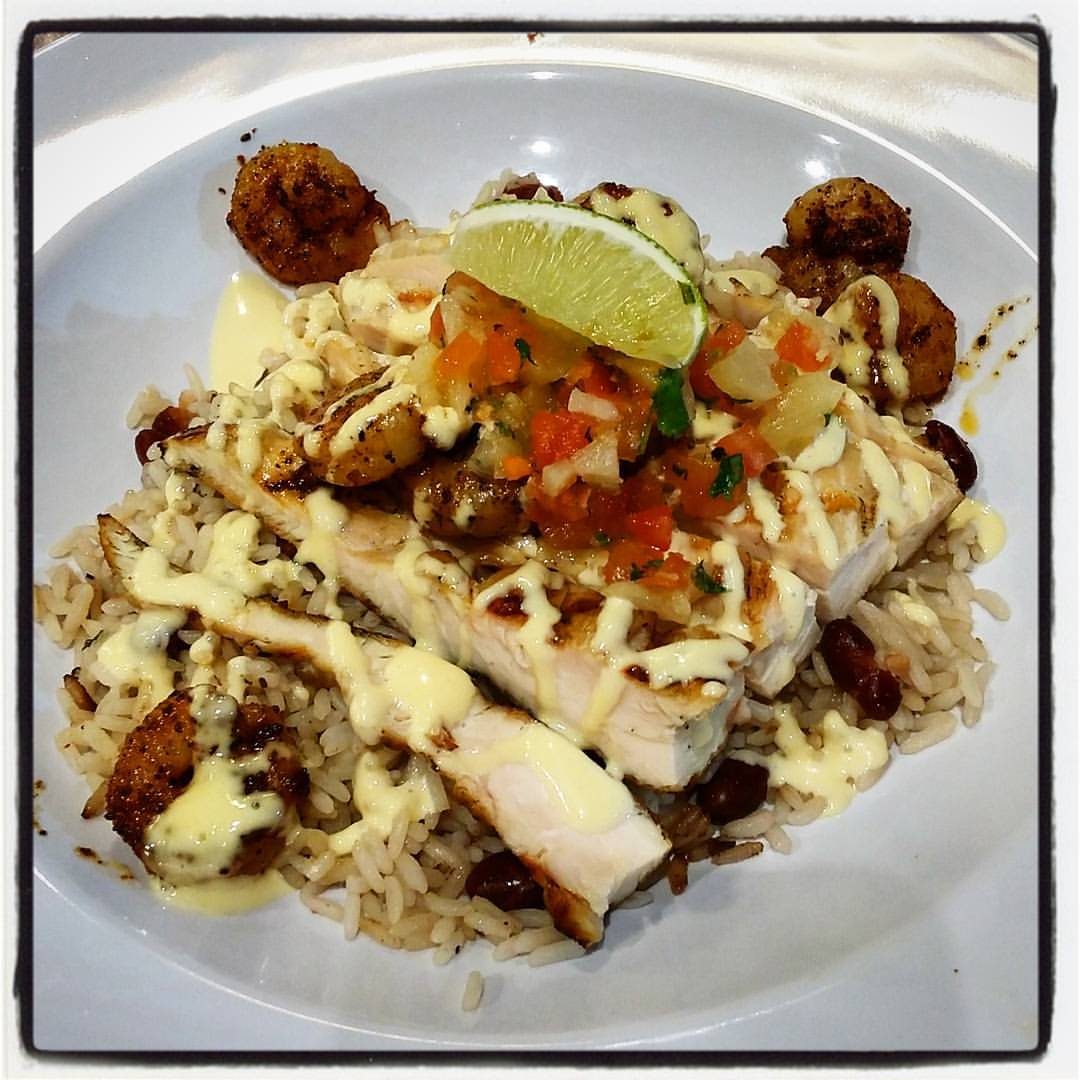
Eduardo’s Beach Shack, Palm Beach
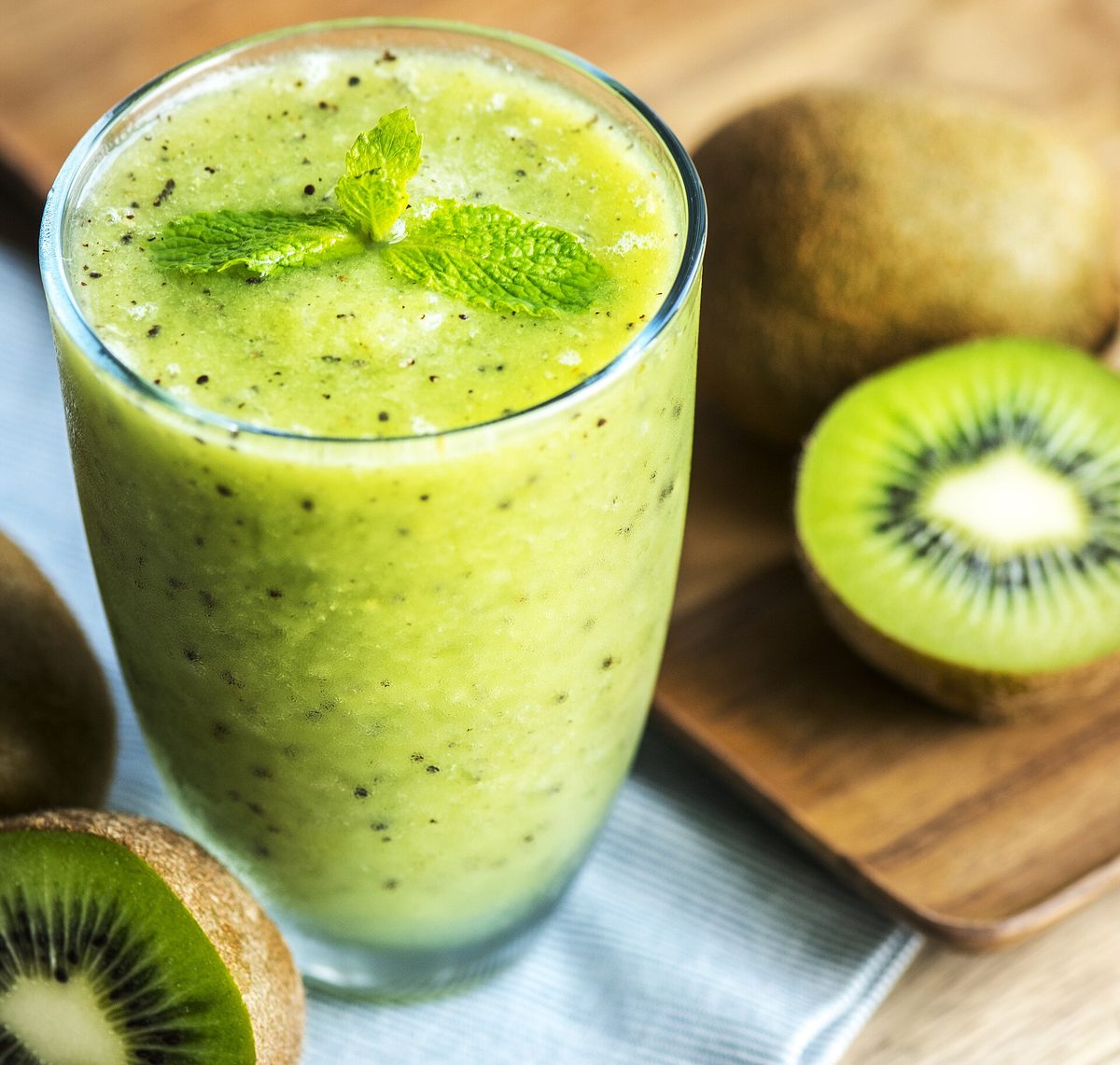
Eduardo’s Beach Shack is the colorful little plant-focused stand right on Palm Beach (J.E. Irausquin Blvd 87), and it’s my go-to for a light, cheap beachfront meal. The acai and smoothie bowls are piled with fresh fruit and granola, and there are fresh juices, smoothies, poke and vegan bites too. Smoothies start around $5 and the loaded bowls run roughly $10-$14 — not pocket change, but a genuinely filling, healthy meal in a spot where a sit-down lunch could easily cost double. It’s a great breakfast or post-swim refuel.
Behind-the-strip counters and happy hours
Just behind the main Palm Beach resort row, you’ll find small counters and casual spots with far gentler prices than the beachfront tables — worth a five-minute walk inland. And don’t sleep on happy hour: many bars along the strip run 5-7 pm specials with discounted drinks and appetizers, which is the cheapest way to enjoy a sunset cocktail near the water. If a lively evening is the goal, our Aruba nightlife guide points you to where those deals cluster.
Groceries and Self-Catering: The Biggest Money-Saver
If you’re staying somewhere with a kitchen or even just a mini-fridge, groceries are how you really cut your food spend. Aruba imports almost everything, so supermarket prices run higher than back home — but they’re still a fraction of eating every meal out.
Where to shop
The big three are Super Food Plaza (the largest, in Noord, with a great deli and bakery), Ling & Sons (near Oranjestad, well-stocked and competitively priced), and Certified Megamart. For the deepest local prices, the small Chinese-run supermarkets scattered around the neighborhoods are cheaper still for staples and drinks. Buy your water, beer, snacks, and breakfast supplies here rather than at the hotel gift shop, where markups are brutal.
What’s worth self-catering
I don’t cook elaborate meals on vacation, but a few habits save real money: breakfast in (eggs, bread, fruit, coffee), a cooler of drinks and snacks for the beach, and the occasional grill night if your place has a barbecue. You can even buy fresh fish from Zeerovers or a local fisherman and grill it yourself. Keeping breakfast and drinks in-house alone can shave $20-$30 a day off a couple’s budget — money better spent on a boat trip or a nice dinner out. For the full picture of what a trip runs, see our Aruba vacation cost breakdown.
Happy Hours, Lunch Specials and Smart Timing
When you eat matters almost as much as where. A few timing tricks stretch a budget further than any single cheap restaurant.
- Eat your big meal at lunch. Many restaurants, including pricier ones, run lunch menus and daily specials (look for “comida criolla” or “plato del dia”) at a fraction of dinner prices. Same kitchen, smaller bill.
- Work the happy hours. The 5-7 pm window across the island means cheap drinks and discounted bar bites; a couple of apps at happy hour can be dinner.
- Order the dish of the day. At local kitchens it’s the freshest and the cheapest, usually a protein, a starch, and salad for $10-$12.
- Watch for Restaurant Week. The annual Autentico Aruba Culinary Festival each October brings island-wide prix-fixe menus and discounts — great value if your trip lines up. Plan around it with our best time to visit Aruba guide.
Money-Saving Tactics That Actually Work
A grab-bag of the practical stuff that kept my own costs down, learned over a week of doing it:
- Drink the tap water. Aruba’s tap water is desalinated and safe to drink, among the best in the Caribbean. Carry a refillable bottle instead of buying cases of plastic — it’s cheaper and greener.
- Carry cash for small spots. US dollars are accepted everywhere (the florin is fixed at about 1.79 to the dollar), but snack trucks and tiny kitchens often prefer cash, and you’ll skip card minimums.
- Know the tipping norms. Tipping is customary, around 15-20%, but check your bill — many restaurants add a service charge automatically, so you don’t want to double-tip.
- Drive inland. The single biggest lever: the further you get from Palm Beach and Eagle Beach, the cheaper food gets. San Nicolas, Santa Cruz, and Savaneta are where the deals live. A rental car pays for itself fast in food savings — see getting to and around Aruba.
- Follow the lines. A counter mobbed with locals at lunch is a better bet than an empty one with a sea view. Bustle means value.
- Budget per day, not per meal. Splurge on one big seafood feast and balance it with snack-truck days; across a week you’ll still come in low.
A Sample Day of Cheap Eats in Aruba
To make it concrete, here’s a realistic, delicious day that won’t break $35 a person:
- Breakfast: Two pastechi and a coffee from a bakery or truck di pan — about $6.
- Lunch: A pound of fish with sides at Zeerovers — about $18.
- Snack: A smoothie at Eduardo’s or a Johnny cake from a snack corner — about $6.
- Dinner: A saco of barbecue or a local dish of the day — about $12.
That’s roughly $40 of genuinely good food, and you could trim it lower by self-catering breakfast and a couple of drinks. Compared with two resort restaurant meals (easily $120+ for two), the savings add up fast over a week.
Frequently Asked Questions
Is Aruba expensive for food?
It can be, but it doesn’t have to be. Beachfront resort restaurants are pricey, and that’s what gives Aruba its expensive reputation. Step away from the high-rise strip to food trucks, fish shacks, and local bakeries and you’ll eat very well for $40-$60 a day. The island is as cheap or as costly as you choose to make it.
What is the cheapest food to eat in Aruba?
The cheapest good meals are local street snacks: pastechi (around $1.50-$3), Johnny cakes, and food-truck plates that run $5-$10. Fried fish by the pound at Zeerovers is the best value for a full meal, roughly $15-$20 with sides. Self-catering breakfast and drinks from a supermarket is cheaper still.
How much should I budget for food per day in Aruba?
For budget travelers, around $40-$60 per person per day covers eating well — a mix of snack trucks, one larger seafood or local plate, and some groceries. You can go lower by self-catering breakfast and skipping bottled water. Add more if you want a sit-down restaurant dinner most nights.
Can you drink the tap water in Aruba?
Yes. Aruba’s tap water is desalinated seawater and is considered safe and high-quality, among the best in the Caribbean. Drinking it instead of buying bottled water saves money and cuts plastic waste. Bring a reusable bottle; most hotels and restaurants will happily refill it for you.
Where do locals eat in Aruba?
Away from the tourist strip — in San Nicolas, Santa Cruz, the backstreets of Oranjestad, and along the road to Savaneta. Locals favor truck di pan, neighborhood bakeries like Huchada, fish shacks like Zeerovers, and weekend barbecue spots in San Nicolas. A busy counter full of Arubans is the surest sign of good, affordable food.
Do I need a car to find cheap eats in Aruba?
It helps a lot. The best-value spots are spread across the island, and a rental car lets you reach Savaneta, San Nicolas, and Santa Cruz where prices drop. The Arubus public bus is an affordable alternative and reaches many of these areas, but a car makes a budget food crawl far easier. See our guide to getting around for options.
Final Thoughts: Eat Like a Local, Spend Like One Too
The lesson I took home from Aruba is simple: the island’s reputation for being expensive is only half true, and the cheaper half is also the tastier one. Some of my favorite meals — that first basket of fish at Zeerovers, a midnight saco in San Nicolas, a stack of pastechi eaten in a parking lot — cost almost nothing and stuck with me longer than any white-tablecloth dinner. Drive a little, follow the locals, drink the tap water, and you’ll eat brilliantly here without the wallet damage you were warned about. Use this as your starting map, then go find your own favorite snack truck. For everything else about planning the trip, our full Aruba travel tips and Aruba itinerary guides have you covered, and families will want our notes on visiting Aruba with kids.
By the ArubaTourism.org team — Last updated June 2026
Photo Credits
- Photo: jeffreyw / CC BY 2.0 via Wikimedia Commons — source
- Photo: Mack Male / CC BY-SA 2.0 via Wikimedia Commons — source
- Photo: stu_spivack / CC BY-SA 2.0 via Wikimedia Commons — source
- Photo: Bruce Matsunaga / CC BY 2.0 via Wikimedia Commons — source
- Photo: rawpixel.com (CC0) via Wikimedia Commons — source