Let me start with the confession that shaped this whole guide: on my second trip I booked the cheapest little sedan, waved off the insurance waiver at the counter because my credit card “covers rentals,” and felt smug about the forty bucks I’d saved — which is exactly how an Aruba car rental can go quietly wrong. Two days later I was sitting at the locked gate to Arikok, watching Jeeps rumble past onto the dirt, realizing my economy car couldn’t legally go where I’d come to go, and that my card’s coverage was void the second I touched an unpaved road anyway. The cheapest car and the declined waiver felt clever right up until they kept me out of the place I’d driven across the island to see. That afternoon taught me more than any booking page ever had, and it’s why I’m going to be straight with you about the parts they skate over.
The good news: renting a car here is genuinely easy, the island is tiny, and a set of wheels is the single best thing you can do for your trip. The trick is matching the right vehicle and the right insurance to what you actually plan to do — and not learning that at a locked park gate. This is your full, no-spin guide to companies, costs, the insurance trap, the paperwork, and whether you even need to bother. For the bigger picture of moving around the island, this fits into our guide to getting to and around Aruba.
The short answer: should you rent a car in Aruba?
For most visitors, an Aruba car rental is well worth it. Aruba is small, flat and easy to drive, and a car unlocks beaches, restaurants and the rugged east coast that taxis and buses make awkward. Expect to pay around $35–70 a day for an economy or compact car and roughly $70–130 for an SUV or 4×4 Jeep, cheaper by the week and in low season. You need a 4×4 for Arikok.
| Vehicle type | Typical price (per day) | Best for |
|---|---|---|
| Economy / compact sedan | ~$35–55 | Couples, beach days, town & paved sights; cheapest and most fuel-efficient |
| Mid-size sedan | ~$50–70 | A bit more comfort and luggage room; families of three or four |
| Compact SUV / crossover | ~$65–95 | Extra space and ground clearance; mostly-paved with the odd rough track |
| 4×4 Jeep (Wrangler-style) | ~$80–130 | Arikok National Park, Natural Pool, the wild north and east coasts |
| Pickup truck / van | ~$90–140 | Big groups, lots of gear, dive/surf equipment |
If you’d rather see how this stacks up against taxis, buses and resort shuttles before you commit, skim the getting around Aruba overview — it lays out every option side by side. The rest of this guide assumes you’re leaning toward a car and want to do it right.
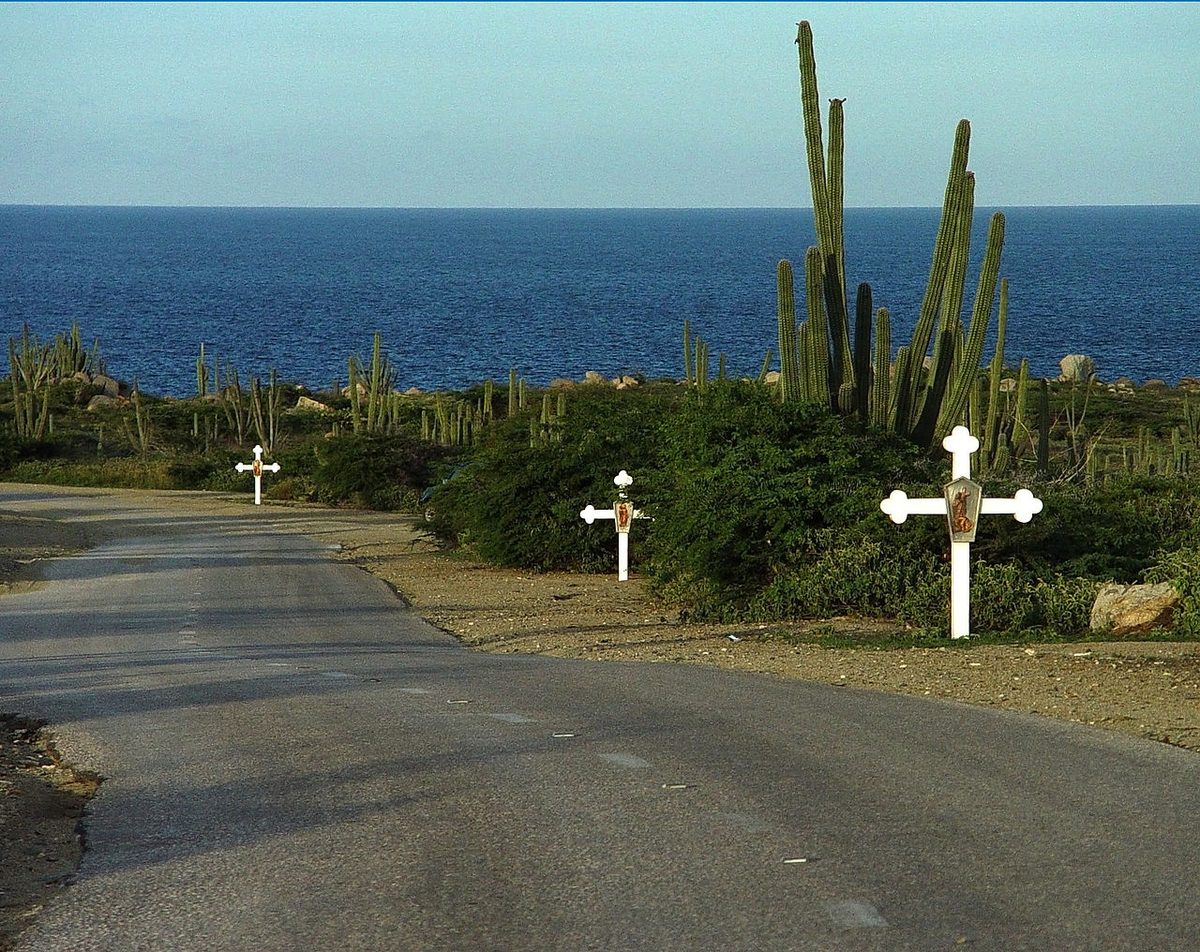
Where to rent a car in Aruba: big chains vs. local companies
You’ve got two broad camps, and honestly I’ve had good trips with both. Which one suits you comes down to how much you value a familiar brand and loyalty points versus a local operator’s flexibility and sometimes-friendlier pricing.
The big international chains
The major names all operate in Aruba, most with desks at or beside Queen Beatrix International Airport (AUA) and pickup at the larger Palm Beach and Eagle Beach resorts. You’ll find Avis, Budget, Hertz, Thrifty, Enterprise, Alamo and National, plus Sixt and Dollar through partners. The appeal is predictability: you know the booking flow, you can use airline or credit-card loyalty programs, and if something goes wrong there’s a corporate channel behind the counter. The trade-off is that the cheapest economy cars sell out fast in high season and the headline online rate often balloons once mandatory local insurance and tax are added — so read the total, not the teaser.
Chains are my pick if you’re nervous about renting abroad for the first time, you want to earn or burn points, or you’re arriving on a busy December week and just want a guaranteed car waiting. If you land late, double-check the desk’s closing time; a few airport counters shut earlier than you’d expect.
Strong local companies
Aruba has a deep bench of well-run independents, and this is where the island’s “one happy island” service reputation really shows. Names worth knowing include Amigo Rent-a-Car (great for surfers and divers — they have pickups you can load gear into), Top Drive (a solid Jeep and SUV fleet with good weekly rates), Royal Car Rental (convertibles if you want the wind-in-your-hair thing), Tropic, Unique, plus newer outfits like Smart, Sunset, Econo, More4Less and XL. Many will deliver the car to your hotel for free and pick it up when you leave, which quietly removes the whole airport-counter dance.
I lean local when I want a specific vehicle (a particular Jeep, a pickup for dive tanks), when I’m staying a full week and want a keener rate, or when free hotel delivery beats schlepping luggage to a rental desk. The flip side: smaller fleets book out, and you’re trusting reviews rather than a global brand, so reserve early and read recent feedback.
How to choose between them
My rule of thumb: in peak season (mid-December through April) book whoever has the car you want, early, because availability matters more than saving a few dollars. In the quieter months you can shop around and the locals often win on price and delivery. Either way, pick the company for the fleet — if you need a 4×4, make sure they actually have real 4x4s, not a soft crossover they’re calling an SUV.
What an Aruba car rental costs — and what’s actually included
Here’s where people get tripped up, because the price you see online is rarely the price you pay. Let me break down the real cost stack so there are no surprises at the counter.
The base rate is what gets advertised: roughly $35–55 a day for an economy or compact, $50–70 for a mid-size, $65–95 for a compact SUV, and $80–130 for a proper 4×4 Jeep. Rates drop noticeably if you book by the week instead of day-by-day, and they swing with the season — the same compact that’s $40 in September can be $60-plus over Christmas and New Year. Aruba’s high season runs mid-December to mid-April; the cheapest stretch is roughly September to early November.
On top of the base rate, budget for:
- Insurance / damage waiver (CDW or LDW): often around $15–25 a day if you take the rental company’s coverage. More on this below — it’s the single most important line item to get right.
- Liability / third-party coverage: mandatory, and usually baked into the base rate. Confirm it’s included rather than assuming.
- Tax and fees: Aruba applies tax to rentals, and there can be an airport-location surcharge if you pick up at AUA rather than a city or hotel branch.
- Young-driver surcharge: if any driver is under 25, expect an extra daily fee (more in the requirements section).
- Extras: child seats, an additional driver, GPS (skip it — your phone works fine), and refueling charges if you don’t return the tank as agreed.
A realistic all-in budget: a couple renting a compact for a week in shoulder season, with the company’s damage waiver, lands somewhere around $400–600 once everything’s added. A family in a 4×4 over a peak week can easily run $900–1,300. Fold those numbers into the broader picture with our Aruba vacation cost breakdown so the car doesn’t blow up your budget.
One genuinely good piece of news: because Aruba is only about 20 miles long, you will not burn much fuel. I’ve spent a week here zipping all over the island and filled up maybe once or twice. Don’t let anyone upsell you a giant tank “for all the driving” — there isn’t that much driving to do.
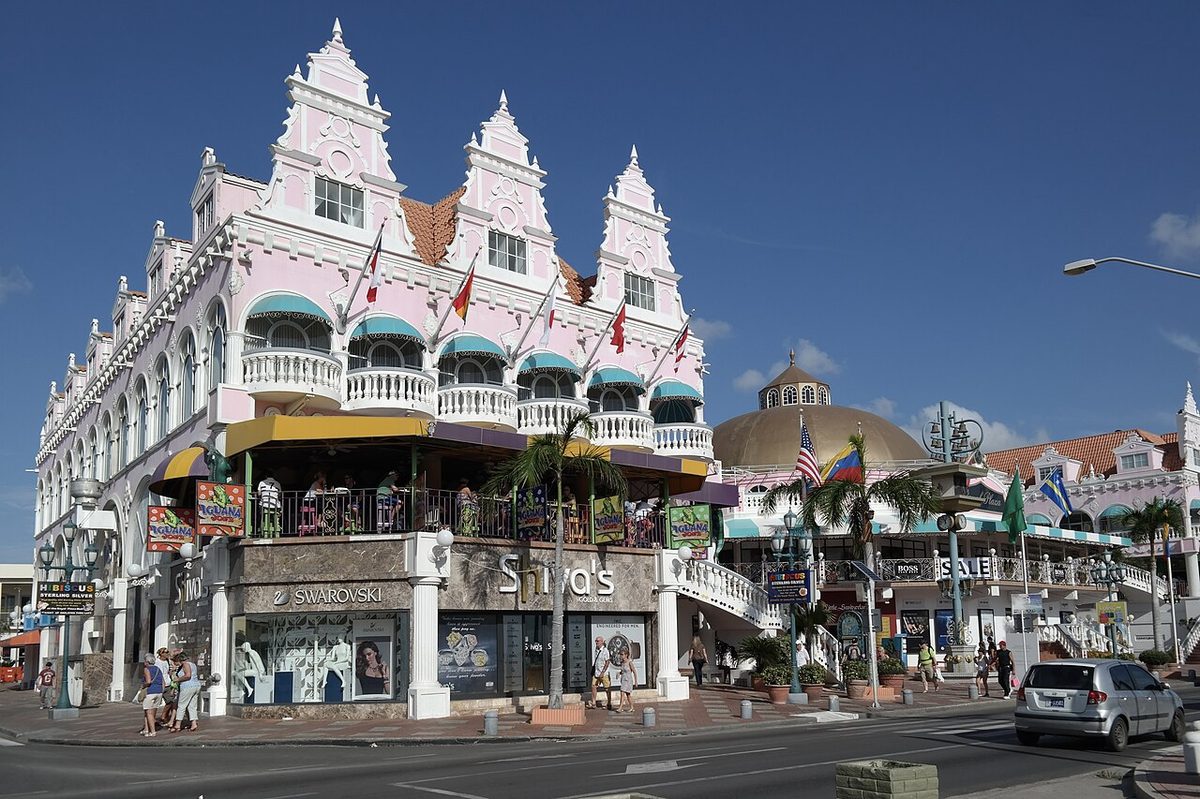
The insurance trap: CDW, credit-card coverage, and the off-road void
This is the section I wish someone had sat me down for before my Arikok fiasco, so read it twice. Rental insurance in Aruba has three moving parts, and getting any of them wrong can cost you a deposit or a deductible you didn’t see coming.
CDW / LDW — what it does and doesn’t do
A Collision Damage Waiver (or Loss Damage Waiver) isn’t insurance in the strict sense; it’s the rental company agreeing not to charge you for damage to their car, usually above a deductible. Take it and a fender scrape in a crowded Palm Beach lot is their problem, not a surprise charge on your card. Decline it and you’re personally on the hook for the full value of any damage. Liability coverage — for damage you do to other people or property — is separate and typically required by law, so confirm it’s included. My honest advice: unless you are certain your own coverage applies (see below), take the company’s damage waiver. The peace of mind on unfamiliar roads is worth it.
Does your credit card cover it?
Maybe — and this is exactly where I went wrong. Many travel credit cards include rental car coverage, but it’s almost always secondary, it requires you to decline the company’s CDW and pay with that card, and it comes with a long list of exclusions. Two of those exclusions matter enormously in Aruba: many cards exclude certain vehicle types (some won’t cover larger SUVs or “off-road” vehicles at all), and virtually all of them void coverage the moment you drive on an unpaved road. Call your card issuer before you travel, ask specifically about Aruba, about your exact vehicle class, and about unpaved-road exclusions, and get the answer in writing. If there’s any doubt, just buy the waiver.
The off-road void — the one that bites
Here’s the trap that catches so many visitors: standard rental insurance and damage waivers in Aruba are typically void the instant you take a non-4×4 vehicle off paved roads — onto dirt tracks, beaches, sand dunes, or into Arikok National Park. So if you rent an economy car, bump it down a rough track to chase a deserted beach, and crack the underbody, you may be paying for the whole repair even though you “had insurance.” This is also why you cannot simply drive any rental into Arikok: the park and most rental contracts require an actual 4×4, and damage on a 2WD off-road isn’t covered. If exploring the wild side is on your list — and the Arikok National Park is absolutely worth it — rent the right vehicle from the start and confirm in writing that off-road use is permitted and insured for that 4×4.
The deposit hold — budget for it mentally
Every company places a security deposit hold on your credit card, commonly somewhere in the $300–700 range (higher for premium vehicles). It’s not a charge — it’s frozen funds released after you return the car undamaged — but it ties up part of your credit limit for the trip and can take several days to drop off after you fly home. Two practical tips: use a credit card (debit cards are often refused for the deposit, and where accepted they really freeze your cash), and make sure your limit comfortably covers the hold plus the rest of your vacation spending. The surprise hold sinking someone’s dinner budget on night one is a story I’ve heard far too often.
Requirements: license, age, and the credit-card rule
The paperwork to rent a car in Aruba is refreshingly light, but there are three things to get straight before you go.
Your driver’s license. A valid driver’s license from your home country is all most visitors need. If you’re coming from the US, Canada, the UK, the EU or most other countries, you do not need an International Driving Permit for a normal tourist rental — your home license is accepted. (If your license isn’t in English, Dutch, Spanish or Papiamento, an IDP is a cheap, sensible backup, but it’s rarely demanded.) Bring the physical card; a photo on your phone won’t satisfy the counter.
Minimum age. The usual minimum is 21 to 25 depending on the company. Drivers under 25 are typically accepted but pay a young-driver surcharge (often a few dollars to ~$15 a day), and some companies also want you to have held your license for at least a couple of years. A handful of companies set an upper age limit (around 70–75) or ask older drivers for a note — rare, but worth a quick check if it applies to you.
A credit card in the driver’s name. You need it for the security deposit hold, not just to pay. Debit cards and cash are frequently refused for the deposit even when they’re fine for the rental fee, so don’t show up with only a debit card and assume you’re set. The card name should match the primary driver’s license.
That’s it. No local permit, no notarized anything — show your license, your credit card, and you’re on the road. For the rest of the pre-trip checklist (currency, plugs, what to pack), our Aruba travel tips guide has you covered.
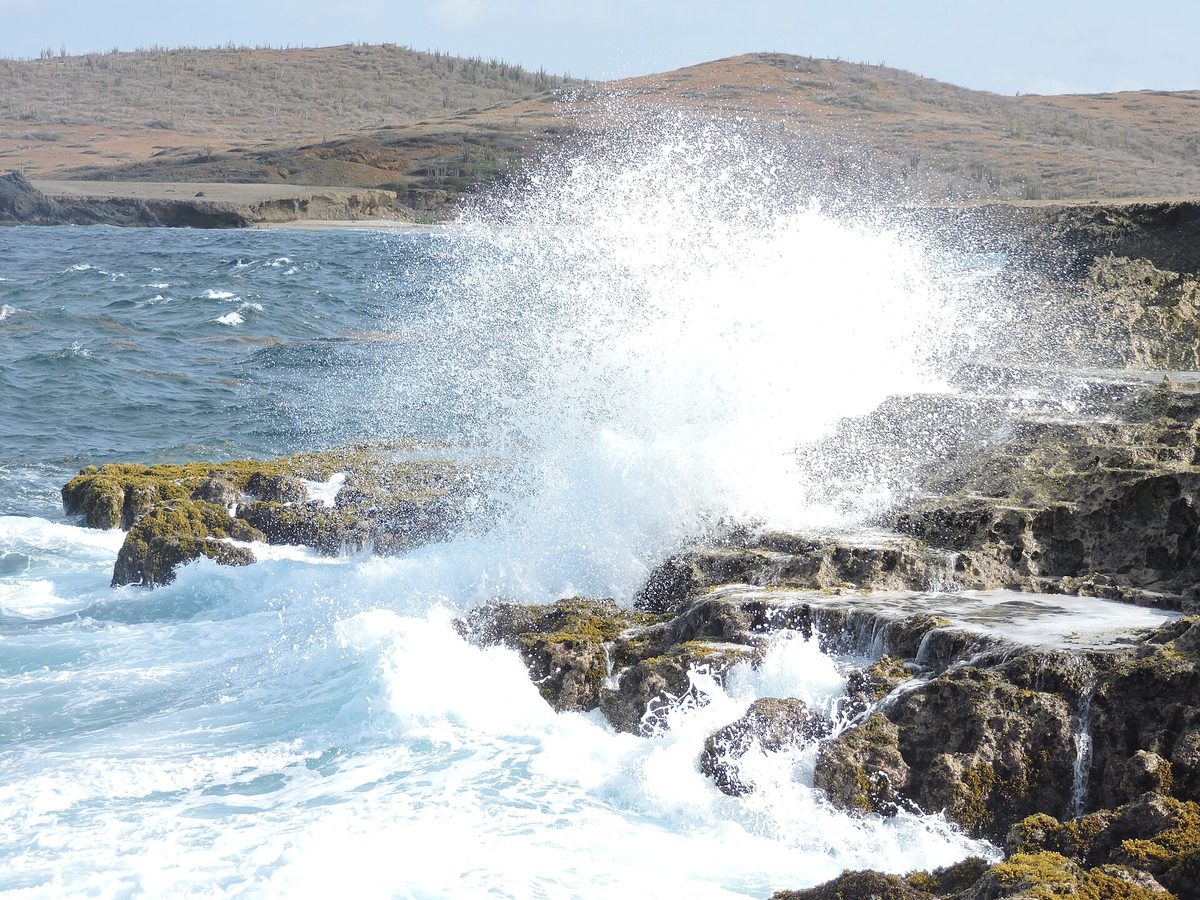
2WD vs. 4×4 Jeep: which do you actually need?
This is the decision that shapes both your budget and where you can go, so let’s be clear-eyed about it instead of just defaulting to the cheapest car (my original sin).
When a regular 2WD car is plenty
If your Aruba is beaches, restaurants, shopping, sunsets and the paved highlights, a normal economy or compact car does everything you need. The main tourist strip — the resorts, Eagle and Palm Beach, Oranjestad, the California Lighthouse, the main roads to San Nicolas — is all comfortably paved. The famous beaches that line our guide to Aruba’s beaches are reachable in a basic sedan, and you’ll spend less on both the rental and fuel. For a relaxed week of island sightseeing that doesn’t involve off-roading, this is the sensible, money-smart pick.
When you genuinely need a 4×4
You need a real four-wheel-drive Jeep if your plans include Arikok National Park, the Natural Pool (Conchi), Boca Prins, the wild north coast, or the rougher tracks to remote beaches. These routes are unpaved, rutted, sometimes sandy, and a 2WD car will either get stuck, get damaged, or simply not be allowed in. As covered above, taking a non-4×4 off-road also voids your insurance. If even one item on your wish list is in Arikok or on the rugged coast, rent the Jeep — or, honestly, consider an organized tour for those specific spots and keep a cheap car for everything else.
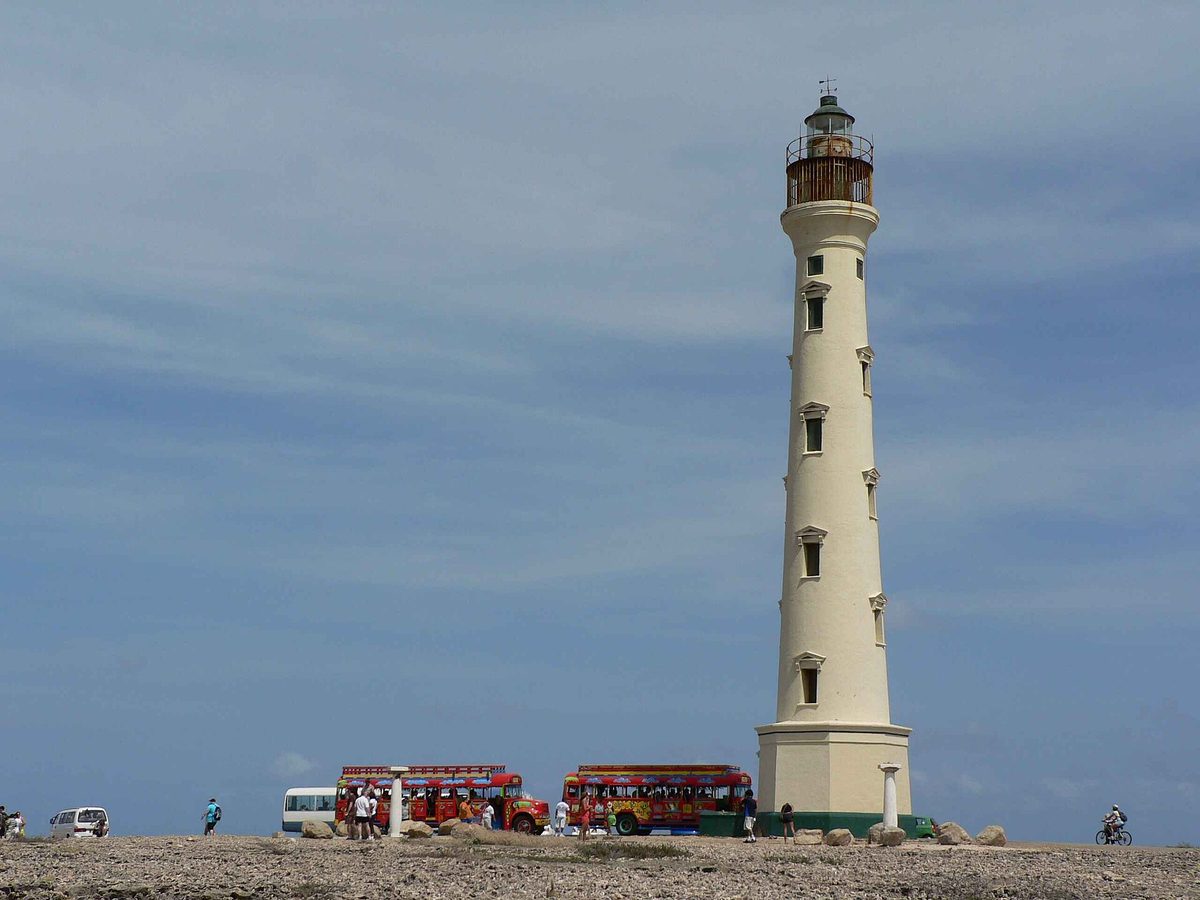
The hybrid strategy I now use
After my locked-gate lesson, here’s what I actually do: if I only want one or two off-road experiences, I book a small, cheap 2WD for the week and join a guided UTV or Jeep tour for the Arikok/Natural Pool day. That way I’m not paying Jeep rates for seven days to use the four-wheel-drive once, and I’m not white-knuckling an unfamiliar 4×4 over terrain a local guide knows cold. If off-roading is the whole point of your trip, then yes — rent the Jeep for the full stay and enjoy it.
Driving basics and fuel in Aruba
Driving here is easy, but a few specifics will make day one smoother.
You drive on the right — same as the US and continental Europe, the opposite of the UK. Roads are generally good, roundabouts are common (yield to traffic already in the circle), and signage uses an international symbol system that’s clear once you’ve seen it once. Speed limits are modest: roughly 60 km/h (about 37 mph) on main roads, up to 80 km/h (50 mph) on the bigger stretches, and lower in towns. Police do enforce limits and seat-belt rules, so buckle up. Roads get genuinely slick right after rain — the first ten minutes of a shower are the sketchiest — so ease off then.
Most rental cars are automatic, but if that matters to you, confirm it when booking; manuals exist in some local fleets. Navigation is simple with Google Maps, which covers the island well; offline maps are a smart backup for the few spots with patchy signal. And remember the local trick — the divi-divi trees all lean southwest toward the coast, so if you’re ever turned around, they’re a surprisingly reliable compass.
Fuel is sold in liters and prices are set island-wide, so you won’t find a cheaper station by hunting. There are stations in and around Oranjestad, Santa Cruz and San Nicolas, plus along the main roads near the hotel districts; the high-traffic ones keep long hours. Fill up before you head to quieter corners of the island, because stations thin out away from the populated south and west. Given the island’s size you’ll rarely fill more than once on a week’s trip — one more reason a thirsty big vehicle is overkill unless you need the 4×4 capability.
Airport pickup vs. free hotel delivery
You’ve basically got two ways to take possession of the car, and the right one depends on your arrival and where you’re staying.
Airport pickup at AUA means you walk off the plane and drive away — ideal if you want wheels immediately, you’re staying somewhere a shuttle doesn’t reach, or you plan to explore on day one. The chains and several locals have desks at or right beside Queen Beatrix International Airport. The catches: airport locations sometimes add a surcharge, the cheapest cars go first, and after a packed flight the counter line can eat into your beach time. If you go this route, build in a buffer and confirm the desk is open for your arrival time. For everything else about the airport itself, see our Queen Beatrix Airport guide.
Free hotel delivery is the move I now prefer for resort stays. Many local companies (and some chains) will drop the car at your Palm Beach or Eagle Beach hotel and collect it at the end — no airport surcharge, no luggage juggling at a rental desk, and you can take a taxi in, settle, and get the car the next morning when you actually want it. If you’re spending your first day by the pool anyway, this is cheaper and calmer. The trade-off is the small loss of spontaneity on arrival day, which for most beach-first trips is no loss at all. It pairs especially well if you’re at one of the all-inclusive resorts where you won’t go far the first night regardless.
Booking tips that actually save money
A few habits separate a smooth, fairly-priced rental from a frustrating one:
- Book ahead in high season. From mid-December through April, and around big events, the cheap cars and the 4×4 Jeeps sell out. Reserve weeks in advance; you can often cancel free if plans change.
- Compare the all-in total, not the daily teaser. Add insurance, tax and any airport fee before you decide — a “cheap” chain rate can end up pricier than a local with delivery included.
- Rent by the week if you’re staying a week. Weekly rates beat seven daily rates almost everywhere, and you avoid the temptation to keep extending.
- Right-size the car. Don’t pay 4×4 prices for paved beach days; don’t cram four adults and luggage into an economy box either. Match the vehicle to the plan.
- Sort insurance before you fly. Decide whether you’re using card coverage or buying the waiver before you’re at the counter under pressure, and have the card’s terms handy.
- Photograph the car at pickup. Walk around it, shoot every existing scratch and the fuel gauge, and note it on the contract. It’s the cheapest insurance there is against a disputed-damage charge.
- Confirm the fuel policy. “Full-to-full” is usually fairest — return it full and avoid inflated refuel fees.
Is a rental car worth it — and when to skip it?
For most travelers the answer is a clear yes: a car turns Aruba from “the beach by my hotel” into the whole island — quiet coves, local restaurants, sunset at the lighthouse, the rugged east on a whim. The freedom is worth far more than the daily rate, and the island is small enough that driving never feels like a chore. If you’re piecing together an Aruba itinerary that hops between regions, or traveling as a family who’ll appreciate not herding kids into taxis, a car is close to essential — our Aruba with kids guide leans the same way.
But it’s not for everyone. You can comfortably skip the rental if you’re staying put at an all-inclusive and barely leaving, if your trip is a short cruise-day stop, if you’re nervous about driving abroad, or if your plans are walkable around the Palm Beach strip where restaurants, the beach and nightlife are all close. In those cases taxis, the reliable L10 bus along the hotel strip, and the occasional tour cover you for less hassle. Couples on a romantic, stay-by-the-water trip sometimes find they never miss a car — though even on a honeymoon, one day with wheels to chase a private beach is magic; see our Aruba honeymoon guide. And if you’re timing your visit, the best time to visit Aruba also affects rental prices and availability, so it’s worth reading alongside this.
Frequently asked questions
Do I need a 4×4 to rent a car in Aruba?
Only if you plan to go off-road. A regular 2WD economy or compact car handles all the paved highlights — beaches, town, restaurants, the lighthouse. You need a proper 4×4 Jeep for Arikok National Park, the Natural Pool, Boca Prins and the rugged north and east coasts, where 2WD cars aren’t allowed and their insurance is void off pavement.
Do I need an International Driving Permit in Aruba?
No, not for a normal tourist rental. Visitors from the US, Canada, the UK, the EU and most other countries can rent with a valid home-country driver’s license. If your license isn’t in English, Dutch, Spanish or Papiamento, an International Driving Permit is a cheap backup, but it’s rarely required. Always bring the physical license, not just a phone photo.
How much does it cost to rent a car in Aruba?
Plan on around $35–70 a day for an economy or compact car and roughly $70–130 for an SUV or 4×4 Jeep, before insurance and tax. Rates are cheaper by the week and in low season (September–November), and higher from mid-December through April. Add a damage waiver (~$15–25/day) unless your own coverage clearly applies.
Can I drive my rental into Arikok National Park?
Only in a genuine 4×4. Arikok’s interior roads are unpaved and require a four-wheel-drive vehicle; ordinary cars aren’t permitted off the paved approach, and rental insurance won’t cover off-road damage to a 2WD. Rent a Jeep, confirm off-road use is allowed in writing, or take a guided tour for the park and the Natural Pool.
Is it safe to drive in Aruba?
Yes. Aruba is one of the safer Caribbean islands and driving is straightforward: you drive on the right, roads are decent, distances are short, and signage uses clear international symbols. Take normal care — roads get slick just after rain, watch for roundabouts, lock valuables out of sight, and don’t take a 2WD onto unpaved tracks.
Should I get rental car insurance or use my credit card?
If you’re certain your credit card covers rentals in Aruba for your exact vehicle class, you can decline the waiver, pay with that card, and rely on it — but confirm with your issuer first, in writing. Crucially, card coverage (and most waivers) is void off paved roads. When in doubt, buy the company’s damage waiver for peace of mind.
Final thoughts
If I could mail one note back to myself at that locked Arikok gate, it would be this: the cheapest car and the declined waiver aren’t a deal if they keep you out of the places you came to see. Match the vehicle to your plans, sort the insurance before you’re standing at the counter, keep a credit card free for the deposit hold, and you’ll get the best part of an Aruba car rental — the freedom to point the car at a beach you’ve never heard of and just go. The island is small, the driving is easy, and once the paperwork’s sorted, the whole place opens up. Plan the rest of your trip with our getting around Aruba guide.