The best things to do in Aruba for first-timers are simple to name: swim and sunset-watch at Eagle and Palm beaches, snorkel the Antilla shipwreck, jeep through Arikok National Park to the Natural Pool, wander pastel-colored Oranjestad, and toast the day on a catamaran cruise. Mix two or three of those a day and you have a near-perfect trip. Below is exactly how I’d spend your time.
The first time I flew in, I made the rookie mistake every first-timer makes: I tried to cram everything into five days, then spent half of them parked on a beach chair because I simply couldn’t pry myself off Eagle Beach. That tension — do you do the island, or just be on it? — is the whole game here. So this is the guide I wish someone had handed me on that first flight.
I’ve been back to “One Happy Island” more times than I can defend to my accountant, and what follows is everything I actually recommend — organized by theme, not as a dull 1-to-30 countdown, with honest opinions about what’s worth your vacation hours and what you can skip. This guide pairs with our full things to do in Aruba pillar, so think of it as the friendly, first-timer-focused on-ramp.
The best things to do in Aruba at a glance
Here’s the cheat sheet. These are the headline Aruba attractions and roughly how much of your day each one eats. I’ll go deep on every one of them below, but if you’re a planner, screenshot this table.
| Attraction / activity | Best for | Time needed | Rough cost (USD) |
|---|---|---|---|
| Eagle Beach | Everyone — the iconic Aruba beach day | Half to full day | Free (chairs ~$15–25) |
| Palm Beach | Watersports, resorts, sunset bars | Half to full day | Free |
| Antilla shipwreck snorkel/dive | Snorkelers & new divers | 2–4 hours (tour) | ~$45–120 |
| Arikok National Park & Natural Pool | Adventure, nature, jeep fans | Half to full day | $11 park fee + tour |
| California Lighthouse & north coast | Views, photos, sunset | 1–2 hours | Free (climb ~$5) |
| Oranjestad (capital) | Shopping, culture, food | 2–3 hours | Free to browse |
| Catamaran / sunset cruise | Couples, groups, first-timers | 2–4 hours | ~$45–90 |
| San Nicolas street art | Culture & photography | 2–3 hours | Free |
| Animal sanctuaries (donkey, ostrich, butterfly) | Families & kids | 1–2 hours each | Free–$15 |
One quick orientation note, because it shapes everything: Aruba is tiny. It’s about 20 miles long and 6 miles wide, and you can drive end to end in roughly 45 minutes. That means you’re never far from the next thing on your list. For the nuts and bolts of taxis, buses and rental cars, see our guide to getting to and around Aruba.

The beaches: where most of your happiest hours will happen
Let’s be honest about why people come here. Aruba’s west coast strings together some of the most reliably gorgeous beaches in the Caribbean — powder-soft sand, water in three shades of impossible blue, and almost no surf. If you do nothing else, do a proper beach day. For the full rundown of every shore, our Aruba beaches guide covers them all, but here are the ones a first-timer cannot miss.
Eagle Beach — the one you picture
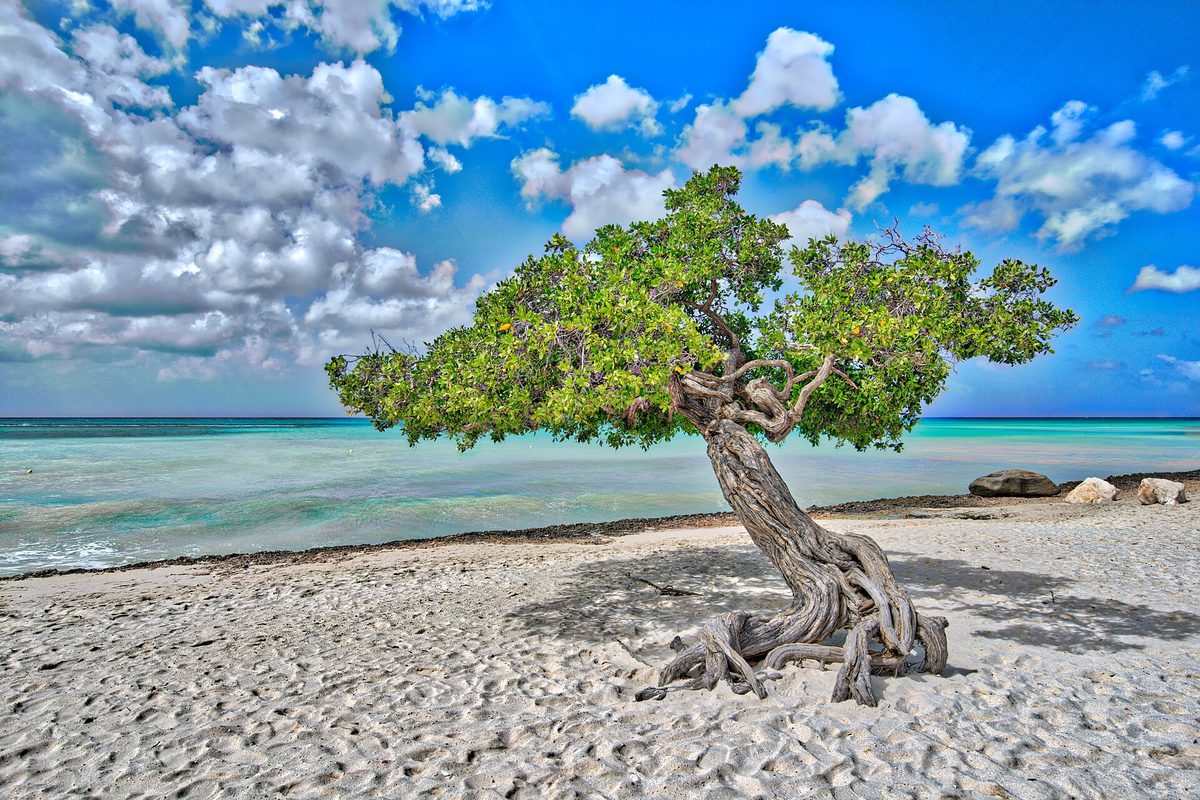
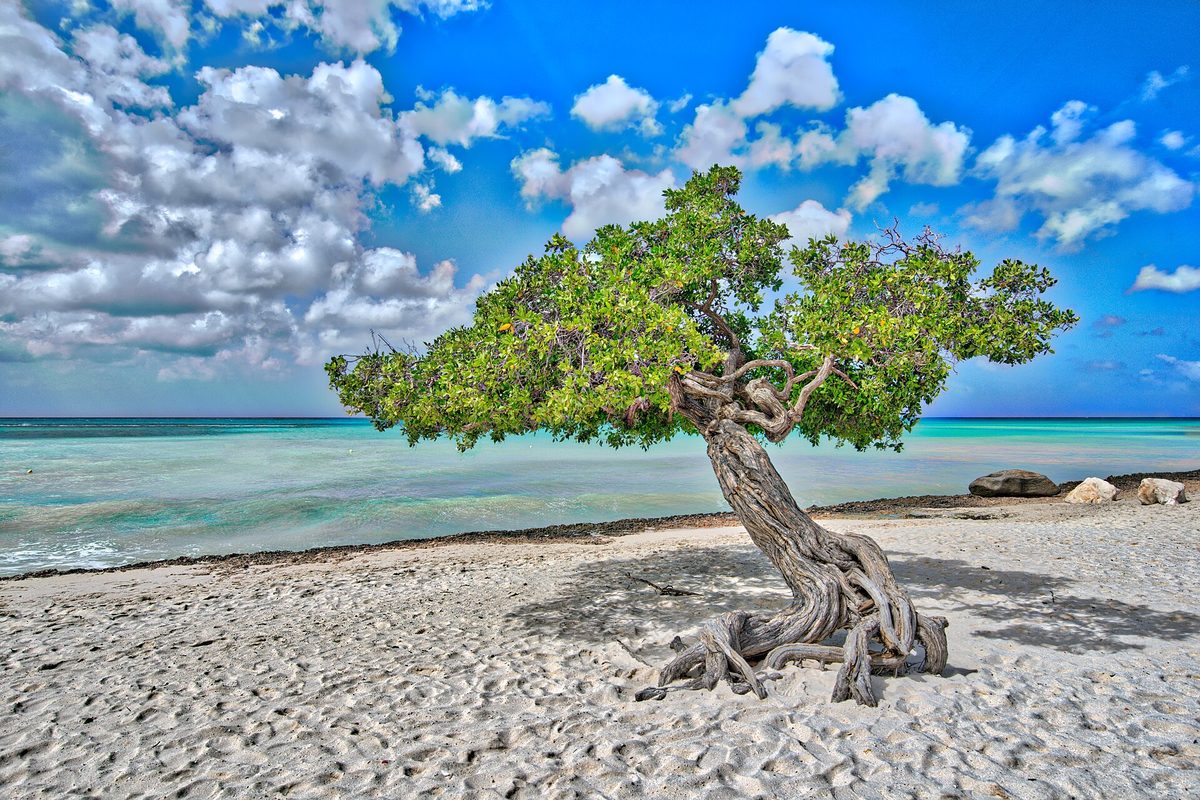
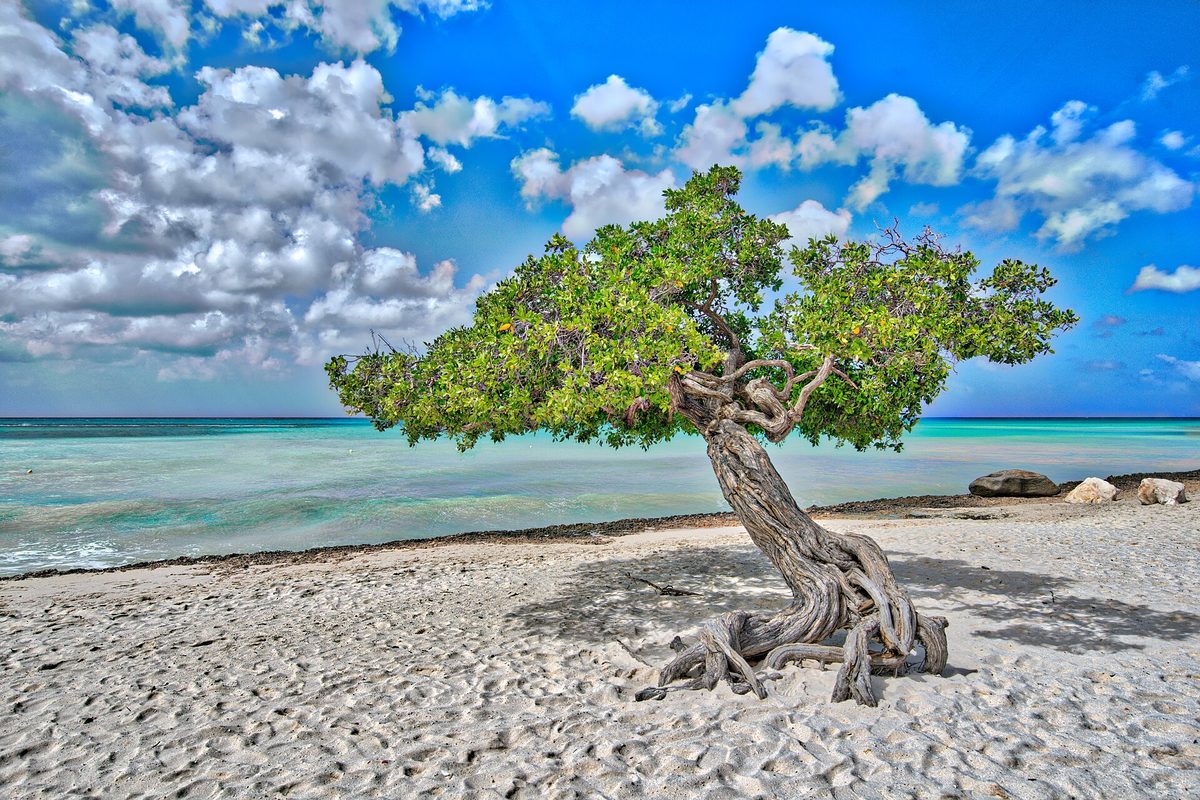
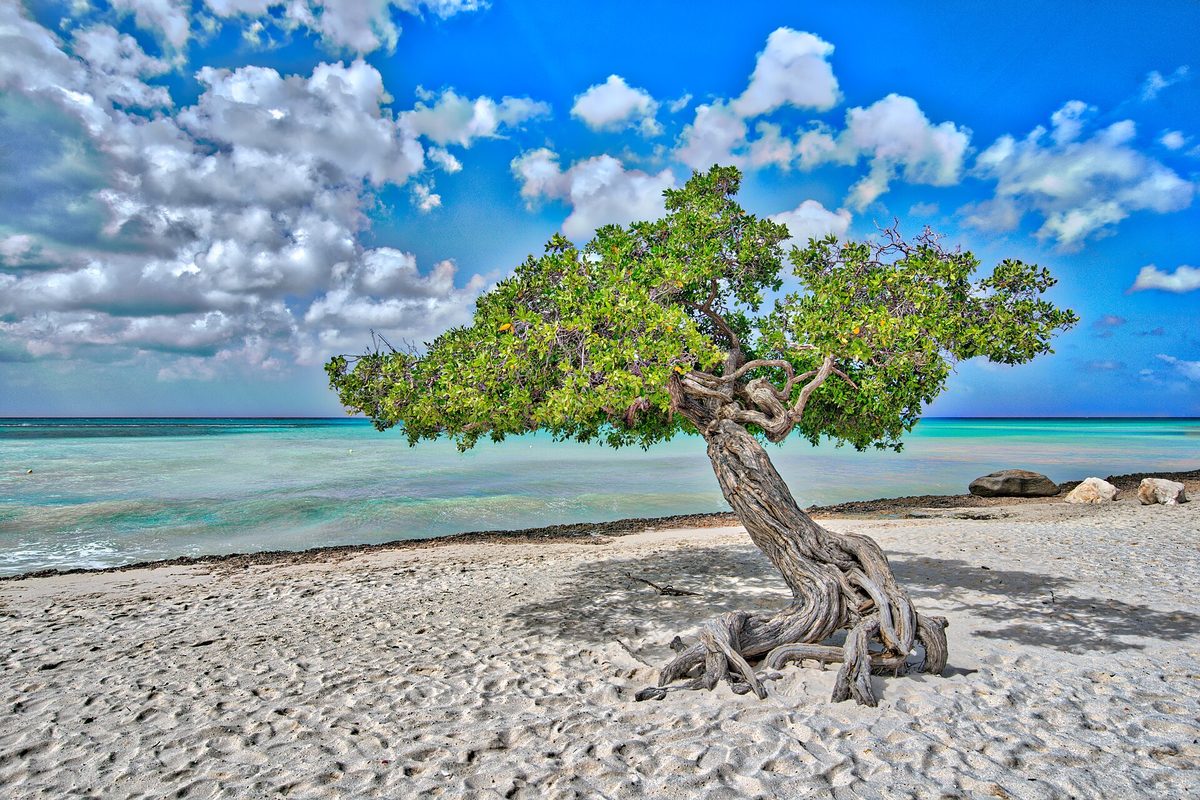
Eagle Beach is the postcard: a wide ribbon of brilliant white sand, those two wind-bent fofoti trees (everyone calls them divi-divi, but the famous beach pair are actually fofoti), and water so clear you can count your toes in the shallows. It regularly lands on “world’s best beaches” lists, and unlike the high-rise strip just north, it fronts low-rise hotels, so it feels open and uncrowded. My move: arrive before 10 a.m., grab a palapa on the south end, and stay for the sunset. The wind picks up in the afternoon, so a hat and a beach clip for your towel are non-negotiable.
Palm Beach — the lively one
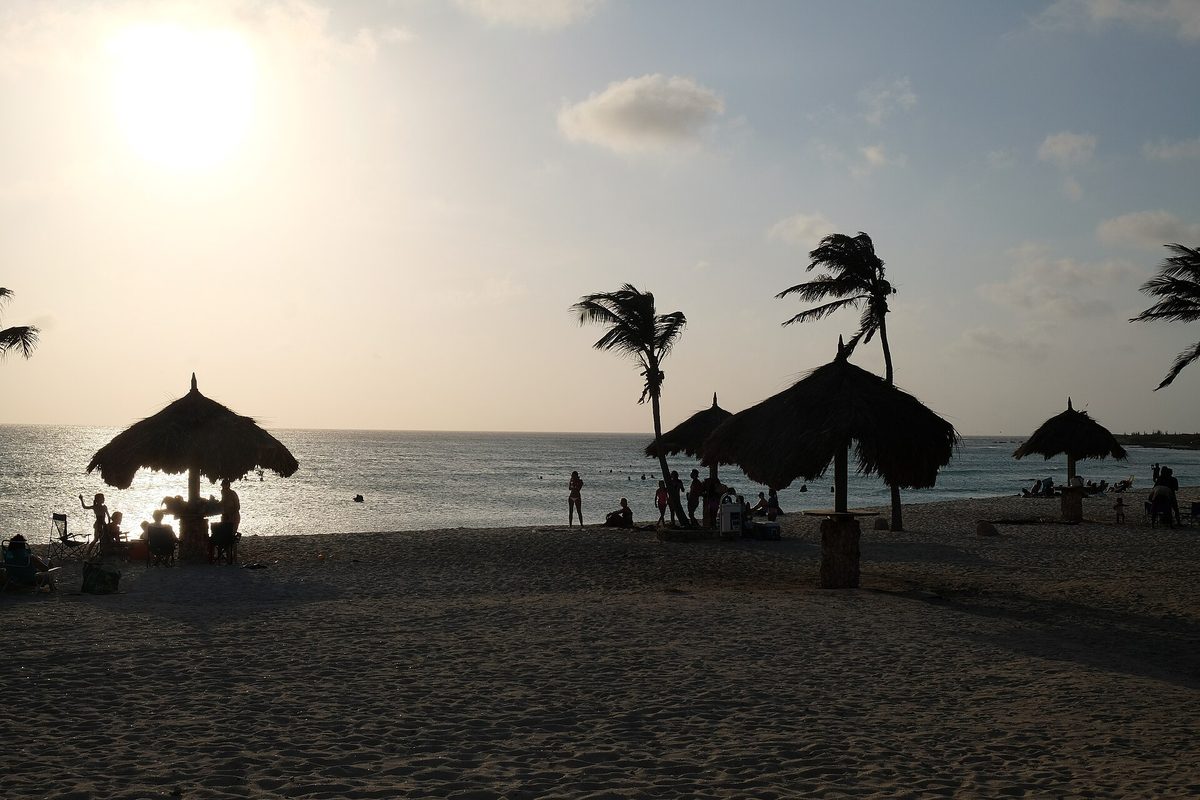
About a mile north, Palm Beach is Aruba’s buzzing resort strip: high-rise hotels, beach bars, banana boats, parasailing, and a pier or two for sunset photos. It’s busier and more developed than Eagle, which is exactly why some people love it — you can go from a paddleboard to a frozen cocktail to a casino in twenty minutes. If you’re staying here, you’ll find every watersport operator you could want right on the sand. Read more about basing yourself here in our where to stay in Aruba guide.

Baby Beach — the family favorite
Down at the island’s southeastern tip near San Nicolas, Baby Beach is a shallow, crescent-shaped lagoon protected by a rock barrier. The water is warm, calm and often waist-deep a long way out, which makes it the safest swim on the island for little kids and nervous swimmers. There’s decent snorkeling along the rocky left side. It’s a 40-minute drive from the resort area, so I treat it as a half-day paired with the San Nicolas murals. Bring water shoes — the entry can be pebbly — and your own shade, because facilities are limited.
Hadicurari (Fisherman’s Huts) — for the windsurfers
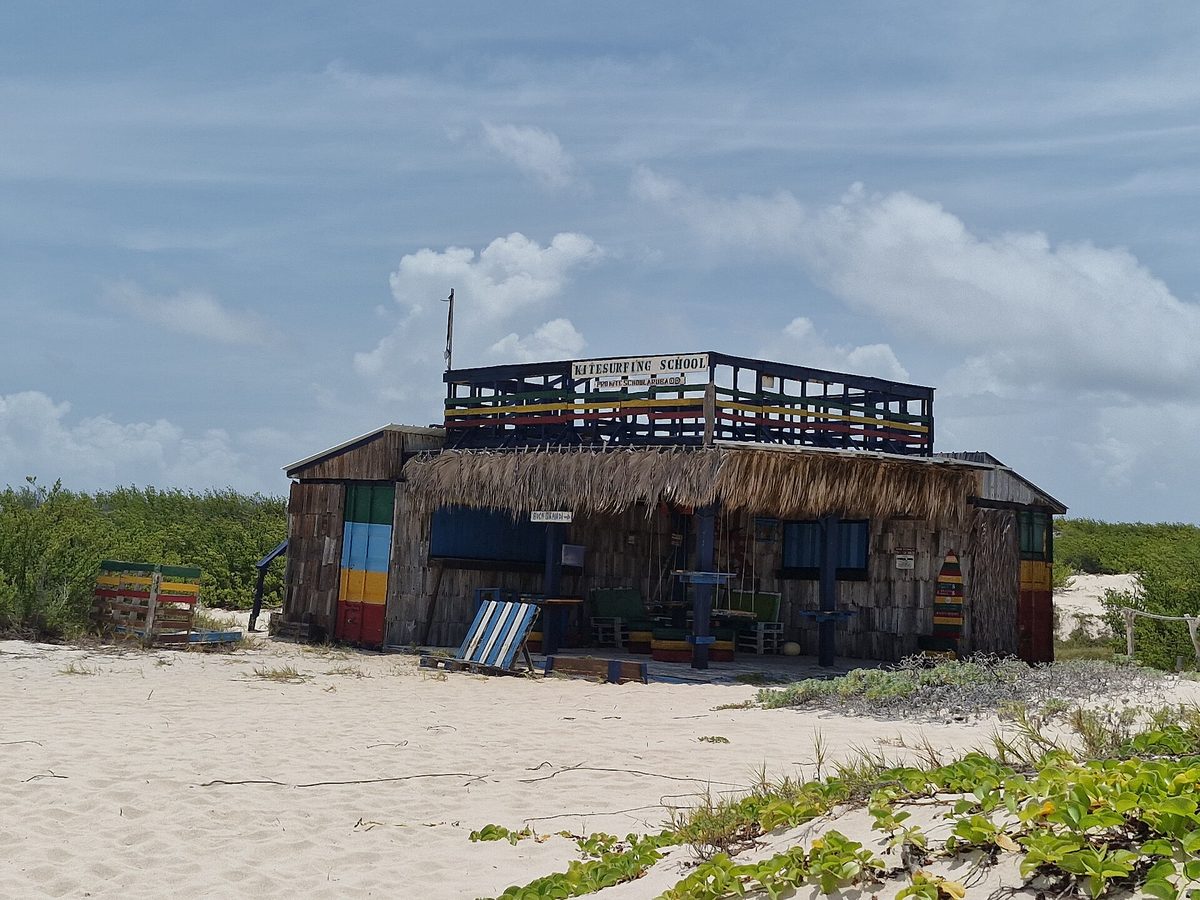
Just past the Marriott, Fisherman’s Huts is where Aruba’s legendary trade winds turn the sea into a kiteboarding and windsurfing playground. Even if you never touch a board, it’s mesmerizing to watch the sails skip across the water at sunset. The sand here is rougher and shellier than Palm Beach, so wear sandals. If you want to try a watersport for the first time, this is the spot — see our Aruba water sports guide for lessons and operators
On the water: snorkeling, shipwrecks and sunset cruises
Here’s a thing first-timers underestimate: in Aruba the best stuff is often in the water, not just next to it. The visibility is famously good, the sea is bathtub-warm, and you don’t need to be an expert to enjoy any of this.
Snorkel or dive the Antilla shipwreck
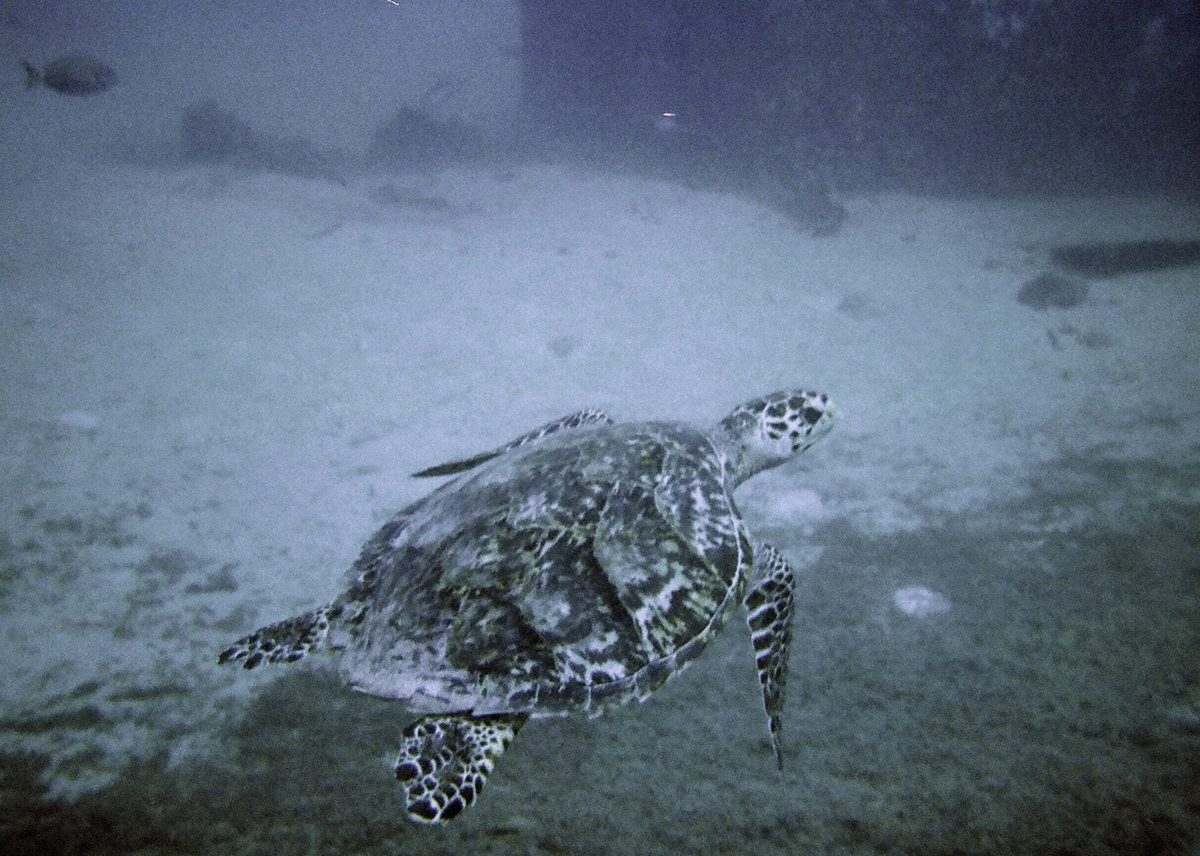
The SS Antilla is the headliner — a 400-foot German freighter scuttled in 1940, now resting in shallow, clear water off Malmok Beach. It’s one of the largest wrecks in the Caribbean, and because parts of it sit just below the surface, snorkelers can peer down at the coral-crusted hull while divers swim through it. I’ve done it both ways; even from the surface, the silhouette of that ship with fish swirling around it is unforgettable. Most catamaran tours include an Antilla stop along with the Boca Catalina and Malmok reefs. If you only snorkel once in Aruba, make it here.

Take a catamaran or sunset cruise
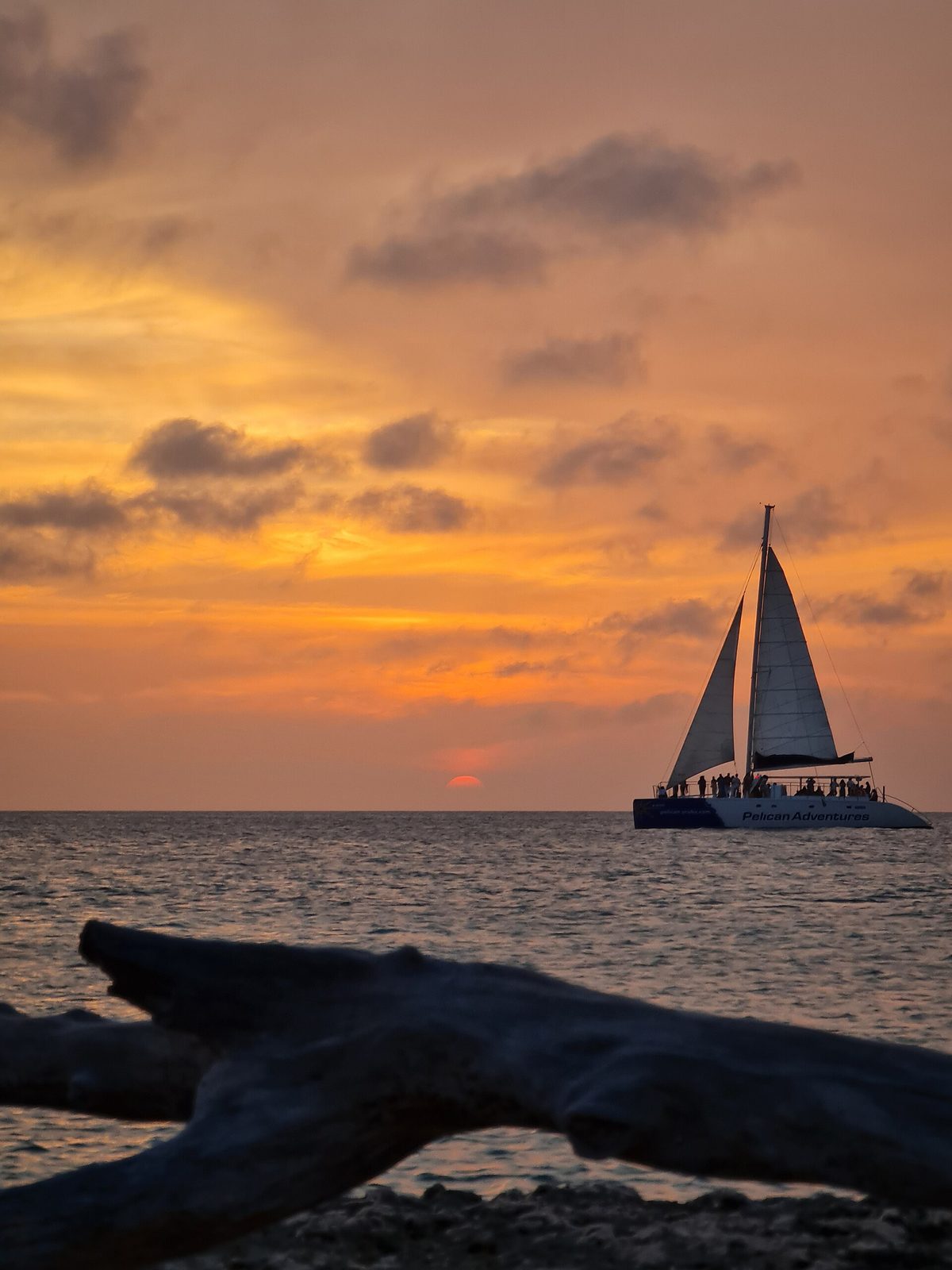
A sail is, hands down, the activity I push hardest on first-timers. Boats leave from Palm Beach and Oranjestad for half-day snorkel trips (usually hitting the Antilla) or two-hour sunset cruises with an open bar and music. There’s something about a rum punch in hand as the sun drops behind the divi-divi-studded coastline that turns a good trip into a memorable one. Couples especially love it — we cover the most romantic options in our Aruba honeymoon guide. Book a day or two ahead in high season; the good boats sell out.
Try a watersport you’ve never done
Because the west coast is so protected, Aruba is a forgiving place to try something new. Stand-up paddleboarding on the glassy morning water is my go-to; kids gravitate to the banana boats and the inflatable parks off Palm Beach. More adventurous? Parasailing gives you the whole coastline in one frame, and the windsurfing at Fisherman’s Huts is world-class. The full menu — with who to book and rough prices — lives in our Aruba water sports guide.
Wild Aruba: Arikok National Park, the Natural Pool and the rugged coast
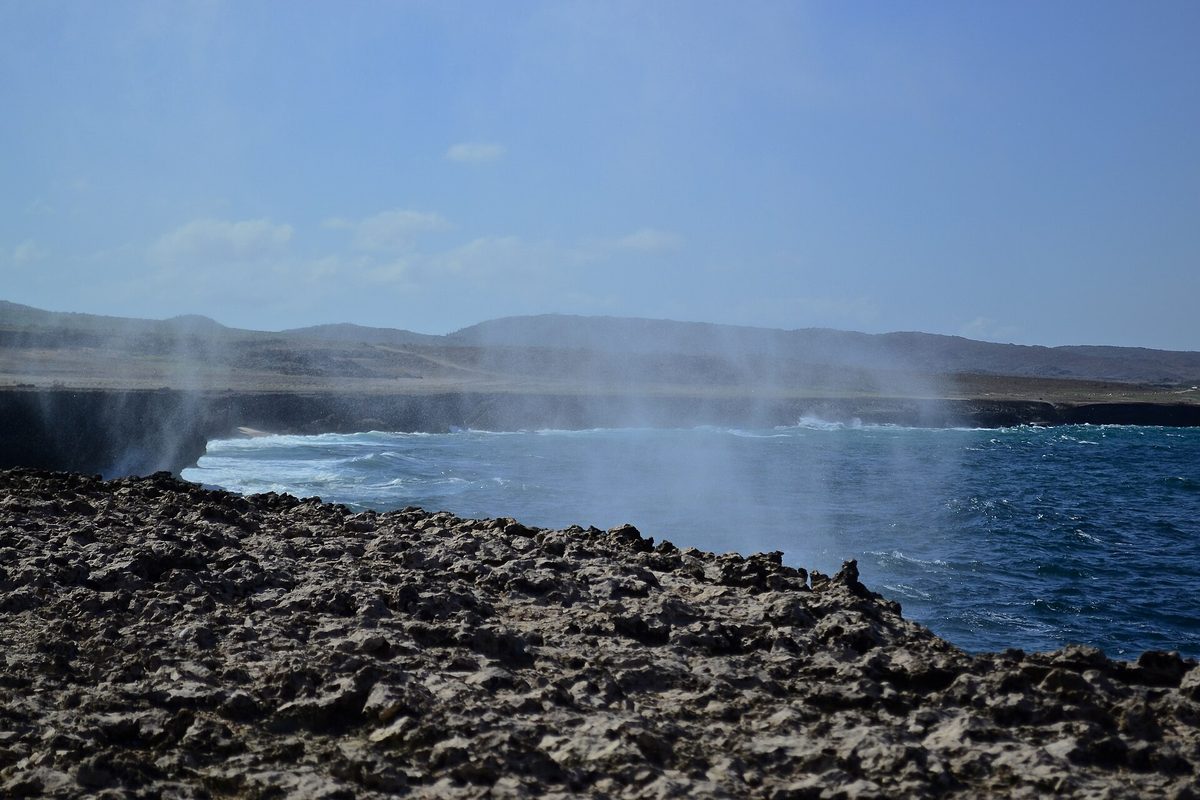
If the west coast is the postcard, the east coast is the plot twist. Cross to the windward side and Aruba turns into a desert of cacti, boulders, blowholes and crashing surf. Nearly 20% of the island is protected inside Arikok National Park, and seeing it is the single best way to understand that Aruba is far more than a beach. Our dedicated Arikok National Park guide goes deep; here’s the first-timer version.

The Natural Pool (Conchi / Cura di Tortuga)
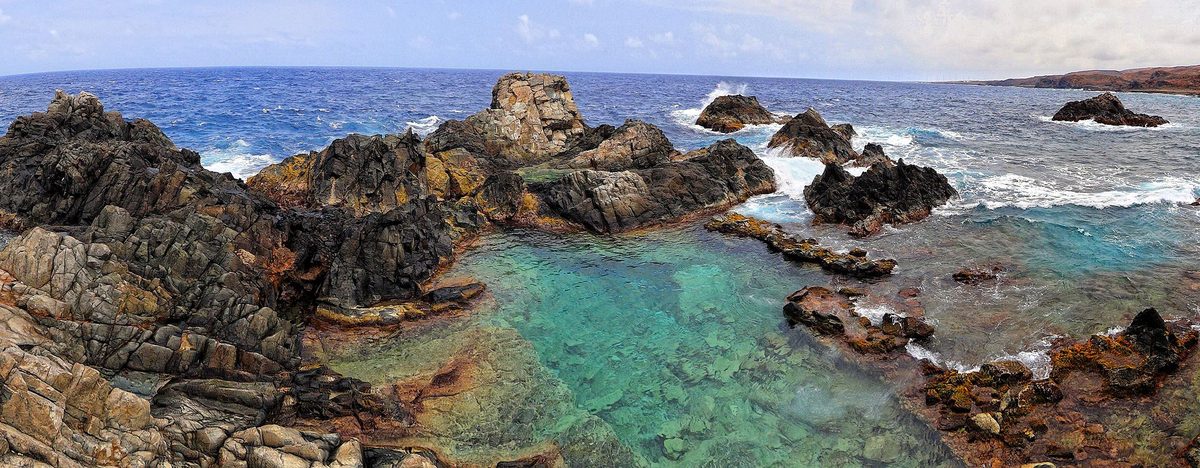
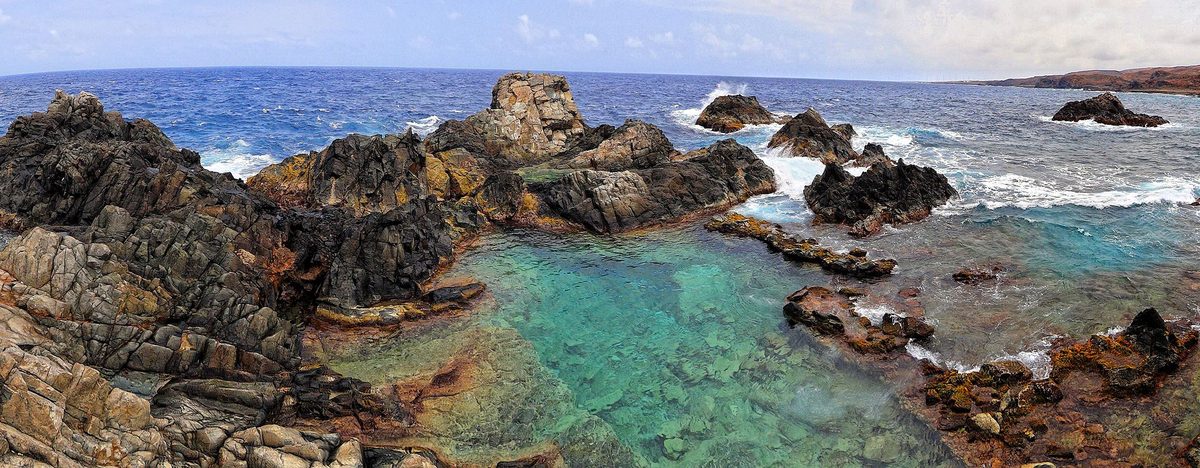
The crown jewel of Arikok is the Natural Pool — a circle of calm, clear water ringed by volcanic rock, with waves exploding over the far edge while you float safely inside. Getting there is half the fun and the main catch: the road is so rough you can only reach it by 4×4, on a guided UTV/jeep tour, on horseback, or via a sweaty hike. Do not try it in a regular rental car; people get stuck (and fined) every week. A guided jeep safari that bundles the Natural Pool with other sights is the easy, safe choice for first-timers, and lunch is usually included.
Caves, dunes and rock formations
Inside and around the park you’ll find Fontein Cave with its Arawak rock paintings, Quadirikiri Cave where sunlight beams through holes in the ceiling, the wind-sculpted Boca Prins sand dunes, and the photogenic Casibari and Ayo rock formations — clusters of giant boulders you can scramble up for island views. I’ll be candid: judged against the Natural Pool, the rock formations are a modest stop, but they break up a driving day nicely and the kids love climbing them.
California Lighthouse and the north tip
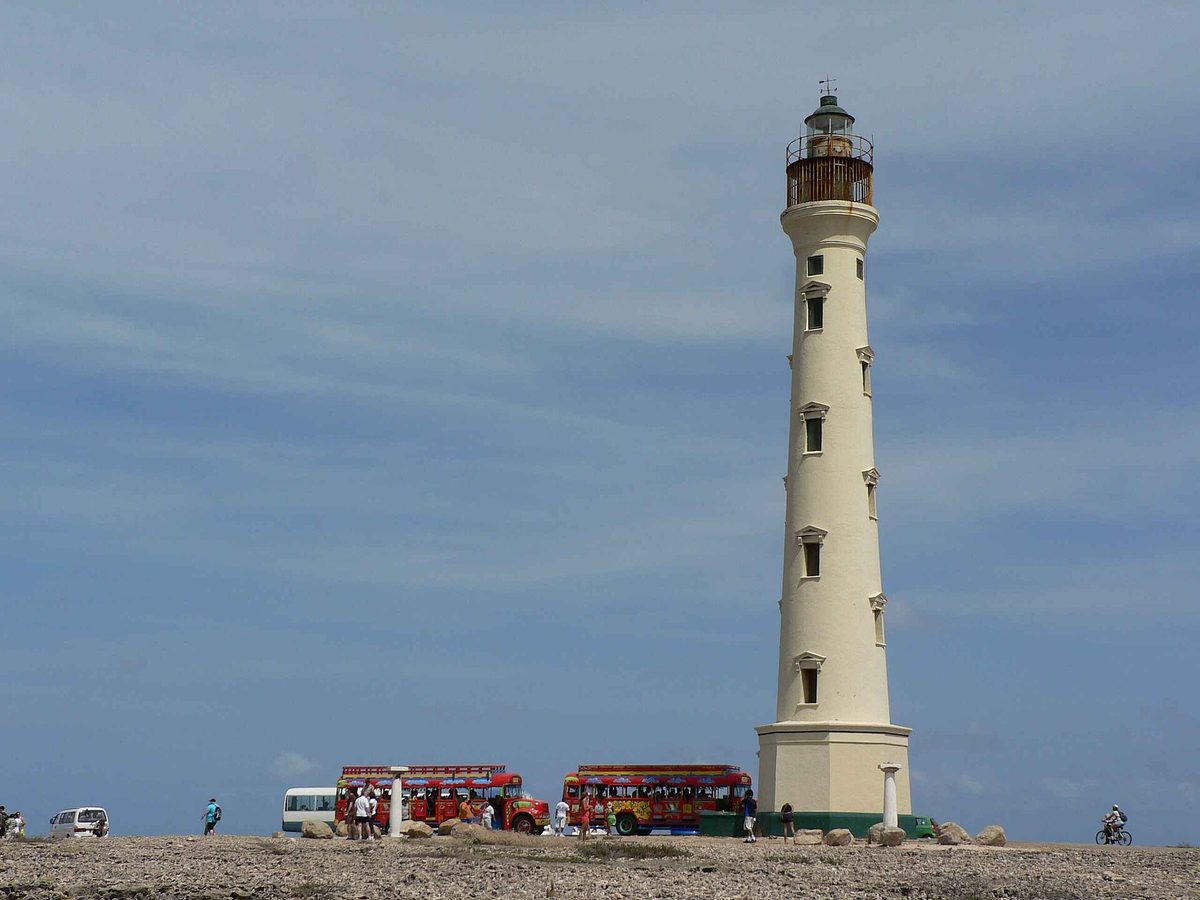
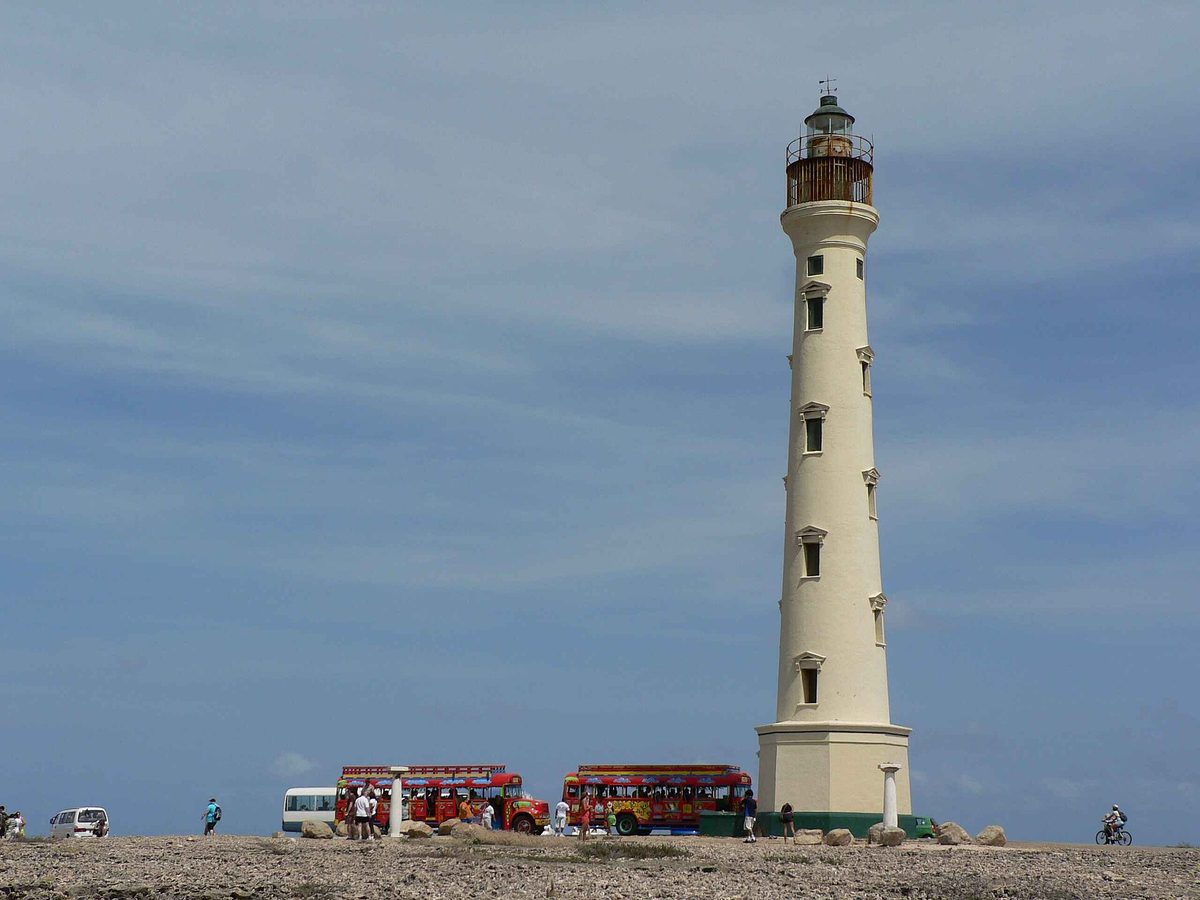
On the breezy northwestern point stands the cream-colored California Lighthouse, named after a steamship that wrecked offshore in 1891. You can climb the 117-ish steps for a sweeping 360-degree view of the island’s wild north coast — gorgeous at sunset. Right below it, the Italian restaurant Faro Blanco is a lovely sundowner spot. Honest take: the lighthouse itself is a quick stop, but the surrounding dunes, the nearby Alto Vista Chapel (a bright-yellow pilgrim’s church), and the natural bridge ruins make a great little self-drive loop.

Town and culture: Oranjestad and San Nicolas
Aruba’s towns are easy to overlook when the beach is calling, but skipping them means missing the island’s Dutch-Caribbean personality — and some of its best food and photos.
Oranjestad — the colorful capital
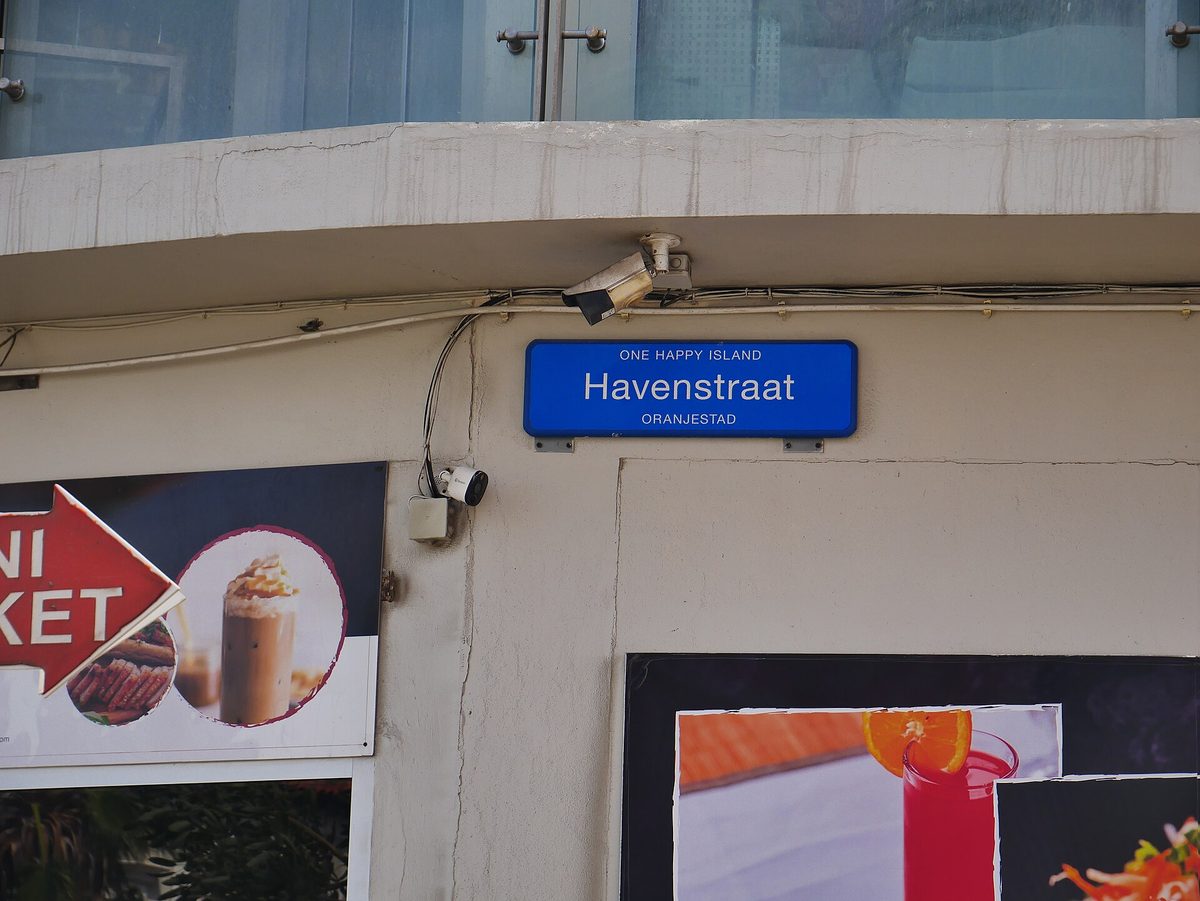
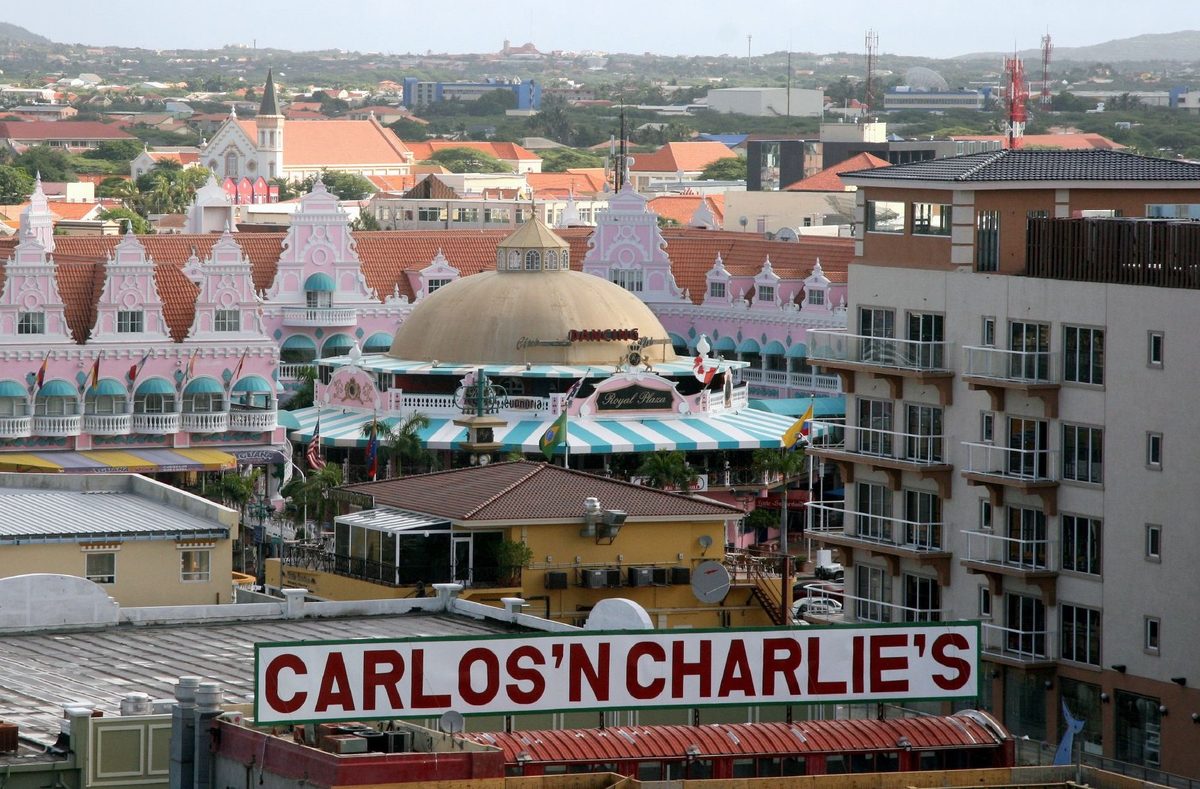
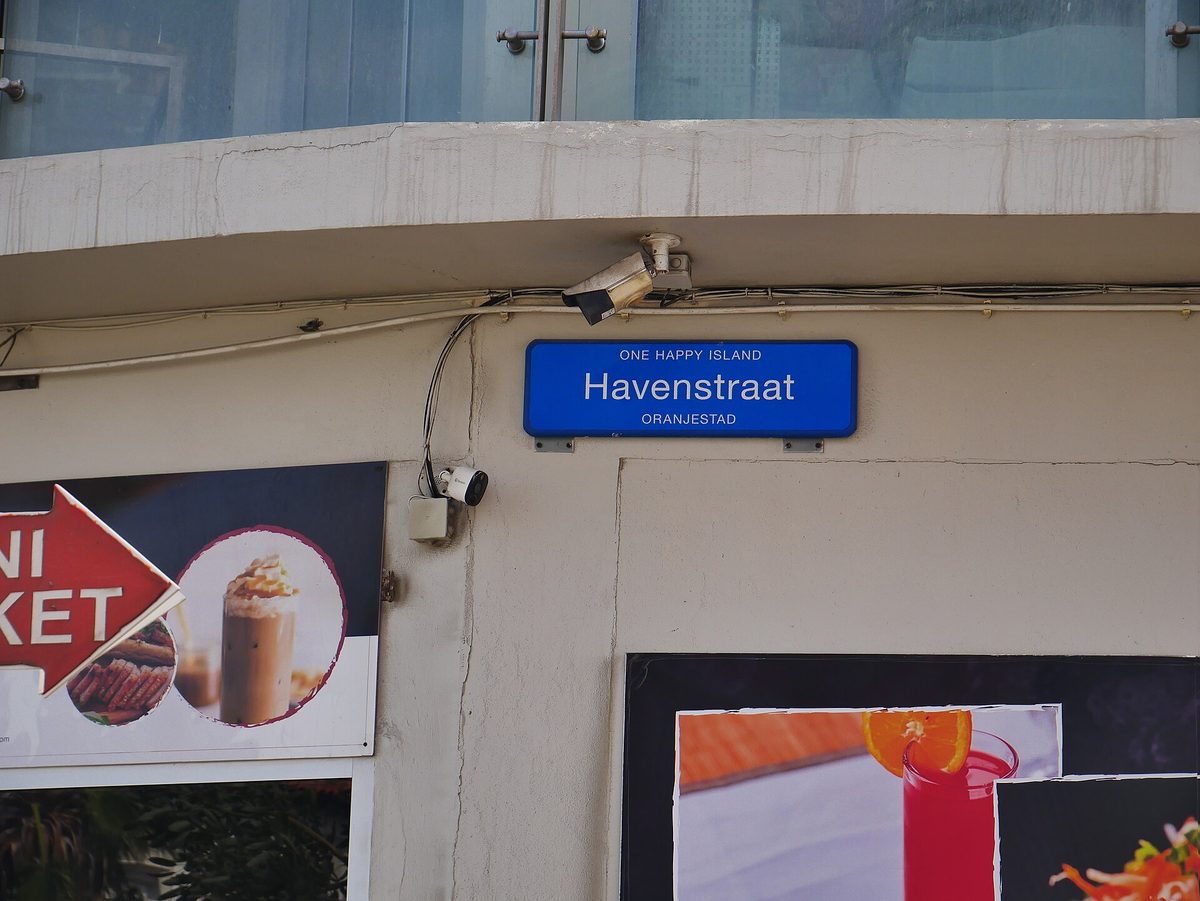
Aruba’s capital is a candy-box of pastel Dutch colonial buildings, open-air markets and duty-free shops. Ride the free streetcar down the main drag, browse for local art and Dutch cheese, and grab lunch at a waterfront café. Cruise passengers land right here, so it can get busy mid-morning; I like it best in the late afternoon when the day-trippers thin out and the light goes golden on those gabled façades. It’s also the easiest place to sample Aruban cooking — more on that, and where to eat island-wide, in our Aruba restaurants guide.

San Nicolas — Aruba’s street-art capital
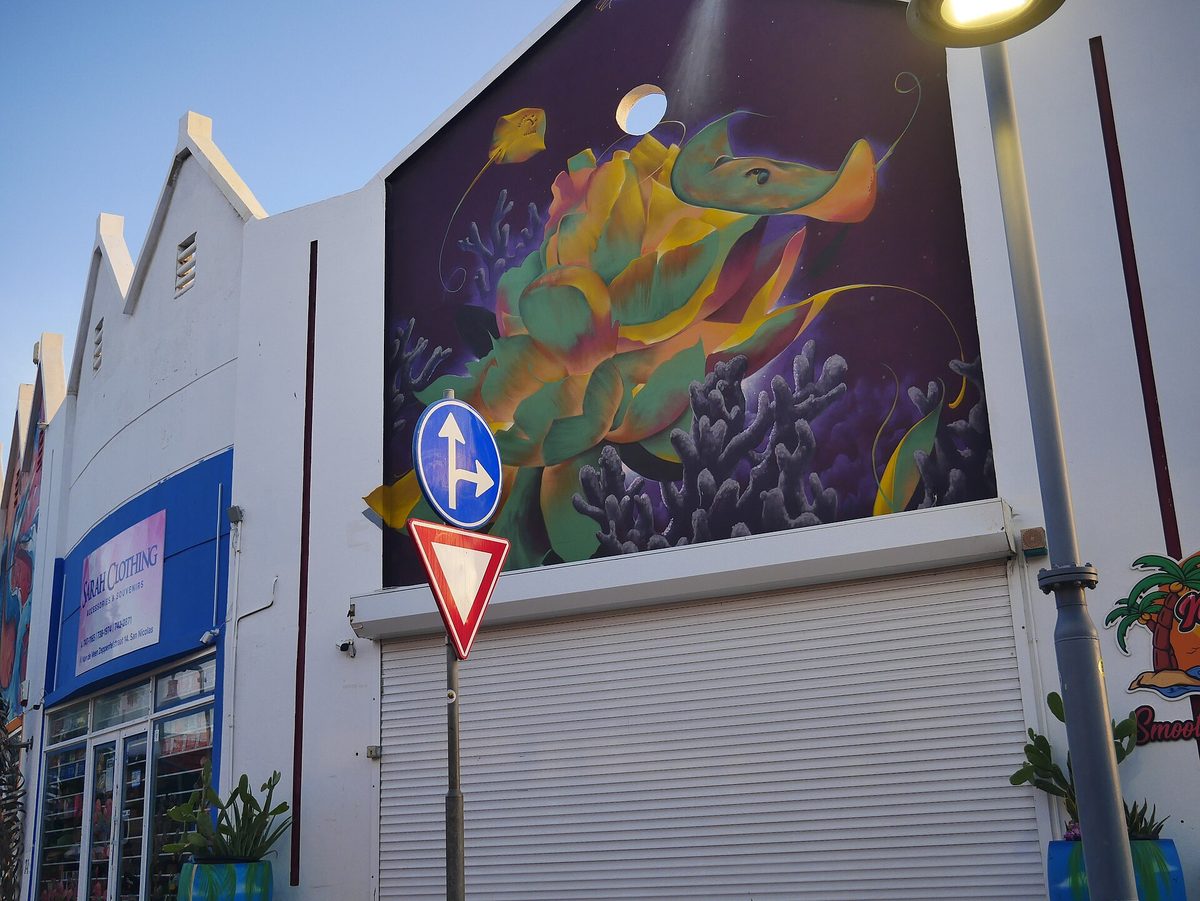
About 30 minutes south, the former refinery town of San Nicolas has reinvented itself as Aruba’s arts district. Enormous, vivid murals splash across whole building walls thanks to the annual Aruba Art Fair, and there’s a genuine local energy you won’t find in the resort strip. Pair it with Baby Beach (15 minutes away) for a perfect half-day off the tourist track. Charlie’s Bar, a delightfully cluttered institution open since 1941, is the classic lunch stop. This is my favorite “see the real Aruba” outing.
For families and animal lovers
Traveling with kids? Aruba is one of the easier Caribbean islands to do it. Beyond the calm beaches, a cluster of small animal attractions makes for great low-key mornings. Our Aruba with kids guide has the full plan; these are the highlights.
- Donkey Sanctuary Aruba — a free nonprofit in Santa Cruz where you can feed and pet rescued donkeys. Bring apples and carrots; the kids will not want to leave.
- Aruba Ostrich Farm — guided tours on the eastern side where you can hand-feed ostriches and emus and learn some genuinely odd bird facts.
- The Butterfly Farm — near Palm Beach, a lush enclosure where hundreds of butterflies flutter around (and onto) you. Wear bright colors; mornings are best for hatchings.
- Philip’s Animal Garden — a rescue sanctuary with everything from kangaroos to monkeys, run by a passionate local team.
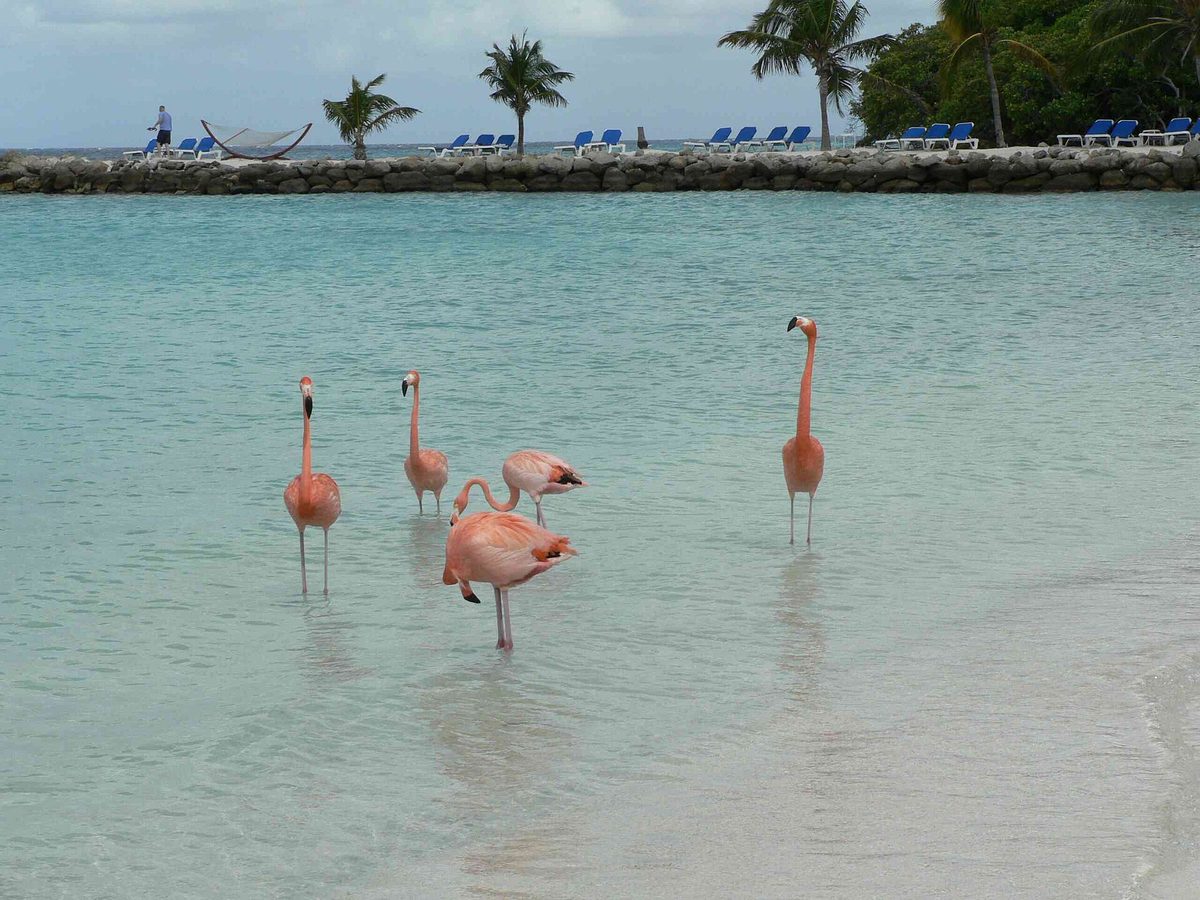
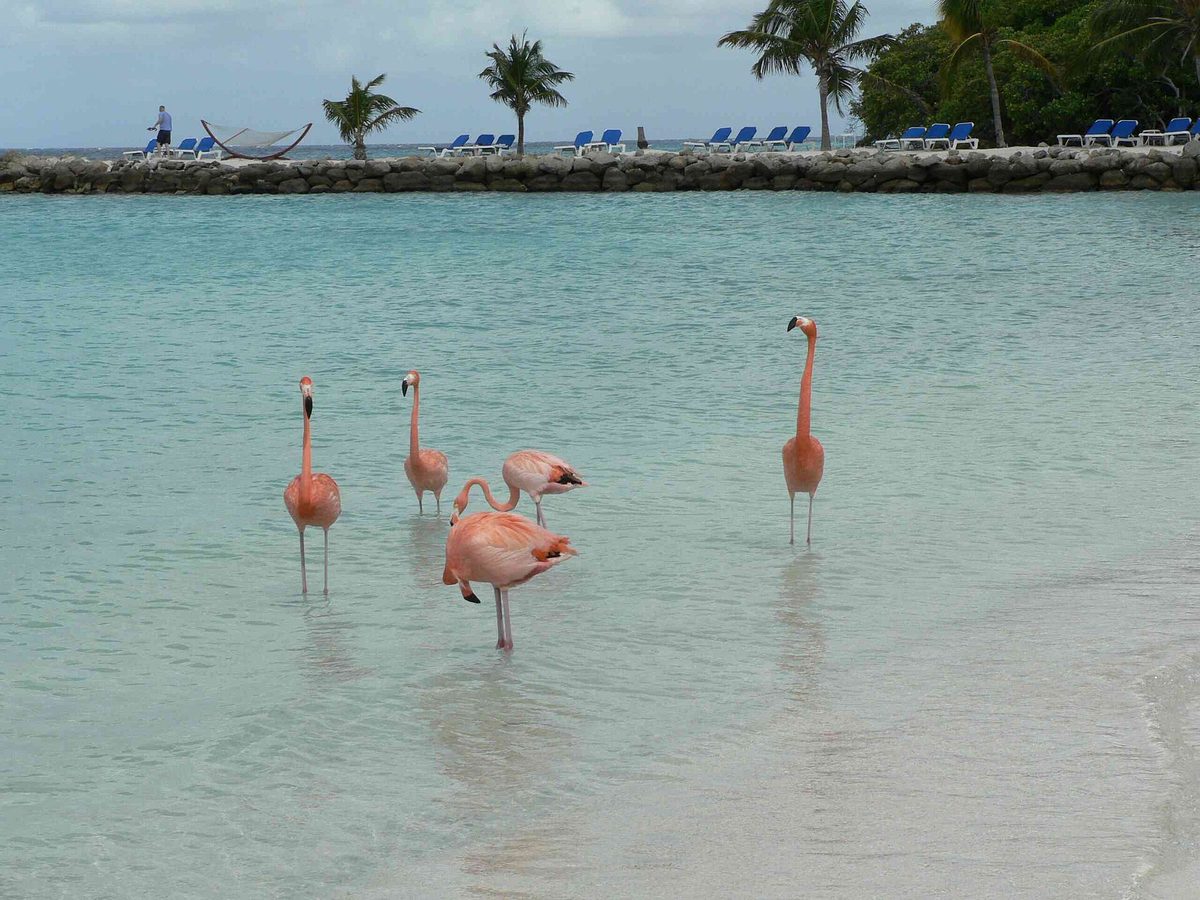
- Flamingos on Renaissance Island — the famous pink-flamingo beach is on a private island accessible to Renaissance hotel guests (or via a day pass when available). It’s the photo everyone wants; plan ahead because access is limited.
Food, sunsets and nightlife
You will eat well here. Aruba’s dining runs from beachfront seafood shacks to genuinely fine dining, with a Dutch-Caribbean-Latin mash-up that’s all its own.
Eat like a local at least once
Order the fresh catch — mahi-mahi, wahoo or red snapper — with pan bati, a slightly sweet local cornmeal pancake, and try keshi yena (a stuffed-cheese casserole) if you see it. The “dinner with your feet in the sand” restaurants on Palm and Eagle beaches are touristy but genuinely lovely for a special night. For my full list of where to splurge and where to eat cheap, see the Aruba restaurants guide.
Sunsets are an event
Aruba sunsets are a nightly ritual, and the west-facing coast delivers. My favorite free version: walk out on the Palm Beach pier or grab a swing seat at a beach bar around 6:30 p.m. The paid upgrade is, of course, that sunset catamaran. Either way, do not spend every evening at your resort — the sky here earns your attention.
After dark
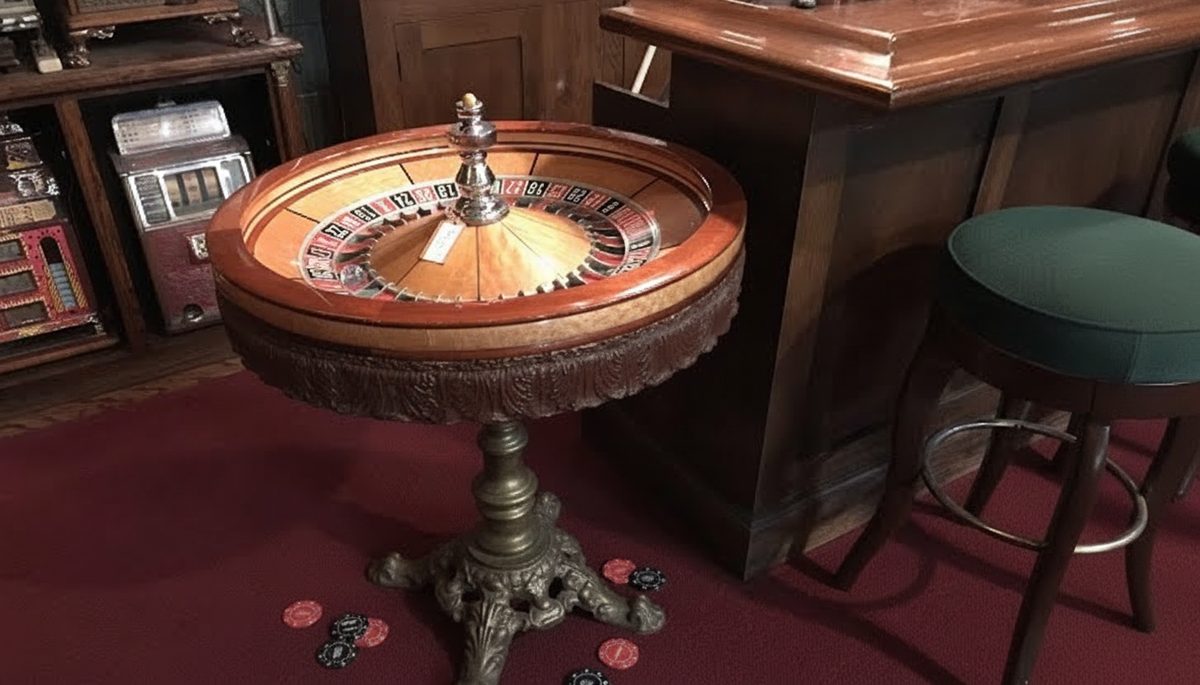
Nightlife is low-key but fun: beachfront lounges, a handful of casinos along Palm Beach, live music, and the occasional street party in Oranjestad. It’s social and safe rather than wild. For specific bars, casinos and party nights, our Aruba nightlife guide has you covered.
What to do by traveler type
The same island gives everyone a slightly different trip. Here’s how I’d steer you depending on who you are.
First-timers (the “do the greatest hits” plan)
Two beach days (Eagle plus one more), one catamaran snorkel to the Antilla, one Arikok/Natural Pool jeep day, an afternoon in Oranjestad, and one sunset cruise. That’s the perfect first visit, and it slots neatly into our Aruba itinerary planner.
Couples and honeymooners
Lean into sunsets, a private or small-group sail, beachfront dinners, and a flamingo-beach morning. The adventure stuff is optional; the romance is the point. See the Aruba honeymoon guide for the dreamy version.
Families
Anchor on calm beaches (Baby Beach, Palm Beach), the animal sanctuaries, a glass-bottom boat or easy snorkel, and a gentle Arikok tour. Keep driving days short — the heat wears little ones out. Full plan in Aruba with kids.
Cruise-day visitors
You’ve got roughly six to eight hours from the Oranjestad port. Don’t over-schedule. Either a) taxi to Eagle Beach for a swim and be back for lunch in town, or b) book a short catamaran snorkel that leaves near the port. Both beat fighting traffic to the far end of the island and back.
Planning your trip: the practical stuff
How many days do you need in Aruba?
Five to seven days is the sweet spot. With five full days you can hit every must-do above without rushing — figure roughly half beach days and half exploring. Three or four days works if you’re tight, but you’ll be choosing between Arikok and a second beach day. A week lets you add San Nicolas, the flamingos, and plenty of do-nothing time, which honestly is the whole appeal of Aruba.
When to go
Here’s Aruba’s superpower: it sits below the main hurricane belt and is dry and sunny almost year-round, averaging around 82–84°F. There’s no truly bad time to visit. Peak season (mid-December to mid-April) brings the best weather and the biggest crowds and prices; the shoulder months of May, June and November are my pick for the sweet spot of warm weather and softer rates. Dig into the trade-offs in our best time to visit Aruba guide.
Getting around
For first-timers I recommend renting a car for at least one or two days so you can do Arikok, the north coast and San Nicolas on your own schedule; the rest of the time, taxis and the cheap, reliable Arubus line between the hotel strip and Oranjestad are plenty. Remember a regular rental cannot reach the Natural Pool — that needs a 4×4 or a tour. The full breakdown of car rental, taxis, buses and driving tips is in getting to and around Aruba.
What does it cost?
Aruba isn’t a budget island, but it’s manageable with planning. The currency is the Aruban florin (AWG), though US dollars are accepted absolutely everywhere, so you rarely need to exchange money. Tours run roughly $45–120 per person, mid-range dinners $30–60, and a rental car around $45–70 a day. Many couples and families do well booking an Aruba all-inclusive resort to lock in food and drinks. For a realistic daily budget, see our Aruba vacation cost guide.
A few first-timer tips that save the trip
- Book the big tours early. The best catamarans and jeep safaris sell out in high season — reserve a few days ahead.
- Respect the wind. The trade winds are constant and stronger in the afternoon. Clip down your towel, and reef-safe sunscreen is required by law.
- Don’t off-road a rental car. Rental contracts exclude unpaved roads; the Natural Pool track will get you stuck and fined.
- English is everywhere. Most Arubans speak four languages; you’ll have zero language trouble. U.S. citizens don’t need a visa for stays up to 30 days.
- Aruba is among the safest Caribbean islands, but use normal sense with valuables on the beach. More in our Aruba travel tips guide.
What I’d honestly skip (or downgrade)
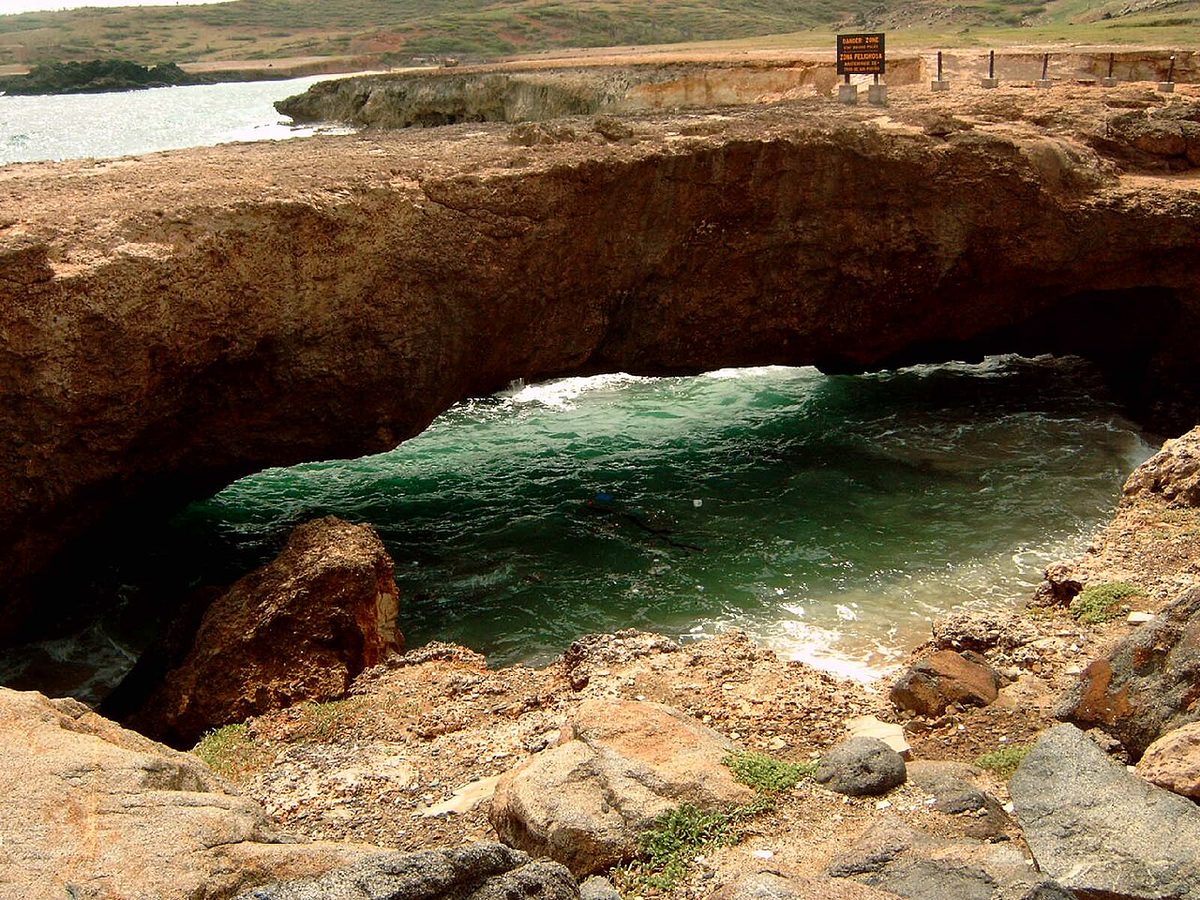
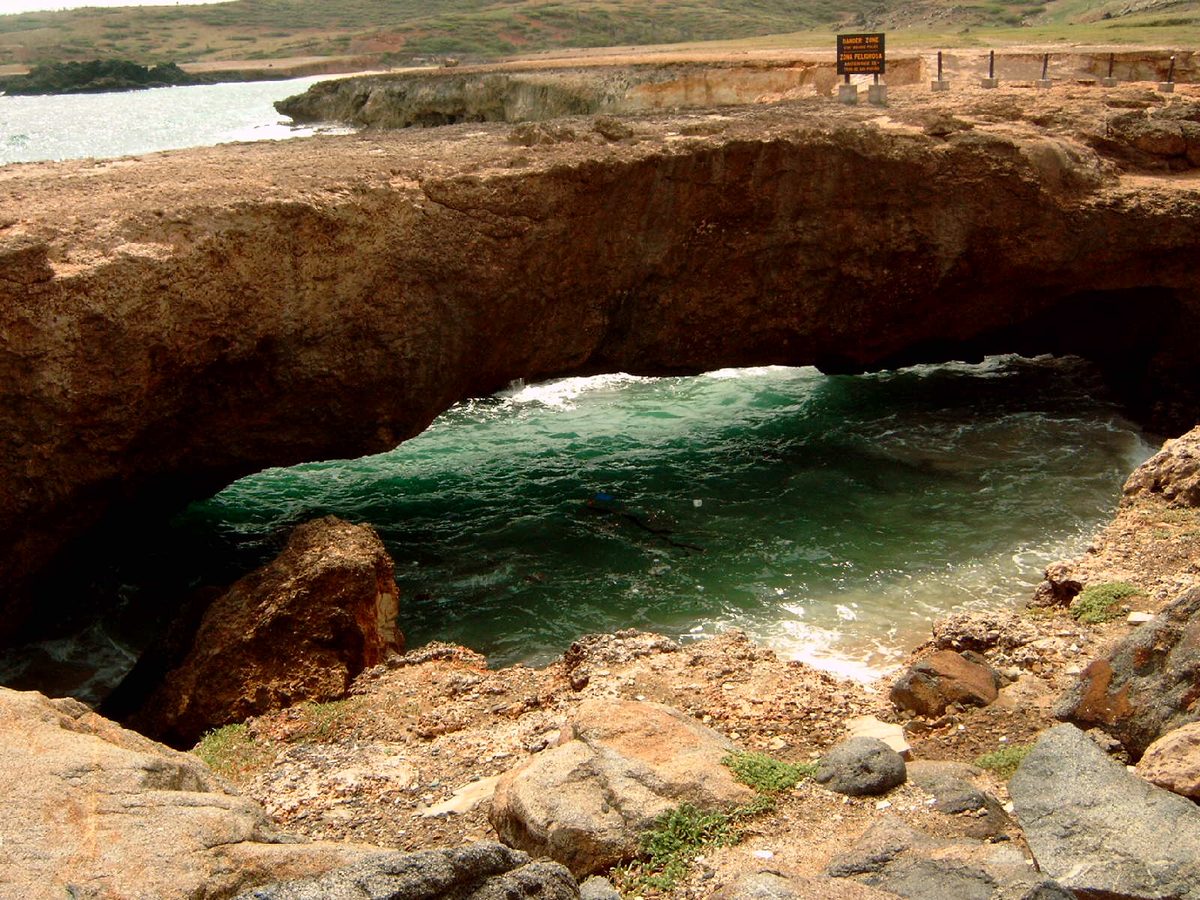
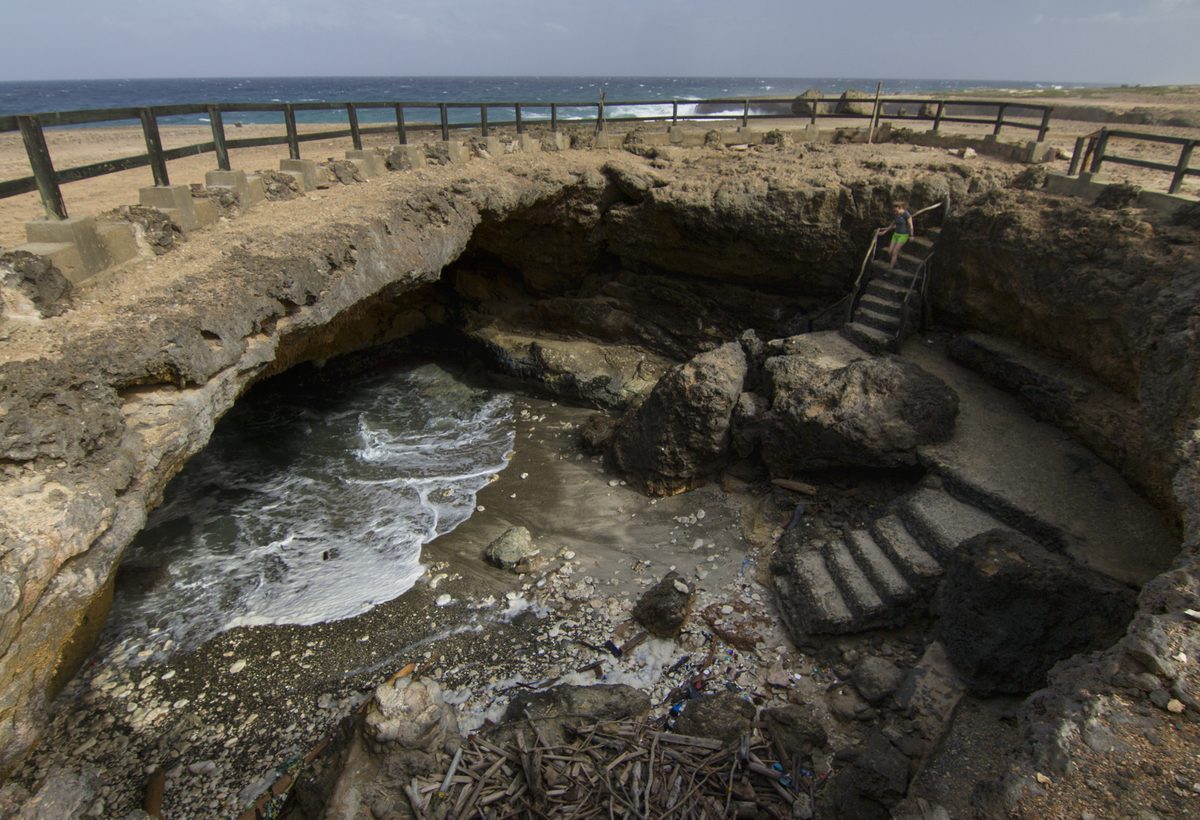
Not everything earns a spot. A few candid opinions after many visits: the California Lighthouse is a 15-minute photo stop, not a destination — pair it with the chapel and dunes. The Casibari/Ayo rock formations are fine but skippable if you’re short on time. The Natural Bridge everyone asks about collapsed in 2005; the smaller “Baby Bridge” nearby is a quick look, not a must. And the casinos are small — fun for an hour, not a Vegas night. None of these are bad; they just shouldn’t bump a beach day or a sail off your list.
Frequently asked questions about things to do in Aruba
What is the number one thing to do in Aruba?
A beach day on Eagle Beach is the single most essential thing to do in Aruba — it’s consistently ranked among the world’s best beaches, it’s free, and it captures exactly why people fall for the island. If I had to add one more, it’d be a catamaran cruise that snorkels the Antilla shipwreck, because it combines the two things Aruba does best: gorgeous water and easy adventure.
How many days do you need in Aruba?
Five to seven days is ideal. Five full days let first-timers cover the beaches, a snorkel cruise, Arikok and the Natural Pool, Oranjestad and a sunset sail without feeling rushed. Three to four days is doable but forces trade-offs, while a full week adds San Nicolas, the flamingos and the unhurried beach time that is the real point of an Aruba vacation.
Is Aruba expensive to visit?
Aruba sits on the pricier end of the Caribbean, but it’s manageable. Expect roughly $45–120 per person for tours, $30–60 for a mid-range dinner, and $45–70 a day for a rental car. You can trim costs with an all-inclusive resort, beach picnics and the cheap public bus. See our Aruba vacation cost guide for a realistic daily budget.
What is the best month to visit Aruba?
Aruba is warm, dry and sunny year-round and sits below the hurricane belt, so any month works. For the best weather go December through April; for the best balance of good weather and lower prices and crowds, target May, June or November. Our best time to visit Aruba guide breaks down each season.
Do you need a car in Aruba?
You don’t strictly need one, but renting a car for a day or two makes exploring Arikok, the north coast and San Nicolas far easier and cheaper than tours. Around the hotel strip, taxis and the Arubus public bus to Oranjestad cover most needs. Just remember the Natural Pool requires a 4×4 or guided tour — a standard rental can’t legally or safely go there.
What is Aruba known for?
Aruba is known for powder-white beaches like Eagle and Palm, reliably sunny and dry weather, the divi-divi trees bent by constant trade winds, the rugged desert landscapes of Arikok National Park, world-class windsurfing, and a famously safe, friendly, multilingual culture. Its tagline, “One Happy Island,” isn’t just marketing — it genuinely reflects the easygoing vibe.
Is Aruba good for non-beach activities?
Absolutely. Beyond the beaches you can hike or jeep through Arikok National Park, float in the Natural Pool, explore caves with ancient rock art, photograph San Nicolas’s giant murals, tour animal sanctuaries, shop and eat in Oranjestad, and climb the California Lighthouse. Aruba’s desert interior surprises most first-timers who expected beaches alone.
Final thoughts: building your perfect Aruba trip
If there’s one thing I’ve learned from all these trips, it’s that the best Aruba vacations balance motion and stillness. Pick three or four of the must-dos above — a beach day, a sail, an Arikok adventure, an evening in town — and leave real space to do nothing at all. The island rewards both the explorer and the floater, and the trick is being a little of each.
Start with our complete things to do in Aruba hub for the deep dives, map out your days with the Aruba itinerary planner, and sort your home base in the where to stay in Aruba guide. Then book that sunset cruise. Trust me — future you, drink in hand as the sky turns orange, will be glad you did.
Photo credits
- Eagle Beach — Photo: DDJJ / CC BY-SA 4.0 via Wikimedia Commons
- Palm Beach at night — Photo: Rarends297 (CC0) via Wikimedia Commons
- Natural Pool, Arikok National Park — Photo: Bjørn Christian Tørrissen / CC BY-SA 3.0 via Wikimedia Commons
- California Lighthouse — Photo: David Stanley / CC BY 2.0 via Wikimedia Commons
- Oranjestad — Photo: Navigator334 / CC BY-SA 4.0 via Wikimedia Commons
- Sea turtle at the Antilla wreck — Photo: Serge Melki / CC BY 2.0 via Wikimedia Commons